Category Archives: Health

What is new in the field of Health. Trending topics, and cutting edge research in the are of Health. Press Releases that give us updates on Health.

Phoenix Technology Group Announces Additions to the Clinical Advisory Board and Appoints New Chair


“Their real-world insights, experience and expertise help us strengthen our decisions as we identify opportunities and offer solutions that are of value to our customers and their patients.”

Today, Phoenix Technology Group™, LLC (Phoenix), a leading provider of advanced ophthalmic imaging solutions, announced the addition of new Clinical Advisory Board (CAB) members to further inform the Company’s focus on innovation and product development.

The new CAB members are:

  • R.V. Paul Chan, MD, MSc, MBA, FACS, Professor and Head of the Department of Ophthalmology and Visual Sciences; Director of the Pediatric Retina and Retinopathy of Prematurity Service at the Illinois Eye and Ear Infirmary, University of Illinois College of Medicine, Chicago.
  • Yoshihiro Yonekawa, MD adult and pediatric retinal specialist at Wills Eye Hospital and Mid Atlantic Retina, Philadelphia.

The CAB is made up of leading physicians and ophthalmic photographers, with diverse and relevant areas of expertise to Phoenix to help inform future strategic development of the Company’s clinical products. This includes input and advice on product direction for the Phoenix ICON™ retinal imaging camera, the Phoenix CONNECT telemedicine platform, and advanced technology and algorithm development.

“We are excited about the addition of these leading physicians to our advisory board,” said Scott Carr, chairman and CEO of Phoenix. “Dr. Chan is a leading pediatric retina specialist and has proven innovation experience in improving global health through telemedicine and tele-education programs, and he has been at the forefront of research in developing imaging technologies and artificial intelligence in ophthalmology. Dr. Yonekawa brings expertise in both adult and pediatric retinal issues, has contributed to over 250 original papers and publications and achieved numerous high-profile awards for his work.” says CEO, Scott Carr. “These are world-class ophthalmologists and their advice, as we continue to advance our products and technology, is invaluable.”

Leslie D. MacKeen, BSc, CRA rejoined Phoenix last year and has been appointed by CEO, Scott Carr as new chair of the CAB. MacKeen previously served as Medical Imaging Specialist for The Hospital for Sick Children in Toronto, and Phoenix where she served as a MICRON application specialist from 2012 – 2013. In all, MacKeen has 28 years of ophthalmic imaging experience, 10 years of it with Clarity (now Natus) where she served as Ophthalmic Imaging Specialist / Clinical Services Manager.  During her time at Clarity, MacKeen designed the MacKeen Pediatric Lid Speculum as well as an imaging training manikin; she also developed and conducted extensive training procedures and practices for the company. 

“Phoenix is so fortunate to have recruited such a talented, hi-level panel of experts.” says MacKeen. “Their real-world insights, experience and expertise help us strengthen our decisions as we identify opportunities and offer solutions that are of value to our customers and their patients. I am looking forward to working with all of our members in this capacity as we deliver our products to the market.”

Other members of the Clinical Advisory Board include:

  • Audina Berrocal, M.D.
  • Susmito Biswas, MB BS, FRCOphth
  • Sandor Ferenczy, B.S., CRA, OCT-C
  • M. Edward Guthrie, M.D.
  • Domenico Lepore, M.D.
  • Michael Trese, M.D.


About Phoenix Technology Group: Phoenix Technology Group™ empowers people to see: we empower researchers to see more in their fight to prevent blindness; we empower clinicians to see more in their fight to save sight.  We do that by providing clinicians and researchers around the world with stunning retinal images, coupled with timely and accurate data about the retina and the eye. Founded by Bert Massie, Ph.D., inventor of the first digital camera for pediatric retinal imaging, our company created the Phoenix MICRON™ platform for in-vivo imaging of animals in eye research.  Phoenix MICRON™ is the standard of excellence for researchers worldwide: ten of the top twelve research institutions employ a Phoenix MICRON™ solution. In 2017, the company launched to great acclaim the Phoenix ICON™ platform which reinvented wide-field retinal imaging for human clinical applications. Phoenix ICON™ delivers stunning high-contrast, high-resolution images, with quality you can see and data you can trust. The Phoenix ICON™ platform also boasts a number of features including a lighter weight cart and a six-hour battery life.  Recognizing that telemedicine is the future of ROP screening, in 2018, Phoenix launched Phoenix CONNECT, which today is the most widely adopted telemedicine platform for ROP screening. Phoenix CONNECT connects the nursing, ophthalmology, and neonatology teams to enable delivery of the best care by facilitating timely expert screening to babies in any NICU. And, the platform implements a proven screening workflow that generates critical photo documentation to enhance treatment determination and reduce risk.

Contact: Jen King, Phoenix Technology Group, ph.1.925.485.1100 x 244, jen.king@phoenixtech.com

Share article on social media or email:

Vizion Health expands into Texas adolescent addiction market


Mark Schneider, CEO of Vizion Health, LLC (“Vizion”) announced today that the company has acquired Shoreline Treatment Center in Taft, Texas. Shoreline is a 91-bed adolescent residential addiction treatment center founded in 1989 by the late Houston resident Jack Steele Anderson who wanted to give back to his community. Vizion looks forward to continuing the legacy of the founder who devoted many years of his life to helping adolescents with alcohol and drug problems reports Vizion CEO. David Cox, Security Bank and Trust Company’s Executive VP, reports that “SBT is proud to partner up with Vizion Health in their important mission to treat and address the rising needs of adolescent drug and alcohol addiction related issues”. Vizion’s purchase of Shoreline marks the fourth acquisition in an aggressive campaign to purchase high quality behavioral health facilities throughout the country.

Vizion Health LLC is a privately-owned healthcare company located in Charlotte, NC. Vizion brings a seasoned behavioral healthcare team with decades of experience to Shoreline Treatment Center. Mark Schneider has over four decades of operating a broad spectrum of behavioral health facilities. Stephen Chesney, Vizion’s Chief Operating Officer, brings more than 30 years of experience operating multi-site and multi-state behavioral health businesses. Dr. Ann Miller, a recognized national expert in the addiction treatment industry, is Vizion’s Chief Development Officer. Aaron Kneas, a Vizion partner and managing director with New Century Capital Partners (NCCP), supports the Vizion Team on structuring transactions and securing the capital for the Company’s growth. “The strength of the core Vizion team enables us to grow quickly while continuing to ensure quality programming throughout our system,” says Mark Schneider.

Vizion currently owns Willow Crest Hospital and Moccasin Bend Ranch in Miami, Oklahoma. Willow Crest is a 50-bed acute care psychiatric hospital and Moccasin Bend Ranch is a 28-bed residential treatment center for children and adolescents with mental health problems. Vizion recently opened NEO Health & Wellness Center in Miami, Oklahoma, an outpatient treatment program specializing in treating the opioid issues facing rural Oklahoma residents. Vizion owns Crossroads, a 51-bed acute psychiatric hospital affiliated with Panola Medical Center in Batesville, Mississippi, as well as Magnolia Counseling Associates, an outpatient mental health and substance abuse treatment center also located in Batesville. Vizion’s portfolio also includes Red River Youth Academy in Norman, Oklahoma and Focus Treatment Centers in Chattanooga & Knoxville, Tennessee. Red River is a 66-bed adolescent residential mental health treatment center and Focus is a 48-bed adult residential substance abuse and eating disorder program.

Further information on Vizion Health can be found at http://www.vizionhealth.com. Vizion Health’s management team can be reached at 704-626-2448.

Share article on social media or email:

Educators can be Thankful with Help Your Classroom Gifts from California Casualty


www.calcas.com/Help-Your-Classroom

$200 Help Your Classroom Grant

The fact that we offer this grant really sets us apart; showing our partners a little appreciation for everything they do.

California Casualty has a gift for educators who need to fill an unmet need for their classrooms with the Help Your Classroom grant program. Each month, California Casualty, provider of the NEA® Auto and Home Insurance Program, awards eight randomly selected instructors from across the nation with donations totaling $1,600 to help them purchase essentials that benefit students.

Stephanie H., from Washington, was able to leverage the funds to purchase much-needed organizers for her classroom that she has wanted for a long while.

Another recent recipient, California’s Jeffery J., said, “I ordered my supplies. We will use them to beautify our school. I got paints and chalk and it will be fantastic! I appreciate the opportunity and the support!”

The Help Your Classroom program was created by California Casualty to aid schools affected by diminished resources. Recipients must use the $200 to provide supplies or equipment that directly benefits students and classrooms. Since its inception, more than 1,300 educators have received the help.

California Casualty Partner Relations team member, Tara Stoudt, says she is thrilled that she can help instructors and education support professionals with the funds. “I can’t tell you the countless responses I get from teachers about how much of their own money they spend on basic classroom needs, such as tissues and pencils. The fact that we offer this grant really sets us apart; showing our partners a little appreciation for everything they do,” she said.

Tara’s colleague, Katelyn Hoffman, said, “Many of these educators’ needs are basic school supplies because they are in a low-income district and get limited help from the school, and families can’t afford to send in items.”

The awards have been used to: augment audio and video equipment, purchase phonemic reading aids, provide writing practice boards, and buy books, paper, pencils and healthy snacks.

No purchase is necessary for the Help Your Classroom grants. Any member of the NEA or a state affiliate is eligible to enter at http://www.calcas.com/help-your-classroom.

Serving educators since 1951, California Casualty provides auto and home insurance for teachers and gives back with other programs that benefit schools and students:

It only takes a moment to join the thousands of educators who have already received a $200 Help Your Classroom donation at http://www.calcas.com/help-your-classroom.

Founded in 1914, California Casualty provides auto and home insurance to educators, firefighters, law enforcement and nurses across the country. Headquartered in San Mateo, California, with Service Centers in Arizona, Colorado and Kansas, California Casualty has been led by four generations of the Brown family. To learn more about California Casualty, or to request an auto insurance quote, please visit http://www.calcas.com or call 1.800.800.9410.

Share article on social media or email:
RMA of Connecticut Announces Fertile Yoga Program Reduces Stress and Increases Hopefulness in Women Going Through Infertility Treatment


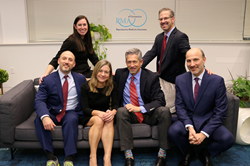
RMA of Connecticut team including Dr. Spencer Richlin present research at ASRM announcing Fertile Yoga program reduces stress and increases hopefulness in women going through infertility treatment.

RMA of Connecticut team including Dr. Spencer Richlin present research at ASRM meeting.

“Given that many patients stop infertility treatment prematurely due to stress and feelings of discouragement, the techniques used in our Fertile Yoga program could ultimately provide patients with the emotional energy and skills necessary to continue with fertility treatment.,” said Dr. Richlin.

Research conducted out of RMA of Connecticut, a leading fertility practice whose exceptional quality and care helps couples and individuals grow their family, shows that Fertile Yoga reduces stress and increases hopefulness in women undergoing fertility treatment. The study was authored by RMA of Connecticut staff members including Dr. Spencer Richlin, a partner and Surgical Director, Robin Mangieri, CEO, and Lisa Rosenthal, a registered yoga teacher and a patient advocate. The results of the study were presented at the ASRM conference in October.

The study included 55 women of various ages who were undergoing different types of fertility treatments and at various stages. The women were asked to complete a questionnaire before and after taking the Fertile Yoga class for a maximum of 4 months. The questionnaire included questions regarding stress, sadness and levels of hopefulness on a zero to 10 scale, where zero indicated no evidence of stress, sadness or hope and a 10 meant the highest level of stress, sadness, and hope.

Dr. Richlin says, “Given that many patients stop infertility treatment prematurely due to stress and feelings of discouragement, the techniques used in our Fertility Yoga program could ultimately provide patients with the emotional energy and skills necessary to continue with fertility treatment.”

Fertile Yoga is open to the public and is a free program for patients going through various stages of infertility treatment. Fertile Yoga combines two techniques, which include a one-minute mantra: “I am strong, healthy, resilient, hopeful, capable and fertile,” and seven movements of the spine, which include forwarding flexion, backbend extension, lateral left bend, and lateral right bend, left rotation twist, right rotation twist, and axial extension.

The researchers did not use a clinical diagnosis to determine scales of sadness, stress and hope but instead highlighted purposefully outcomes by the way the women felt. Their findings indicated a statistically significant decrease in stress and sadness and an improvement in overall hopefulness after taking the yoga class, in all age groups. The students reported that they were likely to continue to use the mantra and spine movements during their infertility journey.

For more information about Fertile Yoga and RMA of Connecticut, please visit rmact.com/fertility-yoga.

About Reproductive Medicine Associates of Connecticut (RMA of Connecticut)

RMA of Connecticut is a leader in fertility care, specializing in a range of infertility treatments. Our assisted reproductive technologies (ART) include intrauterine insemination (IUI), in-vitro fertilization (IVF) and pre-implantation genetic testing (PGT). RMA of Connecticut is Fairfield County’s largest fertility clinic and egg donation center. Through RMA of Connecticut’s Integrated Fertility and Wellness Center, we offer nutrition counseling, individual and couples psychological counseling, acupuncture and yoga, as well as financing and support services for our patients going through infertility treatment.

Our internationally recognized Gay Parents To Be® program at RMA of Connecticut specializes in LGBTQ family building. This is the third year in a row that RMA of Connecticut was recognized as a Leader in Healthcare Equality by the Human Rights Campaign.

Share article on social media or email:
RespirCare and HGE Health Expand Partnership to Make Same-Day Care Available to COPD Patients Nationwide


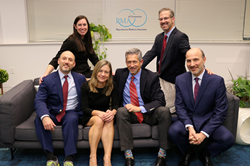
Dr. Mark Boomer left and Michael Markus, PhD, right RespirCare

Dr. Mark Boomer, left, founder of RespirCare has tapped the technology of HGE Health to remain in touch with pulmonary patients anywhere in the nation. Michael Markus, PhD, right, is CEO of HGE Health

“RespirCare and HGE Health share the belief that our upcoming expansion will bring to all COPD patients the improved health we have witnessed first-hand with our Tulsa patients since the beginning of our collaboration,” adds Dr. Mark Boomer, founder and CEO of RespirCare

HGE Health, a healthcare technology-enabled services company whose solutions empower physicians to better manage their COPD patient’s symptoms, joined forces nearly a year ago with RespirCare, an operator of respiratory specialty clinics, to give Tulsa’s COPD patients immediate access to in-person care at times when the attention is most needed. The patient-satisfaction scores and clinical outcomes have underscored that the partnership is addressing an unmet need, so the partnership between HGE Health and RespirCare is expanding to markets throughout the United States in 2020.

The partnership launched in Tulsa, Oklahoma, home to one of the highest rates of respiratory conditions in the U.S., where wait times for appointments to see a primary care physician are typically several weeks long. Understandably, patients experiencing severe symptoms who feel they are unable to wait for care often resort to visiting an Emergency Department at a local hospital.

To afford COPD patients the immediate, individualized care that only a dedicated pulmonologist can provide, while also combating the costs associated with Emergency Department visits, RespirCare opened a first-of-its-kind walk-in pulmonary clinic in Tulsa in May 2019.

HGE Health’s technology is a key component of RespirCare’s model. The platform identifies early changes in a patient’s respiratory symptoms and prompts clinical staff to initiate a medical response, often before patients themselves would have previously sought medical attention. As a result of the early clinical intervention, RespirCare is able to preemptively stabilize worsening symptom trends before an emergency department visit or hospital admission is required.

The collaboration between RespirCare and HGE Health has been incredibly successful in terms of patient care and cost savings. “Physicians, insurance providers, and most importantly the patients, have all provided positive feedback on the partnership between RespirCare and HGE Health,” said Michael J. Markus, PhD, CEO of HGE Health. “Patients receive prompt feedback to address their worsening respiratory symptoms, while the insurance companies minimize the substantial costs associated with an emergency department visit or inpatient hospital admission. Rural patients are also brought closer to healthcare systems, expertise, and resources located in larger metropolitan areas.”

“RespirCare is excited for the opportunity to offer cutting-edge, first-class medical care to all COPD patients,” adds Dr. Mark Boomer, founder and CEO of RespirCare. “Through our walk-in open access respiratory clinic and use of the HGE Health technology, we can treat patients at times when such treatments are most effective before symptoms reach a point warranting emergency care or inpatient hospitalization. RespirCare and HGE Health are healthcare innovators that share a common belief that our upcoming expansion will bring to all COPD patients the improved health we have witnessed first-hand with our Tulsa patients since the beginning of our collaboration.”

Immediate expansion plans will make HGE Health’s remote patient monitoring platform available to the millions of respiratory patients across Oklahoma and New Jersey, followed by rollouts in Arizona, Pennsylvania, and Texas. Reimbursement for the remote monitoring services is already available under Medicare. Many large insurance providers are already covering such services for their members, and self-insured employers are expected to follow.

Based in Fort Washington, Pennsylvania, HGE Health has built an international reputation in the field of COPD and pulmonary medicine, helping COPD, lung transplant and other respiratory patients and physicians control pulmonary issues. In existence for less than a year, RespirCare has already dramatically improved the quality, cost, and timing of health care for respiratory conditions in ways that will make RespirCare the standard of COPD clinical care.

A growing and devastating disease, COPD is the third leading cause of death in the U.S. An estimated 12.7 million American adults are diagnosed with the condition every year and an almost equal number are believed to be undiagnosed. Hospital discharges related to COPD typically exceed 700,000 in the U.S. alone. The costs of managing COPD in the U.S. have been estimated to be nearly $50 billion annually, including $29.5 billion in direct healthcare expenditures, $8 billion in indirect morbidity costs and $12.4 billion in indirect mortality costs.

The HGE digital platform and technology-enabled services, called HGE Care, allow pulmonary and primary care physicians to remotely care for patients anywhere in the nation, and help patients better understand and manage changes in their COPD symptoms. Thanks to a daily digital or telephonic interaction with their healthcare team, patients are engaged in their own symptom management, and log their symptoms on the HGE Care platform over 80% – 90% of the time. Patients enjoy peace of mind that on days they experience a change from their typical COPD symptoms, their own physician/care team provides same-day feedback. Thanks to this expanding partnership, soon patients nationwide will breathe easier, avoid ER and hospital admissions, and enjoy an improved quality of life, all while reducing overall healthcare costs for patients and health systems.

About HGE Health

Headquartered in Fort Washington, PA, HGE Health harnesses its deep experience in chronic disease management and digital health in pulmonary disease, telemedicine and mobile health to offer a clinical services platform that delivers better care faster at a much lower cost for patients, physicians, and payors. Built on clinical protocols developed and supported by 16 years of research, the company’s technology has compiled the longest-running and world’s largest longitudinal data set of COPD symptoms, interventions, and clinical management to help physicians provide care for a geographically and socio-economically diverse COPD and pulmonary patient population.

About RespirCare

Founded in Tulsa, OK, RespirCare is a novel clinic dedicated to treating acute and chronic respiratory conditions, from minor to the most severe. Remote symptom monitoring is offered to allow clinical interventions to be performed immediately, as symptoms begin to worsen. Treatment is available at RespirCare by appointment and as a walk-in clinic, which is open 7 days a week to ensure immediate care is available when patients need it most. A separate waiting room available for contagious patients and oxygen outlets throughout establishes a patient-centric waiting environment with patient wellbeing and comfort in mind. RespirCare offers regular and after-hours care for no more than the cost of a visit to your regular pulmonary specialist, avoiding the costs of an emergency department visit.

Share article on social media or email:
Orange County Drug and Alcohol Treatment Center Launch Naloxone Outreach Program for Harm Reduction


American Addiction Institute of Mind and Medicine

“We hope to expand our Naloxone distribution and play an increasingly large role in limiting overdose deaths in Orange County.” – Dr. Faried Banimahd MD, CEO

The Harm Reduction Institute (HRI) as a part of the American Addiction Institute of Mind and Medicine, an Orange County drug and alcohol rehab center and non-profit Intensive outpatient after care (IOP), has officially launched its Naloxone Outreach Program! Members of their team conducted street outreach, trained, and distributed Naloxone amongst members of the own community in Orange County, CA.

They hope to expand their Naloxone distribution and play an increasingly large role in limiting overdose deaths in Orange County. They intend to do this by promoting harm reduction concepts including but not limited to: Hepatitis C testing and referral to treatment, addiction service referrals, medication-assisted treatment (MAT), and chronic disease care education and referrals.

In addition to equipping the local community members to be life savers, outreach allows their team to understand the needs and conditions of our community’s most marginalized members and thus better serve them.

American Addiction Institute of Mind and Medicine has recently formed its own harm reduction program to cast a wider and more effective net to improve the health of people suffering from addiction. HRI strives to meet the most marginalized and ostracized members of our community where they are at in life and provide judgement-free, empathetic, supportive, and needed medical outreach to mitigate the greater health and social consequences of addiction. They contend that providing harm reduction services amid the largest opiate epidemic in our nation’s history will: improve public health, build a supportive and loving community, and achieve superior health care outcomes with respect to addiction. HRI’s focus is keeping our patients as healthy as possible so they can enter addiction treatment when they are ready.

If you would like to be trained on or possess Naloxone, please contact Mahan Naeim, HRI’s Clinical Operations Director at mahan@caimm.org with any questions.

or visit: https://American-Addiction.com

Share article on social media or email:

Early Introduction to Allergenic Foods Effectively Prevents Food Allergies in Some High-Risk Populations, Despite Poor Adherence


AAAAI Logo

“These results have significant implications and are informative when it comes to infant feeding recommendations concerning allergies and the development of new guidelines.” – Gideon Lack, MD

Despite overall low adherence to the early introduction regimen, early introduction to allergenic solids was found to be effective in preventing the development of food allergies in specific groups of infants; those sensitized to food at enrollment and those with eczema of increasing severity at enrollment. These results originate from “Efficacy of the EAT study amongst infants at high risk of developing food allergy,” a new paper published in The Journal of Allergy and Clinical Immunology (JACI).

This paper is one of many originating from The Enquiring About Tolerance (EAT) study. A total of 1,303 three-month old infants were recruited from the general population in England and Wales and placed in one of two groups. One group was introduced to six allergenic foods from three months of age alongside breastfeeding and was known as the Early Introduction Group (EIG). The other group exclusively breastfed for six months and was termed the Standard Introduction Group (SIG).

According to the aforementioned paper, children with sensitization to one or more of the six allergenic foods at enrollment who were part of the EIG developed less food allergies (19.2%) than children with food sensitization at enrollment who were not introduced to foods early (34.2%).

These results emerged despite low adherence, which appeared most prominent among families with increased maternal age, non-white ethnicity and lower enrollment maternal quality of life, according to “Factors influencing adherence in a trial of early introduction of allergenic food,” another paper published in JACI.

“These results have significant implications and are informative when it comes to infant feeding recommendations concerning allergies and the development of new guidelines,” said Gideon Lack, MD, of King’s College London and Principal Investigator of the EAT study. “If early introduction to certain allergenic foods became a part of these recommendations, we also have data that tells us what populations may need extra support when it comes to implementing the recommendations.”

Further results from “Factors influencing adherence in a trial of early introduction of allergenic food” showed that out of the 652 infants in the EIG group, only 42% achieved the per-protocol adherence of sustained, high dose consumption of five or more early introduction foods. Logistic regression models were used to identify factors associated with non-adherence and influencing factors were divided into enrollment and post-enrollment factor groups. What it found was that adherence varied greatly depending on the food, in addition to the demographic data already mentioned. Interestingly, initial sensitization to allergenic foods at enrollment was not associated with overall non-adherence. Post enrollment factors significantly related with non-adherence included parent reported symptoms with infant allergenic food consumption and feeding difficulties.

A third associated study titled “Challenges experienced with the early introduction and sustained consumption of allergenic foods in the EAT study: a qualitative analysis” dove deeper into what factors influenced non-adherence. Three combinations of interim questionnaire responses that were collected during the study were analyzed and grouped into themes. Three major themes emerged: children refusing allergenic foods, caregiver reported concern about the foods causing reactions and practical problems including lifestyle constraints and food preparation issues. These three challenges all contributed significantly to non-adherence and would need to be addressed if infant feeding recommendations were updated.

Results from “Efficacy of the EAT study amongst infants at high risk of developing food allergy” provided many additional details about the EAT study. The early introduction of allergenic foods to infants who were not at a high risk of developing food allergies was not associated with an increased risk of developing food allergy: there were no significant differences in food allergy rates between the two groups of infants with no enrollment sensitization to any food.

At the end of the study, amongst infants sensitized to peanut at enrollment, 33.3% of such infants in the SIG developed a peanut allergy versus 14.3% in the EIG. Amongst infants who were sensitized to egg at enrollment, egg allergy developed in 48.7% in the SIG compared to 20.0% of EIG participants. “We weren’t looking for individual food allergy outcomes in this study,” said Michael Perkin, MD, of St George’s, University of London and Co-Principal Investigator of the EAT study, “but we did find there to be significant differences in the rates of allergy to peanuts and eggs. In terms of sesame, wheat, cow’s milk and fish, we didn’t see enough instances of allergy to perform any subgroup analyses.”

The results from “Efficacy of the EAT study amongst infants at high risk of developing food allergy” didn’t show intention-to-treat efficacy when those with visible eczema at enrollment were considered as one group, but was present in the moderate eczema subgroup and with continuous SCORAD (a clinical tool for assessing the severity of atopic dermatitis) for egg allergy. Additional research must be performed to explore potential benefits of early introduction when it comes to eczema.

“The EAT study has provided us with a wealth of data that is still being analyzed,” said Professor Lack. “As more research about early introduction of specific food allergens continues, we will get closer to new early introduction recommendations that will hopefully help to prevent food allergies in the future.”

The American Academy of Allergy, Asthma & Immunology (AAAAI) represents allergists, asthma specialists, clinical immunologists, allied health professionals and others with a special interest in the research and treatment of allergic and immunologic diseases. Established in 1943, the AAAAI has nearly 7,000 members in the United States, Canada and 72 other countries. The AAAAI’s Find an Allergist/Immunologist service is a trusted resource to help you find a specialist close to home.

Share article on social media or email:

The Pashmina Store Announces Top 10 Cashmere Holiday Gift Ideas for 2019 and Special Coupon Code


Men's Cashmere Scarves by The Pashmina Store

Men’s Cashmere Scarves are a Top 10 Holiday Gift for 2019

Our Top 10 list is inspired by customer favorites, on trend looks and classics that never go out of style.

The Pashmina Store, one of the largest online retailers of 100% pure, grade A cashmere, today announced its top ten cashmere gift ideas for the 2019 holiday season.

The Pashmina Store is also announcing a special store wide holiday sales event. Beginning today, December 3, 2019, website shoppers will be able to enjoy 10% off on purchases of $50 or more, along with free standard shipping. Shoppers may enter the coupon code “GIFT2019” during checkout through Tuesday, December 17, 2019 to receive the discount. The website is http://www.thepashminastore.com.

The Pashmina Store’s Top 10 Gifts of the 2019 holiday season include a selection of this year’s biggest crowd pleasers:

1)    Black Pashmina Wrap

2)    Cashmere Houndstooth Scarf

3)    Men’s Cashmere Scarves

4)    Cable Knit Gloves in Camel

5)    Cranberry Cashmere Socks

6)    Pink Cable Knit Beanie Hat

7)    Burberry-style Plaid Scarves

8)    Animal Prints

9)    Pashmina & Silk Shawl in Silver Grey

10) Cashmere Baby Blankets

“Our Top 10 list is inspired by customer favorites, on trend looks and classics that never go out of style,” said Blair Rhodes of The Pashmina Store. “With our holiday sales event, we are excited to deliver even more value to our customers on our unique products, all made with super soft cashmere.”

The company also offers gift certificates, which can be redeemed all at once or over time.

About The Pashmina Store

Since 2001, The Pashmina Store has been proud to offer the finest quality cashmere pure pashmina and pashmina/silk blend shawls, wraps, scarves, cashmere blankets and other fashion accessories. Customers enjoy the entire experience with quality products at exceptional values, free standard shipping in the U.S from Texas, and a satisfaction guarantee.

Share article on social media or email:
PlatformQ Health & GBS|CIDP Foundation International Release Next Video Education Program


“With so much ground to cover on this rare neurologic disorder, I can see future programming continue on other topics, such as dealing with quality of life issues and the long-view of coping with CIDP.”

Building on questions received during their first educational initiative for patients and families affected by chronic inflammatory demyelinating polyneuropathy (CIDP), PlatformQ Health and GBS|CIDP Foundation International are today pleased to announce a new video program that will be live on December 11th at 3pm ET on NeuroCareLive. The upcoming session will give families facing a diagnosis of CIDP the opportunity to interact with some of the nation’s leading experts as well as learn about available treatments such as IVIG, understand how side effects can be managed, and strengthen communication with healthcare providers.

This is the fourth collaboration between the two organizations – they designed three programs for clinicians and one for families from May 2018 to July 2019, each of which was available to attend on-demand for 12 months after the live premiere. The patient-oriented program received 215 questions from families on a variety of topics, not all of which could be addressed by panelists in the hour-long session, and more feedback was gathered in the post-program study.

“Survey responses and numerous questions asked in the initial program on CIDP underscored the need to continue to educate patients and caregivers and alleviate their concerns. There remain a lot of questions about treatment and response to treatment, particularly with IVIG, so the next program focuses on those themes,” explained Dr. Anne Roc, Vice President of Medical Education at PlatformQ Health. “With so much ground to cover on this rare neurologic disorder, I can see future programming continue on other topics, such as dealing with quality of life issues and the long-view of coping with CIDP.”

A poster about the results from the first programs was accepted and recently shared at the Rare Diseases and Orphan Products Breakthrough Summit hosted by the National Organization for Rare Disorders (NORD)®.

“The first patient program we collaborated on with PlatformQ Health was so engaging for our community,” noted Executive Director of the GBS|CIDP Foundation International Lisa Butler. “Not every family has easy access to CIDP specialists, so we’re looking forward to being able to bring out another opportunity to interact with experts this December.”

A new accredited program about CIDP for professionals is currently available on NeuroSeriesLive. The original series and new sessions were supported educational grants from Grifols.

About GBS|CIDP Foundation International

GBS|CIDP Foundation International is a Philadelphia, PA-based, global, nonprofit supporting individuals and their families affected by Guillain-Barre’ syndrome (GBS), Chronic Inflammatory Demyelinating Polyneuropathy (CIDP), and related conditions such as MMN. We are committed to providing opportunities for support and networking, referrals to insightful medical specialists, educational materials for the entire family, research funding and advocacy for legislation that directly affects our patient community. We are working toward a future where patients coping with this rare set of neurologic conditions do not suffer alone and that every person affected by GBS, CIDP, or related syndromes will have access to early and accurate diagnosis, appropriate treatment, and knowledgeable support services.

About PlatformQ Health

PlatformQ Health is the leading provider of interactive digital medical education for clinicians, patients and caregivers. To improve patient care, PlatformQ Health creates video-first educational modules with premier partners, so learners can better understand conditions, available treatment options, and the latest research. The company’s proprietary platform allows participants to engage in real-time discussion with scientific, research and patient care experts – and the integrated learning solution enables advocates, administrators, health systems and plans, foundations, societies, member organizations and associations to measure the impact of their education.

Share article on social media or email:
Texas A&M AgriLife Extension Service experts give tips for managing holiday stress


“Financial pressure and time restrictions are often the top stressors during the holidays, so be sure to adequately plan your holiday shopping and family time.” — Joyce Cavanagh

While the holidays are a time for joy and sharing, they can also be a time of physical and mental stress, said Texas A&M AgriLife Extension Service specialists.

“There are many behavioral and logistical changes you can make during the holidays to lower stress and benefit your overall wellness,” said Joyce Cavanagh, AgriLife Extension specialist in family economics, College Station.

Prioritize and plan to help reduce stress

Managing holiday stress requires setting priorities as well as avoiding or reducing as many stressors as possible, Cavanagh said.

“Holiday stress can come about from interpersonal relationships, financial pressures, time management issues, lack of sleep and a variety of other stressors,” she said. “Financial pressure and time restrictions are often the top stressors during the holidays, so be sure to adequately plan your holiday shopping and family time.”

Cavanagh said be sure to budget for gifts to be purchased during holiday shopping pay using cash or a debit card whenever possible. Be realistic when creating a budget by using real prices, not ballpark figures. And don’t forget to include extra travel, food and entertaining costs into your holiday budget.

“If you must buy with credit, act as if you have far less than your actual credit limit,” she said. “And remember your credit card interest rate to remind you to be more frugal about using credit.”

Cavanagh said stress also occurs as a result of not adequately keeping track of purchases.

“Make note of what you’ve bought, how much you’ve spent and who you’ve bought for,” she said. “Jot down items and prices on a note pad or electronic device.”

Count your calories — and blessings

Cavanagh said holiday stress can lead to overeating, which is one of the biggest challenges to individual wellness during this time of year.

“Try not to eat during periods of high stress,” she said. “Be aware of what and when you eat, but don’t think you have to starve yourself to make room for holiday meals.”

Remember to focus on your blessings instead of trying to keep up with the Smiths or Joneses, said Angela McCorkle, AgriLife Extension program specialist.

“Basing expectations or experiences on what we see on social media or in the lives of others can cause stress,” McCorkle said. “We can cause ourselves undue pressure to create share-worthy memories rather than enjoying the time with loved ones. Don’t worry about what others are doing and just focus on the positive things you have instead of concerning yourself with what others have or what you might be missing.”

Consider thrifty gifting

McCorkle added there are ways to honor special holidays that cut stress and need little or no spending.

“If gifts are part of the holiday celebration, don’t let the pressure of giving gifts surpass your ability to pay for them,” she said, “Consider exchanging hand-made gifts such as soaps, baked goods or framed family photos.”

Make time for rest, exercise and recreation

Cavanagh said a lot of time-management-related stress can be alleviated by allowing additional time when scheduling visits or entertaining others, and by asking for help with holiday activities.

“Try to avoid multiple visits and pad your time to provide flexibility and accommodate any unforeseen circumstances,” she said. “Prioritize what’s really important to you and your family, then plan your holiday activities accordingly.”

McCorkle stressed the importance of getting adequate sleep and finding a way to incorporate some sort of physical activity into your holiday schedule.

She also noted while some people draw energy from being around people, others may find it stressful or draining.

“Whether you draw or discharge energy from being around others, it’s always wise to schedule in some relaxation time,” she said. “Take a short nap or a walk or do some reading – whatever you’d normally do to get some private time to recharge your mind and body.”

Contact: Joyce Cavanagh, 979-845-3859, jacavanagh@ag.tamu.edu

Share article on social media or email: