
All posts by imreal

Ocean Technology Firm Launches New Electronic Monitoring Platform That More Efficiently Captures At-Sea Observer Data


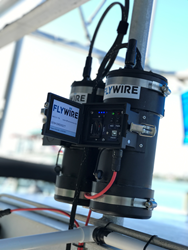
FlyWire’s patented mini-HD camera sensor allows us to install FlyWire hardware at the best angle, not only to collect high-quality imagery, but also to integrate into the fishing crew’s workflow.

As the fishing industry’s need for cost effective at-sea monitoring solutions continues to grow, FlyWire, makers of the world’s first turnkey precision fishing platform, has announced the launch of a revolutionary new approach to electronic monitoring that gives fishers a better way to balance the needs of the government and market with the needs of their businesses and communities.

FlyWire is using its patented technology and deep lean manufacturing expertise to help the fishing industry use technology to increase efficiency and drive down at-sea monitoring costs. The company anticipates a wave of new data-anchored profit possibilities for the fishing industry as new proposed rules by the National Oceanic and Atmospheric Administration (NOAA) can allow fishing vessels more choice in putting their data to work for their businesses.

FlyWire brings to bear years of experience in designing marine monitoring technology and industrial process solutions to streamline operations. The platform is the dream child of engineer and lean manufacturing expert Jacob Isaac-Lowry, the company’s chief executive officer, and biological scientist Sarah Alessi, the chief operating officer. They are encouraged by how seafood producers have embraced the technology once they’ve seen the positive impact it can have on their bottom line.

“FlyWire is passionate about bringing the tools and techniques that revolutionized American manufacturing to the seafood industry,” said Isaac-Lowry. “We hope to work alongside every vessel owner, captain, and crew to show how the data they harvest can be used to increase efficiency and boost profits in addition to meeting strict compliance obligations.”

The first-of-its-kind, FlyWire platform allows fishing operations of any size to capture vessel-level data on every aspect of the commercial fishing operation – production, quality and supply chain management, regulatory compliance, and eco-label certifications.

The platform features:

  • proprietary hardware including unobtrusive miniature cameras, GPS and other sensors for any size vessel or fleet;
  • software and AI that collects, processes, analyzes and stores reliable data from each fishing trip including catch content and location, fishing effort and bycatch data;
  • electronic reporting that offers continuous insight into their operations and supply chain performance;
  • privacy rights for sensitive information and dissemination control; and
  • training and technical support for owners, captains, and crew

The company customizes technology and service plans based on the size of the vessel or fleet.

For more about the FlyWire platform, visit FlyWireCameras.com.

Share article on social media or email:

Wellness Jar Medical Spa, Clarity Health Solutions and Evo Italian Unite to Create Pandemic Care Package for Mother’s Day


Small Businesses Unite to Create Pandemic Care Package for Mother’s Day. One local struggling mom will win complimentary package. #PandemicCarePackage

Wellness Jar, Clarity Health Solutions and Evo Italian team up for the ultimate pamper package

The coronavirus pandemic has taken its toll on moms so Wellness Jar Medical Spa, Clarity Health Solutions and Evo Italian have teamed up to offer one deserving mom a chance to be uniquely pampered mentally and physically during this pandemic on Mother’s Day. #PandemicCarePackage

The coronavirus pandemic has taken its toll on moms both mentally and physically. Three Florida businesses have teamed up to offer one deserving mom a chance to be uniquely pampered during this pandemic on Mother’s Day. Moms can be entered to win three unique gifts meant to help restore her mind, rejuvenate her body and give her a much-needed break from the kitchen. The winning mom will receive:

  •      One complimentary one-hour virtual therapy session from Licensed Clinical Social worker (L.C.S.W.) Jenn Tomko at Clarity Health Solutions. As a psychotherapist specializing in trauma and anxiety, Tomko says of this unique gift: “COVID-19 is the equivalent of an emotional trauma for our entire country, and it’s affecting our daily lives. Mother’s Day is a great time for me to be able to give back to women, the backbone of a family, to connect and help her let out any negative thoughts which we all are having during this tough time.” All session are confidential.
  •     One free one-hour clean air session in a revolutionary 99.9% germ-free air bubble from local cutting-edge Medical Spa, Wellness Jar. The ‘bubble’ is unique because of its ability to provide guaranteed clean air inside a germ free environment. Wellness Jar is the only place in Florida offering the pure air bubble and it’s one of only three in the nation. Ellen Bauer, Wellness Jar co-owner said, “We are proud to be able to help a deserving mom during these tough times. Our air bubble really is the perfect way to relax and recharge in a germ free environment.” Wellness Jar will also be giving mom a Meyers Immunity IV in the bubble. A proprietary blend of ingredients to help keep immunity strong. All while relaxing in a zero gravity chair. This offer is redeemable any time through 2020.
  •     A customized Italian feast from local celebrity Chef Erik Pettersen of Wine Spectator- Award Winning Tequesta-based restaurant Evo Italian. Evo will bring dinner directly to mom’s door so all she has to do is sit back, relax, enjoy and know how much she means to those who nominated her.


Enter to win by liking Wellness Jar’s Facebook Page, uploading a photo of mom and why mom deserves to be pampered by May 9th. https://www.facebook.com/wellnessjarmedspa/

Share article on social media or email:

View article via:


Pdf

Print

Info-Tech Research Group’s Naveen Kumar Wins ‘2020 Global Technology Executives Who Matter Award’ from HMG Strategy


With the growing emphasis on technology and innovation to help us achieve business goals, it has become even more important to focus on transforming people, who are at the core of every business transformation exercise. — Naveen Kumar

I Info-Tech Research Group, a leading IT research and advisory firm announced that Naveen Kumar, vice president, consulting services, has been awarded the ‘2020 Global Technology Executives Who Matter Award’.

HMG Strategy, the world’s largest independent provider of executive networking events and thought leadership, annually recognizes technology leaders who have demonstrated unparalleled leadership in areas such as innovation, business transformation, courageous leadership, and digital disruption.

Since the inception of its Transformational CIO Awards in 2012, HMG Strategy, the world’s largest independent provider of executive networking events and thought leadership to support the 360-degree needs of technology leaders, has been recognizing the industry’s premier technology executives who make a strategic difference in their organizations.

This recognition program honors top-performing Chief Information Officers, Chief Information Security Officers, and other Senior Technology Leaders who have demonstrated exceptional leadership in the areas of business innovation, transformation, exceptional leadership, talent development and digital disruption.

With nearly two decades of incisive business strategy, deep technology expertise, and extensive operations knowledge Naveen is a trusted advisor to global IT leaders. He is quoted in financial and national publications and is a frequent speaker at conferences across North America.

“Our annual awards recognize the contributions and achievements those executives who have the ability to lead, reimagine and reinvent their companies and their business models and demonstrate leadership in action,” said Hunter Muller, president and chief executive officer, HMG Strategy. “It is my honor to present this award to Naveen, for the second year in a row, in recognition of his commitment to drive innovation, strengthen relationships with customers and for his continued focus on delivering a competitive edge for clients and customers.”

Naveen has built his knowledge of business and technology working in multinational organizations such as Citigroup, IBM, JP Morgan, and KPMG. As part of Info-Tech’s consulting team leadership, Naveen has successfully driven a high-growth agenda to help the team compete successfully, on a global scale.

“With the growing emphasis on technology and innovation to help us achieve business goals, it has become even more important to focus on transforming people, who are at the core of every business transformation exercise. This couldn’t be truer at a time like this when organizations the world over are facing an unprecedented crisis due to the pandemic. What will help leaders stand apart is their ability to overcome this challenge, without negatively impacting clients, customers, internal and external stakeholders including employees,” said Naveen Kumar, vice president, consulting services, Info-Tech Research Group. “Our leadership practice must be based on a foundation of authenticity, transparency and people-centricity. Technology can only enhance the process of getting things done through these strong symbiotic relationships. HMG Strategy enables such relationships, by creating trust and success. To receive this honor from such an industry leader, for the second year in a row is deeply humbling and I feel extremely proud as I accept this award.”

Naveen will receive the award at HMG Strategy’s 2020 Toronto CIO Executive Leadership Summit on June 3, 2020.

Supporting Resources

  • To know more about HMG Strategy and the annual recognition program, click here.
  • Connect with Info-Tech Research Group via Facebook, Twitter, LinkedIn, and YouTube.
  • Don’t miss out on our newest research and content – visit here.
  • Save the date for the next Info-Tech LIVE to be held in Las Vegas, Oct. 21-23, 2020.

About Info-Tech Research Group

Info-Tech Research Group is one of the fastest growing full-service research and analyst firms in North America, serving more than 40,000 IT and HR professionals. With offices in Canada, the United States, and Australia, Info-Tech offers pragmatic analyst insights and actionable tools to IT departments from world-class organizations such as NASA, New Balance, Spotify, and the United Nations. Info-Tech Research Group’s divisions include McLean & Company, myPolicies, and SoftwareReviews.

Contact

Indrani Ray-Ghosal

Vice President, Communications & Brand

Info-Tech Research Group

irayghosal@infotech.com

+1 647.574.9559 (cell)

Share article on social media or email:


How The New Pandemic Has Changed The Auto Insurance Industry


News Image

“The coronavirus pandemic has made a serious impact on the car insurance industry. Insurance companies and policyholders alike have begun to fell the consequences and they are adjusting to the new realities of the car insurance industry,” said Gurgu C, Project Manager of Internet Marketing Company.

Compare-autoinsurance.org has launched a new blog post that explains how the coronavirus outbreak has changed the car insurance industry and what are the expected consequences.

For more info and free car insurance quotes, visit https://compare-autoinsurance.org/car-insurance-guide-during-the-coronavirus-pandemic.

The coronavirus has affected the lives of everyone. The consequences of this unfortunate event are dire and no one knows exactly when it’s going to end. The hardships the regular Americans have to overcome are expected to be more severe than the ones from the last financial crisis. Regarding car insurance, there are a few good news for regular Americans. Several major car insurance providers have announced that they will help their customers who are in financial trouble. In these challenging times, the car insurance industry has seen some changes:


  • Car insurance companies are refunding premiums during the coronavirus crisis. Since the declaration of a national emergency in the US, the number of cars on the road had fallen drastically. Many companies have pledged to give paybacks to their customers, as car accidents are decreasing with fewer drivers on the road. More than 82% of auto insurance companies like State Farm, Geico and Liberty Mutual are offering policyholders refunds and credits to save money, totaling more than $6.5 billion over the next two months, according to the Consumer Federation of America.
  • Numerous policyholders lost their jobs and now are seeking ways to cut off car insurance expenses. So many people’s lives have been altered by the coronavirus already, and many have felt the change most significantly in their budgets. Car insurance can be a financial burden for many drivers, especially in times of crisis. Canceling car insurance completely is not a solution for drivers unless they plan not to drive the car for the whole period, which is highly unlikely. The solution is to apply to coronavirus-related plans offered by the insurers.
  • How to handle the current policy. Given the current coronavirus outbreak, most drivers are keeping their cars in a garage and they can be tempted to drop optional coverages like comprehensive or collision. However, drivers who still need to drive should consider that their cars could be damaged, stolen, or totaled in an accident, even if there are fewer cars on the road due to COVID-19 outbreak. Drivers who are planning on not driving at all for a long time, can put their vehicles in storage and keep only comprehensive insurance.
  • It is expected to have more expensive premiums in the near future. Insurance providers collect billions of dollars that are not just waiting to be paid out in claims but are also being invested. Insurance companies make real money from their investments. Unfortunately, the investment world is currently on hold and the only alternative left for insurance companies is to raise the premiums once things go back to normal.
  • Insurers and policyholders prefer to handle claims online. Everything is going digital in the car insurance world. instead of meeting with agents and claims adjusters, policyholders will have to contact the company via a call of a video conference. When reporting an accident, the policyholder will have to show pictures and videos that show the damage and support their claims. The company will send the evidence to some specialists, wait for results, and then contact the client and start negotiating the reimbursement’s value. Since insurance representatives do no longer physically contact the policyholder, everyone has to go online and check the customer services. Naturally, there are queues forming up. Most people want to know about their premium payments and the recently introduced premium refunds. Companies are recommended to send notifications and e-mails that inform the clients what to expect.

For additional info, money-saving tips and free car insurance quotes, visit https://compare-autoinsurance.org/.

Compare-autoinsurance.org is an online provider of life, home, health, and auto insurance quotes. This website is unique because it does not simply stick to one kind of insurance provider, but brings the clients the best deals from many different online insurance carriers. In this way, clients have access to offers from multiple carriers all in one place: this website. On this site, customers have access to quotes for insurance plans from various agencies, such as local or nationwide agencies, brand names insurance companies, etc.

Share article on social media or email:

Baseline Growth Capital and Kootoro Announce Financing Partnership


Sales Acceleration

Baseline Growth Capital

The partnership with Baseline gives us the ability to streamline, simplify and accelerate adoption in the market place… Baseline’s approach is unique, bold, and transformative.

Baseline Growth Capital and Kootoro today announced the launch of an integrated Software and Hardware as a Service (HaaS) solution that enables transactions using a range of payment options through mobile point of sale devices.

Joint venturing with Baseline will enable Kootoro to provide an affordable, comprehensive offering that allows customers to seamlessly integrate technology within their operations. In the developing economies of SE Asia in particular, the rise of the middle class and therefore consumer spending, combined with the rapid increase of personal smart mobile devices has created a need for secure, safe, and simple transactions.

Starting with vertically integrated next generation of automated robotic kiosks (vending machines), over the last several years Kootoro, has steadily established a foothold and is a leading player in the e-payments space in Vietnam. With growth sights set on the rest of South East Asia, the integrated product offering enables Kootoro to provide a “one price” all-inclusive solution for a range of retailers in the region.

“Kootoro is in the business of providing smart revenue optimizing solutions for retailers and we are able to do so with a comprehensive solution,” said Huan Nguyen, CEO of Kootoro. “The partnership with Baseline gives us the ability to streamline our offerings to our customers, greatly simplifying the sales process and accelerating adoption of our solution in the marketplace.” He added, “Baseline’s approach is unique, bold, and transformative. We look forward to building on this partnership and launching new offerings”.

“We’re pleased to announce this partnership with Kootoro,” said Joel Gheen, CEO of Baseline. “We’ve worked hard to develop unique financing solutions for hardware. In this case, we can help accelerate Kootoro’s go-to market strategy. It further validates Baseline’s thesis that fully-integrated solutions priced for operating budgets is the way of the future for enterprise technology.”

Baseline sees the global economic pull-back due to the Covid-19 crisis as an opportunity for companies with integrated hardware offerings to re-cast their market strategies and capitalize on the “As a Service” trend.

The companies did not disclose the size or structure of the investment, however, Baseline is the first institutional investor in the business and intends to support several years of growth and expansion for Kootoro.

About Baseline

Baseline works globally with companies that provide integrated technology solutions with software/data, services and hardware components for customers spanning Retail, Oil & Gas, Logistics/supply chain, Manufacturing, Healthcare, Hospitality, etc. Using a proprietary financing model, Baseline’s partners provide solutions including IoT enablement, Digital Displays, Telematics, Robotics, Transaction Processing, and Industrial automation. Through a partnership with Baseline, companies are able to accelerate their sales, gain market share, and demonstrate increased value to shareholders. For more information please see https://www.hardwarefinancing.com or contact@hardwarefinancing.com or +1 (720) 515-8951.

About Kootoro

Kootoro’s mission is to fundamentally transform the way retailers transact business. A recognized leader in next-generation payments technology space in South East Asia, Kootoro’s advanced integrations and technical flexibility offer solutions for retailers of all shapes and sizes. Clients use Kootoro solutions to enable sales transactions, drive repeat transactions, increase share of spend, and improve operating performance. The company is headquartered in San Jose, California, with operations in Vietnam. For more information, visit https://kootoro.com/

Share article on social media or email:

SocialClimb Offers Free Access to Its Platform and Expertise During COVID-19


News Image

SocialClimb’s recovery plan will help medical practices navigate the next phase of the pandemic and position themselves for rapid growth as the recovery begins.

SocialClimb, the leading patient acquisition solution, is offering their innovative platform and expertise to help medical practices properly configure their practice and physician Google My Business (GMB) listings at no cost during the COVID-19 pandemic. When set up properly, GMB listings can be used to inform medical consumers of telemedicine options, new office hours and safety measures the practices have put in place.

“Medical practices and healthcare professionals across the nation have been thrown off course by the COVID-19 pandemic,” said Ty Allen, SocialClimb CEO. “They are overwhelmed and overworked, their profitable elective procedures have been canceled or postponed, and they are on the front lines dealing with the health of the nation. We can’t help their patients, but we can support their practice. We are getting their GMB listings in shape so they can communicate more effectively with their patients and be found in Google Local Search results.”

Allen has participated in a number of webinars designed to give medical practices the tools they need to protect their practice and revenue during the pandemic. SocialClimb’s offer to help with GMB listings has been well received, and many webinar participants have taken advantage of the free service. SocialClimb also offers a three-phase recovery plan designed to help medical practices grow aggressively as restrictions on elective procedures ease over the next few months.

“It is essential to have a plan in place to mitigate the negative impact of the COVID-19 pandemic,” said Michael Pendleton, CEO of Desert Orthopaedic Center in Las Vegas. “SocialClimb’s recovery plan will help medical practices navigate the next phase of the pandemic and position themselves for rapid growth as the recovery begins.”

SocialClimb has partnered with thousands of physicians and practices across the nation to improve their online reputation and power their growth trajectory. Their cutting-edge software empowers medical practices to better connect with patients in need, dominate competitive markets, and fill their schedules with the profitable market share of patients. For more information about partnering with SocialClimb, or to get help with GMB listings, call 866-338-8270 or visit SocialClimb.com.

ABOUT SOCIALCLIMB

SocialClimb helps physicians improve their reputation, dominate local search and increase revenue. Its industry-leading platform lets physicians easily collect reviews, increase search rankings, respond to issues instantly, manage their key listings and strengthen practice and personal reputations quickly. Learn more about SocialClimb at socialclimb.com.

Share article on social media or email:

FirstService Residential Launches a Virtual Lifestyle Program for Residents and Associates During the Coronavirus Quarantine


“We are excited to partner with the best in the industry to bring this to our residents,” said Michael Mendillo, president, FirstService Residential. “It’s one of the many ways we’re working to make a difference in the lives of our residents and the communities we manage during this pandemic.”

Responding to the COVID-19 outbreak, FirstService Residential launched a Lifestyle@Home series as part of its ongoing commitment to enhance resident lifestyle. This program provides virtual experiences and programming to more than 1.8 million residents and families living in the 8,000 FirstService Residential-managed communities across North America. This program aggregates free entertainment, education, health and fitness and wellness content, as well as content provided exclusively to FirstService Residential residents and associates.

Lifestyle@Home offers a wide range of programming from lifelong learning to on-demand fitness and includes:

  • One Day University
  • Curiosity Stream
  • Les Mills
  • Evergreen Wellness
  • Kidvelope
  • Grow Young Fitness

“We are excited to partner with the best in the industry to bring this program to our residents,” said Michael Mendillo, president, FirstService Residential. “It’s one of the many ways we’re working to make a difference in the lives of our residents and the communities we manage as we help them navigate through this pandemic.”

Spearheading this initiative for the FirstService Residential East Region is Ted Gammon, vice president, lifestyle, and Michelle Kithcart, director of lifestyle programming and the Lifestyle@Home taskforce. “With Lifestyle@Home, we can positively impact and engage our residents’ by providing opportunities to help them sustain an active and healthy lifestyle while at home, said Kithcart. “We have seen virtual happy hours, painting parties, trivia nights, drive through farmers markets, food trucks, streaming of fitness classes, community social purpose initiatives and so much more. Just because we are social distancing, doesn’t mean we can’t be social!”

http://www.fsresidential.com

About FirstService Residential

FirstService Residential is North America’s property management leader, partnering with more than 8,000 communities across the U.S. and Canada, including low-, mid-, and high-rise condominiums and cooperatives; single-family communities; master-planned, lifestyle and active adult communities; and mixed-use and rental properties. HOAs, community associations, condos and strata corporations rely on their extensive experience, resources and local expertise to maximize property values and enhance their residents’ lifestyles. Dedicated to making a difference, every day, FirstService Residential goes above and beyond to deliver exceptional service.

FirstService Residential is a subsidiary of FirstService Corporation (FSV), a North American leader in the property services sector. For more information, visit http://www.fsresidential.com.

Share article on social media or email:

The Radiosurgery Society® Announces the Newest Members of its RSS Sponsorship Alliance


News Image

By bringing together individuals, institutions, organizations and the systems’ developers, we’re able to create an intellectually, scientifically and technologically rich environment for collaboration.

The Radiosurgery Society (RSS), a non-profit medical society dedicated to advancing the science and clinical practice of radiosurgery, today announced that NYU Langone Hospitals and The University of Texas MD Anderson Cancer Center have joined the organization’s growing membership in its RSS Sponsorship Alliance, along with the Hermitage Medical Clinic in Dublin, Ireland, marking the first international medical center to join the alliance.

As the professional organization for industry standards, scientific methods and clinical advancements in stereotactic radiosurgery (SRS) and stereotactic body radiation therapy (SBRT), the RSS welcomes sponsoring organizations as partners. The RSS Sponsorship Alliance champions the evolution of science and research clinical practices, patient safety and efficacy, technological innovations and global adoption of SRS/SBRT techniques. Sponsors join the ranks of highly respected institutions, organizations, societies and corporations to support successful advancements in the field.

“By bringing together individuals, institutions, organizations and the systems’ developers, we’re able to create an intellectually, scientifically and technologically rich environment for collaboration. We firmly believe active collaboration is critical to advance the treatment techniques, patient care, safety standards, and the exchange of innovative ideas and experience,” said Kristine Gagliardi, RSS Founding Partner and Head of Strategic Development and Business Relations.

Through the RSS Sponsorship Alliance these members receive opportunities for collaboration and research through participation in the RSSearch® Patient Registry and Clinical Research Committee, along with access to educational resources and online communities. The RSS offers opportunities for Continuing Education for their institution, such as live and recorded webinars, clinical/advisory committees, RSS Residents Program and mentoring opportunities.

“Perlmutter Cancer Center at NYU Langone Health was an early adopter of SBRT, recognizing the important role it could play in improving patient care and helping to pave the way for its broader adoption. We are proud to become a member of the RSS Sponsorship Alliance and look forward to additional opportunities to collaborate, share knowledge and information, and advance the science and practice of SRS and SBRT,” said Alec Kimmelman, MD, PhD., Anita and Joseph Steckler Professor and Chair Department of Radiation Oncology, Perlmutter Cancer Center and Jonathan A. Haas, M.D., Chairman, Perlmutter Cancer Center Radiation Oncology at NYU Winthrop Hospital and Associate Professor of Radiation Oncology at NYU Long Island School of Medicine.

“For nearly 80 years, MD Anderson has worked to eliminate cancer by pioneering medical advances and remaining at the forefront of innovative therapies, so we are pleased to join the RSS Sponsorship Alliance to continue supporting the advancement of SRS and SBRT as critical elements of cutting-edge cancer care,” said Albert Koong, M.D., Division Head and Department Chair, Radiation Oncology at MD Anderson.

“On behalf of Hermitage Medical Clinic, we are very excited to become the first internationally based Medical Center Sponsor of the RSS. This partnership allows us access into a wide body of international experts in the field of SRS where potentially difficult cases can be discussed prior to treatment. We are keen to contribute to the RSSearch® Patient Registry and collaborate with others to facilitate research papers specific to SRS. The RSS partnership provides us the best possible access to experts in the field of SRS/SBRT,” said Daniel Rawluk, M.D.

Current Academic/Medical Center sponsors include Geisinger, Henry Ford Health System, Hematology-Oncology Associates of CNY, Montefiore Albert Einstein College of Medicine, Stanford Health Care, UAB Medicine, UPMC Hillman Cancer Center and UW Medicine.

As a member of the RSS Sponsorship Alliance, corporations and device manufacturers in addition to receiving world-wide exposure, gain access to a plethora of educational opportunities including SRS/SBRT focused white papers, clinical research program meeting participation, online continuing education programs, and technology/company specific webinars hosted by the RSS.

The RSS Sponsorship Alliance features three types of sponsors – Academic/Medical Center, Corporate/Manufacturer and Network Affiliates – with benefits tailored to each. Current corporate and network sponsors include Accuray, Elekta, Masep, Varian, ViewRay and Zap Surgical Systems. PetCure Oncology is the RSS’s inaugural Network Affiliate sponsor.

More information on the RSS Sponsorship Alliance and its associated benefits can be found at https://therss.org/workwithus. Organizations interested in joining the RSS as a Sponsorship Alliance member should contact sponsorship@therss.org.

About The Radiosurgery Society®

The Radiosurgery Society (RSS) – a non-profit, independent, multi-disciplinary organization of surgeons, radiation oncologists, physicists, and allied professionals, who are dedicated to advancing the science and clinical practice of radiosurgery. Originally formed in 2002 and becoming (501c6) in 2008, the Radiosurgery Society today (http://www.therss.org) represents approximately 600 members who perform stereotactic body radiotherapy and radiosurgery in hospitals and freestanding centers throughout the world.

Share article on social media or email:

Healthcare’s Economic Recovery Will Depend on Rapid Adoption of Patient Financial Innovation


The COVID – 19 crisis has accelerated patient preference for contactless engagement – medically and financially

Many providers’ recoveries will be frustrated by uncertainty about future disruptions and their dependence on traditional, labor-intensive “paper” billing methods at a time when consumers have placed a high premium on “contactless” digital engagement – Kevin Fleming, CEO, Loyale Healthcare

Hospitals large and small, rural and urban, for profit and nonprofit all find themselves in the center of what NPR describes as a Financial Triple Whammy. High costs for COVID-19 treatment and equipment, suppressed revenues for elective procedures and growing numbers of uninsured, financially distressed patients are leading to billions of dollars in losses, furloughed employees, physician dislocation and closures. For healthcare providers, COVID-19 continues to be a financial nightmare. The billions in rescue money coming from the federal government will cover only a fraction of the losses being incurred.

Aggravating this challenge, there is no playbook for healthcare’s financial recovery from this crisis. Unlike past recessions, which were driven by demand-side economics and have historically demonstrated a U or V-shaped pattern for deepening and recovering, the COVID global health crisis is unprecedented in its scope, with no clear picture for when or how it may end. Still, and in spite of the uncertainty, past events can provide useful information for how to proceed.

As more and more healthcare providers begin resuming nonessential services, the profound financial damage wreaked by the crisis will likely persist. The lost revenue that precipitated pay cuts, furloughs and closures – both temporary and permanent – will take a great deal of time to return to pre-crisis levels. Many providers’ recoveries will be frustrated by uncertainty about future disruptions and their dependence on traditional, labor-intensive “paper” billing methods at a time when consumers have placed a high premium on “contactless” digital engagement throughout their care journey. Those who fail to respond will face severe ongoing revenue challenges.

Like other sectors of the U.S. economy, The U.S. Healthcare industry has faced economic recessions before and emerged intact, some much more successfully than others. In a Becker’s Hospital Review interview, McKinsey’s Aneesh Krishna pointed to an article titled, “Bubbles pop, downturns stop”, which calls out the most successful healthcare providers, labeled “resilients.” These hospitals stood out among their peers because of the speed with which they recovered and their growth rate since. The common characteristics among these “resilients” are:


  • Flexibility – By strengthening balance sheets and reducing debt to help facilitate mergers and acquisitions in the early stages of recovery when conditions were most advantageous.
  • Cost Management – Reducing operating expenses early in the curve, focusing on areas where reductions in spending could be made without degrading patient care (more on that later), and
  • A focus on growth – Usually considered “counter cyclical” healthcare has experienced more than its share of the negative effects of the COVID-19 phenomenon. Like other sectors, healthcare providers have been hit by revenue losses attributable to forced disruption in consumer demand.


There’s no denying that the COVID-19 financial triple whammy has made recovery planning more challenging than past events. Depleted cash reserves and higher debt loads have reduced or eliminated flexibility. And a focus on growth seems like wishful thinking when so many organizations are searching for ways to keep the lights on. Cost management, a strategy that has already received so much attention, is one area where meaningful progress can be made toward restoring operating margins.

After so many years of looking for ways to reduce costs and improve efficiencies, one might ask how much more can be done. The answers lie in part in our experiences dealing with the COVID-19 crisis. Forced by state and federal mandates and medical necessity, some hospitals have rapidly expanded contactless patient solutions like telehealth, which, according to MGMA offers, “cost savings, higher productivity, less windshield time driving between locations, better work-life balance and other benefits. Additionally, contactless patient interactions align with consumers’ interests – both by maintaining personal safety and by responding to their growing preference for care that’s more convenient, accessible and affordable.

Contactless Digital Solutions Cut Costs and Grow Revenues

Contactless, digital solutions enhance productivity by reducing work and its associated costs. At the same time, their on-demand capacity for rapid deployment (proven in providers’ rapid digital responses to COVID-related problems) and scalability make them ideal for an industry struggling to repair economic damage at the same time they are preparing for a surge in pent up demand for nonessential procedures. Case in point: Patient Financial Engagement.

Long before the COVID-19 crisis, we at Loyale Healthcare joined with other organizations like the Healthcare Financial Management Association(HFMA) in pointing out the need for healthcare providers to radically transform the way they engage with their patients financially. The reasons why are complex and interwoven, but they fall into four key categories:

1.    Patients have become the third largest source of provider revenue overall – Driven largely by the growth in high deductible health plans, patients directly account for more than a third of hospital income. Here, it is critical for providers to remember that patient choice also drives performance from the other two revenue sources, Medicare/Medicaid and private insurers.

2.    Patients are unhappy with their financial experiences – Surprise medical bills, a lack of price transparency and too few payment options have caused healthcare consumers to avoid care because of concerns about cost. More and more these deficiencies have been criticized by consumer watchdogs and legislators, with hundreds of bills pending to regulate objectionable financial practices. For millions of newly unemployed consumers, concerns about the ability to access care they can afford now are more acute than ever.

3.    Hospitals and other providers are poor bill collectors – The roles, processes and systems healthcare providers use to code, bill and collect payment from patients and payers are highly antiquated, expensive and do not respond well to change. Additionally, they have not provided healthcare managers and executives with the important consumer analytics needed to effectively manage this essential revenue source (not to mention valuable patient relationships).

4.    Healthcare has not kept up with changing consumer demand and behavior – Over the last decade, consumers have increasingly expressed a preference for online engagement – a trend that stay-at-home has only accelerated. Even before the crisis, millennials and younger were shifting away from the traditional primary care operating model to retail and digital health solutions because of their improved convenience and affordability.

The Post COVID-19 Digital Path to Improved Operating Efficiency and Margin Growth

As health systems, hospitals and other providers plan for their emergence and recovery from the COVID-19 crisis, Patient Financial Engagement (PFE) will be a critical core asset, operationally and competitively. Effective PFE will accelerate a return to revenue-positive financial performance and enable providers to compete more effectively with surging retail and digital providers. When applied as an end-to-end patient solution, it will reduce costs through automation and self-service and improve patient payment behavior by delivering personalized service at scale – thereby enhancing revenue.

Our experiences with some of healthcare’s largest nationwide providers have given us insight into best practices in the deployment of end-to-end Patient Financial Engagement. It encompasses every touchpoint in the patient journey, including:

  • Payment planning – beginning with reliable cost estimates that include what the insurer and the patient are likely to owe, the system automatically offers up multiple payment scenarios that have been customized to suit the requirements of each patient. Options may include discounts for immediate payment, short-term interest free plans or longer-term plans using a third-party lender.
  • Digital statement presentation and online payments – Loyale clients have been surprised by the numbers of patients who have opted out of traditional paper billing. Driven in part by consumers’ growing comfort with online interactions, patients express a high degree of satisfaction with bills that combine all the relevant billing entities into one, easy to understand presentation – and to pay it on the spot according to their plan or when they’re ready.
  • Robust provider-facing functionality – The productivity of patient access, billing and collections staff and management is dramatically enhanced by “same view” presentation of patient billing information for problem solving and trouble shooting. At the same time, deep analytics extract data from every point in the patient financial portfolio to identify best practices and uncover opportunities for improvement.
  • Personalized digital communications – Patients respond differently to different communication channels and styles. Using the Loyale PFE platform, our clients use data-driven, automatically generated workflows to drive patient communications by text, email or chat – and to adjust those communications as patient behavior is observed.
  • Leading-edge interoperability – Loyale clients depend on their PFE platform’s seamless integration with all other Revenue Cycle systems and related clinical systems such as the Electronic Health Record (EHR) system. They also rely on the ability to deliver the same patient experience in every care delivery setting regardless of the systems in use there. Acting as the core of the patient’s end-to-end financial journey, this provides patients with unfettered access to their financial information from any touchpoint in the system at any stage. Critically, it also illuminates financial stresses for caregivers who are increasingly likely to consider a patient’s financial circumstances when considering a course of treatment.


By leveraging a technology platform like Loyale’s Patient Financial Manager™ to optimize the systems associated with a patient’s financial experience, providers have the unique opportunity to cut costs and improve outcomes – in patient satisfaction and in operating performance. We’re pleased to be in discussions now with several health systems that have already identified PFE as a key strategy in their recovery plan. We’re grateful to have the opportunity to help.

Kevin Fleming is the CEO of Loyale Healthcare

About Loyale

Loyale Patient Financial Manager™ is a comprehensive patient financial engagement technology platform leveraging a suite of configurable solution components including predictive analytics, intelligent workflows, multiple patient financing vehicles, communications, payments, digital front doors and other key capabilities.

Loyale Healthcare is committed to a mission of turning patient responsibility into lasting loyalty for its healthcare provider customers. Based in Lafayette, California, Loyale and its leadership team bring 27 years of expertise delivering leading financial engagement solutions for complex business environments. Loyale currently serves approximately 12,000 healthcare providers across 48 states. Loyale is proud to have an enterprise-level strategic partnership with Parallon which includes the deployment of Loyale’s industry leading technology at all HCA hospitals and Physician Groups.

Dr. Kaliq Chang with Atlantic Spine Center on Piriformis Syndrome Symptoms and Treatment and Offers Tips for Prevention


Dr. Kaliq Chang

When the piriformis muscle presses on the nearby sciatic nerve, symptoms such as pain, tingling and numbness in the buttocks usually show up first. But pain can also be triggered from climbing stairs, sitting for long periods, or pressure on the piriformis muscle itself.

Life presents all too many problems that are a “pain in the butt,” but piriformis syndrome literally shows up in this manner, according to Kaliq Chang, MD, of Atlantic Spine Center. A flat muscle located in the buttocks near the top of the hip joint, the piriformis is an unsung hero in our day-to-day lives. The muscle enables us to walk, stay balanced, and shift our weight from foot to foot. When the piriformis muscle presses on the nearby sciatic nerve, symptoms such as pain, tingling and numbness in the buttocks usually show up first. But pain can also be triggered from climbing stairs, sitting for long periods, or pressure on the piriformis muscle itself.

While few are familiar with piriformis syndrome, the condition is more common than you might expect. About 5% of cases of sciatica – severe, sharp pain radiating from the lower back or buttocks down the leg – are actually due to piriformis syndrome, explains Dr. Chang, an interventional pain management specialist.

“Most cases of sciatica aren’t due to piriformis syndrome, even though the symptoms can be so similar,” Dr. Chang says. “That’s just one reason why, if your symptoms are severe or long-lasting, you should see a doctor to get to the bottom of things.”

Causes and diagnosis

Sometimes there’s no obvious reason why piriformis syndrome develops. But the condition does have several established causes, Dr. Chang says. They include:

  • Injury
  • Unusually vigorous exercise
  • Certain foot problems
  • Prior hip surgery
  • Prolonged sitting, especially if your wallet is in a back pocket over your piriformis muscle
  • Unusual anatomy (such as spine alignment, leg length discrepancy or location of piriformis muscle or sciatic nerve)

Diagnosing piriformis syndrome is typically based on your symptoms and your doctor’s observations during an exam. That’s because no particular medical test can confirm the diagnosis. An MRI imaging test can sometimes rule out other causes of sciatic nerve compression, such as a herniated disc.

“It may be difficult to reveal that piriformis syndrome is indeed the culprit behind a person’s symptoms,” Dr. Chang notes. “And piriformis syndrome sometimes also occurs in tandem with spine or disc problems or conditions such as hip bursitis.” Also, Dr. Chang adds, “while it is difficult to diagnose clinically or with imaging, an injection of local anesthetic can be diagnostic.”

Treatment and prevention

As with diagnosis, treating piriformis syndrome presents its own challenges, Dr. Chang says. Treatment can be as simple as avoiding positions or activities that trigger pain but applying heat or ice to tender areas can also help.

Other treatment measures include:

  • Physical therapy to exercise and stretch the piriformis and nearby muscles, reducing sciatic nerve compression
  • Medications such as NSAIDs (nonsteroidal anti-inflammatory drugs) like ibuprofen or naproxen
  • Muscle relaxants
  • Injections of anesthetic drugs; Botox, to relieve muscle tightness and sciatic nerve compression; or corticosteroids to reduce inflammation
  • Surgery, but only as a last resort, to remove a piece of the piriformis muscle or its tendon

As always, prevention is preferable to needing treatment in the first place. Since piriformis syndrome can often be triggered by repetitive movements, such as lunging or running, Dr. Chang suggests practicing good form when doing these activities.

“Try not to run or exercise on uneven surfaces, such as hills,” he says. “Also, practice good posture when walking, running and exercising, and warm up beforehand. It’s wise to avoid sitting for extended periods as well.”

Atlantic Spine Center is a nationally recognized leader for endoscopic spine surgery with several locations in NJ and NYC. http://www.atlanticspinecenter.com, http://www.atlanticspinecenter.nyc

Kaliq Chang, MD, is an interventional pain management specialist, double board-certified in interventional pain management and anesthesiology, at Atlantic Spine Center.

Share article on social media or email:

Press Release News Wire Service