Category Archives: Health

What is new in the field of Health. Trending topics, and cutting edge research in the are of Health. Press Releases that give us updates on Health.

Taxpayers Have Invested Billions In Electronic Health Records Systems


Doctors spend too much time away from patients because of burdensome technology and regulatory requirements.

New rules from the Department of Health & Human Services to give doctors more time with their patients may not perform as intended

In our view, improved patient access and experiences are relevant at the beginning of a patient’s care journey, when the decision whether or not to seek care is made. For patients, affordability has become a healthcare crisis. – Kevin Fleming, CEO, Loyale Healthcare

Just last week, the U.S. Department of Health and Human Services (HHS) released the final version of a comprehensive strategy developed jointly by the Centers for Medicare & Medicaid Services and the Office for the National Coordinator for Health Information Technology (ONC), following public comment solicited in late 2018. The document, “The Strategy on Reducing Regulatory and Administrative Burdens Relating to the Use of Health IT and EHRs (Electronic Healthcare systems)”, aims to apply the agencies’ rulemaking powers and considerable healthcare industry influence to “give clinicians more time to focus on what matters – caring for their patients.”

It is fair to say that everyone in the U.S. has an interest in the healthcare industry’s success improving the performance of their EHR systems – both as providers and patients. In research published nearly a year ago by Kaiser Health News and Fortune titled, “Death By 1,000 Clicks: Where Electronic Health Records Went Wrong.” The authors observed that “10 years after President Barak Obama signed a law to accelerate the digitization of medical records – with the federal government, so far, sinking $35 billion into the effort – American has little to show for its investment.”

The Fortune/KHN research goes on to state that “Rather than an electronic ecosystem of information, the nation’s thousands of EHRs largely remain a sprawling, disconnected patchwork. Moreover, the effort has handcuffed health providers to technology they mostly can‘t stand and has enriched and empowered the $13 -billion-a-year industry that sells it.”

Author, physician and CEO of Haven Healthcare Atul Gawande, also spoke to this issue in a New Yorker magazine article titled “Why Doctors Hate Their Computers” In it, Dr. Gawande asks “are screens coming between doctors and patients?” describing in detail the many negative outcomes for physicians and patients when doctors are required to interact with systems that were not designed to suit them or their work.

In an announcement from the Centers for Medicare and Medicaid Services (CMS) of the HHS strategy’s release, CMS administrator Seema Verna, noted that “The taxpayers made a massive investment in EHRs with the expectation that it would solve the many issues that plagued paper-bound health records. Unfortunately – as this report shows – the cure has been worse than the disease.” Ms. Verna went on to say that “it is unacceptable that the application of health IT still struggles to provider ready access to medical records, access that might mean the difference between life and death.”

HHS’s strategy report focuses on three primary goals, offering recommendations to:


  • Reduce the effort and time required to record information in EHRs for healthcare provider when they are seeing patients.
  • Reduce the effort and time required to meet regulatory reporting requirements of clinicians, hospitals and healthcare organizations; and
  • Improve the functionality and intuitiveness (ease of use) of EHRs


HHS’s strategy announcement has been met with a blend of optimism and skepticism. Healthcare providers and their agencies have complimented the agency’s attention to reducing excessive burden, a problem that is universally acknowledged among hospitals and other providers. However, in a comment published the day following the announcement, the American Hospital Association (AHA) stated that “some ONC recommendations…could have unintended consequences for adoption of current standards and would not address the lack of transparency or uniformity around payer requirements.”

The AHA went on to recommend that the agency “align Medicare and Medicaid clinician requirements in the Promoting Interoperability Program; improve its systems for attesting to meaningful use of EHRs (a condition for the above referenced federal funding); and improve its certification requirements.” The AHA also noted that “the lack of interoperability affects the usability of EHRs and urged the agencies to more forward with policies to support information exchange.”

As with any high-level strategy, the success of HHS’s proposal and the American healthcare industry’s effort to reduce the administrative and regulatory burdens on Health IT and EHR systems will depend on the details. Details that may be more complex and challenging than in any other sector of the American economy. When one considers the size of the industry ($3.3 Trillion, representing close to 20% of GDP), the scope and scale of this challenge makes sense.

Taking a Larger View of the Patient Journey

The EHR and Health IT problems facing healthcare are not confined to clinically-related functionality. They affect every other aspect of the patient’s experiences. In their respective statements, CMS Administrator Verner and Dr. Gawande point out how flaws in EHR and other Health IT systems can compromise patient safety. Often missed in this discussion, however, are other aspects of the patient’s care experience. Specifically, the financial dimension of care.

In an article published by Loyale Healthcare last year titled, “Electronic Medical Record Systems: Powerful for Clinical Engagement, A Liability for Patient Financial Engagement”, Loyale CEO Kevin Fleming focused not on the clinical deficiencies inherent to these disparate, overly complicated systems but to the financial and administrative obstacles they have placed between patients and their care. Mr. Fleming also noted how the massive investments of time, effort and money necessary to deploy and operate these systems often create organizational fatigue that blinds healthcare providers to other investments with the potential to improve the performance of their EHR to provide patients with better access and experiences.

In our view, improved patient access and experiences are relevant at the beginning of a patient’s care journey, when the decision whether or not to seek care is made. Astonishingly for more than half of Americans at that early stage, out-of-pocket costs are the deciding factor. According to research published late last year, 51% of survey respondents said that they had avoided care due to an inability to pay. 78% have been afraid to go to the hospital because of cost. For patients, affordability has become a healthcare crisis.

For many healthcare providers, affordability is synonymous with transparency; more specifically, the ability for patients to know what the cost for their care will be in advance, before treatment has begun. This issue was explored in greater detail in a more recent Loyale article examining another CMS initiative. Titled “Medicare’s Price Transparency Rules Alone Don’t Deliver What Patients Need – A Patient-First Approach Does.”

In this article, Mr. Fleming applauds CMS’s intentions. However, like the AHA’s criticism of the new HHS strategy to reduce EHR burdens, he notes that the rules themselves are inadequate for achieving their stated objectives. “CMS rules threaten to distract providers and payers from the larger, more important issue facing healthcare and patients. That issue is patient financial engagement.” To that end, five essential healthcare deliverables were described:

1.    Present upfront cost estimates for the anticipated course of treatment and all associated expenses, including pre-service eligibility so a reliable out-of-pocket estimate is also presented.

2.    Offer multiple payment options to address patient affordability. The Loyale Affordability Workbench, for example, offers provider-configured options that may include discounts for prompt or upfront payment; short-term interest free financing; or longer-term payment plans funded by third party lenders with a reputation for client care.

3.    Interactive self-service options with secure personalized experiences that measure up to the best online experiences consumers have with trusted brands like Amazon, Apple, Zappos and other industry leaders. This is the new standard by which providers will be measured.

4.    Personalized, contextual digital communications that honor each patient’s preferences and behavior. For some providers up until recently, every patient with an unpaid balance became little more than a number – a balance to be collected. In an industry dedicated to health and well-being, no provider can hope to compete without engaging in the financial dimension of care.

5.    End-to-end data analytics, so providers have the information they need to make evidence-based decisions about their patient-pay portfolios and manage for success – as care givers and as business operators.

Many of the same flaws affect both HHS’s new EHR Burden Reduction Strategy and CMS’s Price Transparency rules. Fortunately, the remedies for both are similar. The solution calls for developing a platform approach to healthcare’s operating model. An approach that incorporates multiple system inputs into a single, manageable whole. One that makes sense for provider-users and delights patients at the same time. At Loyale, we are confident our industry will succeed in hitting that mark.

Kevin Fleming is the CEO of Loyale Healthcare

About Loyale

Loyale Patient Financial Manager™ is a comprehensive patient financial engagement technology platform leveraging a suite of configurable solution components including predictive analytics, intelligent workflows, multiple patient financing vehicles, communications, payments, digital front doors and other key capabilities.

Loyale Healthcare is committed to a mission of turning patient responsibility into lasting loyalty for its healthcare provider customers. Based in Lafayette, California, Loyale and its leadership team bring 27 years of expertise delivering leading financial engagement solutions for complex business environments. Loyale currently serves approximately 12,000 healthcare providers across 48 states. Loyale is proud to be an enterprise-level strategic partner with Parallon, including deployment of Loyale’s industry leading technology to all HCA hospitals and Physician Groups.

Fauzia Khanani, Founder and Principal Architect at Studio Fōr, Named Co-Chair of The American Institute of Architects New York Social Science and Architecture Committee


News Image

The Social Science and Architecture Committee serves as a forum for thought leaders in architecture, anthropology, psychology, health care, hospitality, and real estate who are looking to understand how these fields can respond to design challenges of the future.

Fauzia Khanani, Principal Architect and Founder of Studio Fōr, an award-winning architecture and interior design practice based in New York City, was appointed Co-Chair of the American Institute of Architects (AIA) New York Social Science and Architecture Committee effective January 1, 2020. She will serve the two-year term with Co-Chair Eve Klein, an architect, strategic planner and doctoral candidate in Environmental Psychology advancing diversity and inclusion. Klein co-founded the committee in 2016 with outgoing Co-Chair Melissa Marsh, Founder of PLASTARC.

The committees of AIA New York are the foundations from which the Chapter positions itself in the field of architecture, whether through discussion, advocacy, policy making and development, event and exhibition planning, or other endeavors. Committees meet monthly, usually at the Center for Architecture. AIA members, AIA associate members, and the general public are all welcome to participate.

Since its founding, the Social Science and Architecture Committee at the AIANY chapter has brought together professionals and students from architecture and social science fields to discuss best practices and facilitate public programs. These meetings, workshops, think-tank dinners and panel discussions offer a place and time to exchange ideas related to social science and architecture collaborations, environmental design research, and other topics. 

Khanani has been an active member in the AIANY Social Science and Architecture Committee since the co-founders developed their idea in 2015. She has created programming, moderated panels and facilitated workshops. “Like my architecture practice, the committee is a place where my two degrees cross over,” says Khanani, who received a Master of Architecture degree from the University of California Berkeley after earning a B.A. in Sociology from the University of North Carolina at Chapel Hill.

She continues to be influenced by her previous career in social science research and public health, which has shaped how Studio Fōr approaches architecture. Using case studies, focus groups, surveys, and other in-depth social science research tools in the client-discovery phase of a project allows Studio Fōr to create innovative, well-informed designs that address functional and aesthetic client needs. An awareness of how materials, colors, light, and textures affect human behavior also helps her to create spaces that promote change, healing, and a sense of inspiration.

“We spend a significant amount of time in the initial stages of a project, getting to know our clients through in-depth research,” Khanani explains. “We want to know as much as we can about our clients, their goals and expectations, and what makes them unique, since this really influences the end product and ultimately affects their quality of life.”

Klein and Marsh say of the committee, “The Social Science and Architecture Committee serves as a forum for thought leaders in architecture, anthropology, psychology, health care, hospitality, and real estate who are looking to understand how these fields can respond to design challenges of the future. The Committee aims to remedy this disconnect by facilitating the development of stronger links between architecture and other fields of expertise that can inform better design.”

Share article on social media or email:

Ziegler Link-Age Academy, an expanded and improved version of our Demo Thursday Programming


“We are passionate about supporting our investors not only by generating financial returns, but by being catalysts for change and breaking new ground in advancing solutions for older adults,” stated, Dan Hermann, President and CEO and Head of Investment Banking at Ziegler.

The Ziegler Link•Age Funds are excited to announce the Ziegler Link-Age Academy, an expanded and improved version of our Demo Thursday Programming.

The Ziegler Link•Age Funds invest in early to mid-stage, emerging-growth companies that are operating in or developing businesses focused on either the aging or post-acute care markets. The investors in the funds consist primarily of organizations across the healthcare, senior living, and aging services landscape that have a significant interest in finding innovative solutions to improve the independence, quality and cost of care, and overall lives of the aging population.

Thus, the Ziegler Link•Age Funds have worked to facilitate collaboration amongst up-and-coming tech entrepreneurs in the space and the companies they hope will become their customers, by hosting periodic series of weekly, web-based demonstrations of new and interesting technologies that could be used in the context of a senior living community or other healthcare organizations.    With the release of the Ziegler Link-Age Academy, the program will continue to feature up-and-coming technology companies, but will add educational sessions, thought leadership and presentations from the funds’ portfolio companies.

Ziegler Link-Age Academy will now host webinars on Wednesdays with a target of 30 per year. The format will remain consistent with 25-35-minute presentation, followed by 15-20 minutes of Q&A. The events will remain exclusive to investors in the funds.

John Hopper, the Chief Investment Officer of the Funds, stated, “We have been pleased to present 99 different Demo Thursday presentations during the life of our funds. We have seen innovative companies and unique solutions so our investors can gain insight to what the future might look like for healthcare. With the new year, and feedback we have received we have made some enhancements to our program and our approach, and are excited to launch the Ziegler Link-Age Academy in March of 2020.”

Dan Hermann, President and CEO and Head of Investment Banking at Ziegler, stated, “Our Demo Thursday programs have helped our investors remain informed of the newest, most relevant technologies and services in an ever-changing healthcare landscape, while at the same time supporting growing companies reach their targeted customers. The Ziegler Link-Age Academy will build on this foundation to also provide research and perspectives on the latest challenges and opportunities facing our industry” Mr. Hermann continued, “We are passionate about supporting our investors not only by generating financial returns, but by being catalysts for change and breaking new ground in advancing solutions for older adults.”

About the Ziegler Link•Age Funds:

The Ziegler Link•Age Funds are a fund family consisting of two funds that seek to invest in companies who are improving aging and post-acute services in the United States and around the world. The funds, with over $60 million in assets, seek to invest in growth companies who are able to dramatically improve the healthcare IT or healthcare services landscape for our aging population. The Fund’s Limited Partners include many of the most innovative and progressive senior living providers, healthcare systems and strategic service providers in the United States, Canada and Australia. The funds are managed by a joint venture between Ziegler (http://www.ziegler.com) and Link•Age (http://www.LinkageConnect.com).

Certain comments in this news release represent forward-looking statements made pursuant to the provisions of the Private Securities Litigation Reform Act of 1995. This client’s experience may not be representative of the experience of other clients, nor is it indicative of future performance or success. The forward-looking statements are subject to a number of risks and uncertainties, in particular, the overall financial health of the securities industry, the strength of the healthcare sector of the U.S. economy and the municipal securities marketplace, the ability of the Company to underwrite and distribute securities, the outcome of pending litigation and the ability to attract and retain qualified employees.

Share article on social media or email:

HME Experts Join Forces, Prepare Providers for 20% Medicare Pay Raise


The home medical equipment (HME) industry is changing. HME veterans Joey Graham and Ty Bello are preparing providers for this shift with their new white paper, “2021 & Beyond: From Surviving to Thriving.” Since 2003, providers have struggled under Medicare’s competitive bidding program; now, as 2021 rates take effect, experts project a 20% increase in revenues. Graham and Bello offer guidance so that providers can smartly invest their additional income for long-term success.

Graham and Bello’s recommendations are based on their decades of experience in HME billing, consultative, and executive roles. Their guidelines, which range from paying down high-interest debt and investing in your team to specializing and participating in industry events, aim to help providers operate their businesses better in a new, flourishing era.

“HME providers have operated in one way over the last 16 years: survival mode,” says Graham, the executive vice president and general manager at Prochant. He adds, “We can’t expect providers to thrive in our industry without guiding them through this important paradigm shift.”

Ty Bello, chief executive officer at Team@Work, LLC, agrees. He explains, “A successful HME industry works together for the greater good of its customers.” Bello continues, “By learning from the industry’s thought leaders, you gather the tools necessary to become a better provider.”

For Graham and Bello’s full list of recommendations, please download a copy of the white paper here: http://bit.ly/round2021. The content includes:


  • Overview of past industry struggles;
  • Outlook on future industry success;
  • Guidelines for success in a new era;
  • Tips to create a robust 2021 budget.

To learn more about Prochant’s HME billing services, please visit http://www.prochant.com or contact Sarah Tollie at marketing(at)prochant(dot)com. For more information about Team@Work’s coaching services, please visit http://www.teamatworkcoaching.com.

About Prochant

Prochant is the nation’s leading HME billing and process outsourcing company. Our highly skilled team helps providers become more profitable by outsourcing or enhancing existing front- and back-office processes. We rapidly implement changes and proactively monitor metrics to ensure client success. Headquartered in Charlotte, North Carolina, we work with top medical equipment providers and health systems. For more information, please visit http://www.prochant.com or follow us on LinkedIn and Twitter @prochant.

About Team@Work

Team@Work is a business and sales coaching organization. With over 30 years of HME experience, our team comes alongside of providers to grow top- and bottom-line revenue, while impacting change that is long lasting. For more information, please visit http://www.teamatworkcoaching.com or follow us on LinkedIn and Twitter @TAWCoaching.

Share article on social media or email:

LuMind IDSC Foundation and Massachusetts General Hospital Collaborate on DSC2U Online Tool for Caregivers Without Access to Specialty Down Syndrome Clinics


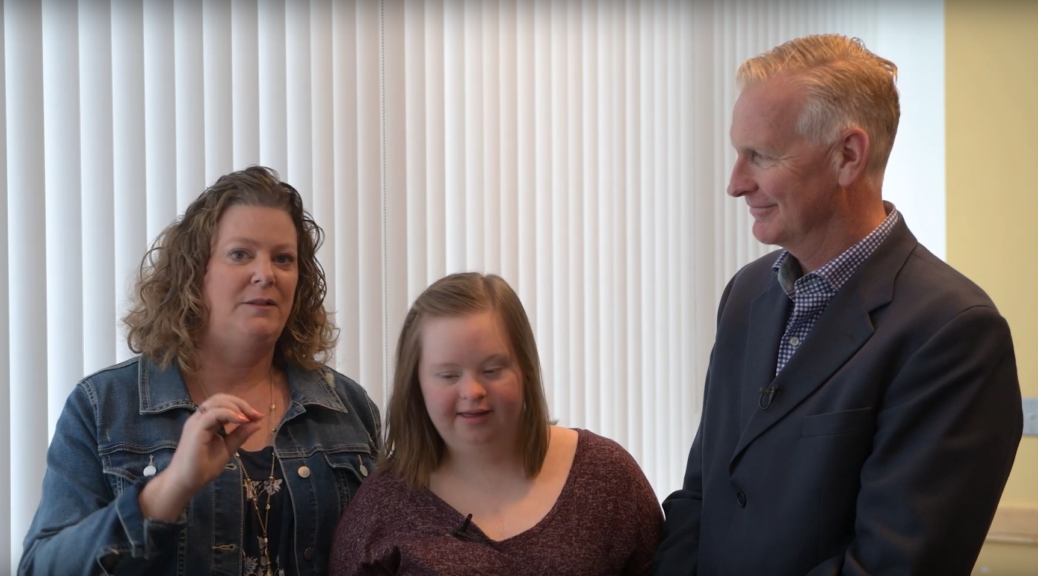
Amy, McKenzie, and Tim Haugen

Parents like Amy and Tim Haugen from Minneapolis, Minnesota trialed DSC2U. Photo: Down Syndrome Program at Massachusetts General Hospital

“What I was impressed with is that every recommendation in the online tool has a link to further information and I was blown away by all the resources linked. It was all right there and I didn’t have to Google it,” said Amy Haugen.

Current estimates suggest that over 95% of individuals with Down syndrome do not have access to a Down syndrome specialty clinic. Researchers at Massachusetts General Hospital (MGH) created Down Syndrome Clinic to You (DSC2U) as a way to address this need. MGH and founding philanthropic supporter, LuMind IDSC Foundation, today announced plans to launch http://www.DSC2U.org in the spring of 2020 and bring access to the specialty clinic expertise to every family in the US and internationally who needs it.

With DSC2U, caregivers have an opportunity to complete an online intake form, where they can identify current health concerns about their son or daughter with Down syndrome. The responses will generate two personalized documents–a plan for caregivers and another one for the primary care provider.

“Increasing access to treatments is a mission focus for LuMind IDSC” said Hampus Hillerstrom, CEO of LuMind IDSC Foundation, “LuMind IDSC Foundation is proud to be a founding philanthropic supporter to launch this tool. More importantly, we are honored to collaborate with MGH to provide DSC2U to approximately 190,000 individuals with Down syndrome in the United States currently lacking access to the best practices in healthcare from Down syndrome medical experts.”

The collaboration includes funding for additional software development to make the tool available for public use. LuMind IDSC Foundation is also providing educational and outreach support to bring DSC2U broadly to families that don’t have access to specialized Down syndrome clinics.

Parents like Amy and Tim Haugen from Minneapolis, Minnesota who have trialed DSC2U found the tool very useful. “What I was impressed with is that every recommendation in the online tool has a link to further information and I was blown away by all the resources linked. It was all right there and I didn’t have to Google it,” said Amy Haugen. “The world knows how fantastic Harvard Medical School and Mass General is. It means a lot to us and the trust we have in that and to know Dr. Skotko as well made us feel comfortable with DSC2U,” added Tim Haugen.

The personalized documents that caregivers get with DSC2U will include medical information and resources generated by a computer and based on the form responses. The reports are assembled with information that was carefully chosen by a team of Down syndrome-specialized medical experts, and whenever possible, drawn from national healthcare guidelines for people with Down syndrome. “No longer will geography be a barrier for families getting high-quality medical information about Down syndrome,” says Dr. Brian Skotko, the Emma Campbell Endowed Chair on Down Syndrome at Massachusetts General Hospital. “With DSC2U, families will now have access to the best information and resources about Down syndrome, personalized to their family’s needs.”

DSC2U is scheduled for public release in the spring of 2020. Interested families are encouraged to sign up for a launch notification at dsc2u.org/signup. For more information about LuMind IDSC Foundation, visit http://www.LuMindIDSC.org.

Share article on social media or email:

Phoenix Foundation of Maryland 2nd Annual Recovery Education Classic Golf Tournament


On Friday, April 17, the Phoenix Foundation of Maryland, a Frederick based non-profit, will host the 2nd Annual Recovery Education Classic Golf Tournament. The Phoenix Foundation of Maryland will establish a state-recognized recovery high school for individuals who struggle with alcohol and drug abuse in Frederick, MD.

The golf tournament will host keynote speakers, lunch, 50/50 raffle, and many other contests, all to benefit the Phoenix Foundation of Maryland. The money raised will go directly towards the mission of opening up a recovery high school in Frederick, MD in August 2020 in downtown Frederick. Your sponsorship dollars are an investment in our community!

The public is encouraged to attend this event. For more information about the event, connect with Phoenix Foundation of Maryland on Facebook and Instagram.


  • Where: Musket Ridge Golf Club, 3555 Brethren Church Rd., Myersville, MD 21773
  • When: April 17, 2020, 7:30-2:30 PM
  • Who: Golfers
  • Fee: $150/golfer, $550/foursome (includes range, cart, golf, golfer gifts, lunch, drinks)

To schedule interviews leading up to the event and day of the event, contact Heather Whitcomb of Phoenix Foundation of Maryland, heather@phoenixfoundationmd.org.

To sponsor or register to play, visit: http://www.musketridge.com/phoenix

About the Phoenix Foundation of MD

The Phoenix Foundation of Maryland will establish a state-recognized recovery high school for individuals who struggle with alcohol and drug abuse in Frederick, MD at 117 E. Church St., Frederick, MD in August 2020. http://www.phoenixfoundationmd.org

Share article on social media or email:

CT Provides Best Diagnosis for COVID-19, According to New Research


Early diagnosis of COVID-19 is crucial for disease treatment and control. Compared to RT-PCR, chest CT imaging may be a more reliable, practical and rapid method to diagnose and assess COVID-19, especially in the epidemic area.

In a study of more than 1,000 patients published in the journal Radiology, chest CT outperformed lab testing in the diagnosis of 2019 novel coronavirus disease (COVID-19). The researchers concluded that CT should be used as the primary screening tool for COVID-19.

In the absence of specific therapeutic drugs or vaccines for COVID-19, it is essential to detect the disease at an early stage and immediately isolate an infected patient from the healthy population.

According to the latest guidelines published by the Chinese government, the diagnosis of COVID-19 must be confirmed by reverse-transcription polymerase chain reaction (RT-PCR) or gene sequencing for respiratory or blood specimens, as the key indicator for hospitalization. However, with limitations of sample collection and transportation, as well as kit performance, the total positive rate of RT-PCR for throat swab samples has been reported to be about 30% to 60% at initial presentation.

In the current public health emergency, the low sensitivity of RT-PCR implies that a large number of COVID-19 patients won’t be identified quickly and may not receive appropriate treatment. In addition, given the highly contagious nature of the virus, they carry a risk of infecting a larger population.

“Early diagnosis of COVID-19 is crucial for disease treatment and control. Compared to RT-PCR, chest CT imaging may be a more reliable, practical and rapid method to diagnose and assess COVID-19, especially in the epidemic area,” the authors wrote.

Chest CT, a routine imaging tool for pneumonia diagnosis, is fast and relatively easy to perform. Recent research found that the sensitivity of CT for COVID-19 infection was 98% compared to RT-PCR sensitivity of 71%.

For the current study, researchers at Tongji Hospital in Wuhan, China, set out to investigate the diagnostic value and consistency of chest CT imaging in comparison to RT-PCR assay in COVID-19.

Included in the study were 1,014 patients who underwent both chest CT and RT-PCR tests between January 6 and February 6, 2020. With RT-PCR as reference standard, the performance of chest CT in diagnosing COVID-19 was assessed. For patients with multiple RT-PCR assays, the dynamic conversion of RT-PCR test results (negative to positive, and positive to negative, respectively) was also analyzed as compared with serial chest CT scans.

The results showed that 601 patients (59%) had positive RT-PCR results, and 888 (88%) had positive chest CT scans. The sensitivity of chest CT in suggesting COVID-19 was 97%, based on positive RT-PCR results. In patients with negative RT-PCR results, 75% (308 of 413 patients) had positive chest CT findings. Of these, 48% were considered as highly likely cases, with 33% as probable cases. By analysis of serial RT-PCR assays and CT scans, the interval between the initial negative to positive RT-PCR results was 4 to 8 days.

“About 81% of the patients with negative RT-PCR results but positive chest CT scans were re-classified as highly likely or probable cases with COVID-19, by the comprehensive analysis of clinical symptoms, typical CT manifestations and dynamic CT follow-ups,” the authors wrote.

Find all the latest Radiology and Radiology: Cardiothoracic Imaging COVID-19 research at Special Focus: COVID-19.

“Correlation of Chest CT and RT-PCR Testing in Coronavirus Disease 2019 (COVID-19) in China: A Report of 1014 Cases,” Tao Ai, M.D., Ph.D., Zhenlu Yang, M.D., Ph.D., Hongyan Hou, M.D., Chenao Zhan, M.D., Chong Chen, M.D., Wenzhi Lv, Qian Tao, Ph.D., Ziyong Sun, M.D., Liming Xia, M.D., Ph.D.

Radiology is edited by David A. Bluemke, M.D., Ph.D., University of Wisconsin School of Medicine and Public Health, Madison, Wis., and owned and published by the Radiological Society of North America, Inc. (https://pubs.rsna.org/journal/radiology)

RSNA is an association of radiologists, radiation oncologists, medical physicists and related scientists promoting excellence in patient care and health care delivery through education, research and technologic innovation. The Society is based in Oak Brook, Ill. (RSNA.org)

For patient-friendly information on chest CT, visit RadiologyInfo.org.

Share article on social media or email:

Global Rare Disease Day 2020 is happening February 29


More than 300 million people around the world and 30 million in the United States live with a rare disease.

Just a few days before Feb. 29, the National Organization for Rare Disorders (NORD) and people across the U.S. and in more than 100 countries across the world are finalizing preparations for Rare Disease Day 2020.

The campaign has been named “Show Your Stripes” with the zebra as the official symbol, as it’s a unique animal. The zebra is known for its rarity and symbolizes that every person living with a rare disease has their own unique stripes.

The campaign is open to all – people living with a rare disease, their families and caregivers, medical researchers, pharmaceutical companies, public health professionals and the general public.

Rare Disease Day is an opportunity to raise consciousness of what a “rare disease” really means:

  • Rare diseases are defined as affecting fewer than 200,000 people
  • There are more than 7,000 identified rare diseases
  • 90% of them have neither treatments nor cures
  • 70% of rare diseases begin in childhood
  • 72% of rare diseases are genetic, while others result from infections (bacterial or viral), allergies and environmental factors, or are rare cancers
  • It takes an average of 4.8 years to be properly diagnosed with a rare disease

In 2020, the campaign message is simple, yet powerful – and totally centered on patients.

THE RARE COMMUNITY:

  • Consists of many — More than 300 million people around the world, and 30 million in the United States. Half of them are children.
  • Is strong — It is connected across frontiers, in almost all states and social media networks, to build awareness and promote equity.
  • Is proud — Show your support for the rare disease community with pride! You probably know someone affected by a rare disease. Show your stripes!

The long-term objective of Rare Disease Day for the next decade is greater equity at a global level for people living with and caring for those with a rare disease. Rare Disease Day is an opportunity to raise awareness that people living with a rare disease face unequal access to diagnostics, treatment, care and social opportunity.

How to participate in Rare Disease Day 2020

Rare Disease Day 2020 is going to be a great success. There are events in more than 100 countries and on the internet! Click here to see the many ways to participate.

About Rare Disease Day

A campaign directed by patients and their families, Rare Disease Day was launched by EURORDIS and their Council of National Alliances in 2008, and it links millions of people in solidarity. EURORDIS coordinates the global community in organizing Rare Disease Day, which takes place each year on the last day of February, creating awareness of the rare diseases affecting more than 300 million people worldwide. #RareDiseaseDay

About National Organization for Rare Disorders (NORD)

NORD, a 501(c)(3) non-profit organization, is a patient advocacy organization dedicated to individuals with rare diseases and the 280 organizations serving these patients and their families. We are committed to the identification, treatment and cure of rare disease through education programs, advocacy, research and patient services. For more than 30 years, we’ve provided services to patients and their families, rare disease associations, medical professionals and those seeking the development of novel diagnostics and treatments. We are here with one definitive objective: to improve the lives of individuals and families impacted by rare diseases.

Share article on social media or email:


Best Children’s Museums in United States Honored in National Survey


USAToday/10Best ranked The Children's Museum of Indianpaolis at the top of all children's museums in the United States

Huge sauropods peek into five floors of fun at #1 children’s museum

It’s extremely important to The Children’s Museum of Indianapolis that we provide a variety of extraordinary family learning experiences that encourage interaction between the whole family—from toddlers to grandparents.

USAToday/10Best just announced that The Children’s Museum of Indianapolis is the winner of the 2020 USAToday/10Best Readers’ Choice travel award contest for the Best Children’s Museum. The nomination was carefully made by an expert panel of travel journalists from around the country and then voted upon by the public to determine who was most deserving of this honor.

“We are grateful to our members, visitors, donors and partners who love the museum and declared their confidence in us by voting for The Children’s Museum of Indianapolis,” said Dr. Jeffrey H. Patchen, president and CEO, The Children’s Museum. “It’s extremely important to us that we provide a variety of extraordinary family learning experiences that encourage interaction between the whole family—from toddlers to grandparents.”

The top ten winners in this category are as follows:

1.    The Children’s Museum of Indianapolis

2.    City Museum

3.    The Magic House

4.    Kohl Children’s Museum

5.    Children’s Museum of Houston

6.    Museum of Discovery- – – –

7.    Children’s Museum of Pittsburgh

8.    Children’s Museum of Denver

9.    The Strong Museum

10.    Madison Children’s Museum

The Children’s Museum of Indianapolis celebrated an all-time attendance record of 1.3 million visitors in 2019. Exhibits last year included the beloved permanent exhibits in addition to Star Trek: Exploring New Worlds presented by EdChoice and supported by Aquafina and F.A. Wilhelm Construction Co., Inc., PAW Patrol Adventure Play locally Presented by Central Indiana Honda dealers and Supported by Indianapolis Indians and Franklin Pest Solutions, Riley Children’s Health Sports Legends Experience, Hot Wheels™: Race to Win™ presented by Subway® and supported by Church Brothers Collision Repair and Donatos, Treasures of Ancient Greece presented by OneAmerica and supported by Ice Miller LLP, Take Me There Greece presented by Ice Miller LLP, First & Goal exhibit partner Indianapolis Colts, presented by Kumon, and supported by Indiana Soybean Glass Barn, MJ Insurance and Subway®, Hotel of Spells presented by Old National Bank, Hotel of Spells presented by Old National Bank (The Children’s Museum Guild’s annual Haunted House) and Jolly Days Winter Wonderland presented by Riley Children’s at Indiana University Health and supported by Splenda in addition to the outdoor Riley Children’s Health Sports Legends Experience®.

We’re excited for everyone to see what temporary exhibits we have to offer this year (2020) including:

  •     Pigeon and Pals! A Mo Willems Art and Play Exhibit (now – May 10, 2020) Presented by Riley Children’s at Indiana University Health and Supported by Indianapolis Indians and Aquafina
  •     Wild Weather (March 14, 2020 – Jan. 10, 2021) Presented by Central Indiana Honda Dealers and supported by Koorsen Fire & Security and Priority Group
  •     Riley Children’s Health Sports Legends Experience (March 14 – Nov. 1, 2020). This exhibit features multiple sports including basketball, football, hockey, soccer, pedal car racing, golf, baseball, tennis, running, fitness equipment, a 60-foot-tall Tree of Sport and NAMOS (National Art Museum of Sport).
  •     Barbie™ You Can Be Anything™ (May 30, 2020 – TBD) Supported by Franklin Pest Solutions
  •     The Children’s Museum Guild’s annual Haunted House (Oct. 10– 31, 2020) Presented by Old National Bank
  •     Jolly Days Winter Wonderland (Nov. 21, 2020 – Jan. 3, 2021) Supported by Indiana Farm Bureau

Real science comes alive in permanent exhibits such as Dinosphere®: Now You’re in Their World, where families can touch real fossils from the Cretaceous and Jurassic Periods, the working wet lab in National Geographic Treasures of the Earth, and Corteva Agriscience ScienceWorks with a STEM Lab.

Intergenerational family learning is extremely important along with making memories and hands-on interactives at The Children’s Museum of Indianapolis. Educators can find online units of study and parents will find family guides that are extremely useful. Perhaps one of the most fun things it features is costumed actor/interpreters who bring stories to life in fun and imaginative ways. The Children’s Museum of Indianapolis is proud to partner with Riley Children’s at Indiana University Health, Old National Bank and Ice Miller LLP.

About The Children’s Museum of Indianapolis

The Children’s Museum of Indianapolis is a nonprofit institution committed to creating extraordinary learning experiences across the arts, sciences, and humanities that have the power to transform the lives of children and families. For more information about The Children’s Museum, visit http://www.childrensmuseum.org, follow us on Twitter @TCMIndy, Instagram@childrensmuseum, YouTube.com/IndyTCM, and Facebook.

Share article on social media or email:

Critical Alert Integrates with Zebra’s Mobile Health Technology Providing Industry-Leading Solutions


News Image

By utilizing Zebra’s devices with Critical Alert’s enterprise-class software platform, clinical communication is simplified resulting in better patient care, enhanced staff satisfaction and overall hospital performance.

Critical Alert is pleased to announce that its nurse call and communications solution is now available for use on Zebra Technology’s mobile devices. Zebra provides exceptional in touch computing for healthcare that works seamlessly with Critical Alert’s enterprise-class patient communication software platform.

Zebra’s TC52-HC/TC51-HC are the ultimate devices for today’s healthcare staff providing Android’s ease of use combined with superior clinical collaboration, data capture and device management tools. Critical Alert provides solutions that assist and enhance every aspect of patient communication. With the availability now extended to Zebra’s healthcare enterprise devices, customers who are interested in utilizing Critical Alert now have more choices in supported hardware. By utilizing Zebra’s devices with Critical Alert’s enterprise-class software platform, clinical communication is simplified resulting in better patient care, enhanced staff satisfaction and overall hospital performance.

“We are delighted to partner with Zebra to provide healthcare facilities with elite mobile technology and patient communications,” stated John Elms, CEO of Critical Alert. “In doing so, we look forward to helping hospitals achieve the highest quality of patient care,” continued Elms.

About Critical Alert

Critical Alert offers a solution set of enterprise, software-based products, services and strategies that enable hospitals and healthcare enterprises to give a voice to their patients, empower their clinical staff with actionable intelligence, unburden their support and IT teams and save money. CommonPath Enterprise, our software-driven patient communications platform includes UL-1069 nurse call, alarm management & event notification, patient experience monitoring, advanced clinical analytics and a portfolio of integrated partner offerings.

For more information, visit: http://www.criticalalert.com. Follow Critical Alert on LinkedIn and Twitter.

Critical Alert is a trademark of Critical Alert. All other product or service names are the property of their respective owners.

Critical Alert Media Contacts

Josh Troop

VP of Marketing

jtroop@criticalalert.com

Betsy Berken-Zaslav

Director of Marketing

bzaslav@criticalalert.com

Share article on social media or email: