Category Archives: Health

What is new in the field of Health. Trending topics, and cutting edge research in the are of Health. Press Releases that give us updates on Health.

Validation Institute Verifies Health Performance Claims of 8 Programs through Objective, Third-Party Process


News Image

“Validation Institute tests the accuracy of health care performance claims by health care vendors making it easier for health benefits professionals to cut through the clutter,” said RD Whitney, CEO of Validation Institute

Validation Institute (VI), an independent, objective, 3rd party organization focused on changing health care, is pleased to announce eight programs have successfully completed validation during the first quarter of 2020.

“Validation Institute tests the accuracy of health care performance claims by health care vendors making it easier for health benefits professionals to cut through the clutter. Many times performance promises often seem too good to be true and it’s essential for high-quality, value-based, and cost-conscious vendors to stand out and rise to the top,” said RD Whitney, CEO of Validation Institute.

The following companies have successfully completed validation of one or more programs:

Blossom Bariatrics, Obesity Related Solution

Proactive MD, Primary Care    

Quizzify, Health Literacy

Rx Manage, Pharmacy Benefit Management    

USPM, Wellness Program

USPM, Wellness Sensitive Medical Events    

Virta Health, Disease Management    

Ault International Medical Mgmt, Care Management    

A complete write up of the programs validated can be found here https://validationinstitute.com/validated-programs/ Validation Institute has validated more than 40 programs representing several different areas of health care services and products.

About Validation Institute

Validation Institute is an independent, objective, 3rd party organization on a mission to improve the quality and cost of healthcare. Based in Portsmouth, N.H., the organization is made up of a network of health benefits purchasers, health benefits advisors, and healthcare solution providers focused on delivering better health value and stronger outcomes than conventional healthcare. http://www.validationinstitute.com

Share article on social media or email:

New Study Finds that RADLogics AI-Powered Solution Achieves High Accuracy for Detecting COVID-19 on CT


RADLogics

our rapidly-developed AI-based image analysis can achieve high accuracy in detection of coronavirus as well as quantification and tracking of disease burden, said RADLogics’ CEO and Co-Founder Moshe Becker

RADLogics™ announced today new research that validates the performance of an AI-powered CT image analysis solution that is designed to automatically and accurately detect COVID-19 (Coronavirus) and quantify the disease burden in affected patients. To meet the growing worldwide pandemic, RADLogics also announced that it has rapidly deployed this new CT image analysis algorithm, which helps classify results for patients with COVID-19 per thoracic CT studies utilizing deep-learning image analysis.

“As the novel coronavirus continues to rapidly spread around the world, healthcare systems and providers may become overwhelmed with symptomatic patients that require testing, imaging, and treatment,” said RADLogics’ CEO and Co-Founder Moshe Becker. “In an effort to help alleviate this burden on the world’s healthcare providers – and to support improved patient outcomes – we dedicated our resources toward successfully modifying and adapting our existing AI models to develop this solution specifically for COVID-19 detection and quantification. To date, we have already deployed our solution in China, Russia and Italy, and we are rapidly scaling in other countries in response to the strong demand.”

The study, led by Professor Hayit Greenspan from Tel Aviv University and RADLogics, in collaboration with medical experts from the US and China including Dr. Eliot Siegel of the University of Maryland School of Medicine in Baltimore, MD; and Dr. Adam Bernheim of the Icahn School of Medicine at Mount Sinai in New York, NY; found that the CT image analysis algorithm – developed from multiple international datasets – was able to differentiate 157 patients with and without COVID-19 with a 0.996 AUC (plus, 98.2 percent sensitivity and 92.2 percent specificity). Although it is not recommended as a first-line test, non-contrast thoracic CT has been shown to be an effective tool in the detection, quantification, and follow-up of COVID-19. Thus, in addition to detecting and quantifying disease burden, RADLogics’ image analysis further outputs a suggested “Corona Score,” which measures the percentage of lung volume that is infected by disease.

A consistent and reproducible method for rapidly screening and evaluating high volumes of thoracic CT imaging studies can assist healthcare systems through this pandemic by augmenting radiologists and acute care teams that could be overwhelmed with patients. Additionally, with a greater volume of patients who must be screened for coronavirus, earlier and more rapid detection of positive cases can help improve both the treatment of patients and containment of virus spread.

“This study validates our novel solution, which has been widely studied via multiple international datasets and a range of retrospective experiments to analyze the performance over time,” added Becker. “The conclusion was clear: our rapidly-developed AI-based image analysis can achieve high accuracy in detection of coronavirus as well as quantification and tracking of disease burden.”

Results of this study are available on arXiv.org, and it has been submitted to the Radiology Society of North America (RSNA) for review and potential publication in Radiology: Artificial Intelligence. RADLogics is also expanding the initial study to a larger population.

For more information on the RADLogics AI solution for detecting COVID-19, visit our dedicated site at radlogics.com/coronavirus or contact lynn@radlogics.com.

About RADLogics

A healthcare software company developing artificial intelligence (AI)-powered solutions, RADLogics provides machine learning image analysis solutions to improve radiologists’ productivity while enhancing patient outcomes. Based in Boston, MA, US, and Tel Aviv, Israel, RADLogics is one of the pioneers in using AI & machine learning image analysis and advanced big data analytics to search and analyze imaging data from CTs, MRIs, PET scans, and X-rays to help reduce diagnostics turnaround time from hours to minutes by automating detection and report generation functions. The company’s patented AI medical image analysis platform enables rapid development of AI algorithms, and provides seamless integration into existing radiology workflow. Visit http://www.radlogics.com to learn more or follow us on LinkedIn or Twitter.

Share article on social media or email:


Healthcare Laundry Accreditation Council Urges Hospitals to Review How They Launder Their Reusable Linens


A close up of the logo

HLAC is a nonprofit organization that, for more than 10 years, has been inspecting and accrediting laundries that process reusable HCTs for all healthcare facilities around the world.

“We are urging healthcare facilities to include among their analysis of their standard precautions a careful review of how their reusable healthcare textiles are processed, or laundered. Their fundamental question should be, ‘Is our healthcare laundry accredited?’” – Linda McCurdy, HLAC

The Healthcare Laundry Accreditation Council (HLAC) is urging healthcare facilities using reusable healthcare textiles (HCTs) to review how they launder their linens as the coronavirus continues to spread across the USA.

“We know, amidst the COVID-19 crisis, that responsible hospitals, nursing homes and other healthcare facilities are scrutinizing their standard precautions for reducing the risk of transmission of pathogens,” says Linda McCurdy, board president of HLAC. “This includes their hand-washing techniques, their use of operating-room gowns, their environmental-cleaning procedures, and everything in between.

“We are urging them to include among their analysis a careful review of how their reusable healthcare textiles are processed, or laundered,” she said. “Their fundamental question should be, ‘Is our healthcare laundry accredited?’”

HLAC is a nonprofit organization that, for more than 10 years, has been inspecting and accrediting laundries that process reusable HCTs for all healthcare facilities around the world. According to McCurdy, HLAC-accredited laundries process HCTs based on the highest standards for patient safety and infection prevention. These HLAC Accreditation Standards have been developed based on federal regulations and guidelines as well as best industry practices. HLAC accreditation affirms that a laundry organization that processes HCTs has successfully passed an inspection of the following: its facility, policies and procedures, training programs, and its relationship with its healthcare customers.

“Policy-wise, the use of reusable HCTs among informed hospitals is clear-cut: Their use is safer, smarter and sustainable and they outperform disposables in every way,” McCurdy said. “Furthermore, many of these same hospitals are now requiring HLAC accreditation of their healthcare laundries to be considered an authorized vendor.”

Regarding COVID-19, McCurdy notes that laundries that adhere to HLAC Standards are engaged in best practices that include the following of universal precautions, an approach to infection control that treats all human blood and body fluids as if they contain bloodborne pathogens. “For example, per HLAC Standards, our accredited laundries handle all soiled linen as if it has been contaminated. This proper laundering and handling are important not only to the laundry staff but also in achieving and maintaining the hygienically clean quality of healthcare fabrics and textiles delivered to the point of care.

The principal benefit of HLAC accreditation to healthcare is the knowledge and confidence that their textile provider is meeting the highest standards in the industry for processing healthcare textiles, including strict adherence to federal government regulations and guidelines,” McCurdy says. “We think that especially now all hospitals and healthcare facilities using reusable HCTs should insist that their laundry is HLAC accredited.”

For more information about HLAC, visit http://www.hlacnet.org.

Share article on social media or email:

The National Children’s Cancer Society Offers Free Publications to Guide Kids and Families on Their Cancer Journey


The National Children’s Cancer Society (NCCS) offers several free publications that provide helpful information to kids battling cancer and their families. These resources cover a variety of topics and are useful before, during and after treatment.

The NCCS currently offers six publications including a guide for parents, an interactive activity book for kids in treatment, advice for friends of children with cancer and tips about going to college for cancer survivors. These resources come in a range of formats for different age groups—from a coloring book for young children to digital materials for teens. Each publication provides a valuable way for children and those close to them to anticipate and process their experiences.

“The publications we requested from the NCCS provided us with quite a bit of information on how to deal with not only current issues, but situations that are expected in the future. It means a lot to us to have these free resources available,” said a parent served by the NCCS.

The NCCS is committed to helping families get where they need to be physically, financially and emotionally during the treatment and ongoing challenges of childhood cancer.

“These resources provide families with straightforward and comforting tools to be able to navigate the long and hard journey of childhood cancer,” said Aleeza Granote, LCSW, of Cardinal Glennon Children’s Hospital. “Every one of our families receives ‘The Other Side of the Mountain: A Parent’s Guide to Surviving Childhood Cancer’ at diagnosis. Our most-received responses on this publication and others are how easy they are to read and how they make the families feel they are not alone.”

Find these free resources in a PDF format ready to download, or order print copies, on the NCCS website (http://www.thenccs.org/publications). Hospitals or medical professionals wishing to order large quantities for patients can contact the NCCS for assistance at 314-241-1600 ext. 214.

The National Children’s Cancer Society (NCCS), headquartered in St. Louis, Mo., is a not-for-profit organization providing support to families making their way through the daunting world of childhood cancer and survivorship. With over 30 years of experience serving more than 44,000 children, the NCCS is able to take a “no matter what” approach to help families stay strong, stay positive and stay together. The NCCS has been recognized as a Better Business Bureau Accredited Charity and earned a GuideStar Platinum Seal of Transparency. For more information, call 314-241-1600, visit http://www.theNCCS.org or follow on Facebook (http://www.facebook.com/thenccs), Twitter (http://www.twitter.com/The_NCCS) and Instagram (http://www.instagram.com/thenccs/).

Share article on social media or email:


Convoy of Hope Launches National COVID-19 Response


News Image

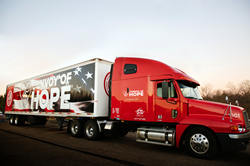
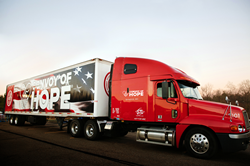
Convoy of Hope truck

“This is a united act of compassion,” said Hal Donaldson, president of Convoy of Hope. “Churches, businesses, civic organizations, and local governments are coming together to help children and families get through this difficult period.”

In response to the COVID-19 pandemic, Convoy of Hope, a global relief organization, is aiming to supply partners with 10 million meals to distribute across the United States. Already underway, the meals are being distributed through churches and civic organizations in communities hit hard by the coronavirus.

“This is a united act of compassion,” said Hal Donaldson, president of Convoy of Hope. “Churches, businesses, civic organizations, and local governments are coming together to help children and families get through this difficult period. Many families have lost employment and, with school closures, children have lost access to school lunch programs,” Donaldson said. “The need is great — we have received hundreds of requests for food from 35 states.”

This week, Convoy of Hope’s fleet of tractor-trailers has delivered more than 60 loads of goods around the country. Much of the food has been donated by major corporations; because of current demands on suppliers, some of the food is being purchased at below wholesale prices. Additional resources will be needed as the new virus continues to spread and needs increase exponentially.

“With the public’s help, we will deliver 10 million meals—and hopefully even more—to those who need them most,” said Donaldson. “Like our response to any major disaster or crisis, we intend to do as much as we can for as long as we can.”

Convoy of Hope is a faith-based, nonprofit organization with a driving passion to feed the world through children’s feeding initiatives, community outreaches, and disaster response. Visit convoyofhope.org to donate to their response.

About Convoy of Hope

Convoy of Hope is a faith-­based organization with a driving passion to feed the world. With a long history as an early responder in times of natural disasters, Convoy of Hope has been a Four Star Charity as recognized by Charity Navigator for 16 consecutive years. Convoy of Hope has served more than 130 million people since it was founded in 1994. For more information, please visit convoyofhope.org.

Share article on social media or email:

SkillsUSA and Industry Leaders Come Together to Help CTE Students Continue Learning During COVID-19 Crisis


News Image

This is our effort to offer support to our students and teachers who need guidance and resources — and they need it right now

To support continued learning for career and technical education (CTE) students during the COVID-19 crisis, SkillsUSA has joined with Lincoln Electric, Tooling U-SME, NC3 and camInstructor to form the CTE Coalition. The coalition has quickly mobilized to create the Keep CTE Moving website, a central portal where instructors and students can access hundreds of online classes, videos, and instructional materials in areas such as machining, welding, mechatronics, industry 4.0, and programming. All online materials — many available at no charge for the next 30 days — are produced by the coalition partners. The goal is to help CTE faculty and students continue their teaching and learning in a new virtual environment as quickly as possible.

“The coalition hopes that by offering these centralized online resources, we can quickly help thousands of students continue their studies in these unprecedented times when many schools are temporarily closed,” said SkillsUSA executive director Chelle Travis. “This is our effort to offer support to our students and teachers who need guidance and resources — and they need it right now.”

“A lot of CTE courses in areas like welding, CNC, automotive, manufacturing and construction are very hands-on,” said Jason Scales, business manager, education, Lincoln Electric. “Many instructors simply don’t have online training content. This non-competitive group of industry-leading companies each maintain a robust set of e-learning modules and other resources. Together, we agreed to share our resources in an unprecedented manner. With this opportunity, tens of thousands of CTE students can keep learning, even while they may not be allowed to gather in a physical classroom or lab.

Understanding the urgency for education to respond to the crisis, coalition partners are also providing recorded sessions with CTE instructors highlighting best practices in how to effectively utilize e-learning and online resources to educate students and quickly transition to a virtual learning environment. The manufacturing industry has already faced a skilled labor shortage, and the continuing COVID-19 crisis has presented an additional challenge for educational institutions as schools across the nation are closed and face-to-face learning is disrupted.

Given the changing nature of the COVID-19 situation, CTE instructors are urged to visit the Keep CTE Moving website at http://www.ctecoalition.com regularly for new learning resources and guidance that will evolve over time. The coalition will continue to monitor the situation and work together to respond to the needs of CTE educators and their students.

About SkillsUSA

SkillsUSA is a nonprofit partnership of education and industry founded in 1965 to strengthen our nation’s skilled workforce. Driven by employer demand, SkillsUSA helps students develop necessary personal and workplace skills along with technical skills grounded in academics. This SkillsUSA Framework empowers every student to succeed at work and in life, while helping to close the skills gap in which millions of positions go unfilled. Through SkillsUSA’s championships program and curricula, employers have long ensured schools are teaching relevant technical skills, and with SkillsUSA’s new credentialing process, they can now assess how ready potential employees are for the job. SkillsUSA has more than 366,000 annual paid members nationwide in high schools, colleges and middle schools, covering over 130 trade, technical and skilled service occupations, and is recognized by the U.S. departments of Education and Labor as integral to career and technical education. With the addition of our alumni, membership last year was 427,432. We have served nearly 14 million members since 1965. For more information: https://www.skillsusa.org/

For more information on the Keep CTE Moving site and CTE Coalition efforts, visit https://ctecoalition.com/

Visit CTE Coalition members’ websites, including Lincoln Electric, https://www.lincolnelectric.com/en-us/; Tooling U-SME, https://www.toolingu.com/; NC3, https://www.nc3.net/; camInstructor, https://caminstructor.com/; and SkillsUSA, https://www.skillsusa.org/

Share article on social media or email:

Microderm GLO Ranks No. 5 on the 2020 Inc. 5000 Series: Midwest List


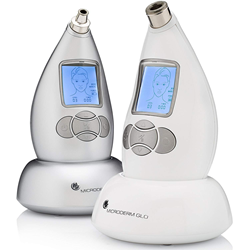
Microderm GLO Diamond Microdermabrasion System

Microderm GLO Diamond Microdermabrasion System

Microderm GLO is passionate on bringing traditionally expensive, in-office, professional dermatologist care into everyone’s home.

Inc. magazine today revealed that Microderm GLO is No. 5 on its inaugural Inc. 5000 Series: Midwest list, the most prestigious ranking of the fastest-growing private companies in Illinois, Indiana, Iowa, Kansas, Michigan, Minnesota, Missouri, Nebraska, North Dakota, Ohio, South Dakota, and Wisconsin. Born of the annual Inc. 5000 franchise, this regional list represents a unique look at the most successful companies within the Midwest economy’s most dynamic segment—its independent small businesses.

“Not only is it very exciting but it is also a tremendous honor to be ranked in the top 2% of the fastest growing companies in the Midwest by Inc.,” says Microderm GLO founder and CEO Sid Param, “It would have been impossible to reach this point without the dedication of many important people – the relentlessness of our team, the trust and voice of our raving fans, and the inspiration and mentorship from organizations that have recognized and supported us over the years.”

The companies on this list show stunning rates of growth across all industries in the 12 Midwest states. Between 2016 and 2018, these 250 private companies had an average growth rate of 360 percent and, in 2018 alone, they employed more than 27,000 people and added $13 billion to the Midwest’s economy. Companies based in the Chicago, Detroit, and Cincinnati areas brought in the highest revenue overall.

Complete results of the Inc. 5000 Series: Midwest, including company profiles and an interactive database that can be sorted by industry, metro area, and other criteria, can be found at inc.com/inc5000-series-midwest-2020 starting March 25, 2020.

“The companies on this list demonstrate just how much the small-business sector impacts the economies of each Midwest state,” says Inc. editor in chief Scott Omelianuk. “Across every single industry, these businesses have posted revenue and growth rates that are beyond impressive, further proving the tenacity of their founders and CEOs.”

About Microderm GLO

Microderm GLO develops, manufactures, and markets professional-grade, dermatological and healthcare products. On a mission to help people look and feel their best every day, Microderm GLO is passionate on bringing traditionally expensive, in-office, professional dermatologist care into everyone’s home.

While customers choose Microderm GLO for their award-winning, breakthrough skincare products, they stay for the company’s uncompromising commitment to world-class customer happiness and industry-leading lifetime warranty on every product.

For more information about Microderm GLO, visit us at MicrodermGLO.com or connect with us on Facebook and Instagram.

Contact:

Microderm GLO Skincare

Media & PR Department

media@microdermglo.com

888-745-7333

More About Inc. and the Inc. 5000 Regional Series

Methodology

The 2020 Inc. 5000 Regional Series is ranked according to percentage revenue growth when comparing 2016 and 2018. To qualify, companies must have been founded and generating revenue by March 31, 2016. They had to be U.S.-based, privately held, for profit, and independent—not subsidiaries or divisions of other companies—as of December 31, 2018. (Since then, a number of companies on the list have gone public or been acquired.) The minimum revenue required for 2016 is $100,000; the minimum for 2018 is $1 million. As always, Inc. reserves the right to decline applicants for subjective reasons.

About Inc. Media

The world’s most trusted business-media brand, Inc. offers entrepreneurs the knowledge, tools, connections, and community to build great companies. Its award-winning multiplatform content reaches more than 50 million people each month across a variety of channels including websites, newsletters, social media, podcasts, and print. Its prestigious Inc. 5000 list, produced every year since 1982, analyzes company data to recognize the fastest-growing privately held businesses in the United States. The global recognition that comes with inclusion in the 5000 gives the founders of the best businesses an opportunity to engage with an exclusive community of their peers, and the credibility that helps them drive sales and recruit talent. The associated Inc. 5000 Conference is part of a highly acclaimed portfolio of bespoke events produced by Inc. For more information, visit http://www.inc.com.

Share article on social media or email:


Fenway Health policy brief outlines impact of COVID-19 on people living with HIV and LGBTQIA+ people


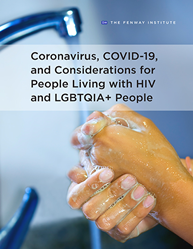
An image of the cover of the brief on COVID-19 and People Living with HIV and LGBTQIA+ People

Because of higher rates of chronic disease and risk factors like smoking and vaping, LGBTQIA+ people and people living with HIV should strictly adhere to social distancing guidelines and take care of their health as best they can right now.”

Today, The Fenway Institute of Fenway Health released a policy brief outlining the ways in which people living with HIV and LGBTQIA+ people are likely to be affected by COVID-19 and the factors that may put them at elevated risk for infection.

“Everyone is at risk of infection in this pandemic. But history shows that people who are marginalized and consequently experience disparities in health will suffer disproportionately greater harms than the general population,” said Sean Cahill, Director of Health Policy Research at The Fenway Institute. “Because of higher rates of chronic disease and risk factors like smoking and vaping, LGBTQIA+ people and people living with HIV should strictly adhere to social distancing guidelines and take care of their health as best they can right now.”

People with chronic health conditions, including HIV/AIDS, may be at elevated risk of serious complications from COVID-19. Of most concern are people living with HIV who are not treatment adherent and virally suppressed. People living with HIV should make every effort to adhere to their treatment regimen by taking their HIV medication daily and engaging in other activities to remain healthy such as eating well, exercising, and avoiding tobacco and other substances.

More specifically, people living with HIV should:


  • Ensure that they have at least a 30-day supply of medications on hand; in Massachusetts, under Governor Baker’s emergency declaration, people can get a 60- to 90-day day supply of medication;
  • Make sure that they are up to date with flu and pneumonia vaccines;
  • Establish a plan for clinical care if isolated or quarantined, for example using telemedicine via Skype or FaceTime; and
  • Maintain a social network, but remotely—as social contact can help with mental health and also fights boredom.

Due to experiences of discrimination in health care settings as well as the impact of stigma and minority stress on health, LGBTQIA+ people are more likely to have some of the underlying health conditions that could increase their vulnerability if they are exposed to the novel coronavirus.

  • Gay and bisexual men, as well as transgender women, have disproportionately higher rates of HIV
  • Lesbian women are more likely to have poor or fair health, multiple chronic conditions, heavy driving and heavy smoking compared with straight, cisgender women
  • Bisexual women are more likely to have multiple chronic conditions, severe psychological distress, and engage in heavy drinking and moderate smoking
  • Lesbians, gay men, and bisexuals of all ages are more likely to be living with disabilities than the general population
  • LGBTQ youth have higher rates of sedentarism, pre-diabetes, and diabetes
  • LGBT people are more likely to smoke and vape, and to use substances.
  • LGBT older adults experience higher rates of social isolation than straight and cisgender age peers

(Citations for the above can be found here.)

“A real concern for LGBTQIA+ people during this pandemic is that we know that they avoid seeking needed health care due to previous experiences of discrimination in health care settings or the fear of experiencing discrimination,” Cahill added. “We’ve also seen new policies enacted at the federal level and in some states that make it easier for health care providers to refuse treatment based on religious or moral beliefs. Discrimination in health care is never acceptable. During an unprecedented global health emergency, this is especially true.”

The policy brief, “Coronavirus, COVID-19, and Considerations for People Living with HIV and LGBTQIA+ People,” can be downloaded as a PDF here.

Since 1971, Fenway Health has been working to make life healthier for the people in our neighborhoods, the LGBTQIA+ community, people living with HIV/AIDS and the broader population. The Fenway Institute at Fenway Health is an interdisciplinary center for research, training, education and policy development focusing on national and international health issues.

Share article on social media or email:

Palo Alto University BRAIN Lab Encourages Baseline Concussion Testing for Athletic Teens


“We could test entire teams at a school and coaches through our website and social media”

Every year, an estimated 3.8 million athletes suffer a concussion, and 70 percent of related ER visits are by children and teenagers. Rayna Hirst, Ph.D., associate professor of neuropsychology at Palo Alto University (PAU), isn’t surprised by these statistics. In her Behavioral Research and Assessment in Neuropsychology (BRAIN) Lab, where she is studying the effects of sports-related concussions, she says more than a third of the test subjects have had a mild traumatic brain injury. What she found astonishing is that parents of half of those kids did not seek medical attention, just the sort of behavior that Brain Injury Awareness Month, observed this month, aims to change. Hirst is passionate about educating the public about brain injuries and is available for interviews.

While Hirst’s study is in its early stages, with several papers published so far, Hirst and her team have uncovered some unexpected findings. Football gets most of the attention, but many youth athletes sustained concussions while involved in high-impact activities outside of organized sports, such as sailing, dirt biking and recreational basketball. Furthermore, when it comes to organized sports, athletes in positions where they are repeatedly tackled are at higher risk, while body mass index, age and the number of years of exposure were unrelated.

To recruit subjects for the study (which is temporarily on hold due to COVID-19 restrictions), Hirst offers free neuropsychological evaluation for athletes ages 8-16. Her team reviews each child’s medical history, interview the participant and a family member or caregiver, and administer a battery of tests that assess the youth’s memory, concentration, problem-solving skills and other cognitive functions. Parents get a detailed report of their child’s cognitive strengths and weaknesses. Athletes can be retested after a concussion, with the results compared to the baseline to help determine treatment and decisions about when a student can resume regular activity and return to the sport. Hirst also recommends retesting every year or two, also free “because kids develop cognitively at different rates.”

She says a healthy child may have abnormal scores on cognitive testing even on the baseline assessment, so she cautions parents not to read too much into one or two low scores. It’s also important to know those low baseline scores so they can be interpreted correctly in the event of an injury.

Hirst emphasizes the community service aspect of the concussion study. At the high school level, she says, many sports programs do basic baseline screening of athletes at the beginning of each season. However, middle schools and schools in lower socioeconomic regions don’t have the funds. That is where Hirst and her team can step in. By offering free testing, they are giving parents and school or league administrators access to a service they wouldn’t otherwise have. The study also offers information and resources for parents and coaches through their website and social media.

So far, the study’s database comprises about 130 youth, with longitudinal data on 30 of them, and Hirst would like to grow that number. Assessments are typically done in the lab, but “we can be mobile,” Hirst says. “We could test entire teams at a school and coaches through our website and social media”.

About Rayna Hirst, Ph.D.

Rayna Hirst is an associate professor and director of the Neuropsychology Program at Palo Alto University, providing didactic and supervisory education to doctoral students who are training in neuropsychology. Her research focuses on the validity and interpretation of neuropsychological assessment in a variety of clinical disorders. She also serves as the Research Director at San Francisco Neuropsychology PC, leading their clinical research program. She is a member of the National Academy of Neuropsychology Conflict of Interest Committee, the International Neuropsychological Society, and is Member-at-large and former Treasurer of the Northern California Neuropsychology Forum.

She completed her doctorate in Clinical Psychology, with a specialization in Neuropsychology, at the University at Albany, State University of New York. She completed her internship at the VA Ann Arbor/University of Michigan Healthcare System. Her postdoctoral fellowship was at the Dartmouth-Hitchcock Medical Center, in the Geisel School of Medicine. Her broad and diverse training has prepared her for the assessment of a variety of neurological and psychological disorders. In her clinical practice, she sees adults aged 18 and over (including older adults), for all types of neuropsychological evaluations, including ADHD, learning disorder, psychiatric disorders (e.g., depression, anxiety), medical diagnoses (e.g., multiple sclerosis, Parkinson’s disease, traumatic brain injury, neuro-oncology), and dementia.

Share article on social media or email:

Measuring Cytopathic Effects of Viral Infections by Applied BioPhysics Inc.


Measuring Cytopathic Effects of Viral Infections by Applied BioPhysics Inc.

Cytopathic effects of viral infections upon cultured cells are difficult to quantify due to the subjective nature of monitoring cell morphology. Applied Biophysics provides instruments and specialized 96 well microplates to detect virus-induced morphological changes quantitatively and in real-time using an impedance-based electrical measurement.

Cells are seeded and grown to confluence upon gold electrodes located on the base of each well of the microplate. The formation of a confluent monolayer is verified using impedance measurements, and the cultures are then infected.

Following the latent period associated with the infection, one begins to see changes in the impedance associated with viral-induced cytopathic activities. Recording the impedance data over a range of AC frequencies allows one to discern different morphological alterations including cell rounding, loss of barrier function, the formation of syncytia, and cell detachment from the substrate. Based on these responses, researchers can begin to explore the effect of different experimental conditions, such as the addition of potential therapeutic compounds.

The Electric Cell-substrate Impedance Sensing (ECIS) measurement is highly sensitive, completely label-free, and non-invasive. All instruments come in turn-key packages ready to be used with your cell incubator and include all electronics, a laptop computer loaded with user-friendly ECIS software, and a supply of 96 well electrode arrays.

For more information and other applications of the ECIS technology please visit http://www.biophysics.com

For further information contact:            

Wendy Ladouceur                    

Applied BioPhysics                 

185 Jordan Road                    

Troy, NY 12180                     

Ph: 1-866-301-ECIS (3247)             

Fax 518-880-6860     

For technical questions:

Dr. Charles Keese

Applied BioPhysics

185 Jordan Road

Troy, NY 12180

Ph: 1-866-301-ECIS (3247)

Fax 518-880-6860

Share article on social media or email: