
Category Archives: Health

What is new in the field of Health. Trending topics, and cutting edge research in the are of Health. Press Releases that give us updates on Health.

With Belize Set to Reopen in October, Chaa Creek Explains New Health and Safety Measures


Chaa Creek pool with lounges, umbrellas and the surrounding jungle

With plenty of room and fresh air, luxurious amenities and 400 acres of pristine rainforest to explore, Belize’s Chaa Creek is a perfect getaway

More than ever, people want to get away to relax, recharge, and reconnect.

For The Lodge at Chaa Creek’s health and safety officer, the last six months have been busy. And he’s even busier now that Belize’s Philip Goldson International Airport is slated to reopen on the first of October, 2020.

“Even though we’ve been effectively closed for some time now, these last few months have been anything but slow,” Brion Young said.

“With such a wide range of accommodations and amenities, tropical gardens and miles of trails running through our 400-acre private nature reserve to maintain, many of us have been just as busy as we usually are during high season,” he explained.

“Without guests, it’s a very different sort of busy, but it’s busy nonetheless,” he added.

Even though Belize was initially successful in keeping the global Coronavirus pandemic at bay, largely due to swift action on the part of the government and tourism stakeholders, it was only a matter of time before the virus found a way in, Mr Young explained.

“Being a small country with a low population density, a long Caribbean coastline and huge areas of protected, unspoiled wilderness, at first it looked like we had the situation under control.

“But as the number of COVID cases increased all over the world, isolation became impossible. We all did our best, and Belize was the last country in the Americas to remain COVID-free. Slowly but surely, however, cases appeared and we were forced to shut down.

“Now the job is to get back up and running, but in the safest, most responsible way possible. We’re being cautious and playing the long game,” he said.

In addition to enacting legislation to control the borders and manage domestic interaction, Belize’s Ministry of Health and the Belize Tourism Board (BTB), put in place measures to safeguard visitors, workers and the local communities that make up Belize’s nature-based, sustainable tourism industry.

The most significant of these measures is the “Tourism Gold Standard Recognition Program“, which includes rigorous requirements that the hospitality industry, including resorts and hotels, must meet in order to be certified.

The Lodge at Chaa Creek and its transport and tour branch, Chaa Creek Inland Expeditions, were among the first companies to achieve that certification.

The entire nine-point Gold Standard Recognition Program is available on the Belize Tourism Board website. One requirement that certified resorts and hotels must meet is an ability to provide a range of “full service” amenities to guests, so that a complete, satisfying vacation can be had right at the property.

“We were fortunate that, by nature, Chaa Creek was able to meet and even exceed the requirements,” Mr Young said.

“From pickup to drop-off at the international airport, our guests are completely looked after. And with amenities that include a restaurant, pool and spa, as well as a wide range of activities like hiking, canoeing and horseback riding, all within 400-acres of pristine rainforest, visitors can experience the best of Belize without leaving Chaa Creek,” he explained.

And for those guests who wish to venture further afield, the Gold Certified Chaa Creek Inland Expeditions is available for tours to ancient Maya temples and other attractions, he added.

All-inclusive Caribbean beach and reef packages with Chaa Creek’s gold certified partner resorts are also available, allowing guests to seamlessly and securely travel between an inland jungle lodge and Gold Certified Caribbean resorts.

“We’re excited to see Belize open back up to travel, and in a way that prioritises everyone’s health, safety, and wellbeing.

“We also appreciate that, more than ever, people want to get away to relax, recharge, and reconnect. And with farm-to-table dining, healthy activities, and casually luxurious amenities; all with built-in distancing and other measures in place to guarantee a carefree visit, our guests can do just that.

“In addition, our luxury suites and villas offer personal butlers to organise in-room and alfresco dining, spa treatments and other services for an additional level of comfort and security,” Mr Young added.

He encouraged travellers to visit the BTB and Chaa Creek websites for more details, further information and updates.

“People can also contact us directly through the Chaa Creek website, and one of our inhouse Belize travel and vacation consultants will answer questions and help plan the safest, most carefree and enjoyable visit anyone could wish for.

“We’re looking forward to reopening our rainforest home, and making sure that Belize and Chaa Creek continue to provide the experiences people have come to expect from us,” Mr Young said.

Family owned and operated for forty years, The Lodge at Chaa Creek is a multi-award winning eco resort set within a 400-acre private nature reserve along the banks of the Macal River in Belize. It was recognised by National Geographic with first place honours at the 2017 World Legacy Awards held in Berlin.


Scott Asner & Michael Gortenburg Praise Kansas City Education Workers as Students Set to Return to Classrooms


Eighteen Capital Group (18CG) in Kansas City

Their dedication to educating the next generation is inspiring and selfless, which is often overlooked, so we want to publicly express our collective gratitude and thanks for their service.

Kansas City investors Scott Asner and Michael Gortenburg, Founding Principals of Kansas City’s Eighteen Capital Group (18CG), today praised education workers and staff as Kansas City schools return to in-classroom teaching.

Dozens of schools in districts across the Kansas City area will now use a combination of online learning as well as in-person teaching, which could potentially expose education workers to COVID-19.

Scott Asner and Michael Gortenburg would like to publicly draw attention to these brave workers who place their health on the line to ensure children are properly educated and attended to during this hazardous time.

School staff include:

  • Teachers
  • Principals
  • Coaches
  • Bus Drivers
  • Cafeteria workers
  • Administration staff
  • And more

“Our teachers, principals, and invaluable school staff members are placing themselves at risk to make sure that children are taken care of – we have to honor that,” stated Scott Asner. “Their dedication to educating the next generation is inspiring and selfless, which is often overlooked, so we want to publicly express our collective gratitude and thanks for their service.”

Michael Gortenburg added: “Many children don’t have an alternative or the ability to learn from home, so education workers are providing an invaluable service to account for that. It is a reminder of how crucial these workers are for our children and community throughout the year, whether facing a pandemic or not.”

Scott Asner and Michael Gortenburg would also like to applaud Kansas City school officials who have demonstrated careful planning to mitigate risk of community spread.

About Scott Asner

Scott Asner is a longstanding Kansas City, MO investment manager and Founding Principal of Eighteen Capital Group (18CG). Earning his bachelor’s degree in economics at the University of Pennsylvania and his law degree at Stanford University, Scott practiced law for two decades before turning to the investment management sphere. As a Principal of 18CG, Scott specializes in diverse real estate investments and leads a core team of 25 employees from 18CG’s corporate headquarters in Leawood, Kansas. Scott oversees the private equity-financed acquisition of properties nationwide –more than 7,000 apartment units at 33 properties in 15 states. He is a long-term holder of most of these properties.

For more information about Scott Asner, please visit http://www.scottasner.com.

About Michael Gortenburg

Michael Gortenburg is a Founding Principal of Eighteen Capital Group (18CG) and owner of more than 100 investment entities–a diverse portfolio focusing primarily on multifamily housing units. In addition to overseeing all corporate and individual property functions for 18CG, Michael is involved in a number of other operational businesses, such as digital media and software companies.

For more information about Michael Gortenburg, please visit http://www.michaelgortenburg.com.

Share article on social media or email:

Caring for Loved Ones with Dementia During COVID-19


As September marks the sixth month of social distancing measures nationwide, the strain placed on the aging population continues to grow – leaving older adults with dementia more agitated and restless, and family caregivers at a loss for how to keep their loved ones safe and healthy.

While caring for an individual with memory loss requires a great deal of time and patience year-round, the coronavirus has placed a unique set of emotional and physical demands on Alzheimer’s and dementia caregivers, with nearly 82% reporting higher stress due to COVID-19 in a recent study by UsAgainstAlzheimer’s A-LIST.

“The pandemic has upended our normal way of life. For those supporting a loved one with dementia or Alzheimer’s disease, it’s no surprise that stress is at an all-time high,” said Lakelyn Hogan, gerontologist and caregiver advocate at Home Instead Senior Care. “However, no one should feel the need to travel this journey alone. There are many online communities and resources available to guide them.”

September is World Alzheimer’s Month, a good reminder to refresh your care approach and evaluate the areas where you may need assistance. Hogan suggests incorporating the following tips into your daily care routine to empower individuals living with Alzheimer’s disease and other dementias and establish a positive environment:

  • Encourage healthy habits. Many people living with Alzheimer’s disease and other dementias have pre-existing medical conditions that put them at a higher risk for COVID-19. Remind them to stay healthy with the help of visual cues like regular handwashing or covering your mouth while coughing. For another nudge, hang signs near kitchen and bathroom sinks with simple instructions, such as “wash your hands.”
  • Build structure into the day. A routine not only benefits the individual, it can also improve the productivity and emotional well-being of their caregiver. Basic patterns subconsciously guide our bodies through the day. Explore new activities that engage the senior’s mind and body – host an afternoon tea, organize items in your closet or take part in a daily exercise class via YouTube or other online channels. If you are social distancing from one another, set a regular time each day to connect through phone or video chat.
  • Create a safe space. Those receiving care are often very in tune with their caregiver’s emotions. If you are anxious or upset, your family member will likely feel it, too. Keep your stress levels in check by taking the Caregiver StressMeter assessment. If you’re someone who likes to keep the television on throughout the day, make time for positive programming (such as documentaries and musicals) instead of daily news shows. Evaluate the best level of information to share about topics such as COVID-19 and consider creating a script that other members of the family can use when answering difficult questions.
  • Brainstorm a backup plan. A recent study found that 73% of people caring for an individual with Alzheimer’s disease at home are unsure what would happen to their loved one if they as the caregiver contracted COVID-19. By creating a short- and long-term plan, you can help ensure the proper plan is in place and reduce the stress of decision-making under pressure. Assemble important documents and keep a record of key information, should you need to enlist an alternate carer.
  • Seek out support. Supporting an individual with Alzheimer’s disease can evoke a variety of emotions and take a heavy toll on even the most resilient caregivers. Using resources or respite services doesn’t mean you have failed. In fact, asking for help can often be a gift to both yourself and your family member. You will be a better caregiver when you take moments to rest, eat healthy meals and lean on a support system.


Above all, remember you know your family member best. Release any pressure you’re placing on yourself to memorize an exact list of tips in order to be a good caregiver – use what you know and admire about your loved one to guide your care and connect with them in meaningful ways. Take each day as it comes, and don’t be afraid to reach out for help if stress starts to wear down your physical or mental health.

With the right resources and support, you can set yourself up for success and provide the right level of care. To learn more, visit http://www.helpforalzheimersfamilies.com.

ABOUT HOME INSTEAD SENIOR CARE

Founded in 1994 in Omaha, Nebraska, the Home Instead Senior Care® franchise network provides personalized care, support and education to enhance the lives of aging adults and their families. Today, the network is the world’s leading provider of in-home care services for seniors, with more than 1,200 independently owned and operated franchises that provide more than 80 million hours of care annually throughout the United States and 13 other countries. Local Home Instead Senior Care offices employ approximately 90,000 CAREGivers℠ worldwide who provide basic support services that enable seniors to live safely and comfortably in their own homes for as long as possible. Home Instead Senior Care franchise owners partner with clients and their family members to help meet varied individual needs. Services span the care continuum – from providing personal care to specialized Alzheimer’s care and hospice support. Also available are family caregiver education and support resources.

Visit HomeInstead.com. Connect with us on Facebook and Twitter.

Share article on social media or email:


Plastic Surgeon and Breast Reconstruction Specialist Dr. Constance Chen on What to Know


Dr. Constance Chen

Breast reduction is one of the most common plastic surgery procedures for women.

Women seek breast reduction for many reasons. Large breasts are often heavy and uncomfortable, causing upper and lower back pain. The excess weight causes back pain, neck aches, headaches, arm tingling and shoulder grooving. Large pendulous breasts can also rub against the upper abdomen, causing troublesome rashes under the breasts. Finally, disproportionately large breasts can interfere with physical activities, limit clothing options, and cause self-consciousness and emotional distress. “Breast reduction is one of the most common plastic surgery procedures for women,” says plastic surgeon and breast reconstruction specialist Dr. Constance M. Chen. “Breast reduction satisfies both functional and aesthetic concerns, and it also has one of the highest patient satisfaction rates. After breast reduction, women generally feel better physically and get a boost to their body image and self esteem as well.”

Breast reduction (or “reduction mammoplasty”) involves removing excess breast tissue and skin and re-positioning the breast tissue and nipple-areola complex higher on the chest wall. By removing extra breast tissue and skin, the surgeon can not only make the breasts smaller and firmer, but also improve breast symmetry and improve sagging. The result is breasts that look younger and perkier with a contour that is more in proportion to the woman’s body.

Breast reduction can be performed on women of any age but since every pregnancy can cause changes to the breasts, many women delay surgery until their families are complete. Although many women are able to breastfeed after breast reduction, any type of breast surgery has the potential to affect breastfeeding, so women who are concerned about breastfeeding may also want to delay surgery until they are sure they will not want to breastfeed again.

The two most common types of scarring patterns after breast reduction are the inverted-T or “anchor” scar and the vertical or “lollipop” scar. The inverted-T or “anchor” breast reduction leaves a circular scar around the nipple-areola complex, a vertical scar from the bottom of the areola to the crease underneath the breast, and a horizontal scar along the inframammary fold. This technique allows for the maximum degree of tissue removal and reshaping and is generally used by older surgeons or if a more significant breast size reduction is needed. The vertical reduction mammaplasty eliminates the horizontal scar in the crease underneath the breast, leaving only a “lollipop” shaped scar around the nipple-areola complex and a vertical scar from the areola to the inframammary fold. Also known as the “short-scar breast reduction,” the vertical reduction mammaplasty is an advance on the older techniques and is more commonly used by younger surgeons.

Although the resulting scar after breast reduction should be hidden under a bra or bikini top, patients sometimes inquire about limiting scars even further by using liposuction alone. In general, liposuction alone is not a good idea for breast reduction. The breast is a gland with fibrous tissue that becomes more fatty with age. Liposuction removes excess fatty tissue, but it does not address the excess skin that is left over. Thus, the resulting breast will have an unpredictable shape with a sagging deflated appearance. For this reason, liposuction is rarely used for breast reduction unless a woman only cares about the weight of the breast and does not care about how her breasts look. For most women seeking breast reduction, a standard breast reduction with more extensive scarring is required, although liposuction can be used as an adjunct to surgery to smooth out contours to achieve the final desired effect.

Breast reduction surgery is typically performed on an out-patient basis or with a one-night hospital stay. Patients should start walking as soon as possible after surgery and may have drains for 1-2 weeks or even more. Most women can return to work after a couple of weeks and feel relatively normal four to six weeks later. Heavy lifting should be avoided, but unrestricted activity can usually be resumed after six to eight weeks. Many women feel immediate relief of back and shoulder pain upon waking from surgery, although there is swelling and soreness that takes time to dissipate. Final results take months or even years to evolve. In order to minimize the risk of wound healing problems and infection, candidates should be in good physical health, non-smokers, and have a BMI less than 30.

“A breast reduction can be life-changing,” says Dr. Chen, “and the results are long-lasting within the context of other life changes such as weight changes and aging. The process begins by consulting with a board-certified plastic surgeon and having a candid discussion about what is possible. After breast reduction, women are often surprised by how much better they feel both physically and emotionally.”

Constance M. Chen, MD, is a board-certified plastic surgeon with special expertise in the use of innovative natural techniques to optimize medical and cosmetic outcomes for women undergoing breast reconstruction. She is Clinical Assistant Professor of Surgery (Plastic Surgery) at Weill Cornell Medical College and Clinical Assistant Professor of Surgery (Plastic Surgery) at Tulane University School of Medicine. http://www.constancechenmd.com

Share article on social media or email:

Red Mountain Weight Loss opens 5th Texas clinic during pandemic


Fort Worth opens in response to high demand during pandemic

Red Mountain Weight Loss opens 5th Texas clinic during pandemic

For the past several months during this health crisis, many patients have resorted to emotional eating as an unhealthy coping mechanism, coining the term ‘Quarantine 15’ as a serious result of stress eating, boredom and comfort eating and binge eating.

After expanding into North Texas with 4 locations in 2019, the newest Red Mountain Weight Loss has opened in Fort Worth. After 23 years of operation, Red Mountain Weight Loss is the largest nonsurgical medical weight loss practice in the Southwest – with 16 locations across Arizona and Texas and now with video appointments available statewide, Red Mountain has supported more than a quarter of million patients through their patented, medical weight loss programs.

“For the past several months during this health crisis, many patients have resorted to emotional eating as an unhealthy coping mechanism, coining the term ‘Quarantine 15’ as a serious result of stress eating, boredom and comfort eating and binge eating,” said Dr. Suzanne Bentz, the Chief Medical Officer and founder of Red Mountain Weight Loss.

Bentz, who graduated from Texas Christian University and received her Medical degree at the University of North Texas Health Science Center in Fort Worth explains, “we have seen unbelievable demand from our North Texas patients, with many traveling more than an hour away we knew we had to make the program more accessible to residents in the Fort Worth area. Patients are eager to start our signature program, RM3, to get quick results typically losing up to 20lbs or more each month.”

In response to social distancing measures, Bentz says, “we turned to telehealth technology to support our patients from the safety and privacy of their own homes, so patients can continue their weight loss success.” While clinics have recently reopened with the recommended safety precautions, video appointments are still available giving patients many resources to access a network of support from anywhere throughout the states of Texas and Arizona.

Rose Springer had already lost over 55 pounds on Red Mountain’s signature program and was nearing her goal weight when the COVID-19 pandemic started. “It sounds dramatic, but I would have been absolutely devastated if I had been cut off from the support of the physicians and medical assistants at Red Mountain during this very difficult time,” Springer said.

Just 20 pounds away from her goal, and with the help of Red Mountain Weight Loss, her progress continued through the COVID-19 quarantines.

To make the program even more accessible, Red Mountain Weight Loss is offering new patients four free Fat Burner PLUS Boosters and a free consultation with a licensed medical provider – a $215 value. These Boosters are a key component of Red Mountain’s weight loss programs. A long-lasting, two-in-one combination of their Fat Burner & Vitamin B Boosters, the Fat Burner PLUS Boosters help accelerate weight loss while improving energy, eliminating cravings and boosting metabolism.

This offer, available through October 31, can be redeemed at any of the Red Mountain Weight Loss locations. Patients are encouraged to schedule their consultation by calling 800-239-7830.

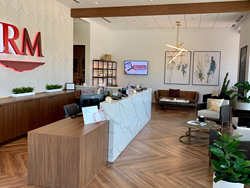
The newest location in Fort Worth is located at 5660 Overton Ridge Blvd., Fort Worth, TX 76132

Red Mountain Weight Loss’ medically proven, sustainable programs offer every patient the tools for success in a safe environment where patients see results fast, typically losing up to 20lbs or more each month. Red Mountain’s approach includes an individualized diet plan using real foods, a patented RM3 medication which accelerates fat loss, weekly Fat Burner PLUS Boosters, customized prescription strength appetite suppressants, and unique medical grade supplements that help block carbohydrates, stabilize insulin levels and stop cravings.

For more information, please visit https://redmountainweightloss.com.

# # #

About Red Mountain Weight Loss

Since 1997, Red Mountain Weight Loss has become the leader in nonsurgical methods of sustainable medical weight loss, providing expert care under the direction of bariatric physicians. Founded by Dr. Suzanne Bentz, board-certified in obesity medicine and weight management, Red Mountain Weight Loss has provided professional care for a quarter of a million patients. Their medically proven programs are individualized to meet every patient’s needs and offer a unique collection of services and products for effective weight loss and weight maintenance. Red Mountain Weight Loss locations are in Arizona and Texas. Further information is available at http://www.RedMountainWeightLoss.com or on Facebook, Twitter or Instagram.

Share article on social media or email:

Shoreline Biome Receives Patent for Innovative Bacteria Lysis Method


News Image

Shoreline Biome, a microbiome research company that develops tools for characterizing microbiome populations down to the strain level, today announced that the company was recently awarded a patent by the United States Patent and Trademark Office for the “Combined Lysis Protocol for Comprehensive Cell Lysis.” The patent was issued September 15, 2020.

The patent outlines the method and materials for the lysis of bacteria present in microbiomes as well as bacterial cell isolates. This method, used in the Shoreline Biome Rapid Prep Kits and in the front end of the Shoreline Complete kits, provides researchers with a set of reagents to quickly, comprehensively, and uniformly lyse bacteria. The method is unbiased and will successfully lyse both gram-negative and gram-positive bacteria. The resulting high molecular weight DNA is ideally suited to PCR, long-range PCR, and preparation for amplicon sequencing.

“We are excited about the issuance of this patent as it strengthens Shoreline Biome’s intellectual property protection and reinforces our work in microbiome characterization down to the strain level,” said Thomas Jarvie, Ph.D., Shoreline Biome’s Co-Founder and Chief Marketing Officer. “We see this as another step towards a robust patent portfolio for microbiome characterization and research.”

The lysis is performed on standard laboratory equipment (e.g., a thermal cycler) and is completed in a few minutes. Shoreline Biome sells the reagents used in this method in 16-well and 96-well plate format.

About Shoreline Biome:

Characterizing the human microbiome and analyzing its role in human health and disease are priority goals for researchers around the world. Shoreline Biome accelerates breakthroughs in microbiome research by developing transformative discovery tools that characterize microbiome populations down to the strain level. With Shoreline Biome products, all it takes is three easy steps: lyse, purify, and amplify. Shoreline Biome’s easy-to-use companion analysis software and comprehensive reference database enables straightforward strain-level identification and quantitation of all bacteria in the sample. To learn more, visit shorelinebiome.com.

Share article on social media or email:

The Shoulder Clinic of Idaho Announces the Addition of Jared Johnson, MD, to the Team


Jared Johnson, MD

Jared Johnson, MD

When you think of our mission – providing timely, economical, comprehensive shoulder care in a patient-centered, personalized environment – Dr. Johnson and his team embody this perfectly.

The Shoulder Clinic of Idaho founder Dr. Thomas Goodwin, MD, in making the announcement said, “It is the ultimate honor to have Dr. Johnson and his team join our team. He is a compassionate, highly skilled, and truly exemplary orthopedic shoulder surgeon. Absolutely the best of the best!”

Dr. Johnson is a board certified, fellowship trained, orthopedic surgeon and fellow of the American Academy of Orthopaedic Surgeons. He earned his medical degree from Cornell Medical College in New York City. At graduation he was awarded the T. Campbell Thompson Award for excellence in orthopedic surgery by the faculty of the Hospital for Special Surgery, the oldest orthopedic hospital in the United States. He then completed his residency at UCLA Medical Center in Los Angeles, California where he served as a chief resident. As a resident he was elected to the AOA-OREF Resident Leadership Forum and as a UCLA research fellow he received awards for his work involving the biochemistry of bone regeneration.

Following residency, he completed a fellowship at the world-renowned Steadman Clinic in Vail, Colorado where he was trained in complex shoulder surgery. While in Vail he served as a team physician for the U.S. Ski and Snowboard teams. He has also been a team physician for Rocky Mountain High School, the Idaho Stampede, Idaho Steelheads and Stampede Rodeo.

Partner Dr. Joseph Lynch, MD, added “As the largest provider of expert shoulder care in the state and surrounding region, we have been looking for the right fit for The Shoulder Clinic for quite some time. Dr. Johnson and his team are a perfect match. When you think of our mission – providing timely, economical, comprehensive shoulder care in a patient-centered, personalized environment – Dr. Johnson and his team embody this perfectly. He has an impeccable bedside manner and is technically brilliant as it relates to surgical treatment of the shoulder.”

Dr. Thomas Chopp, MD pointed out, “At the Shoulder Clinic of Idaho, we strive to provide comprehensive advanced shoulder care with a truly personalized approach. Dr. Jared Jonson exemplifies these qualities with a true passion. Together with his team, Physician Assistant Jake Griggs and Registered Nurse Erica Costa, the Shoulder Clinic of Idaho will continue to provide advanced quality shoulder care to those in need in The Treasure Valley, Idaho, and the Greater Northwest.”

More information about Dr. Johnson and his team is available at on our website.

About The Shoulder Clinic of Idaho

The Shoulder Clinic of Idaho is the only practice in Idaho devoted exclusively to orthopedic shoulder and elbow care. The clinic and it’s providers remain at the forefront of comprehensive advanced care and management of shoulder and elbow problems and injuries for the state and the surrounding region. The clinic was founded by Dr. Thomas Goodwin in 2002. Dr. Thomas Chopp, Dr. Joseph Lynch and Dr. Johnson – all board-certified and fellowship-trained subspecialty orthopedic shoulder surgeons and musculoskeletal specialists – continue to serve patients from Idaho, Oregon, and Nevada providing the region’s largest volume of subspecialty shoulder and elbow care.

Share article on social media or email:

Advisors Insurance Brokers Adds Ensight Sales Acceleration Platform to Simplify Life Insurance Selling


EnsightCloud.com

Ensight’s Intelligent Quote gives us an efficient way to present multiple carrier and product options on one page, with full carrier illustrations attached and available at the click of a button.

Ensight, the leading life and annuity digital sales acceleration platform for insurance carriers, distributors and financial professionals, today announced Advisors Insurance Brokers, (a New York Long Term Care Brokers, Ltd. Company), will now offer Ensight’s intelligent quote and presentations platforms to its broad group of agents as part of their partnership offering. The platform will enable Advisors Insurance Brokers (AIB), which specializes in life, long-term care, annuities, disability insurance, and linked benefits the ability to provide an even higher, more efficient and consistent level of service to its affiliated agents and advisors.

Ensight’s life insurance illustration provides a way for AIB’s insurance agents and advisors to provide a more user-friendly, graphical format to communicate a particular policy’s – or group of policies’ – performance under a particular set of assumptions. The platform also enables AIB to quickly demonstrate how subtle changes in those assumptions can impact a policy’s performance over time and give potential life insurance buyers more clarity prior to a purchasing decision.

“Advisors Insurance Brokers is thrilled to partner with Ensight and their industry leading platform for life insurance illustration and presentation resources. Their ‘single entry’ life insurance illustration system – Intelligent Quote – gives us an efficient way to present multiple carrier and product options on one page, with full carrier illustrations attached and available at the click of a button. This level of functionality is vital, especially at a point in time when best interest standards are increasingly prevalent, to help agents and advisors demonstrate that they’ve done their homework and shopped the market for the most suitable product to fit the client’s needs,” stated Robert Vandy, President at Advisor Insurance Brokers.

Ensight’s interactive story-selling capability enables advisors to dynamically walk clients through multiple illustrations, funding levels and return outcomes such as surrender value, death benefits, cumulative income and IRR (Internal Rate of Return).

As New York’s Insurance Regulation 187 (as well as other states’ regulations) continue to evolve, Ensight’s platform delivers enhanced product market knowledge and benchmarking insight that not only drives better product recommendations, but more importantly, provides all backup documentation to support future books and records.

“As the industry undergoes substantial change from regulatory, health and producer landscape perspectives, new sales and service expectations require faster, on-demand service, transparency into product recommendations, and digital delivery that fosters engaging, online sales experience,” said Bill Unrue, CEO, Ensight. “We are thrilled to help agents of Advisors Insurance Brokers grow life insurance sales, deepen client engagement and boost product understanding through a modern, meaningful experience,” he added.

To learn more about Ensight, visit https://www.ensightcloud.com/.

About Ensight™

Ensight™ is the leading cloud-based insurance sales acceleration platform for more than 500 Life and Annuity distributors, thousands of financial professionals, as well as many of the largest North American insurance carriers. Headquartered in San Diego, California, Ensight helps drive sales growth and productivity, while addressing the entire sales lifecycle experience – from prospect to policyholder, new business to inforce.

About Advisors Insurance Brokers

Advisors Insurance Brokers (AIB) is a New York Long Term Care Brokers, Ltd. company, and an independent, nationally recognized insurance Brokerage General Agency (BGA) that specializes in Life Insurance, Long Term Care Insurance (in ALL its forms), Disability Income Insurance and Fixed and Indexed Annuity consulting and sales. The firm offers a comprehensive portfolio of Insurance and Annuity products suitable for individuals and families, employer groups and professional and other associations. AIB works with individual advisors, as well as with insurance agencies, financial planning firms, banks and credit unions, broker dealers, wire houses and others help their individual and group clients realize their dreams and plan for the unexpected.

Share article on social media or email:

Recommendations Released for Addressing Healthcare Visitation Policies During COVID-19


News Image

The Patient Experience Policy Forum (PXPF), supported by The Beryl Institute, releases a new policy statement – Patient and family recommendations for addressing visitation policies during COVID-19.

The Patient Experience Policy Forum (PXPF), supported by The Beryl Institute, releases a new policy statement – Patient and family recommendations for addressing visitation policies during COVID-19. This statement illustrates that while the COVID-19 crisis has called on healthcare organizations globally to take measures to provide for the safety and well-being of both those served and those who work in healthcare every day, the impact of decisions around visitation and the presence of that support must be revisited.

The statement highlights the significant changes to policies and practices necessary to ensure that the basic needs of care partners are met and the associated evidence-based outcomes that result from effective patient and family engagement are realized. To address this moment of challenge and the decisions related to visitation, twelve recommendations are offered.

The recommendations in this statement are intended to provide both broad perspectives and specific guidance from the voices of patients and families in partnership with innovative healthcare leaders. And while not every organization may be able to address each item, a consideration of this wider view is critical in understanding the comprehensive nature of the visitation opportunity during this crisis.

“The challenges of this moment in which we find ourselves have called for difficult choices to be made, especially as it relates to family presence and the involvement of care partners in care settings for both COVID and non-COVID patients,” said Jason Wolf, PhD, CPXP, President & CEO of The Beryl Institute. “While actions have varied across organizations and virtual opportunities sprang into existence in many places, the impact of decisions around visitation and family presence must be reviewed and fully understood, particularly as our response to COVID-19 evolves and becomes more robust. These thoughtful insights offered from the voices of patient and family leaders provide a powerful perspective on what truly matters to those healthcare serves.”

View the full statement: https://www.theberylinstitute.org/page/PXPF_PolicyNews

About The Beryl Institute:

The Beryl Institute is the global community of practice committed to elevating the human experience in healthcare. We believe human experience is grounded in experiences of patients & families, those who work in healthcare and the communities they serve. We define patient experience as the sum of all interactions, shaped by an organization’s culture, that influence patient perceptions across the continuum of care.

About The Patient Experience Policy Forum:

The Patient Experience Policy Forum (PXPF), supported by The Beryl Institute, is a broad-based and diverse coalition of patients, family members, caregivers, and health care professionals uniquely led by a balanced board of patient/family partners and senior patient experience leaders. Our purpose and commitment is to advocate for and help shape policy at the national and local levels on issues that directly affect patient and family experience and elevate the human experience in health care. We do so through convening policy forums, educating policy makers, sponsoring advocacy events, providing communication updates, and publishing calls to action.

Share article on social media or email:

The Long-Term Impacts of COVID-19 on Healthcare Are Becoming Clear – Industry Analysis by Loyale Healthcare


Healthcare leaders are envisioning a future after COVID that is very different from what they imagined before the pandemic.

To compete and win in a marketplace driven by patient preference, healthcare providers must invest in the talent, systems and technology to connect with patients on new terms. – Kevin Fleming, CEO, Loyale Healthcare

The future for healthcare in America has been made a little clearer in the months since the COVID-19 crisis began. As healthcare providers, their patients and their communities adjusted to the new, COVID-enforced reality, the potential for better operating and care delivery models has been exposed. These models are already appearing as one of the enduring legacies of the pandemic, as healthcare resumes its focus on growth and sustainability.

In a recent Healthcare Dive story titled, “3 Key Takeaways from HCA, Tenet’s Latest Public Comments,” reporter Samantha Liss notes the industry’s near-term uncertainties saying, “Questions remain about what the long-term effects this pandemic will have on providers, including pressure on payer mix as record job losses risk severing people from their commercial coverage, which providers prize for its higher reimbursement. It’s also uncertain when volumes will return or exceed pre-pandemic levels, and whether systems can manage both high caseloads of elective care and COVID-19 patients.”

Longer-term, however, the comments of executives William Rutherford, CFO, HCA Healthcare; Ron Rittenmeyer, CEO, Tenet; and Saum Sutaria, COO, Tenet, shed some light on the industry’s plans for recovery. Both systems noted that as volumes have begun to increase, returning patients are higher acuity, with “disease progression that’s more than it should have been,” according to Sutaria. Rutherford added that, “higher acuity patients may have had more medically urgent conditions and felt the need to come in, while lower acuity patients continue to prolong care.”

When asked how to “prod those low acuity cases back into the system,” Tenet’s Sutaria said “health systems can’t wait until patients are comfortable to return. Instead, hospitals need to think about how to create options for them.” As an example, “a telehealth option for the E.R. That additional step allows a provider to talk to the patient and, based on symptoms and conditions, alert them if they need to come into the physical location.”

And even if a reduction in low acuity volume isn’t necessarily a problem, as noted by HCA’s Rutherford, adding “Maybe we’re seeing lower acuity healthcare visits that [aren’t] going to be that big of an economic loss if we can maintain demand for higher acuity,” it may also be true that higher acuity patients will face financial constraints that are at least as acute as their low acuity counterparts.

When asked about the two systems’ strategic portfolios, Tennet’s Rittenmeyer said that he’s “thinking about the system’s portfolio more aggressively than he has in the past.” Although he didn’t elaborate, HCA’s Rutherford said that “HCA CEO Sam Hazen has been challenging his team to look for “accelerants for growth,” whether that’s through acquisitions, new service areas or capital investments.”

Achieving a Patient First Operating Model

These executives’ comments underscore three key strategic considerations for health systems as they emerge from the COVID crisis: 1) Changing patient behavior, 2) The criticality of creating options for patients and 3) The importance of investing to accelerate growth. All three support the industry’s growing appreciation for the economic power of the patient, and the transformation that must occur to meet patients where they are.

No one would deny that patient behavior has been changing. Fairly dramatic change was documented for years before the pandemic. As the cost for premiums, deductibles and copays have gone up year after year, patients’ tendency to avoid or delay care had become widespread and their ability to pay became more problematic. In response, healthcare providers like HCA (a Loyale client) responded by investing to improve their patients’ financial experiences, so medical bills are easier to understand, plan for and pay.

As the executive comments above attest, growth-driving investments are not part of a post-COVID to-do list. They’re happening now. In KaufmanHall’s M&A Quarterly Activity Report for Q2 2020, the firm notes that “We anticipated that COVID-19’s impacts would affect M&A activity in Q2. But with two transformational deals announced in June, it seems that COVID-19 generates a much less dramatic decline in M&A activity, relative to underlying performance measures. If anything, the pandemic has demonstrated advantages of scale, coordination and innovation that are likely to strengthen the strategic rationale for future relationships.”

The report goes on to note that “COVID-19 is causing healthcare leaders to assess current care delivery models and reimagine how health systems could be better configured to meet needs that the pandemic has exposed.” Quoting Steward Healthcare CEO Ralph De La Torre, “This is a transformational moment for the healthcare industry, with new realities in a COVID-19 world that must be addressed with an equally transformational, patient-first approach.”

The KauffmanHall Quarterly Report concludes by looking ahead, stating that “We believe the COVID-19 crisis has only strengthened the healthcare industry’s imperative for transformation…And we look for a resumption, or even an acceleration, in the pace of new transactions as hospitals and health systems reposition themselves for the post pandemic future.” At this point, it is important to point out that healthcare’s transformation imperative isn’t driven by patients alone. In the midst of the COVID crisis, some formidable new competitors have been upping their games.

The Changing Playing Field

In addition to evolving patient behavior, new and emerging competitors are also threatening market share and prospects for growth for traditional healthcare providers. Aetna, the large commercial healthcare payer and owner of CVS, unveiled a plan that drives patients toward CVS’ health services. Under this plan, as described in a Fierce Healthcare story published Sept. 2, 2020, “an Aetna care manager can schedule a HealthHub appointment with a patient to discuss their diabetes, and then refer then to a provider at a CVS MinuteClinic. The plan offers $0 copays for HealthHub and MinuteClinic visits, and it includes free prescription delivery and discounts at CVS pharmacies.”

Similarly, in July, Walgreens and VillageMD announced that they will partner to open 500 to 700 full-service doctor offices within the next five years. The VillageMD press release, states that, “the clinics will uniquely integrate the pharmacist as a critical member of member of VillageMD’s multi-disciplinary team to deliver the very best healthcare to patients, and will be staffed by more than 3,600 primary care providers, who will be recruited by VillageMD.” Like CVS, Walgreens is looking to capture market share in the treatment of chronic disease, which represents more than 85% of the three trillion dollars Americans spend on healthcare each year.

Adding to the fray, in late July consumer behemoth Walmart announced its intention to create healthcare supercenters. With pilot programs operating in four cities, according to a MedCityNews article, these centers “aren’t like your usual walk-in clinics that might serve as a quick place to get vaccinated or get a cold checked out. Rather, they’re more like a one-stop shop for healthcare, with primary care, urgent care, diagnostics, x-rays, behavioral health and dental care.” Just like CVS and Walgreen’s, Walmart is looking to leverage its customer relationships to grow a substantial and disruptive healthcare company.

Healthcare’s Call to Transformation

In just a little over eight months,


  • Patients have demonstrated that they will willingly engage with their healthcare providers virtually, using digital channels that healthcare providers have scrambled to scale in order to meet exploding demand and overcome operating limitations.
  • Large healthcare systems and other healthcare investors have ramped up their planning and portfolio strategies to enable transformation and accelerate growth.
  • And consumer-centered retailers with nationwide footprints and large customer bases have begun operationalizing their ability to compete for the largest part of America’s healthcare expenditures.


Now is not a time for healthcare providers to plan to get back to business as usual. The table stakes have changed. To compete and win in a marketplace that’s driven by patient preference, healthcare providers must invest in the talent, systems and technology to connect with patients on new terms.

Hospitals and health systems must improve operating efficiencies, drive revenue growth and manage their margins. Our clients choose Loyale as their patient financial engagement platform because, by using Loyale Patient Financial Manager™, they deliver their patients consistent, exceptional financial experiences that make the financial dimension of their care journey better. We’re honored to be a part of that transformation.

Kevin Fleming is the CEO of Loyale Healthcare

About Loyale

Loyale Patient Financial Manager™ is a comprehensive patient financial engagement technology platform leveraging a suite of configurable solution components including predictive analytics, intelligent workflows, multiple patient financing vehicles, communications, payments, digital front doors and other key capabilities.

Loyale Healthcare is committed to a mission of turning patient responsibility into lasting loyalty for its healthcare provider customers. Based in Lafayette, California, Loyale and its leadership team bring 27 years of expertise delivering leading financial engagement solutions for complex business environments. Loyale currently serves approximately 12,000 healthcare providers across 48 states. Loyale is proud to have an enterprise-level strategic partnership with Parallon which includes the deployment of Loyale’s industry leading technology at all HCA hospitals and Physician Groups.