Category Archives: Industry: Healthcare

Healthcare is an ever evolving industry, and field. These Press Releases, will keep you up to date on the newest, greatest, best, solutions available.

PTS Diagnostics and MedPro Healthcare Sales Solutions Enter Into Partnership


MedPro’s support is crucial to achieving our core mission of closing gaps in care and potentially improving the outcomes of individuals with chronic conditions such as diabetes and cardiovascular disease.

PTS Diagnostics, a U.S.-based manufacturer of point-of-care medical testing devices announced today that they are partnering with MedPro Healthcare Sales Solutions, a leading healthcare contract sales organization.

The partnership adds positions to the existing PTS Diagnostics sales force. These new representatives will be strategically staggered throughout the country and managed by PTS Diagnostics directors and senior sales managers. Together they’ll be responsible for expanding the footprint of the CardioChek® and A1CNow® product lines.

“MedPro’s support is crucial to achieving our core mission of closing gaps in care and potentially improving the outcomes of individuals with chronic conditions such as diabetes and cardiovascular disease,” said Cliffe Allen, VP of U.S. Sales of PTS Diagnostics. “Their knowledge regarding point-of-care testing combined with exceptional distribution relationships positions us for ongoing success in numerous vertical markets.”

MedPro was founded in 2006 and has grown into a leading sales force that’s trusted by manufacturers and distributors of all sizes. Their team’s connections span across a wide spectrum of healthcare delivery models, allowing for a streamlined sales cycle.

PTS Diagnostics’ solutions represent the first and only point-of-care lipid, glucose, and HbA1c tests sold by MedPro representatives.

“We’re thrilled to partner with PTS Diagnostics and believe that the certified accuracy, precision, and speed of their solutions will be a value add for physician offices, pharmacies, walk-in clinics, and more,” said Manny Losada, President of MedPro Healthcare Sales Solutions. Together we hope to positively impact at-risk populations at the point of care.

This announcement comes on the heels of PTS Diagnostics’ recent A1CNow+ ControlsTM product launch and it precedes future 2020 product announcements.

To learn more about PTS Diagnostics or to connect with a sales representative, email: customerservice@ptsdiagnostics.com, or call 877-870-5610.

About PTS Diagnostics

Through its People, Technology and Service, PTS Diagnostics creates health innovation that drives action and results. Since 1992, we have helped medical professionals and patients achieve better health outcomes through our accurate, precise, fast, affordable, and certified point-of-care medical devices. Healthcare professionals have used our CardioChek® products to assess cardiovascular disease risks for millions of patients worldwide through lipid panel screening. And, our A1CNow® systems, which provide fast and reliable HbA1c testing, have helped physicians deliver more effective treatments to patients with diabetes. For more information, visit ptsdiagnostics.com.

About MedPro Healthcare Sales Solutions

Med-Pro Associates is a nationwide independent rep group specializing in representing leading manufacturers across the country who sell their products both through distribution and direct to the hospital, long term care, physician, dental and veterinary markets.

Share article on social media or email:

Velocidy Bio starts distributing NEXTGENPCR, an instrument capable of analyzing 22,860 SARS-CoV-2 coronavirus tests in 24 hours


“Velocidy Bio has always believed that decreasing time-to-result represents an unmet need in the life sciences space.” – Brian McNally, CEO, Velocidy Bio

Velocidy Bio’s Dutch biotech partner, Molecular Biology Systems (MBS), has developed a new method using its revolutionary NEXTGENPCR that decreases the testing time for SARS-CoV-2 to eight minutes, compared to current systems that take over an hour. Utilizing this method, a single unit the size of a shoebox could perform a hundred and eighty (180) amplification runs a day, an almost ten-fold increase over the current US Centers for Disease Control (CDC) recommended instrumentation. According to Gert de Vos, MBS CEO, this protocol produces a simple yes/no answer and a single instrument is capable of running 24/7, analyzing 22,860 samples per day.

NEXTGENPCR machines launched about two years ago and Velocidy Bio is the exclusive distributor for the USA and Canada. According to Brian McNally, the CEO of Velocidy Bio, a single unit could potentially test every employee at Frederick Memorial Health every day in about 3 hours. McNally added, “Velocidy Bio has always believed that decreasing time-to-result represents an unmet need in the life sciences space. We have committed ourselves to finding solutions either through internal projects or external partnerships that accelerate lab work. We have been in close collaboration with MBS and look forward to supporting the US and Canadian labs that are interested in this solution.”

Velocidy Bio is currently a member of Frederick Innovative Technology Center, Inc. (FITCI), a technology incubator and accelerator that provides start-up companies with business support and mentorship. “As a young business, we wouldn’t have had the resources to navigate all of the complexities of this crisis without FITCI and would not have been prepared to support the US and Canadian labs with the NEXTGENPCR technology”, added McNally.

NEXTGENPCR instruments are available to order today. Please follow the link to learn more – https://www.velocidybio.com/

About Velocidy Bio, Inc.

Velocidy Bio is focused on delivering solutions that decrease time-to-results for biological laboratories. Working together with innovative organizations, Velocidy Bio offers solutions globally that reduce protocols from hours to minutes. These accelerated protocols enable scientists to increase their productivity and reduce stress associated with delays in generating results. Initially, Velocidy Bio is focused on reducing the time required to extract, amplify and analyze nucleic acids. Further information can be found at http://www.velocidybio.com.

About Molecular Biology Systems

Molecular Biology Systems B.V. is a Netherlands company that developed and commercialized NEXTGENPCR, a universal ultrafast PCR system. The NEXTENPCR instrument uses an innovative temperature control method during cycling, which eliminates ramp time. Molecular Biology Systems offers their NEXTGENPCR instrument, accessories and consumables around the world, to laboratories in life science research, pharmaceutical and biotechnology companies, forensics, veterinary testing and food safety. Further information can be found at http://www.nextgenpcr.com.

Share article on social media or email:

Novel Coronavirus Prompts Changes Across Care Station Medical Campuses


“We are the frontline of the pandemic”

Care Station Medical Group — In light of the rise of novel coronavirus cases, Care Station Medical Group has implemented a number of changes to better care for our community. As New Jersey’s leading urgent care and primary care providers, our four campuses have updated our office hours and crafted new ways to offer medical care to patients coping with COVID-19.

“Our infectious disease clinic is up and running in the Springfield office. We are seeing in excess of 40 patients per day,” said Dr. Richard Bezozo, CEO of Care Station Medical.

Thanks to innovative drive-thru COVID-19 testing at our Springfield location, health practitioners have managed to test upwards of 20 people per day. These tests are performed by appointment only. This drive-thru testing offering will also be expanded to our Linden location starting on Monday, March 30.

Our Linden location has also been recognized as a leader in telemedicine for the safety and convenience of our patients. Thanks to the hardworking team at our Linden branch, we communicate daily with more than 100 confirmed COVID-positive patients. Our team will also be contacting patients with missed appointments in order to update prescriptions and reschedule future visits.

“All administrators have taken a 10% reduction in salary for the duration of this crisis. They did this to ensure the health of our practice and ensure that we can continue to service our communities,” explains Dr. Bezozo in an email to his staff.

Thanks to the hard work of Care Station Medical Staff, three new programs have been successfully initiated in the last two weeks. We are dedicated to helping our community overcome this battle as the frontline of defense.

About Care Station Medical Group: Care Station is a medical facility with four locations in New Jersey. Our mission is to serve the healthcare needs of all our patients, assist our client companies with cost containment and lost time prevention, and to promote a healthy lifestyle for everyone.

Share article on social media or email:

We Should All Be Wearing Masks


Professor Sui Huang, MD, PhD

Professor Sui Huang, MD, PhD, is a molecular biologist and faculty member at Institute for Systems Biology (ISB) in Seattle.

“Masks are very important and effective. Even if you act out of fear and out of a sense to protect yourself, you actually also protect others. It’s a bidirectional protection.”

A growing number of experts say it is time to rethink official recommendations in the U.S. and other western countries to avoid wearing masks amid the coronavirus pandemic. 

Sui Huang, MD, PhD, is a molecular biologist and professor at Institute for Systems Biology (ISB) in Seattle. Dr. Huang has been a powerful voice in a growing chorus contending that masks are an effective tool to stop the spread of COVID-19. Huang calls guidelines from the CDC and other public health agencies “unfortunate,” as they sweep aside a potentially powerful measure that could help “flatten the curve.”

Dr. Huang wrote a March 26 article (COVID-19: Why We Should All Wear Masks — There Is New Scientific Rationale) that has been viewed more than 1.5 million times on Medium, and he has since discussed that rationale in a video Q&A.

“Masks are very important and effective,” Huang said. “Even if you act out of fear and out of a sense to protect yourself, you actually also protect others. It’s a bidirectional protection. We have a public incentive constellation that the CDC has missed.” 

Huang also cites data published this week in the journal Nature that shows the nose and throat is where the virus lands, where the body’s receptors for virus docking are, and where the virus replicates. This important discovery by a German group suggests that transmission occurs mostly via large droplets and less via those fine aerosols that can end up deep in the lung. Thus, even a surgery mask or do-it-yourself (DIY) cloth mask will act as an effective barrier, and higher-grade N95 masks aren’t needed to block the large spray droplets that come from the nasopharynx. (N95 masks filter out 95 percent of small airborne particles. They are necessary to block these tiny aerosolized droplets that reach the lower lungs, but are overkill for the larger droplets that originate from and land in the upper respiratory system.) 

If the “respiratory etiquette” of sneezing into your elbow is protective, then masks should be protective, Huang said. “Any physical barrier should be helpful,” he said. “When empirical evidence is lacking, we should trust measures based on common sense, plausible mechanisms — especially when costs are minimal.”

Huang’s current research seeks to integrate big data with complex systems theory to better understand diseases. Systems biology integrates many disciplines — from the molecular to the clinical level — and offers perspectives often missed in most media interviews with epidemiologists and clinicians.

About ISB

Institute for Systems Biology (ISB) is a collaborative and cross-disciplinary non-profit biomedical research organization based in Seattle. We focus on some of the most pressing issues in human health, including brain health, cancer, sepsis and aging, as well as many chronic and infectious diseases. Our science is translational, and we champion sound scientific research that results in real-world clinical impacts. ISB is an affiliate of Providence St. Joseph Health, one of the largest not-for-profit health care systems in the United States.

Share article on social media or email:

WPI Researchers Developing Open-Source Designs to Speed Creation of Low-Cost Ventilators


WPI’s Greg Fischer spearheading an effort to develop and share designs for creating ventilators.

WPI’s Greg Fischer spearheading an effort to develop and share designs for creating ventilators.

“A lot of people are trying to contribute, and this is an area where we can make an impact.”- Gregory Fischer

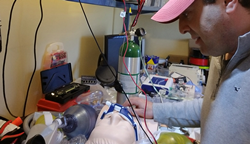
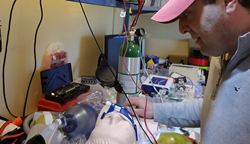
A team of researchers at Worcester Polytechnic Institute (WPI) is creating designs to turn inexpensive and readily available manual, hand-held, bag valve mask (BVM) resuscitators into automated ventilators that could be used to fill the deep gap between the number of life-saving ventilators available and the much larger number that will be needed when COVID-19 is expected to peak.

The WPI researchers are going to make designs of multiple devices and their components publicly available so anyone with a 3D printer and a background in electronics and mechanical engineering could use them to produce ventilators for their local hospitals. A manufacturing company also could use the designs to produce ventilators quickly and at scale.

“I just wanted to do something to help,” said Gregory Fischer, professor of robotics engineering and mechanical engineering, and director of the PracticePoint Medical Cyber-Physcial Systems R&D Center, who spearheaded the idea. “A lot of people are trying to contribute, and this is an area where we can make an impact. We’re taking things that are used every day in emergency medicine and finding a way to turn them into safe, reliable, and readily replicable ventilators that can save patients’ lives. And we’re sharing those designs with the world.”

After getting advice about what hospitals need from clinicians, Fischer, who had worked as an EMT in his hometown, began putting the plan together to coordinate different groups of WPI researchers to begin creating their own designs. The expectation is to post multiple designs—some for individual components of the system (including valve and sensor modules), one for a simple and readily replicable actuated ventilator, and one for a more automated and complex system. That way people or companies looking to create a system can either use a full design or use a design for a component that they’ve been missing or having trouble creating.

The ventilators built from these designs are not meant to replicate the full-feature functionality of a commercial system; they are meant to be used for more stable patients so the commercial ventilators with more advanced sensing and control can be saved for critical patients.

As the COVID-19 pandemic quickly spreads around the world, the United States has become a hotspot. The virus, which is more lethal than the seasonal flu, attacks people’s lungs, in some cases compromising their ability to breathe and leading to pneumonia. COVID-19 patients are dying because they can’t get enough oxygen to their bloodstream, causing organ failure.

According to the American Hospital Association, 96 million Americans are expected to test positive for COVID-19, with 4.8 million requiring hospitalization and 960,000 needing a ventilator, which pumps air into the patients’ lungs through a tube that has been inserted into their windpipes. While those needing ventilators won’t all be ill at the same time, the U.S. only has about 200,000 ventilators, reports the Society of Critical Care Medicine. And the ventilators available aren’t always where they are most needed.

Fischer and the WPI research team want to help close that gap between the number who will need ventilators and the number of machines actually available.

The team, which worked remotely to develop their designs, includes Marko Popovic, assistant research professor in physics and robotics engineering; Cagdas Onal, associate professor of mechanical engineering; Dirk Albrecht, associate professor of biomedical engineering; Chris Nycz, a research scientist working with WPI’s PracticePoint;Paulo Carvalho, a robotics engineering doctoral candidate, and Hamilton White, a PhD student in biomedical engineering.

A commercial ventilator costs anywhere from $25,000 to $50,000. A complete ventilator converted from a manual resuscitator with the WPI designs is expected to cost less than $500 and be made with readily available components.

“I like the idea of taking these cheap, readily available manual devices and converting them into something that can be run autonomously,” said Fischer, who is leading a research project funded by the National Science Foundation to accelerate international collaboration and open-source hardware, software, and testing for surgical robots. “Normally an EMT would be squeezing the bag to keep the flow of air going. We can automate that squeezing, and we’re adding pressure and CO2 sensors so it can maintain minimum and maximum pressures, and ensure appropriate air exchange. It will provide a consistent respiratory cycle.”

Popovic is working on a design for an oxygen concentrator, which is a device that removes nitrogen to supply an oxygen-enriched gas stream to a patient. The concentrator can be used on its own or can be part of the overall ventilator design. COVID-19 patients need a higher level of oxygen because of their diminished lung capacity.

Popovic also is laying out a design to 3D print valves for the concentrator. Normally, each valve would cost about $100 but by 3D printing them, the cost drops to between $10 to $15 a piece. The valve, which was recently invented in his lab, is lighter, more compact, more controllable, and less expensive than traditional valves.

“This is what we do at WPI,” said Popovic. “Given the current situation with COVID-19, the need for oxygen concentrators and ventilators is growing exponentially. This is a very unusual situation for our health care system. We can help, so we’re helping.”

About Worcester Polytechnic Institute

WPI, the global leader in project-based learning, is a distinctive, top-tier technological university founded in 1865 on the principle that students learn most effectively by applying the theory learned in the classroom to the practice of solving real-world problems. Recognized by the National Academy of Engineering with the 2016 Bernard M. Gordon Prize for Innovation in Engineering and Technology Education, WPI’s pioneering project-based curriculum engages undergraduates in solving important scientific, technological, and societal problems throughout their education and at more than 50 project centers around the world. WPI offers more than 50 bachelor’s, master’s, and doctoral degree programs across 14 academic departments in science, engineering, technology, business, the social sciences, and the humanities and arts. Its faculty and students pursue groundbreaking research to meet ongoing challenges in health and biotechnology; robotics and the internet of things; advanced materials and manufacturing; cyber, data, and security systems; learning science; and more. http://www.wpi.edu

About PracticePoint

Housed at WPI’s Gateway Park campus, PracticePoint is an applied research and education center designed to accelerate development and translation of cyberphysical system (CPS)-enhanced technology and to develop the talent pool and accompanying ecosystem that can help Massachusetts companies attain market dominance in the state’s medical device industry cluster. PracticePoint was launched in 2017 with a $5 million matching grant from the Massachusetts Baker-Polito Administration and the Massachusetts Technology Collaborative (MTC).

Contact:

Colleen B. Wamback

Associate Director, Public Relations

Worcester Polytechnic Institute

Worcester, Massachusetts

508-688-4858 (Cell)

cbwamback@wpi.edu

Health Scholars COVID-19 Surge Provider Training Grant


Health Scholars ACLS Desktop

ACLS Desktop Simulation

Our ACLS simulation provides a deliberate practice environment for surge providers to prepare themselves for acute care—providing the real-to-life reference experience needed to handle inpatient emergencies while on the frontlines of this pandemic,” says Dr. Brian Gillett, President and Chief Medica

Health Scholars, the creator of the first ever virtual reality (VR) Advanced Cardiac Life Support (ACLS) training announces a $1M in grant funding for surge provider training to help combat COVID-19.

The grant will provide approximately14,000 providers ACLS Desktop Simulation Training to assist health systems with preparedness training. It will enable hospitals to quickly deploy training to surge providers needing to acquire or re-acquire clinical skills related to emergency situations—such as dysrhythmia or a code event.

“Our ACLS simulation provides a deliberate practice environment for surge providers to prepare themselves for acute care—providing the real-to-life reference experience needed to handle inpatient emergencies while on the frontlines of this pandemic,” says Dr. Brian Gillett, President and Chief Medical Officer of Health Scholars.

As hospitals continue to ramp up with the assistance of additional providers to handle the patient surge due to COVID-19, this will entail preparing outpatient providers to perform acute care for inpatients or cross-training providers from other areas of the hospital.

“Surge providers may need to assist with the care of critical patients in the Emergency Department, Intensive Care Unit or General Med-Surge floors, bringing along a challenge of needing to have large numbers of providers quickly acquiring or re-acquiring key clinical skills related to acute care, like ACLS.” Gillett continued.

Health Scholars is currently offering two programs as part of the grant; a matching program for state hospital associations who purchase training at a state level, or individual hospitals or hospital systems that have financial and clinical need can apply to receive ACLS Desktop Simulation Training

The desktop application is available for purchase now for those looking for a faster way to address emergency preparedness training.

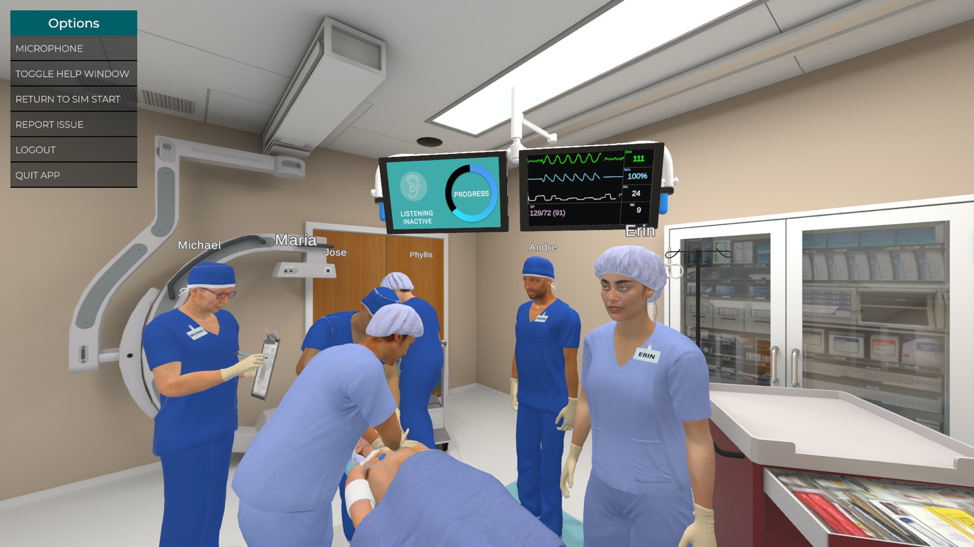
The ACLS Desktop Simulation Training provides a deliberate practice environment for providers to prepare themselves for acute care—which is best achieved through a real-to-life reference experience. The application is an entirely voice-driven, screen-based simulation that trains providers to respond to all 13 core American Heart Association (AHA) rhythms in stable, unstable and cardiac arrest scenarios. The simulation also trains providers on a traditional ACLS Mega Code and refreshes post-arrest care after return of spontaneous circulation (ROSC) is achieved.

Unique to ACLS Simulation is the use of 100% natural language processing. The provider uses voice direction to communicate all of the actions needed to run a resuscitation team, which provides the most immersive, effective and scalable approach to ACLS skills practice available today. The training takes approximately 20 to 30 minutes to complete, provides a detailed debrief and readiness assessment, and is repeatable on an unlimited basis. And it is immediately available for use.

For more information please visit https://bit.ly/3anI0bP.

About Health Scholars

Our mission is to advance healthcare education through virtualization, making experience-based training scalable, accessible and affordable to both Healthcare and Public Safety providers. Health Scholars is a cloud-based, VR-ready clinical training platform with VR Simulations, Simulation Management, and Clinical Readiness Reporting solutions for the management, delivery and analysis of clinical training. Our VR simulations extend physical simulation beyond the simulation center, enabling repeatable practice of proper workflows as well as critical soft skills like communications, situational awareness and critical thinking.

For more information, see http://www.HealthScholars.com. You may also contact Chris Ingwalson at (303) 915.0087, or by email at Chris.Ingwalson@HealthScholars.com

Share article on social media or email:

Breast Reconstruction Specialist Dr. Constance Chen Offers Practical Diet Tips for Cancer Patients


Dr. Constance Chen

In general, cancer patients are often advised to cut out meat, dairy, and sugars. Red meats and nitrates, in particular, have been found to be carcinogenic. The best diet is a plant-based whole foods diet.

In the wake of a cancer diagnosis, many patients realize that their diet may have contributed to their disease. Cancer is sometimes considered the “rich person’s disease” because high rates of cancer correlates with high amounts of meat, dairy, and sugar in the diet. There is an overwhelming amount of evidence that points to diet as a major contributor to a cancer diagnosis. Indeed, researchers are realizing that the standard American diet marketed by the meat and dairy industry may be the source of the high cancer rates in the United States.

“Most cancers are glucose-based,’” says plastic surgeon and breast specialist Dr. Constance M. Chen. “For this reason, many cancer patients are advised to cut out sugar from their diet to eliminate their disease. Cancer cells are wiley, however, and if the glucose pathway is cut off it will mutate to feed off of other nutrients. Cancer cells can also feed off of glutamine, fatty acids, ketones, and even dead cancer cells – a process known as autophagy.”

The importance of specific nutrition for some diseases has long been known. Dietary prescriptions for diabetes and hypertension, for example, are sometimes as effective as medication. As we learn more about how cancer operates at the cellular level, targeting the metabolic abnormalities exhibited by cancer cells is a key area in cancer research that has yielded important findings.

“Major cancer centers will often assign a nutritionist to a cancer patient,” says Dr. Chen. “Nutrition has a major effect on survival and recurrence. In general, cancer patients are often advised to cut out meat, dairy, and sugars. Red meats and nitrates, in particular, have been found to be carcinogenic. The best diet is a plant-based whole foods diet. Processed and refined foods – such as foods that contain white flour or white sugar – should be avoided.”

Dr. Chen makes the point that cancer is not one disease and there is a great deal more work to be done to determine the specific vulnerabilities of specific cancers. “Some cancer cells will be ‘starved’ by blocking sugar, some by blocking amino acids, and others by blocking fats. No single dietary therapy is right for everyone,” she says, “but proper nutrition is vital in aiding recovery and enhancing quality of life during treatment. In the absence of other directions from your oncologist, you should adopt a healthy, balanced diet, following the guidelines of the American Cancer Society.”

Those guidelines do not endorse a particular diet but recommend which foods to emphasize and which to limit, while choosing foods that will help you reach and maintain a healthy weight.

Eat a wide variety of plant-based foods: Include fruits and vegetables at every meal and for snacks. Choose whole fruits and vegetables over processed varieties; drink fresh juices that do not contain additional sugars. Avoid creamy sauces, dressings, and dips.

Eat whole-grain food rather than refined grains: Choose whole-grain breads, pasta, and cereals (such as barley and oats) instead of breads, cereals, and pasta made from refined grains; eat brown rice instead of white rice. Avoid refined carbohydrate, including pastries, candy, sugar-sweetened breakfast cereals, and other high-sugar foods.

Avoid red meats: Choose beans and possibly fish instead of red meats (beef, pork, and lamb); prepare them by baking, broiling, or poaching rather than frying or charbroiling. Limit or avoid poultry. Avoid processed meats such as bacon, sausage, lunch meats, and hot dogs. Avoid alcohol altogether. Do not drink sugar-sweetened beverages such as soft drinks, sports drinks, and fruit-flavored drinks.

“Cancer is complicated,” Dr. Chen concludes. “Different tumor cells feed on different fuels and what might help slow growth of one cancer might speed the growth of another. Research is ongoing and dietary guidelines for specific cancers and even for specific individuals is becoming a routine component of cancer treatment.”

Constance M. Chen, MD, is a board-certified plastic surgeon in New York City with special expertise in the use of innovative natural techniques to optimize medical and cosmetic outcomes for women undergoing breast reconstruction. She operates at Lenox Hill Hospital, and holds appointments as Clinical Assistant Professor of Surgery (Plastic Surgery) at Weill Cornell Medical College and Clinical Assistant Professor of Surgery (Plastic Surgery) at Tulane University School of Medicine. http://www.constancechenmd.com 212-792-6378

Share article on social media or email:

SweetRush Announces C.A.R.E. (COVID-19 Action Response eLearning Center); Training Solutions for Nonprofits and Agencies Combating Coronavirus


With C.A.R.E., the SweetRush team is prepared to surge and dedicate resources to creating training solutions that will help healthcare professionals and others combating the coronavirus pandemic. – Andrei Hedstrom, SweetRush CEO

Three factors led SweetRush to create C.A.R.E. (COVID-19 Action Response eLearning Center), pivoting to apply its craft developing training solutions and help in this universal moment of crisis:

  • SweetRush is currently helping create COVID-19 online, mobile learning materials for frontline healthcare workers, after being approached by two key players, a government-funded infectious disease research and education agency and a global health and relief nonprofit. These projects are underway.
  • SweetRush’s workforce, 100% virtual since 2009, brings 19 years’ experience handling complex, innovative learning solutions while working from home. We are skilled and ready to support these critical efforts with customized strategies.
  • SweetRush’s Good Things division has supported 29 nonprofits and foundations, developing a deep understanding of how to work most effectively with these mission-driven organizations.

“It’s not time for red or blue, but for all of us coming together to unite and support each other. We invite anyone who needs our help doing COVID-19 or humanitarian work to reach out,” said Arturo Schwartzberg, SweetRush Chairman and Cofounder.

Education and communication are critically needed in the fight against COVID-19. SweetRush designs eLearning that provides just-in-time training solutions when and where learners need them, accessible through their own smartphones and tablets. This is why SweetRush has announced the creation of C.A.R.E., dedicated to producing much-needed eLearning solutions to serve those combating the novel coronavirus while protecting their health.

“The essence of our mission at SweetRush is service, and our aspirational goal is to positively impact the lives of a billion people,” said Andrei Hedstrom, SweetRush CEO and Cofounder.

“Our team of passionate, talented learning professionals is ready and eager to use its skills to provide just-in-time training solutions for these brave folks on the front line of the coronavirus pandemic. With C.A.R.E., we are prepared to surge and dedicate resources to building knowledge and skills that will help healthcare professionals and others dealing with this crisis.”

For more information, contact SweetRush at info@sweetrush.com or CARE@sweetrush.com.

About SweetRush

SweetRush is considered by its industry peers as a model for creativity, and the design and delivery of effective learning solutions. It was recently named Learning Provider of the Year by the Learning & Performance Institute, is considered a top 10 eLearning Solution Provider by eLearningIndustry.com, and has garnered a remarkable array of Brandon Hall Gold awards, validating its depth and breadth of capabilities.

The company offers five services, fully defined at http://www.sweetrush.com.

Despite working virtually since 2009, SweetRush’s 200-strong workforce is a culturally united, communicative, and high-performing team. SweetRush is a trusted partner of a long list of the world’s most successful and branded companies, as well as high-impact nonprofits and foundations.

About SweetRush Good Things and C.A.R.E.

SweetRush’s Good Things service (one of its five services) was born out of its aspirational goal of positively impacting the lives of a billion people. Under this service banner, SweetRush has collaborated with 29 nonprofits and foundations in the past two years to create mission-critical online and mobile learning solutions for volunteers, humanitarians, and the public at large.

These collaborations have brought valuable, timely, and accessible resources to first responders around the globe, humanitarian aid workers in Syria, volunteers helping LGBTQ+ youth in crisis, and a long list of customized support for mission-driven entities.

Recognizing the time-sensitive need for COVID-19 learning solutions, SweetRush created the COVID-19 Action Response eLearning Center (C.A.R.E.) to support nonprofits and agencies combating coronavirus around the globe. SweetRush is already collaborating with two organizations to rapidly deploy eLearning and other training materials related to COVID-19 to frontline healthcare workers. This point-of-need training is customized for the needs of the audience, and accessible on demand through their own mobile devices, providing just-in-time resources and support.

For more information, contact SweetRush at info@sweetrush.com or CARE@sweetrush.com.

Share article on social media or email:

BKD CPAs & Advisors Provides COVID-19 Tax & Accounting Resource Center


“We need to maintain communication, and our resource center is designed to connect our community with the information they need to navigate these unprecedented times,” said BKD CEO Ted Dickman.

Individuals, business owners and corporations seek ways to mitigate the inevitable economic effects of the global coronavirus pandemic. BKD CPAs & Advisors launched the Coronavirus (COVID-19) Tax & Accounting Resource Center to help disseminate important information. The resources can be sorted by industry, service, topic and type of content.

To help individuals and businesses manage the changing tax expectations and financial landscape, BKD provides daily updates on industry changes, answers questions about the economy and writes articles simplifying tax changes and highlighting the tools available to help heavily affected industries, including higher education institutions, construction companies and health care providers. The new resource center also includes a COVID-19 webinar series that will air every Thursday at 2 p.m. CST.

“I want to express my sincere gratitude to our trusted advisors for their incredible efforts, teamwork, expertise and perseverance. We need to maintain communication, and our resource center is designed to connect our community with the information they need to navigate these unprecedented times,” said BKD CEO Ted Dickman.

Dickman released an initial statement regarding COVID-19 on March 16. BKD immediately equipped approximately 3,000 personnel with technology to work from home. Working remotely did not slow the firm down; BKD’s resource center launched one day later on March 17.

New updates are posted daily. View the latest at bkd.com/covid-19.

Share article on social media or email:

SIUE Healthcare Informatics Program Achieves CAHIIM Accreditation


SIUE Healthcare Informatics Program Director Frank Lyerla, PhD, RN.

“The CAHIIM accreditation process involved transforming the program’s curriculum to an entirely online format, which has been most beneficial to everyone, especially our students, given the current issues associated with COVID-19.”

Southern Illinois University Edwardsville’s nationally ranked Healthcare Informatics program has received accreditation through the Commission on Accreditation for Health Informatics and Information Management Education (CAHIIM). Having always been accredited by the Higher Learning Commission, initial program accreditation through the CAHIIM further underscores the premier program’s continuous quality improvement in higher education.

The master’s in healthcare informatics emphasizes the application of state-of-the-art computing technologies to healthcare. Healthcare informatics professionals integrate the worlds of medicine and technology by combining their expertise in data management, patient care and information technology systems.

“The CAHIIM accreditation process involved transforming the program’s curriculum to an entirely online format, which has been most beneficial to everyone, especially our students, given the current issues associated with COVID-19,” said Program Director Frank Lyerla, PhD, RN, CAHIMS, FHIMSS, associate professor in the School of Nursing. “The work necessary to meet CAHIIM standards has resulted in one of the best programs in the country that regularly receives national recognition. Additionally, the knowledge and skills our students obtain equip them to face healthcare threats, meet the needs of the industry, and lead to satisfying careers.”

The graduate program provides a unique opportunity for healthcare professionals to leverage prior education and experience to provide leadership to teams using technology to improve patient healthcare options.

SIUE developed the program in a corporate partnership with BJC HealthCare in 2010, and continues to serve BJC HealthCare as its premiere partner. The program has evolved to an online format which better suits the needs of working adults and students, and has expanded in capacity to accept additional students outside of the BJC HealthCare system.

For more information, visit siue.edu/healthcare-informatics or contact Lyerla at flyerla@siue.edu.

By preparing the next generation of leaders in a knowledge-based economy, SIUE’s Graduate School fulfills the region’s demand for highly trained professionals. Graduate school offerings include arts and sciences, business, education, engineering, nursing and interdisciplinary opportunities. SIUE professors provide students with a unique integration of theoretical education and hands-on research experiences. Students can obtain graduate certificates or pursue master’s degrees, and be part of a supportive learning and rich intellectual environment that is tailored to the needs of adult learners. The Graduate School raises the visibility of research at SIUE, which ranks highest among its Illinois Board of Higher Education peers in total research and development expenditures according to the National Science Foundation. Doctoral programs are available in the Schools of Education (EdD) and Nursing (DNP). The School of Engineering and the Department of Historical Studies feature cooperative doctoral programs (PhD), and the College of Arts and Sciences features an Environmental Resources and Policy cooperative PhD.

Share article on social media or email: