All posts by imreal

T1 Payments Donates to UNITE HERE to Support Hospitality Workers Affected by The COVID-19 Pandemic


T1 Payments donates to the UNITE HERE Education and Support Fund - response to COVID-19

T1 Payments is proud to give back and contribute to the UNITE HERE Education and Support Fund.

“As this pandemic continues to spread, we feel for those in the hospitality industry and understand that many need support more than ever right now,” said CEO of T1 Payments, Donald Kasdon.

During a time of global distress and concern about the impact of COVID-19, T1 Payments, a leader in high-risk merchant processing, is donating to the UNITE HERE Education and Support Fund in an effort to assist hospitality workers whose jobs have been compromised due to the coronavirus pandemic.

UNITE HERE represents 300,000 working people in the food service, hotel and other major industries across the United States and Canada. As working families continue to face layoffs and uncertainty during the Coronavirus (COVID-19) pandemic, the team at T1 Payments hopes to assist hospitality workers’ through these partners to assist with food, rent, utilities, and wages lost due to reduced hours and tips.

“As this pandemic continues to spread, we feel for those in the hospitality industry and understand that many need support more than ever right now,” said CEO of T1 Payments, Donald Kasdon. “So, by supporting UNITE HERE we hope to make a difference in supporting servers, bartenders, housekeeping staff members, and other hospitality workers who are being impacted.”

With many casinos, hotels, bars, and restaurant dining rooms shutting down on the Las Vegas Strip, the state is forecasting a financial hit, leading to layoffs for thousands of hospitality workers.

Las Vegas workers are especially being impacted by the COVID-19 outbreak. For some of these hospitality workers, not only is this their only income, but many also depend on the Culinary Health Insurance. Working less hours is affecting their health insurance coverage.

T1 Payments is proud to give back and contribute to the UNITE HERE Education and Support Fund.

For more information about how to donate to help hospitality workers impacted by the COVID-19 pandemic, visit the UNITE HERE website.

More about T1 Payments:

T1 Payments is a high-risk merchant processing company that is flexible, transparent, and scalable. T1 Payments’ secure gateway and integrated shopping cart solutions are compliant with all Payment Card Industry Data Security Standards (PCI DSS).

For more information, please visit the T1 Payments website (https://t1payments.com/) or call 1-866-518-2216.

Share article on social media or email:

Ten Ways Children With Language Disorders Can Maintain Both Physical Distance and Social Connection During the Coronavirus Pandemic


Physical distance, though, does not have to mean social distance—even for children with language disorders.

With social distancing, or more accurately physical distancing, a new way of life as COVID-19 cases grow by the day, people of all ages are challenged to find different ways to connect socially. However, for children with language disorders—who have difficulties with social interactions in the best of times—the physical distance mandated to prevent the pandemic’s spread can be especially challenging, says the American Speech-Language-Hearing Association (ASHA).

“In-person social interactions are now restricted for most Americans—but people have found resourceful and creative ways to extend and strengthen their social bonds,” according to Diane Paul, PhD, CCC-SLP, ASHA Director of Clinical Issues in Speech-Language Pathology. “Children and adults are using technology tools to foster connection and build solidarity: using video platforms for playdates, happy hours, and meetings; sharing relatable memes and jokes through email, social media, and texting; attending streamed worship services, fitness classes, and art and music lessons; and more.”

However, children with language disorders may not be able to adapt as quickly as others, Paul wrote in an ASHA blog post published today. “For example, difficulty with social communication is one of the core characteristics of autism. Such communication problems may be exacerbated by social distancing. Physical distance, though, does not have to mean social distance—even for children with language disorders.”

Speech and language disorders are among the most common disabilities children face—including toddlers and school-age children. Some children may be missing invaluable treatment sessions with their speech-language pathologist during this time, due to logistical, legal, and other barriers to providing treatment. Others may be able to connect via virtual sessions. Although these changes can be stressful, parents can help children interact socially during this time in the following ways:

1.    Screen time. Realistically, screen usage will increase while people are sheltering at home. Some research shows that screen time can lead to speech and language delays in children. But TV shows, movies, and social media can be viewed in a way that optimizes social interaction. When possible, use these technologies interactively: Watch shows/movies together, and discuss them (e.g., Who was your favorite character? What do you think will happen next? Why did the show end that way?). Ask kids to introduce you to their favorite video game or TikTok personality.

2.    Conversation opportunities. Although families may be together more than usual, parents may be focused on financial, medical, work, and other significant responsibilities and concerns. But conversation-rich opportunities can occur in everyday tasks that are already occurring, such as cooking/dinner prep (following a sequence of steps) or traditional activities that families are rediscovering as everyone hunkers down (e.g., board games offer a chance to talk about rules and turn-taking).

3.    Reading. This time of relative isolation can lend more time for reading. But this doesn’t have to be a solitary activity. Families can read to each other and find different types of book online. Young children can play rhyming and word games. Parents can ask older children questions to guide their understanding (e.g., What happened at the beginning, middle, and end of the story? What was the main plot? What motivated each character?)

4.    Being with friends and family. The importance of communicating with friends and extended family during this time cannot be understated. Children with language disorders may find phone and FaceTime/Zoom communication more challenging than others. Parents can practice conversations in advance and can suggest topics and related responses (e.g., making comparisons between the weather in different cities; talking about home school experiences). They can involve siblings and discuss ways that they can help their sibling who has a language disorder.

5.    Understanding changes. The changes in daily routines may be particularly hard for children with language comprehension and production problems. They may hear alarming news reports or sense the tension of their parent(s)—but they may not have the ability to ask their questions, express their feelings, or speak about this confusing time. Parents can define new vocabulary words (e.g., coronavirus, COVID-19, social distancing, quarantine, sheltering at home) and can explain changes in routine. Parents can establish a new routine, as much as possible, and can involve a child in decision making (e.g., When would you like to call grandma and pop-pop? Which friend should we talk to today? What food would you like?).

6.    Creativity. Dance, music, art, and other classes that kids may have been taking in person are now virtual, offering a great opportunity to continue the connection with those teachers and friends. And online drawing, cooking, and other tutorials are plentiful. Low-tech possibilities to use creativity and practice language skills include having a child pick out items around the house and create their own store; planning an indoor camping night (e.g., making a list of what they’ll need, ideas for things they want to do); and planning and planting a garden.

7.    Physical activity. Gyms, personal trainers, and community fitness programs are providing content online. Parents and children can use these activities as way to bond together and as topics of conversation (e.g., different types of exercises, healthy eating, connection between physical activity and wellness). Or they can take up a new form of exercise and learn it together via televised on-demand or online programs (e.g., family yoga). Some family-friendly neighborhoods have organized circuit training stops at various houses (posting a different exercise on each front/garage door) so families can get in shape and share a neighborhood-based social activity without actually interacting physically.

8.    Humor. Many people have been sharing or receiving humorous COVID-related memes and videos to ease tension and connect with others. Children with language disorders may miss some of these coping opportunities because they tend to miss the nuances of humor. Parents can help them better understand humorous anecdotes or jokes by talking through them. Jokes are a sophisticated form of communication—what a great learning opportunity!

9.    Organizing. Some households are undertaking decluttering and organizing projects that have been on the back burner for years. These can be language lessons, too. What items go together? Do you remember when you wore that outfit? Will you play with that toy anymore?

10.    Augmentative and alternative communication (AAC). Some children with language disorders use AAC to help them communicate (e.g., letter boards, speech-generating devices). Parents should make sure that kids are using their AAC devices at home, at all times. These devices are not just for school.

Although this is no doubt a difficult time for all, parents can help children with language disorders to keep a safe physical distance without losing social nearness that is so critical to their development. Learn more at http://www.asha.org/public.

Note: This is a modified version of a post originally published via the ASHA Leader Live blog.

About the American Speech-Language-Hearing Association (ASHA)

ASHA is the national professional, scientific, and credentialing association for 211,000 members and affiliates who are audiologists; speech-language pathologists; speech, language, and hearing scientists; audiology and speech-language pathology support personnel; and students. Audiologists specialize in preventing and assessing hearing and balance disorders as well as providing audiologic treatment, including hearing aids. Speech-language pathologists identify, assess, and treat speech and language problems, including swallowing disorders. http://www.asha.org

South Dakota Mines 3D Prints Masks for Local Healthcare Providers to Address Coronavirus Outbreak


News Image

In just a couple of days we have brought together multiple departments on campus, faculty, staff, and student workers to address a dire need in our community.

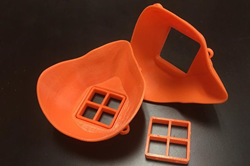
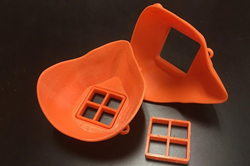
In an effort to help local healthcare providers overcome a global shortage of personal protective equipment (PPE) due to the COVID-19 pandemic, South Dakota School of Mines & Technology is 3D printing masks for Monument Health and other local healthcare providers.

The project began following a meeting between Mines alumnus Brad Haupt, Vice President of Supply Chain and Contract Management at Monument Health, Mines President Jim Rankin and others on Saturday, March 21. Haupt expressed a concern over the long-term shortage of masks at Monument Health, especially in light of the COVID-19 outbreak, and President Rankin offered Mines resources’ to help.

The effort, which quickly ramped up this week, currently includes faculty and students in the South Dakota Mines departments of industrial, mechanical, chemical, biological, and biomedical engineering as well as chemistry, biology, and health sciences. The departments are printing about 50 masks per day using up to 15 printers running nonstop. “We hope to print as many as we can,” says Jeffery Woldstad, PhD, head of the Department of Industrial Engineering. “Right now, we believe that we have the material on campus for about 1,000 masks. However, we are ordering more materials and will keep going.”

The 3D-printed masks can be used by surgeons, nurses, and other staff. In some hospitals around the world, medical staff are being forced to reuse masks rather than dispose of them after each use. Doing so exposes healthcare workers and patients to increased risks. These 3D-printed masks have insertable filters that can be changed as often as needed. However, the masks may not be the ultimate solution. The prototype design is untested in the real world.

These masks were first developed in Montana last week, and that design was shared with the public though the Billings Clinic Foundation. The foundation credits the design of the masks to neurosurgeon Dusty Richardson, in collaboration with Billings-area dentist Spencer Zaugg, and his son Colton. A YouTube video from KTVQ news shows more.

Mines faculty took the design and worked with officials at Monument Health to print protypes earlier this week. They have since ramped up as many printers on campus as can be made available for this endeavor.

“Because of our project-based learning approach to engineering education, we have the facilities and experience needed to put engineering into practice,” says Pierre Larochelle, PhD, head of the Department of Mechanical Engineering at Mines. “In just a couple of days we have brought together multiple departments on campus, faculty, staff, and student workers to address a dire need in our community.”

The 3D printers are running nonstop. The printers are being monitored by two students and a faculty member who are coming in on shifts and leaving before the next person arrives to maintain social distancing. “When I reached out to students, they volunteered immediately,” says Aaron Lalley, PhD, a lecturer of mechanical engineering. The printers can run for a time on their own, but they need some monitoring. Lalley, takes the night shift from 10 p.m. to 6 a.m. while his students cover the day shifts. “We’re very happy to help,” he says.    

Monument Health is also seeking PPE from any other members of the local community who may have extra on hand. Read more here.

Share article on social media or email:

Dr. G. Hunt Neurohr Partners with the Exclusive Haute Beauty Network


Dr. Neurohr constantly studies natural forms and shapes of living structures, always looking for applications which could further improve his surgical results.

The Haute Beauty Network, well known for its exclusivity, and luxurious lifestyle, is privileged to present Dr. G. Hunt Neurohr as a leading Face expert representing the Dallas market and the newest addition to the Haute Living partnership.

Haute Beauty offers a prominent collective of leading doctors nationwide. The invitation-only exclusive network maintains elite as ever, with only two doctors in every market. This partnership allows Haute Beauty to connect its affluent readers with industry-leading doctors.

Visit Dr. Neurohr’s Haute Beauty Profile: https://hauteliving.com/hautebeauty/member/dr-hunt-neurohr/

About Dr. Neurohr:

Dr. Neurohr is an American Board Certified Plastic Surgeon who has practiced in Dallas, Texas for over 25 years. He is dedicated to helping improve people’s lives through Plastic and Reconstructive Surgery. Dr. Neurohr developed his interest in faces during his surgical training to treat cancers of the head and neck and immersed himself into the anatomical and surgical study of the region. The face is most challenging area to achieve surgical non-detectability; so, Dr. Neurohr further pursued his post-doctoral studies in facial aesthetic surgery with Dr. Bruce Connell at the Connell Clinic in Santa Ana, California. It was there that he realized he was adept at visualizing possible results for individual patients. If he could “see it,” his hands could make it happen.

Dr. Neurohr and his family moved back to Dallas, Texas in 1990 due to the frequent Southern California earthquakes. He has built an exceptional aesthetic plastic surgery practice exclusively by “word of mouth”. Dallas was a hot spot for developing facelift techniques in the 1990s and the term called “the Dallas look” was coined to describe the tight, pulled appearance of post-operative patients. These surgical techniques were designed to withstand extreme tension (the thought being that the tighter you could pull it, the longer it would last); however, surgical tension looks artificial in a facelift. Dr. Neurohr was well aware of this and avoided the trap. He developed an individualized SMAS facelift with fat grafting. Very few surgeons at the time believed that injectable fat grafts even worked, but Dr. Neurohr recognized how much of a natural improvement the technique produced in his patients. The quality of his results was unparalleled, and he quickly catapulted to the top tier of facial aesthetic surgeons in Dallas and in the state of Texas.

Dr. Neurohr constantly studies natural forms and shapes of living structures, always looking for applications which could further improve his surgical results. For instance, in the very unforgiving lower eyelid operation (blepharoplasty), he was one of the first to implement an array of stylized “canthopexy” procedures to preserve the inherent shape of the eye. He developed a “repair” operation that actually treated the lower eyelid fat bags like a hernia; therefore, restoring the proper spatial relationships of the lower eyelid and the cheek. He developed injectable fat grafting techniques which corrected the aging effects of “circles” under the lower eyelids. Dr. Neurohr was ahead of his time performing these avant-garde techniques.

As Dr. Neurohr became recognized for the quality of his work, he developed an international contingent of surgeons interested in understanding his ideas and methods, and was asked to lecture to plastic surgery groups in North America, Central America, and Europe about facelift techniques, eyelid surgery, surgical philosophy, and body contouring procedures. His expertise in identity preservation generates enthusiasm because it embodies the true art of plastic surgery. Dr. Neurohr has recently completed a chapter titled Avoiding Complication in Facelift Surgery in the textbook, Aesthetic Rejuvenation of the Face, published by Theime in May 2016.

Dr. Neurohr is devoted to his one and only wife of 39 years, Stephanie, and their eight children. He adeptly balances family responsibilities, his medical practice, and his personal health. His children and grandchildren help keep him young along with his deep faith, good nutrition, intense intermittent exercise, and the love of life. He operates a state-of-the-art surgical facility in friendly Dallas, TX certified by the AAAASF. There he personally consults with every patient, takes all his own photographs, and performs every detail of every surgical procedure, from the first marking to the very last stitch.

Share article on social media or email:

Meridian Dedicates In-House Efforts to Fast-Track Healthcare Solutions


The Meridian team is here to help guide our customers through the process of bringing the self-service solutions that best meet their needs, and those of the current market, to life. We are ready to partner and serve as a trusted resource in any way we can.

Meridian, an industry leading manufacturer of indoor and outdoor kiosks, interactive digital signage, and self-service software recently announced plans to dedicate a team of their in-house designers and engineers to help fast-track the process for introducing newer, more sanitary healthcare-focused solutions into the market.

The decision was made in response to elevating concerns on both a local and global level surrounding the COVID-19 pandemic, but Meridian is no stranger to the healthcare industry.

“With more than 20 years of experience in the self-service solutions industry, we have worked and continue to work with a number of clients in the healthcare space,” said Meridian’s CEO, Chris Gilder.

From automated smart lockers, to patient check-in, and digital signage, Meridian is equipped with a wide range of self-service healthcare experience—and the internal resources to develop new innovative solutions as the landscape continues to evolve.

“The Meridian team is here to help guide our customers through the process of bringing the self-service solutions that best meet their needs, and those of the current market, to life,” said Gilder.

A fully integrated manufacturer, Meridian has the ability to integrate peripherals like germ-killing UVC devices, facial recognition hardware with temperature alerts, telemedicine, and vending solutions. Antimicrobial powder coat finishes, antimicrobial touch screen protectors, and enclosure add-ons like cleaning wipes and hand sanitizer dispensers can also be incorporated to ensure cleanliness.

“We are ready to partner and serve as a trusted resource in any way we can during these challenging times,” Gilder said.

Meridian designs, engineers, fabricates, assembles, deploys, and supports self-service solutions from their 13-acre headquarters in North Carolina. To learn more, visit http://www.meridiankiosks.com or email sales@mzero.com.

Share article on social media or email:

Dr. Jeffrey Lee Partners with the Exclusive Haute Beauty Network


Dr. Lee is a Harvard trained plastic surgeon serving patients in the greater Boston area.

The Haute Beauty Network, well known for its exclusivity, and luxurious lifestyle, is privileged to present Dr. Jeffrey Lee as a leading weight-loss and Breast expert representing the Boston market and the newest addition to the Haute Living partnership.

Haute Beauty offers a prominent collective of leading doctors nationwide. The invitation-only exclusive network maintains elite as ever, with only two doctors in every market. This partnership allows Haute Beauty to connect its affluent readers with industry-leading doctors.

Visit Dr. Lee’s Haute Beauty Profile https://hauteliving.com/hautebeauty/member/dr-jeffrey-lee/

About Dr. Lee:

Dr. Lee is a Harvard trained plastic surgeon serving patients in the greater Boston area. He specializes in cosmetic procedures of the face, breast, body, as well as nonsurgical treatments such as Botox and Juvederm. Dr. Lee’s vision for patient care blends both safety, as well as optimal aesthetic outcomes. “I am first and foremost a doctor. My primary objective is to keep things safe and if something is unsafe or not worth the risk, I will tell you. I also tell all of my patients that I always reserve the right to change the plan if it becomes a safety issue.”By utilizing the most advanced techniques coupled with an in-depth understanding of the human body, Dr. Lee is able to achieve outstanding outcomes which result in extremely happy patients!

Education and Training

Dr. Lee grew up in the northeast and graduated from the prestigious University of Pennsylvania with honors (magna cum laude). From there he went to medical school at Tufts University School of Medicine where he made the decision to become a surgeon. After medical school he completed his training in surgery at Massachusetts General Hospital, a Harvard Medical School hospital. During this time, he also completed a fellowship in the Plastic Surgery Research Lab where he published numerous book chapters and journal articles. He also traveled extensively giving presentations at the national and international level advancing the field of plastic surgery.From there, he was accepted to the Harvard Plastic Surgery Combined Residency Program where he further refined his surgical skills in all aspects of plastic surgery. Dr. Lee then completed his training as the fellow in Craniofacial Reconstructive and Aesthetic Surgery at Massachusetts General Hospital.Breast surgery is by far the most commonly performed aesthetic surgery in the world. Whatever the goal, Dr. Lee will make an accurate assessment and then formulate a safe, customized

Share article on social media or email:

Blink Fitness and Sworkit Join Forces to Introduce Customizable At-Home Workouts


Blink Fitness & Sworkit Logos

We see this partnering as a natural evolution of the fitness industry where the lines between physical and digital offerings continue to blur, but now at an accelerated rate.

Blink Fitness has partnered with leading fitness app Sworkit to provide members with access to customizable at-home workouts. COVID-19 has forced gym closures across the nation; Blink and Sworkit have designed a product offering that will provide at-home workouts to ensure Blink Fitness members can stay physically active and motivated when away from the gym. Customizable and pre-planned workouts are now available through a Sworkit integration in the Blink Fitness app.

“This integration could not be timelier,” states Sworkit CEO, Greg Coleman. He continues by saying, “We see this partnering as a natural evolution of the fitness industry where the lines between physical and digital offerings continue to blur, but now at an accelerated rate.”

“We’re so excited to be partnering with a likeminded brand like Sworkit during this pivotal time for fitness,” said Blink Fitness CEO, Todd Magazine. “Accessible and personalized content matters more than ever before and we remain committed to providing the highest quality tools for our members.”

About Blink Fitness

Blink is challenging conventional fitness stereotypes through its revolutionary philosophy of Mood Above Muscle® by celebrating how exercise makes you feel versus how it makes you look. Blink is the first gym to showcase body diversity and engage people who have been disenfranchised by the clichéd advertising images that feature unrealistic and unattainable bodies. Blink Fitness—a premium and affordable fitness brand—celebrates the positive feelings exercise elicits, along with the physical benefits. Blink has 140 locations open or in development throughout New York, New Jersey, Pennsylvania, Michigan, California, Illinois, Florida, Virginia, Massachusetts, and Texas. Blink has been ranked on the Inc. 5000 list three times, was recognized as one of the top health clubs by Club Industry and selected as the best budget chain by Men’s Health.

For more information about Blink, visit blinkfitness.com. Franchising details are available on blinkfranchising.com.

Media Contact: blinkfitness@kwtglobal.com

About Sworkit

Founded in 2012, Sworkit is a digital fitness company based out of Bethesda, MD providing at-home and on-the-go workouts and personalized plans to help users improve their health and fitness levels. With a custom combination of strength, cardio, yoga, and stretching workouts, Sworkit helps millions of monthly users work out on their own time and at their own pace.

Sworkit is ranked as a leader in app stores and was ranked #1 by the University of Florida in a study of fitness apps using the standards of the American College of Sports Medicine.

For more information, please visit https://sworkit.com.

Media Contact: contact@sworkit.com

Related Links

https://www.blinkfitness.com

https://www.sworkit.com

Share article on social media or email:

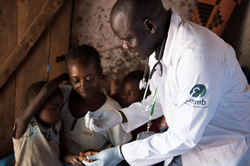
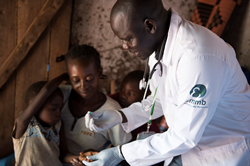
With the spread of COVID-19, CMMB is mounting an urgent defense to protect the vulnerable populations in the countries they serve


Working to save lives

In Zambia and other low-resource areas, supplies are desperately needed. Through in-country partners and our Medical Donations Program, CMMB is working to protect the safety of healthcare workers and stock facilities with lifesaving supplies and equipment essential to treat patients with COVID-19.

“The people there don’t realize what’s coming. I feel it’s a bit like the frog in the pot of slowly boiling water, completely carefree until it’s too late,” says Cassie Richens, a volunteer nurse with CMMB who recently returned from Mwandi, Zambia.

“I had enough cell service that I could constantly scroll the news. Every day, I watched as the COVID-19 pandemic spread across the world. However, the main thing I watched is how COVID-19 is creeping into Africa. When coronavirus does reach sub-Saharan Africa, where there are the world’s most fragile health systems, it could be completely devastating.”

Communities around Mwandi, like so many others, are extremely vulnerable. HIV is prevalent, malnutrition is a major concern. There are weakened immune systems everywhere. In Mwandi, there is only one small hospital, without an x-ray machine, and no ventilators. In the outer districts, further from the communities, are small clinics, within even less supplies.

“Right now, we are urgently looking to expand our partnerships to accelerate these lifesaving efforts, as they are needed now more than ever with the threat of COVID-19,” states Bruce Wilkinson, CEO of CMMB.

To educate the public on COVID-19 prevention and treatment, CMMB’s technical team is rapidly implementing new COVID-19 training for in-country healthcare workers. This training will ensure that all have a firm understanding of COVID-19 signs and symptoms as well as best practices and protocols for prevention, control, and mitigation.

In these low-resource settings, critical, lifesaving supplies, and equipment are lacking. Through in-country partners and a robust Medical Donations Program, CMMB is quickly working to stock health facilities with personal protection items and lifesaving supplies and equipment essential to treat patients with serious cases of COVID-19.

CMMB is working with their current partners and is reaching out to others to help provide essential medical supplies to healthcare workers and health facilities. Personal protective equipment, including face masks, gloves, gowns, face shield, goggles are a priority. Medical equipment, including ventilators and other respiratory support, generators and antiviral and antibiotic medications are critical.

If you would like to help, email cmmb at info@cmmb.org or visit their website at cmmb.org.

“We are doing everything in our power to sound the alarm of the storm that is looming,” says Wilkinson. “We are one human family, all brothers and sisters and if we don’t act now, if we don’t come together, there is no telling the toll this will take on these innocent lives.”

Share article on social media or email:

Lauren Parr, Product Marketing Manager of RepuGen, accepted into Forbes Communications Council


Lauren Parr, Product Marketing Manager of RepuGen, an online reputation management software solution for healthcare practices, has been accepted into Forbes Communications Council, an invitation-only community for executives in communications, marketing, and public relations.

Lauren was vetted and selected by a review committee based on the depth and diversity of her experience. Criteria for acceptance into this council include a track record of successfully impacting business growth metrics, as well as personal and professional achievements and honors.

“We are honored to welcome Lauren into the community,” said Scott Gerber, founder of Forbes Councils, the collective that includes Forbes Communications Council. “Our mission with Forbes Councils is to bring together leaders from every industry, creating a curated, social capital-driven network that helps every member grow professionally and make a greater impact on the business world.”

As an accepted member of the Council, Lauren has access to a variety of exclusive opportunities designed to help her reach peak professional influence. She will connect and collaborate with other local leaders in a private forum. Lauren will also be invited to work with an editorial team to share her insights in original business articles on Forbes.com, and to contribute to published Q&A panels alongside other experts.

Finally, Lauren will also benefit from exclusive access to business service partners, membership-branded marketing collateral, and the high-touch support of the Forbes Councils member concierge team.

“I am thrilled to be a part of the Forbes Communication Council! This will be a great opportunity for RepuGen to collaborate with the industry leaders to further support our mission of improving overall patient care.”, said Lauren.

About Forbes Councils

Forbes Councils is a collective of invitation-only communities created in partnership with Forbes and the expert community builders who founded Young Entrepreneur Council (YEC). In Forbes Councils, exceptional business owners and leaders come together with the people and resources that can help them thrive.

For more information about Forbes Communications Council, visit forbescommcouncil.com. To learn more about Forbes Councils, visit forbescouncils.com.

About RepuGen

RepuGen is a healthcare reputation management platform designed to help patient-centric healthcare providers (doctors, hospitals, etc.) acquire and retain more patients, by matching their online reputation to actual patient satisfaction. Online reputation, when not managed, paints an inaccurate picture for the prospective patients looking for a healthcare provider on the internet, resulting in a sub-optimal selection process. The company is making a small contribution towards improving overall patient care through the identification of factors that drive patient satisfaction and by helping patients select the right healthcare provider.

For more information about RepuGen, visit https://www.repugen.com/.

Share article on social media or email:

5 Questions with a Virus Expert on COVID-19


As the COVID-19 pandemic continues to progress in the United States and worldwide, many are trying to better understand what the virus is and how it affects humans. D. Brian Nichols, assistant professor in the Department of Biological Sciences at Seton Hall University, has conducted extensive research on virus-host interactions and, specifically, how viruses affect the immune responses of their hosts. He recently addressed these topics as they pertain to COVID-19.

1. COVID-19 is referred to as a “novel virus.” Can you tell us what that means and what impact it has on the effect of the disease on human beings and a potential vaccine?

“Novel” in this context means that it recently emerged to affect humans. It is strongly believed that bats are the source of the current infectious agent with an unknown animal likely serving as an intermediate host. Bats harbor a wide variety of coronaviruses related to the original SARS-CoV. As the human population comes more and more in contact with these animals, risk of exposure and the risk of viruses that can infect humans goes up significantly. Coronaviruses are RNA viruses, which means RNA is the genetic material. Unlike cellular organisms that use DNA as the genetic material, RNA viruses replicate without significant proofreading of their genetic material. What that means is that these viruses—which reproduce themselves over and over again—make a lot of mistakes when the genetic material is copied. Most of these mistakes lead to inactive viruses that lose the ability to infect cells, but some mistakes result in viruses that are capable of infecting new hosts. This event likely led to the emergence of the novel coronavirus, officially designated as SARS-CoV 2, the causative agent of Covid-19. The most likely scenario at present is that humans came in contact with animals in Chinese wet markets. The large number of people in contact with exotic live animals there, combined with butchering these animals in that wet market, created what could be seen as the perfect environment where the new SARS-CoV 2 could emerge to infect humans.

Being a new virus that has never circulated in humans before means that vaccine research essentially started when the virus was identified in December 2019. Simply put, until it was identified, there was no virus to design a vaccine against. Normally, vaccines take years to be developed and go through human trials. The fact that we have a vaccine in trials is really amazing and a tribute to the hard work of the researchers who have been studying this virus. As my colleague Dr. Constantine Bitsaktsis, who studies vaccine development, has pointed out, the speed and approval for clinical trials of Covid-19 vaccines is truly unprecedented. However, evaluating the vaccine will take time. Also, the original SARS-CoV emerged in 2003, and generating a vaccine to that virus has proven to be challenging.

2. You specialize in understanding and characterizing virus-host interactions and viral antagonism of host immune responses. What can you tell us about the virus-host interactions of COVID-19?

Typically, when viruses infect a cell, the cell activates its innate immune response to attempt to eradicate viruses. The human body essentially marshals its resources to fight against what is, in essence, the invasion of a foreign entity. These responses include inflammation, inducing cell death to destroy both the cell and the virus, and activating antiviral proteins such as interferon. It can, in some ways, be considered a “shotgun” approach, with the initial immune response scattering its shot and killing everything in the vicinity of the threat. All these efforts are in place to try and contain the infection. Eventually, in what can be thought of as “the next wave” of defense, the adaptive immune response is activated to destroy any viruses that were not killed in the initial response. The adaptive response includes B cells producing antibodies to target and neutralize remaining viruses in the body. For viruses, the most important part of the adaptive immune response or “next wave” is the activity of cells called cytotoxic T-cells. These cells are the hunters/killers of the immune response and take more of a “rifle” approach, actively hunting down cells infected with viruses and eradicating those particular cells, thereby containing the virus. In addition, the adaptive response creates memory immune cells, which remain after the body clears the virus and can activate the immune response much faster on a second exposure. These memory immune cells are the basis of vaccines and why it is so important to be immunized against infectious agents.

Viruses, however, are not in the habit of going quietly. Viruses have evolved complex strategies to prevent the body’s immune response from activating. In the case of the original SARS-CoV, we know that it blocks the activation of several key immune pathways. By modulating the host’s immune response, SARS-CoV was able to ensure a successful infection by escaping the body’s defenses.

It’s also important to note that things can go wrong on the defense as well. Sometimes the immune system overresponds to infection. I always tell my students to think of the immune system working best in the so-called Goldilocks zone. Too little of an immune response and the virus is not cleared. Too much and the body’s own immune response damages the body trying to clear the virus.

3. What can you tell us about host immune responses in humans to COVID-19?

There’s a lot we don’t know at the moment. It’s likely that in some individuals, the immune response is not strong enough to kill the virus, and as the virus replicates it destroys the lungs, leading to severe complications and possibly even death. In others, it seems to be that the virus induces a cytokine storm. Cytokines are produced by immune cells to communicate and coordinate responses to infectious agents. In these patients, too much cytokines results in an immune response that damages the patient’s own body, leading to severe complications. This scenario may be responsible for a number of the severe cases and even mortality among those who seem to otherwise healthy. To use the Goldilocks analogy, this would be a case of the porridge being too hot. The cytokine storm is not unique to SARS-CoV 2. This event has been noted in other great pandemics including the 1918 Spanish Flu, Avian Influenza, and the original SARS-CoV. The reasons why some individuals have an over-active immune response against severe human coronaviruses such as SARS-CoV, MERS-CoV, and SARS-CoV 2 is still poorly understood. What is known is that when this event is triggered, the body’s own innate immune responses in the shotgun approach to eradicate the virus trigger acute lung injury which can in some cases be fatal. In a patient dealing with chronic diseases, this event may be too much to overcome and may at least partially explain why individuals with certain pre-existing conditions have higher mortality ratios.

4. Removing for a moment age and underlying health conditions, why is the virus affecting different people so differently?

There’s a variety of factors likely at play, many of which are still in the process of coming to light through scientific enquiry and testing. I think it is worth mentioning that most cases of Covid-19 are very mild. I am also mindful that mild means many things to different people. In mild cases it can range from signs and symptoms akin to a severe flu, to signs and symptoms similar to that of the common cold. Many patients also report mild pneumoniae, which is still significant, but does not require hospitalization. In addition, people may become infected and never even know they have it. Many people infected with SARS-CoV 2 are completely asymptomatic and would never know they had it in the absence of a test. Fortunately, children seem to be the latter, though there have been some exceptions usually involving pre-existing conditions. On that note, it is known that age is a factor, which can be reproduced using mice in the lab. The older the patient gets, the more likely the risk of severe complications, with patients over 60 experiencing the most significant complications with the disease.

5. There seems to have been some success in treating the coronavirus with some drugs, including the malaria drug chloroquine and favipiravir. Can you tell us more about that and why these drugs may work in halting the disease in individuals?

Favipiravir inhibits the RNA-dependent RNA polymerase of several notable RNA viruses including the influenza virus. The RNA-dependent RNA polymerase is an enzyme encoded in the viral genome and produced by the cell during infection. The function of the RNA-dependent RNA polymerase is to replicate the viral RNA genetic material which is used to make progeny viruses. Without the RNA-dependent RNA polymerase, the virus cannot successfully replicate in the cell and produce more viruses. For that reason, this enzyme makes a very attractive target for the development of antiviral drugs because it is 1) vital for the virus during replication and 2) an enzyme that is not present in a health host cell. Therefore, drugs that directly attack this enzyme will kill the virus with minimal effects on host cells. Both the influenza virus and SARS-CoV 2 are RNA viruses and thus use a similar RNA-dependent RNA polymerase to accomplish the task of replicating the viral genetic material. That said, the influenza virus and SARS-CoV 2 are very different RNA viruses, and it is very important to note this fact. Aside from favipiravir, there’s a drug called remdesivir that also targets coronavirus RNA-dependent RNA polymerases. Remdesivir is also being evaluated as an anti-SARS-CoV 2 therapeutic agent. It’s currently under trials, and both antivirals are still far too early in testing to definitively say they will reverse the increasing number of SARS-CoV 2 cases in the world. It’s also important to remember that due to the nature of the SARS-CoV 2 RNA-dependent RNA polymerase making mistakes during replication, it is inevitable that drug resistant populations of viruses will emerge. The presence of the antiviral may “select” for drug resistant populations that eventually will no longer respond to treatment. Therefore, continuing research to identify novel SARS-CoV 2 inhibitors will remain a top priority for some time.

For chloroquine, it has been reported that this drug blocks the original SARS-CoV as well as several other human coronaviruses from infecting cells. Essentially, it acts as a doorman and denies the virus entry to the area of the cell that the virus needs to complete its replication cycle. There have been some encouraging reports about chloroquine’s use as a therapeutic to treat SARS-CoV 2 infections, but again, it’s too early to definitely say that its use will be effective in controlling the current pandemic. There have also been reports of chloroquine toxicity in patients, so it is very clear that even if effective, chloroquine will not be a “one drug treats all” for every case of Covid-19.

This release may also be found online at https://www.shu.edu/arts-sciences/news/5-questions-with-a-virologist-on-covid-19.cfm; a bio for Professor Nichols may be found below and online at https://www.shu.edu/profiles/danielnichols.cfm.

                                                             #     #         #

D. Brian Nichols, Ph.D. is an assistant professor in the Department of Biological Sciences at Seton Hall University. He received his Bachelor’s Degree in Microbiology from Southern Illinois University. He went on to receive his Ph.D. in Microbiology at the University of Illinois under the supervision of Professor Joanna Shisler. The focus of his Ph.D. work was virus-host interactions where he identified the function of a novel poxvirus protein that inhibits host immune responses. From Illinois, he went on to do his postdoctoral research at Loyola University of Chicago Stritch School of Medicine in Professor Susan Baker’s lab. There, Professor Nichols was part of a team that focused on identifying and characterizing inhibitors of the original SARS-CoV. Following his time at Loyola University, Professor Nichols worked as a postdoctoral researcher in Professor Neerja Kaushik-Basu’s lab at the University of Medicine and Dentistry in New Jersey where he worked on characterizing Hepatitis C Virus host interactions. He also worked as part of a team to characterize mechanisms through which Hepatitis C Virus remodels host cells into an environment conducive for virus replication.

In 2013, Professor Nichols accepted a position at Seton Hall University in the Biological Science Department. At Seton Hall, Professor Nichols continued his research on the human poxvirus Molluscum Contagiosum. Highlights of his research include identifying the function of a novel MCV protein capable of inhibiting several key host immune responses. He is also interested in characterizing SARS-CoV 2 host interactions in the wake of the current pandemic. Professor Nichols teaches several courses for pre-health profession majors and graduate students including Biochemistry of Metabolism, Molecular Biology, Molecular Virology, and Introduction to Microbiology.

ABOUT SETON HALL UNIVERSITY

One of the country’s leading Catholic universities, Seton Hall has been showing the world what great minds can do since 1856. Home to nearly 10,000 undergraduate and graduate students and offering more than 90 rigorous academic programs, Seton Hall’s academic excellence has been singled out for distinction by The Princeton Review, U.S. News & World Report and Bloomberg Businessweek.

Seton Hall embraces students of all religions and prepares them to be exemplary servant leaders and global citizens. In recent years, the University has achieved extraordinary success. Since 2009, it has seen record-breaking undergraduate enrollment growth and an impressive 110-point increase in the average SAT scores of incoming freshmen. In the past decade, Seton Hall students and alumni have received more than 30 Fulbright Scholarships as well as other prestigious academic honors, including Boren Awards, Pickering Fellowships, Udall Scholarships and a Rhodes Scholarship. The University is also proud to be among the most diverse national Catholic universities in the country.

During the past five years, the University has invested more than $165 million in new campus buildings and renovations. And in 2015, Seton Hall launched a School of Medicine as well as a College of Communication and the Arts. The University’s beautiful main campus in suburban South Orange, N.J. is only 14 miles from New York City — offering students a wealth of employment, internship, cultural and entertainment opportunities. Seton Hall’s nationally recognized School of Law is located prominently in downtown Newark. The University’s Interprofessional Health Sciences (IHS) campus in Clifton and Nutley, N.J. opened in the summer of 2018. The IHS campus houses the University’s College of Nursing, School of Health and Medical Sciences and the Hackensack Meridian School of Medicine at Seton Hall University.

For more information, visit http://www.shu.edu.