
All posts by imreal

CURIS System Wins METRO’S Innovative Solutions Award for Fight Against COVID on Buses & Motorcoaches


The portable CURIS Decontamination System for use on buses and motorcoaches

The portable CURIS Decontamination System for use on buses and motorcoaches against COVID-19 and more

Knowing that a hospital-grade disinfection process is being utilized on our coaches, and that the hydrogen peroxide mist solution reaches virtually everywhere is a huge comfort to our passengers.

CURIS System is proud to announce today that is has been awarded the 2020 Innovative Solutions Award for Safety by METRO Magazine for its pulse fogging system that fights SARS-CoV-2 (COVID-19). When the novel coronavirus hit the transportation industry, some companies scrambled to find solutions to help keep drivers safe and routes operational. Traditional cleaning methods often miss areas, and disinfectants that kill 99.9% of germs can still leave up to 1,000 harmful organisms behind on the surface. This was once considered acceptable, but after the pandemic hit that was no longer the case.

Portland, Oregon’s TriMet and N.Y. motorcoach operator Hampton Jitney tapped CURIS System’s hydrogen peroxide fog to revolutionize their disinfection practices and cleaning protocols, changing expectations of germ safety from attempts to “just clean better” to an achievable, measurable kill of 99.9999% of dangerous germs*. TriMet uses the CURIS device daily on every piece of equipment to make sure each and every day they start out with a fresh, clean and safe piece of equipment.

“We’re very pleased that our transportation customers have been recognized for their proactive initiatives to increase the safety and cleanliness of their vehicles with the safest and most effective pulse system on the market today,” said Frances Grinstead, CEO of CURIS System. “As the CARES Act for transportation companies is set to expire on November 1st, we have ramped up our production and delivery to make sure any transport company that is making safety a priority has access to the CURIS System.”

The Coronavirus Aid, Relief, and Economic Security (CARES) Act provides $25 billion to transit agencies to help to prevent, prepare for and respond to the COVID-19 pandemic. CURIS’ sporicidal disinfectant is a hospital-grade, EPA-registered low-level 7% hydrogen peroxide (EPA Reg. No. 93324-1) with a 99.9999% efficacy on the hardest to kill germs* in a tri-part soil load. The hydrogen peroxide decomposes to water and oxygen leaving no harmful residues.

“Knowing that a hospital-grade disinfection process is being utilized on our coaches, and that the hydrogen peroxide mist solution reaches virtually everywhere is a huge comfort to our passengers,” said Andrew Lynch, vice president at Hampton Jitney. “Adding the CURIS fogging system as a part of our sanitizing protocols provides us with a gold standard solution for the COVID-19 era.”

Using the CURoxide™ Hydrogen Peroxide blend, CURIS is the first portable, hydrogen peroxide-based fogging system capable of disinfecting a room or enclosed area via patented pulse technology, and the most efficacious in protecting passengers against COVID-19 and other infectious disease. CURoxide is the only pulse fogging system included on the EPA’s List-N for efficacy against SARS-CoV-2 (COVID-19) and has shown to be 99.9999% effective in killing the most resistant pathogens, while equally as important proving safe to administer and leaving behind no toxic or damaging residues. Staff easily place the portable, suitcase-sized CURIS fogging device into the bus and use an app to control the fogger from a safe location. While the bus quickly fills with germ-killing fog, staff move on to other tasks and use the app to monitor the treatment in progress. When fogging is done, doors are opened for a quick airing out and re-entry. The healthy bus is ready for use and a report of the treatment is saved for future planning and as proof of disinfection.

The CURIS Decontamination System is designed to effectively work in such environments as:


  • Transportation systems, including buses, airplanes, subways, taxis
  • Emergency Response Operations, including fire stations, police stations
  • Universities
  • Medical facilities, including hospitals, assisted living/long-term care facilities
  • Laboratory spaces
  • Sports facilities and gyms
  • Military facilities
  • Research facilities

About CURIS® System

Headquartered in Oviedo, Florida, CURIS System provides the most efficacious germ-killing disinfectant solution with no harmful residues available on the market today. Established in 2014, CURIS’ innovative and patented hydrogen peroxide fogging system has revolutionized portable, high-level disinfection, making hospital-grade decontamination accessible across multiple markets. Its EPA-registered “No Touch” disinfection system uses pulse hydrogen peroxide fog to kill germs and odors. The system is easy to use, portable (roll-behind or hand carry), eco-friendly, non-corrosive and leaves behind NO harmful residues. The CURIS app can be used for remote activation and cloud-based data storage for optimal tracking, management and reporting. For more information, please visit http://www.curissystem.com

*kills 99.9999% of c.diff in a tri-part soil load.

Share article on social media or email:

Kaden Health Announces Strategic Investment by Magellan Health


Kaden Health, Inc. (Kaden) announced today that Magellan Health, Inc. (NASDAQ: MGLN) has made a strategic minority equity investment in the New York-based digital behavioral health company. Through the collaboration, Kaden’s proprietary behavioral telehealth program and platform will be provided to Magellan’s customers, members and patients as well as providers.

Kaden’s advanced technologies position the company as a prime enabler for Magellan in providing behavioral health services at scale and virtually – a key consideration given the COVID-19 epidemic which has only accelerated the need to increase access to effective, evidence-based mental health services. Kaden’s platform – initially applied for the treatment of patients with opioid use disorder and currently available in New Jersey, New York and New Hampshire – brings important capabilities to Magellan that will enhance interactions with members, including collaborative care.

“We are pleased and excited to collaborate with Magellan as Kaden continues to develop and implement advanced technologies and clinical programs supporting those in need of behavioral health support and treatment for substance use disorders,” said Dave Henderson, co-founder and CEO of Kaden. “Both the investment and the business relationship magnify our ability to make access to treatment possible wherever people may be, and to help providers significantly enhance their practices with our purpose-built behavioral telehealth platform.”

“As a leading independent payer services company, Magellan Health is driving innovation into the behavioral health market through the acceleration of digital capabilities that will enhance the patient experience across the care continuum,” said Kenneth Fasola, Chief Executive Officer of Magellan Health. “A tremendous need exists to bring virtual behavioral health solutions to members, and the COVID-19 pandemic has only heightened this need. Our relationship with Kaden will allow us to integrate digital features into new models of behavioral healthcare, demonstrating our ability to offer disruptive, comprehensive and integrated complex care services and insights to our members and clients.”

Kaden delivers its Virtual Medication Assisted Treatment (vMAT) program through its network of affiliated providers throughout the country. The Kaden vMAT program is a fully integrated approach to treating those suffering from opioid use disorder based on the gold standard of Medication Assisted Treatment and leveraging Kaden’s advanced, proprietary virtual technology, which provides a convenient, intuitive and data-driven treatment path for patients. Kaden also makes its HIPAA-compliant behavioral telehealth platform available directly to non-affiliated providers as a stand-alone tailored solution which can be quickly and seamlessly implemented to provide material benefit when compared to the use of general videoconferencing or generic telehealth platforms.

“This investment by Magellan supports and affirms our goal to provide unfettered access to populations in need of treatment,” said Aran Ron, M.D, co-founder and Head of Clinical Innovation at Kaden. “This collaboration helps further our vision to fundamentally transform how effective behavioral health treatments are delivered through the insight and transparency achieved through Kaden’s artificial intelligence, emotional analytics, and real-time reporting, all of which are industry-firsts.”

Kaden’s coordinated approach to vMAT is centered, from the first visit with a medical professional through all succeeding virtual visits and therapy, on the Kaden Technology Platform. This leading-edge intuitive interface allows the patient, therapist, medical prescriber, and the advocate all to communicate and collaborate in ways that ultimately help the patient to reclaim a healthy, productive lifestyle.

After the first visit with a prescriber, a patient can then attend all following medical and therapy appointments using any smartphone, tablet, or PC with an internet connection from the comfort of their homes or any convenient and private location.

Match Point Partners LLC led by Brad Burkett, Managing Partner, acted as financial advisor to Kaden in this transaction.

Kaden Health is a portfolio company of Leverage Health Solutions, which has been engaged since 2018.

About Kaden:

Based in New York City, Kaden is a data-driven digital behavioral health services company dedicated to addressing strategic marketplace issues with a focus on developing advanced technologies as well as innovative service offerings and products that reduce costs, improve quality, encourage engagement and produce better outcomes. Kaden’s first product tackles the opioid addiction crisis by positively influencing human behavior and making advanced technologies and proven treatments accessible to all. Kaden was founded by Dave Henderson, Aran Ron, M.D. and Steve Kessler in 2018. For more information, visit http://www.kadenhealth.com or call 888-88-KADEN.

Company Contact:

Kaden Marketing and Public Relations: Marc Warner (marcw@kadenhealth.com)

Share article on social media or email:

Maestro Health Adds New Leadership to Drive Innovation in Health Plan Offerings


News Image

Maestro Health, a tech-enabled third-party administrator (TPA) for employee health and benefits, officially announced the appointments of Kim Howe as Senior Vice President of Human Resources, Franck Brice as Chief Development Officer and Joe Meyer as Senior Vice President of Sales and Marketing. With decades of experience in the healthcare and insurance industries, their combined leadership will help Maestro Health expand to new markets and accelerate growth within the health and benefits space.

Howe comes to Maestro Health with three decades of human resources and operations experience in the health and benefits space. As SVP of Human Resources, she has worked to enhance Maestro Health’s employee benefits offerings, diversity, equity and inclusion initiatives, performance management program and employee onboarding. Prior to Maestro Health, Howe served over 13 years at AXA Equitable. She started as the Director of HR Operations & Payroll and transitioned to a Senior Director role overseeing finance transformation and strategic initiatives, including Equitable’s eventual IPO.

“It’s been a busy year for the human resources team at Maestro Health,” Howe said. “We’ve listened to employees and provided them with the tools, processes and programs they need to be successful in their roles. More importantly, we’re prioritizing our employees’ overall wellbeing, including their physical, mental, financial and social health, just like the clients we serve.”

Brice joins Maestro Health from AXA where he led AXA Next’s U.S. Health program. In that role, he designed and deployed a global operating model, launched algorithm-based insurance products, created a global health and wellness platform and optimized fraud detection using artificial intelligence. At Maestro Health, Brice is responsible for furthering Maestro Health’s mission to lower costs and improve health outcomes for clients.

“I’ve always been passionate about helping organizations innovate through technology to solve business problems,” Brice said. “Joining forces with Maestro Health in a more direct role was a logical next step for both me and AXA. As Chief Development Officer, I can help draw stronger connections between Maestro Health and other AXA Next units, resulting in better outcomes for our clients.”

In Meyer’s role as SVP of Sales and Marketing, he is responsible for leading all sales and marketing functions and go-to-market strategies in support of Maestro Health’s new brand identity in the market. He’s spent 20 years in the health plan space, holding leadership roles at Cigna, MedCost, Blue Cross/Blue Shield of North Carolina and Atrium Health. Throughout his career, Meyer has built a strong track record of revenue growth and market innovation with a keen focus on serving the needs of clients.

“Having worked on both the provider and payer side, I’ve witnessed firsthand how the U.S. healthcare system has failed to serve the needs of employers and the patients trying to utilize the system,” Meyer said. “It’s clear employers and their trusted advisors need more from their health plans, like innovative and transparent self-funded benefits solutions driven by strong cost and clinical care management programs. I look forward to using my industry expertise and strong relationships to drive revenue growth and extend Maestro Health’s reach across the market.”

Learn more about Maestro Health’s leadership team here.

About Maestro Health™

Maestro Health works with employers and their trusted advisors to administer self-funded health plans. By blending administrative services, clinical care management and cost management, we help employers optimize their benefit plans to drive better outcomes at a lower cost.

When partnering with Maestro Health, employers can save money on healthcare and focus on what really matters—their people.

To learn more, visit: http://www.maestrohealth.com.

Share article on social media or email:

incentaHEALTH Achieves Full CDC Recognition for Virtual Diabetes Prevention Program, #PreventDiabetes


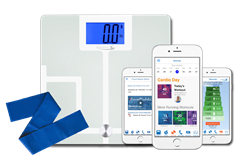
Wellness Kit with Smart Scale for at-home progress tracking.

Wellness Kit with Smart Scale for at-home progress tracking.

Achieving CDC full recognition validates the effectiveness of our incentive-based digital behavior change program, our ability to engage participants virtually, and achieve clinically meaningful outcomes – all in an effort to help participants reduce their risk for developing Type 2 Diabetes.

incentaHEALTH announced today that the company achieved full recognition status for its virtual diabetes prevention program (DPP) from the Centers for Disease Control and Prevention (CDC).

#PreventDiabetes is built upon incentaHEALTH’s core weight management program that has been helping individuals achieve and maintain a healthy weight through online coaching, patented photographed progress tracking, and incentives for meaningful change.

“Achieving CDC full recognition validates the effectiveness of our incentive-based digital behavior change program, our ability to engage participants virtually, and achieve clinically meaningful outcomes – all in an effort to help participants reduce their risk for developing Type 2 Diabetes,” said incentaHEALTH Co-Founder and CTO, Todd McGuire.

“We are excited to bring a low cost alternative to the traditional classroom based diabetes prevention programs. We are redefining how people can get healthy at home even during these unpredictable COVID-19 times.”

As part of the Diabetes Prevention Recognition Program, the CDC awards full recognition to diabetes prevention programs that meet its standards and effectively deliver a proven lifestyle change program. These include delivering CDC-approved curriculum, utilizing trained lifestyle coaches to help build participants’ skills and confidence to make lasting lifestyle changes, and meeting or exceeding engagement and outcome metrics.

“According to the CDC, 1 in 3 American adults or about 88 million people have prediabetes. And 84% of those don’t even know they have it,” said Jeffrey Boone, M.D., incentaHEALTH Medical Advisor. “You can cut your risk in half by adopting a lifestyle change program like incentaHEALTH.”

Sixty percent of participants in incentaHEALTH’s #PreventDiabetes program achieved at least a 5% weight loss. This milestone is considered the standard for preventing and reducing risk of developing Type 2 Diabetes. In fact, a 5% weight loss will lower your risk by 58% for developing not only Type 2 Diabetes, but will also reduce your risk for other chronic diseases such as cardiovascular disease and some cancers. incentaHEALTH’s success with these outcomes and cost savings can also be noted in Preventive Medicine.

incentaHEALTH member Brenda Yates joined #PreventDiabetes since she was at risk for developing Type 2 Diabetes due to gestational diabetes and a family history of diabetes. While enrolled in incentaHEALTH’s #PreventDiabetes program she achieved a 14.3% weight loss. “I like the program because it holds you accountable. It holds me accountable to myself and my goals. It’s changed my life. It’s kept me from having any more pain. I no longer need pain prescriptions. Now I feel like I can do anything,” said Yates.

incentaHEALTH is now seeking to partner with employers, health systems, researchers and medical groups who are looking for scalable solutions to the diabetes health crisis.

Share article on social media or email:
Cardiac MRI Contrast Agents Carry Low Risk of Adverse Events


Using a large-scale patient cohort from several European countries, our study demonstrates that the administration of GBCA for cardiac MRI is safe for the overwhelming majority of patients.

Contrast agents used to improve views of the heart on MRI carry a very low risk of allergic reactions, vomiting and other acute adverse events, according to a large study from Europe published in Radiology: Cardiothoracic Imaging. The findings come three years after the European Union enacted new regulations on the contrast agents.

Cardiac MRI is a well-established tool for heart imaging. The majority of cardiac MRI exams use intravenous gadolinium-based contrast agents (GBCAs) to improve visualization of the heart muscle and blood flow. Contrast-enhanced MRI is often used to assess scars to the heart tissue and detect cardiac ischemia, a condition of reduced blood flow to the heart resulting from blockage of the coronary arteries. Contrast-enhanced cardiac MRI is also frequently used to evaluate diseases like cardiomyopathy and myocarditis.

GBCAs rely on an ion of the heavy metal gadolinium to work. Since the ion is toxic to humans, it is bound in a molecule called a ligand to make it safe. GBCAs are classified as either linear or macrocyclic based on the type of ligand used. Linear GBCAs have elongated ligands while macrocyclic GBCAs have a cage-shaped ligand that traps the gadolinium ion inside.

Studies have shown that trace amounts of the toxic gadolinium ions may remain in the body following repeated GBCA administration. Linear GBCAs are thought to have a higher likelihood of deposit compared to macrocyclic GBCAs, as the macrocyclic GBCAs offer better containment of the gadolinium ion and are considered more stable.

“Studies have demonstrated that the likelihood and extent of cerebral gadolinium depositions are increased after administration of linear GBCAs compared to macrocyclic GBCAs, although the clinical relevance of these depositions still needs to be determined,” said the study’s lead author, Johannes Uhlig, M.D., M.P.H., from University Medical Center in Goettingen, Germany.

As a preventive measure, in late 2017 the European Medicines Agency (EMA) suspended the marketing authorization of linear GBCA types except in liver imaging.

For the new study, Dr. Uhlig and colleagues tapped into the multinational, multicenter European Society of Cardiovascular Radiology MRCT Registry to assess the impact of the EMA’s regulatory decision. The study group included 154,779 patients who underwent cardiac MRI, with almost 95% receiving GBCA. While linear GBCAs were used in 15.2% of examinations before and in 2017, their use decreased to less than 1% in 2018 and 2019.

They also tracked GBCA-associated acute adverse events and classified them as mild, moderate or severe. Mild events included allergic reactions such as hives and wheezing, while reactions like chest pain and arrythmia were classified as moderate or severe. Overall, there were 556 acute adverse effects in 145,855 contrast-enhanced MRIs, or 0.38%, with only 47 being classified as severe.

“Using a large-scale patient cohort from several European countries, our study demonstrates that the administration of GBCA for cardiac MRI is safe for the overwhelming majority of patients,” Dr. Uhlig said. “In particular, macrocyclic GBCAs exhibit a favorable acute safety profile, and should be considered for cardiac MRI examinations evaluating myocardial scarring, ischemia, cardiomyopathy and myocarditis.”

Adverse events occurred even without GBCA administration. Out of the 8,924 cases in the study group that did not involve GBCAs, 231 examination-related events were reported, or 2.59%, the majority being anxiety and shortness of breath.

The results underscore the importance of pre-procedural assessment to look for contraindications to MRI scanning and GBCA administration, as well as the likelihood of GBCA-associated adverse events, Dr. Uhlig said.

“Potentially vulnerable populations include those with orthostatic shortness of breath, prior adverse GBCA reactions and terminal renal insufficiency,” he said.

Policies on linear GBCAs vary internationally. No regulatory restrictions have been issued in the United States, although the U.S. Food and Drug Administration recommends that physicians consider gadolinium retention characteristics when choosing GBCAs. Because of their unique properties, linear GBCAs are still considered vital for liver imaging.

“Although there are efforts to advance non-contrast hepatic imaging, linear GBCAs will probably be indispensable for specific patient populations in the near future,” Dr. Uhlig said.

The study authors credited the MRCT Registry for helping make their research possible.

“These analyses highlight the importance of establishing and maintaining large-scale prospective data registries, specifically in the field of radiology,” said the study’s senior author Matthias Gutberlet, M.D., one of the MRCT Registry co-founders.

###

“Gadolinium-based Contrast Agents for Cardiac MRI: Use of Linear and Macrocyclic Agents with Associated Safety Profile from 154,779 European Patients.” Collaborating with Drs. Uhlig and Gutberlet were Omar Al-Bourini, M.D., Rodrigo Salgado, M.D., Marco Francone, M.D., Ph.D., Rozemarijn Vliegenthart, M.D., Ph.D., Jens Bremerich, M.D., and Joachim Lotz, M.D.

Radiology: Cardiothoracic Imaging is edited by Suhny Abbara, M.D., University of Texas Southwestern Medical Center, Dallas, and owned and published by the Radiological Society of North America, Inc. (https://pubs.rsna.org/cardiothoracic-imaging)

RSNA is an association of radiologists, radiation oncologists, medical physicists and related scientists promoting excellence in patient care and health care delivery through education, research and technologic innovation. The Society is based in Oak Brook, Ill. (RSNA.org)

For patient-friendly information on contrast materials, visit RadiologyInfo.org.

Siemens Healthineers Makes Major Donation of Imaging and Clinical Laboratory Equipment to Medisend College in support of General Richard B Myers Veterans Program


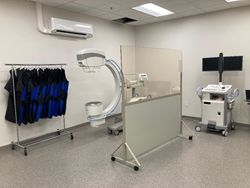
Touchstone Laboratory at Medisend College

This new equipment donated by our friends at Siemens Healthineers will be instrumental in providing students with the opportunity to train on the latest imaging technology available. General Richard B. Myers

Siemens Healthineers has donated new X-ray, ultrasound and clinical laboratory equipment, valued at more than $1,000,000, to Medisend College of Biomedical Engineering Technology to help advance the education and training of US military veterans in the General Richard B Myers Veterans Program. The equipment donated by Siemens Healthineers will be housed in the new Touchstone Imaging Laboratories at Medisend College where students will benefit from the latest imaging technologies.

“Siemens Healthineers enables healthcare providers by empowering them on their journey towards expanding precision medicine. We are proud to partner with General Myers and Medisend College to help train our veterans for professional careers in the healthcare industry as they endeavor to return to civilian life,” said Ron Pellegrini, VP of Siemens Healthineers.

Medisend College has been training veterans and successfully placing them in positions with major healthcare organizations since 2013. The Siemens Healthineers’ relationship with Medisend has played a major role in the college becoming a leading provider of biomedical engineering technology training in the US, playing key advisory roles, offering professional workshops, hiring graduates and donating essential training equipment.

“This new equipment donated by our friends at Siemens Healthineers will be instrumental in providing students with the opportunity to train on the latest imaging technology available. We are grateful to Ron and his team for their consistent support of our mission to provide good jobs and secure financial futures for our veterans,” said General Richard B. Myers, 15th Chairman of the Joint Chiefs of Staff, current president of Kansas State University, and Chairman of the Board of Trustees of Medisend College.

Share article on social media or email:

LabRoots Announces Inaugural Online Virtual Event – Opioid Crisis, Scheduled on November 5th, 2020


Opioid Crisis, November 5, 2020

LabRoots, the leading scientific social networking website, offering premier, interactive virtual events and webinars, today announced its new virtual event, Opioid Crisis to be held on November 5th, 2020. Free to attend, this high-level forum is designed to inform and raise awareness about critical substance use prevention and effective standards of care and showcase innovative strategies and practices to manage the opioid epidemic.

Opioid overdose deaths in the United States have increased dramatically over the past decade and continues to gain national attention. Key academia is actively engaged in this battle to enhance medical education and clinical care to physicians about pain management and substance use disorders (SUDs) to respond to this crisis. This program, bringing together thousands of leaders from industry and academic institutions, research scholars, clinicians, healthcare and behavioral professionals, includes a variety of informative topics such as medications for opioid use disorder, stigma surrounding opioid use disorder, informatics and opioid stewardship, and health system delivery of opioid use disorder treatments.

The full line up of notable speakers will concentrate on many facets of opioid response while exploring buprenorphine induction strategies and comparing traditional and home induction methods and identifying appropriate patient populations for each method, stigma toward medication assisted treatment (MAT) and articulating the components of stigma, understanding the three types of stigma and how stigma can impact social support, the disease state model of substance use disorder and the evidence surrounding common misconceptions regarding substance use disorder, the importance of educating patients and their physicians on opioid use: lessons learned from medical cases, and compliance to pain management test results based in prescriptions and the important pain management medications in use today and the routes of metabolism, and how to interpret pharmacogenomics variances in the genes that encode cytochrome P450 with relevance to pain medication, to round out the day.

An impressive keynote delivery kicks off the event presented by Professor Bertha Madras (the Honorable) titled, ‘The Opioid Crisis: Made in America…Fade in America.’ “Opioid overdose deaths in the United States are approximately nine times higher than in the European Union. The opioid crisis was made in America, but when will it fade in America? Initially catalyzed by misuse of prescription drugs, from 2010 onwards the cause of deaths began to shift with the advent of inexpensive heroin and fentanyl marketed to opioid-seeking populations. The COVID-19 pandemic is fueling this unprecedented crisis, with 2020 predicted to witness at minimum, an 8% rise in drug-related deaths,” said Bertha Madras, Professor of Psychobiology at Harvard Medical School and Director of the Laboratory of Addiction Biology at McLean Hospital. “The LabRoots’ presentation will highlight the complex origins of the crisis, outline the need to reverse engineer initial mistakes in the healthcare system, and describe broadly-based solutions, along with challenges to implementation: rising normalization of drug use, persistent barriers to effective treatment, and COVID-related disruptions of normalcy.”

In addition to the featured expert discussions, a panel presentation: ‘The NIH HEAL Initiative: A Bold Interagency Response to the Opioid Crisis,’ highlights the program schedule describing the Helping to End Addiction Long-TermSM Initiative, or NIH HEAL InitiativeSM, a trans-NIH research effort focused on improving prevention and treatment of opioid misuse and addiction and enhancing pain management. Attendees will learn firsthand how the NIH HEAL Initiative is addressing unmet research needs to curb the opioid crisis and understand the extent of the U.S. opioid epidemic, and how widespread use of prescription opioids and the lack of effective pain treatment fueled the crisis.

“Dealing with opioid addiction is one of the most significant problems the U.S. and the health system faces today, and we are pleased to add this topic of crucial interest to our event schedule this year,” commented Greg Cruikshank, Chief Executive Officer at LabRoots. “LabRoots’ one-stop platform continues to deliver educational sessions to the scientific community while bringing vital issues to the forefront – specifically discussing in depth the history of opioids, addressing the impact of opioid abuse, and defining clinical approaches to treating substance use disorder to aid in managing and reducing the opioid epidemic and improve the health of our communities.”

Produced on LabRoots’ robust platform with the capability to connect across all desktop and mobile devices, the interactive environment encompasses a lobby, auditorium, poster hall, exhibit hall, and networking lounge allowing a complete educational experience for all participants. As an approved provider of continuing education programs in the clinical laboratory sciences by the ASCLS P.A.C.E. Program, LabRoots offers the opportunity to earn 1 Continuing Education Credit per presentation for a maximum of 14 credits.

To register and for more information, click here. Use #LRopioids to follow the conversation!

About LabRoots

LabRoots is the leading scientific social networking website, and primary source for scientific trending news and premier educational virtual events and webinars and more. Contributing to the advancement of science through content sharing capabilities, LabRoots is a powerful advocate in amplifying global networks and communities. Founded in 2008, LabRoots emphasizes digital innovation in scientific collaboration and learning. Offering more than articles and webcasts that go beyond the mundane and explore the latest discoveries in the world of science, LabRoots users can stay atop their field by gaining continuing education credits from a wide range of topics through their participation in the webinars and virtual events.

Share article on social media or email:
Omron releases new E3AS-HL Series CMOS photoelectric sensors with small spot or line beam sensing variations


E3AS

Omron E3AS Series sensors help manufacturers enhance flexibility and minimize maintenance needs by providing stable detection even as objects vary thanks to their CMOS image array technology.

Designed to help manufacturers enhance flexibility and minimize maintenance needs, the E3AS-HL series photoelectric sensors provide stable detection even as objects vary thanks to their CMOS image array technology and the option to use either a line beam or a spot beam model.

Complete automation solutions provider Omron Automation Americas has released a new complementary metal oxide semiconductor (CMOS) photoelectric sensor family, the E3AS-HL Series. Designed to help manufacturers enhance flexibility and minimize maintenance needs, the new sensors provide stable detection even as objects vary thanks to their CMOS image array technology and the option to use either a line beam or a spot beam model.

Stable detection can be challenge on flexible manufacturing lines, given that conventional sensors often require user adjustments to accommodate an object’s uneven shape or even require a change-out when the object’s opacity, color or pattern changes. Omron’s unique sensing technology dramatically reduces the influence of color patterns, glossiness and shape to allow for reliable detection amid changing production requirements.

The E3AS-HL Series also reduces the need for specialized engineering knowledge thanks to its simple teaching mechanism that makes setup quick and easy. Operators can complete the setup process by simply pressing the teach button, while the OLED display provides highly visible and clear status information. The sensors offer a variety of teaching options, including two-point object teaching, background suppression (BGS) teaching, foreground suppression (FGS) teaching and window setting for both FGS and BGS.

E3AS Series benefits include:

  • Stable detection for challenging parts. The E3AS-HL Series provides reliable detection of clear, highly reflective, or differently colored parts by leveraging CMOS technology.
  • Small part detection. Featuring small spot size for 500mm and 150mm sensing distance models, the E3AS-HL Series handles small part detection for most applications.
  • Selective detection. Foreground and background suppression allow for window setting and the differentiation of desired targets from surrounding parts or surfaces.
  • Ease of use. Sensor teaching is simplified with a single teach button as well as IO-Link and is easily read via a bright white OLED display showing set vs. actual detection values.
  • Data at the sensor level. With IO-Link, the E3AS-HL Series can communicate distance values in millimeters and be taught remotely to set detection thresholds. Like previous IO-Link capable sensors, output monitoring is also possible.
  • Robust design. The E3AS-HL sensors are made with SUS316L stainless steel and are suitable for use in harsh environments with IP67 and IP69K ratings.

Industry professionals seeking to learn more about the new CMOS photoelectric sensors are encouraged to visit the E3AS-HL Series product page on the Omron website.

About Omron Automation

Omron Automation is an industrial automation partner that creates, sells and services fully integrated automation solutions that include sensing, control, safety, vision, motion, robotics and more. Established in 1933 and currently headed by President Yoshihito Yamada, Omron’s about 30,000 employees help businesses solve problems with creativity in more than 110 countries. Learn more at automation.omron.com.

Share article on social media or email:

Manage Your Medications During COVID-19 and Flu Season


Medication mismanagement is one of the leading reasons older adults are hospitalized each year. In fact, according to the Centers for Disease Control and Prevention, adults age 65 and older visit emergency departments almost 450,000 times each year due to adverse reactions to medications, more than twice as often as younger persons.

Through a more concerted effort to monitor their prescriptions, seniors can not only protect themselves from serious complications, but also prevent non-COVID-19 hospital admissions and reduce the strain on healthcare systems.

“As the pandemic continues to disrupt our daily habits and spark new challenges, it’s critical we pay close attention to the medications we are taking,” said Lakelyn Hogan, gerontologist and caregiver advocate at Home Instead Senior Care. “It can be very easy to become confused about the medications that have been prescribed, when they should be taken and how often. Even though it can be a difficult subject to discuss, we owe it to our future health to create a regimen today that works for our unique situation.”

A personalized plan to keep track of prescriptions, over-the-counter medications, vitamins and supplements is critical for staying healthy – during the pandemic and beyond. Hogan suggests five practical ways to manage medications during a time of change:


  • Talk with your doctor. With heightened social distancing measures, many older adults are making fewer trips outside the home – even to places like the doctor’s office. But, now more than ever, it’s important to maintain open communication with your doctor to help avert medication problems. Whenever you are prescribed something new, be sure to take note of reactions or side effects and address them with your healthcare provider. Remote or telehealth options – virtual “visits” to the doctor via video chat – can allow you to obtain medical advice without leaving home.
  • Go contactless. Similar to grocery stores and restaurants, many local pharmacies are shifting to no- or low-touch services such as drive-through or curbside pickup, or free home delivery. Explore these new options as convenient, safe alternatives to walking into a crowded pharmacy. They can help you avoid unnecessary risks and exposure to COVID-19.
  • Keep a daily routine. Medication cannot do its job unless it’s properly taken. Establish a safe system to manage your medication and help ensure you’re following instructions. To avoid mishaps, keep a list of key details and instructions. Write down the name of the medication, the dosage, the prescribing doctor, the directions and the pharmacy. Consult your healthcare provider before making changes to the medication you’re taking or adding vitamins or supplements to your routine.
  • Stay organized. A variety of prescriptions and dosages can make it difficult to keep everything straight. Organizers, such as pill boxes or printed trackers, can offer a clear picture of the medications and supplements you have been prescribed, prompt you to request refills and encourage you to stick with a routine. Several varieties of pill boxes exist, such as Simple Meds℠, which can automatically sort medications and package each dose into labeled packets that are mailed to you each month.
  • Ask for help. Feeling overwhelmed or stressed? Ask a trusted friend or family member for support. A loved one could help you review instructions and keep track of upcoming appointments. Consider asking them to join as a second set of eyes and ears during telehealth visits, if you’re worried about missing important details.

Medication has the power to save lives – but only if taken correctly. By setting aside time to create a system that works for you, you can enable yourself to stay healthy and independent for as long as possible.

For more resources and tips, visit https://www.caregiverstress.com/lets-talk-about-rx/.

ABOUT HOME INSTEAD SENIOR CARE

Founded in 1994 in Omaha, Nebraska, the Home Instead Senior Care® franchise network provides personalized care, support and education to enhance the lives of aging adults and their families. Today, the network is the world’s leading provider of in-home care services for seniors, with more than 1,200 independently owned and operated franchises that provide more than 80 million hours of care annually throughout the United States and 13 other countries. Local Home Instead Senior Care offices employ approximately 90,000 CAREGiversSM worldwide who provide basic support services that enable seniors to live safely and comfortably in their own homes for as long as possible. Home Instead Senior Care franchise owners partner with clients and their family members to help meet varied individual needs. Services span the care continuum – from providing personal care to specialized Alzheimer’s care and hospice support. Also available are family caregiver education and support resources.

Visit HomeInstead.com. Connect with us on Facebook and Twitter.

Share article on social media or email:


Benco Dental Chooses Meridian LMS for Their New Learning Center


News Image

“We wanted a learning solution that offered an intuitive user interface for both learners and administrators,” said Andrew Roth, Director, Benco Center of Excellence “We expect our new education offerings, available via Meridian, will help us to increase client engagement and satisfaction.”

Learning technology provider Meridian Knowledge Solutions today announced that Benco Dental has selected Meridian LMS to manage learning for their new customer education program.

Benco Dental is the largest privately owned, full-service distributor of dental supplies, dental equipment, dental consulting & dental equipment services in the U.S. With 50 regional showroom locations and five distribution centers, they serve more than 30,000 dental professionals in all 50 states.

“We wanted a learning solution that offered an intuitive user interface for both learners and administrators,” said Andrew Roth, Director, Benco Center of Excellence “We expect our new education offerings, made available via Meridian, will help us to increase client engagement and satisfaction.”

Benco also selected Meridian for their ease of use and eCommerce capabilities, which will be important as they expand to offer additional learning opportunities over time.

“Corporations that offer robust education programs to clients are realizing the positive effect learning can have on their bottom line,” said Patrick Devlin, Chief Business Development Officer at Meridian. “Improved retention, account expansion and higher levels of customer satisfaction are just a few of the benefits that occur from extending learning beyond employees to buyers, partners and resellers.”

About Benco Dental

Benco Dental, headquartered in Northeastern Pennsylvania, is the largest family-owned dental distributor in the United States, offering a full array of supplies, equipment and services to dentists across the nation. Founded in 1930 by Benjamin Cohen, the company has remained family-owned and focused on its unique mission to “deliver success, smile after smile.” Within the past 88 years, the company has grown from a single downtown location to a national network that includes five distribution centers, and three design showrooms, one at the company’s Pa. headquarters, one in Southern California, and one in Texas. Benco, which has been named one of Fortune Best Workplaces in Health Care and Biopharma for the past three years, one of the NAFE Top Companies for Executive Women for the second consecutive year, and Pennsylvania’s Best Places to Work® for 12 of the past 14 years, is proud to feature a highly skilled team of more than 400 professionally trained sales representatives and over 300 factory-trained service technicians. For more information, visit http://www.benco.com or call 1.800.GO.BENCO.

About Meridian Knowledge Solutions

Meridian’s award-winning learning management system allows organizations, where training is critical to operations to share knowledge, increase revenue streams and manage compliance requirements for their employees, members, customers, partners and resellers.

Meridian has been chosen by leading organizations including U.S. Department of Homeland Security, Johnson Controls, HAI Group, The Society of Actuaries and Kodak Alaris. Meridian is headquartered in the Washington DC metro area.

For more information, visit https://www.meridianks.com or follow @MeridianKS on Twitter.

Share article on social media or email: