Category Archives: Health

What is new in the field of Health. Trending topics, and cutting edge research in the are of Health. Press Releases that give us updates on Health.

New Report Puts Statewide Biohealth Industry Economic Impact at $32B


The report highlights the immense growth opportunity for Wisconsin’s vibrant and dynamic biohealth industry, and its role in being a crucial driver in the state’s economic growth.

BioForward Wisconsin, the collective voice of Wisconsin’s robust and comprehensive biohealth cluster representing more than 220 member organizations, shared results of the Wisconsin Biohealth: Industry Landscape and Economic Impact Reporthttps://www.bioforward.org/wp-content/uploads/2022/10/TEConomy-Wisconsin-BioForward-Report-webready.pdf which highlights the statewide biohealth industry as a leading economic growth and innovation driver for Wisconsin.

According to the report, prepared by TEConomy Partners, LLC, a global leader in research, analysis, and strategy for innovation-based economic development, Wisconsin’s biohealth industry is leading the state out of the economic challenges of the pandemic years, outpacing other major state industries with strong high-wage job growth that is generating significant economic impacts throughout the state.

Among the highlights from the third-party report are:


  • Economic Impact: The total state economic impact contribution by the biohealth industry is $32 billion in direct, indirect, and induced sources, as well as $1.2 billion in state and local taxes.
  • Jobs: Wisconsin’s biohealth research organizations, manufacturers, digital health, and distribution companies directly employ nearly 52,000 individuals, and have seen 10.6 percent job growth since 2018, significantly outpacing the state’s overall job growth of negative 2.7 percent. This employment supports approximately 77,000 additional jobs, leading to the full biohealth job impact reaching nearly 129,000 jobs throughout the State of Wisconsin.
  • Wages: The high-quality jobs generated across the biohealth industry pay approximately $96,000 annually on average (70 percent above overall industry average in Wisconsin) reflecting the high value-adding activities and skilled workforce deployed across scientific research and development, manufacturing, sales, distribution, and other key roles.
  • Funding: Wisconsin-based institutions and organizations received $554 million in National Institutes of Health funding in 2021 (an increase of 19 percent since 2018). Additionally, venture capital and angel investments in Wisconsin’s biohealth industries totaled a new high of $191 million in 2021 (an increase of 49 percent from the average levels of investment seen in the prior three years). Also, Wisconsin biohealth companies received Small Business Innovation Research (SBIR) and Small Business Technology Transfer (STTR) awards totaling nearly $46.8 million between 2018-2021.
  • Research & Development Innovation: Wisconsin benefits by having an especially large and leading university Research & Development (R&D) engine, which in 2019 and 2020 surpassed $1 billion in annual expenditures. Biohealth-related R&D in Wisconsin has outpaced the U.S. in growth since 2018.
  • COVID-19 Impact: The report specifically emphasizes the COVID-19 pandemic’s effect on the state’s biohealth industry stating, “During the core pandemic years in 2020 and 2021, most of Wisconsin’s biohealth industry continued to grow. Driving much of the gains was the biomedical research and testing subsector, which ramped up its employment base by 22 percent; drugs and pharmaceuticals had 16 percent job growth, and biomedical distribution rose by nearly 5 percent.”
  • Regional Footprint: While primarily concentrated in the Madison and Milwaukee regions, Wisconsin’s biohealth industry is broad-based, spanning several regions across the state, including developing clusters in in Green Bay, Sheboygan, Eau Claire, and La Crosse.

“The report highlights the immense growth opportunity for Wisconsin’s vibrant and dynamic biohealth industry, and its role in being a crucial driver in the state’s economic growth,” said BioForward CEO Lisa Johnson. “This strong growth, high wages, expanding career opportunities, and impressive innovation in the biohealth sector are just what the state needs amidst current economic challenges and headwinds.”

“Considering the entirety of the biohealth industry and its robust ecosystem, the report displays how Wisconsin is advancing with progress across every measure from 2018, and seeing strong levels of activity,” Johnson continued. “This sector continues to be a key economic and innovation driver for the state, leading Wisconsin out of the challenges of the pandemic years, outpacing other major state industries with strong, double-digit and high-wage job growth.”

The report’s authors also noted that the state’s biohealth industry is, “critical to the Wisconsin economy, and the state needs this industry now more than ever – not only to contribute its significantly high wages and outsized economic impacts, but also to solve intra-state and broader global health and quality of life challenges.”

The report was funded by BioForward Wisconsin and industry partner Wisconsin Economic Development Corporation.

About BioForward

BioForward Wisconsin is the collective voice of Wisconsin’s robust and comprehensive biohealth cluster, representing more than 220 member organizations across an integrated network of health solution leaders, including research institutions, biotech and biopharma, digital health, medical device and diagnostics, and healthcare institutions. It is an action-oriented association that focuses on initiatives to strengthen the state’s talent pipeline; collaborations to develop supply chain partnerships; educational and networking events to enhance professional development; and legislative advocacy to highlight the economic and social impact of the biohealth industry on the state, nation, and world. Learn more about BioForward Wisconsin at http://www.bioforward.org.

Share article on social media or email:
Neuralert Technologies Stroke Detection Wristband Achieves Minimum Viable Product Status


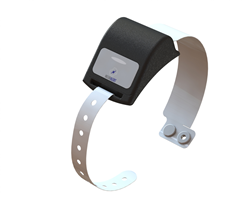
Neuralert will be the first, non-invasive, continuous wearable monitor that automates stroke detection, and will lead to more patients getting proven treatments, faster.

“With the delivery of working wristband devices and development of the software that utilizes our stroke detection algorithm, we are extremely proud to have achieved this major milestone,”said Eric Corkhill, Neuralert CEO.

Neuralert Technologies, makers of a lightweight, non-invasive wristband device that automates stroke detection and alerting, has announced that it has achieved Minimum Viable Product (MVP) status. To achieve this milestone, recently developed purpose-built wearable devices are now combined and working in conjunction with its patented algorithm and alerting software, completing the functional arc of stroke detection, data analysis, and medical staff alerting.

One of the hallmark indicators of stroke is asymmetrical arm movement (e.g., weakness, neglect or less movement on one side). Neuralert’s device can detect the onset of asymmetric movement in as little as fifteen minutes even if the wearer is asleep. The stroke detection devices require no time wasting baseline development, greatly speeding stroke detection, assessment, and treatment, which can saves lives, improve outcomes, and helps enable patients to continue to live full and independent lives.

“Our mission is to end the devastation caused by a stroke that is not detected in time for effective treatment,” said Eric Corkhill, Neuralert CEO. “With the delivery of working wristband devices and development of the software that utilizes our stroke detection algorithm, we are extremely proud to have achieved this major milestone. Neuralert will be the first, non-invasive, continuous wearable monitor that automates stroke detection, and will lead to more patients getting proven treatments, faster.”

Neuralert’s mission is to accelerate the treatment for stroke via faster detection and automated alerting. One out of four people living today will have a stroke, making it the No.1 cause of long- term severe disability and the No. 5 cause of death. Recent advances in treatment have led to remarkably improved outcomes from stroke …but only if discovered in time. Delays in stroke identification result in lower likelihood of receiving time critical treatment resulting in worse outcomes and even death. In the hospital, identifying stroke symptoms is challenging, as patients are bed bound and/or sedated, making strokes harder to detect, and nurses are not able to assess patients frequently enough to insure that it is identified in time for treatment. Neuralert constantly monitors for stroke and automates an alert resulting in a faster stroke detection process than manual methods used today. Neuralert has undergone rigorous studies which have shown that the device is able to detect stroke in as quickly as 15 minutes. Reduction in stroke detection time will save patient lives, improve outcomes, and reduce hospital costs and liability.

“We are thrilled that Neuralert has achieved Minimum Viable Product status.” said Steven Messé, MD, Neuralert Co-Founder. “Our device represents a breakthrough in technology that offers significant advantages over current alternatives. Stroke is a terrible disease which causes death and major long-term disability, so being able to detect it at a stage when it is most treatable is incredibly exciting, as there will be a tremendous benefit for both patients and their families.”

About Neuralert Technologies:

Founded in 2019 as a spin-out from the University of Pennsylvania, Neuralert Technologies’ mission is to transform the method of monitoring for stroke symptoms in hospitalized patients. By combining lightweight, non-invasive, wearable devices with a patented algorithm, the Neuralert system constantly monitors patients for stroke symptoms and automatically alerts hospital staff when detected. Neuralert’s device speeds treatment, saves lives, and improves outcomes. Neuralert Technologies is headquartered in Philadelphia, Pennsylvania. For more information, please visit https://www.neuralert.co/.

Follow us on social media at:

Twitter: https://twitter.com/neuralert

Facebook: https://www.facebook.com/Neuralert

LinkedIn: https://www.linkedin.com/company/74542407/admin/

Share article on social media or email:


Renal Support Network Introduces New Resources to Address Data Challenges to Organ Donation


“While it’s true for everyone that knowledge is power, for people who need an organ transplant, knowledge can be lifesaving,” says Lori Hartwell, RSN President and Founder and four-time kidney transplant recipient.

Today, Renal Support ­­Network (RSN) launched “Kidney Donations Save Lives,” a new resource designed for people seeking kidney transplants and people who want to learn about organ donation.

The new resource comes as the U.S. surpasses 1 million organ transplants, a milestone that comes at a critical time for Americans still desperately waiting for an organ. Kidneys are the organ that is most in demand. And navigating kidney donation can be daunting for prospective donors as well as for those who have kidney failure.

When people are seeking a kidney transplant, it can be difficult to find all the information they need to navigate their illness and the transplant process. RSN’s new Tableau dashboard, “Kidney Donations Save Lives,” makes it easier for patients, families, and friends to understand the options.

The user-friendly dashboard presents data about kidney transplants, on both the national and state levels. With an interactive map, people can click on their state to see information about each transplant center. The dashboard shows how many people are active on the waiting list in your geographical area, what type of solid organ donation transplants each center performs, and the number of kidney transplants done by each hospital.

“While it’s true for everyone that knowledge is power, for people who need an organ transplant, knowledge can be lifesaving,” says Lori Hartwell, RSN President and Founder and four-time kidney transplant recipient. “People on the transplant wait list need to know just because they are on the list, doesn’t mean that they are ‘active.’

Almost half of people on the list are ‘inactive’ due to follow-up tests required, the lack of a post-surgery caregiver, or a financial or medical issue they need to resolve before being put back on the ‘active’ list. RSN pairs the data with actionable ways to help people advocate for themselves to become ‘active’ on the wait list.

The Tableau dashboard was created by four volunteers: Mark Shulman, Sarah Kerr, Cambria Brown, and Jared Sathaye. Together, they dedicated hundreds of hours to cleaning and connecting the data while working with the RSN team to present everything in a user-friendly format. The project held special personal meaning for Mark Shulman, a living kidney donor who spearheaded this project.

“To convey the importance of my upcoming kidney donation to my then 11-year-old son, I said, ‘If you could save your best friend Thomas by giving something you had two of, you would do it, right’,” said Mark Shulman, Kidney Donor and Senior Product Manager, Tableau at Salesforce. “Swaying my partner, required more convincing. I shared hard data about the procedure’s safety, near zero risk to my health, and the average hospital stay of only a few nights. The data helped her overcome her fear. It’s been nine years since I donated to my best friend and since then, I don’t even notice I’m missing a kidney. And I get the pleasure of seeing my best friend raise his family and not have to rely on a dialysis machine to live.”

“After my personal experience, it dawned on me that raising awareness about the criticality of donating an organ, whether during or after life, could only be addressed through a combination of hard data and wonderful human stories of generosity and resilience,” Shulman said.

Kidney transplants have a high success rate; they save lives, but awareness still lags, and need is soaring. The “Kidney Donations Save Lives” dashboard is designed to help people who want to know about the process, better understand the need, and see how lives are being saved by the generosity of others.

About Renal Support Network

Renal Support Network (RSN) is a nonprofit patient organization that was founded in 1993 by Lori Hartwell, a kidney disease survivor since 1968. RSN strives to help those who are newly diagnosed with CKD or on dialysis, as well as kidney transplant recipients. RSN’s goal is to empower people who have kidney disease to become knowledgeable about their illness, proactive in their care, hopeful about their future and make friendships that last a lifetime. Hartwell suffered kidney failure at the age of two, survived 50-plus surgeries and 13 years of dialysis, and is now living with her fourth kidney transplant. She knows from firsthand experience the difficulty of navigating the myriad emotions that arise from dealing with the disease, and the importance of being engaged in one’s own care.

Share article on social media or email:
Healthcare Management Solutions, LLC (HMS) Awarded Contract by State of Minnesota to Conduct Surveys


News Image

We are elated and honored to have been selected by the State of Minnesota for this work. All Minnesotans deserve quality long-term care, and these surveys, reviews and investigations will help protect vulnerable populations throughout the state. -HMS President Leah Heimbach

The State of Minnesota, Minnesota Department of Health, has awarded Healthcare Management Solutions, LLC (HMS) a contract to conduct long-term care recertification surveys, review emergency preparedness tags, and conduct complaint investigations.

“We are elated and honored to have been selected by the State of Minnesota for this work,” said Leah Heimbach, President of HMS. “All Minnesotans deserve quality long-term care, and these surveys, reviews, and investigations will help protect vulnerable populations throughout the state.”

Recertification surveys are required by the Centers for Medicare and Medicaid Services (CMS) for all certified nursing homes. HMS is supporting the State of Minnesota, Minnesota Department of Health by ensuring healthcare facilities meet certification standards, are prepared in case of emergency, and are addressing complaint investigations.

“This contract in Minnesota is perfect for our highly skilled HMS surveyors, who will use their expertise along with our technology and long-term care survey tools to help keep long-term care residents safe,” added Heimbach.

About Healthcare Management Solutions, LLC

HMS protects vulnerable populations and veterans. We blend our unique healthcare and technology expertise to create bold, yet cost-effective solutions that federal and state agencies and our private-sector partners need to make sure your loved ones get the best possible care in nursing homes and other healthcare settings, no matter where in America they live.

Share article on social media or email:

ETS and MetaMetrics Partner to Close the Reading Skills Gap for U.S. Students, Widened by the COVID-19 Pandemic


News Image

“Now we are bringing the Lexile Framework — the world’s most used reading metric — to U.S. classrooms through ReadBasix to provide teachers with support to assist in closing reading gaps for students in grades 3 through 12.”

Today, ETS and MetaMetrics announced their new collaboration aimed at closing the literacy gap among U.S. students in grades 3 through 12 which was exacerbated by the COVID-19 pandemic. Literacy tests for the ETS ReadBasix™ Assessment will be linked to the widely adopted Lexile® Framework for Reading, an independent, evidence-based approach to pair students with books and materials at their reading level. The connection of these tools will assist educators in improving students’ literacy skills, which for many children were negatively impacted by disruptions to their education caused by the pandemic.

“Now we are bringing the Lexile Framework — the world’s most used reading metric — to U.S. classrooms through ReadBasix to provide teachers with support to assist in closing reading gaps for students in grades 3 through 12,” said Vince Dean, Executive Director of K12 Assessments at ETS. “This tool will help educators identify students who are struggling with basic reading skills and provide them with detailed information to enable targeted intervention to help more students read on grade level.”

The 2022 National Assessment of Education Progress (NAEP) showed the most dramatic drop in student reading scores in three decades, further demonstrating the critical need for innovative assessment intervention more than ever before. Beginning next school year, teachers who use ReadBasix with their students will be able to use the Lexile measures to track student progress toward reading on grade level to accelerate student literacy skill growth to help close the persistent literacy gap.

“While the reading crisis didn’t start with the pandemic, student skills are currently at alarmingly low levels across all demographics,” said Malbert Smith, CEO and co-founder, MetaMetrics. “By collaborating with an industry leading organization, such as ETS, to grow their use of Lexile measures, we are giving more teachers the tools needed to help their students accelerate their reading skills and get back on the path to success.”

When students read materials at their Lexile level, they are appropriately challenged, which helps them to grow as readers. More than 100 million books, articles and websites use Lexile text measures.

For more information about Readbasix including Lexile scores please visit ReadBasix Assessment.

About ETS

At ETS, we advance quality and equity in education for people worldwide by creating assessments based on rigorous research. ETS serves individuals, educational institutions and government agencies by providing customized solutions for teacher certification, English language learning, and elementary, secondary and postsecondary education, and by conducting education research, analysis and policy studies. Founded as a nonprofit in 1947, ETS develops, administers and scores more than 50 million tests annually — including the TOEFL® and TOEIC® tests, the GRE® tests and The Praxis Series® assessments — in more than 180 countries, at over 9,000 locations worldwide. http://www.ets.org

About MetaMetrics

MetaMetrics is an award-winning education technology organization that offers the only scientifically valid, universal scales for measuring silent and oral reading and listening (Lexile) and math (Quantile) with plans to develop measures for writing. The Lexile and Quantile Frameworks measure student ability and the complexity of the content they encounter. Lexile and Quantile measures and related technologies link assessment to instruction and provide next steps for students of all ages and abilities. The measures also provide valuable insights about students’ potential for growth. MetaMetrics’ measures, products and services are licensed to dozens of education product companies to help achieve that growth. For 35 years, MetaMetrics’ work has been increasingly recognized for its research-based approach to improving learning. For more information, visit https://metametricsinc.com/.

Share article on social media or email:
Newly Discovered Essential Fatty Acid Has Anti-Cancer Activities


News Image

A growing body of science supports that pentadecanoic acid, also called C15:0, is an essential fatty acid that our bodies require to maintain physiological health. While numerous studies have linked C15:0 to a lower risk of developing type 2 diabetes, heart disease, and liver disease, early research shows that C15:0 may have the potential to fight cancer.

As published in PLOS ONE, C15:0 effectively decreased proliferation of cells in systems modeling cancer and tumor development. Moreover, clinically-relevant activities of C15:0 at the highest dose closely matched those of two common anti-cancer therapeutics, gemcitabine and paclitaxel. Gemcitabine, which can be paired with paclitaxel, is currently used as a broad chemotherapy treatment for breast cancer, non-small cell lung cancer, ovarian cancer, and pancreatic cancer.

Dr. Stephanie Venn-Watson, CEO and Co-Founder of Seraphina Therapeutics and lead author of this study shared, “These results, while early, are exciting. C15:0 continues to demonstrate broad benefits to support our long-term health, now including the potential to stem certain types of cancer.” Venn-Watson continued, “We are especially encouraged by C15:0 anti-cancer findings being reported by multiple independent research teams.”

Consistent with these findings by Venn-Watson, a study by a second team showed that C15:0 stopped growth of breast cancer cells. As published in Nutrients, C15:0 suppressed cancer cell migration and decreased the invasiveness of these cells. Most recently, a third team combined gemcitabine with C15:0 and demonstrated that this combination stopped proliferation of nine different cancer cell lines. In their models, gemcitabine combined with C15:0 had more effective antitumor activities than gemcitabine alone, while maintaining a strong safety profile.

The effectiveness of C15:0 may be due to its demonstrated role as an inhibitor of histone deacetylase 6, which has been proposed as a means to treat certain types of cancer.

Given consistent results across multiple studies, C15:0 has been proposed as a nutrient to support people undergoing cancer treatments. More research is needed, however, to fully understand C15:0’s potential role alongside cancer treatments.

C15:0 is a trace nutrient present in whole fat dairy products, as well as some types of fish and plants. As an odd-chain saturated fatty acid, the emerging health benefits of C15:0 directly challenge the long-held belief that people should avoid all types of saturated fats. During 2020, Venn-Watson published a l andmark paper in Nature’s Scientific Reports that demonstrated how C15:0 was meeting the criteria of being the first essential fatty acid to be discovered since omega-3 and omega-6, which was over 90 years ago.

To date, over 50 peer-reviewed studies from prestigious research teams, including Harvard University, Johns Hopkins University, and Kaiser Permanente, have linked higher C15:0 in humans to better metabolic, heart, liver, and immune health. Some studies have shown that people with higher circulating C15:0 live longer. Due to its role as an essential fatty acid, a leading hypothesis is that nutritional C15:0 deficiencies may be driving the global pandemics of type 2 diabetes, heart disease, and fatty liver disease, especially among younger people.

“There is a need to revisit dietary guidelines to differentiate between good and bad saturated fats,” said Venn-Watson, “The latest findings of C15:0’s potential role in stemming certain types of cancer makes this need that much more urgent.”

###

About Seraphina: Seraphina Therapeutics, Inc. is a health and wellness company dedicated to advancing global health through the discovery of essential fatty acids and micronutrient therapeutics. Through rigorous breakthrough science, the company develops pure and essential nutrients to support cellular health and counter age-related breakdown. With its team of industry-leading scientists, Seraphina Therapeutics challenges long-held approaches to nutrition, enabling the creation of novel health products designed to support quality of life. The company is a spinout of Epitracker, Inc., headquartered in San Diego. For more information, please visit DiscoverC15.com and fatty15.com.

Share article on social media or email:

Julie Simpkins of Gardant Management Appointed to NCAL Board of Directors


Julie Simpkins

“I enjoy working alongside other senior living leaders in an effort to impact and influence positive change and provide access to those in need of assisted living services. Working with the NCAL board of directors will allow me to contribute in a broader aspect.”

The Indiana Health Care Association and the Illinois Health Care Association are pleased to congratulate Julie Simpkins, chief operating officer for Gardant Management Solutions, on her appointment to the National Center for Assisted Living’s (NCAL) Board of Directors for the 2022-2023 term.

Gardant Management Solutions has been a longstanding member of Indiana and the Illinois Health Care Association and we are so pleased to have Julie represent both states at the national level.

Simpkins has more than 30 years of experience in the senior living industry, extraordinary professional accomplishments and relentless passion for our field. Julie has held several leadership positions including serving on the IHCA/INCAL board, serving as the NCAL State Leader Chair and as a member of NCAL Finance and Regulatory committee.

“I enjoy working alongside other senior living leaders in an effort to impact and influence positive change and provide access to those in need of assisted living services. Working with the NCAL board of directors will allow me to contribute in a broader aspect.” said Simpkins.

“We are humbled by Julie’s exceptional commitment to the profession and are thankful for her leadership and tireless advocacy for Indiana’s long-term care providers,” said Paul Peaper, president of IHCA/INCAL. “We’ve been fortunate to benefit from Julie’s leadership at the state level and can’t wait to see her make a strong positive impact at the national level as well.”

“Julie’s passion and dedication to senior living is remarkable,” said Matt Hartman, executive director of the Illinois Health Care Association. “Her leadership and experience are great assets for the NCAL board as she continues to help move the needle on important issues within the long term care industry.”

On behalf of the entire team at the IHCA/INCAL and IHCA, we congratulate Julie on her appointment to the NCAL board.

About IHCA/INCAL

IHCA/INCAL is the state’s largest trade association and advocacy group representing for-profit and not-for-profit nursing homes, as well as assisted living communities and independent living. The association provides education, information, and advocacy for health care providers, consumers, and the workforce on behalf of its more than 480+ member facilities.

About IHCA

The Illinois Health Care Association is a non-profit organization comprised of more than 450 licensed and certified long term care centers and programs throughout the state. Its members are comprised of proprietary and non-proprietary facilities which represent skilled, intermediate, developmentally disabled, skilled pediatric, assisted living, supportive living and sheltered levels of care. IHCA seeks to promote the highest standard of services in facilities and programs for the elderly and physically and mentally challenged. For more information about the Illinois Health Care Association, visit ww.ihca.com.

Share article on social media or email:

Salesian Missions sends critical shipment of medical and food aid


“We appreciate this new partnership with Matter, which has enabled us to get critical medical supplies to places in need in Ukraine,” said Father Gus Baek, director of Salesian Missions.

UKRAINE: Salesian Missions sends critical shipment of medical and food aid

Donations impacted more than 1,000 people.

Salesian missionaries in Ukraine have medical supplies and rice-meals to aid people thanks to donations secured and shipped by Salesian Missions, the U.S. development arm of the Salesians of Don Bosco. Salesians living and working in Ukraine* have remained in their centers and churches where they are helping families with shelter, support, and nutrition. The donations impacted more than 1,000 people.

The medical supply donation was provided by Matter, an organization that provides valuable corporate surplus to the places and people who need these life-saving resources the most. The medical supplies were provided to the Daughters of Mary Help of Christians of the Eastern Rite in Ukraine and then dispersed to the Salesian community in Zhytomyr, among other sites. The supplies are being used in local hospitals and for people in need.

Katie Johnson, director of global health initiatives at Matter, said, “The team at Salesian Missions is doing wonderful work and Matter is honored to partner with such a special organization. We are grateful for organizations like Salesian Missions that allow us to be a small part of bringing these life-saving devices to those who need them most.”

“We appreciate this new partnership with Matter, which has enabled us to get critical medical supplies to places in need in Ukraine,” said Father Gus Baek, director of Salesian Missions. “Salesian organizations around the globe have come together to help support Salesians in Ukraine who are working with people displaced inside the country. This support is essential, especially now, when the warehouses of food and medicines in Ukraine are empty. The needs of people are increasing.”

Along with the medical supply shipment, Salesian Missions also sent a container of rice-meals from Feed My Starving Children, a nonprofit Christian organization committed to “feeding God’s children hungry in body and spirit.” The food is destined for poor residents of towns and villages in eastern Ukraine, where food is needed most.

In addition to these efforts, soon after the war started, Salesian Missions launched a Ukraine Emergency Relief Fund that is helping to provide shelter, nutrition and supplies to refugees in need. This fund is among other fundraising efforts that Salesians in more than 130 countries are doing in support of Salesians on the front lines of this crisis.

###

About Salesian Missions USA

Salesian Missions is headquartered in New Rochelle, NY, and is part of the Don Bosco Network—a worldwide federation of Salesian NGOs. The mission of the U.S.-based nonprofit Catholic organization is to raise funds for international programs that serve youth and families in poor communities around the globe. The Salesian missionaries are made up of priests, brothers and sisters, as well as laypeople—all dedicated to caring for poor children throughout the world in more than 130 countries and helping young people become self-sufficient by learning a trade that will help them gain employment. To date, more than 3 million youth have received services funded by Salesian Missions. These services and programs are provided to children regardless of race or religion. For more information, go to SalesianMissions.org.

Contact:

Hannah Gregory

media@salesianmissions.org

914-960-4642 (text messages OK)

Twitter: @MissionNewswire

Newswire: MissionNewswire.org

Press room: SalesianMissions.org/press

Newswire: MissionNewswire.org

Press room: SalesianMissions.org/press

Share article on social media or email:

Detection of COVID-19 Viral RNA in Wastewater as a Simple and Sensitive Method of Outbreak Detection in Large Populations, Upcoming Webinar Hosted by Xtalks


Due to highly automated procedures, all laboratory techniques are simple to use and can be performed by laboratory personnel with minimal training, and a turnaround time of a few hours.

During recent months, monitoring COVID-19 viral RNA in wastewater has been proposed as a method of detecting local outbreaks and has been implemented in several municipalities.

The advantages of this testing scheme are obvious: High test frequency (e.g., daily) monitoring of large populations; Elimination of reliance on individuals’ compliance; No underestimation of incidence; And cost reduction by establishing central testing points.

The global process and laboratory automation supplier Endress+Hauser, offers instrumental solutions for the entire workflow of detecting COVID-19 RNA in wastewater. An automatic wastewater sampler from the Endress+Hauser Liquistation product line is used to collect samples in defined time intervals. Viral RNA is then extracted and enriched on a membrane filter, which can be performed on site, and the filter is submitted to a laboratory for PCR-detection.

Analytik Jena, the laboratory division of Endress+Hauser, offers equipment and reagents for the extraction and purification of viral RNA, the preparation of purified samples for PCR analysis, as well as PCR thermal cyclers for simultaneous processing and analysis of up to 384 samples. All equipment used is scalable from single-sample processing up to an ultra-high throughput of thousands of samples per day.

This complete solution offers municipalities and industrial sites a unique turnkey solution from a single vendor, covering the entire workflow from sampling to detection and evaluation, for the early detection of local viral outbreaks. Due to highly automated procedures, all laboratory techniques are simple to use and can be performed by laboratory personnel with minimal training, and a turnaround time of a few hours.

The instrumentation used is based on an open platform concept, allowing high flexibility in the choice of third-party reagent kits. This also means that the system can easily be adapted to different pathogens, e.g., Salmonella, Listeria, or the currently emerging monkeypox.

Join Bretton Smith, MBS, Senior Field Applications Scientist, Analytik Jena US, for the live webinar on Wednesday, November 9, 2022, at 10am EST (4pm CET/EU-Central).

For more information, or to register for this event, visit Detection of COVID-19 Viral RNA in Wastewater as a Simple and Sensitive Method of Outbreak Detection in Large Populations.

ABOUT XTALKS

Xtalks, powered by Honeycomb Worldwide Inc., is a leading provider of educational webinars to the global life science, food and medical device community. Every year, thousands of industry practitioners (from life science, food and medical device companies, private & academic research institutions, healthcare centers, etc.) turn to Xtalks for access to quality content. Xtalks helps Life Science professionals stay current with industry developments, trends and regulations. Xtalks webinars also provide perspectives on key issues from top industry thought leaders and service providers.

To learn more about Xtalks visit http://xtalks.com

For information about hosting a webinar visit http://xtalks.com/why-host-a-webinar/

Contact:

Vera Kovacevic

Tel: +1 (416) 977-6555 x371

Email: vkovacevic@xtalks.com

Share article on social media or email:
Apollo’s Digital Pathology Solution arcc® Implemented at Temple University Health System


arcc for Pathology provides Temple Health with a solution that increases laboratory productivity and offers our Pathologists a high degree of flexibility in how Pathology imaging and related case information are managed and viewed enterprise-wide

Apollo, the leading provider of enterprise imaging and clinical multimedia management solutions, today announced that it has successfully deployed its Digital Pathology and enterprise imaging solution, arcc®, to support the management of Digital Pathology at Temple University Health System.

arcc for Pathology includes a focused workflow solution for Pathology to centrally and securely manage pathology images and their associated metadata. arcc provides a secure, web-based platform for remote telepathology consultations including live, remote microscopic viewing, multi-specialty collaboration, and enables device acquisition flexibility.

“arcc for Pathology provides Temple Health with a solution that increases laboratory productivity and offers our Pathologists a high degree of flexibility in how Pathology imaging and related case information are managed and viewed enterprise-wide,” said Christopher Burks, AVP, Laboratory Operations, Pathology & Laboratory Medicine, at Temple Health.

“We are honored and excited to be implemented at Temple Health with our arcc for Pathology solution,” said Mark Newburger, Apollo President and CEO. “As the Apollo Repository for Clinical Content, arcc, provides health systems and Pathology lab clinicians with access to its enterprise imaging solution, arcc, to support the workflows and management of Digital Pathology imaging to deliver positive care outcomes in a more efficient manner.”

About Apollo

Apollo is a healthcare IT company with a reputation for delivering quality Enterprise Imaging solutions that address both clinical multimedia workflow management needs and vendor neutral storage requirements. Apollo’s Enterprise Imaging solution, arcc, provides a holistic longitudinal view of all patient data and focuses on clinical workflows, interoperability, and connectivity so that every department throughout the enterprise can securely acquire, view, manage, store, and access all clinical content for “one patient view” through one platform. Used successfully in hospitals across the United States and Canada for over 28 years. Visit https://www.apolloei.com/ to learn more.

Share article on social media or email: