Category Archives: Health

What is new in the field of Health. Trending topics, and cutting edge research in the are of Health. Press Releases that give us updates on Health.

The 411 when you’re feeling a 911 regarding your breast implants


“We are definitely seeing a marked increase in the number of requests for evaluation of patients with concerns about their breast implants as awareness of breast implant illness has increased.”

There are many women who have breast implants that present with a broad array systemic complaints such as: joint pain, hair loss, fatigue, cognitive dysfunction (brain fog, memory loss), aching muscles, dryness throughout the body, skin rashes, recurring infections, gastrointestinal and digestive issues, problems with the thyroid and adrenals.

Tip #1:

This constellation of symptoms and the presence of breast implants have been described as breast implant illness (BII). To date there is no specific test that can be performed to diagnose breast implant illness. An excellent review on this topic can be found on the American Society for Aesthetic Plastic Surgery website (https://www.surgery.org/sites/default/files/downloads/BII-Talking-Points-FINAL-1.15.19.pdf).

Tip #2:

For many patients with the combination of these symptoms and breast implants warrants removal of the implants and the complete capsule around the implants: a so-called en-bloc capsulectomy. The en-bloc capsulectomy essentially involves the removal of the capsule and breast implant intact in an effort to remove all of the silicone material without any further exposure to the body.

Tip #3:

An en-bloc capsulectomy cannot always be performed. Patients need to understand sometimes there are some technical limitations in the ability to perform an en-bloc capsulectomy. In order to completely remove the implant without opening the capsule a wide exposure is required. This means that likely a larger incision will be required to remove the implant and capsule than was necessary to place the implant. If the initial implant was placed through an incision around the areola or in the axilla (armpit) an en-bloc capsulectomy will likely not be able to be performed using the initial incision. There are other technical considerations where the capsule is adherent to nerves or where the capsule is adherent to the chest wall with possible collapse of the lung and in such cases a segment of the capsule may have to be left behind. Dr. Sundine performs the en-bloc capsulectomy as shown below. The implant on the right shows the capsule opened with an intact textured implant removed from the capsule. Dr. Sundine has been performing breast implant removal with total capsulectomy since 1992.

Tip #4:

It should be noted that Breast Implant Illness should not be confused with Breast Implant Associated-Anaplastic Large Cell Lymphoma (BIA-ALCL). BIA-ALCL is a rare lymphoma that has developed in association with textured breast implants. This rare cancer occurs in approximately 1:3,000-1:80,000 patients. The actual incidence is not known at this time. Patients who typically develop BIA-ALCL have symptoms of breast enlargement, hardening, a breast mass, a skin rash, or fluid collection developing around the breast. Patients who are having these symptoms in association with a breast implant should follow up with their surgeon. They will likely require an imaging study such as an ultrasound or an MRI. If fluid or a mass is found a biopsy or fluid aspiration will be necessary and the tissue will be sent for specific laboratory studies.

Tip #5:

Removal of the breast implants with en-bloc capsulectomy and associated procedures are performed on an outpatient basis at an outpatient surgery center or outpatient hospital. The procedure is performed under a general anesthetic to maximize patient comfort utilizing board certified anesthesiologists.    

Tip #6:

It is important for patients to remember that following removal of the implant and capsulectomy your breasts will be deflated and the skin may be loose. There may be a concavity (sunken area) in the center of the breast. Many patients will require a mastopexy (breast lift) to lift the nipple-areola complex and also to tighten the skin. Some patients may want to improve the projection and we perform this using a circum-mammary ligament repair along with the addition of fat grafting to the breast in an attempt to restore the volume of the breast.

Tip #7:

In some cases where there is a documented breast implant rupture (by MR scan, ultrasound, or mammogram) associated with a capsular contracture the procedure has been covered by the patient’s insurance. This coverage varies widely and patients should check with their insurance company as to whether the procedure will be covered.

Share article on social media or email:

The Dentists at Belle Meade Family Dentistry Provide Invisalign® Invisible Braces to Nashville, TN


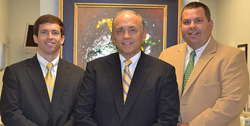
Drs. James Pace Jr., James Pace Sr., and Temp Sullivan, Invisalign® Dentists

The Dentists at Belle Meade Family Dentistry Offer Invisalign® Invisible Braces in Nashville, TN

For Invisalign®, the dentists utilize advanced technology, including digital intraoral scanners and 3D software, to digitally construct the aligner models.

Patients in need of orthodontics to straighten crooked teeth can receive modern Invisalign® braces from Belle Meade Family Dentistry. Invisalign is a tooth alignment solution that utilizes invisible braces to straighten teeth, so patients can benefit from not needing metal brackets or wires. One of the many forms of advanced technology offered at this Nashville, TN practice, Invisalign is favored by many patients seeking both functional and aesthetic tooth alignment.

Invisalign works to straighten teeth by using clear, customized aligners that patients wear for 20-22 hours a day. These aligners are uniquely designed for each patient by the dentists at Belle Meade Family Dentistry, with the goal of slowly adjusting the position of teeth. Every one to two weeks, patients are instructed to switch aligners for a new set that adjusts the teeth slightly more into the correct position. Since the aligners can be removed, patients are able to eat their favorite foods without restriction and keep their teeth clean by brushing and flossing without interference of metal wires and brackets. The material is made from a comfortable, clear plastic, so while Invisalign is being worn, the aligners are virtually unable to be seen in the mouth. These invisible braces are often used by adults and teens alike for their numerous advantages.

Invisalign invisible braces can straighten a variety of bite imperfections, including:


  • Open bite and crossbite
  • Spaces between teeth
  • Crooked, misaligned teeth
  • Overbite or underbite

This practice stays up to date with the latest technology to better serve patients in a variety of treatments. For Invisalign, these dentists utilize advanced technology, including digital intraoral scanners and 3D software, to digitally construct the aligner models. Additional technology found in this practice includes 3D cone beam imaging, dental lasers, and needle-free anesthesia options. In addition to cutting-edge cosmetic dentistry, Belle Meade Family Dentistry offers leading tooth replacement solutions, including dental implant placement and restoration. With the use of this advanced technology, the dentists at Belle Meade Family Dentistry can create more accurate and predictable results for every treatment.

Those looking for Invisalign invisible braces in Nashville, TN, or any dental care provided by dentists with advanced skills and technology, are encouraged to contact Belle Meade Family Dentistry. To make an appointment, call 615-298-2030 or visit the website http://www.bellemeadedental.com.

About the Dentists

Belle Meade Family Dentistry serves the Nashville, TN area with full-service family dentistry, for 35 years running. Dr. James Pace Sr. has served as a Chairman of the Nashville Dental Society and as a delegate to the Tennessee Dental Association. He was a 2015 Patient’s Choice Award Winner, has consistently received recognition by the Tennessee Dental Association for his hours of continuing education, and has led and participated in multiple dental and medical mission trips to the Dominican Republic. Dr. Temp Sullivan earned his fellow in laser dentistry at World Clinical Laser Institute and serves as a delegate for the Tennessee Dental Association and as a member of the Peer Review committee for TennCare. Dr. James Pace Jr. received the 2011 Tennessee Dental Association’s Ace Award. The team at Belle Meade Family Dentistry strives to provide the finest quality dental care for patients in a warm, caring, and clean environment. They execute the most advanced dental care with every service, including teeth-in-a-day dental implants, Invisalign®, the Pinhole® Surgical Technique and laser dentistry. To learn more about the dentists at Belle Meade Family Dentistry and the services they offer visit http://www.bellemeadedental.com or call 615-298-2030.

Share article on social media or email:

NAELA Supports Developmental Disabilities Awareness Month


NAELA logo

www.NAELA.org

NAELA continues to work with its coalition partners to advocate key policy changes, such as Money Follows the Person and the requirement that states apply spousal impoverishment protections to Medicaid HCBS waivers.

The National Academy of Elder Law Attorneys (NAELA) supports Developmental Disabilities Awareness Month this March.

The National Association of Councils on Developmental Disabilities (NACDD), the Association of University Centers on Disabilities (AUCD), and the National Disability Rights Network (NDRN) co-sponsor this annual event using social media to raise awareness about developmental disabilities in all areas of community life, and raise awareness to the barriers that people with disabilities still sometimes face.

“In 2020, one of NAELA’s top public policy priorities is to expand home and community-based services, ending Medicaid’s institutional bias for individuals with disabilities and older Americans. NAELA continues to work with its coalition partners to advocate key policy changes, such as Money Follows the Person and the requirement that states apply spousal impoverishment protections to Medicaid HCBS waivers,” said NAELA President Jennifer L. VanderVeen, CELA, CAP, NAELA Fellow.

Learn more about NAELA public policy and advocacy efforts.

About NAELA

Members of the National Academy of Elder Law Attorneys (NAELA) are attorneys who are experienced and trained in working with the legal problems of aging Americans and individuals of all ages with disabilities. Upon joining, NAELA member attorneys agree to adhere to the NAELA Aspirational Standards. Established in 1987, NAELA is a non-profit association that assists lawyers, bar organizations, and others. The mission of the National Academy of Elder Law Attorneys is to educate, inspire, serve, and provide community to attorneys with practices in elder and special needs law. NAELA currently has members across the United States, Canada, Australia, and the United Kingdom. For more information, visit NAELA.org, or to locate a NAELA member in your area, please visit NAELA.org/findlawyer.

Share article on social media or email:

Hope Hospice Celebrates 40 Years of Service


“The nurses wore many hats then,” recalls retired nurse Dara Burke, who worked at Hope for 19 years. “They performed nursing tasks of course, but also many duties that today fall under home health aides, social workers, and chaplains. When you entered a family’s home, you became their angel.”

Hope Hospice has kicked off our 40th Anniversary year, and we invite the public to engage in our special events throughout 2020, which are outlined below. Following these summaries are a few story angle suggestions to consider for your editorial lineup. We are happy to work with you on content that best fits your needs!

But first, here’s a snapshot of how the mission of Hope Hospice began in the hearts of a few local citizens:

Our Early Days

Today, Hope Hospice is a thriving organization with more than 100 clinical and administrative staff working together to improve the quality of life for hospice patients and their loved ones throughout the Tri-Valley and neighboring East Bay cities. But Hope was not always a household name. Our agency had the humblest of beginnings, which took root in the late 1970s among a group of friends discussing a situation that plagued their hearts: no one should die alone in a hospital.

“In those days, few people knew what hospice was,” recalls retired nurse Karen Archer, who worked at Hope for 26 years in both volunteer and staff capacities. “Families desperately wanted to move a terminally-ill loved one from the hospital to the comfort of home, but it wasn’t possible to do on their own. They needed the assistance of medical professionals to help with the clinical care, but full-time, in-home nursing was an insurmountable expense for most.”

In the U.S., it wasn’t until 1982 that hospice became a covered service under Medicare, and the preceding decades were full of educational efforts on the part of a few to explain comfort care of the dying and family support. Hope accepted our first hospice patient in April of 1980 and chose to operate until 1992 without Medicare reimbursements because of the founders’ desire to remain fully independent. What happened during the 12 years in between is the story of a group of dedicated, compassionate people who committed themselves to caring for local families throughout their most desperate, sorrowful season.

A Fledgling Agency Powered by Volunteers

In 1978, Richard “Dick” Martin, a banker by trade and a deacon at St. Augustine Catholic Church in Pleasanton, led early discussions among a group of concerned citizens about how to solve a problem: Families who wanted to care for a dying loved one at home could not do so without skilled nursing assistance and education. To stay in the hospital would wipe them out financially. He’d seen enough, as he told the Tri-Valley Herald in February 1979, and planned “to set up a program [to] help terminally ill patients die in dignity with as little financial worry as possible.”

A March 1979 letter went out to local churches and personal networks seeking community support, whether in time or dollars. It was important to Hope’s founding team that we not be tied to any organization to secure financing, and the road ahead as an independently funded hospice agency promised to be a rocky one. The fledgling Hope Hospice was entirely operated by volunteers.

To start, the Hope team consisted of a doctor, a chaplain, six registered nurses, and 15 home-care volunteers. Peter P. Wong, an esteemed Tri-Valley oncologist, served as the first medical director. Dick Martin was Hope’s first chaplain, providing spiritual care to our hospice patients and families. All of the nurses, the bereavement team, and office workers also volunteered their time.

“The nurses wore many hats then,” recalls retired nurse Dara Burke, who worked at Hope for 19 years. “They performed nursing tasks of course, but also many duties that today fall under home health aides, social workers, and chaplains. When you entered a family’s home, you immediately became their angel. That’s what made us special—we prided ourselves on our commitment to the patients.”

As word of Hope’s reputation for providing high-quality, sensitive hospice care quickly spread within the community, it became apparent that volunteers, with their limited availability, could not provide care for all those in need. In 1981, three new paid positions—a patient care coordinator, an assistant, and an office manager—provided regular support. Still, volunteers were the heart of Hope.

Fundraising was critical in the early days (and still is), when word of Hope hadn’t yet reached many in our community. Until our Medicare accreditation in 1992, grants, generous donations from the community, and other support covered the costs of patient care, including medical equipment rentals such as hospital beds and other tangible items needed for home care.

In addition to soliciting for individual donations, Hope produced some special fundraising activities. These included the Bud Brennan Golf Classic (an inspiration for our modern Hope 100 Golf Marathon), a thrift store in Pleasanton, and an annual cioppino/crab feed at the Pleasanton Fairgrounds (take note of An Evening of Celebration mentioned below and scheduled for October 2020).

SPECIAL 2020 EVENTS

Hope Hospice warmly invites the public to attend these important events during our anniversary year. Each of these events, in its unique way, helps raise financial support that Hope desperately needs to care for our hospice families and to produce our community programs, including the Family Caregiver Education Series and run our Grief Support Center.

March 26

First Annual By Your Side Awards Luncheon

This fundraiser will take place in the elegant ballroom at Castlewood Country Club in Pleasanton. Dublin Mayor David Haubert will be our Master of Ceremonies. Hope’s Associate Medical Director Dr. Kuljeet Multani delivers the keynote address. Dr. Multani is an expert in palliative care and hospice; she also is also a palliative care physician with Palo Alto Medical Foundation and a hospitalist at Stanford Health ValleyCare in Pleasanton.

Hope will honor two individuals who were instrumental in the founding and development of Hope Hospice. Their vision, dedication, and long-time service helped nurture Hope’s mission to support patients and their loved ones with exceptional care, compassion, and dignity at the end of life.

Peter P. Wong Legacy Award

For this inaugural year, we will present this eponymous award to the family of the late Peter P. Wong, MD, who volunteered his time as Hope’s first medical director, and stayed with us for over 30 years.

Richard L. Martin Service Award

Richard “Dick” Martin was Hope’s founder and first chaplain and volunteer coordinator, critical in rallying support in Hope’s early days. Members from his family will accept on his behalf.

Tickets for the By Your Side Awards Luncheon are on sale at HopeHospice.com/byyourside.

May 2

Tenth Annual Hike for Hope

Hike for Hope is a fundraiser and memorial hike that takes place each spring at Del Valle Regional Park in Livermore. About 600 hikers of all ages convene at the park for a fun day outdoors, including a post-hike barbecue lunch. All net proceeds benefit Hope’s patient care and community programs. Registration is now open at TheHikeForHope.com.

September 24

Sixth Annual Hope 100 Golf Marathon

The Hope 100 is a fundraising event at which an exclusive group of up to 36 passionate golfers solicit sponsorship from friends and family to support their play of 100 holes of golf in one day at Castlewood Country Club. Registration will open in early summer at Hope100GolfMarathon.com.

October 2020

An Evening of Celebration

In our organization’s early days, we put on an annual cioppino feed at the fairgrounds in Pleasanton, a community favorite for many years. We hope that fondness will surround our reimagined yet-to-be-named annual meal debuting this fall. It is envisioned as a joyous family gathering with delicious comfort food and wine and a chance to reconnect with our Hope supporters. Tickets will go on sale this summer. Watch for details at HopeHospice.com/40years.

STORY IDEAS

1) Hope’s Living With Dementia Program

At Hope Hospice, dementia has surpassed cancer as the leading diagnosis upon admission. More than half of Hope’s patients are living with some degree of dementia. Dementia is an umbrella term that describes a group of symptoms that adversely affect a person’s cognition, as well as some behavioral abilities that interfere with a person’s daily functioning. Alzheimer’s disease is the most common cause of dementia, but not the only one. Most patients with dementia will experience some form of memory loss in addition to a decline in other abilities such as communication skills, reasoning, and motor skills.

While dementia can be difficult and frightening for the patient, it can also be very challenging for family members. Watching a loved one begin to struggle with daily activities such as bathing, dressing, and eating is hard. Family members may also find it difficult to interact in meaningful ways with their loved one as his or her memory and other skills decline.

Hope provides dementia-specific education to family caregivers at no cost, even if their loved one is not on our hospice service. These classes will:

  • Help family caregivers understand how people living with dementia communicate their needs and desires through behaviors;
  • Provide tactics to assess, interpret, and respond to their loved ones to foster an improved quality of life;
  • Explore strategies for handling behaviors such as wandering, delusions, and aggression.

May we suggest an interview with program manager Jill Smith, RN?

Smith is a PAC Certified Trainer and Consultant (Teepa Snow’s Positive Approach to Care), a Dementia CARES® Specialist (Alzheimer’s Association), certified with the International Council of Montessori Dementia Professionals, and active on the National Council of Certified Dementia Practitioners.

2) Hope’s Family Caregiver Education Series

Our Family Caregiver Education Series is available to any member of the community who is currently engaging as a caregiver to a loved one living with a terminal diagnosis or a disabling chronic condition, regardless of whether your loved one is a Hope Hospice patient. The 12-class series covers a variety of topics and provides training, education, support, and resources relevant to family caregivers. Plus, much like a support group, these classes provide an opportunity to connect with others who have shared experiences.

3) Evolution of Hospice Care in the U.S.

Here are a few markers, courtesy of the National Hospice and Palliative Care Organization:

1963

Cicely Saunders (an English doctor considered the founder of modern hospice care) gives a lecture on specialized care of the dying at Yale University, a practice she helped shape during her years as a WWII nurse and later as an almoner (similar to today’s medical social workers), then doctor.

1969

Dr. Elisabeth Kubler-Ross publishes On Death and Dying, a booklet still in use today that explains in simple terms the five stages of dying through which terminal patients typically progress.

1972

Kubler-Ross testifies at the first national hearings on the subject of death with dignity, conducted by the U.S. Senate Special Committee on Aging.

1974

The first hospice legislation is introduced by senators Frank Church and Frank E. Moss to provide federal funds for hospice programs. The legislation is not enacted.

1978

The National Hospice Organization (NHO) is established to promote the concept of hospice care in the U.S. The first conference takes place in Washington, D.C., in October. (NHO changes its name in 2000 to the National Hospice and Palliative Care Organization.)

1978

A U.S. Department of Health, Education, and Welfare task force reports that “the hospice movement … is a viable concept and one which holds out a means of providing more humane care for Americans dying of terminal illness while possibly reducing costs. As such, it is the proper subject of federal support.”

1979

NHO issues the first “Standards of a Hospice Program of Care,” adopted by the NHO Board of Directors in February.

1981

The National Hospice Education Project is set up for the sole purpose of passing Medicare hospice legislation.

1982

Congress includes a provision to create a Medicare hospice benefit. At this time, the federal government’s attitude toward hospice is still cautionary, and the new benefit has a sunset provision requiring its reevaluation in 1986.

1982–85

Addition of hospice benefits in many third-party payer insurance plans.

1984

The Joint Commission Hospice Accreditation Program is implemented.

1985–86

As part of the Consolidated Omnibus Budget Reconciliation Act (called COBRA), the Medicare hospice benefit is made permanent.

1997

The growing hospice-education movement focuses national attention on quality of life at the end of life as well as the need for increased public awareness and physician education.

1997

A Gallup survey organized by the National Hospice Foundation finds that most adults would prefer care at home and would seek a hospice program if they had six months or less to live. The survey also reveals that most Americans do not realize that hospice care is available at home and that costs are typically covered by Medicare or private health insurance.

2007

Research published in the Journal of Pain and Symptom Management reports that hospice patients live an average of 29 days longer than similar patients who did not have hospice care. The Journal also publishes the findings of a major study out of Duke University showing that hospice services save money for Medicare and bring quality care to patients and families.

About Hope Hospice

Hope Hospice is proud to have served the Tri-Valley and neighboring East Bay cities since 1980. We are committed to supporting patients and their loved ones with exceptional care, compassion, and dignity. Hope provides quality end-of-life hospice care, grief support, dementia-care education, and family caregiver education. As a community-led, non-profit organization, Hope Hospice offers services regardless of insurance, income status, nation of origin, or religion. Staff is available 24/7. Hope Hospice is accredited by the Joint Commission, licensed by the State of California Department of Health Services, and Medicare/Medi-Cal certified. Learn more at HopeHospice.com or contact us at (925) 829-8770.

Inovaare Earns ISO 27001:2013 Certification


Inovaare Corporation, a leading healthcare compliance solution provider, today announced it officially achieved ISO 27001:2013 certification.

ISO 27001:2013 is an information technology, security techniques and information security management system requirements standard published by the International Organization for Standardization (ISO) — the world’s largest developer of voluntary international standards — and the International Electrotechnical Commission (IEC). Inovaare’s certification was issued by LMS Certification Ltd, an independent and accredited certification body based in the United Kingdom, after successful completion of a formal audit process.

This certification is evidence that Inovaare complies with the rigorous international standards required to ensure data confidentiality, integrity, and availability for all products and services produced, provided and supported by Inovaare.

“Inovaare prides itself in the design and implementation of its information security management program,” said Pravat Rout, CEO at Inovaare. “Not only does ISO 27001:2013 certification assure the healthcare compliance industry Inovaare currently meets these demanding international standards, it also demonstrates a continuous commitment to maintaining and continually improving our secure information security management system.”

Information Security Management System

While the requirements established in ISO/IEC 27001:2013 are generic and applicable to all organizations — regardless of type, size or nature — Inovaare secured this best-known standard in the ISO 2700 family because it guides the requirements for an information security management system (ISMS).

“ISMS is a systematic approach to data management consisting of people, processes and technology,” said Vipul Sanghvi, Inovaare’s chief product officer. “Within the healthcare industry, data confidentiality is of paramount importance and Inovaare’s ISO 27001:2013 certification means federal and state regulators — as well as healthcare payers and providers — can trust the veracity and security of all sensitive data entrusted to Inovaare.”

About Inovaare Corporation

Inovaare transforms complex compliance processes by designing configurable solutions so healthcare organizations can collect real-time data across internal and external departments, creating one compliance management system. Inovaare’s comprehensive suite of HIPAA-compliant software solutions features best-practice regulatory processes to help healthcare organizations efficiently meet their unique business requirements, sustain audit readiness, reduce non-compliance risks and lower overall operating costs.

Share article on social media or email:

Prominent Atlanta Plastic Surgeon, Dr. Benjamin Stong, returning to Peru to Support Non-profit Organization Healing the Children


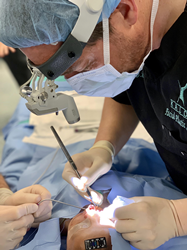
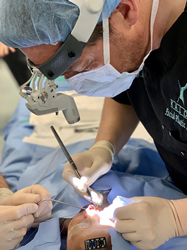
Dr. Stong operating in Peru

It is truly an honor to be a part of the HTC mission to Ica, Peru, once again this year. I am looking forward to making a dramatic difference in the lives of these children and their families, says Dr. Benjamin Stong.

Dr. Stong, a leading Atlanta facial plastic and reconstructive surgeon, has always been a strong advocate for giving back. He has been a long-time volunteer with Healing the Children (HTC), traveling to locations abroad to assist in medical missions. The goal of this particular HTC trip is to provide cleft lip and palate procedures to underprivileged pediatric patients in the area of Ica, Peru. Volunteer medical and surgical health professionals travel at their own expense, treating patients and sharing their expertise with local health professionals during procedures and in-service sessions.

“It is truly an honor to be a part of the HTC mission to Ica, Peru, once again this year. I am looking forward to making a dramatic difference in the lives of these children and their families,” says Dr. Benjamin Stong.

Dr. Stong truly enjoys sharing his expertise in facial and reconstructive surgery with the less fortunate by participating in humanitarian efforts at home and internationally. In addition to taking his qualifications and talent abroad by providing free services to children with congenital deformities for Healing the Children, he also volunteers for many other non-profits. Dr. Stong is a member of the national Face to Face organization committee, championing against domestic violence by providing pro bono surgery to its unfortunate victims. He also works with the Partnership Against Domestic Violence of Atlanta to assist in local domestic violence cases.

Healing the Children focuses on helping underserved children around the world secure the urgent medical care that they need and would otherwise be unable to obtain. To date, the non-profit organization has made a difference in the lives of approximately 250,000 children in over 95 countries.

More about Dr. Benjamin Stong and Kalos Facial Plastic Surgery, LLC:

Owner of Kalos Facial Plastic Surgery in Atlanta, Georgia, Dr. Benjamin Stong is dual board-certified and fellowship-trained in head and neck surgery and facial plastic and reconstructive surgery. Dr. Stong combines his training, experience and talent to generate superior outcomes in both surgical and non-surgical cosmetic surgery. Throughout his career, Dr. Stong has earned numerous accolades and recognition, including the Castle Connelly Top Doctor award for consecutive years. Dr. Stong also specializes in hair transplantation and innovative treatments at The K Spa in Atlanta. If you would like to get more information about the services offered by Kalos Facial Plastic Surgery, LLC, please call their Atlanta office at (404) 963-6665 or visit the website at http://www.kalos-plasticsurgery.com.

For information regarding the upcoming medical mission to Peru or ways to help support Healing the Children, please visit http://www.htcnorcal.org.

Share article on social media or email:

Top Healthcare Trends for 2020 & Some Early Wins in the Quest for Transformation


seven key trends in healthcare 2020

Seven key trends affecting healthcare in 2020 focus on getting and keeping patient relationships

We believe that a focus on technology-enabled consumerism will be essential for health systems and hospitals to remain competitive. Our own experiences have confirmed it – Kevin Fleming, CEO, Loyale. Healthcare

The need for transformation in healthcare has been well documented. Healthcare providers face a litany of challenges in the pursuit of their missions and sustainable financial performance. Challenges include cost increases well above inflation, lower government reimbursements, greater regulatory scrutiny (and costs), labor uncertainties and more. These challenges are made more acute by a relatively new phenomenon, an increasingly demanding healthcare consumer.

Consumers (patients) have seen their personal costs for healthcare soar. Household out-of-pocket for premiums reached an average of $20,000 in 2019 for the first time. Add to these deductibles, co-pays and actual costs for care and it’s easy to see why these costs have dampened consumer demand to the detriment of their health and community’s well-being. Those who do seek care are eschewing the traditional primary care delivery model, opening a door for innovative new entrants capable of operating more efficient, convenient and affordable healthcare delivery businesses models.

These trying conditions for providers and patients have served to underscore the importance of a patient-first approach to care delivery. Importantly, this approach has been expanded to include much more than the provider’s clinical care, where patient-first is expected. The concept now extends to every other dimension of the patient care experience including the administrative and financial, areas where patients’ experiences have historically been anything but patient-first.

Earlier this year, McKinsey & Company partner and global healthcare practice leader Shubham Singhai published “Seven Healthcare Industry Trends to Watch in 2020.” The analysis affirms several key strategic industry advancements we have addressed in recent months, most particularly the need for business model transformation and smarter healthcare ecosystems, aka technology. The significance of these trends is borne out by other industry analyses including our own and is supported by early 2020 financial performance from some of the largest healthcare providers.

Throughout the analysis, the growing influence of consumers on provider policy and performance is dominant. Under one trend – healthcare ecosystems – Mr. Singhai points out that “ownership of the consumer relationship” has become a key determinant in any healthcare provider’s ability to add or derive value, and that ownership of those relationships has the potential to shift (as much as 40% according to our recent analysis) – an important if not existential factor in any provider strategy for the early part of this new decade.

McKinsey’s Seven Trends to Watch in 2020 are as follows:

1. Business Model Transformation – “New business models that create significant healthcare value (that is, substantially better cost, quality and outcomes).”

2. Healthcare ecosystems – Market and regulatory pressure on profits is forcing providers to “invest billions of R&D dollars into their platforms to create services easily usable across a range of customers and for a range of applications that accelerate innovation.” In the area of patient financial engagement, our own technology – Loyale Patient Financial Manager – is one example. The potential for added value in the form of consumer engagement and scalable operating efficiency is also attracting billions in investor dollars.

3. Healthcare Reform – The McKinsey analysis acknowledges the likely prominence of healthcare in the upcoming presidential election, especially in light of the observation that “affordability issues felt directly by consumers through cost sharing raise the chances for real change.” We explored the market, regulatory and legislative pressures on consumer finances and patient friendly solutions in a recent article.

4. Programmatic M&A and an agile operating model – Essentially, programmatic M&A is a strategy of pursuing multiple, smaller acquisitions focused on the execution of specific operating strategies, rather than on one or two large “bet the company” kinds of deals. This strategy helps support organizational nimbleness, as “Speed of execution” becomes a major source of advantage to a provider’s competitiveness.

5. Recession and resilience – Whether the inevitable economic recession occurs in 2020 or later, healthcare providers should plan now to “emerge differentially stronger from it than one’s peers.” By securing balance sheets, improving operating costs (particularly through automation and analytics) and investments in growth during the downturn (when competitors have gone into bunker mode).

6. Social influencers of health – Consistent with the industry’s long stated objective of the Triple Aim (Improved patient experience – Improved population health – Reduced costs), the industry will broaden its focus to include “social, non-medical factors – including socioeconomic factors, neighborhoods, employment, and physical safety” to address the root causes of many of the U.S.’s most troublesome health issues.

7. Drug spending – The subject of political campaigns and public outrage, the cost of drugs will continue to drive innovation and “efforts to reshape the Pharmacy Benefit Management business model”. This will become increasingly important as more targeted and costly drug therapies are discovered and prescribed.

Importantly, Mr. Singhal concludes his analysis by acknowledging the presence of both innovators and incumbents as we enter the new decade. Pointing out that “those that can achieve productivity gains will create competitive advantages through growth and margin.” He goes on to say that “Stakeholders that can remain alert for innovations and leaps in best practices will have the potential for greater impact and improvement,” warning that “those that stick with a plan propped up by traditional approaches may not find enough ability to flourish in this new era.”

We’re summarizing this 2020 trend analysis because, like McKinsey and others, we believe that a focus on “technology-enabled consumerism” will be essential for health systems and hospitals to remain competitive. Our own experiences have confirmed it in one of healthcare’s most chronically underperforming functions – patient financial management. Working with industry innovators like Parallon and HCA Healthcare, we’re improving patient experiences and operating performance with scalable technology to ensure better patient experiences in every setting on every occasion.

Finding the Proof in the Pudding

Since this trend analysis was published, Oakland, CA – based Kaiser Permanente reported 2019 financial results and Boston area Partners Healthcare (soon to be Mass General Brigham) released its 1st quarter 2020 operating results. Each of these large health systems offers some telling insights into the trends identified above.

Kaiser’s 2019 Annual Results were strong, reflecting what Kaiser CEO and chairman Greg Adams described as “solid operating performance and strong investment returns”. With respect to operating performance, Kaiser’s executive VP and CFO Kathy Lancaster is noted saying, “Our financial results allow us to make capital investments, deploy new technologies and drive affordability for our members.” The Kaiser report comments specifically on topics such as “improving community health” and “consumer-focused digital” as well as the company’s aggressive expansion strategy.

Moving into 2020, Partners Healthcare recently released its First Quarter 2020 Financial Results. In the report’s C-Suite Perspective, Partner Healthcare’s CFO Peter K. Markell is quoted stating, “We continue to execute well on resource management and revenue optimization efforts while making investments in new digital health tools and more convenient outpatient locations in order to improve the patient experience.” Partners Healthcare’s new system-wide strategy (included in the financial report) focuses on 5 strategic themes that emphasize patients, communities, value and technological innovation.

Based on their recent performance, both Kaiser Permanente and Partners Healthcare are demonstrating in real time how appropriate and important the trends outlined in the McKinsey analysis suggests. Facing stiff headwinds like higher costs for everything from equipment to labor, reduced compensation and more, these systems are making smart investments to improve access and uncover efficiencies. Both have included innovation as a core operating principle.

Admittedly, it’s very early in the new decade but so far it seems the proof of these trends is in the pudding.

Kevin Fleming is the CEO of Loyale Healthcare

About Loyale

Loyale Patient Financial Manager™ is a comprehensive patient financial engagement technology platform leveraging a suite of configurable solution components including predictive analytics, intelligent workflows, multiple patient financing vehicles, communications, payments, digital front doors and other key capabilities.

Loyale Healthcare is committed to a mission of turning patient responsibility into lasting loyalty for its healthcare provider customers. Based in Lafayette, California, Loyale and its leadership team bring 27 years of expertise delivering leading financial engagement solutions for complex business environments. Loyale currently serves approximately 12,000 healthcare providers across 48 states. Loyale is proud to be an enterprise-level strategic partner with Parallon, including deployment of Loyale’s industry leading technology to all HCA hospitals and Physician Groups.

MilfordMD Cosmetic Surgeon Dr. Richard E. Buckley Comments on Fact.MR’s Prediction that North America Will Remain Leader for Autologous Fat Grafting


Natural breast augmentation using autologous fat transfer

Dr. Richard E. Buckley agrees with market research firm Fact.MR’s prediction and shares why his clients prefer to naturally enlarge breasts with autologous fat grafting over traditional implants.

For women who don’t want the “hassle” or complications that may come with implants and want results that are as natural as possible, fat transfer for breast augmentation may be an ideal option. Fat augmentation results in natural-looking and smooth breasts.

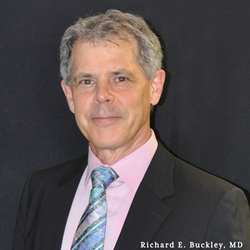
Used for years as a natural facial filler, autologous fat grafting or autologous fat transfer continues to garner traction as a viable replacement for invasive cosmetic surgery, such as breast augmentation. According to research released by Fact.MR, North America is predicted to remain the market leader for the expected robust growth of autologous fat grafting procedures. At MilfordMD Cosmetic Dermatology Surgery & Laser Center in Milford, Penn., cosmetic surgeon Dr. Richard E. Buckley notes how clients have largely favored autologous fat grafting over traditional breast implants.

“Clients love this procedure because it provides a nice enhancement to their breasts that is totally natural. This is a great option for women who want larger breasts, but don’t want breast implants,” states Dr. Richard E. Buckley. “MilfordMD has many clients who were very excited to do natural breast augmentation utilizing their own fat instead of implants, recognizing that fat transfer and implants do not lift breasts. Breasts with loose skin and sagging require surgical lifting or sometimes lifting with ThermiTight.”

Since 2006, breast augmentation continues to be the most popular and frequently performed aesthetic surgery. In 2018, over 300,000 breast augmentation procedures were done which was a 4% increase over 2017, according to the American Society of Plastic Surgeons.

“At MilfordMD, breast augmentation is a popular treatment, but not all women are comfortable with having implants in their breasts. Enlarging breasts with autologous fat transfer is an emerging trend across the U.S. and an option we’ve long offered to help women achieve their desired breast size without implants,” says Dr. Buckley. In fact, breast augmentation using fat transfer increased 72% in 2016, according to American Society of Plastic Surgeons.

“In order to move fat to the breast, there needs to be enough fat in the thigh, belly, buttock, arms, or somewhere to accomplish the desired results. With synthetic implants, you can go to whatever size is reasonable and fits. You could go from an A to a D if you wanted,” states Dr. Buckley. “With a fat transfer you can increase the breast size by about a cup to cup and a half size per session. This is about 150 to 175 CCs. On average about 70-90% of the fat cells survive the transfer. To get that cup size increase, I put in about 300 CCs of fat, anticipating that about 240 CCs of that survives. If too much fat is added at one time, the cells start crowding one another and it decreases the survivability of the graft.”

Breast augmentation with fat transfer involves three steps. First, fatty tissue is gently collected from the thighs, abdomen, buttocks, or other area, using liposuction. Next, the healthy cells are specially prepared for reintroduction by separating fluids removed during liposuction. Then Dr. Buckley carefully places the cells into the breasts to yield the best contours.

“Patients need to have the right expectation with a fat transfer breast augmentation,” says Dr. Buckley. “It’s a modest improvement of a cup to a cup and a half. This type of breast augmentation is a type artistry and requires a surgeon with the eyes of an artist and skilled hands of an accomplished surgeon. The fat has to be put in gently in tiny aliquots to maximize the surface area of contact between the grafted fat and recipient tissue. Putting in too much can result in clumps that won’t get a blood supply and can cause cysts.”

It is possible to go from an A to a D cup size using fat grafts but it won’t occur in a single procedure as it could with breast implants. According to Dr. Buckley, if there is enough fat, every few months the procedure can be repeated to increase breast size slowly by a cup to cup and a half size each session.

Traditional breast augmentation using implants requires an incision, dissecting a “pocket,” and placing the implant into that pocket before stitching to finish. With an autologous fat transfer, there is only a small entry point and zero cutting.

“Since we are not using synthetic implants, there is no risk of capsular contracture, rupture of saline or leakage of the silicone,” says Dr. Buckley. “For women who don’t want the hassle or complications that come with implants and want results that are as natural as possible, fat transfer for breast augmentation is the ideal option. Results are excellent, natural-looking and smooth breasts.”

About MilfordMD Cosmetic Dermatology Surgery & Laser Center:

The MilfordMD Cosmetic Dermatology Surgery & Laser Center offers state-of-the-art highly specialized procedures in laser and cosmetic surgery and aesthetic skin care. In addition to its AAAHC nationally accredited surgical center and extensive laser surgery capabilities, MilfordMD offers physician designed skin care products for home use. Milford Pennsylvania’s MilfordMD Cosmetic Dermatology Surgery & Laser Center is sought out by patients from around the world for expertise and innovation in cosmetic treatments performed by Board Certified Physicians, Richard E. Buckley, M.D. and Marina Buckley, M.D.

MilfordMD Cosmetic Dermatology Surgery & Laser Center is located at 303 W. Harford Street, Milford, PA 18337. Tel: (570) 491-1962. For real patient video testimonials, follow MilfordMD on Instagram and Facebook, and visit our MilfordMD YouTube channel.

Share article on social media or email:


Pet Wants, Fresh Coat Painters and Caring Transitions Make Entrepreneur Magazine’s Franchise 500 List for 2020


I couldn’t be more excited about the fact that we have most of our brands honored … It is a testament to our tremendous franchise owners and the shared resources of in-house marketing, promotion, accounting and legal departments. – Steve Kwon

Entrepreneur recently announced that Pet Wants, Fresh Coat Painters and Caring Transitions, 3 brands curated and nurtured by Strategic Franchising Systems have joined the magazine’s elite Top 500 Franchises for 2020. Steve Kwon, the Senior Vice President of Strategic’s Franchising Division is glowing with pride. This isn’t his first rodeo. Steve previously headed franchising efforts for several Fortune 500 companies with tremendous success but this accomplishment feels a bit more special.

“I couldn’t be more excited about the fact that we have most of our brands honored in the Entrepreneur Magazine Franchise 500,” says Steve. “It is a testament to our tremendous franchise owners and the shared resources of in-house marketing, promotion, accounting and legal departments, tactfully utilized across the entire Strategic Franchising network.”

Strategic Franchising Systems currently owns and manages several distinct low start-up cost brands. Pet Wants delivers its exclusive award-winning fresh pet food, Fresh Coat Painters offers a range of professional painting services and Caring Transitions is the only major national brand to offer comprehensive services for senior relocation. Getting one brand into the Franchise 500 list requires careful planning and flawless execution. Getting 3 brands that are completely different is unprecedented. So how did this happen?

“Unlike almost any other group of franchise businesses, our brands enjoy a truly symbiotic relationship,” answers Steve. “Our younger brands remain nimble while capitalizing on the buying power of a national network, as our more established brands continue to benefit from the cutting-edge growth efforts of their younger counterparts… It’s all about equilibrium.”

This strategy has paid off big and is Strategic Franchising’s secret formula to realizing steady growth in the number of franchise locations across the US this past year and for years to come. “I like to think of Strategic Franchising as a franchise ecosystem; always growing, and always winning,” Steve says. “It’s a privilege to see the balance and coordinated growth continue to pay off across all brands.”

When asked how many brands he’ll have in next year’s Franchise 500 list, Steve confidently says, “Five… You can put that in the bank.”

Pet Wants

Pet Wants was founded in Cincinnati in 2010 to bring fresh, natural and conveniently-delivered pet food to pet families with a mission of enhancing the health, vitality and life of pets with high-quality food and honest advice. Pet Wants pet food is personally delivered to homes within weeks of being made, at the height of freshness – it doesn’t sit in warehouses and on store shelves getting stale and losing nutritional value. Pet Wants offers multiple blends of dog and cat food formulas as well as healing salve, calming balm, anti-itch spray, paw wax and more. Since 2015 Pet Wants, with the help of Strategic Franchising Systems and Franchise Funding Group, has expanded into a national presence and grown to nearly 100 locations: https://petwantsfranchise.com/.

Fresh Coat Painters

Fresh Coat Painters was born from a radically simple concept: people were desperate for a professional painting business, not just people that knew how to use a brush. Fresh Coat Painters was founded in 2004 as part of Strategic Franchising Systems. Franchisees offer residential and commercial painting services including interior and exterior painting, sealing and staining; pressure washing; popcorn ceiling and wall paper removal and other services for nearly every protective coating application. Fresh Coat has a national product partnership with Sherwin-Williams®: https://freshcoatfranchise.com/.

Caring Transitions

Caring Transitions, founded in 2006, is the most trusted and experienced national franchise specializing in senior relocation and transition services. With more than 200 locations throughout the United States all owned and operated by Certified Relocation and Transition Specialists, Caring Transitions provides clients with supportive moves, auctions, rightsizing and transitions. This includes expert advice plus a well-executed transition plan beginning with the initial sorting of personal belongings through packing, unpacking, resettling, selling of items to the final clearing and cleaning of the property: https://www.caringtransitionsfranchise.com/.

To learn more about Strategic Franchising Systems and to explore the franchise opportunities across all five brands, including TruBlue Total House Care and The Growth Coach, visit https://strategicfranchising.com/.

Share article on social media or email:

Four Canada Finalists Named in IsaBody Challenge Will Compete for CA$10,000


News Image

We’re proud to recognize these finalists’ commitment to transforming their minds and bodies so they can live healthier lives. They’re setting a fantastic example for others as they pair our outstanding nutrition solutions with a positive mindset and discipline. – Travis Ogden, Isagenix CEO

Isagenix International, a global health and wellness company providing nutrition and lifestyle solutions, has announced its third and final round of Canada finalists for its annual total-body transformation program, the IsaBody Challenge®. This Judging Period’s finalists are John Birr of Markdale, Ontario; Taiya Farrell of Winnipeg, Manitoba; Véronique Collin of Orleans, Ontario; and James Pearce of Calgary, Alberta.

These four individuals were selected from thousands of people across Canada who completed the IsaBody Challenge during the most recent Judging Period. Each finalist has won CA$3,000 and the chance to compete with seven other finalists for the grand prize of CA$10,000. Finalists will also receive a CA$200 product coupon, a photo shoot, an all-expenses-paid trip to the IsaBody® Escape for themselves and a guest, and other prizes to recognize their achievements.

“We’re proud to recognize these finalists’ commitment to transforming their minds and bodies so they can live healthier lives,” said Travis Ogden, chief executive officer of Isagenix. “They’re setting a fantastic example for others as they pair our outstanding nutrition solutions with a positive mindset and discipline. We congratulate them as they continue on this path to enhanced wellness.”

Isagenix will announce the grand prize winner Feb. 29 at its Canada Celebration 2020 event in Montreal, Quebec. All 11 finalists will have the opportunity to walk the stage in front of thousands of event attendees. The IsaBody Challenge and Canada Celebration are both hosted by Isagenix.

Meet the Finalists

John Birr, Ontario

Age: 49

Total Challenges Completed: 14

Total Weight Loss Over Completed Challenges: 32 pounds*

Before starting his IsaBody journey, John thought having a beer belly and feeling tired was just a part of getting older, but that all changed with this Challenge. While John had been a dedicated product user and gym goer through his first three Challenges, losing his best friend to a massive heart attack at the age of 42 caused John’s journey to take a turn as he struggled to get through the loss. He eventually found his way back to his health and fitness journey and created a healthier lifestyle. Now a fit grandfather, John truly believes he deserves to feel this good every single day.

Taiya Farrell, Manitoba

Age: 38

Total Challenges Completed: 5

Total Weight Loss Over Completed Challenges: 130 pounds*

When Taiya was 9 years old, her sister was diagnosed with an illness that completely changed her family’s life. Taiya began overeating and gaining weight to win her mom’s attention, and food became her addiction for many years. After getting married and having her own family, she struggled with her weight. Eventually, Taiya was the heaviest she’d ever been and couldn’t care for her family the way she wanted to. She signed up for her first IsaBody Challenge and decided failure was not an option. She has now completed five Challenges, losing 130 pounds total*, and is a proud member of the Isagenix 100-Pound Club.

Véronique Collin, Ontario

Age: 24

Total Challenges Completed: 7

Total Weight Loss During Completed Challenges: 0 pounds

Véronique hasn’t lost or gained any weight, but she has remained consistent, and that’s why the IsaBody program is so important to her. For her, the Challenge is a no-brainer when it comes to choosing the solution that will help her maintain her healthy lifestyle through her busy life. Véronique is happy to have a community that shares her passion for health, fitness, and helping others. She doesn’t know what she would do without the Isagenix products and says they inspire her to be a better version of herself.

James Pearce, Alberta

Age: 56

Total Challenges Completed: 9

Total Weight Loss Over Completed Challenges: 5 pounds*

Before Isagenix, James would wake up tired, fuel his day with coffee and carbs, snack after work until dinner, and fall asleep on the couch, only to struggle to sleep through the night. He wasn’t happy, but he thought his life was normal. Since starting Isagenix and embracing the company’s products and community, he has become physically fit and has more energy than ever before. James now wakes up at 5 a.m. well rested and ready to hit the gym. He has transformed his body and regained his zest for life.

To read more about the finalists and see their before and progress photos, visit the Isagenix blog. To learn more about Isagenix, visit the Newsroom, like the company on Facebook, and follow it on Twitter and Instagram.

*Weight loss, muscle gain, lifestyle, and other results depicted here reflect exceptional individual experiences of Isagenix customers and should not be construed as typical or average. Results vary with individual effort, body composition, eating patterns, time, exercise, and other factors, such as genetic and physiological makeup. A two-phase 2016 study published by researchers at Skidmore College showed an average weight loss of 24 pounds after 12 weeks. The study evaluated the use of Isagenix products in men and women for weight loss followed by weight maintenance. During the weight maintenance phase, the subjects who continued the calorie-controlled program using Isagenix products better maintained their weight loss in comparison to those who transitioned to a traditional diet after 52 weeks.

About the IsaBody Challenge

The IsaBody Challenge is a 16-week contest that rewards participants for their total-body and life transformations. Participants are judged on their before and progress photos as well as their personal essays describing their journeys. The contest looks for the most inspirational and motivational stories about how participants have made healthy body and life transformations. The IsaBody Challenge is open to all Isagenix customers and members over the age of 18 in the United States, Canada, Puerto Rico, Hong Kong, Australia, New Zealand, Taiwan, Mexico, the United Kingdom, Ireland, the Netherlands, Belgium, Spain, and South Korea. For more information, visit the IsaBody Challenge.

About Isagenix International

Established in 2002, Isagenix provides systems for weight loss, performance, vitality and well-being, personal care and beauty, and financial wellness. With more than 400,000 customers worldwide and more than 100 products, packs, and systems globally, the company is committed to supporting healthy change in its customers’ and independent distributors’ lives. Isagenix shares its products and solutions through a network of independent distributors in 14 markets: the United States, Canada, Puerto Rico, Hong Kong, Australia, New Zealand, Taiwan, Mexico, the United Kingdom, Ireland, the Netherlands, Belgium, Spain, and South Korea. Isagenix is a privately owned company with headquarters in Gilbert, Arizona. For more information, visit Isagenix.com.