Category Archives: Health

What is new in the field of Health. Trending topics, and cutting edge research in the are of Health. Press Releases that give us updates on Health.

Call for Nominations Issued for the 2020 Bonnie Strickland Champion for Children’s Vision Award from the National Center for Children’s Vision and Eye Health


Prevent Blindness issues call for nominations for the 2020 Bonnie Strickland Champion for Children’s Vision Award.

“Through this award, we are able to recognize the efforts of others who are helping to put our kids on the path toward a lifetime of healthy vision and are making significant changes that others can learn from and emulate,” said Jeff Todd, president and CEO of Prevent Blindness.

The National Center for Children’s Vision and Eye Health at Prevent Blindness (NCCVEH) has issued the call for nominations for the sixth annual “Bonnie Strickland Champion for Children’s Vision Award.” The award recognizes significant efforts by an individual or group of individuals to improve public health approaches for children’s vision and eye health at the state or national level. The deadline for submission is June 5, 2020.

The award will be presented to the recipient at the Annual Meeting of the National Center for Children’s Vision and Eye Health, tentatively scheduled for Saturday, August 15, 2020. Due to the ongoing COVID-19 pandemic, this date may be postponed.

The award consists of a commemorative plaque, recognition and opportunity to present at the Annual Meeting, roundtrip economy airfare for one, and one night of lodging. The award recipient will be featured on the website for the National Center for Children’s Vision and Eye Health with an overview of their innovative approaches to children’s vision and eye health systems. An all-volunteer committee for the Bonnie Strickland Champion for Children’s Vision Award will review all nominations and select the award winner.

In 2014, the Bonnie Strickland Champion for Children’s Vision Award was established by the NCCVEH Advisory Committee to commemorate Bonnie Strickland and her groundbreaking work to establish a comprehensive system for children’s vision in the United States. Strickland served as Director of the Division of Services for Children with Special Health Needs, Maternal and Child Health Bureau prior to her retirement in 2014.

“At Prevent Blindness we believe that all children deserve an improved system to ensure that vision problems are identified early and treated in a timely manner, standards for screening and care are uniform across the country, and that appropriate surveillance and preventive interventions are in place,” said Jeff Todd, president and CEO of Prevent Blindness. “Through this award, we are able to recognize the efforts of others who are helping to put our kids on the path toward a lifetime of healthy vision and are making significant changes that others can learn from and emulate.”

Nominees for the Bonnie Strickland Champion for Children’s Vision Award may include an individual or group comprised of diverse stakeholders, including family/caregiver and community leaders, who are implementing changes to improve children’s vision in the United States. Nominees should be able to demonstrate an impact in one or more areas of a public health system supporting children’s vision:

  • Key Stakeholder Engagement or Collaboration, including representation from families and diverse racial/ethnic/geographic and socio-economic levels target populations
  • Training and Education
  • Public Awareness
  • Provision of Resources and/or Services
  • Surveillance and Accountability
  • Reduction of Health Disparities
  • Infrastructure Development-Local, State, or National Level
  • Making the connection between vision and overall health, early childhood development and learning


The 2019 Bonnie Strickland Champion for Children’s Vision Award was presented to Anne L. Coleman, M.D., MPH, UCLA Stein Eye Institute, for her efforts to improve children’s vision through stakeholder engagement, resource development, and services to high-risk populations of children, specifically through her work at the UCLA Mobile Eye Clinic (UMEC). Additional past recipients include the Vision in Preschoolers (VIP) Study Group, Richard Bunner, retired from the Ohio Department of Health; Sean P. Donahue, MD, Ph.D., Professor of Ophthalmology and Visual Sciences at Vanderbilt University; the Illinois Eye Institute (IEI) at Princeton Vision Clinic; and the Pediatric Physicians’ Organization at Children’s (PPOC).

For more information or to submit a nomination for the 2020 Bonnie Strickland Champion for Children’s Vision Award, please visit http://nationalcenter.preventblindness.org/content/bonnie-strickland-champion-childrens-vision-award, or contact Donna Fishman at (800) 331-2020 or dfishman@preventblindness.org.

About the National Center for Children’s Vision and Eye Health at Prevent Blindness

Founded in 1908, Prevent Blindness is the nation’s leading volunteer eye health and safety organization dedicated to fighting blindness and saving sight. Focused on promoting a continuum of vision care, Prevent Blindness touches the lives of millions of people each year through public and professional education, advocacy, certified vision screening and training, community and patient service programs and research. In 2009, Prevent Blindness established the National Center for Children’s Vision and Eye Health (NCCVEH), with support from the federal Health Resources and Services Administration’s Maternal and Child Health Bureau. Serving as a national resource for the establishment of a public health infrastructure, the NCCVEH advances and promotes children’s vision and eye care, providing leadership and training to public entities throughout the United States. The NCCVEH is advised by a committee of national experts and leaders from the fields of ophthalmology, optometry, pediatrics, nursing, family advocates and public health to guide the work and recommendations of the NCCVEH. For more information, or to make a contribution to the sight-saving fund, call 1-800-331-2020. Or, visit us on the Web at http://nationalcenter.preventblindness.org or http://www.facebook.com/preventblindness.

###

Share article on social media or email:
Top Certified Flight Nurse Honored With BCEN’s 2020 Distinguished CFRN Award


News Image

BCEN’s Certified Flight Registered Nurse (CFRN) credential is held by nearly 4,500 flight and transport nurses.

“Every time a flight nurse goes up in the air, they face extraordinary real-time patient care decisions under the most austere and challenging conditions. BCEN is proud to honor Tonya for inspiring nurses to become Certified Flight Registered Nurses (CFRNs).”

The Board of Certification for Emergency Nursing (BCEN), the benchmark for board certification across the emergency nursing spectrum, announced today that Pafford Air One flight nurse Tonya Barnard, BSN, RN, CEN, CFRN, CCRN, CTRN, CPEN, TCRN, EMT-B, is the recipient of BCEN’s 2020 Distinguished CFRN Award. Barnard is based in Ruston, Louisiana.

“Every time a flight nurse goes up in the air, they face extraordinary real-time patient care decisions under the most austere and challenging conditions,” said BCEN Executive Director Janie Schumaker, MBA, BSN, RN, CEN, CENP, CPHQ, FABC. “BCEN is proud to honor Tonya for inspiring her Pafford Air One colleagues and so many others to earn the CFRN so they have the specialized knowledge and skills this exacting and sometimes unforgiving job demands.”

Held by nearly 4,500 RNs and advanced practice nurses, the Certified Flight Registered Nurse (CFRN) is a preferred national certification for flight team nurses and meets CAMTS (Commission on Accreditation of Medical Transport Systems) requirements. The CFRN, which was first offered by BCEN in 1993, is also Magnet-accepted and an ABSNC-accredited certification program.

Pafford Air One Senior Vice President/Chief Operating Officer Keith Carter said, “Tonya worked extremely hard to become a flight nurse and since then she has not stopped. She has continued with an exemplary work ethic and is well admired and loved by her coworkers. I am so proud of her and thankful to have her as a leader for Pafford Air One.”

“Tonya is one of the most knowledgeable nurses I have ever met, understanding the pathophysiology, pharmacology, and treatment process flawlessly,” said Jeff Atkins, BS, RN, EMT-B, CEN, CPEN, TCRN, CCRN, CFRN, base manager, Pafford Air One, Ruston, Louisiana. “She helps to set a standard of care for others to follow, frequently encourages colleagues at our bases and at the hospitals we visit to complete their certifications, and is seen as a patient advocate, supporting family members of patients and being a comfort to those in pain. She remains one of the finest examples of a certified flight nurse that I can think of.”

Since becoming an RN in 2010, Barnard has earned six nursing specialty certifications, including all five national emergency nursing credentials offered by BCEN. She has been a CFRN and a flight nurse since 2014.

“I love flying, I love taking care of critical patients, and I feel that a nurse should always strive to learn more to take care of their patients to the best of their ability,” said Barnard. “Having the CFRN gives me, my team, my employer, and my patients the confidence and assurance that I will be able to perform to the best of my abilities. Receiving the BCEN Distinguished CFRN Award is one of the highlights of my professional career.”

Read more about Tonya at https://bcen.org/2020-cfrn-award-winner/.

BCEN’s Annual National Nurse and Organizational Awards

The winner of this year’s Distinguished CFRN/CTRN Award was determined by a selection committee consisting of BCEN board members, staff and volunteer subject matter experts as well as an Air & Surface Transport Nurses Association (ASTNA) official. BCEN is grateful for ASTNA’s partnership in promoting the annual nomination process and sponsoring past winners’ travel to the awards presentation ceremonies. Due to the COVID-19 pandemic, the in-person presentation of the 2020 Distinguished CFRN Award is to be determined.

BCEN annually recognizes individual specialty certified emergency, trauma and transport nurses as well as hospitals and health systems that demonstrate and advance certified nursing excellence and advocate for emergency nursing board certification. Learn more about BCEN’s Distinguished Awards and National Certification Champion Awards at bcen.org/awards.

About BCEN

Throughout 2020, the independent, not-for-profit Board of Certification for Emergency Nursing (BCEN®) is celebrating 40 years of robust certification programs fostering empowered nurses across the emergency spectrum who contribute noticeably to patient care, safety and outcomes. Over 55,000 BCEN board certifications are currently held by registered nurses (RNs) who specialize in emergency, flight, critical care ground transport, pediatric emergency and trauma nursing. BCEN offers the Certified Emergency Nurse (CEN®), Certified Flight Registered Nurse (CFRN®), Certified Pediatric Emergency Nurse (CPEN®), Certified Transport Registered Nurse (CTRN®) and Trauma Certified Registered Nurse (TCRN®) certifications. The CEN, CFRN, CPEN, and TCRN certification programs are accredited by the Accreditation Board for Specialty Nursing Certification (ABSNC). Learn more at bcen.org. Follow BCEN on Facebook, LinkedIn and Instagram.

Note to Editors: Photos available by request.

Share article on social media or email:

Thinking about Breast Cancer and Breast Reconstruction During the Coronavirus Pandemic


Dr. Constance Chen

Breast cancer patients should take this time to pause, and realize that they do not need to accomplish all of their long-term goals immediately. Specifically, breast reconstruction can take a back burner to oncologic treatment without any lasting compromise to the ultimate aesthetic outcome.

A diagnosis of breast cancer is devastating at any time, but it can seem impossible to sort out your best options in the middle of a global pandemic. When healthy people everywhere are already overwhelmed with survival, what are the options for a woman who has just been presented with a cancer diagnosis?

Fortunately, as much as life has changed during this time of social distancing, the basic issues of cancer treatment remain the same. Patients need to evaluate their disease with the help of their oncologists to decide upon the optimal course of therapy. Women need to strengthen their immune systems via diet, exercise, and mental health. They may want to explore groundbreaking metabolic approaches to cancer treatment. And social distancing may even help protect patients who are trying to heal and recover from the stresses of cancer treatment. Finally, breast cancer patients should take this time to pause, and realize that they do not need to accomplish all of their long-term goals immediately. Specifically, breast reconstruction can take a back burner to oncologic treatment without any lasting compromise to the ultimate aesthetic outcome.

The first step is to realize that even in the time of coronavirus, the ultimate goal of breast cancer treatment should remain to prolong and maintain quality of life. While the treatment pathway may be very different depending on the aggressiveness of your tumor, some basic facts remain the same. Oncologic treatment – surgery, chemotherapy, radiation therapy – take precedence over reconstructive treatment. Furthermore, with careful planning, this does not mean that any later breast reconstruction needs to be inferior due to delays. Oncologic treatments can proceed without compromising the subsequent aesthetic outcome as long as there is cooperation between the oncologic surgeon and the reconstructive surgeon.

What types of outcomes are possible depend on the oncologic treatment that is needed, which again, should always take precedence over the reconstructive treatment. For example, if a patient has a less aggressive small tumor and she is being offered lumpectomy and radiation or mastectomy, she can move forward with a lumpectomy. If her margins are clear, she can elect to have a mastectomy at a later date when she would have otherwise had radiation, or she can proceed with radiation therapy. Radiation therapy does have the disadvantage of changing the skin quality of the breast, so that it becomes more stiff and fibrotic than the healthy breast tissue, and radiation can thus permanently and negatively impact breast reconstruction at a later date.

For patients who decide to undergo mastectomy, breast reconstruction during the time of coronavirus is ill-advised. Delaying breast reconstruction during the time of coronavirus may save your life, and it will not ultimately affect your aesthetic outcome. For some patients, there may not be a choice presented anyway since all elective or non-emergent surgeries, including breast reconstruction, are currently prohibited in some states. Regardless, a life-saving mastectomy that removes your tumor takes precedence over prolonging your surgery and anesthesia time with breast reconstruction, so even hospitals that have canceled and prohibited all elective surgeries should allow an essential mastectomy alone to proceed without breast reconstruction.

The advice to delay breast reconstruction during the time of coronavirus holds true for all types of breast reconstruction. Overall, there are two basic types of breast reconstruction: implant-based breast reconstruction and natural tissue breast reconstruction. Implant-based breast reconstruction involves placing a tissue expander or implant either under or over the pectoralis muscle to recreate a breast mound. The tissue expander or implant itself challenges the immune system, however, as it is a foreign body. Even a direct-to-implant over-the-muscle implant reconstruction has a higher risk of wound healing problems than mastectomy alone, and in the time of coronavirus should be avoided. Placing a tissue expander is arguably less stressful to the body than an implant – especially if it is placed over the muscle – but it still requires frequent visits to the plastic surgeons office to inflate the expander. Natural tissue breast reconstruction is ultimately the least stressful to the body from an immune standpoint, but it is the most stressful in the short term since it requires wound healing from both the donor site (abdomen or legs) as well as the chest area. During the time of coronavirus, patients should be focused on their oncologic treatment, and if that includes mastectomy then they need to recover from their oncologic surgery as quickly as possible.

For patients who want the ultimate aesthetic result after surgery, and who want their reconstructed breasts to look and feel as close as possible to their natural breasts, the gold standard in breast reconstruction is a nipple-sparing mastectomy and natural tissue breast reconstruction. With planning and patience this can be achieved with a delayed breast reconstruction. A woman does not need to compromise on her ultimate breast reconstruction if she and her plastic surgeon can convince the oncologic breast surgeon to perform a nipple-sparing mastectomy no matter how large her breasts. Many breast surgeons may want to place a tissue expander as a placeholder until natural tissue breast reconstruction, and this is certainly a possibility. But for women who do not want a foreign body in place at all, and are understandably concerned that even a temporary tissue expander can affect their immune system, then they can leave their chest flat with floppy excess skin including the nipple-areola complex. It is unattractive during the interim and until the ultimate breast reconstruction, because the breast will look shriveled up and empty (similar to a breast with an unexpanded tissue expander), but once the final reconstruction is performed then the skin envelope will be refilled as if the breast reconstruction was performed at the time of mastectomy.

The key to achieving the ultimate breast reconstruction is the nipple-sparing mastectomy. The breast surgeon needs to make sure that she does not remove any skin during the nipple-sparing mastectomy and that she leaves all the skin intact as if there is going to be an immediate breast reconstruction. If she cannot salvage the nipple for oncologic reasons, she can resect the nipple-areola complex alone and close it with a pursestring closure but otherwise preserve the entire skin envelope. This may be difficult for many breast surgeons to accept, because many breast surgeons will naturally focus on the postoperative appearance of a flat chest with empty excess skin, and may be concerned that the breast skin will look deformed until the delayed breast reconstruction. It is crucial, however, to accept this extremely wrinkled appearance of the breasts in order to have enough skin during the ultimate delayed breast reconstruction. Even in large-breasted women, the breast skin will retract during the intervening time (between mastectomy and reconstruction) and it is always possible to resect excess skin later if necessary. Remember, skin that has been injudiciously resected at the time of mastectomy can never be replaced.

When it comes to how long to delay the ultimate breast reconstruction, there is really no time limit. It is preferable, however, to heal completely from the initial mastectomy, because tissues can be friable and delicate in the immediate postoperative period. To allow the body to fully recover from the first oncologic surgery, a minimum of three months after the initial mastectomy is best. During the time of coronavirus, however, longer periods are perfectly acceptable too. A patient may want to make sure that her margins are clear, and that she does not need radiation therapy. If she does need radiation therapy, then she should delay her breast reconstruction until at least 6 months after radiation is completed. Some patients may want to make sure that they do not have any recurrent disease. Risk of recurrence of the primary tumor is highest in the first 18 months after treatment, so some patients may want to wait until after 1-2 years or even later to go back to the operating room for breast reconstruction. No matter how long the wait, the most important principle is to complete oncologic treatment first and then to allow the body to fully recover from the essential oncologic treatment. This is the best preparation for the ultimate breast reconstruction. While it may be psychologically difficult and even traumatic to look at a flat chest with floppy and empty breast skin during the interim, it does not compromise the ultimate aesthetic outcome of the final breast reconstruction at all.

We are living in a difficult time when some hospitals are overflowing with coronavirus patients, and lack the capacity to take on patients for elective surgeries. Breast reconstruction may be prohibited at this time. Furthermore, even when hospitals begin to open to non-essential surgeries, a woman recovering from breast cancer may not want to be the first person to schedule elective surgery as hospitals slowly open to non-coronavirus patients, especially with potential concerns about later waves of disease. Current studies indicate that 50-70% of people infected by COVID-19 are asymptomatic, so it may not be clear who in the hospital is virus-free. The virus has been found lingering in airborne droplets in the hallways outside hospital patient rooms so masks should be worn continually. Caution is advised during the time of coronavirus. For patients who have been newly diagnosed with breast cancer, priorities should be kept straight. Oncologic treatment is paramount – whether it is oncologic surgery, chemotherapy, and/or radiation therapy. Reconstructive treatment can wait, and it can wait a long time. Planning, patience, and prudence will conserve your body’s precious resources during this time, and it will not compromise your ultimate outcome. If you are willing to accept a temporary and interim period of an unreconstructed body, you can still have a delayed breast reconstruction later in time and achieve optimal success in beauty and health.

Constance M. Chen, MD, is a board-certified plastic surgeon in New York City with special expertise in the use of innovative natural techniques to optimize medical and cosmetic outcomes for women undergoing breast reconstruction. She operates at Lenox Hill Hospital, and holds appointments as Clinical Assistant Professor of Surgery (Plastic Surgery) at Weill Cornell Medical College and Clinical Assistant Professor of Surgery (Plastic Surgery) at Tulane University School of Medicine. http://www.constancechenmd.com 212-792-6378

WTSO Discusses the Coronavirus Pandemic and Status of the Wine Industry


News Image

The COVID-19 pandemic has posed many uncertainties in a variety of industries around the world, including the wine community. The creation, sourcing, and distribution processes that go behind every bottle of wine are now compromised due to delays and limitations in the best interest of global safety.

WTSO, a leading online wine shop, has remained open during this time not only to sustain and uphold the business, but to give customers access to wine that it may not be safe for them to get otherwise. In the interest of transparency, WTSO and COO Justin Kite want to communicate with customers about how they are handling the issue and how the Coronavirus is affecting the world of wine.

When asked how the wine industry is changing amid the virus, Kite noted, “Wineries that rely on direct sales through their tasting room or restaurant sales as a major source of revenue have been severely negatively impacted. I’m sure they are now trying to increase their revenue channels of direct-to-consumer shipping and distribution to retailers if possible.”

Ultimately, the United States is in somewhat of a waiting game when it comes to wine. The industry heavily relies on events; and with wineries closing and events being cancelled, it is more difficult to uphold the community. However, wine sales themselves will most likely not be struggling — many retailers are switching to online platforms and delivery, making it easier for enthusiasts to still enjoy different wines from home.

As an exclusively-online wine store, WTSO has been shipping wine to customers for almost 14 years. During this uncertain time, they are taking precautions to ensure cleanliness and health. “We developed and launched our current plan of action on March 15. All office employees were sent home to work remotely. Strict guidelines were put in place for all logistics and fulfillment employees that were still reporting for work,” Kite said, when asked about how WTSO is handling the situation. “We utilized a secondary facility normally used for storage to run parallel with our main facility. This allowed us to split the work staff in half in each location to allow for better distancing. All employees are given protective masks and gloves and everyone in each facility is required to wear them at all times. All work areas and machinery are disinfected multiple times throughout the day, and a cleaning crew is brought in each night for a thorough cleaning.”

Due to the high volume of online orders, shipping may be delayed during this time. However, WTSO is still prioritizing quick delivery and free shipping options to support customers and friends who are looking to buy wine online.

Ultimately, Kite adds, “The health and safety of our employees is our greatest concern…Thus far we have been extremely fortunate that no one has been ill in either location. If that was to happen, the entire facility would be shut down and any worker there would be subject to quarantine for the requisite amount of time.”

While the future of the industry is not clear, WTSO is making the efforts to keep momentum going this trying time and provide online customers with the affordable bottles they’re looking for.

For more information about WTSO and their offerings, please visit wtso.com or call the Customer Service team at 866-957-2795.

Share article on social media or email:
Grassroots Organization Firefighters & EMS Fund Launches 2020 Voter Guide Initiative


Our first responders need better funding and resources, and our organization is going to continue to encourage citizens all over the country to get out and vote to ensure that our brave men and women have what they need to do their jobs well.

Firefighters & EMS Fund, a grassroots nonprofit political organization, just released their 2020 Voter Guide to encourage supporters across the country to remember their local firefighters & EMS personnel as they turn out to vote in upcoming elections.

Nile Porter, Executive Director of Firefighters & EMS Fund, said, “Yes, this is an important election year at the federal level, but voters underestimate the power of local elections and ballot measures. Our first responders need better funding and resources, and our organization is going to continue to encourage citizens all over the country to get out and vote to ensure that our brave men and women have what they need to do their jobs well.”

Firefighters & EMS Fund created the free 2020 Voter Guide to engage voters and encourage them to consider issues that affect first responders as they decide how to vote in upcoming elections. The guide is available for download on their website and includes important information on voting for local millage, levies, and ballot measures; qualities to look for in Fire Commission Candidates; and more.

“This guide is especially important, given the current lack of funding and failed ballot initiatives the last few years,” Porter stated. “We see news all the time about outdated equipment and mold in fire stations forcing firefighters to sleep in their trucks. People wonder how it gets this bad, and what they can do to support their local departments.” Firefighters & EMS Fund advocates that the best way for citizens to really help is by showing up in local elections, voting for better funding and resources for first responders, and electing leadership that really cares.

You can download a copy of the 2020 Voter Guide here: https://www.fireandemsfund.com/voter-guide/.

Firefighters & EMS Fund is a national political organization organized under Section 527 of the IRS Tax Code. Contributions made to Firefighters & EMS Fund are not tax-deductible. Not authorized by any candidate or candidate’s committee.

Share article on social media or email:

United Way of Frederick County Distributes another Round of COVID-19 Emergency Relief Campaign Grants to 15 Local Nonprofits


News Image

”We are pleased to announce this second wave of grants providing critical support to nonprofit institutions serving those in need,” said Ken Oldham, CEO of United Way of Frederick County. “We’re looking forward to announcing future grants as emergent needs continue to unfold in our community.”

United Way of Frederick County (UWFC) has committed an additional $100,000 to support 15 local nonprofits who provide essential services during COVID-19 crisis. These grants come just two weeks after the first $25,500 of the first wave of COVID-19 Emergency Relief Campaign grants were distributed by UWFC.

”We are pleased to announce this second wave of grants providing critical support to nonprofit institutions serving those in need,” said Ken Oldham, CEO of United Way of Frederick County. “We’re looking forward to announcing future grants as emergent needs continue to unfold in our community.”

United Way of Frederick County has granted $100,000 to the following:

  • The Buddy Project — $1,000 — Helping provide students and nonprofits refurbished computers.
  • Centro Hispano de Frederick — $5,000 — Support for the influx of crisis-related needs.
  • City Youth Matrix — $4,000 — Supplying families with at-home activity supplies and monthly food insecurity assistance.
  • Frederick Rescue Mission — $5,000 — Provide substance abuse recovery, food and shelter services.
  • Faith House — $10,000 — Sheltering women and children who are experiencing homelessness in the Frederick area, during the COVID-19 pandemic.
  • Housing Authority of the City of Frederick — $3,000 — Supporting women in public housing as they strive to maintain stable households and provide adequate basic resources to their families during the COVID-19 crisis.
  • I Believe in Me — $5,000 — Continuing mentor services and providing food to underprivileged youth and community members.
  • Interfaith Housing Alliance — $5,000 — Providing direct, immediate support to property residents currently in crisis, in addition to responding to residents’ critical needs as they continue to arise in the coming weeks.
  • Maryland Ensemble Theatre — $3,000 — Supporting operating costs to produce fabric face masks for health personnel.
  • Second Chances Garage — $8,000 — Provide essential transportation services to the community.
  • Seton Center, Inc. — $9,500 — Assisting individuals with emergency financial support.
  • St Vincent de Paul Society-St John Conference — $5,000 — Providing emergency financial support, prescription medications and gas, assistance in obtaining personal IDs/birth certificates, and more.
  • The Claggett Center — $17,500 — Providing shelter to those serving COVID-19 victims in Frederick County.
  • The Religious Coalition — $10,000 — Providing alternative Emergency Shelter for Homeless Individuals and Families.
  • The Salvation Army — $9,000 — Providing COVID-19 Emergency Financial Assistance.

United Way thanks those who committed matching contributions to encourage support: Ausherman Family Foundation, Laughlin Family Foundation, The Mark and Susan Butt Saturday Mornings Fund, Robert G. Hooper Family Fund, Halleman Family Fund, Michael & Betsy Day, The Jean Ellis and Florence Guss Memorial Fund and The Ken and Lynn Burdette Donor-Advised Fund.

As of 4/13/2020, the COVID-19 Emergency Relief Campaign has raised over $238,000 from 530 contributors. The campaign remains open and gifts can be made at http://www.uwfrederick.org/covidrelief, by mailing checks to PO Box 307, Frederick, MD 21705 or texting COVIDFREDERICK to 71777.

About United Way of Frederick County

For over 80 years, United Way of Frederick County has been fighting to achieve lasting change by identifying the ALICE (Asset-Limited, Income-Constrained, Employed) and impoverished families in Frederick County and working to strengthen their education, financial stability, and health to build a strong, viable community. Our work focuses on helping children and youth be successful in school and achieve their potential through education; helping people obtain the tools they need to become financially stable and independent; and ensuring our neighbors in need have access to healthy, nutritious food and healthcare.

United Way partners include global, national and local businesses, nonprofits, government, civic and faith-based organizations, along with educators, health providers, senior citizens, students, and others. The organization provides grants to local nonprofits, offers programs such as free tax preparation and matched savings, mobilizes volunteers, and engages in public policy advocacy. To learn more about United Way and how you can get involved, please visit UnitedWayFrederick.org.

Share article on social media or email:

Dr. Jin Kim Treats Gum Disease with Laser Dentistry, Protects Overall Immune System


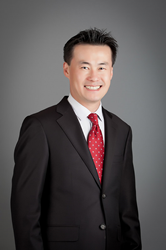
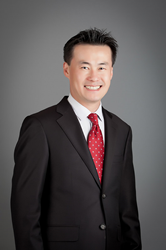
Jin Kim, Periodontist in West Covina, CA

Periodontist, Dr. Jin Kim, Treats Gum Disease in West Covina, CA with LANAP®

Dr. Jin Kim, dual board-certified periodontist and implant surgeon, is offering patients with gum disease in West Covina, CA the only FDA-cleared laser treatment for gum disease, LANAP®. This solution is one of the most gentle, minimally invasive and effective solutions to cleansing disease from the mouth. As a periodontist, Dr. Kim offers a more detailed and experienced approach to treatment for gum disease in West Covina, CA. He also understands the effect gum disease can have on patients’ oral health and overall health.

LANAP is a revolutionary approach to treatment for patients suffering from gum disease thanks to its “no cut, no sew, no fear” approach. Traditional gum disease surgery involves removing infected tissue with scalpels, scraping away bacteria and tartar and suturing the gums around the teeth. With LANAP, there are no scalpels or sutures and the procedure boasts minimal bleeding with virtually no discomfort. The entire procedure involves a gentle laser light to evaporate infection and diseased tissue. No cutting of healthy tissue is involved and with no sutures, most patients can feel like themselves again just a day after surgery.

Gum disease is a common condition that affects nearly half of the adult population in the United States. The disease affects both the hard and soft tissues of the mouth and is one of the leading causes of bleeding gums, loose teeth and bad breath. Common symptoms of gum disease include:

  • Bleeding gums with brushing or flossing
  • Loose or shifting teeth
  • Gum recession
  • Constant bad breath
  • Red, puffy gums

Without timely treatment, gum disease can advance and eventually cause tooth loss and jawbone deterioration. Since oral health has been connected to overall health, if gum disease is left untreated it can also lead to systemic health conditions like heart disease, stroke, and a weakened immune system.

Periodontists are leaders in treatments for gum disease, as they have spent extra years studying and practicing treatment on the hard and soft tissues of the mouth. Dr. Kim is a board-certified periodontist, meaning that he not only spent the extra years studying periodontology, but he proved his expertise by passing a comprehensive board exam. Receiving gum disease treatment from a board-certified periodontist means that patients can rest at ease knowing their health and comfort is in the hands of one of the leading professionals in the field. This expertise in periodontology has led to Dr. Kim being a world-renown lecturer on gum disease and all aspects of the hard and soft tissues of the mouth.

Patients experiencing bleeding gums or recurring bad breath in West Covina, CA are encouraged to seek gum disease care from Dr. Kim at either of his practice locations. Appointments can be made by contacting 909-860-9222 for the Diamond Bar location or 714-898-8757 for the West Garden Grove location. Appointments can also be requested online at http://www.drjinkim.com.

About the Periodontist

Dr. Jin Kim is a periodontist dedicated to providing personalized dental care in Diamond Bar and Garden Grove, CA. Dr. Kim attended the University of Sydney Faculty of Dentistry before furthering his education with an advanced degree in pathology from the Medical School of the same University. Dr. Kim completed a periodontics and implant surgery residency at UCLA School of Dentistry and is board-certified by the American Board of Periodontology and the American Board of Oral Implantology/Implant Dentistry. He is a past president of the Western Society of Periodontology and was also inducted to be a Fellow of the prestigious American College of Dentists and earned Fellowships in the International Congress of Oral Implantologists and the American Academy of Implant Dentistry. Dr. Kim lectures and holds faculty positions at a number of universities including UCLA School of Dentistry and abroad. He has spoken at no less than 36 different countries across the globe as well as national and international academic and clinical associations and universities including the International Association of Dental Research, American Academy of Periodontology and Academy of Osseointegration. To learn more about Dr. Jin Kim and the services he offers, visit his website at http://www.drjinkim.com or call 909-860-9222 for the Diamond Bar location or 714-898-8757 for the West Garden Grove location to schedule an appointment.

Share article on social media or email:

Aid for Survivors of Domestic Violence and their Pets Arrives at Critical Time


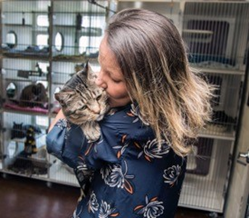
News Image

“With incidents of domestic violence increasing as a result of coronavirus stay-at-home orders, the need for pet-friendly sheltering will also grow, and this funding could not have come at a better time,” said Steven Feldman, Executive Director of the Human Animal Bond Research Institute (HABRI)

The PAWS Act Coalition, a group of nonprofit and for-profit organizations, is working to raise awareness among the domestic violence shelter community of the U.S. Department of Justice (DOJ) Emergency and Transitional Pet Shelter and Housing Assistance Grant Program. This program will support shelter and transitional housing services for survivors of domestic violence and their companion animals, which was made possible by the passage of the Pet and Women Safety (PAWS) Act by Congress in 2018.

“The PAWS Act funding and new grants mark an important milestone in keeping more pets and their families together,” said Nina Leigh Krueger, president of Nestlé Purina PetCare. “Purina is committed to continuing to work alongside our partners to increase the number of pet-friendly domestic violence shelters so families and their pets can safely leave an abusive situation and heal together.”

“With incidents of domestic violence increasing as a result of coronavirus stay-at-home orders, the need for pet-friendly sheltering will also grow, and this funding could not have come at a better time,” said Steven Feldman, Executive Director of the Human Animal Bond Research Institute (HABRI). “HABRI is proud to have participated in this two-plus year effort to support the successful implementation of the lifesaving PAWS Act. The PAWS Act Coalition and many in the greater pet care community have worked hard to make this grant program a reality.”

The U.S. Department of Justice (DOJ) will provide up to five grants of $400,000 each, to begin on October 1, 2020. The primary goal of this funding is to support shelter and transitional housing services for survivors of domestic violence and their companion animals. With these grants, the DOJ seeks to increase the number of shelter beds and transitional housing options to meet the needs of domestic violence survivors who need shelter or housing for them and their companion animals. Funding provided by this grant will also provide training to local stakeholders on the link between domestic violence and the abuse and neglect of companion animals; the needs of domestic violence survivors; best practices for providing, or referring, support services to such survivors; and best practices in designing and delivering services that protect survivors confidentiality.

The U.S. Department of Justice, through the Office of Justice Programs, Office for Victims of Crime (OVC), will accept applications for this grant program through May 29, 2020. The PAWS Act Coalition will work to share this funding opportunity as widely as possible so that worthy organizations are informed and can apply.

To apply for funding, please visit: https://www.grants.gov/web/grants/view-opportunity.html?oppId=325887.

Organizations in the PAWS Act coalition include:


  • Purina (Nestlé Purina PetCare)
  • Human Animal Bond Research Institute (HABRI)
  • Noah’s Animal House
  • Pet Partners
  • Urban Resource Institute (URI)
  • RedRover

Two of these organizations, Noah’s Animal House and Urban Resource Institute, are part of the only 10% of domestic violence shelters across the country that actively offer co-shelter services to keep both pets and their owners away from the dangers of domestic abuse. Together these two incredible organizations have saved more than 1,800 pets from abusive conditions, so that no domestic violence survivor is forced to choose between staying in an abusive relationship and leaving their pet with their abuser.

“Our People and Animals Living Safely (PALS) program and its increasing utilization across seven domestic violence shelters in New York City is a proof point that pet-friendly shelter is an important avenue of escape for people and pets facing abuse, channeling the healing power of the human-pet bond during times of crisis and transition,” said Nathaniel Fields, President and CEO of Urban Resource Institute. “This critical funding provided by the PAWS Act will provide more facilities with the resources to offer individuals and their beloved pets shelter together, with the opportunity to live the safest, fullest lives possible.”

“By being forced to stay at home during this pandemic, we are all experiencing firsthand the love and reassurance that our pets provide during crisis. Since 2007, Noah’s Animal House has cared for over 1,500 pets of domestic violence victims from 29 states across the U.S, in addition to our home state of Nevada. Women drove thousands of miles, driving past other women’s shelters in every state for one reason only – their pet had to be included in their escape plan,” stated Staci Alonso, founder of Noah’s and Top Ten CNN Hero 2019. “With the PAWS Act funding now available, more women’s shelters can become pet friendly and save lives.”

“In support of the PAWS Act Coalition, Pet Partners grassroots advocates made their voices heard during every step of the legislative process – recruiting key co-sponsors in the Senate, supporting passage of the PAWS Act, and building support in communities across the country. Many thousands of constituent messages, tweets, and phone calls to Congress were made emphasizing the importance of this legislation. Pet Partners is grateful to so many advocates around the country whose actions will help pets and people remain together in traumatic situations – when they need each other most,” said Annie Peters, CEO of Pet Partners.

“RedRover works to strengthen and preserve the human-animal bond by providing financial assistance, resources and support to low-income individuals and survivors of domestic violence and their pets, so families can escape together and stay together,” said Nicole Forsyth, RedRover President and CEO. “As we’ve seen through the RedRover + Purina Purple Leash Project, grants to domestic violence shelters help fulfill a lifesaving need of keeping pets and people together, and this PAWS Act funding will help build on our efforts and expand the options available for domestic violence survivors with pets.”

About Purina

Nestlé Purina PetCare promotes responsible pet care, community involvement and the positive bond between people and their pets. A premiere global manufacturer of pet products, Nestlé Purina PetCare is part of Nestlé S.A., a global leader in nutrition, health and wellness. Learn more about the Purina and RedRover partnership and Purple Leash Project grants at http://www.purpleleashproject.com

About Pet Partners

Pet Partners is the national leader in demonstrating and promoting the health and wellness benefits of animal-assisted interventions. Since the organization’s inception in 1977, the science proving these benefits has become indisputable. With more than 13,000 registered teams making more than 3 million visits annually, Pet Partners serves as the nation’s most prestigious nonprofit registering handlers of multiple species as volunteer teams. Pet Partners teams visit with patients in recovery, people with intellectual disabilities, seniors living with Alzheimer’s, students, veterans with PTSD, and those approaching end of life, improving human health and wellbeing through the human-animal bond. With the recent release of its Standards of Practice for Animal-Assisted Interventions and international expansion, Pet Partners is globally recognized as the industry gold standard. For more information on Pet Partners, visit http://www.petpartners.org.

About the Urban Resource Institute

Urban Resource Institute (URI) is a leading non-profit organization that provides comprehensive, holistic, and supportive social services that aid and empower New Yorkers in times of crisis. URI’s programs provide care for survivors of domestic violence, individuals with developmental disabilities, homeless families, and other at-risk populations, allowing them to live in safety and recover from trauma in both residential and non-residential settings. With deep community relationships and a flexible, innovative approach to program development and service delivery, URI is uniquely equipped to provide solutions to the challenges affecting New York City’s most vulnerable populations. URI merged with the Center Against Domestic Violence in 2018, the first licensed provider of domestic violence shelter in New York. With nearly 80 years of combined experience, the organization is the largest provider of domestic violence residential services in the country, with the ability to shelter over 1,200 individuals, including survivors and their families, on any given day. For more information, please visit http://www.urinyc.org.

About Noah’s Animal House

Noah’s Animal House was the first stand-alone full service pet boarding facility in the country built on the grounds of and in partnership with The Shade Tree Shelter in 2007 to provide safety, shelter and support for the pets of the clients of the shelter. A second location serving up to 36 animals in Reno, Nevada opened February 2018 in partnership with the Domestic Violence Resource Center. In a national survey, 71 percent of women seeking safety in a domestic violence shelter reported pet abuse in their home and more than 25 percent delayed leaving because they did not have an escape plan that could include their pets. To learn more about Noah’s Animal House, visit http://www.noahsanimalhouse.org.

About RedRover

Since 1987, RedRover has focused on bringing animals out of crisis and strengthening the human-animal bond through emergency sheltering, disaster relief services, financial assistance and education. For the fifth consecutive year, RedRover has earned a 4-star rating from Charity Navigator, America’s largest independent charity evaluator. To learn more, visit http://www.RedRover.org.

About HABRI

HABRI is a not-for-profit organization that maintains the world’s largest online library of human-animal bond research and information; funds innovative research projects to scientifically document the health benefits of companion animals; and informs the public about human-animal bond research and the beneficial role of companion animals in society. For more information, please visit http://www.habri.org.

Pacifica Graduate Institute Announces New Degree Program: Psy.D. in Counseling Psychology


“The new program offers the graduates of our M.A. program in Counseling Psychology the opportunity of a fast track to the doctoral degree by allowing the transfer of nearly a year of credits from their M.A. ” – Joseph Cambray, Ph.D., President of Pacifica

Pacifica Graduate Institute is an accredited graduate school offering Master’s and doctoral degree programs framed in the traditions of depth psychology. Founded in 1976, with a mission to “tend the soul in and of the world,” the Institute has over 4,000 graduates worldwide and offers eight distinct programs to serve the needs of our students, including Clinical Psychology; Counseling Psychology; Depth Psychology with Specializations in: Community, Liberation, Indigenous, and Eco-Psychologies; Integrative Therapy and Healing Practices; Jungian and Archetypal Studies; and separate programs in Engaged Humanities, as well as Mythological Studies. Pacifica has established an educational environment that nourishes respect for cultural diversity and individual differences, and an academic community that fosters a spirit of free and open inquiry. Students have access to rare and significant collections in the fields of mythology, archetypal psychology, and world cultures, including the private collection of Joseph Campbell, at the OPUS Archives. Pacifica’s two campuses are located between the coastal foothills and the Pacific Ocean, a few miles south of Santa Barbara, California.

In an increasingly complex world, the scholarship and service of Pacifica’s faculty, staff, alumni, and students offer a soul-centered “intelligence” integral to what is being asked of us now. A natural progression of our mission is the introduction of a new degree program, to be offered starting Fall 2020: The Psy.D. in Counseling Psychology. The program offers a uniquely immersive, experiential, and relationally designed doctoral degree in Counseling Psychology that will prepare graduates for licensure as licensed psychologists. This exciting new program is deeply informed by principles of psychodynamic psychology, and it emphasizes a psychotherapy practice that appreciates the importance of the unconscious life in the individual and in communities. Following a practitioner-scholar model, the Psy.D. Program in Counseling Psychology represents Pacifica’s commitment to grounding the principles of depth psychology in clinical practice within community settings. Its graduates will be prepared to function as licensed psychologists in a variety of applied settings, including private practice, community mental health, substance abuse, and dual diagnosis settings, hospital and inpatient settings, the nonprofit and private sectors, and many other professional contexts.

Matthew Bennett, Psy.D., a longtime core faculty member of Pacifica Graduate Institute, and Chair of the M.A. Program in Counseling Psychology, will serve as the Chair of the new Psy.D. in Counseling Psychology Program. Bringing together the longstanding traditions and culture of Pacifica’s M.A. program in Counseling Psychology, the Psy.D. will join the M.A. to form a contiguous Department of Counseling Psychology. Matthew Bennett is a licensed clinical psychologist, lecturer, and administrator with experience in public sector mental health and substance abuse treatment. He was formerly founder and first Director of Training for the Ventura County Behavioral Health Pre-Doctoral Internship in Clinical Psychology and Chair-Elect of the Psychology Department at Ventura County Medical Center in Ventura, California. His research interests include personality disorders, comparative personality theory, and Internet applications for mental health. Dr. Bennett is also a returned Peace Corps volunteer (“Poland III, 1991–1993”).

It is Dr. Bennett’s view that “It’s a rare opportunity to get doctoral-level training in applied professional psychology that’s informed by psychodynamic depth-psychological principles. I would say that psychodynamic perspectives have become scarce in higher education, and this program uniquely combines an applied clinical focus to valuable perspectives that reflect the role of the unconscious and imaginal to our individual and collective psychological lives. The new Psy.D. reflects the momentum of a long-established and highly successful M.A. program that has a proven history of providing both sophisticated clinical training that allows graduates to hit the ground running in a variety of applied clinical settings, while also training our students to be able to tolerate strong emotional experiences and to develop and elaborate capacities for interpersonal attunement.”

Joseph Cambray, Ph.D., President of Pacifica, adds, “The new program offers the graduates of our M.A. program in Counseling Psychology the opportunity of a fast track to the doctoral degree by allowing the transfer of nearly a year of credits from their M.A. This would reduce their doctoral work by a year and correspondingly reduce their costs by the same amount. There are a significant number of alumni who can pursue this doctorate by applying their previous classwork to this end. This will in turn allow them to broaden the range of what they can do as clinical practitioners, i.e., the ability to function at a doctoral level as a psychologist. We’ve also been privileged to offer Coverdell Fellowships for this program. These fellowships are for returning Peace Corps volunteers, who can apply to this program and if successful, receive three years of partial tuition waivers.”

The Psy.D. is designed to be completed in four years total: three years of curriculum plus one year of pre-doctoral internship and dissertation completion. The Psy.D. will require students to complete 1,000 hours of practicum during Years Two and Three of the program, followed by 1,500 hours of internship in Year Four of the program. The Psy.D. program will hold classes on a quarter system, with three sessions per quarter comprising three-day sessions (Friday morning through Sunday afternoon) approximately once each month during Fall, Winter, and Spring quarters, with a seven-day Summer session, over a period of three years. The fourth year does not include attendance of classes on campus, although students typically continue to work on their dissertations during this time.

The new Psy.D. in Counseling Psychology Program is currently enrolling for Fall 2020.

Share article on social media or email:

Ion Exhibits Shifts Focus To Manufacturing Personal Protective Equipment


Personal Protective Equipment - Ion Exhibits

“We realized we could leverage our in-house capabilities to manufacture PPE for our community in need” Rox Fett

Ion Exhibits is restructuring its manufacturing capabilities from focusing on trade show exhibits to personal protective equipment (PPE). By doing so, the company plans to save jobs, and more importantly, lives.

The cancellation of trade shows across the country began in March 2020, resulting in over 130 projects being put on hold. This has severely impacted the ability for Ion Exhibits to carry out normal business operations, but the company is using the hiatus from trade shows as an opportunity to help local communities.

“After speaking with one of our vendors and consulting with another exhibit house, we realized we could leverage Ion Exhibit’s engineering, manufacturing and graphic production capabilities to become a PPE manufacturer,” said Roxane Fett, General Manager and Chief Operating Officer.

The first of two products being manufactured by Ion Exhibits is an adjustable face shield, which consists of a stationary headgear piece and replaceable shield. The headgear is made using PVC or HDPE antimicrobial material, while the shields are produced using either PETG or polycarbonate.

Coupled together, the headgear and shield act as a comfortable, stable solution for first responders and essential workers. While anyone is welcome to purchase the face shield, Ion Exhibits wants to ensure that this equipment is widely available for those who need it most. The face shields are currently being produced at a rate of 1,100 units per day, but Ion Exhibits has the ability to scale up to 3,000 per day if needed.

In addition to the face shields, Ion Exhibits is also manufacturing a 3-ply face mask that is ideal for running errands, such as a trip to the grocery store. These masks are hand-sewn, washable, and act as a reusable solution for the general public.

These masks are made up of two outer layers that are 100% cotton, and an interior layer made from breathable polypropylene. The 3-ply face masks are being produced at a rate of 400-500 units per day.

Ion Exhibits is making the face shields and 3-ply masks available for sale by calling 630-285-9500 and dialing 2 for sales. Pricing information is as follows:

Face Shield Pricing & Information:

● $12/unit for the PVC Face Shield set (1 PVC Headgear and 1 Shield); $10/unit quantity discount for 50 or more.

● $14/unit for the HDPE Face Shield set (1 HDPE Headgear and 1 Shield); $12/unit quantity discount for 50 or more.

● $4/unit for a Replacement Shield/ $3/unit quantity discount for 50 or more.

● Credit Card accepted; orders Wire Transfer preferred for orders over $5,000.

3-Ply Face Mask Pricing & Information:

● $7/unit for the 3-ply face mask

● Credit Card accepted; orders Wire Transfer preferred for orders over $5,000.

During these tumultuous times, Ion Exhibits was also forced to revamp its staff by furloughing a number of employees. However, retooling the business to produce the new PPE has made it possible for the company to hire back three of those furloughed employees. Ideally, the company would like to add to that number in the coming weeks.

For more information, press only:

    Roxane Fett, General Manager & Chief Operating Officer

    Phone: (630) 227-4558

    Email: roxane.fett@ionexhibits.com

For more information on Ion Exhibits, visit:

    https://www.ionexhibits.com/

Share article on social media or email: