Category Archives: Health

What is new in the field of Health. Trending topics, and cutting edge research in the are of Health. Press Releases that give us updates on Health.

Remegen's Innovative New Drug Telitacicept(RC18) Obtains Positive Phase III Results, Submitted for Second Indication for Treatment of Rheumatoid Arthritis


YANTAI, China, Sept. 26, 2023 /PRNewswire/ — RemeGen Co., Ltd. (“RemeGen” or “the Company”) (HKG: 9995, SHA: 688331), a fully-integrated commercial-stage biotechnology company, recently announced that Telitacicept(RC18) for injection obtained positive results in a Phase III clinical…

FDA Grants Breakthrough Device Designation to Gravitas Medical for Neonatal Patients Requiring Enteral Feeding


Gravitas Medical’s Pioneering Solution

Entarik is designed to aid, in conjunction with institutional protocols, qualified operators (medical professionals) in the placement of the Gravitas Enteral Feeding Tube into the stomach of neonatal patients requiring enteral feeding. The Gravitas Feeding Tube is equipped with sensors designed to provide information about the location of the tube tip relative to the stomach, assisting in reducing the incidence of misplacement during first positioning. The Gravitas Feeding Tube is intended for the administration of nutrition, fluids and medications by the nasoenteric route for neonatal patients who have an intact gastrointestinal tract but are physically unable to manage nutritional intake normally.

Jorgen Hansen, CEO of Gravitas Medical, expressed enthusiasm about the Breakthrough Device designation, stating, “The Breakthrough Device designation promises to accelerate the introduction of Entarik for neonatal patients.” Gravitas Medical previously received FDA approval for adult use of the Entarik platform in March 2023. Hansen added, “Expanding the use of Entarik to neonatal patients is one of our top priorities because these patients urgently require access to enteral feeding to facilitate the best possible outcomes.”

The Breakthrough Device Program’s Impact

The Breakthrough Devices Program requires meeting well defined criteria. Gravitas Medical’s achievement of the Breakthrough Device Designation validates its potential to enhance the treatment or diagnosis of life-threatening or irreversibly debilitating medical conditions and establishes that no approved alternatives exist. The program’s benefits include expediting device development, prioritizing subsequent regulatory submissions, and potentially provides for faster reimbursement after clearance .

“We remain focused on rapidly expanding the Entarik platform to include use with neonatal patients,” concluded Hansen.

About Gravitas Medical

Gravitas Medical is a Silicon Valley-based medical device company committed to revolutionizing enteral feeding into enteral nutrition intelligence. By harnessing the power of technology, Gravitas Medical transforms gut-related information into actionable insights for caregivers. This approach enables better decision-making, improved patient outcomes, reduced hospital stays, and a decreased overall cost of care. Gravitas Medical emerged from Theranova, a MedTech incubator focused on addressing the most pressing challenges in healthcare.

Media Contact

Jim Gabalski, Gravitas Medical, 1 5853505468, [email protected], www.gravitasmedinc.com

SOURCE Gravitas Medical

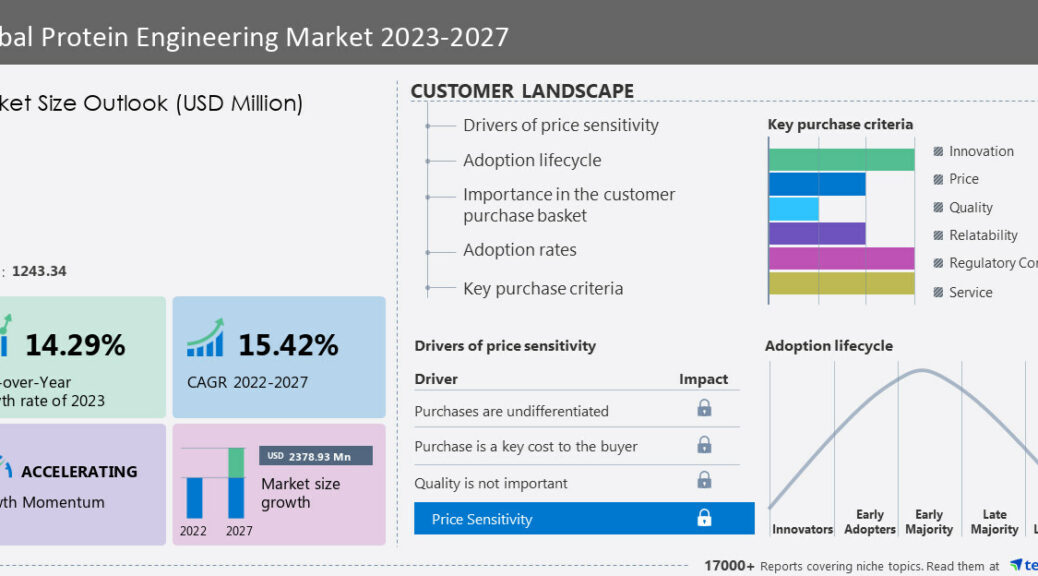
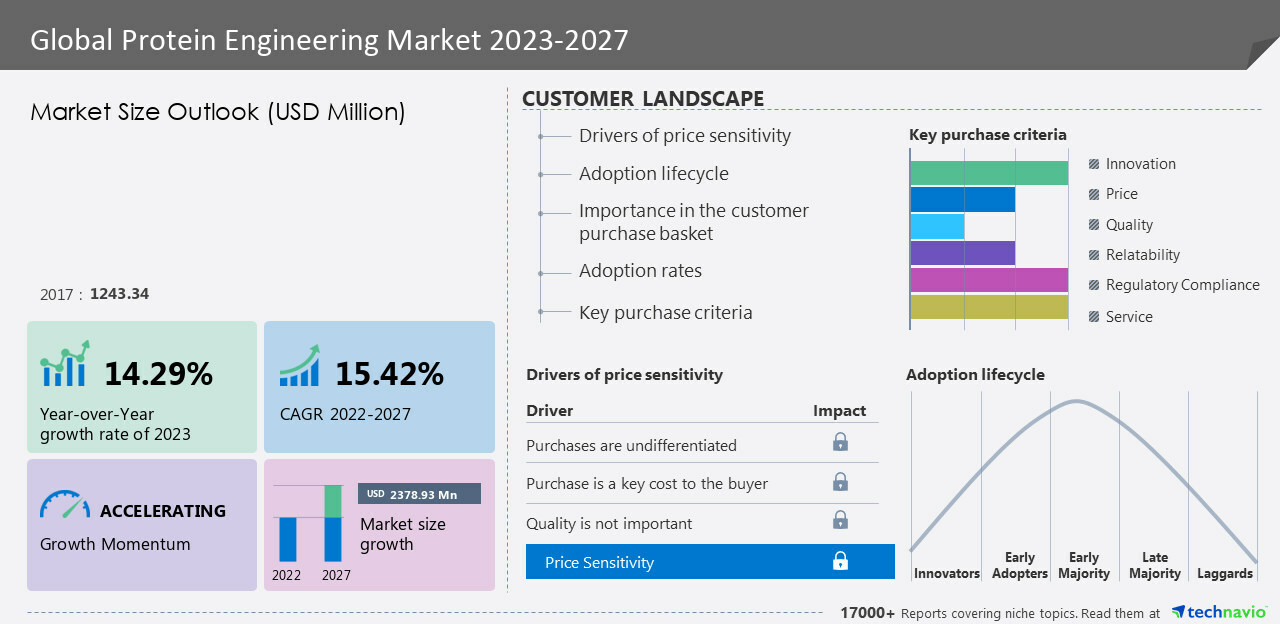
Protein Engineering Market size to grow by USD 2.37 billion from 2022-2027| Agilent Technologies Inc., Amgen Inc., Bio Rad Laboratories Inc., are emerging companies in the market- Technavio


NEW YORK, Sept. 26, 2023 /PRNewswire/ — The Protein Engineering Market size is projected to increase by USD 2.37 billion, accelerating at a CAGR of 15.42% during the forecast period, according to Technavio Research. The report analyzes the market’s competitive landscape and offers…

American Society for Clinical Pathology Awarded $631,983 Grant from the CDC to Strengthen the Laboratory Workforce


“ASCP is proud to be part of the CDC’s OneLab initiative,” says ASCP CEO Blair Holladay, PhD, MASCP, SCT(ASCP)CM. “The CDC initiated OneLab to create a central hub where, in the case of a public health emergency, medical and public health laboratory professionals can easily access the latest news and education on diagnostic practices, quality, and biosafety. ASCP’s involvement in the OneLab initiative is part of the Society’s comprehensive strategies to address the medical laboratory workforce shortage.”

Successful programs that ASCP launched last year as the first part of the OneLab grant include:

  • Building Bridges Across the Laboratory Community, a webinar series highlighting the collaborative efforts of a variety of laboratories (academic, public health, research, reference, and clinical) to develop innovative strategies to address public health emergencies. Recordings are available at http://www.supportcdconelab.org.
  • Micro-learning Series, a new approach to educate time-strapped adult learners by sending them an email every few days with a question pertaining to laboratory issues, such as effective test utilization or supply chain mitigation strategies. Recipients respond at their convenience and receive immediate feedback regarding their response to increase their knowledge and track their competence.
  • Negotiation and Advocacy Toolbox, providing practical education and tools to laboratory directors and managers so they can demonstrate the value of their laboratory to hospital administrators and others who make funding decisions. The intent is to support laboratory leaders to advocate for higher staff salaries, hiring additional staff, and assist with strategic salaries, hiring additional staff, and assist with strategic planning, quality improvement, and team building. This year, it has addressed the first two “pillars” of the program, enhancing laboratory visibility and creating a culture within the laboratory that nurtures the environment as the best place to work within pathology and laboratory medicine. The latter would be achieved by cultivating diverse, lifelong learners and the next generation of leaders within the laboratory field.

“This type of toolbox to support the medical laboratory leaders has never been done before,” says ASCP President Marsha C. Kinney, MD, MASCP. “What is special about this toolkit is that it is comprehensive and was developed by three laboratory leaders and subject matter experts who were integral in developing the Leading Laboratories program, an initiative of ASCP and The Joint Commission. The toolbox utilizes workforce data ASCP has collected to support laboratory leaders in effectively advocating for their laboratories’ needs.”    

In Year 2 of the CDC OneLab grant, ASCP will expand the Building Bridges series by reaching out to an even broader range of laboratories, including animal health laboratories and public health laboratories.    

“With so many animal-borne disease outbreaks, it’s important that laboratories are sharing critical information and collaborating with each other,” says Ken Landgraf, MSc, Executive Director of ASCP’s Center for Global Health and Principal Investigator for the grant. “We are really creating a community to strengthen the workforce and improve public health.”

Also in Year 2, ASCP will build out the Negotiation and Advocacy Toolkit, adding additional resources that address its three remaining pillars: Quality, Service and Growth, and Financials.

Moving into the second year of this three-year grant, ASCP’s efforts remain centered around strengthening the laboratory workforce, and maintaining our role as the go-to resource for laboratory advocacy.

ASCP actively demonstrates our StrongerTogether mission through its ability to quickly reach out to disseminate information to its members, to other groups with whom it partners, and to the Medical and Public Health Workforce Coalition which ASCP worked collaboratively to establish.

About ASCP
Founded in 1922 in Chicago, ASCP is a medical professional society with more than 100,000 member board-certified anatomic and clinical pathologists, pathology residents and fellows, laboratory professionals, and students. ASCP provides excellence in education, certification, and advocacy on behalf of patients, pathologists, and laboratory professionals. To learn more, visit http://www.ascp.org.‥Follow us on Twitter at http://www.twitter.com/ascp_chicago and connect with us on Facebook at http://www.facebook.com/ASCP.Chicago.

Media Contact

Susan Montgomery, American Society for Clinical Pathology, 312.541.4754, [email protected], www.ascp.org

SOURCE American Society for Clinical Pathology


Mount Sinai Announces New System Chief of Genomic Medicine


Michael F. Murray, MD, Professor of Medicine at the Icahn School of Medicine at Mount Sinai, has been named the new System Chief of the Division of Genomic Medicine and the Clinical Director of the Institute for Genomic Health at Mount Sinai. He will lead its efforts to harness the power of genomic discovery to develop new ways to prevent and treat diseases, including cancers, heart problems, and genetic disorders. Dr. Murray has distinguished himself as an internationally renowned expert in using DNA-derived information as a screening tool in clinical care, population health, and public health.

NEW YORK, Sept. 26, 2023 /PRNewswire-PRWeb/ — Michael F. Murray, MD, Professor of Medicine at the Icahn School of Medicine at Mount Sinai, has been named the new System Chief of the Division of Genomic Medicine and the Clinical Director of the Institute for Genomic Health at Mount Sinai. He will lead its efforts to harness the power of genomic discovery to develop new ways to prevent and treat diseases, including cancers, heart problems, and genetic disorders.

Dr. Murray has distinguished himself as an internationally renowned expert in using DNA-derived information as a screening tool in clinical care, population health, and public health.

Before joining the Mount Sinai Health System, he led cutting-edge efforts to integrate genomic medicine into clinical care delivery at Harvard Medical School, Geisinger Community Medical Center, and Yale New Haven Health System. These efforts included developing and leading genomic sequencing programs to enable early disease diagnosis and prevention in patients.

Dr. Murray helped develop new ways to translate these data into patient care, enabling large health systems to provide this information to patients and their care providers in order to help improve health outcomes.

In addition to these innovations, Dr. Murray has gained national recognition for his work in genomic medicine education. He was the Founding Director of the Combined Residency in Internal Medicine and Medical Genetics at Brigham and Women’s Hospital in Boston and Director for the “Genetic Basis of Adult Medicine,” an annual continuing medical education course at Harvard Medical School.

Dr. Murray is an alumnus of Pennsylvania State University College of Medicine, and completed further training at Cleveland Clinic, the University of Pennsylvania, and Harvard Medical School. He has co-authored numerous publications in medical, genetic, and infectious disease journals.

Dr. Murray is a member of the board of directors of the American College of Medical Genetics and Genomics.

“With the investment that the Mount Sinai Health System has made in genetics and genomics technology in the clinical and research arenas, we are making an impact upon the care we provide to patients in a significant way,” said Monica Kraft, MD, the Murray M. Rosenberg Professor of Medicine and System Chair of the Department of Medicine at Mount Sinai Health System and Icahn Mount Sinai. “The Department of Medicine’s Division of Genomic Medicine needs a leader who can work with stakeholders across our Health System to seamlessly integrate genetics and genomic science to advance the clinical care that all our adult and pediatric patients receive. Dr. Murray has expertise in this area and comes to us at the right time to make this happen.”

“I am delighted to join hands with the Department of Medicine and welcome Dr. Murray on this exciting bridge-building journey. Together, we will work toward harnessing the power of genomic discovery to pioneer novel strategies for preventing and treating disease, ultimately benefiting patients,” said Eimear Kenny, PhD, a Professor of Medicine, Genetics and Genomic Sciences, and Founding Director of the Institute for Genomic Health at the Icahn School of Medicine at Mount Sinai.

About the Icahn School of Medicine at Mount Sinai
The Icahn School of Medicine at Mount Sinai is internationally renowned for its outstanding research, educational, and clinical care programs. It is the sole academic partner for the eight- member hospitals* of the Mount Sinai Health System, one of the largest academic health systems in the United States, providing care to a large and diverse patient population.

Ranked 14th nationwide in National Institutes of Health (NIH) funding and among the 99th percentile in research dollars per investigator according to the Association of American Medical Colleges, Icahn Mount Sinai has a talented, productive, and successful faculty. More than 3,000 full-time scientists, educators, and clinicians work within and across 44 academic departments and 36 multidisciplinary institutes, a structure that facilitates tremendous collaboration and synergy. Our emphasis on translational research and therapeutics is evident in such diverse areas as genomics/big data, virology, neuroscience, cardiology, geriatrics, as well as gastrointestinal and liver diseases.

Icahn Mount Sinai offers highly competitive MD, PhD, and Master’s degree programs, with current enrollment of approximately 1,300 students. It has the largest graduate medical education program in the country, with more than 2,000 clinical residents and fellows training throughout the Health System. In addition, more than 550 postdoctoral research fellows are in training within the Health System.

A culture of innovation and discovery permeates every Icahn Mount Sinai program. Mount Sinai’s technology transfer office, one of the largest in the country, partners with faculty and trainees to pursue optimal commercialization of intellectual property to ensure that Mount Sinai discoveries and innovations translate into healthcare products and services that benefit the public.

Icahn Mount Sinai’s commitment to breakthrough science and clinical care is enhanced by academic affiliations that supplement and complement the School’s programs.

Through the Mount Sinai Innovation Partners (MSIP), the Health System facilitates the real-world application and commercialization of medical breakthroughs made at Mount Sinai. Additionally, MSIP develops research partnerships with industry leaders such as Merck & Co., AstraZeneca, Novo Nordisk, and others.

The Icahn School of Medicine at Mount Sinai is located in New York City on the border between the Upper East Side and East Harlem, and classroom teaching takes place on a campus facing Central Park. Icahn Mount Sinai’s location offers many opportunities to interact with and care for diverse communities. Learning extends well beyond the borders of our physical campus, to the eight hospitals of the Mount Sinai Health System, our academic affiliates, and globally.

——————————————————-

  • Mount Sinai Health System member hospitals: The Mount Sinai Hospital; Mount Sinai Beth Israel; Mount Sinai Brooklyn; Mount Sinai Morningside; Mount Sinai Queens; Mount Sinai South Nassau; Mount Sinai West; and New York Eye and Ear Infirmary of Mount Sinai.

Media Contact

Karin Eskenazi, Mount Sinai, 332-257-1538, [email protected], mountsinai.org

SOURCE Mount Sinai

Pro Football Hall of Fame, Meridian Health of Michigan and Community Leaders from Lansing Stand Up for Students' Mental Health at 'Strong Youth Strong Communities' Summits


Hall of Fame athletes shared life experiences and methods for success with more than 600 high school students across Lansing DETROIT, Sept. 26, 2023 /PRNewswire/ — Meridian, a Michigan‑based provider of government‑sponsored health plans and wholly owned subsidiary of Centene Corporation,…