Category Archives: Health

What is new in the field of Health. Trending topics, and cutting edge research in the are of Health. Press Releases that give us updates on Health.

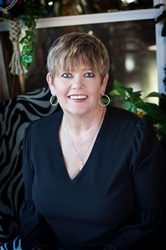
Crossroads Hospice & Palliative Care Chief Compliance Officer DeAnna Looper, RN, CHPN, CHPCA, LNC, CHC, CPCO Adds Credentials Through Additional Certifications


Crossroads Hospice & Palliative Care Chief Compliance Officer DeAnna Looper, RN, CHPN, CHPCA, LNC has added CHC and CPCO to her name.

Crossroads Hospice & Palliative Care Chief Compliance Officer DeAnna Looper, RN, CHPN, CHPCA, LNC has added CHC and CPCO to her name.

That’s thanks to her completion of two additional certifications this summer, the Board Certification in Healthcare Compliance (CHC) and the Certified Professional Compliance Officer (CPCO.)

The CHC is designed to mitigate compliance-related risks. Being certified means the individual has “knowledge of relevant regulations and expertise in compliance processes sufficient to assist in understanding and addressing legal obligations.”

The CPCO is granted through the AAPC, previously known as the American Academy of Professional Coders, an association for individuals working in healthcare business administration. Individuals with the CPCO credential have demonstrated understanding of how to “develop, implement and monitor a healthcare compliance program based on governmental regulatory guidelines including internal compliance reviews, audits, risk assessments and staff education and training.”

Looper has more than 40 years’ experience in healthcare, education and administration. As Crossroads’ Chief Compliance Officer, she oversees all clinical, legal and regulatory compliance operations across 11 Crossroads sites in seven states.

Joining Crossroads as a nurse at its founding in 1995 and advancing through several operational roles, Looper has been instrumental in leading the organization to the forefront of the hospice care industry.

A graduate of Tulsa Junior College (now Tulsa Community College) with an AS in Nursing, Looper continued her education attending Kaplan University and University of Oklahoma. She earned certifications as a Hospice and Palliative Care Nurse, Hospice and Palliative Care Administrator, Legal Nurse Consultant, Grief Recovery Specialist, Hospice and Palliative Nurses Association (HPNA) Approved Educator and ELNEC (end-of-life care) Trainer. Looper is a member of the Hospice and Palliative Nurses Association, Health Care Compliance Association and the Society of Corporate Compliance and Ethics.

Crossroads Founder and CEO Perry Farmer said, “DeAnna is a force within our organization. Her never ending drive to increase her knowledge and credentials as we evolve in an increasingly complicated industry are an inspiration to us all. We congratulate and thank her for earning these two additional credentials.”

Crossroads Hospice & Palliative Care is committed to being at the forefront of the hospice care industry, continually shaping the way end-of-life care is viewed and administered. Crossroads’ mission is to provide highly unique, comprehensive, and compassionate hospice services to persons experiencing a life-limiting illness and to their caregivers. Visit http://www.crossroadshospice.com for more information.

Share article on social media or email:

Lymphoma Research Foundation to Honor Heroes in Oncology at 25th Anniversary Virtual Gala


News Image

We are pleased to honor AstraZeneca, Dr. Habermann, and the many Heroes Among Us who have not only made a tremendous impact on the lymphoma community and LRF.

The Lymphoma Research Foundation (LRF) – the nation’s largest non-profit organization devoted to funding innovative lymphoma research and serving the lymphoma community through education programs, outreach initiatives and patient services – is marking its 25th Anniversary with a special virtual LRF Gala and Charity Auction on Wednesday, Sept. 30. The “Finding Cures Starts With You” 25th Anniversary Gala will honor AstraZeneca with its Corporate Leadership Award, Thomas M. Habermann, MD with its Distinguished Leadership Award, and will pay tribute to impactful members of the lymphoma community.

The Gala will bring together leaders from across the lymphoma community—including health care providers, researchers, corporate partners, patients, survivors, and volunteers—to raise vital funds to support LRF’s mission to eradicate lymphoma and serve those touched by this disease.

The Lymphoma Research Foundation will honor AstraZeneca with this year’s Corporate Leadership Award for its commitment to innovative research, improving patient outcomes, and patient education programming for people with lymphoma and chronic lymphocytic leukemia (CLL).

“We value our collaboration and fully support the Lymphoma Research Foundation in their mission to eradicate lymphoma and serve those touched by this disease,” said Chatrick Paul, Senior Vice President of AstraZeneca’s U.S. Oncology Business. “Putting patients first is at the heart of everything we do at AstraZeneca and we are honored to be recognized with the Corporate Leadership Award. Together with the blood cancer community, we hope to continue to drive innovative research and provide support to address the holistic needs of all cancer patients and their caregivers.”

The Foundation will also honor Dr. Thomas Habermann, Professor of Medicine and Consultant, Division of Hematology, Department of Internal Medicine at Mayo Clinic Rochester; and past Chair (2017-2019) and current member of the LRF Scientific Advisory Board, for his longstanding support of the Lymphoma Research Foundation, his dedication to lymphoma patients and their loved ones, and his achievements in lymphoma research and clinical care.

“We are excited to honor Dr. Habermann with the Distinguished Leadership Award. His accomplishments in lymphoma research and the clinic have impacted the treatment landscape and led to a lasting impact on patient outcomes,” said Steven Eichberg, Chair of the Lymphoma Research Foundation Board of Directors. “In addition to his groundbreaking research and outstanding clinical care, Dr. Habermann has been instrumental in steering the Foundation’s research initiatives through our elite Scientific Advisory Board, helping to ensure that the next generation of scientists enters and remains in the field of lymphoma.”

“I am truly honored to be involved with the Lymphoma Research Foundation and to be recognized with the Distinguished Leadership Award,” said Dr. Habermann. “The Foundation is critical to helping advance research and improved therapies for lymphoma patients and empowering patients through education.”

Heroes Among Us

On the occasion of its 25th Anniversary, LRF invites supporters to help tell the story of the lymphoma community by recognizing the Heroes Among Us.

From physicians and nurses to family members and friends, Heroes Among Us have played a critical role in supporting lymphoma patients and survivors on their journey. Corporate Leadership Award Honoree AstraZeneca recognizes these Heroes Among Us at the 25th Anniversary Gala:


  • Andrew Mortlock, Vice President, Projects, Hematology
  • Priti Patel, Global Clinical Lead, Hematology
  • Michelle Dawson, Global Hematology Portfolio Lead
  • Erik Schrader, Head, US Hematology Franchise

More Heroes Among Us will be recognized and celebrated during an exclusive programmatic segment the evening of the Gala.

“I could not think of a group of honorees more deserving of recognition during this milestone Gala,” said Meghan Gutierrez, Chief Executive Offer of the Lymphoma Research Foundation. “We are pleased to honor AstraZeneca, Dr. Habermann, and the many Heroes Among Us who have not only made a tremendous impact on the lymphoma community and LRF, but who will enable LRF to accelerate research at a pace that will make a meaningful difference in the lives of the more than 100,000 people diagnosed with lymphoma each year.”

For more information about the Lymphoma Research Foundation’s “Finding Cures Starts Here” 25th Anniversary Gala, please contact Rebecca Rausch at 646-465-9106 or rrausch@lymphoma.org, or visit lymphoma.org/gala.

About Thomas M. Habermann, MD

Dr. Habermann is a Professor of Medicine, and Consultant, Division of Hematology, Department of Internal Medicine at Mayo Clinic Rochester. He received his MD from Creighton University before completing his residency and fellowship at the Mayo Graduate School of Medicine. He is a member of the Iowa/Mayo Clinic Lymphoma Specialized Program of Research Excellence (SPORE) grant and has previously served as Chair of the Mayo Clinic Lymphoma Group.

A long-time member of the Scientific Advisory Board, Dr. Habermann served as Chair of the SAB from 2017 to 2019. Dr. Habermann also serves as Chair of the LRF annual Minnesota Lymphoma Workshop, a one-day patient education program that serves over 300 patients each year and has served as faculty for several LRF patient education programs. In 2016, he served as Co-Chair for the LRF North American Educational Forum on Lymphoma, the largest lymphoma-centric patient conference in the world, and the LRF Marginal Zone Lymphoma Scientific Workshop, the first-ever international multi-stakeholder scientific workshop of its kind. He is also a member of the LRF Mantle Cell Lymphoma Consortium and received a Mantle Cell Lymphoma Clinical Studies Correlative Research Grant from LRF in 2007. Dr. Habermann has been involved in many aspects of research in lymphoma with collaborations that include clinical trials, epidemiology, risk factors, new risk predictive models, and genomic studies.

About the Lymphoma Research Foundation

The Lymphoma Research Foundation (LRF) is the nation’s largest non-profit organization devoted to funding innovative research and serving the lymphoma community through a comprehensive series of education programs, outreach initiatives and patient services. To date, LRF has awarded more than $63 million in lymphoma-specific research.

For additional information on LRF’s research, education and services, visit lymphoma.org.

Share article on social media or email:

Healthcare Affordability is More Than a Problem, It’s a Crisis – Industry Analysis by Loyale Healthcare


Healthcare patients are struggling to pay their medical bills

The crisis in healthcare affordability began long before the pandemic. In an industry whose revenues are driven by patient choice, policy makers and healthcare providers must find a way to bridge the gap between what patients need and what they can afford. – Kevin Fleming, CEO, Loyale Healthcare

In “U.S. Health Insurance Coverage in 2020: A Looming Crisis in Affordability”, The Commonwealth Fund shared findings from their biennial survey of adults aged 19-64 about their healthcare coverage. The survey interviewed 4,272 adults over a period of several months, beginning on January 14, before the pandemic outbreak, and concluding on June 4, more than two months into the outbreak and subsequent economic displacement.

Analysis of the survey’s findings found that, “despite the severity of the pandemic and the abrupt disruption in economic activity beginning in March, the survey did not find statistically significant changes in coverage from the last time it was conducted in 2018. But it does show a persistent vulnerability among working-age adults in their ability to afford coverage and healthcare that could worsen if the economic downturn continues.

We would argue that for many Americans, the crisis in healthcare affordability began a long time ago – well before the pandemic and its ensuing economic calamity. In a three trillion-dollar industry whose revenues are increasingly driven by patient choice, policy makers and healthcare providers must find a way to bridge the gap between what patients need and what they can afford.

For the purpose of the survey, the definition of “underinsured” accounts for an insured adult’s reported out-of-pocket costs over the course of a year, not including premiums, as well as their plan deductible. These actual expenditures and the potential risk of expenditures (the deductible) are then compared with household income according to a varying schedule based on income. For Americans living above 200 percent of the federal poverty level, out-of-pocket costs for care and deductibles amount to 10 percent or more of household income.

The makeup of the un- and under-insured population is diverse, and its numbers have grown because of COVID-19. Uninsured rates are worse for people of color, small business workers, people with low incomes and young adults. More than one-third of Latino adults, workers in small businesses (less than 10 employees) and adults with low incomes were either uninsured when surveyed or spent some time uninsured in the past year. Alarmingly, one quarter of adults in employer-sponsored plans are underinsured. People who bought their own plans on the individual market, either directly from an insurer or the ACA marketplaces, were underinsured at the highest rates. Many compelling statistics support our argument that healthcare is already experiencing an affordability crisis well before the crisis began.


  • The share of deductibles of $1,000 or more has doubled since 2010, growing faster than income.
  • More than 43 percent of working-age adults had inadequate health insurance when the COVID-19 pandemic hit (since then millions have lost employer-sponsored health benefits).
  • Twelve and a half percent of workers were uninsured.
  • Nine and a half percent experienced a gap in coverage the preceding year.
  • Twenty one percent were under-insured.
  • Half of adults who were uninsured or spent any time uninsured reported problem paying bills.
  • Twenty five percent of people who were continuously insured and not under-insured also reported problems paying.
  • Black workers were significantly more likely than whites to report problems paying (45% vs. 35%).
  • Among those who reported problems paying, 37% exhausted their savings, 40% lowered their credit ratings, 26% were unable to afford basic necessities, 20% delayed education or career plans and 3% declared bankruptcy.

Healthcare’s affordability crisis has been well documented from a wide variety of perspectives. Research published last year by the Gallup organization in partnership with West Health, titled “Millions in U.S. Lost Someone Who Couldn’t Afford Treatment” describes in stark terms the gravity of the problem. Gallup conducted a survey of 1,099 U.S. Adults across all fifty states between Sept. 16-30, 2019. Among many sobering statistics, Gallup analysts calculated that:

  • Thirty-four million adults know someone who died after not getting treatment.
  • Fifty-eight million adults report inability to pay for needed drugs in past year.
  • Nonwhite adults are more than twice as likely to know someone who died because of an inability to pay (20.3% vs. 9.6%).

The reality of the crisis is supported by another research project, this one conducted by ValuePenguin, a division of lendingtree. In analysis titled “83% of Americans believe there is a Healthcare Affordability Crisis on our hands,” analysts surveyed a national sample of American healthcare consumers to “understand people’s true feelings on the healthcare issue that is center stage for political debate and gain additional insight into the true priorities of Americans.” Their analysis reported that four in five Americans feel as though the country is currently in a healthcare affordability crisis.

The list goes on. A simple search using the term “healthcare affordability” yields pages of research, analysis and opinion going back years. But the outcome of all this research and analysis is the same. Stated simply – for tens of millions of Americans, cost is a barrier to care. That barrier has led to poor health outcomes, especially for vulnerable populations, and to deteriorating financial well-being. And these poor financial outcomes haven’t only affected consumers of healthcare, they have challenged healthcare providers too.

None of this should come as a surprise. The affordability of healthcare has been a prominent issue in the minds of Americans for years. Rising premiums, high deductibles and co-pays, high prescription drug costs and more have inspired new legislation and regulation, with much more on the way. As a result, innovative healthcare providers have adapted systems to improve efficiencies and better engage with a financially-challenged consumer base.

We addressed this important operational and financial phenomenon in an article titled, Healthcare’s Strategy for Patient Engagement & Patient Payments: If Hospitals Don’t Drive, Regulators Will.” Addressing healthcare industry executives and policy makers, our analysis distilled regulatory and industry activity to identify best practices for health systems, hospitals and other healthcare providers determined to lower the cost barrier to care and improve provider financial performance – two conditions that we believe are imperative to the health of the industry and the consumers it serves.

In the article, we elaborated on the U.S. Department of Health and Human Services’ (HHS) ongoing efforts to force the industry toward a more consumer-friendly model. Quoting Selma Verma, the Administrator of the Centers for Medicare and Medicaid Services (CMS, an agency of HHS), who said in a speech that “The status quo is simply not sustainable…This administration in guided by four pillars; empowering patients, increasing competition, realigning incentives and reducing barriers to value-driven care.”

With consumers struggling and regulators responding, healthcare providers have no choice but to find ways to do more, do it better and do it with less. For most, that means leveraging technology to reduce costs while narrowing the gap between them and their patients. Loyale Healthcare’s Patient Financial Manager™ and Affordability Workbench™ are two examples. Purpose-engineered to enable robust, variable price transparency on an enterprise-wide scale, the system then offers up multiple patient payment scenarios. Importantly, these scenarios are customized to each patient, using data-driven consumer segmentation algorithms.

This technology helps Loyale clients across the country improve their patients’ experiences and reduce the costs associated with delivering care, often by tens of millions of dollars or more annually. By embracing technology-enabled, consumer-centric models, these providers are gaining a competitive shield against the expanding footprint of upstart competitors like CVS Health, Walgreens Health and Walmart Health. Perhaps more importantly, they’re taking important steps toward acknowledging – and doing something about – the financial suffering that too often accompanies the maintenance of their patients’ health. Our people and technology are proud to be a part of that mission.

Kevin Fleming is the CEO of Loyale Healthcare

About Loyale

Loyale Patient Financial Manager™ is a comprehensive patient financial engagement technology platform leveraging a suite of configurable solution components including predictive analytics, intelligent workflows, multiple patient financing vehicles, communications, payments, digital front doors and other key capabilities.

Loyale Healthcare is committed to a mission of turning patient responsibility into lasting loyalty for its healthcare provider customers. Based in Lafayette, California, Loyale and its leadership team bring 27 years of expertise delivering leading financial engagement solutions for complex business environments. Loyale currently serves approximately 12,000 healthcare providers across 48 states. Loyale is proud to have an enterprise-level strategic partnership with Parallon which includes the deployment of Loyale’s industry leading technology at all HCA hospitals and Physician Groups.

Hampden Dental Loft is Relocating to Greenwood Village


Our new office will have a modern atmosphere and by having our own office space we will be able to provide our patients with an even better experience.

Hampden Dental Loft, a family dentist in Denver announces its plans to relocate to the Denver Tech Center in Greenwood Village, CO. Beginning on Tuesday, September 29th Dr. Joseph F. Burns and his team will see patients at the new location at 8200 E. Belleview Ave, Suite 460-E, Greenwood Village, CO 80111. Patients with dental appointments prior to September 29th will be seen at the old location at 9250 E. Hampden Ave., Denver, CO 80231.

“Our team is thrilled about moving to a new office and we’re sure the patients will love it,” said Dr. Joseph Burns. “Our new office will have a modern atmosphere and by having our own office space we will be able to provide our patients with an even better experience.”

The new office in the DTC is less than 3 miles from the old location and is conveniently located near I-25 and I-225. The move will be seamless for patients since all charts are electronic. All services that are currently offered will continue as all technology such as the CBCT for 3D imaging and the CEREC for same day crowns will be moved to the new location.

Share article on social media or email:

Hero Life Sciences to Manufacture 115 Million Face Masks in California to Combat PPE Product Shortage


face masks, N95 masks

Hero Life Sciences is focusing on manufacturing 3 ply disposable surgical face masks and N95 Respirators in boxes and bags of 1, 10, 30, 50, and 100.

“The ability to find quality 3 ply surgical disposable face masks and N95 Respirators which are affordable, and made right here in the United States, should not be a frustratingly impossible daily task,” said Viresh Varma, CEO of Hero Life Sciences.

Hero Life Sciences announced today that it will be setting up its production to a target goal of 115 million 3 ply surgical disposable face masks and N95 respirators in its manufacturing plant located in the City of Corona, California. The production is in direct response to the challenge that most Americans are facing in trying to find quality disposable face masks during the COVID-19 pandemic and to replace the questionable origin of manufacturing with Made in the USA.

The shortage of PPE products has been frustrating for both front line workers and consumers. Without a vaccine, disposable face masks are a required preventative measure and now mandatory in most public settings – nationwide. However, people continue to struggle to find American made, affordable, high quality disposable face masks.

“The ability to find quality 3 ply surgical disposable face masks and N95 Respirators which are affordable, and made right here in the United States, should not be a frustratingly impossible daily task,” said Viresh Varma, CEO of Hero Life Sciences.

He added, “The search for PPE products should not add to the stress created by this global pandemic. The 3 Ply Surgical Disposable face masks and N95 respirators are products each of us will need to wear every day, until there is a solution. Without a cure, only prevention is our best bet. Our company is meeting this challenge head on by increasing production in our City of Corona manufacturing facility to serve the 40 billion face masks market. We want people to know and trust that their masks are Made in America.”

Hero Life Sciences is an initiative of Asher Group, a Washington based multi site retail channel operator, AV Ventures, a California based designer of apparels and Bliss Solutions, a California based company that provides solutions around personal development.

The venture is focusing on manufacturing 3 ply disposable surgical face masks and N95 Respirators in boxes and bags of 1, 10, 30, 50, and 100. These masks will be suitable for men, women and children of all ages. Hero Life Sciences’ face masks will be available for purchase by consumers, organizations and health and frontline workers by the first week of September 2020, and the N95 respirators by November 2020.

Visit https://herolifesciences.com/ to learn more.

Media Contact

Ria Romano, Partner

RPR Public Relations, Inc.

Tel. 786-290-6413

Share article on social media or email:

TCA Compliance Expert Held Webinar on Managing BSA Risks Stemming from Cannabis Businesses


Although 33 states have legalized marijuana, it is still illegal at the federal level.

During a webinar entitled “Marijuana, Hemp and CBD. Oh My!” on August 4, 2020, TCA Compliance’s Brian Crow discussed the latest developments in the cannabis industry and what banks need to know to protect their institutions.

“Although 33 states have legalized marijuana, it is still illegal at the federal level. Add that to cannabis derived hemp and the compliance requirements become even more complex.” says Crow, TCA’s co-president and managing partner.

The topic is essential even for banks that don’t provide services to the cannabis industry. Compliance officers still need to recognize the red flags and understand their due diligence requirements to be able to identify those looking to circumvent an institution’s controls. Since many institutions have elected not to bank the cannabis industry, some customers may attempt to hide their true nature of business when completing account questionnaires.

The 90-minute webinar covered:

  • State and federal marijuana laws
  • Evolution of federal and state laws for marijuana, hemp, and their derivatives
  • Current status of federal prosecution of “legalized” marijuana
  • FinCEN February 2014 Marijuana Guidance
  • Differences between “direct” and “indirect” marijuana-related businesses
  • 2018 Farm Bill and USDA Hemp regulation
  • FinCEN guidance on filing SARs relating to hemp
  • FinCEN guidance on hemp-related business due diligence
  • FDA regulation of CBD oil products
  • Suspicious activity red flags for marijuana- and hemp-related businesses
  • Due diligence requirements for onboarding and monitoring cannabis-related customers
  • SAR filing requirements for cannabis-related customers

To request access to the webinar recording, visit TCA’s website at https://www.tcaregs.com/webinars/.

Registration Fees:

  • $229 for TCA Clients
  • $279 for non-TCA Clients

Questions? Call 800-934-REGS or send an email to info@tcaregs.com

FOR MORE INFORMATION:             

Brian Crow

Co-president/Managing Partner                         

TCA Compliance                             

(800) 934-7347

info@tcaregs.com

Share article on social media or email:

Inaugural Class of MIDEO® University Graduates with ACPE Certification


We should be training educators in every community to assist people in creating effective and clear advance directives. MIDEO® University is accomplishing that with their training program for ACPE’s, an innovative approach that is going to change the landscape of end-of-life care. – Karen Wyatt, MD

The MIDEO® University graduation marks the completion of a three-month course of study, and matriculation in the role of Advance Care Planning Educator (ACPE).

The ACPE Certification was created by IHCD’s training arm with Your Voice Directives, to ensure consistent, high-quality education and evidence-based training to support the delivery of MIDEO® Advance Care Planning. MIDEO® is a tele-health or in-person tool which allows a patient’s treatment decisions to be both heard and seen. It creates video advance directives that focus on patient safety and peace-of-mind for those of any age, and at any stage of life.

“It has always been our goal to develop evidence-based educational modules from our TRIAD (The Realistic Interpretation of Advance Directives) research,” said Ferdinando Mirarchi, DO, Chief Medical and Scientific Officer of IHCD and MIDEO® Founder. “We are grateful that our new graduates have embraced our vision for patient safety and our passion to greatly reduce the misinterpretation of patients’ treatment decisions. I am proud of what these trainees have accomplished and I’m eager to see them make their marks in the ever-changing advance directives environment.”

Dr Karen Wyatt, hospice physician and founder of the popular podcast EOL University, shares that “people who are informed and empowered to express their wishes before they reach their final days are more likely to receive supportive care and to avoid unnecessary and unwanted treatment. We should be training educators in every community to assist people in creating effective and clear advance directives. MIDEO® University is accomplishing that with their training program for Advance Care Planning Educators, an innovative approach that is going to change the landscape of end-of-life care.”

The MIDEO® University ACPE curriculum includes a combination of self-study modules via an e-learning platform, as well as online support and live interaction in social media groups. In addition, each graduate is required to complete their own MIDEO® advance directive and fulfill a patient education/facilitation practicum. Registration begins fall of 2020. Further inquiries can be made at: yourvoicedirectives@gmail.com

About the Institute on Health Care Directives

The Institute on Health Care Directives was established in 2016 by Dr. Ferdinando Mirarchi, to deliver MIDEO® (MY INFORMED DECISION ON VIDEO), an advance health care planning system which keeps patients safe by greatly reducing misinterpretation rates, a common occurrence with standard paper documentation. This lifesaving, evidence-based protocol was formulated from the TRIAD scientific body of research. A distinguishing characteristic of the MIDEO® process is its function as both a video advance directive and a video medical order for life sustaining treatment. MIDEO® is the only Advance Care Planning system on the market today that quickly and effectively captures and conveys a person’s wishes using language that medical providers understand. MIDEO® can be accessed outside or inside of an electronic medical record and provides assurance to medical teams that they are providing the right care at the right time.

Advance Care Planning Educators fulfill a critical role in the MIDEO® protocol, ensuring patients have been adequately informed of their treatment options. A physician-guided evaluation and interview leads to the creation of a prescription, which is recorded on video. In this way, patients verbally inform future medical professionals of health history and treatment decisions, should they ever be unable to speak for themselves. The video is encrypted in a QR code (barcode) on an ID card or medallion, which can be kept in a wallet, purse, or on a smartphone screen and is retrievable anywhere in 15 seconds or less. For more information about The Institute on Health Care Directives or MIDEO®, visit: institutehcd.com or MIDEOhealth.com

About Your Voice Directives

Your Voice Directives is a joint venture between Patty Burgess and Sheila M. Schultz, both leaders in the End- of-Life Industry. They are creators of training programs for the hospice industry, for end-of-life doulas, and for health care and personal planning practitioners such as funeral directors, financial planners, and attorneys. Their approach is media-rich and experiential, delivering service-specific learning and business expertise to ensure participants seamless entry into local or global markets. The MIDEO® University collaboration underscores Your Voice Directive’s commitment to developing training platforms that support both in-person and tele-health / telemedicine services.

Share article on social media or email:

Harmony Healthcare IT Recognized for Success with Complex Legacy Data Projects Underscoring #1 Rank in the 2020 Best in KLAS Report as Category Leader in Data Archiving


Harmony Healthcare IT Ranked #1 in 2020 Best in KLAS Report as Data Archiving Category Leader

Our team continues to break through barriers other data management firms cannot for some of the largest health systems in the nation.

Harmony Healthcare IT, a first-to-market innovator in legacy data management recently ranked #1 in the 2020 Best in KLAS Software & Services Report as the Category Leader in Data Archiving, is further recognized as a stand out for successful experience archiving a wide variety of complex clinical and financial software systems for enterprise-wide inpatient organizations as well as smaller acute providers. The company received all A’s in the six customer experience pillars of culture, loyalty, operations, product, relationship and value. These expanded findings are included in the recently released KLAS Performance Report.

In the report, Harmony Healthcare IT’s long-term record storage platform, HealthData Archiver®, is described by customers as integrated and easy to use, making it simple to find patient records. Customers also mention that auditing and release of information capabilities work well. Also of note, 100% of customers surveyed said they would include Harmony Healthcare IT in their long term plans.

One IT Director/customer explains: “Harmony Healthcare IT is absolutely part of our long-term archiving strategy. The product has been very easy to use. I think the benefits of it have been that we don’t have to keep aging equipment and systems around; the product has allowed us to retire and sunset additional software systems. From our standpoint, that helps with security and maintenance, and we don’t have to have FTEs maintain those old systems.”

“We take tremendous pride in this positive client feedback,” said Tom Liddell, CEO at Harmony Healthcare IT. “With its broad and deep technical experience, our team continues to break through barriers that other data management firms cannot for some of the largest health systems in the nation. We welcome the opportunity to decommission the more complex inventories of clinical and financial systems, ultimately delivering legacy data wherever it is needed to strengthen care delivery.”

About Harmony Healthcare IT

Harmony Healthcare IT (HHIT) is a legacy data management firm in South Bend, IN that migrates and archives patient, employee and business records for healthcare organizations nationwide. To strengthen care delivery and improve lives, we move and preserve vital information in a way that keeps it secure, compliant, accessible and usable. Since 2006, our team of experts has extracted, converted, migrated and retained billions of records and petabytes of data from over 500 different clinical, financial and administrative software brands. That information is secured on our cloud-based storage platform, HealthData Archiver®, which is live in production on Epic’s App Orchard. Harmony Healthcare IT has been ranked #1 in the 2020 Best in KLAS Software & Services Report as a Category Leader in Data Archiving, and as the top data extraction and migration healthcare IT company according to Black Book™ Market Research in 2019 and 2020. We were also selected by Modern Healthcare as one of the 2019 Best Places to Work in Healthcare. For more information about Harmony Healthcare IT, visit: http://www.harmonyhit.com.

About KLAS

KLAS is a data-driven company on a mission to improve the world’s healthcare by enabling provider and payer voices to be heard and counted. Working with thousands of healthcare professionals, KLAS collects insights on software, services and medical equipment to deliver reports, trending data and statistical overviews. KLAS data is accurate, honest and impartial. The research directly reflects the voice of healthcare professionals and acts as a catalyst for improving vendor performance. To learn more about KLAS and the insights it provides, visit KLASresearch.com.

Share article on social media or email:

Home Instead Franchisee’s “Giving Back” Philosophy Earns Industry Recognition


Hillsboro, Oregon’s Todd Barth, franchise owner for Home Instead Senior Care, is among a select group of successful franchisees across North America named as a 2020 Rockstar Franchise Owner by Franchise Business Review, the leading market research firm in the franchise industry. Todd was recognized for outstanding achievements in the Giving Back category, praised for his franchise’s charitable giving, mentoring and volunteering in the community.

Franchise Business Review’s annual Rockstar Award is based on research from over 27,000 franchisee surveys, across more than 300 leading brands, to identify the best of the best in franchising today. Candidates are judged on leadership, business acumen, financial and professional success, and contributing to their community.

“Giving back is at the core of who we are,” said Barth. “Each and every day, we renew our commitment to serve older adults with excellence and compassion, so they not only live independently, but so they also feel that personal connection to our community.”

Most recently, Barth’s team delivered a $40,000 grant to the Lines for Life program in Oregon, whose senior loneliness line has seen a 40% increase in calls as area seniors have become more isolated during the pandemic.

This community-focused approach is pervasive throughout the Home Instead franchise network. And it has never been more apparent than in the midst of COVID-19 and its dramatic impact on the older adults Home Instead serves.

“Our franchise network has continued to perform above and beyond expectations in serving our clients,” described Jeff Huber, Home Instead Senior Care CEO. “Thanks to the resilience and commitment of our franchise owners, care coordinators, office staff and professional CAREGivers, we’ve continued to provide quality care for seniors. At a time when hospital beds are at a premium, I couldn’t be prouder of our network for helping older adults stay happy and healthy at home.”

Consistency in quality and excellence across Home Instead Senior Care offices is a pride point for the organization – one that has been reflected by a growing list of other industry awards. In the past year alone, Home Instead Senior Care has been honored with numerous franchising accolades, including:

Franchise Business Review:

  • Top Franchise Culture List
  • Top Franchises for Second Careers
  • Top Franchises for Women
  • Top Second-Career Franchises

Entrepreneur:

  • 2020 Franchise 500 ranking
  • 2020 Top Global Franchises
  • 2020 Top Low-Cost Franchise (#30)

“The recognition that comes with these awards is always gratifying, but this year feels particularly humbling,” explained Huber. “Home Instead franchises across the U.S. have never faced more challenges, yet they have risen to the occasion and are continuing to show up for our clients each day at a time when they are needed most.”

For more information on Home Instead Senior Care, including information about franchise opportunities, visit franchises.homeinstead.com.

ABOUT HOME INSTEAD SENIOR CARE

Founded in 1994 in Omaha, Nebraska, the Home Instead Senior Care® franchise network provides personalized care, support and education to enhance the lives of aging adults and their families. Today, the network is the world’s leading provider of in-home care services for seniors, with more than 1,200 independently owned and operated franchises that provide more than 80 million hours of care annually throughout the United States and 11 other countries. Local Home Instead Senior Care offices employ approximately 90,000 CAREGivers℠ worldwide who provide basic support services that enable seniors to live safely and comfortably in their own homes for as long as possible. Home Instead Senior Care franchise owners partner with clients and their family members to help meet varied individual needs. Services span the care continuum – from providing personal care to specialized Alzheimer’s care and hospice support. Also available are family caregiver education and support resources.

Visit HomeInstead.com. Connect with us on Facebook and Twitter.

Share article on social media or email:


Is My Sudden Back Pain from My Spine, or is it Something Else?


Dr. Kaliq Chang

Sudden pain anywhere in the body typically makes us stop what we’re doing – and that’s especially true when it’s in your back. But is your sudden back pain due to a problem in your spine, or something else?

The short answer is: It depends, says Kaliq Chang, MD, of Atlantic Spine Center.

Low back pain is so prevalent that it’s the second most common reason Americans see a doctor, according to the US National Library of Medicine. But all back pain isn’t created equal, and acute back pain has many various causes – from minor to life-threatening.

“It’s important to understand that sharp back pain isn’t usually serious. Most commonly, it’s caused by something just as sudden, like an injury to the muscles and ligaments that support the back from a fall or from heavy lifting,” explains Dr. Chang, an interventional pain management specialist.

“Your acute back pain might be due to muscle spasms, or to a tear or strain in back muscles and ligaments,” he adds. “Still, while these are the most common triggers, everyone should be aware of the array of possible causes of sudden back pain so they can seek medical care when appropriate.”

Symptoms and causes of sudden back pain

Sudden back pain may seem self-explanatory: it’s sudden, and your back really hurts. But depending on the cause, Dr. Chang says other symptoms can also include pain in your leg, hip or bottom of your foot, or even weakness in your arms or legs.

“Pain isn’t a one-size-fits-all sensation, either,” he adds. “Back pain can also read as tingling and burning, and it can be so severe you’re unable to walk, sit straight or even move.”

What are potential reasons for sudden back pain? According to Dr. Chang, spine-related causes include:

  • Compression fracture to the spine from osteoporosis, which thins the bones
  • Cancer that involves the spine
  • Ruptured or herniated spinal disc
  • Spinal stenosis, or narrowing of the spinal canal
  • Muscle or ligament strains or tears in the back
  • Arthritis-related spinal degeneration
  • Infection of the spine


Meanwhile, causes of sudden back pain that are something else – in other words, not spine-related – include:

  • Leaking abdominal aortic aneurysm
  • Kidney stones or infection
  • Pregnancy problems
  • Women’s reproductive conditions, such as ovarian cysts or cancer; uterine fibroids; or endometriosis


When to see a doctor

Most back pain, even if it comes on suddenly, lasts from a few days to a few weeks, Dr. Chang says. But how do you know if you should be patient and ride it out, or if you should see a doctor?

Dr. Chang advises calling your doctor immediately if you have:

  • Severe blow or fall that triggers your back pain
  • Blood in your urine or a burning sensation while urinating
  • History of cancer
  • Loss of control over your bowel or bladder
  • Unexplained fever with back pain
  • Weakness or numbness in your pelvis, buttocks, thigh or leg
  • Pain that travels below the knees
  • Inability to get comfortable regardless of body position


“To be clear, the majority of back pain isn’t due to anything serious,” Dr. Chang says. “But there are sometimes reasons to worry. Listen to your gut and see a doctor if your sudden back pain doesn’t ease or includes other alarming symptoms.”

Atlantic Spine Center is a nationally recognized leader for endoscopic spine surgery with several locations in NJ and NYC. http://www.atlanticspinecenter.com, http://www.atlanticspinecenter.nyc

Kaliq Chang, MD, is an interventional pain management specialist, double board-certified in interventional pain management and anesthesiology, at Atlantic Spine Center.

Share article on social media or email: