Category Archives: Science: Biology

Cutting edge research is happening on a daily basis in our modern world, Keep up to date with our Press Release services.

Erkki Ruoslahti wins America’s top biomedical research award


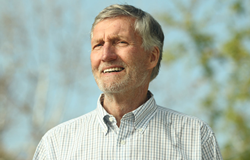
Erkki Ruoslahti, M.D., Ph.D., winner of the Albert Lasker Basic Medical Research Award

Erkki Ruoslahti, M.D., Ph.D., winner of the Albert Lasker Basic Medical Research Award

“I am honored to have been recognized by the Lasker Foundation for my work and thankful for Sanford Burnham Prebys Medical Discovery Institute for supporting me throughout much of my scientific career.”

Erkki Ruoslahti, M.D., Ph.D., Distinguished Professor Emeritus at Sanford Burnham Prebys, has been announced as one of three winners of the Albert Lasker Basic Medical Research Award, the most prestigious American award for biomedical research, for his transformational research leading to the discovery of the cell adhesion receptors now known as integrins.

“Winning the Lasker Award is the dream of many American researchers working in biomedicine,” says Ruoslahti. “I am honored to have been recognized by the Lasker Foundation for my work and thankful for Sanford Burnham Prebys Medical Discovery Institute for supporting me throughout much of my scientific career.”

Ruoslahti shares the award with Richard O. Hynes from the Massachusetts Institute of Technology, and Timothy A. Springer from Boston Children’s Hospital and Harvard Medical School, for their independent discovery of the integrins. The award presentation is viewable at https://www.laskerawards.live/.

“Integrin-mediated cell adhesion guides cell migration and keeps our tissues together. Like molecular zip codes, it directs cells to the right location and keeps them attached there. Integrin activity in cancer cells is altered, which makes them capable of spreading to distant sites in the body, where they form metastases.”

Integrins are cell receptors that facilitate interactions between cells and with their environment. When integrins bind to their target molecules, they trigger biological actions such as cell attachment, movement, death or differentiation. Since the discovery, integrins have been studied in cancer (progression, metastasis, angiogenesis), sepsis, fibrosis, viral infections and autoimmunity. Integrin-targeting clinical trials—especially in cancer—are ongoing, and the approach remains promising.

In addition to helping open the integrin field, Ruoslahti’s discoveries led to the development of RGD-based drugs for vascular thrombosis and other diseases, including current efforts to direct drugs into tumors by making use of integrins expressed on tumor blood vessels but not on normal vessels.

Share article on social media or email:

University of Maryland’s Earth System Science Interdisciplinary Center Awarded NASA Funding Renewal


In the next five years, we will jointly tackle the challenges of bringing multiple research streams together to make it possible to predict climate change impacts on our communities, agricultural and wilderness areas, and economy.

The Earth System Science Interdisciplinary Center (ESSIC) has been awarded a new five-year, $95 million cooperative agreement with NASA. Established in 1999, ESSIC is a joint center of the University of Maryland and NASA’s Goddard Space Flight Center that supports research, teaching and career training in Earth system science.

“We are proud to be collaborating with Goddard Space Flight Center on Earth systems science research that is addressing the pressing challenges of global sustainability,” said Ellen Williams, director of ESSIC and a Distinguished University Professor of Physics at UMD who serves as the cooperative agreement’s principal investigator. “In the next five years, we will jointly tackle the challenges of bringing multiple research streams together to make it possible to predict climate change impacts on our communities, agricultural and wilderness areas, and economy.”

The award will enable UMD to continue and expand its close collaboration with NASA Goddard, building on a legacy of more than two decades of world-class research in meteorology, oceanography, terrestrial physics, hydrology, atmospheric chemistry, ecosystem science and satellite Earth observations. The broad goal of ESSIC is to understand the relationships between Earth’s atmosphere, oceans, land masses and biosphere, with an eye to the influence of human activities on Earth’s coupled systems.

“We have valued and appreciated our scientific engagement over the years and look forward to new opportunities and collaboration going forward,” said Dalia Kirschbaum, director of NASA Goddard Space Flight Center’s Earth Sciences Division.

ESSIC links research efforts at UMD’s Departments of Atmospheric and Oceanic Science, Geology, and Geographical Sciences with the Earth Sciences Division at NASA’s Goddard Space Flight Center. ESSIC also has a cooperative agreement with the National Oceanic and Atmospheric Administration (NOAA) to support satellite research focused on weather and water forecasting models and predictions. By fostering close integration within the university community and among government partners in NASA and NOAA, ESSIC serves a unique role as a collaboration hub within the national Earth system science research community.

“The University of Maryland takes on humanity’s grand challenges, and I can think of no greater validation of ESSIC’s efforts to tackle the grand challenge of climate change than receiving this renewal from NASA,” said UMD President Darryll J. Pines. “The future health and welfare of our planet are closely linked to this important work by ESSIC scientists.”

Over the next five years, ESSIC will continue to prioritize projects within six major research themes:

  • Atmospheric composition and processes (aerosol/cloud physics)
  • Atmospheric chemistry/carbon cycle
  • The cryosphere
  • Hydrometeorology/precipitation retrieval
  • Hydrology/land surface processes
  • Numerical modeling/data assimilation

“This collaboration between NASA and the University of Maryland recognizes and builds on nearly a quarter century of trailblazing research at ESSIC,” said Amitabh Varshney, dean of UMD’s College of Computer, Mathematical, and Natural Sciences, which administers ESSIC. “ESSIC researchers have given us unprecedented insights into the global and regional connections between land, oceans, atmosphere and human activity. We can’t wait for the discoveries that will flow from this new cooperative agreement.”

ESSIC’s 88 scientists and students funded by the current NASA cooperative agreement submitted 168 papers for publication in 2021 alone.

Some recent ESSIC research highlights include:

  • A 2022 study in the journal Science reconstructed the natural pace and pattern of carbon storage in the forests of the Midwestern U.S., finding that high-biomass species in old forests play important roles in carbon storage.
  • A 2022 study in the journal GCB Bioenergy found that growing giant miscanthus, a type of perennial biomass crop, has a strong likelihood of significantly lowering regional summer temperatures and the vapor-pressure deficit, while increasing rainfall and overall crop productivity.
  • A 2021 study in the journal Remote Sensing reported that snowfall properties measured by the cloud profiling radar on-board CloudSat and used by other satellite missions and climatological models for evaluating and comparing against their snowfall products are likely inaccurate because the radar only collects data during the daytime due to a battery anomaly. The results highlight the need to sample consistently with the CloudSat observations or adjust snowfall estimates derived from CloudSat when using them to evaluate other precipitation products.
  • A paper at the 2021 AGU Fall Meeting featured a machine learning-based model of the normalized difference vegetation index that can be used to identify large-scale changes to irrigation conditions and crop rotations.
  • A 2020 study in the journal Remote Sensing compared a global precipitation forecast provided by NASA’s Goddard Earth Observing System with near-real-time satellite precipitation estimates for use in a global landslide forecasting system.
  • A 2019 study in the journal Nature Communications used high-resolution numerical modeling and downscaling of climate projections to find that as Arctic sea ice retreats and surface temperatures increase, upward surface turbulent fluxes increase dramatically, increasing the convective available potential energy and overturning in the atmosphere and thus intensity of Arctic cyclones and their associated precipitation.
  • A 2018 study in the journal Atmospheric Chemistry and Physics presented a new method for quantifying regional aerosol indirect effects on the Arctic surface energy budget, as demonstrated in a subset of clouds with high confidence in aerosol classification.
  • A 2018 study in the Journal of Geophysical Research: Atmospheres found that the intensity and location of the subsidence branch of the Walker Circulation anomaly over the Maritime continent vary with different groups of El Niño-Indian Ocean Dipole events, and so do the resulting drought and Indonesian fires.
  • A 2018 study in the journal Geophysical Research Letters details the use of satellite-based remote sensing, data from a research vessel, field samples and photographic documentation to study a newly erupted Surtseyan volcanic island in the southwest Pacific Ocean unofficially known as Hunga Tonga Hunga Ha’apai. A time series of erosion and deposition play a key role in determining the lifespan of this new island.

“These scientific results directly inform important decisions that we, as a society, are facing in addressing climate change and global sustainability,” Williams said. “The renewal of this award is a testament to the quality of the work done by our University of Maryland faculty in their collaboration with NASA Goddard Space Flight Center scientists.”

Share article on social media or email:

Aureus Earth and the University of Washington Execute Ground-Breaking Carbon Offset Transaction for a Mass Timber Building


Mass timber presents a unique opportunity to turn new buildings into effective carbon sinks. By issuing offsets for the biogenic carbon stored in a mass timber building, we can help accelerate the construction industry’s transition to a low-carbon economy.

Aureus Earth, the leading provider of carbon offsetting incentive programs for the construction industry, today announced its first transaction that values the long-term biogenic carbon storage in a mass timber building. The transaction was accomplished in partnership with the University of Washington (UW) Foster School of Business, using the newly completed Founders Hall mass timber building as a proof of concept.

Aureus Earth offers developers financial incentives to utilize carbon-storing and low-carbon materials, turning buildings into carbon sinks and accelerating the decarbonization of the construction industry. The company has developed a carbon offset protocol for sustainably harvested mass timber that quantifies biogenic carbon stored in the building and issues carbon offsets based on carbon dioxide removal (CDR). The resulting carbon offsets can be sold to help reduce the cost of mass timber construction.

Because building construction and modification are subject to documentation and permitting, offsets created on the basis of mass timber construction are easily monitored for episodes of carbon leakage. In addition, offsets are guaranteed by Aureus Earth for 100 years using an assurance fund that protects against early emissions release, making them transparent, long-lived, and superior in quality. As part of their service, Aureus Earth matches building owners with purchasers of high-quality carbon offsets, namely companies with ambitious net-zero or climate-positive carbon emissions goals. Alternatively, building owners may elect to apply the carbon offsets toward their own carbon reduction goals, a practice known as carbon insetting.

“Decarbonizing the built environment is a crucial component to effectively combating climate change,” said Dr. Wil Srubar, co-founder of Aureus Earth. “Mass timber presents an opportunity to turn new buildings into effective carbon sinks. By issuing offsets for the biogenic carbon stored in a mass timber building, we are helping developers offset the cost of mass timber construction, thereby accelerating the pace of the construction industry’s transition to a low-carbon economy.”

The University of Washington has a long-standing commitment to environmental stewardship, with initiatives that extend beyond the enhancement of the environment to also include how it manages facilities and resources. Designed by LMN Architects, Founders Hall is a six-story mass timber building that provides instructional, academic, and administrative space for the business school. At 96,000 square feet, the building will store more than 1,000 tons of CO2 for decades, keeping carbon out of the atmosphere for the lifetime of the building, and likely beyond.

“We’re delighted Founders Hall supports the University of Washington’s Climate Action Plan through decreasing greenhouse gasses,” said Frank Hodge, Janet and Orin Smith Dean of the Foster School of Business. “Our partnership with Aureus Earth provides a potential framework for other campus capital projects at the UW – and for campuses across the country – to incentivize the use of environmentally friendly building materials. It’s a demonstration of our commitment to climate leadership via business innovation.”

The carbon offsets were purchased by stakeholders interested in the decarbonization of the construction industry and gifted back to the University of Washington, where they remain. Total support for the project was $150,000.

Global accounting firm Moss Adams provided advisory services on the Aureus Earth transaction process as part of the pilot. Moss Adams is a leader in sustainability services, which encompass ESG goal setting, assurance and reporting.

Aureus Earth is currently engaged with more than 15 mass timber building projects in the United States at various stages in the design and construction process. Aureus Earth’s successful inaugural pilot will help the company scale its programs and accelerate the adoption of carbon-positive building practices.

About Aureus Earth

Aureus Earth is accelerating decarbonization in the construction industry by reducing the existing green premium between the cost of traditional building materials and low-carbon and carbon-storing alternatives. The company offers a groundbreaking portfolio of financial instruments that incentivizes the use of climate-positive building materials in large-scale commercial, institutional, and residential construction. Together with our industry partners, Aureus Earth creates and monetizes building-based carbon offsets for use in carbon offsetting or carbon insetting programs. Based in Boulder, Colorado, Aureus Earth is led by a multidisciplinary team of experts in engineering, materials science, resource development, and corporate strategy consulting. To learn more, visit https://aureusearth.com

About UW Foster School of Business

Founded in 1917, the Michael G. Foster School of Business at the University of Washington Seattle offers bachelor’s, master’s, and doctoral degrees as well as executive education programs. Annual enrollment is approximately 3,500 students and the school has an alumni population of more than 60,000. The Foster School is accredited by the Association to Advance Collegiate Schools of Business. For more information, visit https://foster.uw.edu/.

About Moss Adams

With more than 3,800 professionals across 30-plus locations in the West and beyond, Moss Adams provides the world’s most innovative companies with specialized accounting, consulting and wealth management services to help them embrace emerging opportunities. To learn more, visit: https://mossadams.com

Share article on social media or email:

VIC Foundry Awarded an NIH Grant for Development of Instrument for Ultrafast Detection of Protein Biomarkers


News Image

“We are excited to receive NIH funding for this high-impact technology that can help researchers develop new diagnostics and treatments across a wide range of conditions,” said Calvin Goforth, CEO of VIC Foundry.

VIC Foundry, in collaboration with the University of Buffalo, has been awarded a $259,000 grant from the National Institutes of Health (NIH) through the Small Business Technology Transfer (STTR) program. STTR grants support research and development to de-risk new technologies that have significant commercial potential.

The grant will help VIC Foundry develop a microwave microreactor for in-situ capture and digestion of target proteins, leveraging an extraordinary acceleration effect of a unique microwave resonator on the binding and pyrolytic reaction rates. The microreactor can be directly coupled to mass spectrometry for ultrafast (near real-time), unambiguous detection of protein biomarkers.

“We are excited to receive NIH funding for this high-impact technology that can help researchers develop new diagnostics and treatments across a wide range of conditions,” said Calvin Goforth, CEO of VIC Foundry.

Proteins are the most important and established class of biomarkers for clinical diagnosis, monitoring, and management. In diagnosis, risk stratification, and management of many life-threatening diseases/conditions such as myocardial infarction, every minute counts and unambiguous detection of relevant protein biomarkers is crucial. Unfortunately, the workflow of current approach–mass spectrometry–is bottlenecked by the sample preparation process. The microwave microreactor technology will address this significant limitation.

The proposed technology and product will streamline the workflow of mass spectrometry analysis of proteins, free end users from the laborious and tedious multiple sample preparation steps, and allow near real-time and unambiguous detection of protein biomarkers, as well as therapeutics, drug targets, and more.

About VIC Foundry

VIC Foundry is one element of the VIC innovation ecosystem that includes VIC Tech, VIC Investor Network, and various associated programs such as the VIC Fellows. VIC Foundry develops technologies that have substantial potential impact and commercial promise but need additional development before private equity funding. VIC Foundry further develops promising technologies by accessing various grant funding opportunities. Upon successfully completing the given grant-funded project, a new company is formed, VIC places an initial executive team, and the VIC Investor Network makes a founding investment into the newly formed company. To learn more, visit vicfoundry.com

Share article on social media or email:

Labroots Announces its 8th Annual Microbiology Virtual Week Online Event, Hosted on September 6-8, 2022


Microbiology Virtual Week, September 6-8, 2022

Labroots, the leading scientific social networking website offering premier, interactive virtual events and webinars, is delighted to announce its annual Microbiology Virtual Week free online event. From September 6th through 8th, research scholars, top scientists, healthcare professionals, microbiologists, infectious disease specialists, and clinicians from all around the world will gather under a virtual roof to hear from prominent speakers discussing their recent contributions and latest findings in the field.

The cutting-edge 3-day agenda will include over 35 thought leaders from industry and academia institutions delivering dynamic information, and comprising stellar keynote deliveries and panel presentations you won’t want to miss!

Some of the key highlights at Microbiology Virtual Week 2022 include five well-renowned keynote speakers headlining the virtual stage:

  • Josef Neu, M.D., Professor, Department of Pediatrics, Division of Neonatology, University of Florida: AI and Multi-Omics in Perinatal Period.
  • Daniel Griffin, M.D., PhD, Chief, Division of Infectious Disease – ProHEALTH, an OPTUM Company, Clinical Instructor of Medicine – Columbia University College of Physicians and Surgeons, Department of Medicine-Division of Infectious Diseases: The Importance of Timing: Managing COVID-19 (with live Q&A).
  • Kate L. Jeffrey, PhD, Executive Director, Moderna Therapeutics: Functional Consequences of the Human Enteric Virome (with live Q&A).
  • Francisco Veas, PhD, Research Director and Professor, Montpellier University: An Ultrasensitive Detection of Respiratory Viruses Upon an Apoh-Viral Enrichment from Non-Invasive and Self-Collectable Mouth Washing Sampling (with live Q&A).
  • Jonathan Abraham, M.D., PhD, Assistant Professor of Microbiology at Harvard Medical School, Associate Physician in Infectious Diseases, Brigham & Women’s Hospital: Lipoprotein Receptors are Evolutionarily Conserved Cellular Receptors for Divergent Alphaviruses (with Live Q&A).

Dr. Daniel Griffin, Chief, Division of Infectious Disease – ProHEALTH, an OPTUM Company, Clinical Instructor of Medicine – Columbia University College of Physicians and Surgeons, Department of Medicine-Division of Infectious Diseases said, “the COVID-19 pandemic has reminded many and for the first-time informed others of how devastating a microscopic life form can be to our way of life. Despite the advanced technologies and many preparations, this virus has killed millions and has transformed our society. The triumphs and ultimately our ability to move forward are a testament to the power of science in the form of vaccines and therapeutics. While we continue to make advances, the biggest challenge remains as always – educating physicians and patients about how to best use these powerful tools.”

Dr. Kate L. Jeffrey, Executive Director, Moderna Therapeutics commented, “although the microbiome is established as an important regulator of health and disease, the role of prokaryotic and eukaryotic viruses that inhabit asymptomatic humans (collectively, the virome) is less defined. Sequencing efforts have shown clear perturbations in the virome in a range of diseases, including inflammatory bowel disease (IBD). To move beyond correlations, we tested if the virome, akin to the microbiome, autonomously contributes to human health, and when perturbed if it triggers inflammation and provokes disease. Our work provides a missing functional link that our collective virome – that is established from birth, shaped through life and includes vast numbers of known viruses and copious ‘dark matter’ we cannot yet identify – is an important contributor to human health, but when perturbed does provoke inflammation in IBD and conceivably many other diseases.”

Dr. Francisco Veas, Professor, Research Director and Professor, Montpellier University Departments of Microbiology and Medicine at Icahn School of Medicine at Mount Sinai stated, “the evolution of the planetary situation is knowing multiple rapid and severe complications impacting all the aspects of life. These changes include, severe climate change, very large losses of biodiversity (respectively 70%, 80% 50% of vertebrates, insects and birds disappeared in less than 40 years, and all the rest being in accelerated extinction way), and disappearance natural habitats (wetlands, mangroves, glaciers, polar ice caps, rivers, lakes, etc.), forests. All these aspects are correlated with the increase of an uncontrolled human demography (8 billion humans this year compared with 1.5 billion in 1900) of consumers (new synonym of human), mainly since the half of the XX century due to the use of antibiotics, mass vaccination and new therapies. This has created a paradox that implies that medicine, while providing a longer life in a better health, indirectly contributes to the acceleration of the destruction of our habitat. These environmental changes induce higher concentrations of zoonotic host of pathogens outside of their historical large endemic areas, non-visited by humans, where they were previously ‘diluted’ (eg.: SARS-CoV-2, Monkeypox virus, Lyme disease, etc.). To provide a high-quality public health to protect populations against (re)-emerging diseases in this context, there are two related main mandatory actions to be considered under a One Health approach: (i) new creative measures to urgently reverse the environmental and demographic tragedies mentioned above, but also (ii) carry out classic public health counter-measures, by developing (preparedness) more efficient methods allowing a better surveillance with ultra-sensitive and ultra-rapid detection of circulating pathogens to adopt the earliest optimized therapeutic or vaccine for individual and epidemic management/containment. The Labroots platform is an excellent way not only to share these new integrative ways to think ‘health and health of the planet,’ but also to propose complementary technologies that could meet unmet medical needs.”

The scientific program explores informative sessions such as host immune response to bacterial pathogens, innate immunity, viral replication, antimicrobial resistance and novel antimicrobial strategies, point of care diagnostics – lessons from COVD-19 testing, genomics of viruses, emerging and re-emerging respiratory viruses, the microbiome in women’s health, the microbiome in cancer risk and treatment, viromes and bacteriophages, genomic epidemiology and pandemic preparedness, and so much more.

“Labroots established this virtual event 10 years ago to draw attention to the disciplines of Microbiology bringing the scientific community together to learn cutting-edge discoveries and innovative technologies,” added Greg Cruikshank, Chief Executive Officer of Labroots. “Furthering our commitment, Microbiology Virtual Week has been the go-to conference, providing an unmatched platform for leading experts to exchange ideas in the fields of immunology, microbiology and cancer research at this educational forum.”

Produced on Labroots’ robust platform while connecting across all desktops and mobile devices, the online environment encompasses a lobby with leaderboard and gamification, an auditorium featuring live-streaming video webcasts offering live attendee chats during scheduled presentations, an interactive poster hall featuring a poster competition and live chat conversations), exhibit hall (interact with sponsors and view the latest array of products and technologies), and a networking lounge to connect with your colleagues. By participating in this event, you can earn 1 Continuing Education credit per presentation for a maximum of 50 credits.

To register for the event, click here. Participants can use the official hashtag #LRmicro to follow the conversation and connect with other members of the global Microbiology community. Follow @Microbiology_LR on Twitter and @Microbiology.LR on Facebook to connect with our specialist Microbiology Writers and stay up to date with the latest Trending News in Microbiology. And now, you can also join our Microbiology Interest Group on LinkedIn to connect with us!

About Labroots

Labroots is the leading scientific social networking website, and primary source for scientific trending news and premier educational virtual events and webinars and more. Contributing to the advancement of science through content sharing capabilities, Labroots is a powerful advocate in amplifying global networks and communities. Founded in 2008, Labroots emphasizes digital innovation in scientific collaboration and learning. Offering more than articles and webcasts that go beyond the mundane and explore the latest discoveries in the world of science, Labroots users can stay atop their field by gaining continuing education credits from a wide range of topics through their participation in the webinars and virtual events.

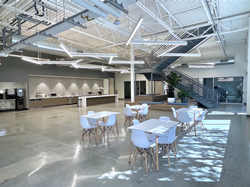
BioCube Opens Cutting-Edge Life-Sciences Incubator in the Heart of Silicon Valley


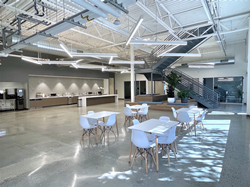
The latest BioCube facility was designed in an industrial-chic style to appeal to next-generation research talent. (Photo Credit: Jane Lalonde)

BioCube North is a vibrant, people-first ecosystem designed for beauty, comfort, and convenience. It’s the result of careful planning and lessons learned from our decade-long legacy at BioCube South.

San Jose BioCube, a leading life-sciences incubator, announced the opening of BioCube North at 2680 Zanker Road in North San Jose, California. The 35,000-square-foot facility is designed to accommodate 20+ new life-sciences startups looking to catalyze growth, attract top talent, and optimize their R&D dollars in the region.

The new build-out includes expandable wet-lab suites with offices, industrial-inspired break rooms, flexible meeting spaces, modern outdoor spaces, and on-site facility management. It flows into BioSquare Silicon Valley, a 465,000-square-foot life sciences campus currently under development.

“BioCube North is a vibrant, people-first ecosystem designed for beauty, comfort, and convenience. It’s the result of careful planning and lessons learned from our decade-long legacy at BioCube South,” said BioCube CEO Tony Gonzalez. “So, in the end, it became the fusion of what is desirable, technologically achievable, and economically feasible.”

BioCube has already incubated more than one hundred companies and currently serves a diverse portfolio of companies advancing R&D in pharmaceuticals, biotechnology, medical devices, biomedical technologies, genomics, cleantech, and food tech.

“BioCube is that place where you will find a battery maker, a cheese maker, and a gene editor swapping stories under an umbrella,” said Jane Lalonde, CMO of BioCube. “We anticipate the same kind of vibrant and collaborative community at BioCube North, too.”

Designed to unify a geographically diverse talent set, BioCube North is close to highways 101 and 880, delivers easy access to Light Rail, Caltrain, and ACE Train Stations, and is near restaurants, retail, and hotels.

Transwestern SF is now conducting tours by request. Or visit sanjosebiocube.com.

ABOUT BIOCUBE SAN JOSE

BioCube is a life-sciences incubator dedicated to growing ideas into companies that change the world. Please visit us at: sanjosebiocube.com.

BioCube North: 2680 Zanker Road, San Jose, CA

BioCube South: Optical 941 Optical Court, San Jose, CA

For more information:

BioCube contact: Oscar Battaglia — oscar@sanjosebiocube.com

Agent: Transwestern SF, Andrew Wheeler — Andrew.Wheeler@Transwestern.com

Media: MatchCMO, Jane Lalonde — jane@matchcmo.com

Share article on social media or email:

INDIGO Biosciences Announces New Assay for Human Activator Protein 1 (AP-1)


News Image

INDIGO’s new AP-1 assay is a fantastic tool that provides researchers with valuable information about whether their compounds of interest act as activators or inhibitors of AP-1.

INDIGO Biosciences announced today the addition of a new cell-based firefly luciferase reporter assay for the Human Activator Protein 1 (AP-1) transcription factor. The new assay augments INDIGO’s existing collection of related transcription factor assays, including Human NF-kB, and Nuclear Factor of Activated T Cells (NFAT).

“We’re dedicated to providing scientists with tools to help them accelerate their decision making,” said Dr. Jack Vanden Heuvel, INDIGO’s Chief Scientific Officer. “INDIGO’s new AP-1 assay is a fantastic tool that provides researchers with valuable information about whether their compounds of interest act as activators or inhibitors of AP-1. This can help them identify compounds with anti-inflammatory or anti-toxicity properties.”

Transcription factors bind to DNA and regulate the transcriptional machinery that converts DNA to RNA. Various transcription factors function as activators or inhibitors of transcription, and problems with the natural functioning of transcription factors can lead to various diseases. AP-1 is a transcription factor that responds to stress on cells. This stress affects the signaling of cellular activities regulated by AP-1 such as cell division, migration, growth, death, and differentiation. This makes AP-1 an important target for research into treatments for cancer and inflammation, as well as kidney disease, obesity, autoimmune diseases, and wound healing.

INDIGO’s AP-1 assay kits are all-inclusive, offering everything needed to perform the assay to understand a compound’s effect on AP-1. This includes AP-1 Reporter Cells, optimized media for use during cell culture and in diluting test samples, a reference AP-1 activator, Luciferase Detection Reagent, a cell culture-ready assay plate, and a detailed protocol. By including all the needed components for the assay with the reporter cells in one easy-to-use kit, INDIGO helps researchers obtain results quickly without the need to procure components from multiple sources. INDIGO kits also save time since researchers do not have to transfect and propagate cells.

To accommodate researchers’ varying needs, the AP-1 assay kit is available in both 3 x 32 and 1 x 96 formats for screening small numbers of test compounds as well as custom bulk reagents for high throughput screening applications. INDIGO can also perform this assay in its own lab as a service for researchers.

About INDIGO Biosciences, Inc.

INDIGO Biosciences, Inc. is a leading provider of nuclear receptor and in vitro toxicology solutions that accelerate scientific decision-making. INDIGO has the world’s largest portfolio of cell-based nuclear receptor assays available as all-inclusive kits or for service studies. INDIGO’s assays provide fast, accurate, reliable results. INDIGO helps scientists obtain the data they need faster through reliable science, easy-to-use products, and a highly qualified technical support team. Learn more at indigobiosciences.com.

Share article on social media or email:

ClinOne Announces Participation at the Rocky Mountain Life Sciences Investor and Partnership Conference


News Image

We continue to scale our business at a rapid pace as sponsors, CROs and research institutions recognize that our adaptive experiences platform makes it easier than ever to achieve and maintain higher compliance in global clinical trials. =Rob Bohacs, ClinOne Founder and Chief Solutions Officer

ClinOne, the Adaptive Experience platform for clinical trial participants, is among a select number of companies invited to present at the Rocky Mountain Life Sciences Investor & Partnering Conference (website), September 13-14, 2022 in Vail, Colorado.

“We’re honored to be invited to participate once again in this important conference to share our remarkable story with investors and industry associates,” ClinOne Founder and Chief Solutions Officer Rob Bohacs (LinkedIn) said. “We continue to scale our business at a rapid pace as sponsors, CROs, and research institutions recognize that our adaptive experiences platform makes it easier than ever before for patients and caregivers to enroll, stay engaged, and maintain higher compliance in global clinical trials.”

The Rocky Mountain Life Sciences Investor & Partnering Conference brings together high-profile investors and representatives from life sciences companies in the Rocky Mountain region to learn about new breakthroughs from emerging life sciences companies like ClinOne. The Conference is organized by the Colorado BioScience Association.

About ClinOne

ClinOne provides adaptive experiences for participants in clinical trials. By offering choice to patients, caregivers, and site staff, our technology makes it easier to stay active, compliant, and comfortable in a trial – thereby expanding enrollment access, reducing drop-out rate, and shortening conduct timelines. Our true single platform features solutions for local HCP trial awareness, remote and on-site eConsent, Uber Health, medication adherence, and a DCT portal. ClinOne stands alone with the industry’s fastest implementation (average 2-4 weeks), cost-efficient scale, and seamless API integrations for complex therapeutic areas such as Oncology, CNS, and Rare Disease in over 60 languages. To learn why more than 55 sponsors and CROs trust ClinOne in 100+ currently active studies to connect, inform, and empower participants to take control of their clinical trial experience, begin a conversation with our experts at http://www.clinone.com.

Share article on social media or email:

Othram Appoints Carla Davis as Chief Genetic Genealogist


Othram, the leading forensic sequencing laboratory for law enforcement, is pleased to announce the appointment of Carla Davis as Chief Genetic Genealogist. Mrs. Davis will lead efforts to scale Othram’s domestic and international genealogical research operations.

Carla Davis joins Othram after a year-long collaboration in which she led genealogical efforts to restore names to unidentified persons in Virginia, Alabama, and her home state of Mississippi. A member of the Association of Professional Genealogists, Davis has applied autosomal DNA testing to genealogical research, since 2016, to help over 200 people of unknown parentage identify their biological families. Leveraging advanced methods, including Y-DNA and mitochondrial DNA testing, her research has led to the identification of familial relationships that extend back to the 1700s.

“I am incredibly honored to join Othram and become part of a team dedicated to making our world a safer place,” said Carla Davis. “Othram has emerged as a leader in forensic DNA sequencing, demonstrating a commitment to making this technology as broadly accessible as possible, so that victims and families can get the answers they deserve.”

Othram is the world’s only laboratory purpose-built to combine genome sequencing with advanced human identification applications. The laboratory, based in The Woodlands, Texas, is also the only facility in the United States or Canada offering end-to-end, in-house processing from forensic evidence to investigative leads. Over the last three years, this technology has helped law enforcement crack hundreds of cases at the local, state, and federal level, many of which had been unsolved for decades.

“Othram is building the underlying infrastructure to deliver justice to all victims and their families,” said Othram CEO David Mittelman. “We are excited to welcome Mrs. Davis and leverage her unique expertise to support genealogical research for investigations worldwide.”

About Othram Inc.

Othram is the world’s first private DNA laboratory built specifically to apply the power of modern parallel sequencing to forensic evidence. Othram’s scientists are experts at recovery, enrichment, and analysis of human DNA from trace quantities of degraded or contaminated materials. Founded in 2018, and located in The Woodlands, Texas, our team works with academic researchers, forensic scientists, medical examiners, and law enforcement agencies to achieve results when other approaches fail. Follow Othram on Twitter @OthramTech or visit Othram.com to learn how we can help you with your case. Visit dnasolves.com to learn how anyone can make a difference in helping solve the next cold case.

Share article on social media or email:


New Study Shows BONESUPPORT’s CERAMENT G Technology Delivers 94% Limb Salvage Rate for Patients with Diabetic Foot Infections


News Image

The clinical study published by Vasukutty et al. is powerful validation of our groundbreaking technology for the management of diabetic bone infection, especially in a challenging cohort of patients.

BONESUPPORT, an emerging leader in orthobiologics, announced CERAMENT G is the focus of a new study highlighting the impact of the technology in the management of patients with diabetic foot infection. As the first injectable combination antibiotic bone graft substitute, CERAMENT G can be used in a single-stage procedure to simultaneously support bone remodeling and locally elute Gentamicin (antibiotic) to protect bone healing. The series, recently published in The Diabetic Foot Journal, shows that the use of CERAMENT G which elutes local antibiotic, along with a surgical debridement, can achieve infection clearance close to 90% and limb salvage rates 94%..

“The clinical study published by Vasukutty et al. is powerful validation of our groundbreaking technology for the management of diabetic bone infection, especially in a challenging cohort of patients,” said Michael Diefenbeck, EVP of Medical & Clinical Affairs and Chief Medical Officer at BONESUPPORT. “The result of this protocol demonstrating significant limb salvage success, is an improved quality of life for patients and an improved outcome for surgeons. We know this is just the beginning of the impact of our technology for supporting the treatment of bone infections.”

Diabetic foot infection is associated with high morbidity and is one of the leading causes of lower limb amputation. It can often be irreversibly debilitating, is susceptible to infection recurrence, and can lead to limb amputations. The authors of the new study presented results of 47 patients from two centers in the UK. Their multidisciplinary protocol involved pre-operative assessment, debridement, culture-specific systemic antibiotics, and local antimicrobial management with an antibiotic eluting biocomposite from BONESUPPORT. Researchers noted that “this is a safe procedure with no local or systemic adverse effects.”

BONESUPPORT received market authorization from the U.S. Food and Drug Administration (FDA), for CERAMENT G, for the indication of bone infection (osteomyelitis) in May. For more information about the study, visit Diabetic Foot Journal – and for a deeper dive into BONESUPPORT’S CERAMENT G technology that delivers proven bone remodeling with reliable and local elution of a broad-spectrum antibiotic, visit https://www.bonesupport.com/.

About BONESUPPORT

BONESUPPORT (Nasdaq Stockholm: BONEX) develops and commercializes innovative injectable bio-ceramic bone graft substitutes that remodel to the patient’s own bone and have the capability of eluting drugs. BONESUPPORT’s bone graft substitutes are based on the patented technology platform CERAMENT. The company is conducting several clinical studies to further demonstrate the clinical and health economic benefits its products deliver. The company is based in Lund, Sweden, and the net sales amounted to SEK 213 million in 2021. Please visit http://www.bonesupport.com for more information.

BONESUPPORT and CERAMENT are registered trademarks of BONESUPPORT AB.

Share article on social media or email: