All posts by imreal

Leading Digital Identity Platform Bloom Releases Free Credit Score Monitoring and Smart Identity


News Image

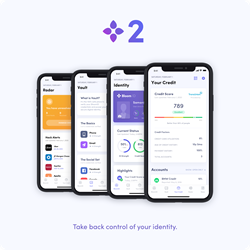
Today, Bloom announces the release of version 2 of the Bloom mobile app for iOS and Android. Bloom is releasing free credit monitoring, robust data breach monitoring, and enhanced smart identity features to nearly 1 million users.

With Bloom, new credit monitoring and smart identity features give users the power to protect their identity and manage their credit all in one place. Bloom has partnered with TransUnion to provide a robust credit monitoring product. Dao Boyle, SVP of Business Development at TransUnion Consumer Interactive, said, “We’re excited to partner with Bloom to provide consumers with access to their free credit information. A critical part of TransUnion’s mission is to empower consumers to better understand and manage their data and shape their financial lives. This partnership supports that mission, and we look forward to continue working with Bloom to deliver innovative and impactful solutions to consumers.”

Along with credit and data breach monitoring, Bloom’s smart identity solution helps prevent predatory third parties from accessing user data and greatly reduces the risk of identity theft. “Until now, consumers had to use an array of different services to monitor their credit and manage their identity, many of which are offered by the very companies that leaked or sold their data without consent in the first place. Bloom’s mission is to empower people to take back control of their data and protect their identity. Today’s release helps make that a reality,” said Bloom spokesperson, Shannon Wu.

Bloom is building groundbreaking technology and workflows for the everyday person, providing an innovative alternative to conventional identity platforms. By delivering a secure and inclusive alternative, Bloom has grown to become the largest decentralized identity platform in the world.

Despite the hype of blockchain, many of the innovations require deep technical understanding and interfacing directly with blockchain ledgers. These complicated user experiences inhibit adoption and growth. Bloom makes it possible for anyone with an iOS or Android device to finally harness the power of blockchain without the need for technical knowledge or cryptocurrency.

The initial launch of the Bloom mobile app marked a revolution in the way that individuals control their data. Since then, the Bloom mobile app has been downloaded over 1 million times, as consumers have grown more concerned about protecting their identity in the wake of massive data breaches and intensifying identity theft.

Today’s app launch follows the announcement that Geoffrey Arone, former Chief Scientist for the consumer division at Experian, has joined Bloom as COO and the addition of Victor Nichols, former CEO of Experian North America, as an advisor to Bloom. The addition of Geoffrey and Victor further cement Bloom as a leader in the digital identity market and will propel the company forward in its mission of putting identity and data back in the control of consumers.

In the modern era of intensifying data breaches, privacy intrusions, and surveillance concerns, it’s essential to have a decentralized, privacy-focused alternative to centralized service providers such as Facebook and Google. Unlike these companies, data security and privacy are at the heart of Bloom’s emission.

Bloom’s recent release provides a smart identity and an all-in-one command center for identity management to people around the world, many of whom lack access to traditional financial markets and identity documentation, all for free.

From the Bloom mobile app, consumers can:

  • Monitor their credit
  • Own and control their data
  • Build a secure, reusable identity
  • Receive data breach alerts
  • Get actionable insights into credit and identity
  • File data breach settlement claims
  • Securely share their data and apply for credit
  • Login to websites and apps without the need for passwords

Bloom is paving the way for consumer ownership of data and identity, providing inclusive, privacy-preserving technology to millions of people who can not currently access credit or traditional financial markets.

With more than a million mobile app installs and 8.5 years in session time in 2019, Bloom is the largest decentralized identity platform in the world. More than 40+ apps have been built on or integrated Bloom.

Download the Bloom mobile app here.

CONTACT

Shannon Wu

shannon.wu@bloom.co

Website

Twitter

Blog

Share article on social media or email:


Roland DGA Introduces New VersaUV LEF2-300D Flatbed UV Printer


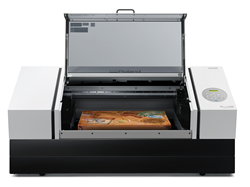
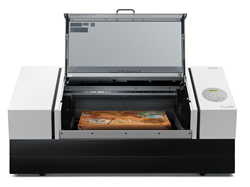
The new Roland VersaUV LEF2-300D benchtop features an expanded workspace, making it easy to direct-print text and graphics on an even broader range of objects.

Roland’s new VersaUV LEF2-300D UV printer effectively doubles the workspace of standard LEF2 series models, making it easy to decorate an even wider range of items.

Customers asked for a benchtop UV flatbed that offers increased versatility to handle the growing demand for personalizing and customizing a wider range of products. That’s exactly what the LEF2-300D delivers. – Jay Roberts, Roland DGA Product Manager, UV Printing

Ongoing events have dramatically altered the way people are conducting business around the world. The current market requires that companies evaluate their product and service offerings, the channels through which they are being offered, and ways to create alternative revenue streams. With retailer focus shifting almost entirely to the e-commerce space, at least for the time being, the launch of Roland’s new VersaUV LEF2-300D flatbed UV printer gives those selling their wares online a way to stand out from the competition by offering personalized and customized products. The LEF2-300D, with its expanded workspace that supports a height of up to 7.87 inches (200 mm) –twice that of standard LEF2 models – makes product customization easy and versatile, enabling users to print text and full-color graphics directly onto an even broader range of objects.

Like all Roland LEF2 series printers, the LEF2-300D employs UV-LED lamps to instantly cure ink, making direct-printing onto plastics, leather, wood, fabrics, and other materials simple. It also allows users to add ultrarealistic graphics and simulated embossing to a wide variety of items, including smartphone cases, awards, souvenirs, giftware, leather goods, electronic devices, and more. With the added height, the LEF2-300D’s workspace is doubled, enabling it to print onto thicker materials and objects, as well as a greater array of shapes by accommodating diverse fixture sizes and types.

According to Jay Roberts, Roland DGA Product Manager of UV printing, the new LEF2-300D was developed in response to customer feedback. “Customers asked for a benchtop UV flatbed that offers increased versatility to handle the growing demand for personalizing and customizing a wider range of products,” Roberts said. “That’s exactly what the LEF2-300D delivers. It opens up a new world of creative options and profitable business opportunities to users.”

The new LEF2-300D incorporates a host of advanced features that optimize functionality, ease-of-use and convenience. A Start Timer Function completes print head cleaning setup and White ink circulation automatically by your designated start time, while a positioning fixture makes aligning items on the print table simple. For greater maintenance efficiency and convenience, the LEF2-300D adopts a new cleaning system that helps maximize printer reliability and reduce ink consumption during maintenance procedures. The LEF2-300D is also equipped with a safe, see-through cover that prevents dust from settling onto the surface of materials while printing. Additional new LEF2-300D features include a Multiple Print Function that allows you print the same data again with the touch of a control panel button, and a Printer Status Monitor for checking the operating status of multiple printers in real-time.

To learn more about the new Roland VersaUV LEF2-300D, visit https://www.rolanddga.com/products/printers/versauv-lef2-300-flatbed-printer. For additional information on Roland DGA, or the complete Roland product line, visit https://www.rolanddga.com.

About Roland DGA Corporation

Roland DGA Corporation serves North and South America as the marketing, sales, distribution and service arm for Roland DG Corporation. Founded in 1981 and listed on the Tokyo Stock Exchange, Roland DG of Hamamatsu, Japan is a worldwide leader in wide-format inkjet printers for the sign, apparel, textile, personalization and vehicle graphics markets; engravers for awards, giftware and ADA signage; photo impact printers for direct part marking; and 3D printers and CNC milling machines for the dental CAD/CAM, rapid prototyping, part manufacturing and medical industries.

Share article on social media or email:

Wildflower Offers Virtual Visit Solution for Prenatal and Postpartum Patients At No Cost to OB Practices, In Response to the COVID-19 Pandemic


News Image

This solution will empower patients, provide valuable insights to providers and establish consistent, digital connections that lead to improved maternal outcomes. It also will help keep patients safe and extend the bandwidth of critical healthcare resources as we all navigate this pandemic.

Wildflower Health today announced it is launching a new product to help Obstetrics (OB) practices more effectively deliver virtual visits for their prenatal and postpartum patients during the COVID-19 pandemic.

The product helps childbirth providers fill patient education and workflow gaps associated with virtual prenatal and postpartum visits, including remote device delivery, symptom monitoring, pre-visit data transmission, and personalized digital education. Wildflower is currently rolling out the first wave of participating practices and will be scheduling additional launches in the coming weeks. The software for Wildflower’s virtual visit product will be available directly to OB practices at no cost.

“COVID-19 is placing unbelievable pressure on the medical community and overwhelming expecting families,” said Leah Sparks, Founder and CEO of Wildflower. “Effectively supporting patients virtually has gone from nicety to a necessity overnight. Based on the needs we heard from our customers, we are leveraging our expertise and our resources to help OB practices and their patients navigate this uncertain time and lay the foundation for what will be the future of healthcare.”

Wildflower currently supports more than 150 leading hospitals, health systems and health insurers across the country with patient-facing digital engagement, workflows and connections to care. Built on Wildflower’s core platform for educating and empowering women and families during pregnancy, birth and parenting, the company’s virtual visit product will help women more effectively access digital care while easing the financial and administrative burden for OB practices who are transitioning to virtual visits.

The Wildflower virtual visit product will help practices create strong digital connections with their patients, including preparing patients for virtual visits, delivering ongoing digital education/tools and remotely monitoring patients by supplying and managing in-home devices. The application is designed to integrate with a practice’s existing telemedicine technologies. If a practice does not currently offer virtual appointments, the Wildflower application will include a video platform that can facilitate telemedicine visits.

With the new version of its product adapted for the COVID-19 pandemic, Wildflower will specifically support OB practices by:


  • Educating, training and preparing patients for telemedicine visits
  • Facilitating digital symptom intake and surveying with personalized calls to action for patients
  • Managing the ordering, home delivery and payer reimbursement for remote monitoring devices such as blood pressure cuffs, scales, blood glucose monitors and fetal dopplers
  • Consistently sharing data from devices to inform physician care plans and patient appointments
  • Digitally providing patient education and tools to augment physician instruction
  • Clinically integrating with key provider resources and services
  • Providing turnkey marketing tools and best practices to drive patient adoption of the app

“We believe this solution can empower patients, provide valuable insights to providers and establish consistent, digital connections that lead to improved maternal outcomes,” said Sparks. “At the same time, it will help keep patients safe and extend the bandwidth of critical healthcare resources as we all navigate this pandemic.”

Wildflower is a pioneer in using digital health technologies to fuel healthy pregnancies and births. Since 2012, the company has been supporting hospitals, health systems, commercial health plans and Medicaid plans by clinically integrating with their maternity programs, educating women and families through e-learning and digital tools and creating stronger connections between physicians and their patients.

Previous peer-reviewed studies have demonstrated the impact of Wildflower’s approach to digital engagement and education on clinical outcomes and quality. The company has also recently been recognized as the FemTech Company of the Year by the UCSF Digital Health Awards and was named best provider for maternity management by Validation Institute for the 2020 Health Value Awards.

OB practices who are interested in implementing Wildflower’s virtual visit solution can visit wildflowerhealth.com/virtual-visit to schedule a personalized product demo.

About Wildflower Health

Wildflower is re-inventing how women connect to care by clinically integrating our digital solutions with the provider, the payer and best-in-class partners to deliver personalized experiences that rival Netflix and Pinterest. We are modernizing healthcare for women and their families, eliminating excess costs and reducing complications while nurturing loyal, long-term relationships between healthcare enterprises and the consumers they serve. Learn more at http://www.wildflowerhealth.com.

Share article on social media or email:

Stevie® Awards Revises 17th International Business Awards® Schedule


The International Business Awards®

The International Business Awards® revises schedule amidst COVID-19.

“We assessed that it’s necessary to push the entry deadlines out a bit to provide more time to prepare and submit nominations to organizations that are effected by the pandemic,” said Stevie Awards president Maggie Gallagher.

The Stevie® Awards, organizers of The International Business Awards®, announced today that the remaining schedule for the 2020 (17th annual) edition of the awards has been revised because of the COVID-19 pandemic.

The International Business Awards are widely considered to be the world’s premier business awards competition. In 2019 the competition attracted more than 4,000 nominations from organizations in more than 70 nations.

“We assessed that it’s necessary to push the entry deadlines out a bit to provide more time to prepare and submit nominations to organizations that are effected by the pandemic,” said Stevie Awards president Maggie Gallagher.

Changes to the 2020 IBA calendar are as follows:

  • The entry deadline, originally scheduled for 13 May, is rescheduled to 24 June
  • The late entry deadline, through which nominations are accepted with payment of a late fee, is pushed to 28 July from 17 June
  • Judging by the juries of more than 250 professionals around the world now will begin in late June and continue through 31 August
  • The announcement of the Gold, Silver, and Bronze Stevie Award winners, originally slated for 11 August, will now be made on 9 September.


The 17th IBA awards gala, at which the Stevie winners will be celebrated, is still scheduled to be held in Paris, France on 24 October.

The 2020 IBAs will recognize achievements since the beginning of 2019 of organizations, teams, and individuals in a wide variety of categories. Entry details are available at http://www.StevieAwards.com/IBA.

Gallagher emphasized that the IBAs feature more than 40 categories that don’t require the payment of entry fees, including all 35 of the Company/Organization of the Year categories, and that there are many new and revised features of the IBAs for 2020, including:

  • Nine new categories to recognize singular business achievements in areas such as business turnaround, finance, revenue generation, and science and technology, among others.
  • The simplification of submission requirements in the Company/Organization, Corporate Communications & Public Relations, Marketing, and New Product & Product Management category groups.

About the Stevie Awards

Stevie Awards are conferred in eight programs: the Asia-Pacific Stevie Awards, the German Stevie Awards, The American Business Awards®, The International Business Awards®, the Stevie Awards for Great Employers, the Stevie Awards for Women in Business, the Stevie Awards for Sales & Customer Service, and the new Middle East Stevie Awards. Stevie Awards competitions receive more than 12,000 entries each year from organizations in more than 70 nations. Honoring organizations of all types and sizes and the people behind them, the Stevies recognize outstanding performances in the workplace worldwide. Learn more about the Stevie Awards at http://www.StevieAwards.com.

Share article on social media or email:

GrandPad Chief Gerontologist, Dr. Kerry Burnight, offers crisis self-care tips to caregivers


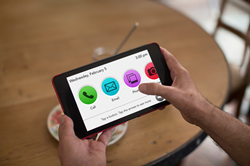
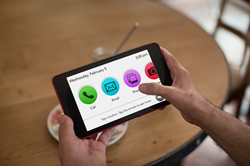
GrandPad supports caregivers by making it easy to stay connected with older adults when in-person visits are restricted.

Family and professional caregivers need to assess their own needs so they can continue to provide the care, love, and support that will buoy older adults through this storm.

Paid and unpaid caregivers have an important key trait in common: They put the needs of other people before their own. Even in the best of times, this means caregiver health can suffer; but for people who are serving as paid or unpaid caregivers during this global coronavirus (COVID-19) pandemic, mental health is also being negatively impacted. Dr. Kerry Burnight, PhD, chief gerontologist for GrandPad, the first purpose-built tablet designed exclusively for people over the age of 75, offers the following recommendations to help caregivers weather the storm while continuing to provide care for patients and loved ones.

“While it’s important to focus on the physical and emotional needs of high-risk or vulnerable populations like older adults, family and professional caregivers also need to assess their own needs so they can continue to provide the care, love, and support that will buoy older adults through this storm,” said Dr. Kerry. “Start by asking yourself what your biggest struggle is and what you need most from family, friends, or the elder for whom you’re caring. Taking a moment to identify the most pressing challenge and specific ways to address that challenge is the first step to regaining control over your life and staying at the top of your game.”

Important self-care tips for paid and unpaid caregivers

  • 1.    Show compassion to yourself. The compassion that caregivers so easily share with seniors should be redirected to words of encouragement and positive self talk. Mini pep talks throughout the day, like “You’ve got this” and “My best is enough” can go a long way to sustaining a positive outlook during times of crisis.
  • 2.    Limit media consumption. When it comes to consumption of COVID-19 related news coverage, a little goes a long way, especially since much of the information is repeated. Why? Because this continued stream of negative information can be stress inducing.
  • 3.    Prioritize sleep. For caregivers to function at their optimal level, they need to recharge with regular sleep. If sleep is hard to come by in this stressful time, practicing deep breathing exercises while mentally thinking about things you’re grateful for is a good way to unwind and prepare for sleep.
  • 4.    Pick three. Make a list of three favorite self-care activities and practice one each day. This might include spending time alone in your room, watching a TV show, taking a bath or long shower, spending time in prayer, calling a friend, or playing with a child or pet.
  • 5.    Move your body each day. Go for a walk, if the weather allows. If not, moving about indoors and stretching for 10 minutes a day can significantly increase your ability to cope.
  • 6.    Connect. Use phone and video calls to reconnect with friends and family members. Talking with others who are in caregiving roles can spark ideas and provide comfort through a shared perspective. Ensure that the older adults in your life also have a simple, safe, and secure way to communicate with friends and family. Technology is more important than ever for staying connected during COVID-19.
  • 7.    Follow the CDC guidelines. Carefully adhere to all safety procedures that have been issued by healthcare experts. You cannot fulfill your role as a caregiver if you contract the virus, so do your part to stop the spread of this disease
  • 8.    Ask for help. If you’re feeling overwhelmed or concerned that COVID-19 is affecting your ability to provide the normal high-level of care for the seniors in your life or for patients as you did before the outbreak, seek help from other family members, friends, and community organizations.

“After nearly 20 years of working with caregivers, older adults, and super seniors, I’ve learned the importance of self care and leaning on other people and technology for support. By using our collective resources and staying connected we will get through this crisis together,” said Dr. Kerry.

How GrandPad can help

GrandPad is a purpose-built tablet for people 75 years and older. The device has been specifically designed around the input of seniors, for their specific needs and technology capabilities. GrandPad offers the following features that can help families stay connected in a safe and simple way with their older loved ones:

  •     Ready to use, right out of the box — no setup required.
  •     Enables pre-loaded “trusted circle” family contacts, photos, and apps
  •     Built-in LTE (no home WiFi needed)
  •     Closed network for greater security (no one outside the “trusted circle” can contact a GrandPad user)
  •     Secure internet browsing
  •     Video and voice calling
  •     Texting and emailing
  •     Family photo and video sharing
  •     Curated entertainment content (radio and TV) and brain games
  •     Streaming music
  •     Ergonomic design and enhanced speakers and camera
  •     Transportation by Lyft app
  •     24-hour personal support

To learn more about GrandPad, visit http://www.grandpad.net.

###

For more information:    

Barbara Tabor, APR / (651) 230-9192 / barbara@taborpr.com

About GrandPad

Based in Orange, California USA GrandPad is a privately held company on a mission to improve the lives of millions of seniors by reconnecting them with family, friends, and caregivers. The GrandPad — the first tablet specifically designed for seniors — comes ready to use out of the box and features a secure private family network and premium US-based customer service. There are no confusing buttons, no passwords or pop-up ads, and wireless connectivity and security are built into the device — eliminating the risks of scams and hacks. Users can play games, listen to music, and enjoy many other exclusive apps on the GrandPad. Additionally, caregivers/family members can video chat, receive voice emails, and share photos with the older person through GrandPad’s companion app on i0S and Android. Visit GrandPad.net. Connect with us on Facebook and Twitter @grandpad_social.

Share article on social media or email:

Innovation: The Lasting Legacy of the COVID-19 Crisis


A global health crisis is stimulating innovation on a global scale

Many of the principles embodied in the innovations developed in response to COVID-19 will be applicable to solving healthcare’s next crisis, the financial one – Kevin Fleming, CEO, Loyale Healthcare

While many in the healthcare industry continue to focus on responding to the COVID crisis, other healthcare executives and planners are now turning their attention to longer term strategies. For some, the goal may be survival. More fortunate providers are taking steps to ensure that the lessons learned from the crisis serve to make their organizations stronger, more resilient and ultimately more successful.

Just as necessity is the mother of invention, crisis is often the catalyst for innovation. World War II gave birth to the jet engine, synthetic rubber and oil, pressurized cabins on aircraft, radar, missile guidance systems, nuclear technology and a lot more. Many of these wartime innovations have become a regular part of everyday modern life. Similarly, the COVID crisis is forging global public/private partnerships and creative invention at a pace that in more ordinary circumstances might have taken years to develop if it at all.

By in large the industry has recognized that innovation has been and will be key to helping put the COVID crisis behind us. And, as has been true throughout history, this global crisis continues to stimulate strategic partnerships and innovations that will – and should – survive long after the crisis has passed.

Profiled below are a few of these innovations and partnerships. The list is far from exhaustive, but provides a representative illustration of the breadth and velocity of innovation in the healthcare industry as some of the global economy’s best minds turn their talents to defeating a single, common enemy.

Here in the U.S., the COVID-19 response has been hampered in many places by shortages of tests, inadequate supplies, a scarcity of personal protective equipment (PPE) to protect front line healthcare workers and too few ventilators for the critically ill. Some innovations address these problems, such as James Dyson’s new design for ventilators for the British Government. Developed in just 10-days, Dyson (of vacuum cleaner fame) expects to ship 15,000 ventilators starting this month.

The U.S. Federal Drug Administration (FDA) fast-tracked approval of solutions created by scientists at the The Ohio State University Wexner Medical Center to expand and accelerate COVID-19 testing. Using a “recipe” developed by medical center researchers in just 24-hours, the team then collaborated with the university’s colleges of engineering and dentistry to 3D print more than 50,000 swabs for test kits to be distributed to hospitals across Ohio. Their innovative solutions are going to be shared nationwide.

While manufacturing and supply chain have been the subject of some innovations, most new thinking appears to be coming in the form of technology. More specifically, technology tools that coordinate and optimize the delivery of care at scale and reduce person-to-person contact. And, while there’s no downplaying the tragedy and anxiety of the crisis we’re in, we can’t help but be encouraged by the lasting benefits this emergency continues to inspire.

HCA Healthcare, the nation’s largest healthcare provider, has formed a partnership with Google Cloud and SADA to develop a data portal, accessible to hospitals across the nation, to help communities respond more effectively to COVID-19. According to their press release, “the open data platform will help accelerate analysis and response by aggregating data on ICU bed and ventilator utilization, testing results and total number of patient visits to America’s hospital systems.

Seeding the system, which is expected to go live this week, “HCA will provide statistical data from its 185 hospitals, structured in a manner to comply with HIPAA and other applicable restrictions.” HCA has invited groups representing approximately 4,000 hospitals to join and share data on the platform. Hospitals interested in learning more and submitting data are invited to visit onboarding.nationalresponseportal.com.

Apple is also joining Google in the COVID-19 innovation race. The two companies announced in a release a “joint effort to enable the use of Bluetooth technology to help governments and health agencies reduce the spread of the virus – with user privacy and security central to the design.” The contact tracing technology is designed to “protect people and get society back up and running.” Noting the important work already being done by public health authorities, universities and NGOs around the world to develop opt-in contact tracing technology, Apple and Google “will be launching a comprehensive solution that includes application programming interfaces (APIs) and operating system-level technology to assist in enabling contact tracing…while maintaining strong protections around user privacy.”

Health systems and hospitals are also innovating at a heightened pace. In an industry analysis co-authored by physicians and administrators for the Harvard Business Review on April 3, 2020, titled, “How hospitals are using AI to Battle COVID-19”, the authors list multiple innovations including Partners Healthcare’s collaboration with Providence St. Joseph Health System to deploy Providence’s online screening and triage tool. Developed in partnership with Microsoft, the tool served more than 40,000 patients in its first week – an unprecedented scale necessitated by the acute need in one of the areas hardest hit by COVID-19.

Other innovations designed to scale services using innovative digital tools for care administration and patient engagement include Baidu’s no-contact infrared sensor system and the artificial intelligence (AI) system developed by Tampa General Hospital’s in collaboration with Care.ai. at the health system’s facilities’ entrances to intercept individuals with potential symptoms from visiting patients.

An article in the Journal of Informatics in Health and Biomedicine (JAMIA) describes UC San Diego Health’s implementation of technological support important for optimizing clinical management of the COVID-19 pandemic. The article and corresponding paper shares analysis of UC San Diego Health’s adaptation of the Epic Electronic Health Record (EHR) system for rapid screening, laboratory testing, clinical decision support, reporting and patient-facing technology related to COVID-19.

UC San Diego didn’t stop there. As reported by Becker’s Health IT, the health system went on to develop an artificial intelligence algorithm which it has applied to more than 2,000 lung X-ray images to help radiologists more quickly identify signs of early pneumonia in COVID-19 patients. Partnering with Amazon Web Services for a clinical research study, the project “aims to quickly detect pneumonia and better distinguish between COVID-19 patients likely in need of more supportive care in the hospital and those who could be monitored at home.”

This relatively short list of industry innovations represents the tip of the iceberg. Not included here are the many promising endeavors under way globally to expand telehealth solutions, find better treatments for COVID-19 victims and, ultimately, develop a vaccine. Driven as they are by the determination to protect human life, these efforts are emblematic of healthcare innovation at its very best. And although Dyson may not make ventilators in the long term, or the partnerships between Google, Apple and Amazon Web Services and healthcare providers may not endure, the fact that the industry and technologists have found a better way will certainly lead to lasting change in healthcare delivery.

Looking beyond the COVID-19 crisis, one can imagine how innovations developed initially to support a more effective response to this public health crisis might be employed in other healthcare disciplines.

For many healthcare providers, the next crisis will likely be financial. Whether it’s because they’ve been treating COVID-19 patients at a net loss or cancelling and postponing other treatments to keep their patients safe, hospitals across the country are experiencing unprecedented financial losses. These have led to large scale employee furloughs, facility closures and – for many – the possibility of bankruptcy or failure.

Many of the principles embodied in the innovations listed above are applicable to solving healthcare’s next crisis, the financial one. Here, we believe patients have an important role to play. As we’ve noted in previous articles, patients now account for more than a third of provider revenue. But the systems healthcare providers use to collect payments were developed for insurance companies. They have not performed well for patients or their providers.

Loyale Patient Financial Manager was developed precisely for this situation. Leveraging aggregated patient data to intelligently segment patient populations, our open platform operates at the core of a hospital’s patient revenue cycle. With personalized, omnichannel communications, multiple payment options (including financing) and a leading self-serve online portal, our users report better patient satisfaction and better financial outcomes.

Many of the innovations developed in direct response to the COVID-19 crisis will have a lasting impact on the cost and quality of care, in America and around the world. We applaud the scientists, researchers, engineers, clinicians and others who are working around-the-clock to protect us all. And we’re grateful to be playing an important role helping solve healthcare’s next crisis.

Kevin Fleming is the CEO of Loyale Healthcare

About Loyale

Loyale Patient Financial Manager™ is a comprehensive patient financial engagement technology platform leveraging a suite of configurable solution components including predictive analytics, intelligent workflows, multiple patient financing vehicles, communications, payments, digital front doors and other key capabilities.

Loyale Healthcare is committed to a mission of turning patient responsibility into lasting loyalty for its healthcare provider customers. Based in Lafayette, California, Loyale and its leadership team bring 27 years of expertise delivering leading financial engagement solutions for complex business environments. Loyale currently serves approximately 12,000 healthcare providers across 48 states. Loyale is proud to have an enterprise-level strategic partnership with Parallon which includes the deployment of Loyale’s industry leading technology at all HCA hospitals and Physician Groups.

LRC Systems Accelerates Development of Global Sample Exchange Platform to Create Novel Vaccines


News Image

“The global Sample.Exchange network is a big step forward in our efforts to maximize information available to the global research community, which will expedite time to market for critically important innovations, like novel vaccinations and treatments for life-threatening illnesses.”

With the exploding number of reported cases of COVID-19 (coronavirus) globally, researchers are rushing to create a vaccine to this novel virus. In an effort to accelerate breakthroughs, including the development of new vaccines, the Laboratory for Research in Complex Systems (LRC), is announcing the development of Sample.Exchange, a web-based platform that will allow researchers world-wide to share biological samples for a wide variety of projects, including samples related to the current COVID-19 outbreak. Currently in the prototype stage, Sample.Exchange aggregates specimen information and associated metadata into one secure and private network so individuals, institutions and companies can search and share a wide variety of samples, ranging from human tissue to environmental collections, to expedite scientific, medical and commercial innovations. The news comes on the heels of LRC announcing it won a prestigious US-wide grant competition.

“LRC is dedicated to driving breakthroughs for health, economic and social problems facing our world today,” said Dr. Shailesh Date, founder and CEO of LRC Systems. “The global Sample.Exchange network is a big step forward in our efforts to maximize information available to the global research community, which will expedite time to market for critically important innovations, like novel vaccinations and treatments for life-threatening illnesses.”

To support the company’s mission, LRC is adding two industry veterans to its board – Don Oppenheim, former Executive Director for several large law firms and previous partner in the national boutique consulting firm Altman Weil; and Neil Cohen, leader of Corporate Growth for Dynamis, Inc., a firm that supports DHS, DoD and partner institutions, and offers a suite of digital tools for preparedness and resilience in a number of situations, including emergency responses and recovery.

“With Don’s legal expertise and Neil’s two decades of work in the nuclear, biological and chemical industries, LRC is well-poised to continue scaling and innovating the way research and collaboration can be applied to support public and private organizations,” added Dr. Date.

For more information about the LRC team and its game-changing approach, visit https://www.lrc.systems/.

About LRC Systems

Laboratory for Research in Complex Systems (LRC) develops powerful research-based solutions that drive scientific, commercial and social breakthroughs. Led by a team of trailblazers from industry and academia, LRC uniquely combines advances in natural and quantitative sciences with cutting-edge technology to help solve fundamental health, economic and social problems for public and private organizations. LRC serves as an ideas hub for high-level transdisciplinary research that is bigger, faster and more impactful, to propel innovations that can change the world.

Share article on social media or email:

Journal of Urgent Care Medicine Releases First-of-its-Kind COVID-19 Research


Urgent Care Association (UCA)

“Urgent care clinicians are often on the front lines of this pandemic, as COVID-19 patients continue to present themselves at urgent care centers across the country,” said Laurel Stoimenoff, CEO of the UCA.

As urgent care centers find themselves on the front lines of the novel coronavirus, the Journal of Urgent Care Medicine (JUCM) e-published the largest study to date of urgent care (UC) patients with positive SARS-CoV-2 PCR tests. The study, based on 636 chest x-rays from a large urgent care center in New York City amassed by Experity Teleradiology, shows a vast majority of COVID-19 positive patients (89%) with either normal or only mildly abnormal CXRs, despite showing respiratory symptoms of the virus. The study will be published in the May issue of JUCM, which is the official publication of the Urgent Care Association (UCA).

COVID-19, a novel disease caused by the SARS-CoV-2 virus, rapidly became a pandemic in early 2020. During this outbreak, acute care clinicians have been striving to accurately diagnose and define its clinical features in order to provide the best care for afflicted patients and limit the spread of the disease.

“As our collective understanding of the COVID-19 pandemic – how it’s spread, who is most at risk and how to check its progression – continues to evolve, one thing that has been lacking is a solid data set derived from clinical experience,” said Stuart Williams, publisher of JUCM. “JUCM took a step towards rectifying this shortfall by publishing this comprehensive study, which is a substantial contribution to the growing body of knowledge of COVID-19.”

As most patients with COVID-19 seem to have a mild course of respiratory illness, evaluations are most likely to take place in non-emergency department and non-hospital settings, such as UC centers. In such settings, CXR, also known as plain film radiography of the chest, is by far the most widely available imaging modality.

“Urgent care clinicians are often on the front lines of this pandemic, as COVID-19 patients continue to present themselves at urgent care centers across the country,” said Laurel Stoimenoff, CEO of the UCA. “This JUCM study emanated from that initial surge in patient traffic and further illustrates the impact urgent care centers have on the health of our communities.”

For this study, researchers used a database from a large urgent care company in the greater New York City area to review for patients with positive SARS-CoV-2 PCR tests and who also underwent CXR in urgent care between March 9 and March 24, 2020. The primary objective was to determine what percentage of ambulatory patients with confirmed COVID-19 had normal vs. abnormal CXRs. Secondarily, researchers aimed to describe the frequency of each specific type of abnormal finding on plain film radiography (CXR).

The results show that the vast majority of patients (89%) had either normal or only mildly abnormal CXRs, despite being symptomatic enough to warrant imaging as determined by the treating UC provider. Other findings include:

  • Of the 636 CXRs reviewed among patients with confirmed COVID-19, 363 were male (57.1%) and 273 were female (42.9%).
  • Patient ages ranged from 18 to 90 years of age, with most (77.5%) being 30-70 years old.
  • There were 371 CXRs reread as normal (58.3%).
  • Of the 265 abnormal cases (41.7%), 195 demonstrated mild disease, 65 demonstrated moderate disease and five demonstrated severe disease.
  • Interstitial changes and ground glass opacities (GGO) were the predominant descriptive findings in 151 (23.7%) and 120 (18.9%) of the total, respectively.
  • Location of the abnormalities were in the lower lobe in 215 (33.8%), bilateral in 133 (20.9%) and multifocal in 154 (24.2%).
  • Effusions and lymphadenopathy were uncommon.

To download the full study entitled, “Chest X-Ray Findings in 636 Ambulatory Patients with COVID-19 Presenting to an Urgent Care Center: A Normal Chest X-Ray Is no Guarantee,” click here. For more info regarding COVID-19 as it relates to the urgent care industry, visit ucaoa.org/coronavirus.

About the Urgent Care Association

The Urgent Care Association (UCA) is a membership association of leaders, providers and suppliers in the field of on-demand, consumer-focused healthcare. UCA advances the industry and supports member success through advocacy, research, education, collaboration and high standards of care. The association maintains an active online presence and member community for daily exchange of best practices. For more information, visit https://www.ucaoa.org/.

About JUCM

The Journal of Urgent Care Medicine® (JUCM) is the official journal of the Urgent Care Association (UCA). Each issue contains a mix of peer-reviewed clinical and practice management articles that address the distinct clinical and practice management needs of those who are working in today’s busy urgent care centers. JUCM’s reach of over 42,000 includes qualified clinicians, business and administrative professionals working in urgent care facilities nationwide. For more information, visit https://www.jucm.com/.

# # #

Share article on social media or email:

Trella Health Appoints Scott Tapp as President & Chief Operating Officer


Trella Health, the leading source for current and complete outcomes data and provider performance analytics, announced that Scott Tapp recently joined its executive leadership team as President and Chief Operating Officer. Scott brings more than 20 years of experience rapidly growing companies through operational excellence.

“We’re thrilled to have someone of Scott’s caliber join our team,” said Ian Juliano, CEO of Trella Health. “Scott is a tested leader who I’m confident will help take Trella to the next level as we continue to serve providers with transformative products and a best-in-class team.”

Scott is responsible for leading Trella’s go-to-market team and team member functions. He will partner closely with Trella’s CEO and board members to formulate and execute the company’s strategy, implementing best practices and metrics to rapidly scale and grow the business. Prior to joining Trella, Scott was managing director of SBI, a consulting firm advising PE-backed companies on growth acceleration. Before that, he was CEO of Software Brands, a fast-growing SaaS company providing software and payment solutions to small businesses.

According to Scott, “Trella’s ability to deliver critical insights and analytics to providers across the continuum of care advances innovation in the healthcare market. We’re committed to empowering meaningful change in the industry with the goal of improving patient outcomes and reducing costs. I look forward to working with the executive team to continue serving the industry, especially in light of the challenges COVID-19 presents.”

About Trella Health

Trella Health provides acute, ambulatory, and post-acute organizations with the most complete picture of care activity in their service areas. As one of only a few companies in the country deemed an Innovator under the Centers for Medicare and Medicaid Services’ Virtual Research Data Center Program, Trella has access to 100% of Medicare Part A and Part B claims data. Trella analyzes 1.2 billion claims annually and presents relevant insights to nearly 10,000 users so they can build higher-performing care networks, serve more patients, and reduce the cost of care.

Share article on social media or email:

Fertility Centers of Illinois Celebrates National Infertility Awareness Week®


Dr. Jennifer Hirshfeld-Cytron with Fertility Centers of Illinois

While we don’t have control over the future right now, holistic alternatives and virtual events give us the power to feel better, manage stress and improve overall mental outlook.

As a result of Covid-19, couples and individuals across the country have found their fertility treatments changed or canceled after fertility centers follow the latest guidance of the American Society for Reproductive Medicine with the goal of keeping patients, staff, and society as a whole safe from the virus.

Amidst the uncertainty of the pandemic, planned in-person events around National Infertility Awareness Week® (April 19 through April 25) have been cancelled. To honor those impacted by infertility and build awareness of the disease, Fertility Centers of Illinois will continue to recognize this important week through a series of web-based events offering insight as to how eastern holistic methods can help boost the physical and mental well-being of those looking to conceive in the future.

According to RESOLVE: The National Infertility Association, one in eight couples experience infertility issues. Those pursuing treatment have likely spent months or years planning, saving, and scheduling procedures and appointments in the goal of building a family. Published research shows that stress is the primary reason why insured patients discontinue IVF before achieving success. Taking into account unexpected treatment changes and uncertainty around COVID-19, fertility patients are at an even higher risk of increased stress, anxiety, and depression.

Survey: How Have Holistic Options Helped You?

Holistic options can provide a positive solution to combat the challenging situation COVID-19 presents for those dealing with infertility. In a 2017 study by Fertility Centers of Illinois and Pulling Down the Moon, online yoga and group discussion was found to be just as effective at reducing stress compared to the in-person program option. After a six-week program consisting of weekly yoga and a 30-minute discussion, anxiety was reduced by 26% and 23% respectively.

In a recent Fertility Centers of Illinois survey of 890 women impacted by infertility, approximately 66% had used holistic or support options on their fertility journey such as massage, yoga, acupuncture, nutrition counseling, natural supplements, counseling and support groups. The most popular options included acupuncture (40%), natural supplements (35%), massage (29%) and yoga (24%). Respondents shared that these options helped with reduced stress (46%), improved mental well-being (39%), induced relaxation (27%) and enhanced fertility (16%).

“We know this is an especially trying time for those in the infertility community, and we want to do everything we can to offer hope and support,” states Dr. Jennifer Hirshfeld-Cytron, a board certified reproductive endocrinologist with Fertility Centers of Illinois. “While we don’t have control over the future right now, these holistic alternatives and virtual events give us the power to feel better, manage stress and improve overall mental outlook.”

Free Virtual Events During National Infertility Awareness Week:

To honor the week, Fertility Centers of Illinois is hosting the free virtual events below.

NIAW Virtual Conference presented by Beat Infertility (April 19-25)

The virtual conference will include presentations from our team on the following topics:

Choosing a Center w/Dr. Meike Uhler

Diagnosing Infertility w/Dr. Allison Rodgers

Fertility Medications w/Dr. Meike Uhler

Health & Wellness w/Dr. Hirshfeld-Cytron

IVF w/Dr. Allison Rodgers

Oncofertility w/Dr. Hirshfeld-Cytron

Yoga for Fertility w/Beth Heller of Pulling Down the Moon

Webinar: Why You Need Yoga for Fertility (April 22)

Webinar: How to Boost Fertility Naturally with Dr. Allison Rodgers (April 23)

To register for free virtual events or to learn more about infertility during National Infertility Awareness Week, visit http://www.fcionline.com/NIAW.

# # #

Fertility Centers of Illinois (FCI) is one of the leading fertility treatment practices in the United States, providing advanced reproductive endocrinology services for over 30 years with more than 35,000 babies born. With an 11-physician team of nationally and internationally recognized doctors who treat thousands of patients each year, the practice has earned a reputation for medical and clinical excellence and continues to invest in the latest state of the art technologies and research. FCI offers a comprehensive range of fertility treatments with an emphasis on in vitro fertilization, third party reproduction, egg donation, gestational carriers, genetic embryo screening, and egg freezing/oocyte vitrification, allowing patients to receive all of their care at one center. As the premier and largest fertility practice in the Midwest region, Fertility Centers of Illinois serves patients in the Chicagoland region, northern Indiana, and southern Wisconsin. Patients receive individualized care with accommodating financial options and a free patient support program. Learn more by calling 877-324-4483 or visiting fcionline.com

Share article on social media or email: