All posts by imreal

Spyderbat Raises Series A to Deliver Runtime Security throughout Cloud Native Software Development Environments


Spyderbat’s platform offers early cloud-native intrusion prevention, which is critical for enterprises in today’s complex and high-threat environment,

Spyderbat, a cloud native runtime security company, today announced it has raised $10 million in Series A funding. The funding was led by NTTVC with participation from LiveOak Venture Partners, Benhamou Global Ventures and John McHale to fuel product development and go-to-market activities.

The Enterprise shift-left trend toward a more embedded approach to security in the continuous integration and continuous delivery (CI/CD) pipeline requires new innovation. While organizations adopt strategies to reduce exploitable vulnerabilities in cloud native environments, it has proven insufficient to defend against breaches. The rate of change enabled by cloud provisioning and microservice architectures increase the probability of misconfigurations and missed known and unknown vulnerabilities. Additionally, the dependencies on third-party components increase the probability of supply chain compromises and zero-day attacks. Spyderbat addresses these needs with capabilities that integrate runtime security throughout the lifecycle.

CEO Marc Willebeek-LeMair and CTO Brian Smith, co-founders of Spyderbat, are no strangers to intrusion prevention systems (IPS). As the original founders of TippingPoint, Willebeek-LeMair and Smith invented the network IPS in the early 2000s.

“As we grew closer to understanding the fundamental security concerns in cloud native environments, we recognized the need for a brand-new approach,” states Willebeek-LeMair. “Traditional detection methods, along with the rate of change found in cloud native environments, create inaccurate findings that require teams to investigate each with limited data. This leads to high volumes of interrupt-driven efforts that are inconclusive. DevOps and Platform Engineering teams need an accurate understanding of what is happening before automation can occur and a broader protection solution.”

The Spyderbat SaaS platform boasts three critical capabilities for detecting and blocking intrusions attacking known and unknown vulnerabilities:


  • Runtime Visibility -Spyderbat generates live detailed mapping and historic contextual visibility across Kubernetes, container and VM environments to enable DevOps and Platform Engineering teams’ immediate visibility to the root cause of security and operational issues.
  • Runtime Delta – Armed with the ability to capture runtime activities with causal context, Spyderbat’s Runtime Delta enables development teams to rapidly and securely iterate within guard rails, using an automated understanding of runtime behavior differences between builds and environments.
  • Runtime Intrusion Prevention – Spyderbat provides the industry’s broadest form of protection that blocks attacks against cloud-native workloads throughout the software development lifecycle, including supply-chain attacks, compromised credentials, ransomware, and cryptojacking.

In addition to the platform’s core capabilities, Spyderbat Labs produces continuous actionable intelligence updates to the Spyderbat platform by performing threat research for cloud native environments. Spyderbat Labs creates Shields to stop attacks against known vulnerabilities, packaged baseline policies to built-in Linux and Kubernetes services, and Attack Detections mapped to MITRE ATT&CK techniques.

“Spyderbat opens the doors to a new level of security and operational awareness,” states Aldo Gonzalez, CTO at Client Support Software. “It identifies previous unknowns that require my attention, allowing me to easily see the whole picture and take action.”

“It is not about detecting individual activities that may or may not indicate a compromise,” adds Smith. “What separates Spyderbat is a complete understanding of runtime activities to recognize new workload behaviors or connect threat indicators to each other and their root cause. This context enables early detection and accuracy, with a thorough understanding of the intrusion that enables automation to block it.”

“Spyderbat’s platform offers early cloud-native intrusion prevention, which is critical for enterprises in today’s complex and high-threat environment,” said Fay Hazaveh Costa, Partner at NTTVC. “We are looking forward to supporting the Spyderbat team and helping to fuel their next phase of growth.”

In addition to its core offering, Spyderbat separately announced today its Open-Source program.

Spyderbat is exhibiting at KubeCon+CloudNativeCon October 26th through October 28th. Learn more about Spyderbat’s solution for cloud native runtime security by visiting their booth #SU45.

About Spyderbat

Spyderbat delivers cloud native runtime security to customers with unprecedented precision in intrusion prevention and mitigation. Founded in 2019 on the recognition that the manual processes of traditional security operations are completely ineffective in rapidly changing cloud environments, Spyderbat is making threat prevention and security operation automation available with a platform for early, accurate, and thorough recognition of attacks. To learn more about Spyderbat’s solutions, open-source projects, career opportunities, or to begin using Spyderbat’s free tier, visit http://www.spyderbat.com.

Share article on social media or email:

New Report Puts Statewide Biohealth Industry Economic Impact at $32B


The report highlights the immense growth opportunity for Wisconsin’s vibrant and dynamic biohealth industry, and its role in being a crucial driver in the state’s economic growth.

BioForward Wisconsin, the collective voice of Wisconsin’s robust and comprehensive biohealth cluster representing more than 220 member organizations, shared results of the Wisconsin Biohealth: Industry Landscape and Economic Impact Reporthttps://www.bioforward.org/wp-content/uploads/2022/10/TEConomy-Wisconsin-BioForward-Report-webready.pdf which highlights the statewide biohealth industry as a leading economic growth and innovation driver for Wisconsin.

According to the report, prepared by TEConomy Partners, LLC, a global leader in research, analysis, and strategy for innovation-based economic development, Wisconsin’s biohealth industry is leading the state out of the economic challenges of the pandemic years, outpacing other major state industries with strong high-wage job growth that is generating significant economic impacts throughout the state.

Among the highlights from the third-party report are:


  • Economic Impact: The total state economic impact contribution by the biohealth industry is $32 billion in direct, indirect, and induced sources, as well as $1.2 billion in state and local taxes.
  • Jobs: Wisconsin’s biohealth research organizations, manufacturers, digital health, and distribution companies directly employ nearly 52,000 individuals, and have seen 10.6 percent job growth since 2018, significantly outpacing the state’s overall job growth of negative 2.7 percent. This employment supports approximately 77,000 additional jobs, leading to the full biohealth job impact reaching nearly 129,000 jobs throughout the State of Wisconsin.
  • Wages: The high-quality jobs generated across the biohealth industry pay approximately $96,000 annually on average (70 percent above overall industry average in Wisconsin) reflecting the high value-adding activities and skilled workforce deployed across scientific research and development, manufacturing, sales, distribution, and other key roles.
  • Funding: Wisconsin-based institutions and organizations received $554 million in National Institutes of Health funding in 2021 (an increase of 19 percent since 2018). Additionally, venture capital and angel investments in Wisconsin’s biohealth industries totaled a new high of $191 million in 2021 (an increase of 49 percent from the average levels of investment seen in the prior three years). Also, Wisconsin biohealth companies received Small Business Innovation Research (SBIR) and Small Business Technology Transfer (STTR) awards totaling nearly $46.8 million between 2018-2021.
  • Research & Development Innovation: Wisconsin benefits by having an especially large and leading university Research & Development (R&D) engine, which in 2019 and 2020 surpassed $1 billion in annual expenditures. Biohealth-related R&D in Wisconsin has outpaced the U.S. in growth since 2018.
  • COVID-19 Impact: The report specifically emphasizes the COVID-19 pandemic’s effect on the state’s biohealth industry stating, “During the core pandemic years in 2020 and 2021, most of Wisconsin’s biohealth industry continued to grow. Driving much of the gains was the biomedical research and testing subsector, which ramped up its employment base by 22 percent; drugs and pharmaceuticals had 16 percent job growth, and biomedical distribution rose by nearly 5 percent.”
  • Regional Footprint: While primarily concentrated in the Madison and Milwaukee regions, Wisconsin’s biohealth industry is broad-based, spanning several regions across the state, including developing clusters in in Green Bay, Sheboygan, Eau Claire, and La Crosse.

“The report highlights the immense growth opportunity for Wisconsin’s vibrant and dynamic biohealth industry, and its role in being a crucial driver in the state’s economic growth,” said BioForward CEO Lisa Johnson. “This strong growth, high wages, expanding career opportunities, and impressive innovation in the biohealth sector are just what the state needs amidst current economic challenges and headwinds.”

“Considering the entirety of the biohealth industry and its robust ecosystem, the report displays how Wisconsin is advancing with progress across every measure from 2018, and seeing strong levels of activity,” Johnson continued. “This sector continues to be a key economic and innovation driver for the state, leading Wisconsin out of the challenges of the pandemic years, outpacing other major state industries with strong, double-digit and high-wage job growth.”

The report’s authors also noted that the state’s biohealth industry is, “critical to the Wisconsin economy, and the state needs this industry now more than ever – not only to contribute its significantly high wages and outsized economic impacts, but also to solve intra-state and broader global health and quality of life challenges.”

The report was funded by BioForward Wisconsin and industry partner Wisconsin Economic Development Corporation.

About BioForward

BioForward Wisconsin is the collective voice of Wisconsin’s robust and comprehensive biohealth cluster, representing more than 220 member organizations across an integrated network of health solution leaders, including research institutions, biotech and biopharma, digital health, medical device and diagnostics, and healthcare institutions. It is an action-oriented association that focuses on initiatives to strengthen the state’s talent pipeline; collaborations to develop supply chain partnerships; educational and networking events to enhance professional development; and legislative advocacy to highlight the economic and social impact of the biohealth industry on the state, nation, and world. Learn more about BioForward Wisconsin at http://www.bioforward.org.

Share article on social media or email:

Neuralert Technologies Stroke Detection Wristband Achieves Minimum Viable Product Status


Neuralert will be the first, non-invasive, continuous wearable monitor that automates stroke detection, and will lead to more patients getting proven treatments, faster.

“With the delivery of working wristband devices and development of the software that utilizes our stroke detection algorithm, we are extremely proud to have achieved this major milestone,”said Eric Corkhill, Neuralert CEO.

Neuralert Technologies, makers of a lightweight, non-invasive wristband device that automates stroke detection and alerting, has announced that it has achieved Minimum Viable Product (MVP) status. To achieve this milestone, recently developed purpose-built wearable devices are now combined and working in conjunction with its patented algorithm and alerting software, completing the functional arc of stroke detection, data analysis, and medical staff alerting.

One of the hallmark indicators of stroke is asymmetrical arm movement (e.g., weakness, neglect or less movement on one side). Neuralert’s device can detect the onset of asymmetric movement in as little as fifteen minutes even if the wearer is asleep. The stroke detection devices require no time wasting baseline development, greatly speeding stroke detection, assessment, and treatment, which can saves lives, improve outcomes, and helps enable patients to continue to live full and independent lives.

“Our mission is to end the devastation caused by a stroke that is not detected in time for effective treatment,” said Eric Corkhill, Neuralert CEO. “With the delivery of working wristband devices and development of the software that utilizes our stroke detection algorithm, we are extremely proud to have achieved this major milestone. Neuralert will be the first, non-invasive, continuous wearable monitor that automates stroke detection, and will lead to more patients getting proven treatments, faster.”

Neuralert’s mission is to accelerate the treatment for stroke via faster detection and automated alerting. One out of four people living today will have a stroke, making it the No.1 cause of long- term severe disability and the No. 5 cause of death. Recent advances in treatment have led to remarkably improved outcomes from stroke …but only if discovered in time. Delays in stroke identification result in lower likelihood of receiving time critical treatment resulting in worse outcomes and even death. In the hospital, identifying stroke symptoms is challenging, as patients are bed bound and/or sedated, making strokes harder to detect, and nurses are not able to assess patients frequently enough to insure that it is identified in time for treatment. Neuralert constantly monitors for stroke and automates an alert resulting in a faster stroke detection process than manual methods used today. Neuralert has undergone rigorous studies which have shown that the device is able to detect stroke in as quickly as 15 minutes. Reduction in stroke detection time will save patient lives, improve outcomes, and reduce hospital costs and liability.

“We are thrilled that Neuralert has achieved Minimum Viable Product status.” said Steven Messé, MD, Neuralert Co-Founder. “Our device represents a breakthrough in technology that offers significant advantages over current alternatives. Stroke is a terrible disease which causes death and major long-term disability, so being able to detect it at a stage when it is most treatable is incredibly exciting, as there will be a tremendous benefit for both patients and their families.”

About Neuralert Technologies:

Founded in 2019 as a spin-out from the University of Pennsylvania, Neuralert Technologies’ mission is to transform the method of monitoring for stroke symptoms in hospitalized patients. By combining lightweight, non-invasive, wearable devices with a patented algorithm, the Neuralert system constantly monitors patients for stroke symptoms and automatically alerts hospital staff when detected. Neuralert’s device speeds treatment, saves lives, and improves outcomes. Neuralert Technologies is headquartered in Philadelphia, Pennsylvania. For more information, please visit https://www.neuralert.co/.

Follow us on social media at:

Twitter: https://twitter.com/neuralert

Facebook: https://www.facebook.com/Neuralert

LinkedIn: https://www.linkedin.com/company/74542407/admin/

Share article on social media or email:


Stockton Attorney Ken Rosenfeld Gets All Charges Dismissed for Client Facing Life in Prison


California, San Francisco | Sacramento | Stockton Mental Health Attorney, Ken Rosenfeld criminal defense lawyer

San Francisco | Sacramento | Stockton Mental Health Attorney

Our client was looking at life in prison in three different ways, but all the charges against him have been dismissed.

The Rosenfeld Law Firm announces that Case # CR-2015-4102672, a third-strike case involving a client charged with multiple felonies, has been dismissed, thanks to the efforts of California criminal defense attorney Ken Rosenfeld.

According to the May 4, 2022, court documents filed with the San Joaquin County Superior Court, Dwayne Sterling Lawson was taken into custody in Nevada in December of 2017 and was committed to serve a prison sentence of 24 to 114 months; however, a Stockton Police Department detainer was filed with the Nevada Department of Corrections requesting extradition. As per the complaint filed with the San Joaquin County Superior Court, Lawson was accused by the San Joaquin district attorney of the felonies of human trafficking, kidnapping, pimping, criminal threats, and felon/addict possession of a firearm. The complaint also refers to prior serious felony convictions of voluntary manslaughter and burglary in the first degree for Lawson, both of which, if convicted, qualified Lawson for a third-strike sentence (25 years to life) according to California’s Three Strikes sentencing law.

Rosenfeld argued that, despite his client’s compliance in filing the appropriate written notice of his imprisonment in a Nevada state prison and his request to the Stockton court for a disposition of charges according to the Interstate Agreement on Detainers, the prosecuting attorneys in California failed to bring Lawson to trial within 180 days. Rosenfeld therefore made the motion, pursuant to Penal Code 1389, to dismiss all charges against his client. The motion was granted.

“I am very proud of the work done here,” said Rosenfeld. “Our client was looking at life in prison in three different ways, but all the charges against him have been dismissed.” Mr. Lawson made a point to say, ‘I had a lot of attorneys but only Kenneth Rosenfeld got in and fought for me. Kenneth battled every legal issue and won every fight. I was facing life in prison and without Kenneth Rosenfeld I would be in prison forever. He is the best there is in this business.’”

About The Rosenfeld Law Firm

With offices in Sacramento, San Jose, and Palm Springs, The Rosenfeld Law Firm provides aggressive defense of a wide range of high-profile criminal defense cases. California criminal defense attorney Ken Rosenfeld defends such cases as first-degree murder and sex offense cases, and also provides DUI defense. In addition to mental health criminal defense, The Rosenfeld Law Firm also practices federal criminal defense and juvenile defense, as well as appellate law and prison law. As a skilled criminal law commentator, Rosenfeld makes regular appearances on KTXL TV and FOX40’s Ask an Attorney. Rosenfeld was named Litigator of the Year by the American Institute of Trial Lawyers.

For more information, please contact Ken Rosenfeld directly at (916) 447-2070, or visit http://www.therosenfeldlawfirm.com.

Press release writing by WebSiteText and Proofreading Services by The Proofreaders. Ken Rosenfeld recommends Brian Murphy, Wrongful Death Attorney for Elder Abuse & Nursing Home Malpractice Lawsuits.

Share article on social media or email:

Renal Support Network Introduces New Resources to Address Data Challenges to Organ Donation


“While it’s true for everyone that knowledge is power, for people who need an organ transplant, knowledge can be lifesaving,” says Lori Hartwell, RSN President and Founder and four-time kidney transplant recipient.

Today, Renal Support ­­Network (RSN) launched “Kidney Donations Save Lives,” a new resource designed for people seeking kidney transplants and people who want to learn about organ donation.

The new resource comes as the U.S. surpasses 1 million organ transplants, a milestone that comes at a critical time for Americans still desperately waiting for an organ. Kidneys are the organ that is most in demand. And navigating kidney donation can be daunting for prospective donors as well as for those who have kidney failure.

When people are seeking a kidney transplant, it can be difficult to find all the information they need to navigate their illness and the transplant process. RSN’s new Tableau dashboard, “Kidney Donations Save Lives,” makes it easier for patients, families, and friends to understand the options.

The user-friendly dashboard presents data about kidney transplants, on both the national and state levels. With an interactive map, people can click on their state to see information about each transplant center. The dashboard shows how many people are active on the waiting list in your geographical area, what type of solid organ donation transplants each center performs, and the number of kidney transplants done by each hospital.

“While it’s true for everyone that knowledge is power, for people who need an organ transplant, knowledge can be lifesaving,” says Lori Hartwell, RSN President and Founder and four-time kidney transplant recipient. “People on the transplant wait list need to know just because they are on the list, doesn’t mean that they are ‘active.’

Almost half of people on the list are ‘inactive’ due to follow-up tests required, the lack of a post-surgery caregiver, or a financial or medical issue they need to resolve before being put back on the ‘active’ list. RSN pairs the data with actionable ways to help people advocate for themselves to become ‘active’ on the wait list.

The Tableau dashboard was created by four volunteers: Mark Shulman, Sarah Kerr, Cambria Brown, and Jared Sathaye. Together, they dedicated hundreds of hours to cleaning and connecting the data while working with the RSN team to present everything in a user-friendly format. The project held special personal meaning for Mark Shulman, a living kidney donor who spearheaded this project.

“To convey the importance of my upcoming kidney donation to my then 11-year-old son, I said, ‘If you could save your best friend Thomas by giving something you had two of, you would do it, right’,” said Mark Shulman, Kidney Donor and Senior Product Manager, Tableau at Salesforce. “Swaying my partner, required more convincing. I shared hard data about the procedure’s safety, near zero risk to my health, and the average hospital stay of only a few nights. The data helped her overcome her fear. It’s been nine years since I donated to my best friend and since then, I don’t even notice I’m missing a kidney. And I get the pleasure of seeing my best friend raise his family and not have to rely on a dialysis machine to live.”

“After my personal experience, it dawned on me that raising awareness about the criticality of donating an organ, whether during or after life, could only be addressed through a combination of hard data and wonderful human stories of generosity and resilience,” Shulman said.

Kidney transplants have a high success rate; they save lives, but awareness still lags, and need is soaring. The “Kidney Donations Save Lives” dashboard is designed to help people who want to know about the process, better understand the need, and see how lives are being saved by the generosity of others.

About Renal Support Network

Renal Support Network (RSN) is a nonprofit patient organization that was founded in 1993 by Lori Hartwell, a kidney disease survivor since 1968. RSN strives to help those who are newly diagnosed with CKD or on dialysis, as well as kidney transplant recipients. RSN’s goal is to empower people who have kidney disease to become knowledgeable about their illness, proactive in their care, hopeful about their future and make friendships that last a lifetime. Hartwell suffered kidney failure at the age of two, survived 50-plus surgeries and 13 years of dialysis, and is now living with her fourth kidney transplant. She knows from firsthand experience the difficulty of navigating the myriad emotions that arise from dealing with the disease, and the importance of being engaged in one’s own care.

Share article on social media or email:

Healthcare Management Solutions, LLC (HMS) Awarded Contract by State of Minnesota to Conduct Surveys


News Image

We are elated and honored to have been selected by the State of Minnesota for this work. All Minnesotans deserve quality long-term care, and these surveys, reviews and investigations will help protect vulnerable populations throughout the state. -HMS President Leah Heimbach

The State of Minnesota, Minnesota Department of Health, has awarded Healthcare Management Solutions, LLC (HMS) a contract to conduct long-term care recertification surveys, review emergency preparedness tags, and conduct complaint investigations.

“We are elated and honored to have been selected by the State of Minnesota for this work,” said Leah Heimbach, President of HMS. “All Minnesotans deserve quality long-term care, and these surveys, reviews, and investigations will help protect vulnerable populations throughout the state.”

Recertification surveys are required by the Centers for Medicare and Medicaid Services (CMS) for all certified nursing homes. HMS is supporting the State of Minnesota, Minnesota Department of Health by ensuring healthcare facilities meet certification standards, are prepared in case of emergency, and are addressing complaint investigations.

“This contract in Minnesota is perfect for our highly skilled HMS surveyors, who will use their expertise along with our technology and long-term care survey tools to help keep long-term care residents safe,” added Heimbach.

About Healthcare Management Solutions, LLC

HMS protects vulnerable populations and veterans. We blend our unique healthcare and technology expertise to create bold, yet cost-effective solutions that federal and state agencies and our private-sector partners need to make sure your loved ones get the best possible care in nursing homes and other healthcare settings, no matter where in America they live.

Share article on social media or email:

ETS and MetaMetrics Partner to Close the Reading Skills Gap for U.S. Students, Widened by the COVID-19 Pandemic


News Image

“Now we are bringing the Lexile Framework — the world’s most used reading metric — to U.S. classrooms through ReadBasix to provide teachers with support to assist in closing reading gaps for students in grades 3 through 12.”

Today, ETS and MetaMetrics announced their new collaboration aimed at closing the literacy gap among U.S. students in grades 3 through 12 which was exacerbated by the COVID-19 pandemic. Literacy tests for the ETS ReadBasix™ Assessment will be linked to the widely adopted Lexile® Framework for Reading, an independent, evidence-based approach to pair students with books and materials at their reading level. The connection of these tools will assist educators in improving students’ literacy skills, which for many children were negatively impacted by disruptions to their education caused by the pandemic.

“Now we are bringing the Lexile Framework — the world’s most used reading metric — to U.S. classrooms through ReadBasix to provide teachers with support to assist in closing reading gaps for students in grades 3 through 12,” said Vince Dean, Executive Director of K12 Assessments at ETS. “This tool will help educators identify students who are struggling with basic reading skills and provide them with detailed information to enable targeted intervention to help more students read on grade level.”

The 2022 National Assessment of Education Progress (NAEP) showed the most dramatic drop in student reading scores in three decades, further demonstrating the critical need for innovative assessment intervention more than ever before. Beginning next school year, teachers who use ReadBasix with their students will be able to use the Lexile measures to track student progress toward reading on grade level to accelerate student literacy skill growth to help close the persistent literacy gap.

“While the reading crisis didn’t start with the pandemic, student skills are currently at alarmingly low levels across all demographics,” said Malbert Smith, CEO and co-founder, MetaMetrics. “By collaborating with an industry leading organization, such as ETS, to grow their use of Lexile measures, we are giving more teachers the tools needed to help their students accelerate their reading skills and get back on the path to success.”

When students read materials at their Lexile level, they are appropriately challenged, which helps them to grow as readers. More than 100 million books, articles and websites use Lexile text measures.

For more information about Readbasix including Lexile scores please visit ReadBasix Assessment.

About ETS

At ETS, we advance quality and equity in education for people worldwide by creating assessments based on rigorous research. ETS serves individuals, educational institutions and government agencies by providing customized solutions for teacher certification, English language learning, and elementary, secondary and postsecondary education, and by conducting education research, analysis and policy studies. Founded as a nonprofit in 1947, ETS develops, administers and scores more than 50 million tests annually — including the TOEFL® and TOEIC® tests, the GRE® tests and The Praxis Series® assessments — in more than 180 countries, at over 9,000 locations worldwide. http://www.ets.org

About MetaMetrics

MetaMetrics is an award-winning education technology organization that offers the only scientifically valid, universal scales for measuring silent and oral reading and listening (Lexile) and math (Quantile) with plans to develop measures for writing. The Lexile and Quantile Frameworks measure student ability and the complexity of the content they encounter. Lexile and Quantile measures and related technologies link assessment to instruction and provide next steps for students of all ages and abilities. The measures also provide valuable insights about students’ potential for growth. MetaMetrics’ measures, products and services are licensed to dozens of education product companies to help achieve that growth. For 35 years, MetaMetrics’ work has been increasingly recognized for its research-based approach to improving learning. For more information, visit https://metametricsinc.com/.

Share article on social media or email:

Newly Discovered Essential Fatty Acid Has Anti-Cancer Activities


News Image

A growing body of science supports that pentadecanoic acid, also called C15:0, is an essential fatty acid that our bodies require to maintain physiological health. While numerous studies have linked C15:0 to a lower risk of developing type 2 diabetes, heart disease, and liver disease, early research shows that C15:0 may have the potential to fight cancer.

As published in PLOS ONE, C15:0 effectively decreased proliferation of cells in systems modeling cancer and tumor development. Moreover, clinically-relevant activities of C15:0 at the highest dose closely matched those of two common anti-cancer therapeutics, gemcitabine and paclitaxel. Gemcitabine, which can be paired with paclitaxel, is currently used as a broad chemotherapy treatment for breast cancer, non-small cell lung cancer, ovarian cancer, and pancreatic cancer.

Dr. Stephanie Venn-Watson, CEO and Co-Founder of Seraphina Therapeutics and lead author of this study shared, “These results, while early, are exciting. C15:0 continues to demonstrate broad benefits to support our long-term health, now including the potential to stem certain types of cancer.” Venn-Watson continued, “We are especially encouraged by C15:0 anti-cancer findings being reported by multiple independent research teams.”

Consistent with these findings by Venn-Watson, a study by a second team showed that C15:0 stopped growth of breast cancer cells. As published in Nutrients, C15:0 suppressed cancer cell migration and decreased the invasiveness of these cells. Most recently, a third team combined gemcitabine with C15:0 and demonstrated that this combination stopped proliferation of nine different cancer cell lines. In their models, gemcitabine combined with C15:0 had more effective antitumor activities than gemcitabine alone, while maintaining a strong safety profile.

The effectiveness of C15:0 may be due to its demonstrated role as an inhibitor of histone deacetylase 6, which has been proposed as a means to treat certain types of cancer.

Given consistent results across multiple studies, C15:0 has been proposed as a nutrient to support people undergoing cancer treatments. More research is needed, however, to fully understand C15:0’s potential role alongside cancer treatments.

C15:0 is a trace nutrient present in whole fat dairy products, as well as some types of fish and plants. As an odd-chain saturated fatty acid, the emerging health benefits of C15:0 directly challenge the long-held belief that people should avoid all types of saturated fats. During 2020, Venn-Watson published a l andmark paper in Nature’s Scientific Reports that demonstrated how C15:0 was meeting the criteria of being the first essential fatty acid to be discovered since omega-3 and omega-6, which was over 90 years ago.

To date, over 50 peer-reviewed studies from prestigious research teams, including Harvard University, Johns Hopkins University, and Kaiser Permanente, have linked higher C15:0 in humans to better metabolic, heart, liver, and immune health. Some studies have shown that people with higher circulating C15:0 live longer. Due to its role as an essential fatty acid, a leading hypothesis is that nutritional C15:0 deficiencies may be driving the global pandemics of type 2 diabetes, heart disease, and fatty liver disease, especially among younger people.

“There is a need to revisit dietary guidelines to differentiate between good and bad saturated fats,” said Venn-Watson, “The latest findings of C15:0’s potential role in stemming certain types of cancer makes this need that much more urgent.”

###

About Seraphina: Seraphina Therapeutics, Inc. is a health and wellness company dedicated to advancing global health through the discovery of essential fatty acids and micronutrient therapeutics. Through rigorous breakthrough science, the company develops pure and essential nutrients to support cellular health and counter age-related breakdown. With its team of industry-leading scientists, Seraphina Therapeutics challenges long-held approaches to nutrition, enabling the creation of novel health products designed to support quality of life. The company is a spinout of Epitracker, Inc., headquartered in San Diego. For more information, please visit DiscoverC15.com and fatty15.com.

Share article on social media or email:

Julie Simpkins of Gardant Management Appointed to NCAL Board of Directors


Julie Simpkins

“I enjoy working alongside other senior living leaders in an effort to impact and influence positive change and provide access to those in need of assisted living services. Working with the NCAL board of directors will allow me to contribute in a broader aspect.”

The Indiana Health Care Association and the Illinois Health Care Association are pleased to congratulate Julie Simpkins, chief operating officer for Gardant Management Solutions, on her appointment to the National Center for Assisted Living’s (NCAL) Board of Directors for the 2022-2023 term.

Gardant Management Solutions has been a longstanding member of Indiana and the Illinois Health Care Association and we are so pleased to have Julie represent both states at the national level.

Simpkins has more than 30 years of experience in the senior living industry, extraordinary professional accomplishments and relentless passion for our field. Julie has held several leadership positions including serving on the IHCA/INCAL board, serving as the NCAL State Leader Chair and as a member of NCAL Finance and Regulatory committee.

“I enjoy working alongside other senior living leaders in an effort to impact and influence positive change and provide access to those in need of assisted living services. Working with the NCAL board of directors will allow me to contribute in a broader aspect.” said Simpkins.

“We are humbled by Julie’s exceptional commitment to the profession and are thankful for her leadership and tireless advocacy for Indiana’s long-term care providers,” said Paul Peaper, president of IHCA/INCAL. “We’ve been fortunate to benefit from Julie’s leadership at the state level and can’t wait to see her make a strong positive impact at the national level as well.”

“Julie’s passion and dedication to senior living is remarkable,” said Matt Hartman, executive director of the Illinois Health Care Association. “Her leadership and experience are great assets for the NCAL board as she continues to help move the needle on important issues within the long term care industry.”

On behalf of the entire team at the IHCA/INCAL and IHCA, we congratulate Julie on her appointment to the NCAL board.

About IHCA/INCAL

IHCA/INCAL is the state’s largest trade association and advocacy group representing for-profit and not-for-profit nursing homes, as well as assisted living communities and independent living. The association provides education, information, and advocacy for health care providers, consumers, and the workforce on behalf of its more than 480+ member facilities.

About IHCA

The Illinois Health Care Association is a non-profit organization comprised of more than 450 licensed and certified long term care centers and programs throughout the state. Its members are comprised of proprietary and non-proprietary facilities which represent skilled, intermediate, developmentally disabled, skilled pediatric, assisted living, supportive living and sheltered levels of care. IHCA seeks to promote the highest standard of services in facilities and programs for the elderly and physically and mentally challenged. For more information about the Illinois Health Care Association, visit ww.ihca.com.

Share article on social media or email:

A 26-year-old Titanic Mystery Solved. The Discovery Leads to New Questions


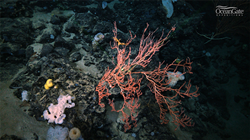
Titanic Mystery Deep Ocean Reef 2900 meters

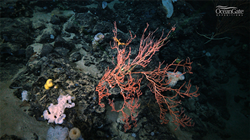
Titanic Mystery Deep Ocean Reef 2900 meters

“We didn’t know what we would discover. On the sonar, this could have been another shipwreck. I’ve been seeking the chance to explore this large object for decades. It was amazing to explore this area and find this fascinating volcanic formation teeming with so much life,” says PH Nargeolet.

During the 2022 Titanic Expedition an extremely productive and dense ecosystem was discovered 2900 meters deep near the wreck of the Titanic. The provisionally dubbed Nargeolet-Fanning Ridge was originally recorded as a blip on sonar 26 years ago by PH Nargeolet, a veteran Nautile submersible pilot and Titanic diver. After more than two decades of wondering if the blip was a shipwreck or geologic feature, PH got his chance to dive on the target and explore the ridge that now provisionally carries his name. The mystery was finally solved with the financial support of OceanGate Expeditions Mission Specialist Oisín Fanning and the analysis provided by OceanGate Foundation’s scientific team. Video footage released by OceanGate Expeditions shows the awe-inspiring environment that was discovered.

“We didn’t know what we would discover. On the sonar, this could have been any number of things including the potential of it being another shipwreck. I’ve been seeking the chance to explore this large object that appeared on sonar so long ago. It was amazing to explore this area and find this fascinating volcanic formation teeming with so much life,” says PH Nargeolet.

“This discovery will improve the way we think about biodiversity of the abyss. The apparently basalt volcanic formations are remarkable, and we are astonished at the diversity and density of the sponges, bamboo corals, other cold-water corals, squat lobsters, and fishes that are thriving at 2900 meters deep in the North Atlantic Ocean,” says Research Professor at the University of North Carolina Wilmington’s Center for Marine Science and OceanGate Expeditions chief scientist, Dr. Steve W. Ross. “Uncovering this previously unknown ecosystem also provides an opportunity to make a comparison to the marine biology on and around Titanic. The variety of lifeforms, concentration of life, and the overall ecosystems may differ between the deep artificial reef of the Titanic and this newly revealed natural deep ocean reef. The similarities and differences will help us better understand our deep-sea environments,” continues Dr. Ross.

“As a marine biologist, getting to dive to the depths of our oceans to see something no other human has seen before is an awe-inspiring experience. Looking through Titan’s viewport and observing this beautiful undersea basalt volcanic formation which is so full of life is why we do the work we do,” says Professor of Applied Marine Biology & Ecology in the School of Geosciences at the University of Edinburgh, Dr. Murray Roberts.

“We look forward to reviewing the video footage, the numerous photographs that were captured during the dive, and the environmental DNA analysis of the water samples we collected. Scientists have always been surprised about how far sponges and corals spread across the ocean. We’re running computer simulations to understand this better and I expect these unexplored rocky areas are critical in explaining how these animals can disperse across the vast distances of the deep muddy seafloor. We need to share this information with the scientific community and policy makers to be sure these vulnerable ecosystems get the proper attention and protection they deserve,” explains Dr. Roberts.

“When I learned about the possibility of a dive to uncover the mystery of what was seen on sonar in 1998, I knew I wanted to be a part of the effort,” shares Oisín Fanning, OceanGate Expeditions Mission Specialist. “It is a privilege to get to work with OceanGate Expeditions, OceanGate Foundation, and the scientific team to better understand what lies deep below the surface of our oceans,” explains Fanning.

These studies are supported by OceanGate Foundation, a non-profit 501(c)(3) organization, which provides financial support for marine research and applied technology. OceanGate Foundation brought together a team of marine biologists, maritime archaeologists, and GIS mapping experts from the U.S., Scotland, and England to support the studies undertaken during expeditions. In 2022, this team included:

· OceanGate Expeditions Chief Scientist, Dr. Steve W. Ross, Adjunct Professor, University of North Carolina at Wilmington

· Professor Murray Roberts, Professor of Applied Marine Biology & Ecology, University of Edinburgh

· Dr. Lea-Anne Henry, Reader in Marine Ecology, School of Geosciences, University of Edinburgh

· Dr. Anna Gebruk, Scientific project manager, benthic ecologist, University of Edinburgh

· Dr. Bridget Buxton, Associate Professor of Ancient History and Mediterranean Archaeology, University of Rhode Island

· Dr. Rod Mather, Professor and Chair; Director of Archaeology and Anthropology M.A. Program, University of Rhode Island

· Chris McCabe, Marine Archaeologist, Gray and Pape and GIS Specialist, University of Rhode Island

· Morgan Breene, Ph.D. candidate in Global and Imperial History, University of Oxford

The computer simulations and scientific outputs of this study will link to wider ecosystem research in the Atlantic through the European Horizon 2020 funded iAtlantic research programme.

OceanGate Expeditions’ longitudinal research work of the Titanic and surrounding areas will continue in 2023 with the support of OceanGate Expeditions crewmembers, the scientific team, and citizen explorers who serve as Mission Specialists. Aspiring Mission Specialists interested in supporting the 2023 Titanic Expedition should contact OceanGate Expeditions for qualifications, availability, and additional details.

OceanGate Expeditions

Media Inquiries | Lisa Dreher | lisa.dreher@oceangateexpeditions.com | +1 425-442-1301

Expedition Inquiries | Kyle Bingham | kyle.bingham@oceangateexpeditions.com | +1 425-595-6343

Investor Inquiries | Bob Shuman | robert.shuman@oceangatexpeditions.com | +1 425-595-5017

Business Inquiries | Bob Shuman | robert.shuman@oceangatexpeditions.com | +1 425-595-5017

Watch: A 26-Year-Old Titanic Mystery Solved – Meet Titanic’s Awe-Inspiring Neighbor in the Deep Sea.

ABOUT OCEANGATE EXPEDITIONS

OceanGate Expeditions Ltd., is dedicated to direct human exploration of the undersea world. Not satisfied with scratching the surface of the ocean near the shoreline, OceanGate Expeditions charters manned submersibles to create expeditions at depths far deeper than can be reached with SCUBA. The organization conducts undersea expeditions to explore and document the 95% of the seafloor that man has never visited including iconic shipwrecks, hydrothermal vents, deep-sea canyons, and uncommon biological events around the world. These expeditions, to depths approaching 4,000 meters (13,123 feet), provide rare opportunities for citizen scientists to observe the mysteries of the deep sea and expand our understanding of our home, Earth, the blue planet. Visit http://www.oceangateexpeditions.com.

Follow OceanGate Expeditions on: YouTube | Instagram | Facebook | Twitter | LinkedIn

ABOUT OCEANGATE FOUNDATION

OceanGate Foundation is a non-profit 501(c)(3) organization dedicated to fueling underwater discoveries in nautical archaeology, marine sciences, and subsea technology through public outreach and supplemental financial support. The organization was founded by entrepreneurs with a passion for ocean exploration who want to expand the world’s appreciation and understanding of the deep ocean. Since 2010, OceanGate Foundation has been providing supplemental financial support to augment primary research grants that enable to efficiently conduct extended and enhanced research studies during expeditions occurring in locations across the globe. Visit http://www.oceangatefoundation.org.

Share article on social media or email: