
Take the Pain Out of Data Safety Monitoring Boards (DSMBs), Upcoming Webinar Hosted by Xtalks


Register for this webinar to learn how to provide the outputs and summarize data in such a way so that clinicians don’t need to overthink their interpretations, letting them focus on the safety of the patients in their study.

Data safety monitoring boards (DSMBs) need to be conducted under demanding time constraints. Therefore, preparing for them can be a fraught and challenging experience; having to juggle all of the ongoing activities of a study in full-swing with the additional workload of writing charters, finding extra resources, and even board members organizing and scheduling the meetings themselves isn’t easy. All of this extra work sometimes feels like it can limit the time spent doing a thorough data review, especially if it involves wading through 1,000s of pages of data listings.

In this webinar, Quanticate will explain how to overcome these problems and how a team structured approach to DSMBs can save time and reduce stress.

Key discussion topics will include:


  •     A bespoke approach to biostatistics, clinical data management and statistical programming to handle all DSMB requirements
  •     Pinpointing and targeting the data required based on the principles of patient safety and data quality
  •     Potential automations to bring efficiencies
  •     Close collaboration to work faster and easier to ensure success of the DSMB

Register for this webinar to learn how to provide the outputs and summarize data in such a way so that clinicians don’t need to overthink their interpretations, letting them focus on the safety of the patients in their study.

Join experts from Quanticate, Liam Sheehan, Project Delivery Manager, Statistical Programming; and Claude Price, Director, Clinical Data Management, for the live webinar on Monday, December 13, 2021 at 10am EST (3pm GMT/UK).

For more information, or to register for this event, visit Take the Pain Out of Data Safety Monitoring Boards (DSMBs).

ABOUT QUANTICATE

Quanticate is one of the world’s largest global data-focused clinical research organizations (CROs) with a primary focus on data collection and validation, statistical analysis, and clinical trial reporting. As an expert in clinical data, with a long history spanning across 3 decades, Quanticate can rapidly provide high-quality teams that offer flexible solutions. These include clinical data management, biostatistics, statistical programming, pharmacokinetic/pharmacodynamic (PK/PD) analysis, medical writing, and statistical consultancy.

Quanticate meets the needs of drug and device development companies by offering customer focused resource solutions from fixed cost or functional service provider (FSP) models through to consultancy. Quanticate has become the trusted supplier of choice for many companies from niche biotechnology and device companies to top tier pharmaceutical giants.

ABOUT XTALKS

Xtalks, powered by Honeycomb Worldwide Inc., is a leading provider of educational webinars to the global life science, food and medical device community. Every year, thousands of industry practitioners (from life science, food and medical device companies, private & academic research institutions, healthcare centers, etc.) turn to Xtalks for access to quality content. Xtalks helps Life Science professionals stay current with industry developments, trends and regulations. Xtalks webinars also provide perspectives on key issues from top industry thought leaders and service providers.

To learn more about Xtalks visit http://xtalks.com

For information about hosting a webinar visit http://xtalks.com/why-host-a-webinar/

Share article on social media or email:

Jvion Shares Predictions for How AI Will Continue to Shape Healthcare in 2022


News Image

2022 will be the year of bold action to address social determinants of health, and clinical AI will play a starring role in both understanding how these barriers drive disparities and directing the right resources to the right patients and populations.

Jvion, a leader in prescriptive intelligence, today released its predictions for how AI-enabled analytics will transform healthcare in 2022. The trends accelerated by the pandemic — labor shortages, the push for health equity, and the growth of home healthcare — will continue in tandem with the longer-term trend toward value-based care. In each case, prescriptive insights unlocked by the successful deployment and use of AI will enable healthcare organizations to deploy their resources more effectively to improve outcomes, lower costs, and raise the quality of care.

“It’s encouraging to see the healthcare industry’s new focus on achieving health equity,” said Dr. John Frownfelter, Chief Medical Officer at Jvion. “2022 will be the year of bold action to address social determinants of health, and clinical AI will play a starring role in both understanding how these barriers drive disparities and directing the right resources to the right patients and populations. It’s a worthy cause in its own right, but doing so will allow us to better achieve the goals of value-based care and Hospital at Home, two other major trends shaping healthcare.”

Data will Drive Action to Address Health Inequities

In the wake of the disparities exposed by the pandemic, health equity has become a top priority for both the Biden administration and the healthcare system it governs. Addressing inequities will depend on a complete accounting of social determinants of health (SDOH) and their impact on both individual patients and their communities. AI is well suited for this rule, capable of consolidating trillions of public data points on different risk factors nationwide and linking them to patient and community outcomes. In doing so, healthcare organizations can identify and leverage resources like food banks, mobile clinics, and health literacy programs that will most effectively reduce risk for patients and populations. That said, biased forms of AI can unintentionally drive health disparities, so expect greater attention and investment in AI that actively works to mitigate bias.

AI Fills the Gaps Left by the “Great Resignation”

The stress and trauma of the last two years have taken a toll on healthcare workers, as thousands leave the profession faster than they can be replaced. It will likely get worse before it gets better. In the meantime, clinical AI will help health systems manage their increasingly scarce human resources. Anything that can be automated will be automated, freeing up staff for the human interactions that matter most. Prescriptive analytics will help direct care teams’ limited time and attention to the patients with the greatest need, and recommend personalized interventions to ease their cognitive burden.

Value-Based Care Becomes the Norm

In October, the Centers for Medicare & Medicaid Services (CMS) announced that it expects all traditional Medicare beneficiaries to be treated in value-based care models by 2030. The trend is mirrored in the private sector, where consolidation is aligning incentives to improve patient outcomes and reduce the total cost of care. The necessary shift from episodic care to long-term care management will depend on preventive care and early interventions. Although predictive modeling can help identify patients at risk, it does not help in identifying which interventions to deploy. Prescriptive analytics, on the other hand, leverage data to identify patients’ biggest risk drivers and the interventions that will most effectively address them.

AI Enables the Continued Growth of Care in the Home

The Hospital at Home model of care has seen rapid growth during the pandemic as patients seek safer alternatives to hospitals and long-term care facilities. At the point of intake, AI can help determine which patients are eligible for home care and identify potential clinical, socioeconomic, behavioral, or environmental barriers to success, mitigating the risk that home care will drive disparities if these barriers are not addressed. Once patients are situated at home, AI will ingest the data coming in from remote patient monitoring devices, separating the signal from the noise to predict patient deterioration and recommend proactive interventions to course-correct and ultimately improve outcomes.

About Jvion

Jvion, a leader in AI-enabled prescriptive intelligence, enables providers, payers, and other healthcare entities to identify and prevent avoidable patient harm, utilization, and costs. An industry first, the Jvion CORE™ goes beyond predictive analytics and machine learning to identify patients on a trajectory to becoming high-risk. Jvion then determines the interventions that will more effectively reduce risk and enable clinical and operational action. The CORE accelerates time to value by leveraging established patient-level intelligence to drive engagement across healthcare organizations, populations, and individuals. To date, the Jvion CORE has been deployed across hundreds of clients and resulted in millions saved. For more information, visit https://www.jvion.com

Share article on social media or email:

Pasithea Therapeutics Brings New Depression Treatments To London


News Image

With on-the-ground operations in both the United States and United Kingdom, Pasithea Therapeutics is working to bring treatments for depression and other mental health disorders to more people. Through a partnership with Zen Healthcare, Pasithea recently opened a clinic in the heart of Knightsbridge.

As reported by Benzinga, a study from the Canadian Rapid Treatment Centre of Excellence found that patients who used solely a Ketamine IV for anti-depression experienced higher response and remission rates than those who used both Ketamine and oral supplements. This has led to promising developments and new clinical trials being run on a number of new substances, like ketamine, to test for their use in treating mental health ailments like depression. According to the BBC, ketamine trials have been tested for depression since 2011, but interests have become reinvigorated due to work in other countries.

In bringing the ketamine clinic to the UK, Pasithea is working with Zen Healthcare to offer in-clinic services to best meet the needs of patients. This will include a psychiatric consultation to gauge the patient’s needs and determine the best approach. The in-clinic ketamine infusion will involve the patient coming to a clinic location in London where a practitioner will sit with the patient throughout their IV ketamine infusion. Most patients are assigned a protocol of six treatments, which will be completed in two to three weeks. Pasithea and Zen Healthcare are working to ensure that all of these treatments meet coronavirus safety standards, with tested clinicians and clean equipment.

“We are grateful to our local partner Zen and the people of London for welcoming us into their city, and are glad to be bringing them bold new solutions to long-standing mental health issues,” said Pasithea Co-founder and Executive Chairman Professor Lawrence Steinman, who is also an Endowed Chair in the Neurology Department of Stanford University. “Pasithea will be working hard to provide best-in-class service, and also to learn about the needs of patients to help us create new drugs for those with treatment-resistant depression.”

About Pasithea Therapeutics:

Pasithea Therapeutics Corp. is a biotechnology company focused on the research and discovery of new and effective treatments for psychiatric and neurological disorders. Its biotech operations will focus on developing drugs that target the pathophysiology underlying such disorders rather than symptomatic treatments, with the goal of developing new pharmacological agents that display significant advantages over conventional therapies with respect to efficacy and tolerability.

The company will also be working by providing on-the-ground treatments to help better understand and meet the needs of patients. Through clinics in the United Kingdom and at-home services in the United States, Pasithea will gain deeper knowledge on the effects of Ketamine IVs to treat depression. This innovative new practice is still currently being researched within the medical field but has shown great promise in preliminary studies.

Share article on social media or email:

Role of Imaging in Acute Ischemic Stroke, Upcoming Webinar Hosted by Xtalks


Evaluation of novel stroke treatments and procedures as part of a clinical study requires detailed planning of all the imaging visits required to assess, treat and follow up with patients.

Acute ischemic stroke caused by loss of normal blood supply to the brain is a leading cause of long-term disability. Without proper diagnosis and treatment, acute ischemic stroke could result in permanent paralysis or death. The effects of a stroke will be determined by the location and extent of the brain damage and time to restoration of blood supply to the affected region. Treatment options include agents (e.g., tPA, alteplase) that can dissolve clots in the bloodstream and endovascular procedures such as thrombectomy.

In routine clinical practice, an accurate evaluation and follow-up of acute ischemic stroke are conducted using diagnostic imaging. CT and MRI are routinely employed. Evaluation of novel stroke treatments and procedures as part of a clinical study requires detailed planning of all the imaging visits required to assess, treat and follow up with patients. The imaging schedule provides an outline of the appropriateness and timing of the imaging modalities needed to assess the safety and efficacy of the treatment. Imaging-based endpoints, such as the degree of recanalization and revascularization, have been shown to have a direct correlation with clinical outcomes.

Register for this webinar to learn about the various modalities of acute ischemic stroke imaging and how to choose the most appropriate imaging-based endpoints for trials.

Join Mayank Goyal, MD, Professor of Radiology and Clinical Neurosciences, Director of Imaging and Endovascular Treatment at the Calgary Stroke Program, University of Calgary; and Ryan Bouchard, President, Vastrax, for the live webinar on Thursday, December 9, 2021 at 2pm EST.

For more information, or to register for this event, visit Role of Imaging in Acute Ischemic Stroke.

ABOUT XTALKS

Xtalks, powered by Honeycomb Worldwide Inc., is a leading provider of educational webinars to the global life science, food and medical device community. Every year, thousands of industry practitioners (from life science, food and medical device companies, private & academic research institutions, healthcare centers, etc.) turn to Xtalks for access to quality content. Xtalks helps Life Science professionals stay current with industry developments, trends and regulations. Xtalks webinars also provide perspectives on key issues from top industry thought leaders and service providers.

To learn more about Xtalks visit http://xtalks.com

For information about hosting a webinar visit http://xtalks.com/why-host-a-webinar/

Share article on social media or email:

JPMA Cares Honors Amazon at Inaugural Benefit for Babies


News Image

“We are honored to receive this award from JPMA Cares,” said Daniel Kingdon, global product trust and international compliance director, Amazon. “This Foundation is making a real impact in the lives of babies and young children, which aligns perfectly with some of our top priorities here at Amazon”

Today, JPMA Cares, a charitable organization that improves long-term outcomes for babies and young children, announced Amazon would be honored as the first recipient of its annual Impact Award during the inaugural JPMA Cares Benefit for Babies fundraising event on Dec. 9, 2021.

The Impact Award is a new award that will be given annually to honor a person or organization that has had a significant impact on advancing baby health and safety.

“We are honored to receive this award from JPMA Cares,” said Daniel Kingdon, global product trust and international compliance director, Amazon. “This Foundation is making a real impact in the lives of babies and young children, which aligns perfectly with some of our top priorities here at Amazon: keeping all of our customers, especially the littlest ones, safe and healthy. We’re looking forward to celebrating with all of the brands we represent in the industry at this year’s Benefit.”

Amazon will receive the Impact Award and will give remarks at the JPMA Cares Benefit for Babies, which will take place virtually on Thursday, Dec. 9, 2021, from 5:00-6:30 p.m. EST. The event will bring together trade, consumer, and media audiences for an impactful evening that will include an announcement of the JPMA Innovation Awards winners, entertainment, a silent auction, party boxes and more.

“Amazon is playing such an important role in improving baby safety across the industry,” said Jennifer Mitchell, JPMA chairman of the board and the founding chair of JPMA Cares. “This past year, Amazon worked with the National Highway Safety Administration to embed NHTSA’s “Right Seat Campaign,” an easy-to-use tool to help customers choose and use the right car seat, directly to all their car seat detail pages. This builds upon their work supporting the American Academy of Pediatrics in promoting safe sleep and speaks to their commitment to baby safety, and many other ongoing initiatives to keep customers safe. We’re proud to honor Amazon with the first-ever JPMA Impact Award on behalf of the industry.”

Amazon will serve as the presenting sponsor for the inaugural JPMA Cares Benefit for Babies, alongside additional sponsors, BreathableBaby, Baby Delight and Everyday Health Group Pregnancy & Parenting, which includes BabyCenter and What to Expect. To attend the Benefit, a limited quantity of tickets are available for purchase HERE.

About JPMA Cares

JPMA Cares contributes to the long-term success of babies and young children by reducing barriers to healthy development, ensuring fundamental needs are met, and promoting a safe and nurturing environment for them to learn and grow. JPMA Cares is a 501(c)(3) charitable organization, founded by JPMA (the Juvenile Products Manufacturers Association) and supported by the broader baby and children’s products industry. Learn more at http://www.jpma.org/jpmacares.

Share article on social media or email:

Plastic Surgeon and Breast Reconstruction Specialist Dr. Constance M Chen Offers Tips on Improving Post Mastectomy Breast Reconstruction Results


Dr. Constance Chen

Correcting a poor or uncomfortable reconstruction can be the last step in restoring a woman’s physical and emotional health and improving her quality of life.

Breast reconstruction should be thought of as a process rather than a single procedure. Most mastectomies will not be identical, and it is unusual for the initial breast reconstruction to have perfect symmetry. Usually, breast reconstruction requires multiple stages to obtain the ideal results.

“The objective of breast reconstruction after mastectomy is to create a natural breast with the shape, symmetry and softness of the original,” says plastic surgeon and breast reconstruction specialist Dr. Constance M. Chen. “In most patients, modifications are needed after the initial surgery to accomplish that goal. Women should know that with a customized plan and advanced surgical techniques, we can often improve shape, size, and symmetry after the initial breast reconstruction to help a woman’s breasts look better and feel more normal.”

In most cases, the best aesthetic outcomes are achieved with natural tissue. There is a principle in plastic surgery to “replace like with like.” On the operating room table, the actual breast tissue looks and feels like regular fat – breast tissue and fatty tissue look and feel the same. As a result, when it is feasible to use a woman’s own fat to recreate the breast, the reconstructed breast will feel very much like the original – sometimes it is almost identical.

Women should know that even if they had reconstruction with breast implants that the implants can be removed and replaced with natural tissue. While many women with implant-based breast reconstruction are happy with the results, some women who have undergone breast reconstruction with implants feel uncomfortable because breast implants are usually placed underneath the muscle. In these cases the subpectoral breast implants can cause rigidity and trouble with breathing, and a hyper-animation deformity can also result in which the patient’s breasts move up and down when she flexes her pectoralis muscle.

“In our experience, many women are surprised when their breast implants are removed and replaced with natural tissue. They commonly report feeling much more comfortable and they are pleased that their new breasts feel and look normal,” says Dr. Chen.

Breast reconstruction problems can also arise due to asymmetry. Breasts should look like sisters if not twins, and it’s best when at least they look like they belong to the same family. It is easiest to obtain symmetry with bilateral reconstruction, in which the incisions from the mastectomy and reconstruction method are the same. However, in cases where only one breast has undergone a mastectomy with breast reconstruction it may be necessary to perform additional procedures on the other breast to achieve symmetry. Fortunately, the 1998 Women’s Health and Cancer Rights Act requires all health insurance companies to cover all stages of breast reconstruction and any complications from all stages of mastectomy or breast reconstruction, and symmetry procedures on the opposite breast are also covered. A woman’s right to breast reconstruction at any stage is protected by federal law and many state laws.

Refining and Improving Breast Reconstruction

One common type of secondary breast reconstruction procedure is fat grafting, in which fat is collected from another part of the body through tiny incisions via liposuction. The extracted fat is processed to remove impurities, and then the fat graft is transferred by injections into the breast. This process is used to make the breast larger or to correct contour deformities by sculpting and filling in small areas to improve breast size, shape, and symmetry.

Another common secondary breast reconstruction is called mastopexy or breast lift. Here the goal is to improve the look and/or evenness of the reconstructed breasts. Reconstructed breasts are usually perkier, particularly after implant-based breast reconstruction. If only one breast has undergone mastectomy and breast reconstruction, a mastopexy may be needed on the unaffected breast to match the reconstructed breast. A breast lift will remove excess skin and raise the nipple-areola complex so that the breast sits higher on the chest wall. A breast lift will not significantly alter the size of the breast.

Finally, in some cases the breast size may need to be modified with a breast reduction or a breast augmentation. A breast reduction is similar to a breast lift, except breast tissue is removed along with the breast skin to make the breast smaller. A breast augmentation may be performed with fat grafting or a breast implant.

Any of these procedures can also be implemented on the reconstructed breast(s).

Additional procedures to achieve symmetry are almost always needed for women who have undergone a unilateral (single-sided) mastectomy and breast reconstruction with a breast implant. On the other hand, the best aesthetic outcomes are from bilateral (double-sided) nipple-sparing mastectomies with immediate natural tissue breast reconstruction. When all the breast skin has been preserved and the breast reconstruction is performed with natural tissue at the same time as the mastectomy, it can be nearly impossible to tell that a woman has had a mastectomy.

“Too many women have experienced the devastating upset of a cancer diagnosis and subsequent treatment only to have added disappointment of an unsatisfactory reconstruction outcome,” says Dr. Chen. “Correcting a poor or uncomfortable reconstruction can be the last step in restoring a woman’s physical and emotional health and improving her quality of life.” Even women who have not had the gold standard in mastectomy and breast reconstruction from the beginning can undergo secondary breast reconstruction to improve their initial results.

Constance M. Chen, MD, is a board-certified plastic surgeon with special expertise in the use of innovative natural techniques to optimize medical and cosmetic outcomes for women undergoing breast reconstruction. She is Clinical Assistant Professor of Surgery (Plastic Surgery) at Weill Cornell Medical College and Clinical Assistant Professor of Surgery (Plastic Surgery) at Tulane University School of Medicine. She is also Chief of Microsurgery at New York Eye and Ear Infirmary of Mount Sinai. http://www.constancechenmd.com

Share article on social media or email:

New Flash Drive Counters USB Cyber Threats


Lock License USB Flash Drive by Nexcopy Inc.

Nexcopy Lock License Flash Drive Counters USB Cyber Threats

The Lock License approach gives the user complete control on when the USB becomes writable. This means a user can perform all the scans and testing required before allowing the device to become writable.

Nexcopy Inc., a leading manufacturer of advanced flash memory solutions, introduces Lock License USB flash drives which serve as a valuable tool to combat against USB cyber threats.

USB flash drives can be a significant security threat to both consumers and organizations and pose a serious problem for those trying to protect their computers and networks.

USB flash drives are read / write devices by default and the write capability is a fundamental way malware can spread from computer system to computer system. The Nexcopy Lock License technology works fundamentally different than all other USB flash drives. The default state of a Lock License drive is write protected, or said another way read-only.

It is important to understand how a virus interacts with a USB device to fully appreciate the above sentence.

A virus designed to spread via USB has two main goals:

1) Spread any way possible via USB connectivity

2) Remain undetected as long as possible.

Because a virus is trying to stay undetected the malware will ping any USB device connected upon power up. Once the virus identifies if the USB device is unusable, the virus will go back into hibernation. For example, if a USB mouse is connected the virus quickly determines this is a HID device (Human Input Device) and does not have memory for the virus to spread it’s code. However, a virus will ping a USB flash drive and quickly determine it is read/write and will insert it’s code onto the USB flash memory.

Greg Morris, President of Nexcopy comments, “With a Lock License USB flash drive, the device is always write protected. This default state of the flash drive means a virus will identify the USB as read only, leave it alone, and got back into hibernation. Malware does not re-examine devices because the more active a virus is, the more likely the virus will be detected.”

The Lock License approach gives the user complete control on when the USB becomes writable. This means a user can perform all the scans and testing required before allowing the device to become writable.

The old ways of how a virus writes itself onto a USB flash drive is gone, because the Lock License USB is read only.

Content on a Lock License drive can be read from any computer or system at any time. However, a Lock License drive will become writable when an encrypted password is entered to remove the write protection.

Morris continues, “The default state of a Lock License drive returns when power is cut from the device, said another way, when the USB is removed from the host computer. There is no requirement to re-lock the drive, the process is automatic. This fundamental design change means a user will never forget to set the write protection of a Lock License USB drive.

The Nexcopy Lock License USB flash drive has the following features:

#Default state of drive is read-only, a.k.a write protected

#User defines when device becomes writable

#Writenable function is password protected

#Assign unique password to every device

#Write protect state returns automatically when device is disconnected

#Free command line utility for custom applications

#This is a hardware solution so cannot be hacked or manipulated

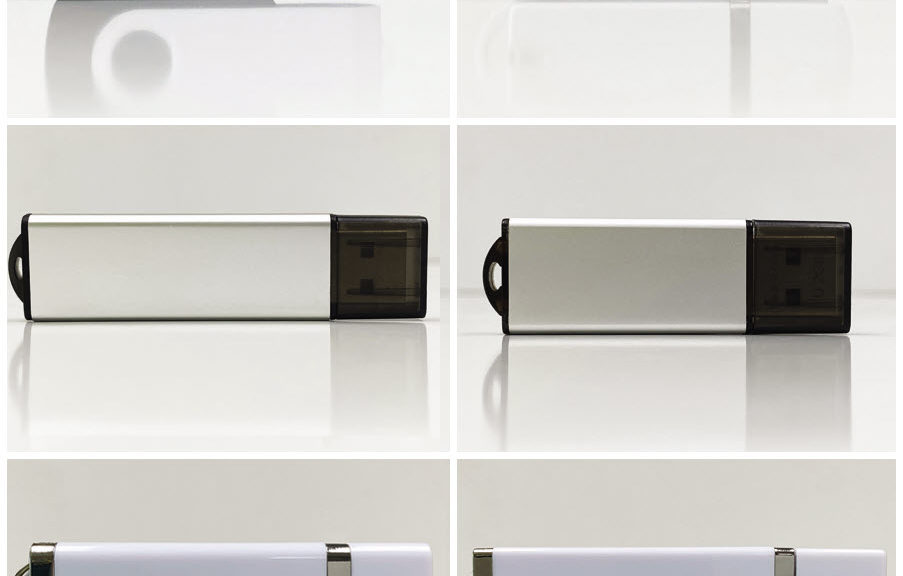
#Many body styles and colors available

#Available in USB 2.0 and 3.0 technology and ranging from 2GB through 128GB capacities

Stan McCrosky, head of Sales, comments, “This simple configuration change in our manufacturing process creates a game changing way users and corporations can fight back against USB cyber threats. Without the USB device being writable, it is impossible for a virus to spread to the device.”

The Oxford swivel style flash drive is the in-stock media Nexcopy carries for same day printing and shipping. Nexcopy inventories USB 2.0 media of 2GB and 4GB capacity and in stock USB 3.0 media of 8GB, 16GB, 32Gb, 64GB and 128GB capacities. The in-stock Oxford media is a black body with white swivel clip with full color printing via the Nexcopy Logo-EZ USB flash drive printer.

Product Information:

Lock License Video

https://www.nexcopy.com/downloads/lock_license_video.mp4

Hi-Resolution Product Image:

https://nexcopy.com/downloads/nexcopy_lock_license_media.jpg

Share article on social media or email:

Nob Hill Therapeutics Announces Strategic Advisory Board to Accelerate Growth


News Image

Dr. Pritchard commented “I am delighted to be working with such distinguished experts in a field of unmet medical need. I think the whole Board are excited by the potential of the DryNeb approach.”

Nob Hill Therapeutics (NHT) is pleased to announce the members of its Strategic Advisory Board. Under the leadership of John Pritchard, PhD, the other members are: Caroline Baxter, MD, Charles Daley, MD and Noel Greenberger. The SAB brings together internationally renowned clinicians and commercialization experts to guide NHT’s clinical development direction and advise the company on strategic business planning.

Yun Li, CEO of NHT, says “NHT has assembled a world-class advisory team, thanks to the leadership of our Executive Chairman Dr. Paul Atkins. The company is at an inflection point, the completion of the strategic advisory board is timely and much needed.”

John Pritchard, PhD is an independent consultant specializing in strategic approaches to developing respiratory devices, drugs and digital health. In addition, he is a Director for several companies and sits on three Scientific Advisory Boards. At different stages in his career across GSK, 3M, AstraZeneca and Philips, he has worked on MDIs, DPIs and nebulized products.

Caroline Baxter, MD, is a Consultant Respiratory Physician at Manchester NHS Foundation Trust in the United Kingdom. She has a specialist interest in complex lung infection and is the clinical lead for the South Manchester Bronchiectasis Service. In addition, she is the Clinical Director of the UK National Aspergillosis Centre.

Charles Daley, MD, is a Professor of Medicine at National Jewish Health (NJH), the University of Colorado, and Icahn School of Medicine at Mt. Sinai. He is Chief of the Division of Mycobacterial and Respiratory Infections and Director of the Nontuberculous Mycobacteria (NTM) Center of Excellence at NJH. Dr. Daley has served on expert panels for the WHO, CDC, IDSA, and ATS, including as chair of the recently published Guidelines for the Management of NTM Pulmonary Disease.

Noel Greenberger is the Chief Commercial Officer of Vertice Pharma, a private equity-backed specialty pharmaceutical company with Branded, Institutional Generics, and Retail Generics businesses. Previously, he was Executive Director of Respiratory at Sandoz U.S., the generics division of Novartis, and was responsible for building and commercializing Sandoz’ portfolio of respiratory medicines.

NHT is at an inflection point, raising series A funds to develop the DryNeb technology platform, and to take the first therapy product through regulatory review and an initial clinical study. The SAB will play a critical role in guiding this process. Dr. Pritchard commented “I am delighted to be working with such distinguished experts in a field of unmet medical need. I think the whole Board are excited by the potential of the DryNeb approach.”

About Nob Hill Therapeutics

Nob Hill Therapeutics mission is to commercialize the first of its kind dry powder nebulizer (DryNeb) inhalation drug delivery platform. NHT is focused on creating effective inhalation therapies to address lower respiratory tract infections (the 5th leading overall cause of death worldwide) and other deadly lung diseases. Our first product is to address lung fungal infections, which impact 5 million patients globally each year. For more information, please visit https://nobhilltherapeutics.com

Nob Hill Therapeutics is a VIC Technology Venture Development portfolio company.

About VIC Technology Venture Development, LLC

VIC Technology Venture Development creates innovative new companies with world-changing science- and engineering-based technologies. VIC carefully selects and licenses technologies from universities and research institutions worldwide, then partners technology entrepreneurs with VIC’s business and technology experts and allocates seed capital through the national VIC Investor Network. In addition, VIC provides its portfolio companies with senior management expertise, extensive knowledge of technology startups, and proven processes to execute business strategies, including legal, financial, operations, marketing, capital acquisition, and technology management. For more information, please visit https://victech.com

Share article on social media or email:

Generations Homecare System Introduces Electric Visit Verification Solution for Missouri


“Using Generations EVV, agencies can conveniently gather electronic signatures in real-time from caregivers, clients, and nursing supervisors to certify the delivery of care.” – Lisa Ferden, Co-Founder and Chief Operating Officer

Generations Homecare System announces its interface to Sandata for Medicaid providers in the state of Missouri. This news means home and community-based service (HCBS) providers in Missouri can seamlessly bill Medicaid in addition to meeting state Electronic Visit Verification (EVV) requirements under the 21st Century Cures Act.

“Using Generations EVV, agencies can conveniently gather electronic signatures in real-time from caregivers, clients, and nursing supervisors to certify the delivery of care.” – Lisa Ferden, Co-Founder and Chief Operating Officer

Homecare teams in Missouri that use Generations benefit from:


  • Simplified state reimbursements
  • Ease of meeting state EVV requirements
  • Real-time visit verification

“We’re happy to help our clients in Missouri comply with EVV requirements and streamline their billing.” – Lance Ferden, Generations Homecare System Co-Founder and Chief Technical Officer.

Generations Homecare System is an agency management solution that gives homecare providers the power to improve care outcomes, boost referrals, and streamline day-to-day tasks.

For more information, contact sales@homecaresoftware.com.

Share article on social media or email:

Voice Products Awarded Telehealth/Telemedicine Agreement With Premier, Inc.


Voice Products

We’re thrilled to be leading the way in telehealth and telemedicine solutions for Premier members, said Dean J. Tullis, President and CEO of Voice Products.

Voice Products, Inc, a healthcare and public safety technology company, has been awarded a group purchasing agreement for Telehealth/Telemedicine with Premier, Inc. Effective November 3rd, 2021, the new agreement allows Premier members, at their discretion, to take advantage of special pricing and terms pre-negotiated by Premier for Voice Products’ telehealth platform, Let’s Talk Telemedicine, as well as medical carts, kiosks, and medical equipment.

“We’re thrilled to be leading the way in telehealth and telemedicine solutions for Premier members,” said Dean J. Tullis, President and CEO of Voice Products. “Our platform is one of the most sophisticated available but also among the easiest to use. We built it to be reliable and secure with features that replicate an in-person visit.”

Let’s Talk Telemedicine is suitable for Premier’s new Telehealth/Telemedicine category because it’s a robust solution that goes beyond simple video conferencing.

Let’s Talk Telemedicine is an easy-to-use, yet secure, HIPAA-compliant platform with customizable features that work with a healthcare provider’s workflow. The solution integrates with existing systems such as EHRs and patient portals. It offers the unique opportunity to connect with medical carts, kiosks, and devices so doctors can read a patient’s vitals in real time, making a telemedicine visit no different than an office visit.

Premier is a leading healthcare improvement company, uniting an alliance of more than 4,400 U.S. hospitals and 225,000 other providers to transform healthcare. With integrated data and analytics, collaboratives, supply chain solutions, and consulting and other services, Premier enables better care and outcomes at a lower cost.

About Voice Products, Inc.

Voice Products, Inc. was founded in 1990 and is a leading distributor of voice, video, and data recording solutions. More than 4,000 customers in healthcare, public safety, and other industries trust their mission-critical needs to Voice Products.

In 2020, Voice Products became an investor in innovative telemedicine technology. Our partners behind this technology won Zoom’s Inaugural Global Trailblazer award for leading the way in telemedicine. Voice Products is also the largest distributor for many of the manufacturers we represent, such as Dolbey, NICE, nVoq, Jeenie, and others.

Voice Products also holds a group purchasing agreement with Premier for Call Center Services. It provides call center telephone recording, screen recording, PCI compliance, workforce management, ACD, IVR, and more.

Voice Products has a tradition of excellent customer service and support. We have factory trained and certified technicians located across the U.S. We answer our phones live 24 hours a day, seven days a week, allowing customers to speak with a technician or trainer almost any time they call. For more information visit http://www.voiceproducts.com.

Share article on social media or email: