
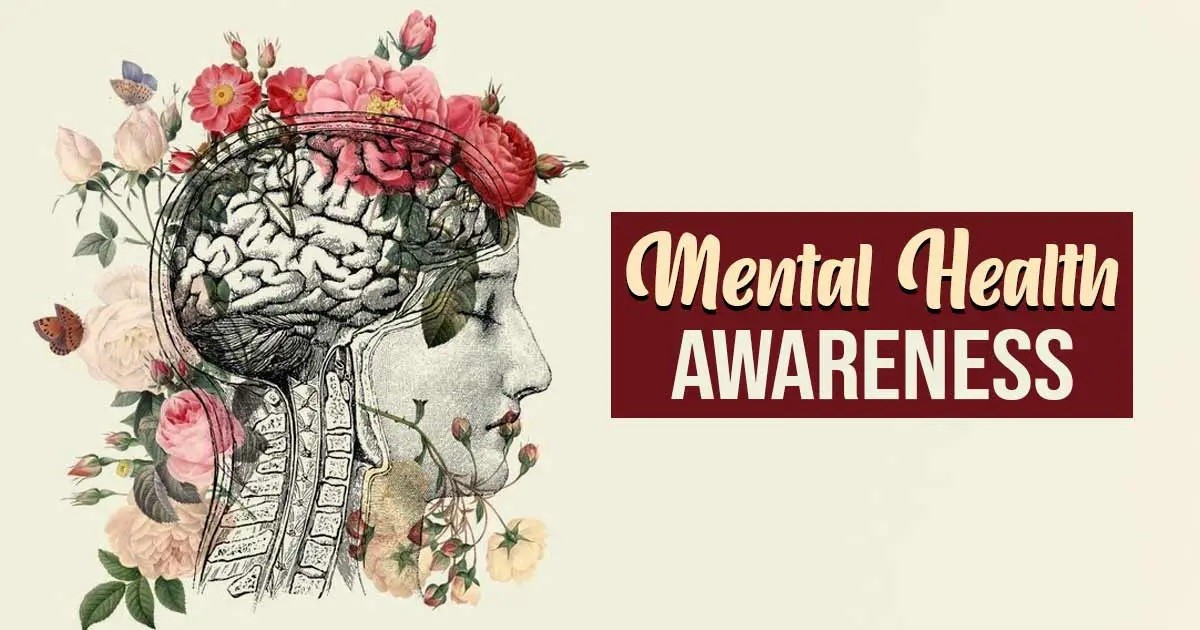
 In an age where misinformation is rampant—particularly on social media platforms like TikTok, where over half of trending mental‑health content has been inaccurately labeled or misleading —the need for reliable, structured messaging has never been clearer. For mental health advocates, nonprofits, and public health organizations, press release distribution via news wire services offers a critical path to effective, credible, and impactful campaigns.
Reaching beyond the noise
Mass media mental health campaigns have been shown to influence not just awareness but attitudes and behavior, especially among young people. A systematic review found campaigns directed at youth (ages 10–24) often led to reduced stigma, increased knowledge, and—even if more modest—improvements in help-seeking and behavior change . But free-form social media campaigns suffer from inconsistent messaging and limited credibility. News wires elevate messages into medically and professionally verified channels.
Structured and credible outreach
Effective messaging around mental health relies on personal narratives and identification of structural barriers to treatment—approaches shown to increase public empathy and support for policy reform, without increasing stigma . Press releases crafted through news wires enable organizations to pair real-life stories with authoritative data, expert quotes, and actionable insights—packaged as trustable content for journalists and news consumers alike.
Timing and strategic amplification
When news wire-distributed press releases align with awareness months such as May’s Mental Health Awareness Month or September’s suicide prevention initiatives, they gain significantly higher pickup in regional and national outlets. A recent example: Tennessee’s “Promise to Call” suicide prevention campaign leveraged media outreach to activate the 988 hotline during a surge in crisis need, raising public engagement in a region with a 20 % higher suicide rate than the U.S. average.
Framing with positivity, not fear
Public health researchers at Harvard have shown that negative or fear-based framing—common in short-form social content—can elevate anxiety without improving behavioral outcomes. In contrast, news wires encourage positively framed calls to action, such as highlighting recovery benefits or community support, which reduce anxiety and foster action.
Design and evaluation best practices
Guidance from health communication research stresses that campaign messages must be strategically planned, based on formative audience research, tailored to defined goals, and paired with clear calls to action—elements ideal for press release construction. Moreover, reliable messaging enables better evaluation: organizations know who picked up their message, how widely it reached, and what follow-up engagement occurred.
Real-world outcomes
Major mental health campaigns such as Bell Let’s Talk (Canada) and R U OK? (Australia) have harnessed structured messaging to normalize conversations, reduce stigma, and drive millions of engagements across media platforms—even outside of social media ecosystems . These initiatives demonstrate that well-crafted messages, when amplified across traditional and digital channels, generate real social and funding impact.
Conclusion
In a media environment saturated with oversimplified or unverified content, press release distribution via news wire services cuts through the noise and delivers structured, credible, impactful messages. By integrating personal narratives with expert insight, positive behavior framing, rigorous timing, and built-in evaluation mechanisms, these releases elevate mental health messaging from passive awareness to active public health engagement.
For mental health campaigns seeking to shift public attitudes, reduce stigma, and drive help-seeking behavior—news wires are not just optional. They are essential.