Category Archives: Health

What is new in the field of Health. Trending topics, and cutting edge research in the are of Health. Press Releases that give us updates on Health.

Right at Home Launches Fundraising Campaign for the American Red Cross


Right at Home, a leading international in-home care provider, has been caring for seniors, wherever they call home, for 25 years. Their mission, to improve the quality of life for those they serve, is evident in the 50,000-plus seniors they care for each year. During the COVID-19 pandemic, seniors need everyone’s help because older adults are some of the most adversely affected by the coronavirus. Right at Home caregivers are working harder than ever to help keep seniors safe and healthy, but they need your assistance.

Right at Home created T-shirts with the slogan, “Because Someone I Love Is a Senior.” The shirts are a symbol that we can all do the inconvenient things, such as social distancing, hand-washing, and sheltering in place, to help stop the spread of COVID-19.

For each shirt sold through May 31, 2020, Right at Home will donate $5 to the American Red Cross COVID-19 response. “We recognize that life-saving blood transfusions don’t stop during a crisis, and as we head into severe weather season, the Red Cross disaster relief program is ready to provide assistance to those who will be affected by hurricanes, tornadoes and related events,” said Margaret Haynes, Chief Operating Officer. “We are committed to helping the Red Cross maintain its blood bank supplies and supporting its disaster relief program so they can serve those in need.”

How You Can Help

  • Purchase T-shirts at http://www.ILoveASenior.com.
  • Post to social media a picture or video of you wearing the shirt and share how a senior loved one has affected your life. Use #SomeoneILoveIsASenior, #RightatHome #LoveIsRightatHome and/or #RightatHomeCares.
  • Ask your friends and family to consider supporting the effort by purchasing shirts and postings selfies on Facebook, Instagram and Twitter wearing the shirts. Remind them to include #SomeoneILoveIsASenior.


ABOUT RIGHT AT HOME:

Founded in 1995, Right at Home offers in-home companionship and personal care to seniors and adults with a disability who want to continue to live independently. Most Right at Home offices are independently owned and operated and directly employ and supervise all caregiving staff, each of whom is thoroughly screened, trained, and bonded/insured prior to entering a client’s home. Right at Home’s global headquarters is based in Omaha, Nebraska, with more than 500 franchise locations in the U.S. and seven other countries. For more information on Right at Home, visit About Right at Home at http://www.rightathome.net/about-us or read the Right at Home franchising blog at http://www.rightathomefranchise.com/blog/. To learn more about franchising opportunities, please visit http://www.rightathomefranchise.com/.

ABOUT THE AMERICAN RED CROSS:

The American Red Cross shelters, feeds and provides emotional support to victims of disasters; supplies about 40 percent of the nation’s blood; teaches skills that save lives; provides international humanitarian aid; and supports military members and their families. The Red Cross is a not-for-profit organization that depends on volunteers and the generosity of the American public to perform its mission. For more information, please visit https://www.redcross.org/ or https://www.redcross.org/cruz-roja.html, or visit us on Twitter at @RedCross.

Share article on social media or email:

United Way’s Volunteer Platform Promotes Local COVID-19 Donation and Volunteer Needs


News Image

“While there is urgent need for contributions of essential supplies, there is limited opportunity for safe volunteer work now and we anticipate that volunteerism will be absolutely essential to the recovery effort,” says Ken Oldham, CEO of United Way of Frederick County.

United Way of Frederick County’s (UWFC) volunteer platform, GetConnected has been customized to categorize and prioritize COVID-19 volunteer donation and volunteer needs, making it easy for the community to find ways to safely give back during the crisis.

GetConnected is a free tool available to nonprofits and volunteers in Frederick County that allows both groups to connect with one another based on geographic area, skill level and availability. The site has been proven to “fill a gap” when it comes to the volunteer needs in Frederick County and continues to do so during the COVID-19 Crisis.

“While there is urgent need for contributions of essential supplies, there is limited opportunity for safe volunteer work now and we anticipate that volunteerism will be absolutely essential to the recovery effort,” says Ken Oldham, CEO of United Way of Frederick County.

UWFC is working closely with the Governor’s Office of Service and Volunteerism to make sure nonprofits and volunteers have up-to-date information to stay in compliance with executive orders.

UWFC County encourages the Frederick nonprofit community to utilize the free tool to post volunteer needs that are essential, as well as make online wish-lists to encourage “no-contact” donations.

The community can find COVID-19 volunteer and donation needs and nonprofits can post needs by visiting http://volunteer.unitedwayfcwc.org.

This work is made possible thanks to the generous support of our donors including Giant Eagle and Marion P. Lee Trust.

The community can also support United Way’s COVID-19 response efforts by making a donation to the COVID-19 Emergency Relief Campaign. Gifts can be made at http://www.uwfrederick.org/covidrelief, by mailing checks to PO Box 307, Frederick, MD 21705 or texting COVIDFREDERICK to 71777.

About United Way of Frederick County

For over 80 years, United Way of Frederick County has been fighting to achieve lasting change by identifying the ALICE (Asset-Limited, Income-Constrained, Employed) and impoverished families in Frederick County and working to strengthen their education, financial stability, and health to build a strong, viable community. Our work focuses on helping children and youth be successful in school and achieve their potential through education; helping people obtain the tools they need to become financially stable and independent; and ensuring our neighbors in need have access to healthy, nutritious food and healthcare.

United Way partners include global, national and local businesses, nonprofits, government, civic and faith-based organizations, along with educators, health providers, senior citizens, students, and others. The organization provides grants to local nonprofits, offers programs such as free tax preparation and matched savings, mobilizes volunteers, and engages in public policy advocacy. To learn more about United Way and how you can get involved, please visit UnitedWayFrederick.org.

Share article on social media or email:

Critical Alert Partners with TekTone to Offer Rapid Deployment Kits to Help Hospitals with COVID-19 Surge Capacity


News Image

Our Rapid Deployment Kit blankets surge capacity areas with a reliable, easy-to-deploy wireless nurse call system, with connectivity to mobile devices and robust reporting capabilities which are critical in these temporary hospital settings.

Critical Alert announced today it has partnered with TekTone to offer Rapid Deployment Kits to help hospitals contend with COVID-19 surge capacity. Designed to be utilized in any environment, this portable, software-based, wireless patient call system can be easily implemented with minimal system maintenance, bringing reliable, connected care to any setting.

Driving the system is Critical Alert’s CommonPath Canopy software which integrates multiple nurse call and caregiver communication systems into a single, cohesive platform. For wireless Tone/Visual infrastructure, Critical Alert is utilizing TekTone’s easy-to-use, easy-to-deploy nurse call hardware.

The Rapid Deployment Kit provides wireless, waterproof pendants that patients wear around the neck, on the wrist or can be attached to the bed. When help is needed, the patient simply presses the pendant button which emits a notification to the nurse console as well as to mobile devices (even BYOD). Wireless patient stations with call cords, emergency notification buttons, and auxiliary jacks for medical devices can also be integrated if the setting allows for it.

“In this time of crisis, hospitals are expanding to accommodate the tremendous influx of patients and need a dependable communication system,” said John Elms, CEO of Critical Alert. “Our Rapid Deployment Kit blankets surge capacity areas with a reliable, easy-to-deploy wireless nurse call system, with connectivity to mobile devices and robust reporting capabilities which are critical in these temporary hospital settings,” continued Elms.

Features/Benefits:

  • Deploys quickly and expands easily – An entire system can be set-up and running in a matter of hours
  • No construction needed – plug-&-play hardware, repeaters use standard AC outlet(s)
  • Reusable – Box up and re-use anytime
  • Independent wireless network – 900 MHz proprietary network provides maximum coverage and does not burden existing Wi-Fi network(s)
  • Multi-Unit display – Access and view each temporary unit or location separately or centralized on nurse console displays
  • Integration – Use with existing wireless devices such as smartphones and pagers
  • Pre-programmed wireless pendants – pendants are programmed into the system before arrival

“TekTone is here to support the Army Corps of Engineers with stand-up hospitals and existing facilities with a diverse platform of durable nurse call solutions. We are prepared to provide sites with the technologies they need in a time crunch. This Critical Alert partnership allows sites the ability to achieve quick, rapid results in a time when life safety is of the essence,” said John Mira-Knippel, president of TekTone.

About TekTone

For over 45 years, TekTone® has designed and manufactured UL® Listed Tek-CARE® nurse call, wireless nurse/emergency call, wander management, Tek-SAFE® area of rescue assistance systems, and Tek-ALERT® integration systems. TekTone® products are designed and built in our FDA-registered, state-of-the-art manufacturing facility located in North Carolina – plus a network of distributors and representatives that stretches worldwide.

For more information, visit http://www.tektone.com

Follow TekTone on LinkedIn, Facebook, and Twitter

About Critical Alert

Critical Alert offers a cost-effective solution set of enterprise, software-based products, services and strategies that enable hospitals and healthcare enterprises to give patients a voice, empower clinical staff with actionable intelligence, and unburden their support and IT teams. CommonPath Enterprise, our software-driven patient communications platform, includes UL-1069 nurse call, overlay software to modernize legacy nurse call systems, alarm management & event notification, patient experience monitoring, advanced clinical analytics, and a portfolio of integrated partner offerings.

For more information, visit: http://www.criticalalert.com.

Follow Critical Alert on LinkedIn and Twitter.

Critical Alert is a trademark of Critical Alert. All other product or service names are the property of their respective owners

Share article on social media or email:


BetterRX and Doxy.me partner to provide free telemedicine visits for hospice agencies during the COVID-19 pandemic


“Telemedicine is a lot more than simply doctor/patient visits … it’s also about offering compassion wherever possible.” Brandon Welch, Founder, Doxy.me.

Hospices are facing a new reality as they take stringent measures to slow the spread of COVID-19 among their vulnerable patient populations while also providing safe working environments for their employees. The U.S. Centers for Medicare & Medicaid Services (CMS) has recently recognized telemedicine as a vital way to overcome these challenges, allowing seniors to remain connected to their hospice care providers during this pandemic.

“We have already been aware of hospice nurses quarantined while waiting for COVID-19 test results that still need to see their patients. They need a HIPAA compliant telemedicine solution fast,” says Rebecca Smith, BetterRX Director of Clinical Services and PharmD.

BetterRX recognizes that with COVID-19, it’s not business as usual for hospice agencies right now. Many have little time or budget to identify and implement a telemedicine solution. As a technology-driven company, BetterRX decided to help identify a viable telemedicine solution that is HIPAA and CMS compliant, easy to set up and use, works on a desktop, tablet, or mobile device and can be immediately accessed.

“Since hospice nurses nationwide are already using BetterRX to care for patients and manage their medications, we thought it would be a great idea to offer them a mobile-friendly HIPAA compliant telemedicine solution as well. We’re excited we found one that is free and also easy to use in Doxy.me,” said Jared Stong, BetterRX CEO.

“Telemedicine is a lot more than simply doctor/patient visits. It’s about keeping people safe during this emergency, but it’s also about offering compassion wherever possible. We’re honored that we are in a position to make a difference in the world with our technology,” said Brandon Welch, Founder, Doxy.me. “We believe everyone should have access to telemedicine, and we are committed to working with BetterRX to help hospices get up and running on our platform.”

BetterRX has already created a web page explaining the partnership with Doxy.me and why it’s such a valuable solution for hospices. It also plans to send emails to hospice partners and ask other industry players to join in to get more hospices set up and using Doxy.me.

For more information, visit https://www.BetterRX.com/Doxyme

About BetterRX

BetterRX is the only PBM in hospice care using artificial intelligence and its proprietary ePrescribe technology to dramatically improve patient comfort. BetterRX’s artificial pharmacy intelligence (BetterAI) provides over 244,000 evidence-based clinical algorithms with instant recommendations for ordering, clinical effectiveness, and lower-cost alternatives. BetterRX’s vertically integrated ePrescribe solution, built specifically for hospice, has revolutionized the traditional hospice medication ordering process by removing phone calls, and billing rejections from hospice pharmacy—saving nurses, pharmacists, and prescribers millions of hours. BetterRX is changing the way PBMs work by offering truly transparent pricing and a patient-first approach. For more information, visit http://www.BetterRX.com or email Hello@BetterRX.com.

About Doxy.me

Founded by Brandon Welch, MS, Ph.D., and based in Salt Lake City, Utah, and Charleston, South Carolina, Doxy.me is making it easier and more affordable for healthcare providers to care for their patients anywhere, including rural and underserved areas. Doxy.me provides patients with a virtual clinic experience that is strongly reminiscent of the traditional consultative model but without the barriers associated with a brick-and-mortar clinic. The company uses state-of-the-art security and encryption protocols, making Doxy.me compliant with HIPAA and HITECH requirements, and works on mobile devices (Safari/Chrome) and most desktop browsers. The company also offers a licensed version of Doxy.me for additional features or custom branding.

Share article on social media or email:

Wildflower Offers Virtual Visit Solution for Prenatal and Postpartum Patients At No Cost to OB Practices, In Response to the COVID-19 Pandemic


News Image

This solution will empower patients, provide valuable insights to providers and establish consistent, digital connections that lead to improved maternal outcomes. It also will help keep patients safe and extend the bandwidth of critical healthcare resources as we all navigate this pandemic.

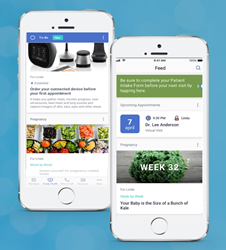
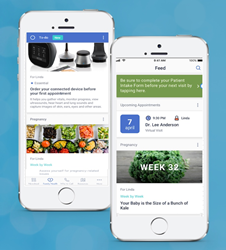
Wildflower Health today announced it is launching a new product to help Obstetrics (OB) practices more effectively deliver virtual visits for their prenatal and postpartum patients during the COVID-19 pandemic.

The product helps childbirth providers fill patient education and workflow gaps associated with virtual prenatal and postpartum visits, including remote device delivery, symptom monitoring, pre-visit data transmission, and personalized digital education. Wildflower is currently rolling out the first wave of participating practices and will be scheduling additional launches in the coming weeks. The software for Wildflower’s virtual visit product will be available directly to OB practices at no cost.

“COVID-19 is placing unbelievable pressure on the medical community and overwhelming expecting families,” said Leah Sparks, Founder and CEO of Wildflower. “Effectively supporting patients virtually has gone from nicety to a necessity overnight. Based on the needs we heard from our customers, we are leveraging our expertise and our resources to help OB practices and their patients navigate this uncertain time and lay the foundation for what will be the future of healthcare.”

Wildflower currently supports more than 150 leading hospitals, health systems and health insurers across the country with patient-facing digital engagement, workflows and connections to care. Built on Wildflower’s core platform for educating and empowering women and families during pregnancy, birth and parenting, the company’s virtual visit product will help women more effectively access digital care while easing the financial and administrative burden for OB practices who are transitioning to virtual visits.

The Wildflower virtual visit product will help practices create strong digital connections with their patients, including preparing patients for virtual visits, delivering ongoing digital education/tools and remotely monitoring patients by supplying and managing in-home devices. The application is designed to integrate with a practice’s existing telemedicine technologies. If a practice does not currently offer virtual appointments, the Wildflower application will include a video platform that can facilitate telemedicine visits.

With the new version of its product adapted for the COVID-19 pandemic, Wildflower will specifically support OB practices by:


  • Educating, training and preparing patients for telemedicine visits
  • Facilitating digital symptom intake and surveying with personalized calls to action for patients
  • Managing the ordering, home delivery and payer reimbursement for remote monitoring devices such as blood pressure cuffs, scales, blood glucose monitors and fetal dopplers
  • Consistently sharing data from devices to inform physician care plans and patient appointments
  • Digitally providing patient education and tools to augment physician instruction
  • Clinically integrating with key provider resources and services
  • Providing turnkey marketing tools and best practices to drive patient adoption of the app

“We believe this solution can empower patients, provide valuable insights to providers and establish consistent, digital connections that lead to improved maternal outcomes,” said Sparks. “At the same time, it will help keep patients safe and extend the bandwidth of critical healthcare resources as we all navigate this pandemic.”

Wildflower is a pioneer in using digital health technologies to fuel healthy pregnancies and births. Since 2012, the company has been supporting hospitals, health systems, commercial health plans and Medicaid plans by clinically integrating with their maternity programs, educating women and families through e-learning and digital tools and creating stronger connections between physicians and their patients.

Previous peer-reviewed studies have demonstrated the impact of Wildflower’s approach to digital engagement and education on clinical outcomes and quality. The company has also recently been recognized as the FemTech Company of the Year by the UCSF Digital Health Awards and was named best provider for maternity management by Validation Institute for the 2020 Health Value Awards.

OB practices who are interested in implementing Wildflower’s virtual visit solution can visit wildflowerhealth.com/virtual-visit to schedule a personalized product demo.

About Wildflower Health

Wildflower is re-inventing how women connect to care by clinically integrating our digital solutions with the provider, the payer and best-in-class partners to deliver personalized experiences that rival Netflix and Pinterest. We are modernizing healthcare for women and their families, eliminating excess costs and reducing complications while nurturing loyal, long-term relationships between healthcare enterprises and the consumers they serve. Learn more at http://www.wildflowerhealth.com.

Share article on social media or email:

Stevie® Awards Revises 17th International Business Awards® Schedule


The International Business Awards®

The International Business Awards® revises schedule amidst COVID-19.

“We assessed that it’s necessary to push the entry deadlines out a bit to provide more time to prepare and submit nominations to organizations that are effected by the pandemic,” said Stevie Awards president Maggie Gallagher.

The Stevie® Awards, organizers of The International Business Awards®, announced today that the remaining schedule for the 2020 (17th annual) edition of the awards has been revised because of the COVID-19 pandemic.

The International Business Awards are widely considered to be the world’s premier business awards competition. In 2019 the competition attracted more than 4,000 nominations from organizations in more than 70 nations.

“We assessed that it’s necessary to push the entry deadlines out a bit to provide more time to prepare and submit nominations to organizations that are effected by the pandemic,” said Stevie Awards president Maggie Gallagher.

Changes to the 2020 IBA calendar are as follows:

  • The entry deadline, originally scheduled for 13 May, is rescheduled to 24 June
  • The late entry deadline, through which nominations are accepted with payment of a late fee, is pushed to 28 July from 17 June
  • Judging by the juries of more than 250 professionals around the world now will begin in late June and continue through 31 August
  • The announcement of the Gold, Silver, and Bronze Stevie Award winners, originally slated for 11 August, will now be made on 9 September.


The 17th IBA awards gala, at which the Stevie winners will be celebrated, is still scheduled to be held in Paris, France on 24 October.

The 2020 IBAs will recognize achievements since the beginning of 2019 of organizations, teams, and individuals in a wide variety of categories. Entry details are available at http://www.StevieAwards.com/IBA.

Gallagher emphasized that the IBAs feature more than 40 categories that don’t require the payment of entry fees, including all 35 of the Company/Organization of the Year categories, and that there are many new and revised features of the IBAs for 2020, including:

  • Nine new categories to recognize singular business achievements in areas such as business turnaround, finance, revenue generation, and science and technology, among others.
  • The simplification of submission requirements in the Company/Organization, Corporate Communications & Public Relations, Marketing, and New Product & Product Management category groups.

About the Stevie Awards

Stevie Awards are conferred in eight programs: the Asia-Pacific Stevie Awards, the German Stevie Awards, The American Business Awards®, The International Business Awards®, the Stevie Awards for Great Employers, the Stevie Awards for Women in Business, the Stevie Awards for Sales & Customer Service, and the new Middle East Stevie Awards. Stevie Awards competitions receive more than 12,000 entries each year from organizations in more than 70 nations. Honoring organizations of all types and sizes and the people behind them, the Stevies recognize outstanding performances in the workplace worldwide. Learn more about the Stevie Awards at http://www.StevieAwards.com.

Share article on social media or email:

GrandPad Chief Gerontologist, Dr. Kerry Burnight, offers crisis self-care tips to caregivers


GrandPad supports caregivers by making it easy to stay connected with older adults when in-person visits are restricted.

Family and professional caregivers need to assess their own needs so they can continue to provide the care, love, and support that will buoy older adults through this storm.

Paid and unpaid caregivers have an important key trait in common: They put the needs of other people before their own. Even in the best of times, this means caregiver health can suffer; but for people who are serving as paid or unpaid caregivers during this global coronavirus (COVID-19) pandemic, mental health is also being negatively impacted. Dr. Kerry Burnight, PhD, chief gerontologist for GrandPad, the first purpose-built tablet designed exclusively for people over the age of 75, offers the following recommendations to help caregivers weather the storm while continuing to provide care for patients and loved ones.

“While it’s important to focus on the physical and emotional needs of high-risk or vulnerable populations like older adults, family and professional caregivers also need to assess their own needs so they can continue to provide the care, love, and support that will buoy older adults through this storm,” said Dr. Kerry. “Start by asking yourself what your biggest struggle is and what you need most from family, friends, or the elder for whom you’re caring. Taking a moment to identify the most pressing challenge and specific ways to address that challenge is the first step to regaining control over your life and staying at the top of your game.”

Important self-care tips for paid and unpaid caregivers

  • 1.    Show compassion to yourself. The compassion that caregivers so easily share with seniors should be redirected to words of encouragement and positive self talk. Mini pep talks throughout the day, like “You’ve got this” and “My best is enough” can go a long way to sustaining a positive outlook during times of crisis.
  • 2.    Limit media consumption. When it comes to consumption of COVID-19 related news coverage, a little goes a long way, especially since much of the information is repeated. Why? Because this continued stream of negative information can be stress inducing.
  • 3.    Prioritize sleep. For caregivers to function at their optimal level, they need to recharge with regular sleep. If sleep is hard to come by in this stressful time, practicing deep breathing exercises while mentally thinking about things you’re grateful for is a good way to unwind and prepare for sleep.
  • 4.    Pick three. Make a list of three favorite self-care activities and practice one each day. This might include spending time alone in your room, watching a TV show, taking a bath or long shower, spending time in prayer, calling a friend, or playing with a child or pet.
  • 5.    Move your body each day. Go for a walk, if the weather allows. If not, moving about indoors and stretching for 10 minutes a day can significantly increase your ability to cope.
  • 6.    Connect. Use phone and video calls to reconnect with friends and family members. Talking with others who are in caregiving roles can spark ideas and provide comfort through a shared perspective. Ensure that the older adults in your life also have a simple, safe, and secure way to communicate with friends and family. Technology is more important than ever for staying connected during COVID-19.
  • 7.    Follow the CDC guidelines. Carefully adhere to all safety procedures that have been issued by healthcare experts. You cannot fulfill your role as a caregiver if you contract the virus, so do your part to stop the spread of this disease
  • 8.    Ask for help. If you’re feeling overwhelmed or concerned that COVID-19 is affecting your ability to provide the normal high-level of care for the seniors in your life or for patients as you did before the outbreak, seek help from other family members, friends, and community organizations.

“After nearly 20 years of working with caregivers, older adults, and super seniors, I’ve learned the importance of self care and leaning on other people and technology for support. By using our collective resources and staying connected we will get through this crisis together,” said Dr. Kerry.

How GrandPad can help

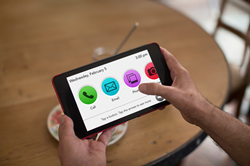
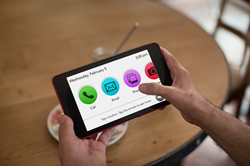
GrandPad is a purpose-built tablet for people 75 years and older. The device has been specifically designed around the input of seniors, for their specific needs and technology capabilities. GrandPad offers the following features that can help families stay connected in a safe and simple way with their older loved ones:

  •     Ready to use, right out of the box — no setup required.
  •     Enables pre-loaded “trusted circle” family contacts, photos, and apps
  •     Built-in LTE (no home WiFi needed)
  •     Closed network for greater security (no one outside the “trusted circle” can contact a GrandPad user)
  •     Secure internet browsing
  •     Video and voice calling
  •     Texting and emailing
  •     Family photo and video sharing
  •     Curated entertainment content (radio and TV) and brain games
  •     Streaming music
  •     Ergonomic design and enhanced speakers and camera
  •     Transportation by Lyft app
  •     24-hour personal support

To learn more about GrandPad, visit http://www.grandpad.net.

###

For more information:    

Barbara Tabor, APR / (651) 230-9192 / barbara@taborpr.com

About GrandPad

Based in Orange, California USA GrandPad is a privately held company on a mission to improve the lives of millions of seniors by reconnecting them with family, friends, and caregivers. The GrandPad — the first tablet specifically designed for seniors — comes ready to use out of the box and features a secure private family network and premium US-based customer service. There are no confusing buttons, no passwords or pop-up ads, and wireless connectivity and security are built into the device — eliminating the risks of scams and hacks. Users can play games, listen to music, and enjoy many other exclusive apps on the GrandPad. Additionally, caregivers/family members can video chat, receive voice emails, and share photos with the older person through GrandPad’s companion app on i0S and Android. Visit GrandPad.net. Connect with us on Facebook and Twitter @grandpad_social.

Share article on social media or email:

Innovation: The Lasting Legacy of the COVID-19 Crisis


A global health crisis is stimulating innovation on a global scale

Many of the principles embodied in the innovations developed in response to COVID-19 will be applicable to solving healthcare’s next crisis, the financial one – Kevin Fleming, CEO, Loyale Healthcare

While many in the healthcare industry continue to focus on responding to the COVID crisis, other healthcare executives and planners are now turning their attention to longer term strategies. For some, the goal may be survival. More fortunate providers are taking steps to ensure that the lessons learned from the crisis serve to make their organizations stronger, more resilient and ultimately more successful.

Just as necessity is the mother of invention, crisis is often the catalyst for innovation. World War II gave birth to the jet engine, synthetic rubber and oil, pressurized cabins on aircraft, radar, missile guidance systems, nuclear technology and a lot more. Many of these wartime innovations have become a regular part of everyday modern life. Similarly, the COVID crisis is forging global public/private partnerships and creative invention at a pace that in more ordinary circumstances might have taken years to develop if it at all.

By in large the industry has recognized that innovation has been and will be key to helping put the COVID crisis behind us. And, as has been true throughout history, this global crisis continues to stimulate strategic partnerships and innovations that will – and should – survive long after the crisis has passed.

Profiled below are a few of these innovations and partnerships. The list is far from exhaustive, but provides a representative illustration of the breadth and velocity of innovation in the healthcare industry as some of the global economy’s best minds turn their talents to defeating a single, common enemy.

Here in the U.S., the COVID-19 response has been hampered in many places by shortages of tests, inadequate supplies, a scarcity of personal protective equipment (PPE) to protect front line healthcare workers and too few ventilators for the critically ill. Some innovations address these problems, such as James Dyson’s new design for ventilators for the British Government. Developed in just 10-days, Dyson (of vacuum cleaner fame) expects to ship 15,000 ventilators starting this month.

The U.S. Federal Drug Administration (FDA) fast-tracked approval of solutions created by scientists at the The Ohio State University Wexner Medical Center to expand and accelerate COVID-19 testing. Using a “recipe” developed by medical center researchers in just 24-hours, the team then collaborated with the university’s colleges of engineering and dentistry to 3D print more than 50,000 swabs for test kits to be distributed to hospitals across Ohio. Their innovative solutions are going to be shared nationwide.

While manufacturing and supply chain have been the subject of some innovations, most new thinking appears to be coming in the form of technology. More specifically, technology tools that coordinate and optimize the delivery of care at scale and reduce person-to-person contact. And, while there’s no downplaying the tragedy and anxiety of the crisis we’re in, we can’t help but be encouraged by the lasting benefits this emergency continues to inspire.

HCA Healthcare, the nation’s largest healthcare provider, has formed a partnership with Google Cloud and SADA to develop a data portal, accessible to hospitals across the nation, to help communities respond more effectively to COVID-19. According to their press release, “the open data platform will help accelerate analysis and response by aggregating data on ICU bed and ventilator utilization, testing results and total number of patient visits to America’s hospital systems.

Seeding the system, which is expected to go live this week, “HCA will provide statistical data from its 185 hospitals, structured in a manner to comply with HIPAA and other applicable restrictions.” HCA has invited groups representing approximately 4,000 hospitals to join and share data on the platform. Hospitals interested in learning more and submitting data are invited to visit onboarding.nationalresponseportal.com.

Apple is also joining Google in the COVID-19 innovation race. The two companies announced in a release a “joint effort to enable the use of Bluetooth technology to help governments and health agencies reduce the spread of the virus – with user privacy and security central to the design.” The contact tracing technology is designed to “protect people and get society back up and running.” Noting the important work already being done by public health authorities, universities and NGOs around the world to develop opt-in contact tracing technology, Apple and Google “will be launching a comprehensive solution that includes application programming interfaces (APIs) and operating system-level technology to assist in enabling contact tracing…while maintaining strong protections around user privacy.”

Health systems and hospitals are also innovating at a heightened pace. In an industry analysis co-authored by physicians and administrators for the Harvard Business Review on April 3, 2020, titled, “How hospitals are using AI to Battle COVID-19”, the authors list multiple innovations including Partners Healthcare’s collaboration with Providence St. Joseph Health System to deploy Providence’s online screening and triage tool. Developed in partnership with Microsoft, the tool served more than 40,000 patients in its first week – an unprecedented scale necessitated by the acute need in one of the areas hardest hit by COVID-19.

Other innovations designed to scale services using innovative digital tools for care administration and patient engagement include Baidu’s no-contact infrared sensor system and the artificial intelligence (AI) system developed by Tampa General Hospital’s in collaboration with Care.ai. at the health system’s facilities’ entrances to intercept individuals with potential symptoms from visiting patients.

An article in the Journal of Informatics in Health and Biomedicine (JAMIA) describes UC San Diego Health’s implementation of technological support important for optimizing clinical management of the COVID-19 pandemic. The article and corresponding paper shares analysis of UC San Diego Health’s adaptation of the Epic Electronic Health Record (EHR) system for rapid screening, laboratory testing, clinical decision support, reporting and patient-facing technology related to COVID-19.

UC San Diego didn’t stop there. As reported by Becker’s Health IT, the health system went on to develop an artificial intelligence algorithm which it has applied to more than 2,000 lung X-ray images to help radiologists more quickly identify signs of early pneumonia in COVID-19 patients. Partnering with Amazon Web Services for a clinical research study, the project “aims to quickly detect pneumonia and better distinguish between COVID-19 patients likely in need of more supportive care in the hospital and those who could be monitored at home.”

This relatively short list of industry innovations represents the tip of the iceberg. Not included here are the many promising endeavors under way globally to expand telehealth solutions, find better treatments for COVID-19 victims and, ultimately, develop a vaccine. Driven as they are by the determination to protect human life, these efforts are emblematic of healthcare innovation at its very best. And although Dyson may not make ventilators in the long term, or the partnerships between Google, Apple and Amazon Web Services and healthcare providers may not endure, the fact that the industry and technologists have found a better way will certainly lead to lasting change in healthcare delivery.

Looking beyond the COVID-19 crisis, one can imagine how innovations developed initially to support a more effective response to this public health crisis might be employed in other healthcare disciplines.

For many healthcare providers, the next crisis will likely be financial. Whether it’s because they’ve been treating COVID-19 patients at a net loss or cancelling and postponing other treatments to keep their patients safe, hospitals across the country are experiencing unprecedented financial losses. These have led to large scale employee furloughs, facility closures and – for many – the possibility of bankruptcy or failure.

Many of the principles embodied in the innovations listed above are applicable to solving healthcare’s next crisis, the financial one. Here, we believe patients have an important role to play. As we’ve noted in previous articles, patients now account for more than a third of provider revenue. But the systems healthcare providers use to collect payments were developed for insurance companies. They have not performed well for patients or their providers.

Loyale Patient Financial Manager was developed precisely for this situation. Leveraging aggregated patient data to intelligently segment patient populations, our open platform operates at the core of a hospital’s patient revenue cycle. With personalized, omnichannel communications, multiple payment options (including financing) and a leading self-serve online portal, our users report better patient satisfaction and better financial outcomes.

Many of the innovations developed in direct response to the COVID-19 crisis will have a lasting impact on the cost and quality of care, in America and around the world. We applaud the scientists, researchers, engineers, clinicians and others who are working around-the-clock to protect us all. And we’re grateful to be playing an important role helping solve healthcare’s next crisis.

Kevin Fleming is the CEO of Loyale Healthcare

About Loyale

Loyale Patient Financial Manager™ is a comprehensive patient financial engagement technology platform leveraging a suite of configurable solution components including predictive analytics, intelligent workflows, multiple patient financing vehicles, communications, payments, digital front doors and other key capabilities.

Loyale Healthcare is committed to a mission of turning patient responsibility into lasting loyalty for its healthcare provider customers. Based in Lafayette, California, Loyale and its leadership team bring 27 years of expertise delivering leading financial engagement solutions for complex business environments. Loyale currently serves approximately 12,000 healthcare providers across 48 states. Loyale is proud to have an enterprise-level strategic partnership with Parallon which includes the deployment of Loyale’s industry leading technology at all HCA hospitals and Physician Groups.


LRC Systems Accelerates Development of Global Sample Exchange Platform to Create Novel Vaccines


News Image

“The global Sample.Exchange network is a big step forward in our efforts to maximize information available to the global research community, which will expedite time to market for critically important innovations, like novel vaccinations and treatments for life-threatening illnesses.”

With the exploding number of reported cases of COVID-19 (coronavirus) globally, researchers are rushing to create a vaccine to this novel virus. In an effort to accelerate breakthroughs, including the development of new vaccines, the Laboratory for Research in Complex Systems (LRC), is announcing the development of Sample.Exchange, a web-based platform that will allow researchers world-wide to share biological samples for a wide variety of projects, including samples related to the current COVID-19 outbreak. Currently in the prototype stage, Sample.Exchange aggregates specimen information and associated metadata into one secure and private network so individuals, institutions and companies can search and share a wide variety of samples, ranging from human tissue to environmental collections, to expedite scientific, medical and commercial innovations. The news comes on the heels of LRC announcing it won a prestigious US-wide grant competition.

“LRC is dedicated to driving breakthroughs for health, economic and social problems facing our world today,” said Dr. Shailesh Date, founder and CEO of LRC Systems. “The global Sample.Exchange network is a big step forward in our efforts to maximize information available to the global research community, which will expedite time to market for critically important innovations, like novel vaccinations and treatments for life-threatening illnesses.”

To support the company’s mission, LRC is adding two industry veterans to its board – Don Oppenheim, former Executive Director for several large law firms and previous partner in the national boutique consulting firm Altman Weil; and Neil Cohen, leader of Corporate Growth for Dynamis, Inc., a firm that supports DHS, DoD and partner institutions, and offers a suite of digital tools for preparedness and resilience in a number of situations, including emergency responses and recovery.

“With Don’s legal expertise and Neil’s two decades of work in the nuclear, biological and chemical industries, LRC is well-poised to continue scaling and innovating the way research and collaboration can be applied to support public and private organizations,” added Dr. Date.

For more information about the LRC team and its game-changing approach, visit https://www.lrc.systems/.

About LRC Systems

Laboratory for Research in Complex Systems (LRC) develops powerful research-based solutions that drive scientific, commercial and social breakthroughs. Led by a team of trailblazers from industry and academia, LRC uniquely combines advances in natural and quantitative sciences with cutting-edge technology to help solve fundamental health, economic and social problems for public and private organizations. LRC serves as an ideas hub for high-level transdisciplinary research that is bigger, faster and more impactful, to propel innovations that can change the world.

Share article on social media or email:

Journal of Urgent Care Medicine Releases First-of-its-Kind COVID-19 Research


Urgent Care Association (UCA)

“Urgent care clinicians are often on the front lines of this pandemic, as COVID-19 patients continue to present themselves at urgent care centers across the country,” said Laurel Stoimenoff, CEO of the UCA.

As urgent care centers find themselves on the front lines of the novel coronavirus, the Journal of Urgent Care Medicine (JUCM) e-published the largest study to date of urgent care (UC) patients with positive SARS-CoV-2 PCR tests. The study, based on 636 chest x-rays from a large urgent care center in New York City amassed by Experity Teleradiology, shows a vast majority of COVID-19 positive patients (89%) with either normal or only mildly abnormal CXRs, despite showing respiratory symptoms of the virus. The study will be published in the May issue of JUCM, which is the official publication of the Urgent Care Association (UCA).

COVID-19, a novel disease caused by the SARS-CoV-2 virus, rapidly became a pandemic in early 2020. During this outbreak, acute care clinicians have been striving to accurately diagnose and define its clinical features in order to provide the best care for afflicted patients and limit the spread of the disease.

“As our collective understanding of the COVID-19 pandemic – how it’s spread, who is most at risk and how to check its progression – continues to evolve, one thing that has been lacking is a solid data set derived from clinical experience,” said Stuart Williams, publisher of JUCM. “JUCM took a step towards rectifying this shortfall by publishing this comprehensive study, which is a substantial contribution to the growing body of knowledge of COVID-19.”

As most patients with COVID-19 seem to have a mild course of respiratory illness, evaluations are most likely to take place in non-emergency department and non-hospital settings, such as UC centers. In such settings, CXR, also known as plain film radiography of the chest, is by far the most widely available imaging modality.

“Urgent care clinicians are often on the front lines of this pandemic, as COVID-19 patients continue to present themselves at urgent care centers across the country,” said Laurel Stoimenoff, CEO of the UCA. “This JUCM study emanated from that initial surge in patient traffic and further illustrates the impact urgent care centers have on the health of our communities.”

For this study, researchers used a database from a large urgent care company in the greater New York City area to review for patients with positive SARS-CoV-2 PCR tests and who also underwent CXR in urgent care between March 9 and March 24, 2020. The primary objective was to determine what percentage of ambulatory patients with confirmed COVID-19 had normal vs. abnormal CXRs. Secondarily, researchers aimed to describe the frequency of each specific type of abnormal finding on plain film radiography (CXR).

The results show that the vast majority of patients (89%) had either normal or only mildly abnormal CXRs, despite being symptomatic enough to warrant imaging as determined by the treating UC provider. Other findings include:

  • Of the 636 CXRs reviewed among patients with confirmed COVID-19, 363 were male (57.1%) and 273 were female (42.9%).
  • Patient ages ranged from 18 to 90 years of age, with most (77.5%) being 30-70 years old.
  • There were 371 CXRs reread as normal (58.3%).
  • Of the 265 abnormal cases (41.7%), 195 demonstrated mild disease, 65 demonstrated moderate disease and five demonstrated severe disease.
  • Interstitial changes and ground glass opacities (GGO) were the predominant descriptive findings in 151 (23.7%) and 120 (18.9%) of the total, respectively.
  • Location of the abnormalities were in the lower lobe in 215 (33.8%), bilateral in 133 (20.9%) and multifocal in 154 (24.2%).
  • Effusions and lymphadenopathy were uncommon.

To download the full study entitled, “Chest X-Ray Findings in 636 Ambulatory Patients with COVID-19 Presenting to an Urgent Care Center: A Normal Chest X-Ray Is no Guarantee,” click here. For more info regarding COVID-19 as it relates to the urgent care industry, visit ucaoa.org/coronavirus.

About the Urgent Care Association

The Urgent Care Association (UCA) is a membership association of leaders, providers and suppliers in the field of on-demand, consumer-focused healthcare. UCA advances the industry and supports member success through advocacy, research, education, collaboration and high standards of care. The association maintains an active online presence and member community for daily exchange of best practices. For more information, visit https://www.ucaoa.org/.

About JUCM

The Journal of Urgent Care Medicine® (JUCM) is the official journal of the Urgent Care Association (UCA). Each issue contains a mix of peer-reviewed clinical and practice management articles that address the distinct clinical and practice management needs of those who are working in today’s busy urgent care centers. JUCM’s reach of over 42,000 includes qualified clinicians, business and administrative professionals working in urgent care facilities nationwide. For more information, visit https://www.jucm.com/.

# # #

Share article on social media or email: