Category Archives: Health

What is new in the field of Health. Trending topics, and cutting edge research in the are of Health. Press Releases that give us updates on Health.

Cryo-Cell to Donate 50,000 Face Masks to OBGYN Practices and Patients Around the Country Amidst COVID-19


www.cryo-cell.com

We recognize and salute the vital role that physicians and other healthcare providers play in taking care of pregnant women, especially during the COVID-19 pandemic.

Cryo-Cell International’s announcement comes on the heel of increased demand for masks and other protective measures to protect workers in the medical field. The face masks will be distributed nationwide to obstetrical and gynecological doctors and their dedicated staffs who valiantly risk their lives every day to provide healthcare to pregnant women. The delivery of masks is scheduled to begin later this week.

In addition to face mask donations, Cryo-Cell International has and will contribute other essential supplies within the medical field including face shields, hand sanitizers, and informational pieces regarding COVID-19 for practitioners and pregnant patients alike.

David Portnoy, Cryo-Cell International’s Chairman and Co-CEO, stated, “We recognize and salute the vital role that physicians and other healthcare providers play in taking care of pregnant women, especially during the COVID-19 pandemic. In support of their noble efforts, Cryo-Cell International is proud to provide essential medical items to allow them to provide the highest quality care for their patients.”

Cryo-Cell International remains committed to providing clients with premier cord blood and cord tissue preservation service and aiding in the advancement of regenerative medicine. As research continues to develop in finding treatments for COVID-19 through the use of mesenchymal stem cells found in cord tissue, the company continues to help expecting parents protect what matters most through umbilical stem cell preservation. Cryo-Cell International anticipates ongoing plans to aid in financial contributions and personal protective equipment donations to help safeguard the efforts of essential workers in OBGYN practices around the United States during COVID-19.

About Cryo-Cell International, Inc.

Founded in 1989, Cryo-Cell International, Inc. is the world’s first private cord blood bank. More than 500,000 parents from 87 countries trust Cryo-Cell to preserve their family members’ stem cells. Cryo-Cell’s mission is to provide clients with state-of-the-art stem cell cryopreservation services and support the advancement of regenerative medicine. Cryo-Cell operates in a facility that is FDA registered, cGMP-/cGTP-compliant, and is licensed in all states requiring licensure. Besides being AABB accredited as a cord blood facility, Cryo-Cell is also the first U.S. (for private use only) cord blood bank to receive FACT accreditation for adhering to the most stringent cord blood quality standards set by any internationally recognized, independent accrediting organization. In addition, Cryo-Cell is ISO 9001:2008 certified by BSI, an internationally recognized, quality assessment organization. Cryo-Cell is a publicly-traded company, OTCQB:CCEL. For more information, please visit http://www.cryo-cell.com. For a complete list of references, visit http://www.cryo-cell.com/references.

Forward-Looking Statement

Statements wherein the terms “believes”, “intends”, “projects”, “anticipates”, “expects”, and similar expressions as used are intended to reflect “forward-looking statements” of the Company. The information contained herein is subject to various risks, uncertainties and other factors that could cause actual results to differ materially from the results anticipated in such forward-looking statements or paragraphs, many of which are outside the control of the Company, which include future medical and research developments. The Company disclaims any obligations to subsequently revise any forward-looking statements to reflect events or circumstances after the date of such statements.

Share article on social media or email:

APSHO Statement on Oncology APs During COVID-19


The novel coronavirus SARS-CoV-2 and its resulting disease state, COVID-19, pose a direct threat to overburdened US healthcare systems, as well as to healthcare providers, including advanced practitioners (APs) in oncology. The threat is not only health-related, but also professional, psychological, and financial. The impact of such challenges on oncology APs directly impacts the delivery, access, cost-effectiveness, and quality of patient care.

US Unemployment Crisis

The US Department of Labor released the March 2020 unemployment numbers on April 3, 2020 (U.S. Department of Labor, 2020). This report noted that the unemployment rate rose to 4.4% during March. The number of unemployed persons rose from 1.4 million to 7.1 million between February and March 2020. This sharp rise was attributed primarily to the effects of the coronavirus and efforts to contain it. Much of this increase in unemployment occurred in persons who were on temporary layoff (including furloughed persons), increasing from 1.0 million to 1.8 million. There was also a 1.4 million increase in individuals working part time for economic reasons from February to March 2020, with the increase primarily occurring due to slack work or business conditions. It is imperative to note that the March reporting period predated many business and school closures that occurred in March after the survey. While job losses occurred among all major worker groups, the report stated that notable increases occurred in healthcare-related jobs.

Financial Impact in the Healthcare Setting

Physician practices are experiencing adverse financial repercussions, with decreases in revenue and declines in patient volumes. A recent survey by the Medical Group Management Association (2020) of medical practices stated that 22% of practices surveyed had laid off employees and 48% had furloughed employees. These practices projected that by the beginning of May 2020, 36% would have laid off employees and 60% would have furloughed employees. A HealthLandscape (2020) report stated that the potential impact of medical office closures due to COVID-19 pandemic would increase the county-level shortages (counties with more than 3,500 people per family medicine provider) from 750 counties by the end of March 2020 to 1,841 counties.

Hospitals and healthcare systems across the United States are being negatively impacted by the COVID-19 pandemic and resulting financial crisis. Adding additional ICU beds and supplemental personal protective equipment (PPE) in preparation for an anticipated increase of intensive services has come with a high price tag (Bartsch et al., 2020; Neighmond, 2020; Society for Healthcare Organization Procurement Professionals, 2020). Revenues have decreased for elective surgeries and procedures, routine care, and screenings.

There are negative downstream financial concerns as well, with many Americans losing their healthcare insurance due to job loss. To meet immediate financial concerns, responses have varied, but in many instances, include laying off or furloughing healthcare workers, including oncology APs (Paavola, 2020). Other efforts to reduce costs include reassignment of healthcare providers, including those in oncology, to higher volume areas; reduction of pay; reduction of work hours; and reduction of benefits such as paid time off accumulation and employer retirement contributions.

On April 3, 2020, Alatrum, a nonprofit research firm for government insurers, released a report that revealed a loss of 43,000 healthcare jobs in the first month of the COVID-19 economic crisis (Turner, 2020). These losses were focused in ambulatory care settings that included physician and dental offices, as well as other practices. Conversely, one of the biggest challenges many healthcare systems face is the need to expand the workforce to accommodate increased patient loads due to the COVID-19 pandemic.

Expanding the Workforce

The US Centers for Medicare & Medicaid Services (CMS) issued a blanket waiver on March 30, 2020, that allows hospitals to utilize APs to the full scope of practice in accordance with a state’s emergency preparedness or pandemic plan (CMS, 2020a; CMS 2020b; US Department of Health and Human Services, 2020a). This waiver will allow APs to work at the top extent of their training and licensure, thus increasing the workforce capabilities (US Department of Health can Human Services, 2020b). This waiver allowed multiple other restrictions to be lifted as well. Services that required direct supervision by a physician or other practitioner can be provided virtually using real-time audio/video technology (CMS, 2020b). Patients may now be under the care of an AP (nurse practitioner or physician assistant) while hospitalized (in accordance with the state’s emergency preparedness or pandemic plan). Advanced practitioners do not have to be licensed by the state in which they are providing services and may seek an 1135-based licensure waiver from CMS (if allowed by the state). This CMS waiver allows healthcare systems and hospitals to hire clinicians by removal of previous barriers that may have existed. Healthcare providers may enroll in Medicare temporarily to provide care during this pandemic. Other restrictions have been lifted as well.

However, states have restrictive laws that may prohibit instituting these waivers; such obstacles must be resolved at the state level. There are differing state legislation approaches occurring in this emergent time, particularly with regard to APs’ scope of practice (AANP, 2020; AAPA, 2020, NASPA, 2020). Multiple professional organizations have appealed to state governments to issue orders to allow full scope of practice for APs, and many states have successfully passed legislation or enacted executive orders to address the pandemic crisis (ASHP, 2020, APA, 2020). States may limit increased scope of practice in various ways, such as allowing only those with a certain number of years of experience to practice at higher levels.

Caring for Individuals at Highest Risk

Another significant challenge during the COVID-19 pandemic is how best to care for a vulnerable population during this time. Individuals with cancer who are infected with COVID-19 are at higher risk for severe events, including death (Liang, et al, 2020). Those who have had chemotherapy within a few weeks of infection have poorer outcomes. Because of this, oncology healthcare providers are taking tremendous defensive measures. Personal protection provisions for cancer patients are essential. Oncology healthcare providers must have adequate personal protective equipment. Across the country, cancer centers are restricting visitors and companions in response to the known vulnerability of this population. Clinical trials are affected: recruitment may be hampered, protocols have deviations, and some patients may have to discontinue study drugs.

Prior to the COVID-19 pandemic, many Americans did not have affordable access to primary care. As noted above, there has been an unprecedented rise in the unemployment rate. It is projected that more than 7 million Americans will lose their healthcare insurance during this pandemic (Woolhandler & Himmelstein, 2020). States that turned down the Medicaid expansion through the Patient Protection and the Affordable Care Act will likely be the hardest hit, with the potential of a 40% uninsured rate. Prior to the pandemic, more than 25% of those with private insurance had an insurance policy deductible of $2000 or more (Kaiser Family Foundation, 2019).

Converging Issues and Unintended Consequences

Prior to the COVID-19 pandemic, there were shortages of oncology healthcare professionals in the United States. During this pandemic many hospital systems, academic institutions, and practices are furloughing staff, decreasing salaries, and cutting benefits to offset the loss in revenue as a result of mandatory limited exposure practices. Millions of Americans are losing their healthcare insurance. There are shortages of personal protective equipment. Oncology professionals are being diverted to treat COVID-positive patients, including APs, who are expected play a vital role in oncology care due to the projected (and current) shortages of oncologists. All of these converging issues could lead to the following unintended downstream consequences with the potential to adversely affect healthcare systems, medical professions, and patient outcomes:

1.    Increased exposure risk for oncology patients due to:

a.    Need for ongoing treatment requiring essential in-person visits to medical facilities for provider visits, diagnostic testing, and infusion services

b.    Limited personal protective supplies for patients and oncology professional

c.    Oncology professionals increased exposure to COVID-19-positive patients

2.    Decreased access to healthcare services related to pandemic delays and financial distress will lead to:

a.    Postponed cancer screenings that will lead to delays in cancer diagnosis, resulting in poorer outcomes

b.    Changes in the public’s view of the types of healthcare that should be required versus what can be considered discretionary

3.    Layoffs, furloughs, pay cuts, and loss of benefits to an already stressed workforce may contribute to:

a.    Increased shortages of oncology healthcare clinicians, including APs

b.    Increased shortages of primary care and subspecialty providers required for interdisciplinary management of complex oncology care

c.    Difficulty recruiting healthcare professionals, including hematology and oncology

d.    Financial burden associated with recruitment and retention of skilled, knowledgeable oncology healthcare practitioners

e.    Loss of trust in the healthcare system by patients, providers, healthcare workers, and the general public

4.    Increased “burnout” among healthcare professionals due to:

a.    Increased workloads with workload surge expected after COVID-19 crisis subsides

b.    Increased financial distress

c.    Loss of paid time off and/or sick leave to relieve furlough-related financial distress

APSHO’s Position

Based on these converging issues and the anticipated unintended downstream consequences of the COVID-19 pandemic, it is the position of APSHO that:

1.    All advanced practitioners should be allowed to practice at the top of their licensure.

2.    Oncology patients should be protected from potential COVID-19 exposure while receiving cancer treatment during the immediate crisis, reopening phases, and any potential surge. Methods employed should include:

a.    Screening of all staff and patients for COVID-19 symptoms

b.    Limiting visitors to the oncology care facility

c.    Supplying adequate personal protective equipment for oncology professionals, staff, and patients

d.    Providing oncology professionals the option to opt out of COVID-19 care without fear of retribution

3.    Healthcare facilities and employers should consider creative alternatives to revenue recovery methods, such as:

a.    Labor pools to redeploy and assign employees

b.    Optimizing outpatient services while maintaining COVID-19 precautions by extending hours, adjusting staffing, etc.

c.    Utilizing “downtime” to increase skills/knowledge of health-care providers

d.    Offering early retirement incentives for eligible staff and providers where volume recovery is not anticipated

4.    Healthcare facilities, employers, and government officials should consider:

a.    Offering disaster pay for hours lost

b.    Creating a relief fund for employees

c.    Providing retroactive pay for furloughed employees

d.    Permitting furloughed employees to work in other healthcare systems without fear of reprisals.

5.    Healthcare facilities, employers, and government officials should consider ways to assist employees to continue working under stressful working conditions by:

a.    Offering staff childcare

b.    Offering alternate housing for COVID-19-exposed employees to avoid the stress to the healthcare provider of potentially infecting their family

c.    Providing appropriate personal protective equipment

d.    Providing real-time, accurate and transparent information

6.    Healthcare facilities/systems should continue to provide essential medical services in the community while maintaining COVID-19 precautions by:

a.    Allocating healthcare resources including healthcare providers in a rational, ethical and organized manner

b.    Creative scheduling of patients/testing to continue required screenings and diagnostic testing

Statement published by APSHO Board of Directors, June 2020.

References

American Academy of PAs. (2020). COVID-19 state emergency response: Suspended/waived practice requirements. Retrieved from https://www.aapa.org/news-central/covid-19-resource-center/covid-19-state-emergency-response/

American Association of Nurse Practitioners. (2020). COVID-19 state emergency response: Temporarily suspended and waived practice agreement requirements. Retrieved from https://www.aanp.org/advocacy/state/covid-19-state-emergency-response-temporarily-suspended-and-waived-practice-agreement-requirements

American Pharmacists Association (APA); . (2020). Pharmacists as front-line responders for COVID-19 patient care. Retrieved from https://www.pharmacist.com/sites/default/files/Pharmacists_COVID19_4_3_2020.pdf

American Society of Health-System Pharmacists (ASHP). (2020). Pharmacy readiness for coronavirus disease 2019 (COVID-19). Retrieved from https://www.ashp.org/-/media/assets/advocacy-issues/docs/Pharmacy-Readiness-for-Coronavirus-Disease-2019-COVID-19-STATE.ashx

Bartsch, S., Ferguson, M. C., McKinnell, J., O’Shea, K., Wedlock, P. T., Siegmund, S. & Lee, B. (2020). The potential health care costs and resource use associated with COVID-19 in the United States. Retrieved from https://www.healthaffairs.org/doi/pdf/10.1377/hlthaff.2020.00426

Centers for Medicare & Medicaid Services. (2020a). Coronavirus waivers & flexibilities. Retrieved from https://www.cms.gov/about-cms/emergency-preparedness-response-operations/current-emergencies/coronavirus-waivers

Centers for Medicare & Medicaid Services. (2020b). Physicians and other clinicians: CMS flexibilities to fight COVID-19. Retrieved from https://www.cms.gov/files/document/covid-19-physicians-and-practitioners.pdf

HealthLandscape. (2020). Potential impact of family medicine practice closures during COVID-19 pandemic. Retrieved from https://healthlandscape.org/covid19/PotentialImpactofFamilyMedicinePracticeClosuresDuringCOVID_20200408.pdf

Kaiser Family Foundation. (2019). 2019 employer health benefits survey. Retrieved from http://files.kff.org/attachment/Report-Employer-Health-Benefits-Annual-Survey-2019

Liang, W., Guan, W., Chen, R., Wang, W., Li, J., Xu, K.,…He, J. (2020). Cancer patients in SARS-CoV-2 infection: A nationwide analysis in China. Lancet Oncology, 21(3), 335–337. https://doi.org/10.1016/S1470-2045(20)30096-6

Medical Group Management Association. (2020). COVID-19 financial impact on medical practices. Retrieved from https://mgma.com/getattachment/9b8be0c2-0744-41bf-864f-04007d6adbd2/2004-G09621D-COVID-Financial-Impact-One-Pager-8-5×11-MW-2.pdf.aspx?lang=en-US&ext=.pdf

National Alliance of State Pharmacy Associations. (2020). COVID-19 information from the States. Retrieved from https://naspa.us/resource/covid-19-information-from-the-states/

Neighmond, P. (2020). Growing costs and shrinking revenues squeeze hospitals as they brace for coronavirus. NPR. Retrieved from https://www.npr.org/sections/health-shots/2020/04/06/828108255/growing-costs-and-shrinking-revenues-squeeze-hospitals-as-they-brace-for-coronav

Paavola, A. (2020). 150 hospitals furloughing workers in response to COVID-19. Retrieved from https://www.beckershospitalreview.com/finance/49-hospitals-furloughing-workers-in-response-to-covid-19.html

Society for Healthcare Organization Procurement Professional. (2020). PPE cost analysis. Retrieved from http://cdn.cnn.com/cnn/2020/images/04/16/shopp.covid.ppd.costs.analysis_.pdf

Turner, A. (2020). Health sector won’t be the backstop in this downturn. Retrieved from https://altarum.org/news/health-care-sheds-43000-jobs-march-biggest-loss-least-three-decades

U.S. Department of Health & Human Services. (2020a). Guidance for licensed pharmacists, COVID-19 testing, and immunity under the PREP act. Retrieved from https://www.hhs.gov/sites/default/files/authorizing-licensed-pharmacists-to-order-and-administer-covid-19-tests.pdf

U.S. Department of Health & Human Services. (2020b). Topic collection: COVID-19 scope of practice expansions. Retrieved from https://asprtracie.hhs.gov/technical-resources/135/covid-19-scope-of-practice-expansions/99

U.S. Department of Labor. (2020). The Employment Situation — March 2020. Retrieved from https://www.bls.gov/news.release/pdf/empsit.pdf

Woolhandler, S., & Himmelstein, D. U. (2020). Intersecting U.S. epidemics: COVID-19 and lack of health insurance. Annals of Internal Medicine. https://doi.org/10.7326/M20-1491

About APHSO

The Advanced Practitioner Society for Hematology and Oncology (APSHO) is a society for advanced practitioners—nurse practitioners, physician assistants, pharmacists, clinical nurse specialists, and other oncology health-care professionals. The mission of APSHO is to promote oncology patient care that is high quality, cost effective, and delivered through collaborative practice models by optimizing the role of the advanced practitioner as an integral member of the care team.


Guaranteed Returns (GRx) Expands Their Marketing Team by Welcoming Meagan Zirpoli


We are very excited to announce Meagan as the new Marketing Specialist. With extensive marketing experience, Meagan’s most recent role was managing partner marketing for the healthcare division of a leading worldwide provider of payment technology and software solutions.

Her expertise lies in project management, developing and nurturing client relationships and increasing brand awareness. “I am excited to join the team and help share our message while being relevant and adding value to our customers and industry”, said Zirpoli.

Born and raised on Long Island Meagan is happy to call Ronkonkoma her home. A graduate from St. John’s University, Meagan earned her Bachelor of Science degree in Business Marketing. During her time at St. John’s she also studied abroad at the university’s Rome Campus. Spending a semester abroad she was able to attend Italian marketing classes in which she gained a global view on the industry.

“We are delighted to add Meagan to our marketing team at GRx. We’ve been looking for the right person for a long time and Meagan was the obvious choice given her expertise and professionalism,” says Darren Volkes, VP of Sales and Marketing.

More About GRx

Our three decades in the reverse distribution industry make us the go-to source for pharmaceutical returns. GRx ensures pharmacies make smarter business decisions about expired and under-performing inventory using decision-critical data. GRx manages the physical processing and financial transactions of expired pharmaceuticals, recalls and indated products with unparalleled accuracy and transparency. Onsite and mail-in service is available.

For more information about GRx, please call our Customer Success Team at 1.800.473.2138 or visit guaranteedreturns.com.

Contact: Donna Bliss

Email: dbliss@guaranteedreturns.com

Direct: 631-822-1343

Share article on social media or email:

Marian University Boosts NCLEX Pass Rate With Enhanced Curriculum, Faculty Commitment


“Marian University has a long history of producing highly qualified nurses. We continue to live the Marian mission by engaging students in an education of the whole person. The educational experience of our students is our highest priority,” shared Dr. Kimberly A. Udlis, Chief Nurse Administrator.

Marian University, one of Wisconsin’s highest rated and affordable private schools, has seen an increased NCLEX pass rate for graduates of the university’s on-campus Bachelor of Science in Nursing programs. The Marian University NCLEX pass rate of 96% ranks among the top scores in the state, according to official statistics kept by the National Council of State Boards of Nursing (NCSBN) NCLEX Program Report.

Nurses must pass the NCLEX-RN to earn their registered nurse license. The increase in NCLEX pass rates for Marian University graduates is the product of changes made by university officials to enhance the three-year and four-year on-campus BSN programs.

Those changes include conversion from a traditional, medical model curriculum to a concept-based curriculum that offers a comprehensive and holistic approach. Marian University also invested in technology, growing a program that now has four high fidelity simulators that allow students to experience patient care scenarios in obstetrics, pediatrics, acute care, and medical surgical.

Kimberly A. Udlis (PhD, FNP-BC, FAANP), the Associate Dean and Chief Nurse Administrator for the Marian University Nursing Department, said investment in the programs and the rising NCLEX pass rate indicate the school’s ongoing commitment to success for nursing students.

“Marian University has a long history of producing highly qualified nurses. We continue to live the Marian mission by engaging students in an education of the whole person. The educational experience of our students is our highest priority,” said Udlis. “The rising NCLEX pass rate is a testament to expert leadership, the undergraduate faculty, adjuncts and Nursing Department support staff. They are a wonderful team focused on student outcomes and success.”

The concept-based curriculum allows students to apply conceptual learning to a variety of scenarios, rather than learning each topic in isolation. This enhances students’ critical-thinking skills, allowing them to resolve challenges they have never encountered before. Students also can complete their degree faster by entering the three-year nursing program that includes two summer sessions.

The nursing program faculty, which includes five Certified Nurse Educators, focuses on supporting each student throughout their academic journey, another factor contributing to the rising Marian University NCLEX pass rates.

“The program and faculty do a great job of preparing students to be advocates for themselves,” said Alexander Rink, a May 2020 graduate from the Marian University BS in Nursing program. “They do an excellent job of showing us as many practical experiences and opportunities as possible and instill a sense of work ethic in us.”

About Marian University

Marian University is a regionally accredited, co-educational Catholic University that inspires personal and professional success through an engaging, values-based education. Founded in 1936 by the Congregation of Sisters of St. Agnes as a college for teachers, Marian University has grown to offer a full slate of degrees but the focus to liberal arts excellence and a focus on students has never changed. Marian University maintains a commitment to the core values of community, learning, service, social justice and spiritual traditions. Marian University has been named a “High Lifetime Return on Investment (ROI) College” among all public and private Wisconsin colleges and universities by Affordable Colleges Online (ACO).

Share article on social media or email:

MedShift Releases New Version of IoT Connected Device Platform, Continuing to lead in the Medical Technology Field


Adam Walsh, MedShift’s Director of Engineering, believes that “this platform has the potential to elevate device performance and function. While we updated and added many different features to the new version, it is very exciting to have the FDA’s recognition and acceptance of this third version.”

Leading medical technology company, MedShift, announces their third major release of their IoT connected devices platform. This platform provides an end-to-end solution for device manufacturers, integrating their purpose-built credit card-sized computer boards, with encrypted private cellular SIM capabilities, into any medical device line up. This integration allows the MedShift platform to interact with and receive rich data from device operating systems in a variety of formats. Another significant announcement for this updated platform is that it has been recognized and accepted by the FDA.

MedShift CEO, Brian Phillips, has this to say about the latest platform improvements, “We are always looking for ways to provide straightforward, innovative solutions for our providers and manufacturers. With this new version of our IoT platform, we are able to offer a cost-effective, FDA accepted, highly customizable way to connect manufacturer devices with ease, helping them to create full visibility across the device portfolio.”

This matured version of the device connectivity platform is HIPPA compliant, PCI compliant, and built with the medical industry’s unique needs as its focus. The purpose-built state of the art hardware and software combine to lend full flexibility in feature set and function for any manufacturer and any device.

Adam Walsh, MedShift’s Director of Engineering, believes that “this platform has the potential to elevate device performance and function. While we updated and added many different features to the new version, it is very exciting to have the FDA’s recognition and acceptance of this third version.”

The platform includes many innovative features, some of which include remote monitoring of procedures and procedure delivery settings, pay per procedure enablement, on-device credit card processing, remote diagnostics, and remote upgrades. These features are convenient for generating diverse revenue streams from the device, as well as maintaining and operating them to their full capabilities. Another noteworthy function is that only encrypted traffic to and from the IoT hardware and device is accepted. This additional security, as well as its many features, further advances devices’ accessibility and usage.

Both manufacturer and practice can benefit from this innovative platform. It can be deployed retroactively or installed during the manufacturing of a device, either internally or externally. With the MedShift IoT platform, manufacturers can connect their devices to the secure MedShift cloud and garner information directly from them, supplying them with an immediate, robust amount of information. The MedShift IoT platform is available in more than 165 countries and can be integrated into any device from any manufacturer.

About MedShift

MedShift, founded in 2015 in Charlotte, NC delivers a platform as a service to both medical device manufacturers as well as individual medical practices. Foundationally MedShift enables access to the latest devices and technology to remain competitive and attract new business. MedShift has partnered with over 250 providers in North America, Australia, and New Zealand to give practices the latest in cutting-edge treatment modalities, services, and systems.

MedShift is disrupting the traditional aesthetic device market by offering permanent placement, holistic subscription services for surgeons, physicians and their business. MedShift’s broad portfolio of services for practices includes a portfolio of 24 leading aesthetic medical devices from nine manufacturers, an aesthetic eCommerce and subscription platform, in-house communications and marketing services, and inbound lead generation. For manufacturers Medshift delivers a highly secure IoT platform consisting of both hardware and software assets allowing for real time visibility, remote management, and big data modeling of entire medical device lineups. MedShift adds value across the manufacturer and provider spectrum and continues to empower robust integration with the leading brands and doctors in the industry.

Share article on social media or email:

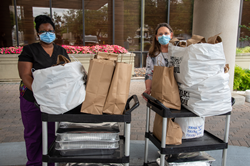
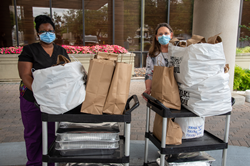
MedSys Group, LLC Delivers 80 Meals to Our Frontline Heroes at Texas-Based Baylor Scott & White Health


News Image

Baylor Scott & White employees deliver meals to the medical staff heroes. #ToTheFrontlines

“We are grateful for Medsys and their support of healthcare workers in our community,” said Steve Newton, president, Baylor University Medical Center – Dallas.

MedSys Group announced today it has reached its goal, set in April, to deliver a minimum of 400 meals around the country to its clients and other organizations in need of support for frontline medical and administrative heroes. Plano based MedSys Group was able to fulfill and conclude its Food Drive to Heroes on a local note, coordinating with our hometown client for a bountiful delivery the week of May 25th.

“I’m proud of the compassionate team and culture we have built at MedSys Group, and humbled by the selfless giving of time and energy of every colleague. I’m also very excited we were able to conclude our drive with a hometown favorite and class-organization like Baylor Scott & White Health,” Alan Kravitz, MedSys Chief Executive Officer & Co-Founder said.

“We are grateful for Medsys and their support of healthcare workers in our community,” said Steve Newton, president, Baylor University Medical Center – Dallas. “This and similar food donations we have received, reminds our staff of the community’s generosity. Moments such as this, reinforce their ongoing efforts and underscores that the community is in this together with them.”

About MedSys Group®, LLC:

Founded in 2008, MedSys Group® LLC, is a healthcare IT services firm, delivering outstanding services and results to academic medical centers, integrated delivery networks, specialty hospitals, and physician practices. MedSys provides expert leadership in Cerner, Epic and other acute/ambulatory EHR and revenue cycle systems. MedSys is frequently featured in A-list publications and was named for two consecutive years on the Dallas 100 list of fastest growing companies in North Texas. MedSys is the recipient of Modern Healthcare’s Best Places to Work in Healthcare and the Inc. 5000 awards. For more information, please visit: http://www.MedSysGroup.com or call 972-464-0020. You can also follow the company on Twitter @MedSysGroup. For interviews or media inquiries, please contact Kristi Merrill at kmerrill@medsysgroup.com.

Share article on social media or email:

Northeast Delta Human Services Authority Prevention and Wellness Webinars


“As the region’s safety net service provider, it is essential for us to do everything we can to help people remain hopeful, informed, and focused on our collective recovery efforts. Our region’s people must know that we will be here for them.” Dr. Monteic A. Sizer, Executive Director

To continue building stronger communities, one person at a time, Northeast Delta Human Services Authority is adapting services to meet the community’s behavioral, physical, mental, and social health needs. Focusing on recovery during social distancing and other issues enhanced by COVID-19, Northeast Delta HSA is announcing a free Zoom training webinar series June 16-June 29, 2020, for health professionals, first responders, and the general public. The webinars’ topics include opioid prevention, coalition building, bullying, grief management, COVID-19 resiliency, and Adverse Childhood Experiences.

“This pandemic is increasing the level of anxiety and trauma in our region, especially for those who were already dealing with mental illness, developmental disability, addiction, and primary health challenges,” said Dr. Monteic A. Sizer, executive director of Northeast Delta. “As the region’s safety net service provider, it is essential for us to do everything we can to help people remain hopeful, informed, and focused on our collective recovery efforts.”

Northeast Delta Prevention and Wellness staff will facilitate the webinar series with the 12 parishes currently serviced by the agency as well as the state. Individuals interested in CEUs will incur a nominal fee of $5.00 for each CEUs sponsored by Louisiana Substance Abuse Counselors and Trainers (LASACT) through Addictive Disorder Regulatory Authority (ADRA).

Delivered via Zoom technology, presenters will take live questions from participants throughout the webcast. This webinar series will educate and raise community awareness on issues enhanced by COVID-19, indicated in the training content towards strengthening public demand for integrated behavioral health and wellness interventions.

‘We realize that many in our region look to Northeast Delta Human Services Authority as a trusted resource for credible information, evidence-based programs, and guidance,” said Sizer. “We have developed a series of essential webinars for those who count on us. Our region’s people must know that we will be here for them, providing them the necessary tools, resources, programs, and encouragement they need to stay informed, safe, and encouraged.”

The topics, times, and presenters of the webinars are as follows:

How to Save a Life: Opioid Overdose Prevention and Narcan Rescue

Presenter: Kara Jackson Etienne, LMSW

Tuesday, June 16 at 11:00 am CST – 12:00 pm CST

The Power of Prevention & Coalitions: A Discussion on Bullying & Beyond

Presenters: Chanda Hunter & Julia Albritton

Thursday, June 18 at 11:00 am CST – 12:00 pm CST

Transforming Grief Talk: The Role of Grief and Loss in Addiction Recovery

Presenter: Nena Littleberry, LMSW

Tuesday, June 23 at 1:00 pm CST – 2:00 pm CST

How to Adapt, Cope and Respond to COVID-19

Presenters: Kara Jackson Etienne, LMSW and Dr. Avius Carroll

Thursday, June 25 at 1:00 pm CST – 2:00 pm CST

Adverse Childhood Experiences (ACEs) Talk

Presenter: Dr. Avius Carroll

Monday, June 29 at 1:00 pm CST – 2:00 pm CST

Webinar registration is available at:

https://www.eventbrite.com/e/northeast-delta-hsa-prevention-and-wellness-webinars-tickets-107848509796

Share article on social media or email:

Boston IVF Study Shows Infertility is a Top Stressor Despite COVID-19 Pandemic


“This important study highlights the emotional struggles our patients deal with on a daily basis, which are certainly exacerbated by the COVID-19 pandemic and resultant delay in infertility treatment.

Boston IVF, a worldwide leader in fertility care and a pioneer in emotional health in fertility patients, today announced the results of its landmark COVID-19 Pandemic Stress study – which shows that the stress of infertility remains one of the top three life stressors for patients, similar to the stress created by the COVID-19 pandemic.

The study, published in the journal Reproductive Biomedicine online, comprised a survey of over 2,200 female infertility patients. The authors report that prior to the pandemic, women experiencing infertility ranked infertility as their top stressor, followed by their job, and then money. At the beginning of the pandemic in the Boston area, the top stressor was infertility, followed by their job, and then the Coronavirus. During the surge, the top stressor remained infertility, followed by the Coronavirus and then their job.

This is the first study to show that despite the impact of the COVID-19 pandemic on virtually every aspect of these patients’ lives, women experiencing infertility perceived the inability to conceive a healthy baby to have the most negative impact on their emotional health.

Led by Boston IVF physicians Drs. Denis Vaughan, Jaimin Shah, Alan Penzias, Thomas Toth and psychologist Dr. Alice Domar, this research affirms the need to provide a holistic form of care for those struggling to build their families.

“This important study highlights the emotional struggles our patients deal with on a daily basis, which are certainly exacerbated by the COVID-19 pandemic and resultant delay in infertility treatment. This initial report is part of a greater longitudinal study which will educate us all regarding the impact the COVID-19 pandemic has had on our patients,” says study lead author Denis Vaughan, MD. Added senior author Thomas Toth, MD, “We would like to thank our patients for participating in the study and for bravely speaking out about their emotional health. It is important for them to be heard and know that they are not alone, we are all in this together.”

“Although the results of this study might feel surprising to those who aren’t familiar with the emotional impact of infertility, the fact that the inability to successfully have a baby represents slightly more of a stressor that a global pandemic will ring true to the millions of men and women in the US who struggle with the roller coaster of hope followed by disappointment every month. Multiple studies have documented that the psychological impact of infertility is equivalent to the impact of life-threatening diseases such as cancer, heart disease and HIV”, says co-author Alice D. Domar, Ph.D., Director of Integrative Care at Boston IVF.

Boston IVF, the only fertility clinic in New England to house a comprehensive integrative care center, will continue to pursue research on the most effective ways to meet the physical and emotional needs of their patients. This is even more vital now, when COVID-19 poses significant risks to the physical and psychological health of all.

ABOUT BOSTON IVF

One of the world’s most experienced fertility networks, with more than 90,000 babies born since 1986, Boston IVF has earned a reputation for innovative care, groundbreaking research, and next-generation fertility treatments. With 25+ centers throughout New England, New York, and Indiana, the Boston IVF fertility network utilizes advanced science and customized care to maximize patient outcomes.

Share article on social media or email:

DocNow Provides Free Listings and Appointment Bookings For Healthcare Providers


Unlike other platforms that charge providers to list their practices and for each in-person booking, DocNow is free to list and does not charge practitioners to schedule appointments.

DocNow, a free appointment booking mobile platform with HIPAA-compliant Telehealth features, launched today providing healthcare practitioners with a new way to manage appointments, backfill cancellations and promote their practices without every paying to schedule appointments.

There are two ways DocNow helps practitioners to grow revenue for primary and specialty care physicians, dentists, physiologists, psychologists, acupuncturists and veterinarians.

1. Free Listings and Appointment Bookings: Healthcare providers can list their practices and book in-person appoints on DocNow for free, creating a new way to be found by patients.

2. Premium Membership: For just $250 a year, practitioners gain access to high-value features and tools, including:

-Built-in search engine optimization

-Secure, HIPAA-compliant Telehealth

-Proactive social media marketing

-Verified online patient reviews

-One-click availability to manage appointments

-Wait-List feature to fill open slots in real-time

-Doctor Dashboard with performance data

-Patient Insights to improve interactions

-Service both in-network and out of network patients

“Unlike other platforms that charge physicians to list their practices and for each in-person booking, DocNow is free to list and does not charge practitioners to schedule appointments,” explained VP of Strategy, Mujib Khan. “We also offer a premium subscription that includes proactive search engine marketing, in-app, HIPPA-compliant Telehealth appointments, seamless EHR/EMR integration and our AI-driven Wait List feature, which instantly backfills cancelled appointments in real-time. This allows healthcare providers to focus on what they do best: delivering quality care and patient outcomes. DocNow is also open to all practitioners – from medical physicians, dentists, psychologists, acupuncturists and veterinarians.”

Many may be unaware that due to the pandemic, medical offices are struggling to keep doors open because of a lack of patients. The American Academy of Family Physicians reported to the LA Times that it is already seeing some practices shutter and that nationwide, widespread closures may be just weeks away. But, patients still need quality care. That’s why DocNow delivers free listings and appointment bookings and practitioners never pay the fees some other platforms demand.

About DocNow

DocNow is a leading-edge AI-driven appointment booking mobile platform with Telehealth features designed to generate revenue for all healthcare practitioners by seamlessly managing appointments, backfilling cancellations, promoting practices and expanding patients footprints. DocNow never charges practitioners to schedule appointments and fully integrates with existing EHR/EMR systems. http://www.DocNowOnline.com

Share article on social media or email:

Relief Telemed and Neighborhood Health partner to provide COVID testing for Catholic High School


“As students will start going back to school, it will be important to identify exposed individuals to stop the spread of the virus. Protecting the students from future outbreaks is extremely important”, says Vishal Vasanji, Co-founder & CEO of Relief Telemed

Relief Telemed, a virtual care platform, and Neighborhood Health, an urgent care and primary care provider in Baton Rouge, announced today that it partnered together to provide COVID-19 and antibody testing to Catholic High School students, families, and faculty. The drive-thru testing event was held at Catholic High School’s campus. Relief Telemed’s newly launched COVID Mitigation Platform was utilized to facilitate all video visits with providers and coordinate all testing-day activities.

Relief’s COVID Mitigation Platform provides a turnkey solution to organizations looking to test a group of individuals. Individuals were required to pre-register through an online portal and given the option of a pre-test video visit through the Relief Telemed app with a Neighborhood Health provider. As participants approached the testing stations, they were checked in using the Relief Platform, which collected demographic information and created lab forms making for an efficient process. As lab results get processed, providers will be able to view patient records and lab results and provide individualized action plans.

“We recognized that as the economy starts to open back up, organizations interested in testing will need an organized approach to the entire process. There is a lot that goes into testing a large group of people. Our newly-launched COVID Mitigation Platform streamlines the process and provides a turnkey approach,” said Vishal Vasanji, Co-founder & CEO of Relief Telemed. “As students will start going back to school, it will be important to identify exposed individuals to stop the spread of the virus. Protecting the students to future outbreaks is extremely important,” added Vasanji.

According to Dr. Sanders, “In addition to testing, Catholic High families and faculty were able to get video visits with one of our providers through the Relief Telemed app before and after the testing event. Our providers were available to answer any questions related to the testing process as well as questions regarding the results. We were happy to partner with Relief Telemed to provide such a valuable service to the school.”

About Relief Telemed

Relief Telemed is the only virtual care platform that allows a doctor’s office to extend their practice into the patient’s home with the full range of testing and diagnostics capabilities. The company combines video visits with in-home visits to deliver the doctor’s office experience without the office. The company is the only virtual care provider to offer in-home testing and group testing in the Baton Rouge area.

Relief Telemed            

7117 Florida Blvd

Baton Rouge, LA 70806

(225) 244-9839

For more information on Relief Telemed, visit https://www.relieftelemed.com/

About Neighborhood Health

Neighborhood Health is a full-service walk-in clinic specializing in adult and pediatric primary and acute medical care. Whether you are looking for a new primary care provider, need stitches, looking for a flu shot, feeling ill, in need of IV hydration therapy, etc. Neighborhood Health is your one-stop source for medical care. We maintain two offices, one in Downtown Baton Rouge and the other in Prairieville.

Neighborhood Health                

16158 Airline Hwy

Baton Rouge, LA 70769

(225) 963-9355

For more information on Neighborhood Health, visit https://neighborhoodhealthla.org/

Share article on social media or email: