Category Archives: Science: Biology

Cutting edge research is happening on a daily basis in our modern world, Keep up to date with our Press Release services.

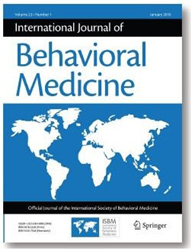
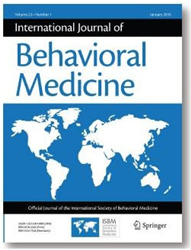
International Journal of Behavioral Medicine Publishes First Special Issue Focused on Saliva-Based Research


International Journal of Behavioral Medicine

This issue of IJBM illustrates the innovative use of salivary bioscience to answer important behavioral medicine questions.

For researchers in biobehavioral science, Salimetrics has been a reliable partner for over 25 years, providing needed support to navigate research opportunities in the multidisciplinary field of Salivary Bioscience. Utilizing knowledge gained from saliva and oral fluids, Salimetrics continues to facilitate new milestones through an expanding line of high-quality collection devices and assays. Recently, the field has passed several milestones, including saliva-based assays for COVID-19, the release of a foundational reference guide, “Salivary Bioscience Foundations of Interdisciplinary Saliva Research and Applications”, and the first special issue of an international journal devoted to Salivary Bisocience from the IJBM.

The International Journal of Behavioral Medicine (IJBM) is the official scientific journal of the International Society for Behavioral Medicine (ISBM) which aims to present the best theoretically driven, evidence-based work in the field of behavioral medicine from around the globe. The recently published IJBM Special Issue emphasizes saliva-based research utilizing varied research designs (i.e., experimental, longitudinal, dyadic), incorporating a broad array of salivary analytes, and investigating the influence of psychological and social factors on human health. “This issue of IJBM illustrates the innovative use of salivary bioscience to answer important behavioral medicine questions,” says Michael Hoyt, Ph.D., of the Population Health and Disease Prevention and the Chao Family Comprehensive Cancer Center, University of California, Irvine and article contributor. “The interdisciplinary nature of behavioral medicine has expanded and so has its basic scientific and clinical practice missions. It’s distinguished history in understanding behavioral influences on the onset, prevention, and management of disease and on the promotion of well-being and health points the way toward a future of continued innovation and discovery.”

The special issue also features an overview of the use of salivary measures in behavioral medicine with original salivary bioscience studies, reviews of two prominent salivary markers (estradiol and alpha-amylase), and guidance on the physiometrics of salivary data. Several of the studies, supported by Salimetrics tools, were selected as representative of expanding critical mass in behavioral medicine. Specific highlights include:

Hoyt et al., “Salivary Bioscience and the Future of Behavioral Medicine.” This article introduces Salivary Bioscience in Behavioral Medicine and chronicles the overarching aims by translating saliva specimen data to identify mechanisms, decode moderating processes that turn adversity into risk, and verify the impact of clinical intervention.

Segerstrom et al., “Physiometrics in Salivary Bioscience.” This article highlights how studies depend on accurate estimation in statistical models through sample size but also, critically, reliability of the measure itself, and explores which study designs call for stable and generalizable measures.

Riis et al., “Long-Term Associations Between Prenatal Maternal Cortisol and Child Neuroendocrine-Immune Regulation.” This study investigates the relationship of prenatal factors and neuroendocrine-immune dynamics over time. The findings suggest prenatal maternal HPA activity moderates child neuroendocrine-immune functioning.

Eiden et al., “Prenatal Tobacco & Cannabis Exposure: Associations With Cortisol Reactivity in Early School Age Children.” This study lends insight into the potential impact of prenatal tobacco and cannabis exposure and physiological stress responses in later development. Results suggest that prenatal polysubstance exposure is associated with greater risk for lower cortisol response in children.

As Salivary Bioscience continues to expand into new disciplines, Salimetrics is well positioned to provide new, high-quality tools that further advance the field. “We’ve been collaborating with infectious disease researchers for over five years and began our infectious disease initiative about one year ago. This shift in focus made it possible for Salimetrics to have the needed salivary bioscience tools for researchers to monitor inflammation and infectious diseases using oral fluids,” says Supriya Gaitonde, Ph.D., Salimetrics Senior Applications Scientist. “Who is on your research team matters, and Salimetrics has acquired the unique knowledge to get the science right. Our knowledge serves the scientific community, and we give researchers the most effective tools to complete their study.”

Researchers can Contact Salimetrics for more information or review the International Journal for Behavioral Medicine Special Issue on the Springer Website. For more detailed information and examples of the application of salivary bioscience tools in a diverse range of disciplines, readers can refer to; “Salivary Bioscience Foundations of Interdisciplinary Saliva Research and Applications”.

About Salimetrics

Salimetrics’ assay kits and CLIA-certified testing services are used to measure salivary analytes related to stress, behavior and development, inflammation, sleep, reproduction, health and immune function. Founded in 1998 by Douglas A. Granger, Ph.D., Salimetrics, LLC support CROs, pharmaceuticals, academic researchers and the immunodiagnostic industry around the world with innovative immunoassay products, non-invasive saliva collection methods, and laboratory testing services.

Share article on social media or email:
Ocean Ventures Fiji Launches Cutting-Edge Online Reef Ecology Course


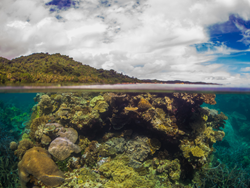
Scuba DIving Undiscovered Biodiversity Healthy Coral Reefs Natewa Bay, Fiji

Scuba diving the undiscovered reefs of Natewa Bay, Fiji

Ocean Ventures are delighted to announce the launch of their brand new online course, South Pacific Coral Reef Ecology, to coincide with World Oceans Day and World Ocean Week. Taking inspiration from a field ecology course they have been teaching for many years, this eLearning course aims to bring coral reef ecology and a love of the marine world to everybody who is unable to travel and experience these amazing ecosystems for themselves during these difficult times.

Bringing Our Vibrant Underwater Cities to Life

This comprehensive program looks at the ecology of coral reefs, starting with their importance as ecosystems, before discussing in detail the amazing biodiversity found on reefs, including the corals themselves, common reef fish, and marine invertebrates. The course then covers the intrinsically-linked ecosystems, mangroves and seagrasses, before concluding with a detailed look at the threats faced by coral reefs and the actions being taken to preserve these wonders of nature.

Although the majority of the course content is applicable to all coral reefs globally, each section also includes significant local context with many examples from reefs in the South Pacific. Stunning photos and underwater videos illustrate the course, most shot in Natewa Bay by the Ocean Ventures team themselves. Although it is the largest bay in the South Pacific, Natewa Bay remains a little-known gem home to pristine reefs and incredible biodiversity.

Gaining Knowledge and Earning New Qualifications

This eLearning course can be taken either as a standalone program at US $50, or with certification in Ocean Ventures’ exclusive PADI distinctive specialty, PADI South Pacific Coral Reef Ecology at US $95. Ocean Ventures will deduct the basic cost of US $50 from selected diving courses and dive packages for anybody diving with Ocean Ventures Fiji in the future.

The course is hosted on the established teaching platform Teachable.com which uses a secure 128-bit SSL encrypted payment system.

Inclusive Access to Coral Reef Education

Who might be interested in this online reef ecology course?

  • Anybody with an interest in coral reefs globally and/or marine conservation
  • Anybody with a general interest in our oceans and the environment
  • Anybody with a specific interest in the coral reefs of the South Pacific
  • Anybody who planned an ocean-based trip but is currently unable to travel due to restrictions
  • Scuba divers and snorkelers
  • Divers looking for an additional certification (this PADI specialty can credit towards PADI Master Scuba Diver)
  • Students interested in the fields of marine science or marine biology
  • Underwater photographers looking to improve their knowledge of marine creatures and basic ID skills

Anyone who would like to join the course can visit onlinecourses.oceanventuresfiji.com/p/southpacific-

coral-reef-ecology
. An introductory video giving an outline of the course is available as a free preview on that page, and on the Ocean Ventures Fiji YouTube channel.

Any other questions can be directed to Matthew and Sara at info@oceanventuresfiji.com, or via their website, http://www.oceanventuresfiji.com.

###

About Ocean Ventures

Ocean Ventures Fiji is the first and only scuba diving centre in the beautiful Natewa Bay, offering scuba diving, snorkeling and conservation education. Directors Sara Carlson and Matthew Norman bring a wealth of experience, having worked as site managers, reef ecology lecturers or PADI scuba instructors in Indonesia, Greece, Mexico, Dominica and Honduras. Sara, from the United States, and Matthew, from the United Kingdom, founded Ocean Ventures Fiji in 2017, based in the pristine and unexplored natural wonder that is Natewa Bay near Savusavu. Ocean Ventures focuses on providing the very best experience possible, with small group sizes, excellent customer service and personal attention. All operations are planned with safety in mind, accordingto the highest standards of safe diving practice with impeccably-maintained equipment from the most recognized brands in the diving industry.

Press Contacts:

Matthew Norman & Sara Carlson

info@oceanventuresfiji.com

+679 9295803 or 9531800

Share article on social media or email:
R3 International Now Offering New Stem Cell Therapy Program for Lyme Disease in Mexico


stem cell Lyme disease

Effective Stem Cell Program for Lyme disease (888) 988-0515

Patients and their families dealing with Lyme disease deserve a safe, clinically effective and cost effective option. We put that together in Mexico, with all inclusive treatment starting at $8975.

R3 Stem Cell International announced that it is now offering a new program with stem cell therapy for Lyme disease. R3 has been offering effective treatment at its international clinics for a while, but with the new program patients receive more cost effective options with 100 to 200 million stem cells involved.

Stem cell treatment for Lyme disease in Mexico has been very effective at helping patients achieve symptom relief and regain an improved quality of life. Depending on a patient’s history, the R3 International licensed provider will decide whether to add additional exosomes along with stem cells to the regimen.

The new program for Lyme disease involves either 150 million stem cells or 200 million. While these cell counts are incredibly high, it needs to be noted that the biologics come from a Mexico lab that achieves quality standards that exceed those of the FDA in the US.

There are two options for the Stem Cell Lyme disease program. One is a 5 day stay where Lyme patients receive several treatments during that time. The second option is for a patient to return to the Center for four visits over a year. The decision of which program to participate in is up to the patient and his/her family.

R3 Stem Cell International in Tijuana Mexico is only 20 minutes from the San Diego International Airport. R3 provides concierge escorted transportation to and from the clinic from San Diego, with hundreds of patients over the past year receiving successful care at the modern center.

The stem cell and exosome biologics used for Lyme disease care come from a lab that has an incredible safety record, and each treatment’s biologic comes with a full Certificate of Analysis. Because Mexico allows stem cell culturing, the cell counts are extremely high with a viability of over 90%. No preservative is even necessary.

According to R3 International CEO David Greene, MD, MBA, “Patients and their families dealing with Lyme disease deserve a safe, clinically effective and cost effective option. We put that together in Mexico, with all inclusive treatment starting at $8975 which includes hotel and ground transportation. Tough conditions like Lyme disease necessitate large cell counts for optimal outcome, and most international centers charge 3 to 5 times our fees. Not with us!”

Each patient undergoes a free phone consultation with R3 International’s licensed, experienced stem cell doctor. Simply call (888) 988-0515 to set one up.

Share article on social media or email:
Neil Bush Joins Board of Directors for Greffex, a Pioneering Vaccine Company


Neil Bush

“Neil Bush understands the need for a global perspective to make an impactin a post pandemic world,” said Co-Chairman John Price, also Presidentand CEO of Greffex. Mr. Bush will serve as an independentdirector of the company.

Greffex, a pioneering vaccine and gene therapy company based in Houston, Texas, welcomes Mr. Neil Bush to its Board of Directors.

“Neil understands the need for a global perspective to make an impact in a post pandemic world,” said Co-Chairman John Price, also President and CEO of Greffex. Mr. Bush will serve as an independent

director of the company.

“The Greffex board is excited to have Neil as a part of the team. He has vast international experience with a history of knowing, and advising, the most powerful companies and leaders in the world. Neil will be a huge asset to drive our future growth and enable Greffex’s mission to create innovative therapies that protect and heal mankind,” said Price.

Bush is an international businessman who operates through Neil Bush Global Advisers. He is Chairman of Singhaiyi, a Singapore publicly listed company; Co-Chairman of CIIC, a property development business in China; and, Chairman of A&A Consulting, a global platform that provides bridging services between the United States and Asia in health care, education, and technology in the USA.

“I can think of no better way to serve”, said Bush. “I am very excited to join the Greffex board to help advance the critically important work of implementing one of the world’s first universal vaccine platform to address the Covid-19 pandemic, and save lives, while enhancing the world’s capability to quickly respond to future pandemics. Based on testimonials of experts I am confident that Greffex will be successful — we must be successful!”

Mr. Bush also serves as Chairman of the Points of Light Board of Directors and Chairman of the Advisory Board of the Bush School of Government and Public Service. In these roles, Mr. Bush expands his father’s vision of inspiring, equipping and mobilizing volunteers to address serious social issues and training future generations of public and nonprofit leaders.

Mr. Bush will join a Board that includes:

John P Price, Greffex Co-Chairman, President and CEO

Uwe D. Staerz, M.D., Ph.D., Greffex Chief Scientist & Co-Chairman

Robert A. Eckels JD, Greffex Executive Vice President & General Counsel. Past Harris County Texas Judge

William S. Connolly, Greffex Executive Vice President

Sir Walter Bodmer, PhD, FRS, Head, Cancer & Immunogenetics Laboratory, University of Oxford

Chase Untermeyer, Former US Ambassador to Qatar

Jehan A. Al-Meer, MSC, PhD, MPA, MBA, Founder and CEO of Innovation Capital Qatar

R. Phil Zobrist, Real Estate Management and Development Entrepreneur

John D. White, JD., Chairman emeritus, Texas A&M University System Board of Regents

Greffex, a leading genetic engineering company, is a leader in developing a plug and play vaccine platform that delivers unprecedented time-to-market, cost efficiency, efficacy and safety through the use of proprietary clean viral vectors.

Share article on social media or email:

Murrieta Genomics Subsidiary SimplSeq Files for Third Patent Designed to Improve DNA and RNA Sample Preparation


Transforming NGS Sample Prep

While improvements in technology have vastly reduced the time and expense of genomic sequencing, sample preparation remains a huge bottleneck. SimplSeq is about to change that.

Murrieta Genomics has announced that its wholly owned subsidiary, SimplSeq Inc., has filed a new patent application for simplified sample preparation for Next Generation Genomic Sequencing (NGS). This is the third application filed by SimplSeq around technology that will greatly reduce cost, time, and complexity of sample preparation.

“I have been at the bench for over 20 years,” stated Brandon Young, CTO of SimplSeq, “and I have been frustrated over the hands on time and complexity involved in preparing biological samples for sequencing. While improvements in technology have vastly reduced the time and expense of genomic sequencing, sample preparation remains a huge bottleneck. SimplSeq is about to change that.”

Young explained that he has taken a new approach to preparing samples that has resulted in the removal of several steps traditionally needed for extracting, purifying, and amplifying DNA and RNA. What is currently a complex and time-consuming task that requires specially trained lab technicians can now be quickly and simply performed by general lab technicians.

“Traditional nucleic acid extraction, isolation and purification procedures are labor intensive, require multiple pieces of laboratory equipment and are not specific for nucleic acids,” Young said. “With SimplSeq’s process, NGS assays will not require ligation, multiple PCR stages or complicated targeted capture hybridization steps.”

“Every complex step in current sample preparation processes introduces the opportunity for errors to occur,” Young further explained. “We believe that by simplifying the process labs will produce more consistent and robust data. This process really is better, cheaper and faster.”

“Our goal is to substantially impact the genomic sequencing industry by bringing NGS to the masses,” said John Powers, CEO of SimplSeq. “By reducing the steps and complexity of the process, we are opening genomic sequencing up to hospitals, other point of care providers and labs deterred from bringing sequencing in-house because of the need for specially trained technicians or expensive automated robotic solutions.”

One major advantage of the new processing technology developed by SimplSeq is the preservation of original DNA or RNA material during the process. Using SimplSeq’s process, labs will now be able to biobank the original material for any number of future tests as well as regeneration of the original genetic material.

“In many cases, all of the original DNA or RNA is consumed in the sample preparation and sequencing process. If there is inconclusive data or new research developed that requires subsequent sequencing, another sample needs to be obtained. This can be very difficult if that sample is from a limited source such as a patient biopsy,” explained Powers.

He went on to explain that SimplSeq’s patented regeneration process will make an exact copy of the DNA sample in less than an hour and preserve the original sample. Current techniques to replicate samples take multiple days and deplete the original source sample.

SimplSeq was formed in November 2019 as a Delaware corporation by Murrieta Genomics, the genomic sequencing launchpad. As an incubator for genomic startups, the company is always looking for new research and ideas that can be commercialized. In this case, the company developed its own intellectual property to pave a simplified path to genomic sequencing.

“This is exactly the type of innovation and impact Murrieta Genomics was founded for,” stated Jay Goth, CEO of Murrieta Genomics. “We are at the beginning of a new genomic frontier and want to partner with the scientists and entrepreneurs who are going to transform healthcare, agriculture, veterinary medicine and more by developing new genomic sequencing applications.”

About Murrieta Genomics

Murrieta Genomics provides access to next generation sequencing technology for researchers in the health, veterinary, agriculture, forensics and direct to consumer industries. The company is a true business incubator, offering mentorship and guidance from both the scientific and business perspective to aspiring genomic-related entrepreneurs. The founders of Murrieta Genomics have extensive background in business, finance, science, and technology. They are supplemented with a prestigious advisory board from both business and science. The company provides Next Generation Sequencing (NGS) services, hands-on consulting, review, appraisal, and guidance. In addition, it provides help with company value propositions and potential seed funding support to qualified incubator graduates. For more information visit http://www.murrietagenomics.com.

Murrieta Genomics is part of the Murrieta Innovation Center, a RESI Tech Hub dedicated to supporting life science companies. The Innovation Center has medical device, therapeutic, software, clinical research and of course genomic companies that are working hard to advance new ideas and innovations that can impact the world in a positive way. The Center is also a resource for all types of local startup companies, offering services and workshops from a local SBDC, several veteran organizations, a SCORE branch and more.

About SimplSeq, Inc.

SimplSeq is dedicated to transforming the genomic sequencing industry by providing simplified sample preparation technologies that will improve accuracy, accelerate throughput, and eliminate the need for specially trained laboratory technicians. The company has plans to bring several new products to market in the next year, including a biobanking product for NGS, several new NGS assays, and more. For more information, please visit http://www.simplseq.com.

Share article on social media or email:

bitsIO Helps Medical Center, Nonprofit Improve Operations During Pandemic


As part of its ongoing mission to lend a helping hand to companies and encourage positive change in the world, enterprise security solutions provider bitsIO donated time to help two companies improve operations during the coronavirus pandemic.

With more people working from home during self-quarantines and shelter-in-place orders, companies are increasingly concerned about the security of their networks. It’s important for them to be able to know who is accessing their servers and who is on their network. And, for Central Florida Medical Centers, it is even more critical to be able to ensure the overall safety of the organizational infrastructure.

Donating its services, bitsIO onboarded more data sources for CFMC, allowing the center to process more machine data. Although the center already was a customer for the Splunk security platform, bitsIO was able to maximize its existing Splunk footprint to allow it to monitor the network for security alerts and improper connections. In just one day, bitsIO was able to better safeguard CFMC’s critical devices and provide it access to greater log data analytics and better visibility into what is occurring on its network.

“We understand how important it is for a medical center to be able to monitor and protect their data — especially now,” said Suman Gajavelly, CTO at bitsIO. “For us to be able to do this was just a small way to to give back to the medical profession and thank them for all they are doing.”

But it didn’t end there. bitsIO also donated four days of time to help Benefits Data Trust, a national network that helps individuals apply for benefits that will help them better afford food, shelter and medical expenses. With such a large amount of sensitive data being entered during such a crucial time, it was imperative to be able to secure it from outside threats.

By upgrading BDT to a multi-tier setup and expanding the data sources that the nonprofit organization was able to process, bitsIO provided BDT with greater insight and protection in the areas of network traffic, threat detection and authentication. As a final security measure, bitsIO helped improve malware detection and prevention on endpoints.

Both of these initiatives were performed at no charge as part of the Splunk4Good program, which encourages its partners to help drive positive change in the world through volunteer work and giving back. As a Splunk Elite Partner, bitsIO is committed to supporting this initiative by helping its customers and the people it serves stay safe.

“This has been a very challenging time for everyone around the world,” said Gajavelly. “Being able to do just a few small things to help make their lives easier and make their data more secure is the least we could do.”

About bitsIO

For more than 19 years, bitsIO has provided reliable and cost-effective cybersecurity solutions to improve client productivity and data security. Since 2018, bitsIO has provided Splunk Enterprise Security and ITSI solutions. Its effective but cost-efficient solutions have made bitsIO a trusted name in the United States, United Kingdom, Costa Rica and India. Learn more at https://www.bitsioinc.com/

About Splunk4Good

As the charitable arm of Splunk, the world’s first data-to-everything platform, Splunk4Good uses its network of users, customers and partners to drive positive change in the world. By providing tools, training, personalized support and expertise to nonprofits, universities and organizations, it helps connect people and transform data into opportunities to do more good.

Share article on social media or email:

SIUE’s Kohn and Multi-institutional Team Study Primate Health and Life Expectancy


SIUE’s Luci Kohn, PhD, professor in the Department of Biological Sciences.

“This skeletal collection, coupled with the depth and detail of family and demographic data for each individual, provides a unique opportunity to assess skeletal and dental characteristics over time, as well as family and environmental differences in health, longevity, and age-related conditions.”

The Rhesus Monkey (Macaca mulatta) colony at Cayo Santiago, Puerto Rico is one of the world’s most useful primate resources in biomedical and anthropological research. Established in 1938, the colony provides a unique opportunity to study health history, and genetic and environmental effects on bone and tooth development, aging, and pathology.

Southern Illinois University Edwardsville’s Luci Kohn, PhD, professor in the Department of Biological Sciences within the College of Arts and Sciences, has joined a multi-institutional team of distinguished researchers to study this colony in order to advance translational research in human diseases. The team is led by principal investigator Qian Wang, PhD (Texas A&M), and includes Kohn, Debbie Guatelli-Steinberg, PhD (The Ohio State University), and Qiang Zhao (Mercer University).

The group has been awarded $791,363 from the National Science Foundation (NSF) to conduct a four-year integrated study of effects of family, environment and age-related information on skeletal data. The Cayo Santiago colony is the source of a rare skeletal collection containing at least eight generations of information about individual monkey’s sex, age and pedigree.

“Our primary objective is to develop and use this integrated assessment of the effects of environment and family lineage on the development and health within the colony’s Rhesus Monkeys,” Kohn said. “Our team brings together expertise in biology, anthropology, biomedical sciences and computer sciences. My research on skeletal morphology, quantitative genetics and evolution contribute to the foundations of this project.”

Details such as bone dimensions, bone density, tooth eruption, body mass, and observable disease conditions will be cataloged and added to the previously available details of sex, birth and death dates, parentage, and social rank for each monkey. Once reliable colony history and environmental history are reconstructed, patterns of variation in development and health will be studied in a contextualized manner to reveal environmental and familial influences.

The team will accomplish this task by conducting an original family-based osteo-oral health and pathology study to reconstruct health status within the skeletal collection. After these patterns are revealed, the team hopes to provide a non-human primate model to be used in anthropological and biomedical studies for studying human adaptability and fragility under varied living conditions.

The skeletal collection will serve as a model for the team to study multiple health conditions that have been caused by the familial and environmental influences. Among the conditions to be studied are age-related diseases such as osteoporosis and osteoarthritis, two of the most devastating conditions of our aging human population.

“Cayo Santiago, sometimes referred to as “Monkey Island” has been continuously inhabited by rhesus macaques since 1938,” Kohn explained. “The colony was established with 409 macaques, and approximately 1,700 monkeys currently live on the island. It is managed by the Caribbean Primate Research Center (CPRC), and island residents are provisioned with food and fresh water.”

According to Kohn, detailed data on island residents has been recorded since approximately 1955. Monkeys are free-ranging on the island and form their own family and social groups. Once residents die of natural causes, their skeletal material is incorporated into the CPRC museum collection.

“This skeletal collection, coupled with the depth and detail of family and demographic data for each individual, provides a unique opportunity to assess skeletal and dental characteristics over time, as well as family and environmental differences in health, longevity, and age-related conditions,” Kohn noted. “At least four major hurricanes, including Maria in 2017, have struck the island since the colony was established. The effects of major hurricanes on rhesus monkey development will be assessed. Questions of development and aging are related to the human condition, which cannot be equally assessed in human populations.”

The team’s studies will incorporate undergraduate students interested in careers in medicine, dentistry, veterinary science and biomedical research.

“Students will be integrated into all phases of these studies, providing unique scientific and cultural experiences,” Kohn concluded. “Students will help in data collection in Puerto Rico, data analysis at our home institutions and dissemination of results at professional meetings.”

By preparing the next generation of leaders in a knowledge-based economy, SIUE’s Graduate School fulfills the region’s demand for highly trained professionals. Graduate school offerings include arts and sciences, business, education, engineering, nursing and interdisciplinary opportunities. SIUE professors provide students with a unique integration of theoretical education and hands-on research experiences. Students can obtain graduate certificates or pursue master’s degrees, and be part of a supportive learning and rich intellectual environment that is tailored to the needs of adult learners. The Graduate School raises the visibility of research at SIUE, which ranks highest among its Illinois Board of Higher Education peers in total research and development expenditures, according to the National Science Foundation. Doctoral programs are available in the Schools of Education (EdD) and Nursing (DNP). The School of Engineering and the Department of Historical Studies feature cooperative doctoral programs (PhD), and the College of Arts and Sciences features an Environmental Resources and Policy cooperative PhD.

Share article on social media or email:

Technomad Selected as Electronic Data Capture Partner for Investigational New Drug Application for COVID-19


“ChartPad provides an easy-to-use platform for quick training of clinical staff and minimizes disruption of workflows in the ICU setting,” states Dr. William Kapp, Founder and Chairman of Landmark Hospitals.

Technomad, an innovative technology solutions company, today announced that its proprietary HIPAA-compliant cloud-based electronic data capture (EDC) platform, ChartPad®, was selected by Organicell Regenerative Medicine, Inc for the study of two FDA-approved Emergency Single Patient Compassionate Use trials.

The study is taking place at Landmark Hospitals, a state-of-the-art hospital system of six long-term acute care hospitals across the Southeast. Two recovering COVID-19 patients in the ICU setting at Landmark Hospital of Athens, GA were treated last week with the first doses of OrganicellTM Flow Allogenic Amniotic fluid. Study data was documented in real time directly into the ChartPad® EDC platform.

“ChartPad provides an easy-to-use platform for quick training of clinical staff and minimizes disruption of workflows in the ICU setting,” states Dr. William Kapp, Founder and Chairman of Landmark Hospitals.

ChartPad® provides rapid deployment of study case report forms (CRFs) in a cloud-based format for collection and management of data and is integrated with laboratory systems to streamline results entry and reduce documentation errors. ChartPad® is in use by the Primary Investigators, Co-Investigators, the Clinical Trial Management team, Clinical Trial Site Coordinators, and the Data Collection and Analysis team for on-demand access to documentation, trending, and analysis of the COVID-19 research data.

About Technomad:

Founded in 2012, Technomad is a technology solutions company specializing in healthcare IT and application development services. Based in Bonita Springs, FL, Technomad is the developer of ChartPad®, a cloud-based electronic healthcare record (EHR) and Electronic Data Capture (EDC) system. Technomad provides expertise, guidance, and support on all aspects of IT infrastructure, computing, and software systems. For more information, please visit https://www.technomad.net/.

About Landmark Hospitals:

Landmark provides solutions for patients who face a hospital discharge, yet still require acute medical care. These patients require a higher level of care for a longer period than the average hospital offers; but they are not yet ready to transfer to a sub-acute care facility. Landmark brings exciting new technologies and experienced management for the primary task of providing patients with the best medical care available as they continue their journey toward healing. For more information regarding Landmark Hospitals, visit https://www.landmarkhospitals.com.

About Organicell Regenerative Medicine, Inc:

Organicell Regenerative Medicine, Inc. is a clinical-stage biopharmaceutical company that harnesses the power of exosomes to develop innovative biological therapeutics for the treatment of degenerative diseases. The company’s proprietary products are derived from perinatal sources and manufactured to retain the naturally occurring exosomes, hyaluronic acid, and proteins without the addition or combination of any other substance or diluent. Based in South Florida, the company was founded in 2008 by Albert Mitrani, Chief Executive Officer and Dr. Mari Mitrani, Chief Scientific Officer. To learn more, please visit https://organicell.com/.

Share article on social media or email:
Sticky Strands of DNA Assemble Gold Nanoparticles


A team from Draper and MIT used gold spheres wrapped in synthesized DNA to grow oriented crystals—a technology with applications in optics, sensing and materials design.

“DNA is not just the stuff of our genetic code. It is also a means to design self-assembling materials. Unlocking self-assembly could allow us to create materials that don’t exist naturally and we can’t currently create ourselves.” – Diana Lewis of Draper.

Nanoparticles have gained a reputation in recent years due to their applications in fields that include data storage, drug delivery, imaging and sensing. With increased demand for nanoparticles, different methods have been developed for their synthesis in different sectors. One barrier to wider adoption is the inability to tailor the nanoparticles’ relative positions on a surface.

Now, a team from Draper and MIT has discovered how to fabricate nanoparticle superlattices on surfaces with defined sizes, shapes and orientations. They did it by using spherical nanoparticles of gold, coated with specially designed single strands of synthesized DNA. The new approach is described in a paper in the journal Nature Materials, written by Diana Lewis and David Carter at Draper and Robert Macfarlane and Leonardo Zornberg at MIT.

Using nanoparticle self-assembly—a simple, efficient method to organize nanoparticles into a precise, pre-determined structure—to grow crystals on a surface is an important achievement. The spatial arrangements of nanoparticles can be potentially used to build increasingly complex structures leading to a wide variety of materials that can be used for different purposes.

“DNA is not just the stuff of our genetic code,” Lewis said. “It is also a means to design self-assembling materials. DNA is a connector and serves as a way to change how particles interact with each other, and with surfaces. Unlocking self-assembly could allow us to create materials that don’t exist naturally and we can’t currently create ourselves.”

DNA-grafted nanoparticles’ crystallization behaviors mimic traditional atomic crystal formation, earning them the moniker “programmable atom equivalents.” The new research demonstrates how to use their programmability to create micron-scale crystals with customizable size, orientation and the most favored crystallographic symmetry for a set of PAEs, which is the one that maximizes the number of DNA connections formed.

In the future, these microstructures could be used to improve materials in making optical resonators, soft structural materials, chemical and biological sensors and other applications. DNA-grafted nanoparticles also provide an ideal building block for studying crystal nucleation and growth on substrates, the authors said.

The work was partly supported by a Draper fellowship and the National Science Foundation. Lewis did the work while a Draper Fellow and student in MIT’s Ph.D. program for materials science in Robert Macfarlane’s lab.

Any opinions, findings and conclusions or recommendations expressed in this material are those of the authors and do not necessarily reflect the views of the National Science Foundation.

Share article on social media or email:
Westat Supports Clients in a Range of COVID-19 Research Projects


News Image

COVID-19 has impacted all sectors of society. Westat will be supporting clients in a variety of areas, from public health and epidemiologic research, to social and economic impact studies to lead to strategies for solutions. Below are a few of our latest contracts.

RESPONSE; National Institute of Allergy and Infectious Diseases, National Heart, Lung, and Blood Institute. Westat will use its research data collection platform established by the Recipient Epidemiology and Donor Evaluation Study IV–Pediatric (REDS-IV-P) Data Coordinating Center to support new research on the epidemiology, surveillance, and preparedness of the SARS-CoV-2 epidemic. The project, known as RESPONSE, will advance our understanding of the natural history and pathogenesis of this new virus.

Virtual Network of Health Systems Data; Centers for Disease Control and Prevention (CDC). To study SARS-COV-2, the CDC will leverage the a network of integrated care and health systems to rapidly capture information on populations at high risk for serious outcomes related to the resulting COVID-19 illness. Westat is the data coordinating center for CDC’s virtual Network to Investigate Risk of Influenza-Associated Severe Outcomes and Influenza Vaccine Effectiveness Using Integrated Medical and Public Health Records project, known as VISION.

Active Viral Infection and Antibody Testing; Partnering with University of Louisville. Westat is working with researchers at the University of Louisville to carry out COVID-19 active viral infection and antibody testing on a stratified random sample of adult residents of Jefferson County, Kentucky. The research will help establish the prevalence of infection in the community to support re-opening efforts.

Social and Economic Impact Study; Westat-Stanford University School of Medicine. Westat is collaborating with the Stanford University School of Medicine to develop and field a nationally representative survey on the social and economic impact of COVID-19. Survey results will help policymakers make accurate, real-time decisions that can help families and the economy.

Business Impact Study; Montgomery County Economic Development Corporation. Westat will conduct a 3-year study of Montgomery County, Maryland, business owners to assess the impact of COVID-19 on their sales and operations, and identify resources they need for rapid recovery once the economy reopens. Results will identify organizational operational adaptations being used by business owners to address the long-term business implications of COVID-19 and the necessary steps for a successful economic recovery

About Westat (http://www.westat.com)

Westat provides innovative professional services support to clients in addressing challenges to improve outcomes in health, education, social policy, and transportation. We are dedicated to improving lives through research.

Share article on social media or email: