
Category Archives: Science: Biology

Cutting edge research is happening on a daily basis in our modern world, Keep up to date with our Press Release services.

Verge Genomics Announces Research Collaboration with the Sheffield Institute for Translational Neuroscience


News Image

“This collaboration strengthens our mission to find treatments for patients with neurodegenerative diseases,” said Jane Rhodes, PhD, CBO

Verge Genomics, a drug discovery company developing therapies for neurological diseases by integrating a unique all-in-human genomic platform with machine learning, announced today that it has formed a research collaboration with the Sheffield Institute for Translational Neuroscience (SITraN), an international center of excellence for basic applied research in neurodegenerative disease at the University of Sheffield, in order to accelerate the biological validation of novel drug targets and the screening of new drug compounds being developed by Verge for the treatment of Parkinson’s disease. Through this collaboration Verge aims to increase the speed at which therapeutic candidates may be validated and advanced to the clinic.

“This collaboration strengthens our mission to find treatments for patients with neurodegenerative diseases,” said Jane Rhodes, CBO of Verge Genomics. “We are extremely excited about the opportunity to work with Dr. Heather Mortiboys at SITraN, an internationally recognized expert in Parkinson’s disease, whose research in areas such as mitochondrial biology and lysosomal function very effectively complement our work at Verge.”

“With SITraN’s deep scientific expertise and sophisticated translational assay platforms, combined with Verge Genomics drug discovery capabilities this collaboration promises to be highly productive. Together it will bring us closer to disease modifying therapeutics for patients suffering from Parkinson’s disease,” said Dr. Heather Mortiboys, lead investigator at SITraN.

Verge has conducted extensive research to discover new drug targets for Parkinson’s disease, a long-term neurodegenerative disorder affecting nearly one million people in the U.S. that affects the motor system, usually presenting hand tremors as well as limb rigidity and gait and posture disturbances. While medications aimed at symptom control do exist, there is no cure for Parkinson’s disease, and the disease invariably progresses with time. Investigator, Dr. Heather Mortiboys at SITraN has established a large number of high throughput screening (HTS) assays investigating mitochondrial function and morphology in cells derived from patients with Parkinson’s disease. These assays are in routine use by SITraN scientists, and enable the testing of large numbers of chemical substances for biological activity more rapidly than conventional methods.

Under the research collaboration, SITraN, which is based at the University of Sheffield, will use their unique assay technology to validate Verge’s novel drug targets and screen Verge’s drug compounds under development for Parkinson’s disease with the goal of identifying the most promising candidates for future clinical studies.

About Verge Genomics

Verge is focused on developing therapeutics for neurological diseases using human genomics to accelerate drug discovery. Verge has created a proprietary all-in-human platform, generating one of the field’s largest and most comprehensive databases of ALS and Parkinson’s Disease patient genomic data. The Company is led by experienced computational biologists and drug developers who are successfully advancing therapeutic programs in ALS and Parkinson’s disease toward the clinic. For additional information, please visit http://www.vergegenomics.com.

About the Sheffield Institute for Translational Neuroscience (SITraN)

SITraN is a purpose-built institute at the University of Sheffield, in Sheffield, England, which combines basic scientists, clinicians, research nurses and bioinformaticians in order to translate laboratory-based scientific discoveries into clinical studies and patient benefit as quickly as possible. The key vision of SITraN is to develop an international centre of excellence from basic research to applied science in neurodegenerative disease to complement the existing partnerships of academic research groups, government and charitable research funding bodies the pharmaceutical industry and the health care sector. It houses a state of the art drug screening facility which houses amongst others drug storage and dispensing equipment in addition to several high content imagers and endpoint assay readers. For more information, please visit http://www.sitran.org.

SOURCE Verge Genomics

Share article on social media or email:
Kemp Proteins Elevates Carter Mitchell to Chief Scientific Officer


News Image

“Since joining us in June 2020, Carter has had a major impact on our use of technology and new methodology for protein purification.” said David Hicks, COO, Kemp Proteins

Kemp Proteins, a leading provider of gene-to-protein and monoclonal antibody development services, announced today that the company has appointed Carter Michell, Ph.D. as its new Chief Scientific Officer (CSO). Carter will lead the scientific and technology development of Kemp Proteins as the company continues its impressive growth following its purchase by Six02 Bioservices in January 2019.

Carter Mitchell is a leading protein chemist and structural biologist with 20 years of proven experience in expressing, isolating and characterizing difficult proteins from a variety of recombinant and natural sources. Prior to joining Kemp Proteins as Chief Technology Officer in mid-2020, Carter served as the Chief Technology Officer and Director of Structural Biology at a biotech start-up. In that role, he developed the internal processes for protein drug candidate expression and isolation and managed the protein production and purification teams. Carter has also received the Director’s Innovation Award at the National Cancer Institute for the isolation of bioactive proteins from marine aqueous extracts, which required creative purification strategies. Carter will take over the role of CSO from the founder of Kempbio (now Kemp Proteins) Chris Kemp, who will take up a long-term advisory role as Scientist Emeritus for Kemp Proteins.

“Since joining us in June 2020, Carter has had a major impact on our use of technology and new methodology for protein purification” said David Hicks, COO. “His wide experience and understanding of protein purification have enabled us to greatly enhance our approach to discussions, planning and purification for our clients. In his new role, coupled with his knowledge and experience we expect him to have a similar impact in the rest of the company.”

Michael Keefe, CEO of Kemp Proteins commented, “Chris Kemp built Kempbio, a company that was respected for its ability to express the most difficult proteins and antibodies and providing superior service through in-depth interactive discussions with our clients. As CSO, Carter will continue the Kemp tradition of scientists working with scientists to deliver novel and often difficult-to-produce proteins.”

About Kemp Proteins (http://www.kempproteins.com)

Kemp Proteins (formerly Kempbio) is a leading provider of gene-to-protein, hybridoma and cell line development services. For more than 20 years, Kemp’s team of protein problem-solvers has delivered best-in-class services that optimize productivity and mitigate risk for life sciences innovators developing protein-based products, including human and veterinary diagnostics, biopharmaceuticals, and vaccines. Kemp Proteins is a Six.02 Bioservices member company.

About Six.02 Bioservices (http://www.six02bio.com)

Six.02 Bioservices is a holding company focused on acquiring and managing a family of companies that will provide a continuum of best-in-class research services and products to protein-based innovators across the life sciences. The Six.02 Bioservices name reflects Avogadro’s number (6.023 x 10²³), defined as the number of atoms or molecules per mole of any substance. The mole is a bridge between our world and the microscopic world—for example, a protein is 3×10⁻⁹ moles. Six.02 Bioservices was incorporated in 2018 on Mole Day (October 23), a date celebrated between 6:02 a.m. and 6:02 p.m. by scientists around the world.

Share article on social media or email:
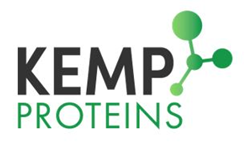
LabKey Sample Manager unveils innovative freezer management features to help labs efficiently track and organize samples.


Freezer Management

Freezer Management in LabKey Sample Manager

Adding a straightforward freezer management system with a modern user interface takes the sample tracking capabilities to the next level.

LabKey has launched a comprehensive solution for managing laboratory freezer storage and sample locations within its user-friendly sample management software- LabKey Sample Manager.

By including robust freezer management capabilities in a full-featured sample tracking and workflow management system, LabKey Sample Manager aims to serve as a collaborative hub for sample processing work in the laboratory. The application helps standardize and guide lab processes while capturing the entire history and chain of custody for each sample. The addition of freezer management integrates the tracking of sample locations, freezer storage, sample volume, and freeze/thaw counts into an already rich feature set for managing sample processing work.

“Having worked in the lab for more than ten years, I can attest to the need for integrated sample and freezer management software that is flexible and easy to use. I’m excited that with LabKey Sample Manager, we have created just that” says Hannah Brakke, Product Manager at LabKey. “We have developed a truly intuitive application that allows laboratories to register and track their samples and collaborate- all in one place. Adding a straightforward freezer management system with a modern user interface takes the sample tracking capabilities to the next level.”

Sample Manager gives laboratories the power to use the freezer management features in a way that matches their lab and workflow requirements by taking a “sample-centric” approach. This allows samples and their data to live in the system before a sample has been stored in the freezer and even after they have been removed from storage in the lab. Using this approach to freezer management, Sample Manager helps to streamline lab workflows and takes into account the real-world sample management operations of busy labs. Additionally, the flexibility of Sample Manager allows users to configure the application to exactly match the physical freezer storage options in their lab.

About LabKey – LabKey provides software solutions that help overcome the data management, collaboration, and workflow challenges faced by scientific researchers worldwide. Serving more than 500 research organizations and thousands of users, LabKey works hand-in-hand with clients to understand the complex needs of modern labs and develop solutions that help bridge the gap from data to discovery. To learn more visit http://www.labkey.com.

Share article on social media or email:
MOBILion Systems and Protein Metrics join forces to integrate the Byos® Software Suite with High-Resolution Ion Mobility Mass Spectrometry


Protein Metrics Logo

The union of both platforms delivers on the promise of eliminating impediments to identifying and characterizing CQAs with the reliability, repeatability and speed

Protein Metrics (Cupertino, CA) and MOBILion Systems Inc. (Chadds Ford, PA) announce their strategic partnership to provide data analysis modules for Protein Metrics’ Byos software suite that work exclusively with MOBILion’s High-Resolution Ion Mobility (HRIM) Mass Spectrometry (MS) System. Combining best in class data analysis with the fastest, highest resolution analysis of multiple Critical Quality Attributes to accelerate biotherapeutic drug development and enhance characterization capabilities that affect product quality, safety, and efficacy.

MOBILion’s HRIM product addresses deficiencies in current biopharmaceutical characterization workflows that rely on Liquid Chromatography Mass Spectrometry (LC-MS). This best-in-class separations technology enables rapid and reproducible molecular and structural characterization of biotherapeutics with two-minute, high-resolution released glycan analysis and five-minute peptide mapping while providing more complete monitoring of Post Translational Modifications (PTMs).

Protein Metrics’ Byos Platform enables researchers to move from raw data files to report in just minutes, with the click of a mouse. Designed to manage the burgeoning volume and complexity of analytical data, the platform has established itself as an analytical workhorse for protein characterization in biopharmaceutical laboratories.

The union of both platforms delivers on the promise of eliminating impediments to identifying and characterizing CQAs with the reliability, repeatability and speed required in modern biopharmaceutical organizations developing more complex protein therapeutics.

“Combining the fastest, highest resolution, most reproducible therapeutic protein analysis with simple, automated data analysis and visualization provides our mutual pharmaceutical customers with a streamlined workflow that will help bring safer, more efficacious drugs to market faster,” said Melissa Sherman, CEO of MOBILion Systems. “The push button, software driven approach of both the sample analysis and data analysis deliver the speed and efficiency our customers seek.”

“The whole is clearly greater than the sum of parts,” remarked Kevin Cronin, Vice President Corporate Development at Protein Metrics. “With over 100 companies worldwide trusting our protein analysis workflows and an industry recognized gold standard in glycan analysis, this partnership enables our client base to rapidly integrate cutting edge platforms with confidence and ease.”

About MOBILion Systems, Inc.

MOBILion Systems is enabling advancements in disease diagnosis and treatment using High-Resolution Ion Mobility Mass Spectrometry (HRIM-MS) based on SLIM (Structures for Lossless Ion Manipulation to separate, identify and analyze the most challenging molecules that other instruments fail to detect. MOBILion’s separations technology provides higher resolution, faster analysis and simpler workflows to reveal molecules that are most important in characterizing biologic therapeutics, discovering biomarkers, and improving the accuracy of diagnostic tests. Processing population-scale samples in days versus years, and detecting molecules other instruments miss, make treatments safer and more effective, accelerate disease prediction and diagnosis, and enhance the development of new therapies. The company is headquartered in Chadds Ford, Pennsylvania within the Philadelphia biopharmaceutical and medical innovation corridor. Connect with us on LinkedIn or visit http://www.mobilionsystems.com

About Protein Metrics, Inc.

Protein analysis should never be limited by software. With a clear focus on protein characterization, Protein Metrics’ vendor-neutral software allows scientists to use data generated on analytical instruments like mass spectrometers to quickly identify and report protein sequences as well as any variations from the expected form. We innovate so that biopharmaceutical companies and university research labs can achieve confident results from their analysis and reporting. With our customers, we are boldly advancing protein characterization. Protein Metrics is headquartered in Cupertino, CA at the crossroads of computing and biotechnology in the San Francisco Bay Area. For more information, visit http://www.proteinmetrics.com.

Share article on social media or email:
News & Analysis for the Orthopedic, Wound, Regenerative Medicine and Neuro Therapies Markets


News Image

“2020 was a year like no other. SmartTRAK’s Analysts worked hard to help our subscribers make sense of the pandemic and its impact on their business. We, like many, are looking forward to a better 2021!” – Sharon O’Reilly, CEO and President of BioMedGPS.

It was a challenging year for many in MedTech. With the world reeling from the global pandemic, many in the industry suffered the effects of shutdowns and a decline in elective procedures. With uncertainty hanging in the air for much of 2020, SmartTRAK’s team of Analysts jumped in to help subscribers navigate through the changing landscape and stay up-to-date on the latest breaking news. SmartTRAK is the leading provider of real-time market intelligence, analysis, and advisory services for the orthopedic, wound, regenerative medicine, and neuro therapies markets.

Here are SmartTRAK’s top blog posts of 2020:

1. A Critical Crossroads for COVID-19: An Interview with Krishnan Chakravarthy by Anne Staylor, 3/23/20

Krishnan Chakravarthy, MD, PhD discusses the COVID-19 pandemic, current and evolving methods for containing and treating the virus, how it’s changing the practice of pain medicine and its impact on industry in an interview with SmartTRAK.

2. Europe: New Routines in Greetings and in Wound Management by Anikó Szekér, 12/21/20

SmartTRAK examines the Top 5 countries in Europe during the time of COVID-19 and estimates how the Advanced Wound Dressing Market will be impacted in 2020 and 2021.

3. What’s New in Spine and Orthopedic Computer-Assisted Surgery (CAS) by Elise Wolf, 11/24/20

SmartTRAK highlights what’s new in the Spine and Orthopedic Computer-Assisted Surgery (CAS) markets.

4. Elevating Stroke Care: An Interview with Imperative Care’s Fred Khosravi by Anne Staylor, 10/5/20

With plans to become a stroke strategic, Imperative Care Chairman and CEO Fred Khosravi discusses elevating stroke care through technology and streamlined care in an interview with SmartTRAK.

5. Skin Substitutes (CTPs) Continue to Push Boundaries in Advanced Wound Care by Susan Paquette, 1/19/20

Despite the uncertainty of COVID-19, Skin Substitutes (CTPs) continue to push the boundaries in Advanced Wound Care with impressive clinical studies, new products and technologies, and changing market dynamics.

6. Swim with the Sharks: A Deep Dive in the Biologic Association Think Tank by Freddy Buntoum, 4/17/20

The Biologic Association kicked off its very 1st Summit (Feb 5-7, 2020 in Carlsbad, CA) with what turned out to be a big crowd-pleaser. Initially set up as a “by invitation only” attendance, the Summit’s opening program, “Biologic Association Think Tank” raised such a high level of interest that everyone in attendance was ultimately let into the session.

7. Smith & Nephew: What’s New in Ortho and Sports Medicine by Thomas Wallick, 11/9/20

SmartTRAK highlights what’s new in orthopedics and sports medicine, with a spotlight on Smith & Nephew (SNN).

8. Unwrapping the Market for Adjustable Compression Wraps by Terry Hayslett, 11/16/20

In recent years, leading manufacturers of static compression devices have expanded their product portfolios by investing in adjustable compression wraps (ACWs).

9. Stemless Humeral and Inlay Glenoid Implants: An Interview with Dr. Gregory Nicholson by Lisa Mahan, 4/13/20

New research shows excellent results for anatomic TSA using a stemless humeral component with an inlay glenoid. Dr. Gregory Nicholson gives the breakdown on the research, indications, market acceptance and limitations.

10. Issues in Medtech 2020: Recession, Taxes and Sterilization by Lisa Mahan, 1/31/20

The Orthopedic Market experienced healthy growth in H219, fueled by a strong Q319 in the face of difficult comps, with the usual fourth-quarter bump due to the seasonality of elective procedures. Looking ahead, several key issues have the potential to impact the US market in 2020.

11. Preventing Incisional Hernias: Mesh vs Better Surgical Skills by Doug Devens, 1/20/20

A panel session at ACS Clinical Congress 2019 examines the evidence behind currently proposed techniques to prevent incisional hernias after midline laparotomy closure, including the use of prophylactic mesh and small-bite 4:1 suture closure.

12. COVID-Era Consolidation in Spine by Julianne Burns, 8/20/29

The med device market downturn related to COVID-19 has led to a notable uptick in M&A activity across the board, with a number of acquisitions that will impact the Spine market.

13. 2020 ICRS Virtual Meeting Highlights – Strong Interest Amid COVID-19 Pandemic by Kim French, 11/23/20

During the month of October, the International Cartilage Regeneration & Joint Preservation Society (ICRS) hosted its first virtual convention, allowing stakeholders to come together to learn about the latest cartilage repair techniques, review recent clinical outcomes and explore new products via a virtual hall.

About BioMedGPS

BioMedGPS, LLC is the developer of SmartTRAK Business Intelligence, the leading portal for real-time data and analysis on the life sciences industry. Known for expert analysis and innovative tools, SmartTRAK provides daily updates, strategic insights and in-depth analyses of wound care, orthopedics, regenerative medicine, and neuro therapies markets.

For more information about SmartTRAK please visit SmartTRAK.com or contact BioMedGPS.

Share article on social media or email:

Molecular Devices unveils next-generation imaging system with deep learning technology


Complete high-throughput imaging and analysis solution

The ImageXpress Confocal HT.ai system with self-learning image analysis software follows a long history of life science solutions that empower our customers to solve their most challenging research questions with the utmost confidence.

Molecular Devices, LLC., a leading provider of high-performance life science technology, has globally launched its next-generation, high-content imaging system. Built on the success of the company’s flagship model, the ImageXpress® Confocal HT.ai High-Content Imaging System is designed to help researchers advance phenotypic screening of 3D organoid models. The new system offers faster image acquisition and multiplexing flexibility with high-performance lasers. Image analysis with machine learning will enable researchers to quickly uncover new insights that are provable and repeatable with clear, accurate data.

“As a trusted partner to scientists for over 35 years, Molecular Devices relentlessly innovates high-content imaging and analysis technology that simplifies complex biological research leading to faster, more reliable scientific discoveries,” said Susan Murphy, President of Molecular Devices. “The ImageXpress Confocal HT.ai system with self-learning image analysis software follows a long history of life science solutions that empower our customers to solve their most challenging research questions with the utmost confidence.”

SOLVING 3D BIOLOGY CHALLENGES WITH HIGH-THROUGHPUT IMAGING AND ANALYSIS TECHNOLOGY

The ImageXpress Confocal HT.ai system offers up to double the throughput speed for 3D organoids and spheroids while helping the scientific community overcome roadblocks when working with complex cell models. Notably:

  • Increased multiplexing flexibility due to high-performance laser excitation with seven laser lines and eight filter combinations.
  • More accurate and reproducible image analysis enabled by new dual micro lens spinning disk confocal technology with enhanced field uniformity.
  • Greater image resolution and sensitivity with up to 4X increase in signal leading to lower exposure times with automated water immersion objective technology.
  • Improved accuracy and robustness of high-content image analysis with machine learning through IN Carta™ Image Analysis Software. Integrated from Cytiva – formerly part of GE Healthcare Life Sciences and now a Danaher company – the software has an intuitive guided workflow in a modern user interface, and uncovers data insights that other technologies miss.

REDUCING THE BURDEN ON RESEARCHERS WITH MACHINE LEARNING

Turning high-content images into actionable insights is a complex process. Relying on traditional analysis methods can lead to errors or oversimplifications that can skew results and diminish assay reliability. IN Carta software paired with the ImageXpress Confocal HT.ai system uses machine learning to easily convert data-rich image information into repeatable results, while reducing the burden on researchers.

Two key components of IN Carta software that leverage machine learning are the software modules SINAP and Phenoglyphs. SINAP uses deep learning to detect objects of interest to improve accuracy and reliability in the first step of image analysis. Phenoglyphs takes hundreds of image descriptors extracted by SINAP and creates an optimal set of rules for grouping objects with a similar visual appearance. Both modules utilize unsupervised decisions to generate an initial result that is iteratively optimized though user input. Together, they improve the integrity and accuracy of findings through an easy-to-use, end-to-end workflow.

SHOWCASING INNOVATION AT SLAS 2021

Molecular Devices will feature the ImageXpress Confocal HT.ai system with IN Carta software in the “Product Showcase” section of the company’s virtual booth during the SLAS 2021 online tradeshow. Through video chat, attendees will also have the opportunity to interact one-on-one with product experts and applications scientists, discussing ways to maximize research efforts with the company’s advanced life science solutions.

Additional supporting resources will include the video presentation, “Capturing complexity of 3D biology: New advantages of high-content imaging,” scheduled for Wednesday, January 27, at 5 p.m. EST, as well as the following ePosters:

  • Using laser light source for high-content automated imaging to improve sensitivity, speed, and precision for complex biological assays
  • High-content imaging of 3D lung organoids as an assay model for in vitro assessment of morphology and toxicity effects
  • Simplified workflow for phenotypic profiling based on the cell painting assay

To learn more about ImageXpress Confocal HT.ai system with IN Carta software, visit moleculardevices.com/confocal-htai.

About Molecular Devices, LLC.

Molecular Devices is one of the world’s leading providers of high-performance bioanalytical measurement systems, software and consumables for life science research, pharmaceutical and biotherapeutic development. Included within a broad product portfolio are platforms for high-throughput screening, genomic and cellular analysis, colony selection and microplate detection. These leading-edge products enable scientists to improve productivity and effectiveness, ultimately accelerating research and the discovery of new therapeutics. Molecular Devices is committed to the continual development of innovative solutions for life science applications. The company is headquartered in Silicon Valley, California with offices around the globe.

To learn more about Molecular Devices’ suite of imaging solutions and the role they play in advancing scientific discovery, visit http://www.moleculardevices.com/imaging.

Share article on social media or email:

Opertech Bio’s Pioneering Approach to Taste Testing and Measurement Published in JPET


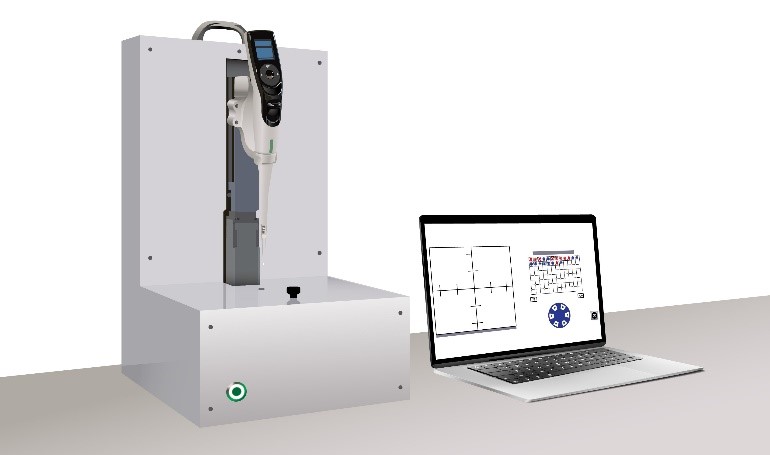
TāStation® sample delivery device with electronic pipette mounted in z-axis gantry and laptop on table as would be positioned before a subject.

TāStation® Apparatus (credit Mitch Shuring)

The paper provides a rigorous scientific validation of TāStation® technology in the context of threshold sensory measurements

Opertech Bio, Inc., today announced the publication of a seminal research article describing the application of its pioneering TāStation® technology to the pharmacological characterization of human taste discrimination. The findings are published in the peer-reviewed Journal of Pharmacology and Experimental Therapeutics, JPET.

The paper, entitled “Rapid throughput concentration-response analysis of human taste discrimination,” is the first to quantitatively define the concentration-response function for human taste discrimination, a crucial step in understanding the relationship between receptor activity and taste sensation. The paper is authored by the Opertech research team of R. Kyle Palmer, Mariah M. Stewart, and John Talley. The complete article is available at: DOI: https://doi.org/10.1124/jpet.120.000373.

“The paper provides a rigorous scientific validation of TāStation® technology in the context of threshold sensory measurements and concentration-response analysis of sucrose and other sweeteners. The results are entirely consistent with receptor occupancy theory, implying that the taste discrimination concentration-response function is a direct reflection of the underlying activity of taste receptors” said R. Kyle Palmer, Opertech’s Chief Science Officer and lead author on the paper. “The methodology enabled by the TāStation® produced remarkable test-to-test repeatability of results, which proved critical for statistical resolution of effects in small groups of subjects and even among individual participants,” he added.

JPET, The Journal of Pharmacology and Experimental Therapeutics, is a highly regarded international research journal in the field of pharmacology. The journal is published by The American Society for Pharmacology and Experimental Therapeutics (ASPET).

The paper was published online as part of JPET Fast Forward, which contains papers in manuscript form that have been accepted and published in JPET but have not been copyedited and have not been assigned to an issue of the journal. Copyediting, including graphics, may lead to some differences between the Fast Forward version and the final version.

About TāStation®

TāStation® (taste+station) is an entirely new approach to taste testing and measurement. Highly efficient and cost effective, the TāStation® technology is used for evaluating new sweeteners, taste enhancers and bitter blockers and also has broad application in flavor optimization, providing a combinatorial strategy for developing the best tasting ingredient mixtures. In addition to its many applications in the food and beverage industry, TāStation® technology is particularly well suited for helping consumer healthcare and pharmaceutical companies evaluate the taste of new formulations of medications. This is because TāStation® is able to generate tremendous amounts of data using minute quantities of drug. The total amount of API (active pharmaceutical ingredient) required for an entire taste test is a small fraction of a typical single daily dose. The capability to test with this minimal level of pharmaceutical exposure cannot be accomplished by any other method or service provider.

The TāStation® includes a portable workstation with an automated high throughput system for delivering small samples in rapid succession to a subject. The TāStation® system has the capacity to determine the taste characteristics of a hundred samples in less than an hour. An individual can be trained through an interactive algorithm, which operates like a game, to make responses on a touch sensitive monitor that are dependent on the subject’s ability to detect and distinguish taste stimuli. Responses are rewarded with an incremental point system that incentivizes sensory acuity. The subjects are focused on the game and may not even be aware that their taste sensitivities and preferences are being recorded.

More data means greater informative power. The comparatively large data sets that are rapidly generated by the TāStation® system are amenable to sophisticated computational and analytic tools not practical for the limited information from traditional taste assessment. Among the many advantages that result are vastly reduced errors, greater precision in detecting taste effects, improved consistency and predictive value of test outcomes, and the ability to more quickly and broadly test across a diversity of human subjects.

About Opertech Bio, Inc.

Opertech Bio offers its customers a pioneering approach to measuring taste, a multi-billion dollar market covering the food and beverage, flavor ingredients, pet food, and pharmaceutical industries. Opertech Bio’s technology can be used to discover new flavor ingredients, measure palatability and optimize flavor formulations. For more information, please visit the Company’s website at http://www.opertechbio.com.

Share article on social media or email:

UNCOMN Chosen Best Place to Work by Glassdoor


News Image

UNCOMN, one of the leading technology consultancies in the U.S. and ten-year partner to the U.S. Department of Defense, has been chosen a Best Place to Work by Glassdoor as part of their Employees’ Choice Awards for businesses of less than 1,000 employees.

Based in St. Louis and with more than 200 employees, UNCOMN is a recognized industry leader in cloud, cybersecurity, data & analytics, and DevSecOps. While the company was founded in 2010 as a defense contractor providing consulting services to the federal government, over the past two years it has doubled its size, expanded into the private sector, and now works with both private and public companies in the financial services, healthcare, manufacturing, fintech, ag-tech and sports analytics verticals.

“We’ve received numerous awards in our ten-year history, but this one instantly rises to the top in importance for me,” said Jason Carter, a U.S. Navy veteran who founded UNCOMN. “We’ve tried to cultivate an environment where a diverse group of people can bring their own particular brand of uncommon genius, exercise those gifts solving complex challenges, be recognized and compensated for so doing, and be professionally valued and respected by their peers and leaders. This is confirmation that we’re achieving that goal.”

Glassdoor does not provide a self-nomination or application process for its Employees’ Choice Awards, a list of the Best Places to Work in 2021. The honor is entirely based on employee feedback that is voluntarily and anonymously shared on Glassdoor. To determine the winners of the awards, Glassdoor evaluates all company reviews shared by employees over the past year.

An Honor Roll (five-time) recipient of INC 5000’s Fastest Growing Private Companies in America and ranked as the fastest growing company of any kind in the St. Louis region in 2017 by the St. Louis Business Journal, UNCOMN has quickly become one of the nation’s fastest-growing businesses and technology consultancies in the U.S.

For more about UNCOMN, visit UNCOMN.com.

Share article on social media or email:

Flexible Multi-axis Motion Sub-System for System Integrators and Machine Builders Comes with High-dynamics Linear Motor Stages and EtherCat-based Motion Controller


Scalable, Modular, Preconfigured Multi-Axis Positioning and Automation Sub-System comes with Metrology Reports

Scalable, Modular, Preconfigured Multi-Axis Positioning and Automation Sub-System comes with Metrology Reports

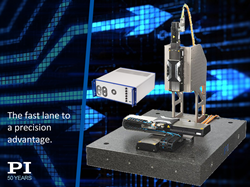
Machine builders and system integrators can move faster and address new, higher precision applications with reduced risk and cost, due to the extensive testing that went into the X-417 pre-configured high-accuracy motion and automation systems, including EtherCat motion controllers and software. Its modular design enables application-specific configurations, scalability with optional accessories, and delivery by PI already aligned, tuned, and calibrated to your specifications.

Flexible XY and XYZ Systems based on Proven, High Performance Linear Motion Modules and EtherCat-based Controller

The XY base system is made of two 3-Phase motor powered V-417 linear stages with travel ranges from 204 to 407mm. Integrated absolute-measuring linear encoders provide better reliability, while eliminating the need to reference. A granite base plate is available for stability and can hold the G-901 EtherCat-based controller with ACS driver module. PI supports customers, system integrators, and machine builders to quickly configure and integrate the appropriate system, reducing design and development time while optimizing the outcome.

The XYZ system includes an L-412 high-load linear stage mounted vertically, providing 4” (102mm) travel range. The Z-stage is equipped with a synchronous servo motor and a holding brake.

Watch the video»

Specifications, Datasheet, More Information»

Working with You

PI’s in-house engineered solutions have enabled customers around the world to increase their productivity and technological advantage for 5 decades. With a large basis of proven motion technologies and methodologies, PI is in the position to quickly modify existing designs or provide a fully customized OEM solution to fit the exact requirements of your application from sensors and piezo transducers to microscope nano-focus units, fast photonics alignment systems to multi-axis automation sub-systems.

USA / Canada

http://www.pi-usa.us | info@pi-usa.us |(508) 832-3456

About PI

PI is a privately held company that designs and manufactures world-class precision motion and automation systems including air bearings, hexapods and piezo drives at locations in North America, Europe, and Asia. The company was founded 5 decades ago and today employs more than 1300 people worldwide. PI’s customers are leaders in high-tech industries and research institutes in fields such as photonics, life-sciences, semiconductors, and aerospace.

> READ Tech Blog

> WATCH PI Videos

> FOLLOW on Twitter

> CONNECT on LinkedIn

Share article on social media or email:


ISBER Releases Position Statement for Management and Use of Ultra Low Temperature Freezers


News Image

The International Society for the Biological and Environmental Repositories (ISBER), which represents professional experts in biobanking, ultra-low temperature (ULT) storage and cold chain management, has released its position statement listing key practices health agencies should consider to support the COVID-19 vaccine distribution with dedicated ULT freezers. The document, titled “Ultra Low Temperature Freezers: Key Considerations“, provides evidence based guidance for those responsible for distribution, storage, and management of the vaccine, to resources that detail the fundamentals of safe and efficient ULT freezer management, shipping and distribution.

“The global biobanking community has consolidated our knowledge and expertise into a brief one page resource. We aim to minimize the learning curve and to help people and health agencies new to ultra-low temperature storage avoid common pitfalls,” said Piper Mullins, President-Elect of ISBER.

The document draws on accepted practices known to ensure robust ULT product storage and distribution that are routinely used by biorepositories. The document represents a consensus view from the biobanking community. The organization drew on the expertise of biorepository managers and industry vendors with further reference from the ISBER Best Practices, Fourth Edition. The statement intends to supplement guidance from national and local health agencies on managing the cold chain deployment of frozen COVID-19 vaccines.

“We want ISBER to be the go-to resource for the growing number of people who are just learning about ultra-low storage and handling during this fraught time,” said Associate Professor Daniel Catchpoole, President of ISBER. “As a scientific community who are experts in cold chain logistics of biological specimens, it is vital that our national health agencies draw on the expertise ISBER provides to guide the proper management of freezers for the distribution of biological therapeutics.”

To learn more about the association please visit http://www.isber.org.

##

About the International Society for Biological and Environmental Repositories

ISBER (http://www.isber.org) is the only global forum that addresses harmonization of scientific, technical, legal, and ethical issues relevant to repositories of biological and environmental specimens. ISBER fosters collaboration; creates education and training opportunities; provides a forum for the dissemination of state-of-the-art policies, processes, and research findings; and provides an international showcase for innovative technologies, products, and services. Together, these activities promote best practices that cut across the broad range of repositories that ISBER serves.

About the ISBER Best Practices

The ISBER Best Practices: Recommendations for Repositories Fourth Edition presents the most effective practices for the management of biological and environmental specimen collections and repositories. These are either evidence-based or consensus-based practices for collection, long-term storage, retrieval and distribution of specimens. Development of best practices is a rigorous, consensus-based process that reflects advances in research and technology. To access, please visit: https://www.isber.org/BPR

Share article on social media or email: