Category Archives: Science: Biology

Cutting edge research is happening on a daily basis in our modern world, Keep up to date with our Press Release services.

Enzymicals and Syngulon present an update about their non-exclusive license agreement of May 2020 on the use of Syngulon’s antibiotic free technology to produce enzymes.


Enzymicals AG, a German enterprise focusing on industrial biocatalysis and Syngulon, a Belgian synthetic biology company developing original genetic technologies using bacteriocins, announced in May 2020 a non-exclusive license agreement which provides Enzymicals access to Syngulon’s patented selection technology.

Syngulon’s technology offers advantages over antibiotic selection for several reasons: it avoids the use of antibiotics in the first place, helping to reduce the spread of antibiotic resistant microbes. The technology also increases product yield; as bacteriocins are generally small peptides, they do not impose a heavy metabolic burden on the producing cell. They can have a wide target specificity, helping to avoid genetic drift. Finally, the system is 100% plasmid-based (e.g. without chromosomal mutations), making it applicable for use in any E. coli strain.

Enzymicals offers a broad selection of recombinant enzymes suitable for research, development, production and diagnostics, as well as a tailor-made protein expression and supply service. There is a growing interest for antibiotic-free production of enzymes coming from customers and Syngulon’s technology was applied in a first project for the large-scale production of diagnostic enzymes for a world leading diagnostics company that requires antibiotic-free production. Several enzymes have been successfully developed and produced internally at Enzymicals using Syngulon’s technology during the R&D and pilot phase that has now ended with the start of the large-scale production in fermenters up to 500L for these enzymes.

Dr. Erik de Vries, CEO of Enzymicals AG, states “Syngulon’s new genetic technology is easy to set up and as convenient as conventional antibiotic-based selection techniques. We are happy to have successfully ended the R&D phase with several enzymes and started the large-scale production. We are now looking at other specific developments and broader applicability of Syngulon’s bacteriocin technology for our clients.”

Guy Hélin, CEO of Syngulon, added “This is a very important milestone because the first products with our technology will soon be on the market thanks to Enzymicals and their project for a world leader in diagnostic enzymes.”

Share article on social media or email:

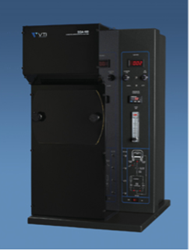
Improved Pharma Expands Service Offerings with Addition of VTI Corp. SGA-100 DVS for Measurement of Hygroscopicity


News Image

The acquisition of a DVS instrument completes our suite of water determination capabilities. Understanding the hygroscopic nature of materials is key to helping our clients develop their compounds into life-saving products.

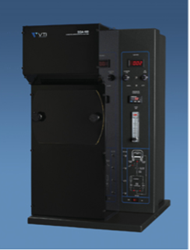
Improved Pharma is pleased to announce expanded capabilities with the addition of an in-house SGA-100 DVS. DVS is very useful in understanding if material is hygroscopic, and subsequently if it will lose the adsorbed water, or if material is deliquescent. In addition, DVS can aid in the identification of potential hydrates, which may be problematic during drug development. Understanding the impact of moisture on an API can be critical, particularly when wet granulations are required or where manufacturing may be carried out in humid environments.    

“The acquisition of a DVS instrument completes our suite of water determination capabilities,” states Dr. Pam Smith, COO of Improved Pharma. “Understanding the hygroscopic nature of materials is key to helping our clients develop their compounds into life-saving products.”

The VTI Corp. SGA-100 complements Improved Pharma’s other water determination capabilities, which already include a MT Coulometric Karl Fischer titrator/Stromboli oven sample changer and an Ohaus MB120 Moisture Determination Balance for loss on drying measurements. Hygroscopicity measurement is a valuable component of the current suite of analytical instruments used during fit-for-purpose polymorph, salt, and co-crystal screens, formulation support and design, monitoring stability, and litigation support.

About Improved Pharma

Improved Pharma is a research, consulting, and information company dedicated to improving pharmaceutical methods, formulations, and processes. Services include solid-state form studies, formulation design, synchrotron techniques, analytical testing, and expert consulting for the development and defense of intellectual property matters. The company was founded in 2006 by Stephen and Sarah Byrn, who also founded SSCI.

For more information about the analytical technique discussed in this press release or about Improved Pharma’s services, please contact us at 1-765-463-9951 or info@improvedpharma.com.

Share article on social media or email:

Catalent Acquires Commercial-Scale Cell Therapy Development and Manufacturing Facility in Princeton, New Jersey, from Erytech


Front elevation of the 30,900-square-foot, state-of-the-art, commercial-scale cell therapy manufacturing facility in Princeton, New Jersey, that Catalent has acquired from Erytech.

The Princeton facility that Catalent has acquired from Erytech Pharma

This acquisition is strategically important to Catalent’s commitment to support the development and clinical and commercial supply of cell therapies to meet rapidly growing demand.

Catalent, the global leader in enabling biopharma, cell, gene, and consumer health partners to optimize development, launch, and supply of better patient treatments across multiple modalities, today announced that it has acquired from Erytech Pharma its state-of-the-art, commercial-scale cell therapy manufacturing facility in Princeton, New Jersey, for $44.5 million. The deal includes an exclusive long-term supply agreement for Catalent to support Erytech’s lead product candidate eryaspase (GRASPA®), a red blood cell-derived product, which is currently in late-stage development for the treatment of acute lymphoblastic leukemia.

The 30,900-square-foot facility is located within the University Square Campus Park and houses 16 suites positioned for production of products in a cGMP-compliant manner, as well as laboratories for analytical, quality control and microbiology testing. The site will become a strategic campus for development as well as clinical- and commercial-scale manufacturing of cell therapies, and is located within easy reach of Catalent’s facilities around Baltimore, Maryland, where the company develops and manufactures viral vectors and plasmid DNA. It will also work in collaboration with Catalent’s existing U.S. clinical-scale cell therapy facility in Houston, Texas.

Concurrent with the acquisition, Catalent has agreed to terms to lease an adjacent 23,000-square-foot building that could be used for additional laboratory or cGMP capabilities, and another building on the campus for potential future expansions. All staff at the site will transfer to Catalent’s employment, and Catalent is developing its plans for its future recruitment needs.

Under the supply agreement, Catalent will continue to manufacture eryaspase (GRASPA) at the site. It will also support the development of Erytech’s pipeline of encapsulated red blood cell-based therapeutics for severe forms of cancer and orphan diseases.

“This acquisition is strategically important to Catalent’s commitment to support the development and clinical and commercial supply of cell therapies to meet rapidly growing demand,” said Manja Boerman, Ph.D., President, Catalent Cell & Gene Therapy. “The talented and experienced staff already employed at the facility, the capabilities it has in place, and the opportunity to quickly add further capacity on the same site, allow Catalent to expand rapidly to create a U.S. campus and center of excellence for cell therapy development and manufacturing that will serve customers around the world.”

“In Catalent we have found a great partner for the manufacturing of our innovative red blood cell-derived products,” said Gil Beyen, Chief Executive Officer at Erytech. “Catalent Cell & Gene Therapy is an industry-leading technology, development, and manufacturing partner for advanced therapeutics, and we believe this win-win strategic partnership will meet our long-term manufacturing needs in the United States. Erytech will now further focus its resources on seeking regulatory approval of GRASPA and on the development of potentially transformative therapeutics for serious diseases.”

Catalent’s cell and gene therapy network includes six U.S. facilities across Maryland and Texas, a European center of excellence in Belgium, and its cell innovation facility in Germany. These sites offer a range of small- and large-scale clinical and commercial manufacturing, as well as fill/finish capabilities.

About Catalent Cell & Gene Therapy

Catalent Cell & Gene Therapy is an industry-leading technology, development, and manufacturing partner for advanced therapeutics. Its comprehensive cell therapy portfolio includes a wide range of expertise across a variety of cell types including CAR-T, TCR, TILs, NKs, iPSCs, and MSCs. With deep expertise in viral vector development, scale-up and manufacturing for gene therapies, Catalent is a full-service partner for plasmid DNA, adeno-associated viral (AAV), lentiviral and other viral vectors, oncolytic viruses, and live virus vaccines. An experienced and innovative partner, Catalent Cell & Gene Therapy has a global network of dedicated, small- and large-scale clinical and commercial manufacturing facilities, including an FDA-licensed viral vector facility, and fill/finish capabilities located in both the U.S. and Europe.

About Catalent

Catalent is the global leader in enabling pharma, biotech, and consumer health partners to optimize product development, launch, and full life-cycle supply for patients around the world. With broad and deep scale and expertise in development sciences, delivery technologies, and multi-modality manufacturing, Catalent is a preferred industry partner for personalized medicines, consumer health brand extensions, and blockbuster drugs.

Catalent helps accelerate over 1,000 partner programs and launch over 150 new products every year. Its flexible manufacturing platforms at over 50 global sites supply over 70 billion doses of nearly 7,000 products annually. Catalent’s expert workforce exceeds 19,000, including more than 2,500 scientists and technicians.

Headquartered in Somerset, New Jersey, the company generated $4 billion in revenue in its 2021 fiscal year. For more information, visit http://www.catalent.com.

More products. Better treatments. Reliably supplied. ™

Share article on social media or email:

DuPont Makes Gears Fascinating, Fun For STEAM Day Students


Team members from DuPont Mobility & Materials participated in STEAM Day for hundreds of local elementary school students on March 24.

“It’s been fun to take our advanced engineering capabilities back to the basics – like bicycles — so we can help kids understand gears and encourage them to learn more about how things work.” said Brian Ammons, Global Business Director for Delrin®

Team members from DuPont Mobility & Materials participated in STEAM Day for hundreds of local elementary school students on March 24. Organized by Georgia Power, the event included a variety of companies that showcased applications of science, technology, engineering, art, and math to inspire future innovators.

Working with long-time partner Winzeler Gear, special interactive displays were created to showcase how gears work and why they’re important. Gears are used across many markets, from automobiles to conveyors. The gears on the displays are even made from DuPont™ Delrin® acetal resins, which are specified by customers to make gears that are durable, self-lubricating, strong, lightweight, and resistant to chemicals. Delrin® Renewable Attributed offers a more sustainable solution for many customers because it is produced from 100 percent bio-feedstock from waste in accordance with mass balance principles and is accredited through the International Sustainability and Carbon Certification (ISCC) mass balance certification. Delrin® Renewable Attributed offers the same performance as traditional Delrin®.

“We were so pleased to help DuPont ‘gear up for STEM’ and create this project to teach children about plastics and gear motion transmission,” said John Winzeler, president of Winzeler Gear. “For us, product design is always a collaborative process, and we believe there is always a better outcome when it’s a team sport.”

“At DuPont, part of our sustainability initiative is to build thriving communities,” said Brian Ammons, Global Business Director for Delrin®. “It’s been fun to take our advanced engineering capabilities back to the basics – like bicycles — so we can help kids understand gears and encourage them to learn more about how things work.”

At the conclusion of the event, the gears displays were donated to the school science teachers for future hands-on learning.

About DuPont Mobility & Materials

DuPont Mobility& Materials (M&M) delivers a broad range of technology-based products and solutions to the automotive, electronics, industrial, consumer, medical, photovoltaic and telecom markets. DuPont M&M partners with customers to drive innovation by utilizing its expertise and knowledge in polymer and materials science. DuPont M&M works with customers throughout the value chain to enable material systems solutions for demanding applications and environments. For additional information about DuPont Mobility & Materials, visit http://www.dupont.com/mobility.

About DuPont

DuPont (NYSE: DD) is a global innovation leader with technology-based materials and solutions that help transform industries and everyday life. Our employees apply diverse science and expertise to help customers advance their best ideas and deliver essential innovations in key markets including electronics, transportation, construction, water, healthcare and worker safety. More information about the company, its businesses and solutions can be found at http://www.dupont.com. Investors can access information included on the Investor Relations section of the website at investors.dupont.com.

DuPont™, the DuPont Oval Logo, and all trademarks and service marks denoted with ™, ℠ or ® are owned by affiliates of DuPont de Nemours, Inc. unless otherwise noted. © 2021 DuPont.

4/21/22

Share article on social media or email:

Exceed Equine Announces Partnership With Medrego to Determine Best Practice Protocols Following Equine Stem Cell Treatment


News Image

“A successful process begins with the ability to interact with the horse every step of the way after treatment … At Exceed Equine, we have the right infrastructure and mindset for a project like this.“ – Mike Calderone, CEO of Exceed Equine

Exceed Equine, an advanced equine research and rehabilitation facility, has partnered with Medrego, an international leader of regenerative medicine solutions, to determine best practice protocols following stem cell treatment for a variety of ailments affecting equine performance horses.

“Though the use of stem cell therapy is becoming more widely accepted, the follow-up protocols (healing, rehabilitation, and training techniques to help bring the animal back to a high-performance level) are still fairly vague and inconsistent, leading to sub-par results and additional costs for the owners,” says CEO of Exceed Equine, Mike Calderone.

“A successful process begins with the ability to interact with the horse every step of the way after treatment, utilizing advanced objective techniques and avoiding subjective mistakes. At Exceed Equine, we have the right infrastructure and mindset for a project like this.”

“There are a lot of things to consider when it comes to rehabilitating a horse with a severe injury,” continues Calderone, “such as, is the injury actually healing, where are we in the healing process, what type of rehabilitation is best suited, when should training begin let alone be intensified, what is the right diet, should that diet be modified during the recovery process, and finally, is the horse mentally prepared? All these factors will determine not only the level of success but the speed of recovery, and the long-term outlook for avoiding a recurrence of the same injury.”

“Working with Medrego and with their Equicell treatment is important for Exceed Equine because their company has boasted a high level of success with their autologous and allogeneic stem cell treatments for horses,” says Calderone. “The combination of quality stem cells in conjunction with the right after-care program should only increase the level of success for equine athletes.”

“We were impressed here at Medrego when we saw the holistic approach at Exceed Equine and the number of innovations in use to make data-driven decisions about the most effective rehabilitation for each individual horse,” says Medrego board member Normunds Daudiss. “Such an approach is a win-win situation for horse owners and solution providers.”

In addition, the partnership paves the foundation for an exclusive long-term distribution agreement in the United States.

About Medrego

Medrego, a biotechnology company and leading producer of regenerative medicine solutions, is headquartered in Latvia, with representative offices across Europe and the Middle East. Medrego currently specializes in treatments for horses, dogs, and camels. Their vision is to become the leading Biotech company in Europe and disrupt the regenerative market by offering affordable stem cell treatments to anyone.

About Michael Calderone & Exceed Equine

Founder and CEO of Exceed Equine, Michael Calderone has spent 30 years in the horseracing industry including CMO for the largest racetrack operator in North America. Exceed Equine uses sensor-driven technology and AI analytics to avoid subjective decisions with performance horses. This is in conjunction with the latest in analysis, rehabilitation, and training tools to enhance performance and longevity, adding substantial value to these animals while increasing the likelihood of a productive second career after primary service.

Share article on social media or email:

Molecular Devices continues investment in Organoid Innovation Center adding cell engineering capabilities to automated 3D cell culture platform


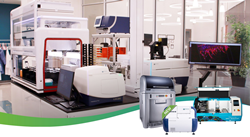
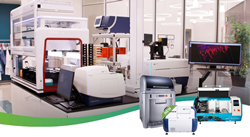
The Organoid Innovation Center’s state-of-the-art methods and technologies now include automated workflows for synthetic biology, antibody discovery, and cell line development.

We’re driving expanded capabilities for our customers as the industry heads toward an industrialization of biology, where automated synthetic biology, cell line development, and 3D biology research converge.

Molecular Devices, LLC., a leading provider of high-performance life science solutions, this month celebrates the one-year anniversary of its automated 3D imaging workcell, the Organoid Innovation Center, located at the company’s global headquarters. Since the Center’s opening in April 2021, Molecular Devices has empowered researchers to automate sample prep and screening for assays performed on complex 3D biological models.

By adding the QPix® 400 Series Microbial Colony Picker and the ClonePix® 2 Mammalian Colony Picker to the Organoid Innovation Center, the platform now allows for early cell line development. This update expands the Center’s state-of-the-art methods and technologies to include automated workflows for synthetic biology, antibody discovery, and cell line development, in addition to those currently in place for automated organoid culturing and screening. Also, soon to be added is the recently launched CloneSelect® Imager FL with multi-channel fluorescence for day zero monoclonality verification, and confirmation of CRISPR edits, for a wide range of cell and gene therapy applications.

“We’re on the cusp of a transformational era of genomic medicine and gene-edited cell and gene therapies as innovative technology and specialized knowledge become more mainstream, making personalized therapeutic research and development increasingly accessible to more scientists,” said Dan O’Connor, Vice President, Drug Discovery, Molecular Devices. “By incorporating our synthetic biology-focused technology into the Organoid Innovation Center, we’re driving expanded capabilities for our customers as the industry heads toward an industrialization of biology, where automated synthetic biology, cell line development, and 3D biology research converge.”

New Product Highlights


  • QPix colony pickers enable fully automated synthetic biology workflows for DNA assembly, antibody discovery, and protein engineering by combining intelligent control software and image analysis for fast and efficient screening of large libraries.
  • ClonePix colony pickers support automated antibody discovery and cell line development workflows, allowing researchers to screen more clones in less time with optional monoclonal verification on day zero with high resolution imaging.
  • The all new CloneSelect Imager FL features high-contrast multi-channel fluorescence and white light imaging to allow for accurate single cell detection and proof of monoclonality reporting at day zero with an audit-ready document that supports filing for an Investigational New Drug (IND) Application with the FDA (21 CFR Part 312).

These newly incorporated instruments expand the Center’s downstream, 2D cell line development capabilities, while automation and intuitive scheduling software ensure seamless interaction with systems that support upstream 3D biology culturing and screening applications. The Center now helps ease the transition from 2D to 3D biology for researchers, speeding up a transformative future for therapeutic drug discovery and development.

“As more cell and gene therapy products are approved by the U.S. Food and Drug Administration and enter the clinical market, Molecular Devices is poised to offer an end-to-end solution for automated discovery and scaleup to support the next great Investigational New Drug candidate,” O’Connor concluded.

The Organoid Innovation Center builds on Molecular Devices’ 39 years of experience delivering high-performance life science technology to customers around the world. To learn more about the Organoid Innovation Center, visit http://www.moleculardevices.com/organoid-innovation-center, or explore a wide range of organoid applications spanning brain, intestinal, lung, and more, here. For those attending SynBioBeta in Oakland, Calif., April 12 – 14, visit Molecular Devices at booth No. 5 to see the QPix system functioning within an automated workcell.

About Molecular Devices, LLC. Molecular Devices is one of the world’s leading providers of high-performance bioanalytical measurement systems, software and consumables for life science research, pharmaceutical and biotherapeutic development. Included within a broad product portfolio are platforms for high-throughput screening, genomic and cellular analysis, colony selection, and microplate detection. These leading-edge products enable scientists to improve productivity and effectiveness, ultimately accelerating research and the discovery of new therapeutics. Molecular Devices is committed to the continual development of innovative solutions for life science applications. The company is headquartered in Silicon Valley, California with offices around the globe. To learn more about Molecular Devices, visit https://www.moleculardevices.com.

# # #

Share article on social media or email:

Cognosos Launches ProPAR, a Powerful Suite of Capabilities that Automates the Management of Medical Equipment Using RTLS


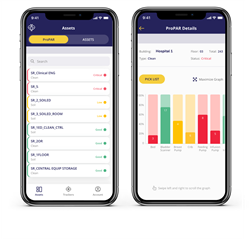
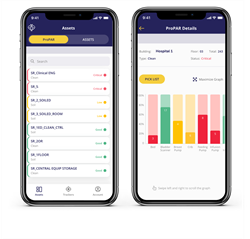
ProPAR’s at-a glance dashboards enable equipment teams to easily view PAR level status across all tracked areas, generate pick lists and adjust restocking needs accordingly.

“Cognosos ProPAR keeps a constant watch over all assets in a hospital, proactively alerting Biomed when available equipment levels are falling below PAR, and clean rooms need to be replenished.”

Cognosos today announced the availability of ProPAR, Proactive Periodic Automated Replenishment, a suite of features and dashboards that supports central supply and biomedical engineering teams in turning reactive work into proactive processes by providing instant visibility to asset counts and PAR level thresholds throughout hospitals and healthcare facilities. ProPAR leverages Cognosos’ indoor location engine, LocationAI™, to provide room-level visibility to asset location, eliminating the need to search for equipment for maintenance, cleaning or re-circulation, and helping to ensure PAR levels are consistently met.

With ProPAR, central supply and Biomed users have a flexible framework that offers notifications, tile view action boards, and picklists that can be used to prioritize each day’s activities and allows the team to optimize and improve their asset management practices based on their best practices workflows.

Not only can users determine the utilization of equipment on all floors in hospitals in designated storage areas like clean and soiled storage, but they can also easily generate new zones to track asset movement patterns in areas where mobile assets are often placed for easy access for the clinical staff, like alcoves or hallways. Cognosos ProPAR supports healthcare organizations’ need for continuous and accurate real-time visibility of all equipment in a healthcare organization.

“To deliver the best patient care it’s critically important that clinical staff have the right equipment on-hand anytime they need it, and that equipment teams have the tools to make that happen,” said Adrian Jennings, Chief Product Officer at Cognosos. “Cognosos ProPAR keeps a constant watch over all assets in a hospital, proactively alerting teams when available equipment levels are falling below PAR, and clean rooms need to be replenished. This traditionally manual, reactive process is transformed into an efficient, exception-based system ensuring optimum equipment utilization and eliminating the need for nursing staff to embark on equipment hunts.”

ProPAR features and capabilities include:


  • Proactive clean-room restocking to ensure the necessary equipment is always on hand
  • Adjustable PAR levels and automatic replenishment notifications to help stay ahead of asset replenishment and maintenance needs
  • Restock picklists that assist users to manage the inventory efficiently
  • At-a-glance asset status notifying teams of which assets are ready for use, or unavailable because they need cleaning or maintenance.
  • Support to manage assets by exception, focusing attention only on areas that require replenishment versus those that are sufficiently stocked

Cognosos’ patented approach to RTLS combines Bluetooth Low Energy with AI, and proprietary long-range wireless networking technology to achieve breakthroughs in cost, performance and accuracy. For more information on Cognosos, visit http://www.cognosos.com/hospitals.

Share article on social media or email:

STRmix Use in Certified U.S. Forensic Labs Continues to Grow


“STRmix™ has clearly become the most tested and used forensic software among U.S. labs due to its ability to produce usable, interpretable, and admissible DNA results in a wide range of criminal cases,” says STRmix™ co-developer John Buckleton.

An increasing number of ANAB or A2LA certified forensic laboratories in the U.S. are now using STRmix™ – sophisticated forensic software capable of resolving mixed DNA profiles previously regarded as too complex or degraded to interpret – in casework, according to statistics recently compiled by STRmix™.

The new data indicate that 80% of certified U.S. labs are now live with STRmix™ in casework, are currently validating the software, or have purchased the software but have not yet started the validation process. The data assumes that organizations which have multi-lab systems but are not yet live will use STRmix™ in all of their forensic labs.

“STRmix™ has clearly become the most tested and used forensic software among U.S. labs due to its ability to produce usable, interpretable, and admissible DNA results in a wide range of criminal cases, including most prominently violent crime and sexual assault cases,” says John Buckleton DSc, FRSNZ, Principal Forensic Scientist at the New Zealand Institute of Environmental Science and Research (ESR) and one of the developers of STRmix™.

Dr. Buckleton notes that STRmix™ has also proven to be instrumental in helping to solve cold cases in which evidence originally dismissed as inconclusive was reanalyzed, helping to develop investigative leads and support exonerations in post-conviction cases.

ANAB and A2LA are among the largest accreditation bodies in the world. ANAB (ANSI National Accreditation Board) is the longest established provider of accreditation based on ISO standards for forensic agencies in the U.S. A2LA (American Association for Laboratory Accreditation), meanwhile, is dedicated to the formal recognition of competent testing and calibration laboratories.

The new data on STRmix™ use in U.S. forensic labs comes on the heels of a survey conducted by New Zealand’s Institute of Environmental Science and Research (ESR) which indicates that STRmix™ has been used in at least 308,352 cases worldwide since it was introduced nearly a decade ago. This includes 152,837 cases in North America, 23,700 in Europe (including the U.K.), and 131,815 in Australasia.

Approximately a third of the more than 190 organizations with STRmix™ worldwide participated in the ESR survey. STRmix™ is currently in use in the U.S., New Zealand, Australia, the U.K., Ireland, Canada, Finland, Switzerland, and Denmark.

STRmix™ works by assessing how closely multitudes of proposed DNA profiles resemble or can explain an observed DNA mixture. Relying on proven methodologies routinely used in computational biology, physics, engineering, and weather prediction, STRmix™ calculates the probability of observed DNA evidence by assuming the DNA originated from either a person of interest or an unknown donor. These two probabilities are then presented as a likelihood ratio (LR), inferring the value of the findings and level of support for one proposition over the other.

A new version of STRmix™, Version 2.9, was launched last fall. STRmix™ v2.9 contains a number of new features, including: the introduction of a batch maker mode, allowing multiple interpretations to occur simultaneously and database search templates; memory usage improvements, which are particularly significant in dealing with higher order DNA profile mixtures; and improvements to biological modelling calculations designed to improve the modelling of stutter peaks.

The success STRmix™ has enjoyed to date led the team behind its development to introduce two related products which when used in combination with STRmix™ complete the full workflow from analysis to interpretation and database matching:

  • FaSTR™ DNA, expert forensic software which rapidly analyzes raw DNA data generated by genetic analyzers and standard profiling kits and assigns a number of contributors (NoC) estimate; and
  • DBLR™, an application which when used with STRmix™ allows forensic laboratories to calculate millions of LRs in seconds, visualize the value of their DNA mixture evidence, and carry out mixture-to-mixture matches, now allowing kinship analysis.

A new version of DBLR™ – featuring improved modelling through the introduction of linkage, mutation, and FST to the Kinship module, and the ability to assign LRs within the Kinship module for single source profiles containing both STR and SNP loci generated using Next Generation Sequencing (NGS) technology – was introduced in December 2021.

For more information, visit http://www.strmix.com.

Share article on social media or email:

DSM Biomedical and Svelte Medical Systems Partner to Develop DISCREET Bioresorbable Coating Technology Used with SLENDER IDS® and DIRECT RX® DES Systems


Marc Hendriks, VP, Strategy and Business Development at DSM Biomedical, commented: “Undoubtedly a huge achievement in our long-lasting partnership, this milestone brings us one step closer to our global vision of solving our world’s healthcare needs through sustainable science.

CAD is the most common type of heart disease, caused by plaque buildup in the arteries located around the heart. With more than 125 million individuals across the globe suffering from heart disease, a variety of options ranging from lifestyle changes, medications and surgical procedures exist to treat those who are affected by CAD.

Svelte Medical Systems has redefined how patients, physicians, payers and providers approach coronary stenting through their extremely low profile, highly deliverable DES. Enhanced with DISCREET Drug Coating Technology based on DSM Biomedical’s proprietary polyesteramide (PEA) bioresorbable polymer, the SLENDER IDS® and DIRECT RX® DES systems achieved 1.5% clinically-driven Target Lesion Revascularization (TLR) at 1 year in the OPTIMIZE Investigational Device Exemption (IDE) clinical study, the lowest ever reported with an investigational DES. With the success of the OPTIMIZE IDE clinical study reported at the end of 2021, Svelte Medical Systems received U.S. Food and Drug Administration (FDA) approval to commercialize the SLENDER IDS® fixed-wire and DIRECT RX® rapid-exchange DES systems for the treatment of coronary artery disease in the U.S.

Marc Hendriks, Vice President, Strategy and Business Development at DSM Biomedical, commented: “The DSM Biomedical team could not be more excited for our partner, Svelte Medical Systems, and their premarket approval for their differentiating Drug-Eluting Stent (DES) design. Undoubtedly a huge achievement in our long-lasting partnership, this milestone brings us one step closer to realizing our global vision of solving our world’s healthcare needs through sustainable science. We are proud that our PEA technology has been a key enabler of one of the most critical aspects of Svelte’s DES – the superior efficacy of controlled drug release with safe biodegradation of the polyesteramide carrier. As we look to the future, we will continue to work together through our proven partnership model by supporting Svelte’s next steps in the commercialization of their innovative device.”

Jack Darby, President and CEO at Svelte Medical Systems, stated: “OPTIMIZE was a unique study – the first of its kind to evaluate a new mode of DES delivery, a new class of drug coating, direct stenting and TRI. This not only generated outstanding data on investigational device performance, but also helped identify discrepancies between study definitions and assessments of myocardial infarction in clinical studies, which will help areas of future clinical research. Furthermore, the success of OPTIMIZE would not have been possible without our collaboration with the DSM Biomedical team. Their innovative PEA technology and partnership have proven to be vital to our DES system design and we are looking forward to seeing our newly approved DES systems continue to deliver unmatched value to all constituents of cardiac care in the United States – patients, physicians, providers and payers.”

DSM Biomedical’s PEA bioresorbable polymer is designed to maintain high mechanical integrity during stent delivery and promote healing as the antiproliferative drug sirolimus is delivered to the local tissue in a controlled manner. Composed of naturally occurring amino acids, the biomaterial provides toughness and mechanical integrity necessary for direct stenting combined with enzyme mediated surface-resorption. The unique biodegradation mechanism eliminates the risk of acidic microenvironment (citation) and promotes the vascular healing process. The polymer coating is fully absorbed by the body over time, which allows healing to occur naturally and demonstrates consistent, safe, and durable outcomes for CAD patients. DISCREET Bioresorbable Coating Technology is one of many examples in which bioresorbable polyesteramides available from DSM Biomedical enable formulators to develop sustained release systems of small molecule drugs and biologics for both systemic and site-specific parenteral drug delivery.

Gina Conti, Global Senior Manager of Marketing, Drug Delivery at DSM Biomedical added: “Collectively at DSM Biomedical, we are delighted to celebrate this fantastic achievement with everyone on the Svelte team! Not only do we enjoy partnering with such a dynamic group of individuals, but our shared passion for positively influencing the treatment landscape for patients affected by CAD by leveraging the unique features of our PEA technology is what excites us the most. As we continue to improve the standard of care for patients across the globe together, I look forward to our continued partnership during the commercialization of Svelte’s DES system.”

About DSM Biomedical

DSM Biomedical is a part of Royal DSM and the world’s unrivaled biomaterials expert and committed partner in driving sustainable innovation in healthcare, the company has been at the forefront of biomaterial science and process innovation, and the leading resource for global medical device and pharmaceutical companies for more than 30 years. As a strategic partner with an approach driven not only by market dynamics but by the unique needs of every customer, DSM Biomedical brings an unparalleled breadth of product portfolios, proprietary manufacturing and processing capabilities, world-class IP, and extensive regulatory experience and expertise. Furthermore, DSM Biomedical’s products and services are

recognized for their unmatched quality, consistency, and performance in multiple markets across the globe, supporting their company-wide vision of solving the world’s healthcare needs through sustainable science. To learn more, visit http://www.dsmbiomedical.com.

About DSM

Royal DSM is a global, purpose-led company in Health, Nutrition & Bioscience, applying science to improve the health of people, animals and the planet. DSM’s purpose is to create brighter lives for all. DSM’s products and solutions address some of the world’s biggest challenges while simultaneously creating economic, environmental and societal value for all its stakeholders – customers, employees, shareholders, and society at large. DSM and its associated companies employ approximately 23,000 people around the world and deliver annual net sales of about €10 billion. The company was founded in 1902 and is listed on Euronext Amsterdam. More information can be found at http://www.dsm.com.

About Svelte Medical Systems

Headquartered in New Providence, New Jersey, Svelte Medical Systems (http://www.sveltemedical.com) is a privately-held company engaged in the development of highly deliverable balloon expandable stents. Statements made in this press release that look forward in time or that express beliefs, expectations or hopes regarding future occurrences or anticipated outcomes or benefits, are forward-looking statements. A number of risks and uncertainties, such as risks associated with product development and commercialization efforts, results of clinical trials, ultimate clinical outcomes and benefit of the company’s products to patients, market and physician acceptance of the products, intellectual property protection and competitive product offerings, could cause actual events to adversely differ from the expectations indicated in these forward-looking statements.

Share article on social media or email:

Scispot launches Labsheets™ to create digital and automated workflows for life science labs


News Image

We use Labsheets to manage and track lab samples, prepare multi-well plates, give updates to our research partners, and automate our inventory consumption. The flexibility of Labsheets and its audit trail functionality helped us bring our disparate data from multiple spreadsheets to one Labsheets.

Scispot, a Y Combinator-backed life science lab informatics startup, launches Labsheets™ to help life science labs go beyond non-scientific spreadsheets and old-school lab information management systems (LIMS). Labsheets™ is a no-code relational database product exclusively designed for life science labs in order to support all of their data management, sample tracking, audit trail, automated report creation, and integration needs.

With Labsheets™, Scispot strives to empower life science labs and help them reduce the time they spend managing data in spreadsheets, allowing lab professionals to design and automate their workflows and bring their scientific breakthroughs to market faster.

“We interviewed hundreds of lab researchers & managers, worked for thousands of hours, and automated hundreds of scientific workflows in the past year. We realized life science labs were forced to use spreadsheets or Google Sheets that are not built for lab workflows and LIMS software that are not configurable and have old-school UX and UI,” stated Satya Singh, Co-founder, President & CPO of Scispot.

Current lab management systems are outdated and cannot be configured to support the unique lab workflows of life science companies. That’s why Scispot strives to provide labs with a secure, modern and flexible alternative that addresses common pain points with lab information and resource management.“We use Labsheets to manage and track lab samples, prepare multi-well plates, give updates to our research partners, and automate our inventory consumption. The flexibility of Labsheets and its audit trail functionality helped us bring our disparate data from multiple spreadsheets to one Labsheets,” stated Aida Manu, Head of Operations at Yemaachi Biotech.

Since its soft launch in 2021, Labsheets™ has become a go-to toolkit of numerous life science labs. Below are some of the popular use cases of Labsheets:

  • Design applications with a no-code spreadsheet interface to manage and automate your resources – inventory, sample, and equipment
  • Compare data from various sheets graphically through customizable dashboards
  • Collaborate with research partners by setting up datarooms
  • Set up custom alerts (e.g., equipment maintenance, reordering thresholds, etc.) to stay on top of your lab
  • Transfer data to and from your internal legacy LIMS or any 3rd-party apps
  • Automate and templatize repetitive lab processes such as product re-ordering and report creation
  • Use Labsheets’ developer API to connect Jupyter notebook

Labsheets™ offers one-click scientific integrations with hundreds of 3rd-party apps, developer toolkit and a no-code feature library. To get a sneak preview of Labsheets™ in action, book a demo and join Scispot in their mission to make digitalization and workflow automation possible for every life science lab on this planet.

ABOUT SCISPOT

Scispot is a Y Combinator-backed life science informatics company based in the Kitchener-Waterloo area. It has created Labsheets, a no-code and modern LIMS alternative for life science labs, including biomanufacturers, diagnostic labs, drug discovery companies, and contract research organizations (CROs). Scispot customers use Labsheets to design custom applications for managing lab resources and automating workflows. To learn more, please visit http://www.scispot.com or book a product demo.

Share article on social media or email: