
Category Archives: Science: Biology

Cutting edge research is happening on a daily basis in our modern world, Keep up to date with our Press Release services.

Western Plant Health Celebrates National Pollinator Week and the Role Farms Play in Promoting Biodiversity


“People are starting to recognize that farmers are the original environmentalists,” said Pinel. “No one cares more about protecting their land, pollinators, and a biodiverse ecosystem than the people whose survival depends on them.”

With the kickoff of National Pollinator Week, Western Plant Health (WPH) today underscored the critical role farmers play in protecting California’s wide range of biodiversity and the health of its pollinator populations.

“As stewards of the land, farmers continue to adopt many practices beneficial to pollinators,” said Renee Pinel, President/CEO of Western Plant Health. “This includes creating pollinator-friendly perimeter habitat, preserving open spaces, nourishing the soil with fertilizers, and planting cover crops, hedgerows, and trees that attract pollinators.”

She said that farmers also apply modern pesticides that target only the intended harmful pest. This includes invasive species that can wipe out California’s unique ecosystem, which supports the state’s native plants and insects, including pollinators.

“It is important to raise awareness about the connection between farmers and pollinator protection,” Pinel said. “While it is not widely understood or appreciated, pesticides are essential to protecting biodiversity– especially from the invasive species of non-native plants, insects, aquatic life, and animals.”

She cited several examples in which pesticides were considered the best or only way to protect native California plant or animal habitats:


  • TheVarroa “destructor” Mite, introduced from Asia. It is regarded as the primary threat to bees and other pollinators.
  • The Mediterranean Fruit Fly and Glassy-Winged Sharpshooter were introduced into the state from elsewhere only to destroy crops and residential fruit trees that pollinators depend on for food.
  • Dutch Elm disease has killed several thousand elms in California, and millions nationwide due to an invasive bark beetle, eliminating habitat sources of pollinators.
  • A wide range of invasive plants take over the land, eliminating the native plants that provide food and nutrients to native pollinators.

Appreciation for this critical link extends beyond the farm community as it becomes better understood that farmers and the environment share mutual interests and a symbiotic relationship.

“People are starting to recognize that farmers are the original environmentalists,” said Pinel. “No one cares more about protecting their land, pollinators, and a biodiverse ecosystem than the people whose survival depends on them.”

Share article on social media or email:
One Health Laboratories LLC Receives Accreditation from College of American Pathologists


The Accreditation Committee of the College of American Pathologists (CAP) has awarded accreditation to One Health Laboratories LLC, Philadelphia, Pennsylvania based on results of a recent on-site inspection as part of the CAP’s Accreditation Programs.

The facility’s director, Tiffany K. Bratton, PhD, DABCC, D(ABHI), was advised of this national recognition and congratulated for the excellence of the services being provided. One Health Laboratories LLC is one of more than 8,000 CAP-accredited facilities worldwide.

“We are extremely proud to receive this accreditation,” said Dr. Tiffany Bratton, Lab Director of One Health Laboratories. “This provides further evidence to physicians, patients, and partners that we are committed to maintaining the highest standards in laboratory quality and accuracy.”

Max Perelman, One Health Laboratories Chief Executive Officer, upon learning of the laboratory’s accreditation, said: “One Health Laboratories is committed to delivering the highest quality information to clinicians and their patients. The CAP accreditation is a testament to the high standards of our laboratory and is an important milestone in our company’s mission to provide cutting edge, rapid turnaround and STAT testing services.”

The U.S. federal government recognizes the CAP Laboratory Accreditation Program, begun in the early 1960s, as being equal-to or more-stringent-than the government’s own inspection program.

During the CAP accreditation process, designed to ensure the highest standard of care for all laboratory patients, inspectors examine the laboratory’s records and quality control of procedures for the preceding two years. CAP inspectors also examine laboratory staff qualifications, equipment, facilities, safety program and record, and overall management.

ABOUT THE COLLEGE OF AMERICAN PATHOLOGISTS

As the world’s largest organization of board-certified pathologists and leading provider of laboratory accreditation and proficiency programs, the College of American Pathologists (CAP) serves patients, pathologists, and the public by fostering and advocating excellence in the practice of pathology and laboratory medicine worldwide. For more information, READ THE CAP ANNUAL REPORT at cap.org

ABOUT ONE HEALTH LABORATORIES

One Health Laboratories (DBA One Health Labs) was established in 2019 to offer safe and reliable mobile testing to give people the ability to get tested for illnesses anytime, anywhere. Our national network of clinical laboratories are CLIA-certified and CAP-accredited, so we are held to the highest regulatory standards in the industry. Learn more on our website at onehealthlabs.com.

Share article on social media or email:
SIUE Research on “Clumsy” Pumpkin Toadlets Gains International Attention


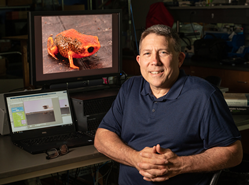
Richard Essner, PhD, professor in the SIUE College of Arts and Sciences’ Department of Biological Sciences.

A small frog is making big headlines thanks to the intriguing findings of researchers, led by Southern Illinois University Edwardsville’s Richard Essner, PhD.

Comparable in size to the end of a pencil, or approximately one centimeter in length, Pumpkin Toadlets’ tiny nature, notably their semicircular canals, is making them clumsy when they jump with the inability to land gracefully, according to the researchers.

Essner, a professor in the SIUE College of Arts and Sciences’ Department of Biological Sciences, collaborated with researchers from Edge Hill University in England, Universidade Federal do Paraná in Brazil, and the Florida Museum of Natural History at the University of Florida in Gainesville.

Their work was recently published in the prestigious, open-access scholarly journal Science Advances. Now, brightly colored Pumpkin Toadlets and the researchers’ findings are taking Twitter by storm. Additionally, Science Advances’ metric measuring attention on research places the scholarship among the top 5% ever, with related headlines spanning more than nine countries.

“We discovered that this group of miniaturized frogs from Brazil, known as Pumpkin Toadlets, are unable to control their landings,” Essner said. “We think that their unusual landing behavior results from the small size of their semicircular canals, which are used to detect angular acceleration.”

Pumpkin Toadlets and other miniaturized frogs have the smallest semicircular canals known among adult vertebrates. The vestibular system of the inner ear provides essential information about balance and movement. At small size, fluid within the semicircular canals cannot flow freely because of high resistance due to friction. This causes a reduction in sensitivity to angular acceleration and impedes their ability to use vestibular feedback to control their posture in mid-air like other frogs.

During his time as a postdoctoral researcher at the University of Pennsylvania, Essner developed an interest in the jumping and landing behavior of a group of frogs known as leiopelmatids, which branched off from other frogs over 200 million years ago. At the time, most of what was known about frog locomotion was based on frog species commonly available but not evolutionarily informative. His team filmed the frogs in his lab at SIUE and determined they lacked the controlled landings of other frogs, meaning they did not fold up their hindlimbs in midair and land forelimbs-first. This provided evidence that the evolution of jumping was a two-step process with jumping appearing first and controlled landings appearing later.

“Rudá Pereira, a graduate student who worked with Dr. Marcio Pie at the Universidade Federal do Paraná, conducted his thesis research on jumping and landing behavior in a diverse array of frog species,” Essner said. “He found that Pumpkin Toadlets, were remarkably similar to leiopelmatid frogs in having uncontrolled landings.”

The findings were unexpected, though, because the toadlet is not at all closely related to leiopelmatids, and their closest relatives jump like most other frogs. This led the researchers to presume the clumsiness was due to its size rather than ancestral behavior.

“In the future, we’d like to examine jumping in other groups of miniaturized frogs and juveniles from small frogs,” explained Essner. “We’d also like to examine soft tissues associated with the vestibular system and collaborate with neurophysiologists to investigate the neural control of locomotion in miniaturized frogs.”

Because disorders of the vestibular system are common in humans, Essner asserts that having an animal model of naturally occurring vestibular dysfunction could be useful for future scientific research.

Essner earned both a bachelor’s and master’s in biology from Southeast Missouri State University in 1993 and 1996, respectively. He then earned a PhD in biological sciences from Ohio University in 2003 and joined the SIUE faculty in the fall of 2005 after completing his fellowship in Pennsylvania.

Science Advances is published by the American Association for the Advancement of Science. It showcases innovative, original research and reviews across a broad range of scientific disciplines.

Southern Illinois University Edwardsville provides students with a high-quality, affordable education that prepares them for successful careers and lives of purpose to shape a changing world. Built on the foundation of a broad-based liberal education, and enhanced by hands-on research and real-world experiences, the academic preparation SIUE students receive equips them to thrive in the global marketplace and make our communities better places to live. Situated on 2,660 acres of beautiful woodland atop the bluffs overlooking the natural beauty of the Mississippi River’s rich bottomland and only a short drive from downtown St. Louis, the SIUE campus is home to a diverse student body of more than 13,000.

Share article on social media or email:
A Vanguard Dialogue with Paul Hastings on June 21


“While LGBTQ professionals make their mark all year long, Pride Month is a fitting time to recognize their contributions to biotech and life sciences,” said Ken Banta, founder and principal of the Vanguard Network.

The Vanguard Network will present an online interactive dialogue on the contributions of LGBTQ professionals in biotech and life sciences. The June 21 event, from 5 to 6 pm ET, will feature Paul Hastings, a leading advocate for diversity and driver of OUTBio!, the largest LGBTQ professionals group in the industry.

The dialogue is an opportunity for life sciences and biotech leaders to share their insights on enhancing diversity in the industry, and the role of executive sponsors and support organizations.

Paul Hastings, is Chair of BIO and CEO and Chairman of NKarta Therapeutics. He plays a critical role in OUTBio!, which empowers LGBTQ professionals through networking, education, advocacy, professional development and peer support.

“While LGBTQ professionals make their mark all year long, Pride Month is a fitting time to recognize their contributions to biotech and life sciences,” said Ken Banta, founder and principal of the Vanguard Network. “No one can speak with more authority about the value derived from LGBTQ professionals than Paul Hastings.”

This online event is open to members of The Vanguard Network. Other C-suite leaders can request an invitation and learn more about membership at https://docs.google.com/forms/d/e/1FAIpQLSdiNAjjq-l9TH0CnDFe-8rSE1Ki68UFQPB4CToy7iz7NrMDzw/viewform?usp=sf_link

The conversation is one of an array of membership benefits of the Vanguard Network, which organizes events, publishes content and connects C-suite leaders.

Ken Banta is a top management advisor who works with CEOs and senior executives on leadership, organizational transformation and corporate positioning. Ken has helped to lead eleven successful global transformations and turnarounds, and has advised on many more. He writes regularly for HBR and is a Contributing Author of “HBR’s 10 Must Reads for CEOs.”

Vanguard’s roster of more than 100 advisors and session leaders includes David Pyott, past CEO of Allergan, Ashley McEvoy (J&J), Jeremy Levin, Chair and CEO of Ovid Therapeutics, Cameron Durrant, (Humanigen), and Tom Sabatino, GC of Tenneco and past GC of Aetna, United Airlines, Walgreens and Schering-Plough.

For more information about the Vanguard Group for Leadership, visit https://www.thevanguardnetwork.com.

Contact

Irene Silber

Associate Principal

The Vanguard Group for Leadership

Irene@vanguardgroup.nyc

(612) 516-6068

Share article on social media or email:
Acceled, Formerly Penn Photon Devices, Announces its New cLight


cLight-cellular-catalyst-research

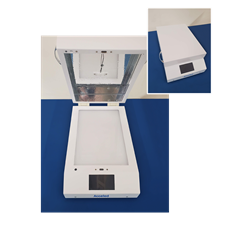
The cLight offers uniformity across single or multi-plate catalysis experimentation for faster, repeatable, comparable results.

Acceled LLC, providers of benchtop instruments designed for chemists and researchers seeking to accelerate chemical reactions using photoredox catalysis, announces today the introduction of the cLight. The cLight joins the Acceled Photoreactor product line to add versatility and functionality for biochemists. The cLight, ideal for drug discovery and university research, allows for:

  • Single or multi-plate catalysis experimentation
  • Uniform LED illumination and cooling in a single device
  • Enhanced statistical comparison between protein interaction networks
  • User-customized time, light intensity, and temperature
  • Faster, repeatable, comparable results


Acceled’s expanded product line now supports growth plates as well as vial sizes GC, 4, 8, 30, and 40 ml. This increased versatility and compact footprint allow for expanded experiment design and fit:

  • External dimensions: 18″ L x 11.375″ W x 6.7″ H
  • LED active area: 12.9” x 8.6”
  • 4.3″ diagonal touch screen
  • “6-plex” dish at 90.5mm (3.56″) diameter holds up to six dishes
  • > 95% uniformity across working area of illumination


Biochemistry research must ramp up to meet the demands for innovation in genetic research, pharmaceuticals, proteomics, diagnostics, and food science. Acceled’s Photoreactor m2 and new cLight instruments support these aggressive innovation pipelines.

Prominent universities and top pharmaceutical companies around the world rely on Acceled’s photoreactor platform. The cLight is now available for order at acceledbio.com/cLight.

ABOUT ACCELED

The scientists and engineers behind Acceled are focused on bringing novel photocatalysis technology and products to researchers seeking to accelerate chemical reactions using photoredox catalysis. Their best-in-class tools support researchers and scientists dedicated to solving real-world challenges in drug discovery, pharma, proteomics, and basic material research. Learn more at https://www.acceledbio.com/.

Share article on social media or email:
Athens Research and Technology, Inc. recognized as Exporter of the Year


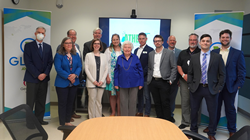
Georgia's Annual Globe Award recognition ceremony at Athens Research and Technology with CEO John Mitchell, Ga.gov's Deputy Commissioner of International Trade, Mary Waters and a number of Athens business leaders.

A number of Athens business leaders gathered May 25th for the presentation of the Annual Globe Award for Exporter of the Year to principals at Athens Research & Technology.

“The Georgia Department of Economic Development is proud to recognize ART as Exporter of the Year. Exporting may not be easy, but ART is a fantastic case study of how Georgia’s small businesses successfully serve the global market …,” said Mary Waters, Deputy Commissioner of Intl Trade.

The Georgia Department of Economic Development announced the winners of their annual Globe Awards on May 23rd, 2022. Among the awards were three top designations for Exporter of the Year. Athens Research and Technology, Inc. (ART) was the recipient of the Exporter of the Year award for a business with less than 20 employees. The award was presented at the laboratory to ART’s CEO, John Mitchell, on May 25th by Mary Waters, the Deputy Commissioner of International Trade for the State of Georgia.

“The award is really a recognition of the excellent work ART has done over the past 30 years in the international marketplace,” said Mitchell. “We appreciate the support and resources that Georgia’s International Trade Group provides to small businesses.”

Waters and her colleague, Alex Hinton, traveled from Atlanta to present the Crystal Globe Award to a crowd of local business leaders and ART’s first employee (now retired), Jinx Patel, Ph.D.

“Georgia’s record-setting trade numbers are achieved by the hard work of small businesses all across the state. These companies have demonstrated long-term commitment to pursuing new international customers, even in challenging times. Athens Research and Technology is an important example of how companies continue to find new avenues for global growth. While ART has served global customers for years, in 2021 they found new ways to support existing customers while engaging new contacts in key markets. The Georgia Department of Economic Development is proud to recognize ART as Exporter of the Year. Exporting may not be easy, but ART is a fantastic case study of how Georgia’s small businesses successfully serve the global market. We look forward to continuing to support a great company as they look at new markets in the years to come,” Waters explained.

“We are extremely proud of long-time Georgia Bio member, Athens Research & Technology, Inc., for their adaptability and tenacity in overcoming pandemic challenges to win this award. It is well deserved,” said Maria Thacker Goethe, CEO, Georgia Bio and the Center for Global Health Innovation (CGHI). “ART is renowned for defining the industry standard for proteins, and Georgia is lucky to have them.”

Athens Research and Technology was founded in 1986 by a handful of University of Georgia researchers and local physicians. As an early start-up out of the University of Georgia, the success of ART and the recent Globe Award is an enormous point of pride for UGA’s Innovation Gateway program.

“As one of the very first companies founded on University of Georgia research (circa 1986), ART has been a trailblazer for UGA innovators and entrepreneurs for more than 30 years. The company’s success and engagement in the local life science community have contributed to our region’s rapidly growing innovation ecosystem,” said Derek Eberhart, the Associate Vice President for Research and Executive Director, Innovation Gateway at the University of Georgia.

Athens Research & Technology is well known throughout the life science industry as a leader in producing purified proteins for further manufacturing and research. The company has been included in more than 1500 scientific publications in just the past decade, and exports its products to 28 countries, enjoying strong relationships with universities and pharmaceutical research labs around the globe.

In attendance at the May 25th awards ceremony were Athens’ Mayor, Kelly Girtz, Athens-Clarke County Chamber President, David Bradley, and Ilka McConnell, the Director of Economic Development for Athens-Clarke County. All expressed appreciation and excitement for the crucial strides ART has made to not only make Athens, GA, known worldwide but also for its innovation and dedication to life sciences and the betterment of the industry.

Share article on social media or email:
Absolute Antibody Expands Prometheus™ Antibody Humanization Service to Include Non-Murine Origin Species


News Image

Expanding our antibody humanization service to popular non-murine species enables therapeutics developers to harness the functional and structural advantages of antibodies from non-traditional source organisms.

Absolute Antibody Ltd., an industry-leading provider of recombinant antibody products and services, today announced the expansion of its Prometheus™ antibody humanization service to offer humanization from non-murine origin species, including rabbit antibodies and single-domain camelid nanobodies. The service can now deliver humanized antibodies from a wide range of species, while maintaining antibody expression levels and functionality.

Humanization is a critical step in the development pathway of all therapeutic antibodies derived from non-human sources. Typical humanization platforms are optimized for humanizing mouse or rat antibodies, which are structurally similar to human antibodies. However, drug discovery campaigns are increasingly initiated in non-murine models, such as rabbits and camelids. These species offer a range of advantages over more traditional sources of monoclonal antibodies, but structural differences have made humanization challenging.

The Prometheus™ humanization service, initially focused on mouse or rat antibodies, has now expanded to include rabbit antibodies and single-domain camelid nanobodies. The service delivers a full panel of humanized antibody variants, guaranteeing to produce a variant with comparable activity to the parent clone. It is uniquely focused on enhancing antibody manufacturability, leading to increased expression, lower aggregation, and long-term stability and solubility.

“Expanding our antibody humanization service to popular non-murine species enables therapeutics developers to harness the functional and structural advantages of antibodies from non-traditional source organisms,” said Dr. Michael Fiebig, Chief Scientific Officer at Absolute Antibody. “Our team specializes in antibody engineering, and we’re always excited to support the innovative scientists working to improve the characteristics of next-generation biotherapeutics.”

Absolute Antibody’s humanization approach was informed by analyzing manufacturability data for more than 100 therapeutic antibodies to identify preferential manufacturing properties. The process uses structure-guided CDR grafting onto preferred germline backbones selected for these key manufacturability properties, delivering humanized antibodies with the robust manufacturability required for large-scale clinical production. The Prometheus™ antibody humanization service is royalty-free and has been used to successfully complete more than 100 humanization projects.

For more information, please visit our website or download our new humanization research poster.

About Absolute Antibody, Ltd.

Absolute Antibody is a rapidly growing company with a vision to make recombinant antibody technology accessible to all. We offer antibody sequencing, engineering and recombinant production as custom services, as well as a unique catalog of recombinant antibodies, engineered into new and useful formats. Visit absoluteantibody.com for more information.

Share article on social media or email:

Astrix Adds Veteran Life Science IT Executive Leadership to the Board of Directors


Astrix has created a unique one-stop-shop where they deliver the people, processes, and a technology agnostic approach to solve the most complex challenges for life sciences companies,” said Sandy Tremps.

Astrix, the market-leaders in strategic, technical & staffing services for life science organizations, announced today the appointment of Sandy Tremps to its board of directors. Sandy is a successful industry veteran bringing over 30 years of life sciences IT leadership to Astrix.

“Digital transformation remains a top priority for the life sciences industry and that’s not changing anytime soon.” said Dale Curtis, CEO of Astrix. “There’s no better way to drive value for clients than having a successful executive helping guide strategic direction at Astrix. We’re excited to have a wildly successful industry veteran like Sandy on board and look forward to her insights & contributions.”

Sandy’s experience spans many aspects of IT including delivery, strategic planning, portfolio management, compliance, and process management. She joined Merck & Co., Inc. in 1988 and led IT organizations across multiple divisions and spanning critical programs in support of Merck Research Laboratories (MRL) Global Development, MRL Pre-Clinical, Global Human Health (GHH) Emerging Markets, Merck Manufacturing Division (MMD) IT Automation and MMD Project 2000. She served as divisional CIO for Merck Research Laboratories from 2016-2021.

“Astrix has created a unique one-stop-shop where they deliver the people, processes, and a technology agnostic approach to solve the most complex challenges for life sciences companies,” said Sandy Tremps. “I’m excited to share my expertise and insights to help fine-tune Astrix’s strategy so that we can continue to deliver the highest level of value for clients.”

Sandy’s appointment to the Astrix Board of Directors is effective as of May 1, 2022.

About Astrix

For over 25 years, Astrix has been the market-leader in specialized strategic, technical, & staffing services for life sciences and other science-based organizations. Our proven approach delivers innovative solutions through world class people, process, and technology which fundamentally improve scientific outcomes and the quality of life everywhere. Astrix was founded by scientists to solve the unique challenges which life sciences and other science-based organizations face in the laboratory and beyond. We’re dedicated to helping our clients speed & improve scientific outcomes to help create a better world through science.

For more information on Astrix, please visit http://www.astrixinc.com.

Share article on social media or email:

Pathomation announces CE-IVD mark for clinical diagnostic use of vendor neutral PMA.core software


Pathomation, a leading pioneer in universal digital pathology software solutions, is excited to announce obtaining the CE-IVD mark for PMA.core 3.0 a software platform for managing, distributing, viewing and annotating digital images of human tissue slides, scanned using any commercially available slide scanner capable of producing whole slide images in a supported file format.

The PMA.core tile server and the PMA.UI Pathologist User Interface can be integrated in other pathology software solutions, such as LIS/LIMS to offer a full digital pathology work suite or PACS for archiving and viewing, and even image analysis (IA) artificial intelligence (AI/ML/DL) algorithms for automated slide interpretation. With the CE-IVD mark pathologists can be confident about using digital pathology for diagnostic purposes regardless of image file formats. “This is an important milestone for both Pathomation and the diagnostic pathology labs,” commented Pathomation COO Rudy Hovelinck. “The additional benefit of using a vendor neutral solution that can handle scanner proprietary formats offers freedom and flexibility for the lab to combine different scanner types without the hassle of using and validating all the respective image viewers. The reality today is that there is no universal slide scanner able to cover the full spectrum of sample types and staining techniques used in the labs. As a vendor neutral viewing solution, PMA.core 3.0 allows labs to combine different scanners types that are optimally suited for those parameters and have a unified viewing solution. In essence we now have a single digital microscope for the pathologist that can view every scanned image.”

PMA.core 3.0 was validated for diagnostic use in histopathology of scanned slides stained with hematoxylin and eosin (HE), immunohistochemical (IHC) stainings or in situ hybridization (ISH) and meets the validation criteria of the College of American Pathologists (Evans et al, Arch Pathol Lab Med 2021) for diagnostic use of whole slide images. Two routine pathology labs each performed an independent evaluation study to support the clinical diagnostic claim by comparing the clinical conclusions of conventional microscope diagnosis versus the digital pathology diagnosis.

About Pathomation:

Pathomation was founded in Belgium in 2012 and develops digital pathology solutions for a diverse clientele ranging from pharmaceutical industry, biotech, CROs, academic teaching facilities and diagnostic pathology labs. Managing whole slide images is the core business of Pathomation and the ‘PMA’ software solutions support over 30 different proprietary file formats.

About PMA.core 3.0

PMA.core 3.0 is a software platform for managing, distributing, viewing and annotating digital images of human

tissue slides, scanned using any commercially available slide scanner capable of producing whole slide images in a supported file format. It is intended as an aid to the pathologist to review and interpret digital images for the purpose of primary histopathological diagnosis, including the measurement of any distances or surface areas relevant to making a diagnosis the pathologist annotated on these images. Visit us at https://www.pathomation.com/ or contact info@pathomation.com for more information.

Share article on social media or email:

AGBT and The Helen Hay Whitney Foundation Announce New Precision Health Fellowship in Genomics


Advances in Genome Biology and Technology (AGBT) and the Helen Hay Whitney Foundation (HHWF) have partnered to award a new postdoctoral research fellowship that grants financial support to help further the careers of the next generation of genomics scientists engaged in biological or medical research.

Since 1947, The HHWF Fellowship has been providing independent postdoctoral research support to young biomedical scientists. The Foundation recognizes and encourages independent thinking, creativity, and passion for scientific discovery. The HHWF Fellowship Program has excelled at nurturing young scientists, who go on to contribute significantly to the advancement of biomedical research, in many cases with landmark discoveries recognized by major awards.

Applications for the 2023 Postdoctoral Research Fellowship can be submitted through 5:00pm EST, June 15, 2022 at http://hhwf.org/research-fellowship/application/.

###

About AGBT:

AGBT is the world-renowned, not-for-profit provider of three prestigious conferences and networking events for the leading luminaries and change-makers of the life sciences and global biotech community. AGBT delivers a trifecta of preeminent conferences and networking events for the world’s top genome science and technology researchers, leaders, and innovators to share the latest advances, discoveries, and breakthroughs with influential peers and key decision-makers. By providing opportunities for the global scientific community and technology industry to gather and collaborate in casual, intimate settings, AGBT functions as a key player in advancing DNA sequencing technologies, driving novel applications, and furthering experimental and analytical approaches for genomic studies in the public and private sectors. For more information, visit http://www.agbt.org.

Share article on social media or email: