Category Archives: Science: Biology

Cutting edge research is happening on a daily basis in our modern world, Keep up to date with our Press Release services.

GENH2 Partners with H2 GENESIS to Provide Small-Scale Hydrogen Liquefaction


“We are looking forward to working with our partners at H2 Genesis to begin our build-out in Florida and to expand nationwide and globally.” Greg Gosnell, President and CEO of GenH2

GenH2, an industry leader in hydrogen infrastructure solutions, today announced that the company has signed a partnership agreement with H2 Genesis, a leading liquid hydrogen infrastructure and operations company, to deliver liquid hydrogen across North America. In their first collaboration, GenH2, as manufacturer, and H2 Genesis, as owner-operator, will deploy the GenH2 LS20 Mobile Liquid Hydrogen System, an end-to-end liquefication and storage system, to several locations in the United States starting with Florida.

H2 Genesis, founded in 2021, is focused on proliferating access to the LH2 molecule for users of all sizes to advance the hydrogen economy. Through GenH2’s modular/flexible technology, the goal is to get liquid hydrogen in more hands than ever before and under a more near-term timeline that other technologies can provide. The first LH2 molecule is set to be delivered in 2023 with rapid expansion of the delivery network in subsequent years.

H2 Genesis focuses on asset development, hydrogen distribution, and infrastructure operations and service. Through the partnership with GenH2, H2 Genesis plans to facilitate the distributed hydrogen economy by developing over 1,600 MWdc of renewables power production and delivering of ~145,000 kg per day of liquid hydrogen by 2028.

“Hub development must provide access to all users, including those from traditionally marginalized communities or those with smaller yet important needs,” said Ben Frickel, Managing Director of H2 Genesis. “We seek to break down that bottleneck by providing researchers, innovators and industry with an effective supply of liquid hydrogen so that they can optimize the utility around this powerful molecule.”

The LS20 functions both as a stationary unit, or on a trailer for mobile use, which takes up significantly less space than most liquid hydrogen systems currently available. This mobile system will be the catalyst to developing a wide network of liquid hydrogen delivery. The units will enter the market in late 2023.

“We are looking forward to working with our partners at H2 Genesis to begin our build-out in Florida and to expand nationwide and globally,” added Greg Gosnell, President and CEO of GenH2. “Once deployed, these solutions will be an innovative addition to the options for advanced clean energy.”

As a complete system, the LS20 can liquefy, store, and dispense liquid hydrogen from any gaseous hydrogen source, such as a storage tank or an electrolyzer. The LS20 also serves as a foundation for higher capacity GenH2 systems including the 100Kg LH2 per day and 1,000Kg LH2 per day solutions.

“This is the first of its kind in advanced mobile liquefaction, storage, and delivery modules,” Frickel added. “The mobile system will be the catalyst for our company to form a wide network of liquid hydrogen delivery.”

About GenH2

GenH2 is a technology leader in hydrogen infrastructure systems for advanced clean energy. GenH2 solutions will allow for safe liquefaction, storage, and distribution of liquid hydrogen. The company will focus on mass-producing light-scale equipment to speed infrastructure buildout and make hydrogen accessible for everyday use around the globe. The Titusville, Florida-headquartered technology team includes former NASA researchers and developers who possess decades of experience researching, engineering, and building hydrogen solutions. Learn more about GenH2 at http://www.DiscoverHydrogen.com.

About H2 Genesis

H2 Genesis was formed in 2021 to be the leading liquid hydrogen infrastructure and service company in support of the hydrogen economy. We are a passionate group of engineers, scientists, developers and financial professionals with the goal of growing the hydrogen economy to the next level. For more information about H2 Genesis visit https://www.h2-genesis.com/.

Safe Harbor Statement

This release of communication possesses “forward-looking statements” in accordance with the Private Securities Litigation Reform Act of 1995 that involve risks and uncertainties about GenH2 and H2 Genesis, including but not limited to statements about: the expected benefits of the long-term strategic partnership between GenH2 and H2 Genesis; The expectation that GenH2’s partnership with H2 Genesis will strengthen its value chain and allow H2 Genesis to meet growing demand Liquid Hydrogen.

Share article on social media or email:

Project InnerSpace Launches Major Collaboration to Map Geothermal Resources Around the Globe


Project InnerSpace

It’s time to go big or go home in building this massive clean energy source beneath us into a major player in our future energy mix. I am excited to support Dr. Fuchs and his supporting global team of scientists to help us push aggressively toward that goal.

Project InnerSpace, a non-profit organization whose core objective is to advance geothermal development into terawatts of output at a cost competitive with other renewables, today launched a two-year collaboration with the International Heat Flow Commission (IHFC) and the German Research Centre for Geoscience GFZ, Potsdam (GFZ) to accelerate the Global Heat Flow Database assessment for geothermal analyses. The effort, supported by a global team of scientists, is funded by a $700K Project InnerSpace grant and led by Dr. Sven Fuchs of GFZ, the custodian of the IHFC’s heat flow database.

The collaboration supports the ongoing systematic revision of the Global Heat Flow Database, currently performed by a network of voluntary scientists. Since 2020, researchers have been updating incorrect, inconsistent, and missing data entries according to a new modernized metadata scheme, and categorizing each data entry based on data quality. Project InnerSpace’s support will expand and accelerate these efforts to maximize the database’s potential for geothermal assessment. A majority of work on continental data will be complete by 2024, and work on oceanic data will be complete by 2025. The data will be publicly released by the IHFC after its completion. Concurrently, Project InnerSpace is working with a large technology partner to incorporate the results into a freely accessible spatial platform, the goal of which is to inform and accelerate decisions on advancing geothermal exploration and development.

“The substantial financial support provided by Project InnerSpace enables us to achieve the necessary revision of global heat-flow data much faster, and also facilitates the sustainable development of geothermal energy applications all over the world,” commented Dr. Sven Fuchs of GFZ. “We very much appreciate the strong support for our mission by Project InnerSpace.”

Work will commence in March 2023, funded by the $700K (€ 640K) Project Innerspace grant. The grant supports two full-time scientists and a team of ten collaborating senior scientists, who will act as supervisors for a global network of 10 – 15 students and approximately 25 visiting scientists supported by the Heatflow Fellowship Program.

Funding and supporting this collaboration is one of several initiatives associated with Project InnerSpace’s two-phase strategic plan for catalyzing the deployment and growth of geothermal energy worldwide. The primary objective of Phase I, which this collaboration will support, is to create an interactive global geothermal platform, free and accessible to all, that can inform, de-risk, and accelerate decisions in the early stages of geothermal project development. In Phase II of its strategic plan, Project InnerSpace will support first-of-their-kind geothermal pilots in strategic locations across the globe. By removing the major barriers to geothermal development by the end of this decade, Project InnerSpace hopes to unlock significant private investment in geothermal projects and accelerate the global energy transition.

“As the world struggles to find a viable path toward a just, abundant, and efficient decarbonized future, geothermal is a beacon,” said Jamie Beard, Project Innerspace’s Founder and Executive Director. “It’s time to go big or go home in building this massive clean energy source beneath us into a major player in our future energy mix. I am excited to support Dr. Fuchs and his supporting global team of scientists to help us push aggressively toward that goal.”

About Project InnerSpace: Project InnerSpace is a 501(c)3 non-profit focused on expanding the use of geothermal energy globally. We combine the voices of visionaries, entrepreneurs, and disruptors with the breakthrough expertise of geologists, drilling experts, and well engineers to build a future where geothermal will enable the world to meet its climate and energy goals. http://www.projectinnerspace.org

Share article on social media or email:

Evaluating the Immune System from Discovery to Safety Assessment, Upcoming Webinar Hosted by Xtalks


It is increasingly important and challenging to evaluate and understand the scope of immune system effects that can occur with these and other therapies.

The immune system is extraordinarily dynamic, responsive and powerful. Recent advances have highlighted the potential of the immune system to contribute to and effectively treat disease. Cancer immunotherapies have heralded an age of developing therapies that affect or are designed to target the immune system in complex ways. It is increasingly important and challenging to evaluate and understand the scope of immune system effects that can occur with these and other therapies. In this webinar, the featured speaker will discuss key concepts and considerations for evaluating the immune system across preclinical drug development — from discovery to preclinical safety assessment.

The speaker will discuss the types of immunotoxicology and immunopathology approaches involved in evaluating immune system changes, reporting expectations such as basic report components, interpretation of findings, adversity determination, immunologic correlates and the importance of integrating data sets to the impact (and adversity) of immune system changes.

Register today and learn the importance of evaluating the immune system across preclinical drug development.

Join Tracey L. Papenfuss, DVM, PhD, MS, DACVP, Senior Pathologist, StageBio, for the live webinar on Wednesday, March 8, 2023, at 11am EST (4pm GMT/UK).

For more information, or to register for this event, visit Preclinical Drug Development: Evaluating the Immune System from Discovery to Safety Assessment.

ABOUT XTALKS

Xtalks, powered by Honeycomb Worldwide Inc., is a leading provider of educational webinars to the global life science, food and medical device community. Every year, thousands of industry practitioners (from life science, food and medical device companies, private & academic research institutions, healthcare centers, etc.) turn to Xtalks for access to quality content. Xtalks helps Life Science professionals stay current with industry developments, trends and regulations. Xtalks webinars also provide perspectives on key issues from top industry thought leaders and service providers.

To learn more about Xtalks visit http://xtalks.com

For information about hosting a webinar visit http://xtalks.com/why-host-a-webinar/

Contact:

Vera Kovacevic

Tel: +1 (416) 977-6555 x371

Email: vkovacevic@xtalks.com

Share article on social media or email:

Texere Publishing Fortifies US Presence with C&EN’s Former Vice President and Editor in Chief


Texere Publishing Appoints Bibiana Campos-Seijo as Strategic Advisor

Bibiana Campos-Seijo: “Texere has become what a lot of media companies aspire to be: nimble, innovative, and disruptive… and I’m excited to join their ranks and help further accelerate their expansion in new and existing markets.”

Texere Publishing Inc is delighted to announce that Bibiana (“Bibi”) Campos Seijo has accepted a position as Strategic Advisor.

The recipient of the 2021 G. D. Crain Jr. Leadership award in recognition of “outstanding contributions to the development of editorial excellence in business media,” Bibi has held a string of high-profile positions.

Bibi spent the last eight years at the American Chemical Society, Washington, D.C., as Vice President of C&EN Media and Group, and Editor in Chief of C&EN, leading a team of around 50 staff across editorial, audience, creative, product, and operations functions. There, among many other achievements, Bibi established an awards program (C&EN’s Talented 12), an annual event (C&EN Futures Festival), and an award-winning custom content unit (C&EN BrandLab).

Before that, Bibi spent over six years at the Royal Society of Chemistry, Cambridge, UK, as Editor in Chief, Chemistry World, and Publisher, Magazines.

Speaking of the appointment, Andy Davies, CEO of Texere, said, “Texere is and always will be committed to attracting the very best talent – it is a cornerstone of our success. Bibi is a perfect example of this approach. Bringing a wealth of proven experience not only in content delivery but also in forming strong networks and partnerships, Bibi will play an important strategic role in our continued expansion into the North American market and beyond.”

Content Director Rich Whitworth added, “I’ve had the pleasure of crossing paths with Bibi at several events over the last 10 years – and, in between times, I’ve simply admired her work from afar. I am very much looking forward to collaborating closely with Bibi on a number of exciting projects – the details of which I am sure we’ll reveal as the year and partnership progresses!”

Bibi commented, “Texere has become what a lot of media companies aspire to be: nimble, innovative, and disruptive. I’ve been very impressed with the pace of growth that Texere has seen in its first decade – and I’m excited to join their ranks and help further accelerate their expansion in new and existing markets.”

ENDS

About Texere Publishing

At Texere Publishing, we deliver compelling, behind the scenes stories that matter in the life sciences and medicine. Our unrivaled access to key opinion leaders, influencers, scientists, and doctors who are making a difference, allows us to connect our readers to the pulse of their fields. Founded in 2012, we have expanded our editorial beat around the world with a physical presence in the US, Canada, and the UK. Visionary. Innovative. Fearless. Join us on our journey to cover the stories that matter to you.

Publishers of The Analytical Scientist, The Cannabis Scientist, The Medicine Maker, The Ophthalmologist, The New Optometrist, The Pathologist, The Translational Scientist and ID Transmission.

texerepublishing.com | Twitter | LinkedIn | Instagram | Facebook

MEDIA CONTACTS:

Katy Pearson | Marketing Manager

+44 (0) 1565 745 200 | katy.pearson@texerepublishing.com

Share article on social media or email:



The Bioeconomy 500 for 2023 Includes Advanced Biofuels USA Executive Director and Board Member


“We are pleased to enjoy the international recognition from the bioeconomy community reflected by our inclusion in this prestigious listing. We look forward to celebrating the achievements of all The 500 at The Digest’s Advanced Bioeconomy Leadership Conference…”, noted Ivancic.

The Bioeconomy 500 for 2023, published today by The Daily Digest, lists outstanding leaders of the bioeconomy’s development and deployment. The 500 honors scientists, engineers, policy makers, financiers, project developers, feedstock pioneers, offtakers, advocates and supply-chain and distribution partners in the US and around the world.

Among those listed are Joanne Ivancic, executive director of Advanced Biofuels USA, a nonprofit educational organization based in Frederick, MD that counts its free online library of more than 45,000 indexed items as key to its contribution to the transition from a fossil-based to a renewable economy. Advanced Biofuels USA is a bioeconomy resource for everyone from opinion-leaders, decision-makers and legislators to industry professionals, investors, feedstock growers and researchers, as well as journalists, teachers, students, and the general public.

Chris Tindal, a long-time board member and supporter of Advanced Biofuels USA and Assistant Director at the Commercial Aviation Alternative Fuels Initiative (CAAFI) is also recognized for his on-going contributions. Tindal’s influence on the transition from fossil-based to renewable fuels goes back to his leadership as the Director for Operational Energy underneath the Deputy Assistant Secretary of Navy for Energy, from which he retired, where he was in charge of setting energy policy and direction for the Department of the Navy and promoting the adoption of alternative fuels and renewable energy resources. Additionally, he developed intergovernmental, international, and industry relationships throughout the energy field. He was the Navy leader of the pioneering U.S. Department of Agriculture/ U.S. Department of Energy/ U.S. Navy Alternative Fuels Initiative which developed programs to launch the advanced biofuels industry. In his role, Chris successfully led the Great Green Fleet effort, in which the U.S. Navy acquired and used 77 million gallons of F-76 renewable diesel blend for their ships in the Great Green Fleet deployment in 2016.

“The bioeconomy has grown leaps and bounds in the past 10 years,” said Digest editor Jim Lane, “and it is usually told as a story of technologies and Net Zero pledges — but it is individuals who actually translate opportunity into accomplishment, and the Bioeconomy 500 recognizes those individuals who played the leading part. Congratulations to all the winners and the friends who nominated, voted and campaigned for them.”

“We are pleased to enjoy the international recognition from the bioeconomy community reflected by our inclusion in this prestigious listing. We look forward to celebrating the achievements of all The 500 at The Digest’s Advanced Bioeconomy Leadership Conference this March in Washington, DC,” noted Ivancic.

About Advanced Biofuels USA

Advanced Biofuels USA, a nonprofit educational organization advocates for the adoption of advanced biofuels as an immediate energy security, military flexibility, economic development, climate change mitigation and pollution control solution. Our key tool for accomplishing this is our web site, http://www.AdvancedBiofuelsUSA.org with a more than 45,000-item online library, a resource for everyone from opinion-leaders, decision-makers and legislators to industry professionals, investors, feedstock growers and researchers; as well as journalists, teachers, students and the general public. Technology neutral and feedstock and product agnostic, Advanced Biofuels USA’s work is respected around the world.

In addition, we prepare technology assessments, present briefing documents to Congressional staff, participate in international conferences on renewable fuels, provide both background and attributed interviews for a wide range of journalists and broadcast reporters, consult with international conference organizers, conduct presentations and lecture for civic and school groups, and provide general assistance to those interested in any facet of the world of advanced biofuels.

Share article on social media or email:
Global Clinical Sample Challenges — New Strategies for Molecular Testing & Flow Cytometry Panel Development, Upcoming Webinar Hosted by Xtalks


Each technology’s benefits and limitations must be considered along with the data that will be generated when deciding which is most appropriate for a specific molecular analysis.

Join this webinar to hear the featured speakers address global clinical sample challenges, with a focus on logistical considerations, new strategies for molecular testing, and flow cytometry panel development.

Clinical trials and investigational products are becoming more complex, such as within the field of cell and gene therapy, and so is the bioanalytical testing of patient samples. Such complex sample analysis plans necessitate diligent sample management and processing procedures, as well as careful selection of the most appropriate downstream testing methods and platforms especially considering that patient samples are limited. LabConnect’s sample processing, sample tracking and scientific support services work cross-functionally with partner labs around the world to ensure samples meet all testing requirements.

In clinical trials, flow cytometry analyses provide deep interrogation of cell populations. Therefore, it is critical to develop highly adaptable panels to meet the unique challenges of global trials. Highly flexible panels that consist of a validated backbone in multiple matrices and adaptable add-on packages to interrogate specific populations of interest are an efficient and cost-effective method that will provide quality, consistent and comparable reportable readouts across drug development programs.

Molecular testing is another powerful tool often utilized across many clinical sample types to help drive clinical research. While sample processing is important for these analyses, so too is selection of the downstream technology itself. Next-generation sequencing (NGS), RNA-sequencing (RNA-seq) using NGS, quantitative polymerase chain reaction (qPCR) and digital droplet PCR (ddPCR) are frequently used to evaluate impacts of investigational products and measure endpoints in clinical trials. Each technology’s benefits and limitations must be considered along with the data that will be generated when deciding which is most appropriate for a specific molecular analysis. LabConnect’s technical experts work with scientists at partner labs when evaluating approaches to ensure the needs of study sponsors are met.

Join experts from LabConnect, Joseph Marino, Sr Director, Scientific Operations; Dr. Loren Blake, MD, Study Director, Scientific Operations; and Rebecca McKee, Sr Scientific Project Manager, for the live webinar on Wednesday, March 1, 2023, at 11am EST (4pm GMT/UK).

For more information, or to register for this event, visit Global Clinical Sample Challenges — New Strategies for Molecular Testing & Flow Cytometry Panel Development.

ABOUT XTALKS

Xtalks, powered by Honeycomb Worldwide Inc., is a leading provider of educational webinars to the global life science, food and medical device community. Every year, thousands of industry practitioners (from life science, food and medical device companies, private & academic research institutions, healthcare centers, etc.) turn to Xtalks for access to quality content. Xtalks helps Life Science professionals stay current with industry developments, trends and regulations. Xtalks webinars also provide perspectives on key issues from top industry thought leaders and service providers.

To learn more about Xtalks visit http://xtalks.com

For information about hosting a webinar visit http://xtalks.com/why-host-a-webinar/

Contact:

Vera Kovacevic

Tel: +1 (416) 977-6555 x371

Email: vkovacevic@xtalks.com

Share article on social media or email:
Molecular Devices inks deal with HUB Organoids to advance automated intestinal organoid screening technology


News Image

Through this collaboration, we will enable the scale and reproducibility that drug hunters need to confidently participate in a new era of drug discovery and development.

Molecular Devices, LLC., a leading provider of high-performance life science solutions, and HUB Organoids (HUB), the pioneer in the field of adult stem cell-derived organoids, today announced a strategic collaboration enabling continued development of next-generation 3D biology technologies that drive step-change reduction in pre-clinical to clinical drug attrition.

Under terms of the agreement, Molecular Devices will license cutting-edge HUB Organoid Technology to work with patient-derived intestinal organoids, expanding Molecular Devices’ 3D biology expertise beyond organoid types like heart and brain. The physiologically-relevant adult stem cell-derived organoids closely resembling human biology, will be used to demonstrate proof of concept for an end-to-end automated workflow that encompasses instrumentation and software analysis.

“Aligning with HUB Organoids supports our mission to fully automate complex protocols that increase efficiency and precision of biologically testing new therapeutics and future medications for patients,” said Susan Murphy, President of Molecular Devices. “HUB’s proven technology has been used to select drugs for Phase 1 clinical trials. Through this collaboration, we will enable the scale and reproducibility that drug hunters need to confidently participate in a new era of drug discovery and development.”

According to HUB, HUB Organoids® can speed up the drug development timeline to about five years, down from the industry’s expected 10- to 15-year bench-to-bedside window. Organoid applications coupled with innovative, automated solutions from Molecular Devices that culture, image, and analyze 3D models repeatably, give researchers an opportunity to screen with more physiologically relevant cell systems in a high-throughput manner to get drugs to market faster.

“With this new license deal, we are bringing together HUB´s world-leading organoid technology with Molecular Devices´ innovative, end-to-end workflow solutions, empowering scientists to increase the throughput for their experiments and tests,” said Bahar Ramezanpour, CBO at HUB. “We believe this partnership will enable scientists to achieve greater scale and reproducibility when working with patient-derived organoids.”

In 2022, the U.S. Senate unanimously passed the FDA Modernization Act 2.0 aimed at reducing animal testing in the drug discovery process. More physiologically relevant cell models like organoids have the potential to fill the gap as they better predict how a potential drug candidate will affect patients.

To learn more about Molecular Devices’ work advancing organoid research, click here.

About Molecular Devices

Molecular Devices is one of the world’s leading providers of high-performance bioanalytical measurement systems, software and consumables for life science research, pharmaceutical and biotherapeutic development. Included within a broad product portfolio are platforms for high-throughput screening, genomic and cellular analysis, colony selection and microplate detection. These leading-edge products enable scientists to improve productivity and effectiveness, ultimately accelerating research and the discovery of new therapeutics. Molecular Devices is committed to the continual development of innovative solutions for life science applications. The company is headquartered in Silicon Valley, California with offices around the globe. Visit Molecular Devices at http://www.moleculardevices.com.

About HUB

HUB Organoids (HUB) is the global leader in the field of adult stem cell-derived organoid. The technology invented by HUB’s scientists in the lab of world-renowned Prof. Hans Clevers represents a paradigm shift for drug discovery and development, preclinical patient stratification, predictive diagnostics, personalized medicine, clinical trials, regenerative medicine, and companion diagnostics. HUB offers licenses to its proprietary technology, provides drug screening services and access to its living organoid biobanks. Visit HUB at http://www.huborganoids.nl.

###

Share article on social media or email:

Immunization Stress-Related Response Mimics Vaccine-induced Anaphylaxis to COVID-19 Vaccines


AAAAI Logo

It is important that healthcare professionals are able to recognize ISRR so they can properly distinguish it from anaphylaxis following vaccination.

COVID-19 mRNA Vaccine-induced Immunization Stress-Related Response (ISRR) mimics many symptoms of anaphylaxis, which is likely one of the explanations for higher reports of allergic reactions during COVID-19 vaccination. These findings are being presented at the 2023 Annual Meeting of the American Academy of Allergy, Asthma & Immunology (AAAAI) by Muhammad B. Khalid, MD, who led the research with Dr. Pamela A. Frischmeyer-Guerrerio, MD, PhD. Dr. Khalid is a clinical fellow in the Laboratory of Allergic Diseases of the National Institute of Allergy and Infectious Diseases (NIAID), part of the National Institutes of Health. Dr. Guerrerio is the principal investigator for this research and chief of the NIAID Laboratory of Allergic Diseases.

COVID-19 mRNA vaccine anaphylaxis has been reported at higher rates than conventional vaccine anaphylactic reactions. Dr. Khalid and colleagues examined the safety of additional COVID-19 vaccinations in patients who experienced a systemic allergic reaction after their first dose. NIAID sponsored and funded the clinical trial, which took place under carefully controlled conditions at the NIH Clinical Center in Bethesda, Maryland.

For the study, 16 patients who reported a systemic allergic reaction after their first Pfizer-BioNTech or Moderna COVID-19 vaccine dose were randomized to receive either a second dose of the Pfizer-BioNTech vaccine followed by a placebo shot the next day or a placebo shot followed by a second dose of the Pfizer-BioNTech vaccine the next day. Additionally, 13 of these participants received an unblinded Pfizer-BioNTech booster dose and had skin testing performed.

Nine patients developed immediate non-allergic symptoms after receiving the second dose of the Pfizer-BioNTech vaccine and 11 participants developed immediate non-allergic symptoms following placebo, with a median onset of three minutes following administration. Symptoms included numbness, tingling, dizziness, throat tightness, dysphagia, and transient hypertension, all of which are consistent with ISRR. Of these reactions, 45% were considered moderate to severe. Only three patients developed a recurrent allergic reaction after receiving the Pfizer-BioNTech vaccine, with a median onset of four minutes after vaccination. No participants who received the placebo subsequently developed an allergic reaction.

After completing the unblinded booster, 10 out of 13 patients experienced ISRR symptoms and one patient had a recurrent allergic reaction. Two individuals in the study tested positive with Pfizer-BioNTech vaccine intradermal testing, and all undergoing excipient skin testing had negative results.

While anaphylaxis can rarely occur following COVID-19 vaccination, ISRR is a highly under-recognized mimic, Dr. Khalid and colleagues report. Due to the similarity of ISRR symptoms to those of anaphylaxis, the rate of true anaphylaxis following COVID-19 vaccination is likely lower than estimated, based on the study findings. It is important that healthcare professionals are able to recognize ISRR so they can properly distinguish it from anaphylaxis following vaccination.

Visit aaaai.org to learn more about COVID-19. Research presented at the AAAAI Annual Meeting, February 24-27 in San Antonio, Texas, is published in an online supplement to The Journal of Allergy and Clinical Immunology.

The American Academy of Allergy, Asthma & Immunology (AAAAI) is the leading membership organization of more than 7,100 allergists, asthma specialists, clinical immunologists, allied health professionals and others with a special interest in the research and treatment of allergic and immunologic diseases. The AAAAI is the go-to resource for patients living with allergies, asthma and immune deficiency disorders. Established in 1943, the AAAAI has more than 7,100 members in the United States, Canada and 72 other countries. The AAAAI’s Find an Allergist/Immunologist service is a trusted resource to help you find a specialist close to home.

Share article on social media or email:

Contagious Cancer in Shellfish Sparks Investigation by International Team of Scientists


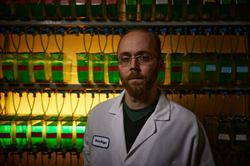
Michael Metzger, PhD

Michael Metzger, PhD,
Pacific Northwest Research Institute

“We don’t normally think of cancer as an infectious disease, but several transmissible cancers have recently been found in the wild, causing significant mortality—and marine bivalves, such as mussels, oysters, cockles, scallops, and clams appear particularly susceptible,” says Michael Metzger, PhD.

Michael Metzger, PhD, Assistant Investigator at Pacific Northwest Research Institute, in Seattle, WA, and a team of global co-investigators will study how a virus-like cancer spreads among basket cockles on the Pacific Coast and soft-shell clams on the Atlantic Coast through a $3 million grant from the National Science Foundation’s Division of Ocean Sciences.

“We don’t normally think of cancer as an infectious disease,” said Dr. Metzger. “But several transmissible cancers have recently been found in the wild, causing significant mortality—and marine bivalves, such as mussels, oysters, cockles, scallops, and clams appear particularly susceptible.”

What is unique about this cancer compared to human cancers is that it is transmissible. The cancerous cells themselves spread from one animal to another, much like a virus. This strain of cancer is known to negatively affect the marine environment, commercial aquaculture industries, and Native American communities that rely on bivalves as traditional food sources.

The newly funded project brings together a diverse team of marine biologists, population geneticists, mathematical modelers, cancer biologists, and genomic/molecular biologists from the following organizations and institutions across the globe: Suquamish Tribe, Puget Sound Restoration Fund (PSRF), Western Washington University, Bigelow Laboratory for Ocean Sciences (Maine) and Gloucester Marine Genomics Institute (Massachusetts), and City, University of London.

Over the next five years, the interdisciplinary collaborative will collect samples, analyze genomes, develop mathematical models, and measure disease progression.

“It takes expertise in tribal resource management, marine conservation, and infectious disease ecology to solve this complex problem,” said Ryan Crim, a PSRF marine biologist who has been working with the Suquamish Tribe in Washington state to restore marine habitats for more than a decade.

They found infectious cancer prevalent in local basket cockles, a favorite subsistence species for Tribal members that has become scarce in recent years.

Elizabeth Unsell, a marine biologist with the Suquamish Tribe, explained that the Tribe is motivated to work to restore local populations and learn more about the threats they may be facing.

“Increasing our awareness and understanding of the presence and severity of transmissible cancer in this favored bivalve species will give us tools to better understand population dynamics and inform management decisions,” said Unsell.

On the eastern U.S. coast, soft-shell clams are consistently one of the most valuable fisheries for Massachusetts each year and the species has a strong cultural and historical relevance in the region. Transmissible cancer in soft-shell clams has caused major losses in Massachusetts in the past, severely impacting the commercial fishery.

“By gaining a better understanding of the infection dynamics and mechanisms of transmissible cancer in soft-shell clams, we will be more effective at preventing or managing the disease to better conserve this precious natural resource,” said Tim O’Donnell, a freshwater and marine fish researcher at Gloucester Marine Genomics Institute.

“Understanding exactly how these bivalves fight or bounce back from this cancer directly impacts the survival of those species and the people who rely on them,” Dr. Metzger said. “If successful, we will come away with a far better understanding of how these transmissible cancers spread and what we can do to stop them.”

“I’m grateful that the NSF values this kind of interdisciplinary research,” Dr. Metzger said. “Without their funding, we couldn’t launch a study like this connecting genomic analysis of the cancers with multi-year ecological surveys and modeling to understand all the factors involved in disease spread.”

###

ABOUT PNRI:

Pacific Northwest Research Institute (PNRI) is a nonprofit biomedical research institute, where scientists are using innovative approaches in genetics and genomics to tackle some of the most difficult problems in science and medicine. The institute was founded 67 years ago in Seattle, Washington, as a place where scientists were free to pursue discoveries that promised the highest chance of improving human health. The goal was at the beginning, and remains today, to conduct foundational science leading to impactful medical innovations. To learn more, visit pnri.org.

Share article on social media or email:

NGD CEO Paul Rhodes Announces Publication in the Journal of Clinical Microbiology Validating Machine Learning-Based Resistance Prediction


NGD CEO Paul Rhodes Announces Publication in the Journal of Clinical Microbiology Reporting Validation of a Machine Learning-based Model of Cefepime Resistance in E. coli

Next Gen Diagnostics, which is bringing whole genome sequencing to clinical microbiology, and Vanderbilt University Medical Center announce publication in the Journal of Clinical Microbiology of a study indicating that accuracy of a machine learning model of resistance to cefepime in E. coli is greater than that of the in vitro standard of care. These results, for a clinically significant drug-species combination, add to the evidence suggesting consideration of sequence, versus in vitro tests, as the basis for selection of infection therapy.

“We have had reason to suspect that sequence will be a more information-rich and predictive basis for guidance of therapy than available in vitro testing,” said Vanderbilt Professor Romney M. Humphries, who led the validation study. “In this study we had the opportunity to confirm this proposition for a clinically critical antimicrobial agent versus the most common pathogenic Gram-negative species. In fact, the accuracy of the sequence-based prediction was greater than test-to-test repeatability of the gold standard broth microdilution method itself.”

NGD has assembled one of the world’s largest databases of bacterial sequence coupled with antibiotic susceptibility profile, and has innovated machine learning methods to build validated models predicting antibiotic resistance from sequence. In the published study 100 E. coli sequence files were furnished to NGD blind (i.e. without any other information) and the NGD ML model was applied to determine susceptibility or non-susceptibility to cefepime, a fourth generation cephalosporin. Cefepime is widely used clinically to treat highly drug resistant Gram-negative infections, yet available in vitro methods have been shown to be inaccurate for these strains

“NGD’s aim is to bring sequence-based diagnostics to clinical microbiology, and this study is a key step towards that goal,” noted NGD CEO Dr. Paul A. Rhodes. “We have many more drug-species combinations where the machine-learning model is more accurate than that reported for in vitro tests, and are developing a sequence-based testing system under the quality management framework required for clinical validation and regulatory clearance for use in patient care. From what we have seen in this and other studies, it appears that sequence will ultimately be a more accurate predictor of resistance than in vitro tests; if so, then sequence not only can but should be used to select medication to treat infection.”

The study, titled “Machine-Learning Model for Prediction of Cefepime Susceptibility in Escherichia coli from Whole Genome Sequencing Data”, was accepted on January 19 for publication in the Journal of Clinical Microbiology.

About Next Gen Diagnostics

NGD, founded by Dr. Paul A. Rhodes along with Sanger Institute group leaders, has built and validated world-leading automation of pathogen bioinformatics enabling high throughput low-cost clinical use of WGS. In addition, NGD holds the exclusive rights to a unique microfluidic sample preparation system for clinical and commercial applications of pathogen WGS. NGD offers a high volume turn-key sequencing service to enable detection of transmission in hospitals, and is working with leading collaborators in the US, Europe and Israel to be among the first to bring WGS-based regulated diagnostics to patient care. NGD is based in the US, with subsidiaries based in Cambridge, UK and in Israel.

For press inquiries, please contact: press@nextgen-dx.com

Share article on social media or email: