All posts by imreal

Youth center begins goat project with funding; Project supported with donor funding through Salesian Missions


News Image

Don Bosco Youth Center in Kazembe, Zambia, has launched a goat-rearing project thanks to donor funding from Salesian Missions, the U.S. development arm of the Salesians of Don Bosco. The funding provided 28 young goats and the construction of a small barn to shelter them.

Don Bosco Youth Center has a large parish with 6,000 parishioners with 30 outstations, as well as a carpentry school with a boarding house for 20 students. More than 1,000 youth attend programs at the youth center each day. The center is located on a large piece of land with a volleyball court, areas for soccer and basketball, a hall with two offices and three storage rooms, and an outdoor stage.

With the funding, Salesians were able to construct the barn behind the stage and connect their water source to the structure to supply the goats. They are hiring a local worker to look after the goats.

Father Jacek Garus, rector of the Salesian community, explained, “The goats will be used as a food source for the children at the youth center. We aim to become self-sufficient. Instead of buying meat in the market, we can produce it here at our facilities. It can also become a source of income for us as goat meat is very popular here.”

In addition to daily activities at the Don Boco Youth Center, Salesians provide lunch on Saturdays for 70 youth who are part of the distance adoption program where donors help sponsor children to go to school. Twice a year Salesians organize a summer camp for more than 100 youth. During the camp, Salesians provide breakfast and lunch.

Poverty is widespread in Zambia with 64 percent of the total population living below the poverty line. For those living in rural areas, the poverty rate rises to 80 percent, according to UNICEF. Over the past three decades, incomes in Zambia have fallen steadily, and people do not have enough money to meet basic needs such as shelter, nutritious food and medical care.

The HIV/AIDS epidemic has also taken a devastating toll on Zambia’s children. There are 1.2 million children classified as orphaned and vulnerable by UNICEF, and these children struggle to find education, basic services and hope for their future.

###

About Salesian Missions USA

Salesian Missions is headquartered in New Rochelle, NY, and is part of the Don Bosco Network—a worldwide federation of Salesian NGOs. The mission of the U.S.-based nonprofit Catholic organization is to raise funds for international programs that serve youth and families in poor communities around the globe. The Salesian missionaries are made up of priests, brothers and sisters, as well as laypeople—all dedicated to caring for poor children throughout the world in more than 130 countries and helping young people become self-sufficient by learning a trade that will help them gain employment. To date, more than 3 million youth have received services funded by Salesian Missions. These services and programs are provided to children regardless of race or religion. For more information, go to SalesianMissions.org.

Contact:

Laura Perillo

media@salesianmissions.org

908-406-3413 (text messages OK)

Twitter: @MissionNewswire

Newswire: MissionNewswire.org

Press room: SalesianMissions.org/press

Share article on social media or email:


New Champions Fund Annual Opportunity Announced to Elevate Leaders of Color and Allies who Support Students with Disabilities


The Educating All Learners Alliance (EALA), a coalition of over 128 partner organizations led by InnovateEDU, is launching the second year of its New Champions Fund. The New Champions Fund allows EALA to provide an annual unrestricted $35,000 grant and access to a year-long mentorship program to a leader of color, or ally of the equity in education movement, who is actively working to support students with disabilities, including students who are also marginalized, come from underserved communities, or experience poverty. EALA will provide two additional $5,000 sub-grants to runners-up, as determined by the panel of nationally recognized New Champions judges.

This award aims to elevate the work and profile of emerging leaders doing exceptional work who may struggle to be recognized in traditional, national fundraising or communication efforts. The explicit intent of this grant is to diversify the organizations, voices, and approaches that are leading the conversation on serving all students. Winners will be selected by a diverse judging panel of national education leaders.

Dena Simmons, founder of LiberatED and 2022 New Champion, highlights the value of the New Champions grant, noting how the funding supported the vital work of LiberatED: “The New Champions grant was a wonderful opportunity to build with the larger InnovateEDU community and to continue centering youth voice in our work with the goal of creating the conditions for belonging, healing, and collective liberation for all children.”

Those who meet the primary requirements to apply to the New Champions Fund include:

  • leaders of community-based organizations (CBOs), schools and districts, non-profits, or for-profit organizations that are under $2 million in annual revenue*;
  • leaders of color or allies of the equity in education movement;
  • entities or individuals who are actively working to support students with disabilities, including students who are also marginalized, come from underserved communities, or experience poverty.


*for-profit organizations must be able to accept contributions from a non-profit organization.

“The New Champions Fund is an incredible opportunity for EALA to spotlight an emerging leader or organization in education who may not yet have had the opportunity to receive funding for their breakthrough idea,” said Treah Hutchings, EALA’s Project Manager. “With the support of the Bill and Melinda Gates Foundation, EALA is committed to spotlighting and drawing attention to equity-driven leadership working to support students who learn differently.”

The winner of the New Champions Fund will be supported by EALA through the following key areas: a $35,000 unrestricted grant, a one-year mentorship provided to leadership to accomplish strategic goals, and focused work with EALA to spotlight the champion’s work through various media channels, podcasts, webinars, and national conferences.

Applicants can gain further inspiration from the 2022 New Champions Fund winner, LiberatED, and runners-up, STEM4Real and Dr. Charles Cole III, who exemplify the qualities and work to be supported through the New Champions Fund. To learn more about the critical work last year’s grantees do and how the New Champions fund has amplified their efforts, visit the New Champions Fund website.

The New Champions Fund application opens Monday, April 3rd, and will close on Friday, May 5th. For more information, visit EALA’s website.

###

The Educating All Learners Alliance (EALA) is an uncommon coalition of organizations committed to resource sharing and community-building that supports the efforts of the education community to meet the needs of students with disabilities.

Press Contact: Rachel Lorch, InnovateEDU, rlorch@innovateedunyc.org

Share article on social media or email:

CREO CEO Susan Acker-Walsh Receives 2023 Life Sciences Award


CREO today announced that its CEO and Co-Founder, Susan Acker-Walsh, is a recipient of a Triangle Life Sciences Award for her contributions to advancing growth and innovation in life sciences in the Research Triangle region.

The annual Triangle Life Sciences Awards recognize both individuals and research organizations that are breaking ground in this field. The broad spectrum of the life sciences arena represents several focus areas, including biotechnology, pharmaceuticals, clinical research, human health, medical devices and diagnostics, and others. This year’s class of 10 winners reflect that diversity.

“I am very humbled to be selected and recognized with a TBJ Life Sciences Award,” said Susan Acker-Walsh, CEO, CREO Inc. “The Research Triangle region is home to many of the world’s most promising life sciences companies that are advancing clinical innovations. I am grateful to be part of that mission.”

There are nearly 600 life sciences companies in North Carolina’s Research Triangle region, according to the North Carolina Biotechnology Center.

“The Triangle area is such a hotbed for the burgeoning life sciences industry,” said Triangle Business Journal Publisher and Market President Jason Christie. “It’s an honor to recognize these individuals and companies that are doing such life-changing work.”

Award recipients will be honored at a luncheon on May 12 at The Umstead Hotel & Spa in Cary, NC.

About CREO

CREO, Inc. is the preferred consultancy to the world’s most promising companies that seek to improve human health. We serve growing life sciences, healthcare and private equity portfolio companies across the U.S. and international markets. Our expertise and knowledge in Strategy, M&A, Digital Transformation, Cybersecurity, and IT Quality & Regulatory Compliance help organizations improve today’s business performance and develop tomorrow’s clinical innovations. Founded in 2015, CREO is headquartered in North Carolina’s Research Triangle Park. Join us and together let’s make a meaningful difference. Visit CREO at http://www.creoinc.net.

Share article on social media or email:

How does Memorial Cardiac and Vascular Institute Diagnose Arrhythmia?


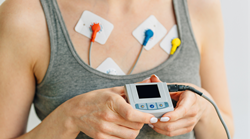
The Holter monitor continually records the heart’s rhythm while a person goes about their daily activities.

“Implantable loop recorders are especially helpful if someone has a stroke for no obvious reason. It’s possible in those situations the person had an undiagnosed arrhythmia that caused clots to form in the heart, dislodge, travel to the brain, and block blood flow.”- Dr. Daniel Benhayon Lanes

It can be surprising to learn that you have an irregular heartbeat (arrhythmia), especially if you haven’t had palpitations. But finding out your heart is misfiring is just the first step in figuring out what’s happening. There are several types of arrhythmias ranging from harmless to severe. Getting a complete work-up for a heart arrhythmia diagnosis is essential for knowing how to proceed.

How do doctors diagnose an arrhythmia? First, your primary care provider (PCP) will run some initial tests and likely refer you to a cardiologist. Then you’ll go through more diagnostic testing. Depending on your test results and diagnosis, your cardiologist may treat your arrhythmia or refer you to an electrophysiologist (EP), a doctor that specializes in diagnosing and treating abnormal heart rhythms, for further care. The good news: Healthcare providers can almost always pinpoint the type of arrhythmia you have during the diagnostic process.

DIAGNSTIC TESTS FOR AFIB AND OTHER ARRYTHMIAS

The initial step in diagnosing an arrhythmia starts with a physical exam by your PCP. They will ask about your medical history, symptoms and lifestyle habits. They may also run blood tests to check for electrolyte imbalances or a thyroid disorder. Both can cause an irregular heartbeat.

There are several other tests to determine if you have the most common arrhythmia — atrial fibrillation (AFib) — or another type of abnormal heartbeat. You may need to have a number of tests, depending on how challenging your arrhythmia is to diagnose. Tests include:

ELECTROCARDIOGRAM (ECG or EKG)

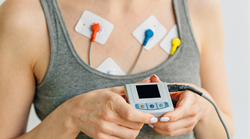
An electrocardiogram records your heart’s electrical activity. For the test, your provider attaches electrodes to your chest to track your heart’s rhythm. An EKG can be done at rest or while exercising on a treadmill or stationary bike (stress test).

MONITORING DEVICES

An EKG performed in a provider’s office gives a brief snapshot of your heart’s electrical activity. During the test, your heart may not show irregular beats. That’s why providers often recommend a monitoring device, which is a portable EKG you can use at home. There are a few different options:

HOLTER MONITOR

You wear this portable, battery-operated device under your clothes. The Holter monitor continually records your heart’s rhythm while you go about your daily activities.

“Even if you have data from a wearable device, like a smartwatch, that’s just the beginning of the diagnosis,” says Daniel Benhayon Lanes, MD, an electrophysiologist (EP) at Memorial Cardiac and Vascular Institute. “We still use a traditional monitor like a Holter monitor to find out how often you have arrhythmia episodes. The consumer wearables just tell you whether you have it.”

CARDIAC EVENT MONITOR

Unlike a Holter monitor, a cardiac event monitor only takes readings when you turn the monitor on while you have symptoms, like feeling faint or lightheaded, so that it can record your heart’s electrical activity. This helps your healthcare provider decide if your symptoms are related to heart rhythm changes.

IMPLANTABLE LOOP RECORDER

An implantable loop recorder is a long-term option for tracking your heart’s activity. It’s a chip that’s placed under the skin atop your chest. If you wear a Holter monitor for 30 days and it doesn’t find anything, your provider may recommend you wear an implantable device for up to three years.

“It’s especially helpful if someone has a stroke for no obvious reason,” says Dr. Lanes. “It’s highly possible that in those situations, the person has an undiagnosed arrhythmia that caused the stroke. Arrhythmias can cause clots to form in the heart. Clots can dislodge, travel to the brain and block blood flow.”

The implantable loop recorder detects abnormalities and sends data to a remote patient monitoring center.

“At Memorial, we regularly check the data, and alerts are sent to the right teams at the right times,” notes Dr. Lanes. “The data helps to know if there’s an urgent situation or if we need to change the course of treatment.”

IMAGING TESTS

If you’re having heart problems, your provider will likely want to look at your heart. Imaging tests show whether your heart structure is normal. You may have one or more imaging tests, such as:


  • Echocardiogram, an ultrasound of the heart, which uses sound waves to create images of your heart as it beats.
  • Cardiac CT scan, a series of X-ray images put together to create high-resolution, 3D pictures of your heart.
  • Cardiac MRI, which produces highly detailed images of your heart using magnetic fields and radio waves.

GENETIC TESTING

Some inherited disorders cause arrhythmias. You may need genetic testing if your provider suspects you have one of these conditions. The test requires a blood sample and checks to see if you have a gene linked to certain arrhythmias.

If these test don’t find an arrhythmia, your doctor may trigger an arrhythmia using one of the following test to be able to study your abnormal heartbeat while it’s happening.

STRESS TEST

This test attempts to trigger an arrhythmia by monitoring how much stress your heart can manage while exercising (i.e., walking or jogging on a treadmill or pedaling a stationary bike). If these exercises are not an option, medication may be given to increase your heart rate.

ESOPHAGEAL ELECTROPHYSIOLOGIC PROCEDURE

This procedure involves inserting a thin tube (catheter) in the nostril down to the esophagus (tube that connects the throat to the stomach), where it takes an EKG reading. This test is more accurate than a traditional EKG because the catheter is positioned closer to the heart.

The procedure can trigger an arrhythmia. If this happens, your healthcare provider can use it as an opportunity to test which medications will work best to regulate your heart’s rhythm.

ELECTROPHYSIOLOGY STUDY (EPS)

An electrophysiology study is a specialized test performed by an EP to find out where in the heart the arrhythmia begins and to guide treatment. You’re given medication to help you relax and feel sleepy, but you won’t be asleep. Next, the doctor inserts a sheath through a blood vessel (usually in the leg, arm or neck) to your heart. Several thin wires (electrodes) are guided through the sheath to different areas of your heart. Your heart receives electric pulses to trigger an arrhythmia so your doctor can study it.

TILT TABLE TESTING

For some people, like those with postural orthostatic tachycardia syndrome (POTS), a change in position can cause fainting. The tilt table test replicates this situation to study what happens to your heart when you switch positions. For the test, you lie down on a table and get strapped in. A healthcare provider attaches a blood pressure cuff to your arm and electrodes to your chest for an EKG. The provider gradually tilts the table up. The test measures your heart rate and blood pressure as the table rises.

If you have an irregular heartbeat, it’s important to get further testing. Learn more about heart and vascular services at Memorial Cardiac and Vascular Institute. To schedule an appointment with a cardiologist, electrophysiologist, or vascular specialist at Memorial Healthcare System, call 1-855-400-6284.


Boston IVF Fertility Network Recognized in Newsweek Magazine 2023 America’s Best Fertility Clinics Report


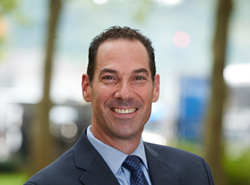
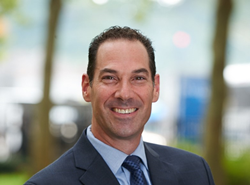
David Stern – CEO of Boston IVF

“This national recognition is a testament to the selfless dedication of our physicians, nurses, clinical team members, embryologists, researchers, and staff as they continue to positively impact the lives of our patients.” – David Stern – Boston IVF CEO

Boston IVF, one of the world’s most experienced fertility treatment networks, is pleased to announce that five of its centers across New England, New York, and the Midwest have been recognized for outstanding care in Newsweek Magazine’s 2023 America’s Best Fertility Clinics report.

The report ranks the top 100 fertility clinics in the United States, as defined by the Centers for Disease Control and Prevention (CDC). Currently, there are more than 500 fertility clinics in operation throughout the country.

Boston IVF’s fertility center in Waltham, MA ranked #14 in the United States.

Other Boston IVF network locations appearing in Newsweek’s America’s Best Fertility Clinics Report include:

View the complete America’s Best Fertility Clinics report by Newsweek.

The prestigious recognition is based on a national survey of over 3,000 reproductive endocrinologists, infertility specialists, obstetricians, and gynecologists who refer patients to fertility clinics. The report also analyzes key performance indicator metrics for assisted reproductive technology (ART) – including clinic accreditations, patient reviews, and more.

“Boston IVF’s sole mission is to deliver world-class, reproductive care to the communities throughout our fertility network,” said Boston IVF CEO David Stern, MBA. “This national recognition is a testament to the selfless dedication of our physicians, nurses, clinical team members, embryologists, researchers, and staff as they continue to positively impact the lives of our patients.”

Boston IVF offers a full array of innovative reproductive treatments and services, including intrauterine insemination (IUI), in vitro fertilization (IVF), preimplantation genetic screening, male infertility testing, egg freezing, LGBTQ+ family building, and more.

In 2021, Boston IVF celebrated 35 years and 150,000 babies born. In 2022, the fertility network took a robust stance in reaction to the overturning of Roe v. Wade, including the creation of a national embryo protection/relocation program to assist individuals residing in states whose embryos may be at risk.

ABOUT BOSTON IVF

Boston IVF is one of the largest and most experienced fertility networks in the world, with hundreds of thousands of babies born across its clinical system since 1986. Founded as one of the nation’s first private practice IVF centers, the Boston IVF network has grown to include over 30 reproductive endocrinologists across 30 centers throughout Massachusetts, Maine, New Hampshire, Rhode Island, New York, Delaware, Indiana, North Carolina, Ohio, and Utah. A renowned innovator of reproductive technologies, advanced protocols, and cutting-edge research, Boston IVF has achieved numerous “firsts” in reproductive care. Its scientific and research arm continues to pave the way for breakthroughs in fertility care and its accredited REI Fellowship Program has graduated numerous reproductive endocrinologists as part of its mission to train the next generation of fertility experts.

Share article on social media or email:

ASNC Outlines New Approach to Enhancing Diversity, Equity, Inclusion


“This mission statement – the first document by ASNC’s DEI task force – defines why we must integrate diversity, health equity and inclusion into ASNC’s vision for the future and how we will begin,” says ASNC Vice President Panithaya Chareonthaitawee, MD.

A formalized approach is needed to address the disparity in nuclear cardiology, says the American Society of Nuclear Cardiology (ASNC) task force on diversity, equity and inclusion (DEI). The limited diversity in the cardiology workforce is at odds with the changing demographics of the U.S. patient population – a discordance that could impact health outcomes. The ASNC Diversity, Equity, and Inclusion Mission Statement prioritizes four areas that ASNC will focus in the next three years to ensure its DEI goals and vision for the future are aligned.

ASNC’s task force analyzed U.S. Census data and findings from various reports on the composition of the current cardiovascular workforce and its current trainee population. “The cardiology workforce is a direct pipeline to the nuclear cardiology profession,” explains ASNC Vice President Panithaya Chareonthaitawee, MD, who co-chairs the DEI Task Force with ASNC Past President Jennifer H. Mieres, MD, MASNC. “The potential for a disconnect between the makeup of our patient population vs. our clinician pool spurred us toward recommending a proactive strategy for actively promoting DEI in our profession.”

ASNC’s priority areas include conducting an environmental scan across the organization with a focus on identifying new opportunities; expanding education and awareness activities related to DEI; promoting relevant science and research; and fostering inclusion in ASNC’s leadership and staff pipeline.

“This mission statement – the first document by ASNC’s DEI task force – defines why we must integrate diversity, health equity and inclusion into ASNC’s vision for the future and how we will begin,” says Dr. Chareonthaitawee. “We are very excited to have a formal strategy for working toward our goals, and we will continue reporting on ASNC’s progress.”

The ASNC Diversity, Equity, and Inclusion Mission Statement is available for download from the Journal of Nuclear Cardiology.

The writing committee chair and co-chair are available for interviews.

###

About the American Society of Nuclear Cardiology

For 30 years, the American Society of Nuclear Cardiology and its more than 4,900 members have been improving cardiovascular outcomes through image-guided patient management. As the only society dedicated solely to the field of nuclear cardiology, ASNC establishes standards for excellence in cardiovascular imaging through the development of clinical guidelines, professional medical education, advocacy and research development. ASNC provides peer-reviewed original articles through its official publication, The Journal of Nuclear Cardiology. For more information, visit http://www.asnc.org.

Share article on social media or email:

SightMD Welcomes Meredith Prevor-Weiss, MD to its Expert Team


News Image

“I am excited to join SightMD because it is a well-run organization with an exceptional ancillary staff which will enable me to focus directly on patient care,” said Dr. Prevor-Weiss

SightMD, a leading multi-specialty ophthalmology platform in New York, welcomes Meredith Prevor-Weiss, MD to its expert team.

Meredith Prevor-Weiss, MD is a board certified ophthalmologist. Dr Prevor-Weiss graduated from New York University and has over 22 years of experience in the medical field. Dr Prevor-Weiss treats each patient as a unique individual and understands his or her needs before recommending a course of action. She is an avid tennis player and fan and has volunteered for Tennis Serving Vets to teach U.S. veterans how to play tennis. In her free time she also enjoys drawing and painting. Dr Prevor-Weiss will be seeing patients at the SightMD Harrison location (450 Mamaroneck Ave, Harrison, NY 10528).

When asked what excites her most about joining the SightMD team, Dr. Prevor-Weiss said, “I am excited to join SightMD because it is a well-run organization with an exceptional ancillary staff which will enable me to focus directly on patient care. It will also afford me the opportunity to use state-of-the-art technology to achieve precision in my surgical outcomes. Lastly, I look forward to collaborating with and learning from my distinguished colleagues at SightMD.”

SightMD is actively seeking ophthalmology professionals who are interested in joining our outstanding team. If you are an ophthalmology practice owner interested in merging or selling your practice, please contact our VP of Growth, Franc Galinanes, at (631) 396-8340 or fgalinanes@sightgrowthpartners.com

About SightMD

SightMD is a rapidly-growing integrated ophthalmic provider group, offering patients access to over 80 eye care providers through the convenience of 40 locations across New York. SightMD’s track record of providing clinically-excellent care spans over 50 years, and its services include general eye exams, laser cataract surgery and lens implantation, glaucoma management, retinal disorder treatment, corneal services, neuro-ophthalmology, LASIK laser vision correction, oculoplastic surgery, pediatric ophthalmology, and audiology. Sight Growth Partners is the administrative services provider for SightMD as well as SightMD Connecticut, SightMD New Jersey, and SightMD Pennsylvania. For more information about SightMD, please visit https://www.sightmd.com/sightmd-ny/

Share article on social media or email:

Senior Care Franchise Brand Right at Home Targets Expansion in Akron, Looking to Meet Qualified Prospective Franchisees Wanting to Make a Difference in Their Community


Right at Home, the 650-plus location in-home health care concept helping seniors and adults with disabilities live comfortably at home, is looking to expand in Akron, Ohio. The opportunity gives local entrepreneurs a chance to make a difference in their communities and provide peace of mind to families needing care.

Right at Home employs professionally trained caregivers to provide care and assistance to seniors and adults with disabilities who wish to remain in the comfort and safety of their own home or current living arrangement. With over 26 years of experience providing essential care in more than 650 locations across eight countries, Right at Home has become one of the world’s largest in-home health care franchises.

With persons aged 65 and over making up 14.9% of the total population, Akron is primed for Right at Home’s services. Akron also offers plentiful opportunities for anyone to start, relocate, or expand their business, with 17 million people living within a 150-mile radius, as well as $314.5 million invested in infrastructure improvements over the last five years.

“Right at Home starts with our passionate franchise owners, and we’re excited to partner with the people of Akron,” said Jennifer Chaney, Vice President of Franchise Development. “We are seeking passionate individuals who aren’t just looking for a business to make a living. Entrepreneurs should choose Right at Home to make a positive impact on their communities and the people for whom they provide care. Our mission is to improve the quality of life for everyone that we serve.”

Currently, Right at Home has one location whose territory spans from Cleveland to Akron and 19 territories sold within the state of Ohio. With its eyes on Akron, the industry-leading in-home health care concept is seeking franchise partners to provide its much-needed services within two territories in the market.

Right at Home is seeing an increased demand for quality in-home care services across the country as the baby boomer generation reaches its senior years. During 2020 and 2021, the franchise not only survived the height of the pandemic but came out of it stronger than ever– exceeding growth goals by 40%. And in 2022, Right at Home picked up even more momentum as it continued to bring its best-in-class in-home care services to families in new markets across the country. This year, Right at Home is looking forward to building on that growth, including in Akron.

ABOUT RIGHT AT HOME:

Founded in 1995, Right at Home offers in-home care to seniors and adults with disabilities who want to live independently. Most Right at Home offices are independently owned and operated and directly employ and supervise all caregiving staff. Each caregiver is thoroughly screened, trained, and bonded/insured before entering a client’s home. Right at Home’s global office is based in Omaha, Nebraska, with more than 650 franchise locations in the U.S. and eight other countries. For more information on Right at Home, visit http://www.rightathome.net or read the Right at Home blog at http://www.rightathome.net/blog. If you are interested in learning more or in owning a Right at Home franchise, please visit us at: https://rightathomefranchise.com/ or to read more about franchise ownership, visit our blog at: https://rightathomefranchise.com/forc/.

Share article on social media or email:

GALILEO Chooses FOLIO Library Services Platform


News Image

EBSCO has been a longtime, trusted partner on statewide projects like OpenAthens and the GALILEO Search Portal. We look to deepen that relationship even further to foster innovation, openness, and cooperation with this FOLIO and ReShare implementation.

GALILEO has selected FOLIO as its new Library Services Platform (LSP), with plans to share FOLIO with 86 libraries from 26 colleges and universities across the University System of Georgia (USG) and the Georgia Archives. GALILEO will utilize EBSCO Information Services (EBSCO) for implementation and hosting services via EBSCO FOLIO. GALILEO will begin migrating these new technologies in 2023, with plans to be fully operational by June 2025.

FOLIO represents a significant advancement in library technology, including meaningful improvements such as integrations, record formats, and discoverability. FOLIO’s growing community of librarians actively enhances the platform while supporting traditional resource management functionality that can be extended into emerging areas. FOLIO is designed to be flexible, allowing librarians to choose their preferred applications and workflow needs.

In addition to FOLIO, GALILEO will implement a consortial borrowing solution that is being developed by Knowledge Integration, a key software developer and a part of Project ReShare. Project ReShare is a user-centered, community-owned resource-sharing platform that will allow opportunities to include various forms of object fulfillment as the consortium grows and evolves. GALILEO has been a member of the ReShare community since 2021.

Gar Sydnor, EBSCO Information Services Executive Vice President of Research Databases and Library Services, says EBSCO helps make open-source solutions viable, even to the world’s largest libraries and consortia. “GALILEO’s involvement in FOLIO is yet another example of the impact of the library community’s most disruptive technology. GALILEO is a cutting-edge library consortium that combines vision and practicality, and we are very pleased to be working with them in this regard.”

Jeff Steely, Dean of Libraries at Georgia State University Library, describes the decision-making process being influenced by FOLIO’s effort to redefine library services and innovate with library futures in mind. “After a very robust, year-and-a-half process involving many USG library professionals scoring hundreds of technical requirements, we entered negotiations with exciting options. I am pleased that the process led to the selection of an affordable, modern, and constantly improving system.”

Lucy Harrison, Assistant Vice Chancellor for Academic Library Services and Executive Director of GALILEO, says they look forward to collaborating with like-minded institutions like MOBIUS and the Library of Congress while working towards a common goal. “As a library consortium, we understand the power of knowledge sharing. FOLIO represents a place where we can do just that alongside some of the most influential players in the open source community. EBSCO has been a longtime, trusted partner on statewide projects like OpenAthens and the GALILEO Search Portal. We look to deepen that relationship even further to foster innovation, openness, and cooperation with this FOLIO and ReShare implementation.”

The 26 colleges and universities include nine state colleges, nine state universities, four comprehensive regional universities, four research universities, and the Georgia Archives. In addition to the support from EBSCO FOLIO Services, the University System of Georgia libraries have access to the EBSCO Knowledge Base and currently use EBSCO Discovery Service™ (EDS) for discovery and OpenAthens for single sign-on software.

About GALILEO

GALILEO, Georgia’s virtual library, empowers, connects and improves the lives of Georgia residents as the state’s gateway to credible, authoritative library resources. Began in 1995, GALILEO is an initiative of the Board of Regents of the University System of Georgia. The community of more than 2,000 GALILEO institutions includes the University System of Georgia, the Technical College System of Georgia, public and private K-12 schools, public libraries, and several private academic colleges and universities. GALILEO’s programs include Affordable Learning Georgia, GALILEO Interconnected Libraries and Digital Library of Georgia. To learn more about GALILEO, visit about.galileo.usg.edu.

About EBSCO Information Services

EBSCO Information Services (EBSCO) is the preeminent provider of online research content and search technologies serving academic, school and public libraries; healthcare and medical institutions; corporations; and government agencies around the world. From research, acquisition management, subscription services and discovery to clinical decision support and patient care, learning, and research and development, EBSCO provides institutions with access to content and resources to serve the information and workflow needs of their users and organizations. For more information, visit the EBSCO website at: http://www.ebsco.com.

###

For more information, please contact:

Erica Gilson

Senior Communications Specialist

978-414-0385

egilson@ebsco.com

Share article on social media or email:

MADD Reminds Parents that Lifesaving Conversations Start with You!


News Image

“With prom, graduation, and summer break all coming up soon, April and May are the perfect time for parents and key adult role models to incorporate intentional conversations with teens about the dangers of underage drinking and other drug use,” said MADD CEO Stacey Stewart.

Mothers Against Drunk Driving® (MADD) and National Presenting Sponsor Nationwide® launched the 12th Annual PowerTalk21® campaign today to remind parents that they have the power to protect their teens from the risks and consequences of underage drinking and other drug use.

Timed to coincide with planning for prom and graduation activities, this year’s theme, “Lifesaving Conversations Start With You!” highlights the critical role parents have in influencing their teens to not consume alcohol before age 21 and to never get into a car with a driver who is impaired. A recent survey commissioned by MADD with IPSOS, a global research company, funded through the generosity of the General Motors Foundation; found that parents may be devaluing their role in preventing underage drinking. In fact, of the teens surveyed, 3 in 5 credit their parent with being most important in their decision-making. Parents by contrast put themselves as second, after their teens’ friends as most impactful.

“With prom, graduation, and summer break all coming up soon, April and May are the perfect time for parents and key adult role models to incorporate intentional conversations with teens about the dangers of underage drinking and other drug use,” said MADD CEO Stacey Stewart. “Parents are the number one influence in their child’s decisions about drinking. As a mother myself, I know that it may not always feel that way, MADD wants to remind, empower, and equip us as parents with the tools to help our children to make smarter, safer choices and to help prevent tragedies during these milestone seasons for teens.”

According to the Centers for Disease Control and Prevention (CDC), underage drinking is responsible for more than 4,300 deaths each year and can lead to early addiction as well as many other dangerous outcomes. In addition, marijuana is the leading cause of substance dependence other than alcohol in the United States.

In observation of Alcohol Awareness Month in April and Teen Driver Safety Month in May, MADD has designated April 1 through May 31 as PowerTalk21® Season. This time of year, presents multiple milestones such as prom, graduation and the start of summer break that may bring an increased presence of alcohol and other drugs for teens and young adults under 21. During this time, MADD staff and volunteers across the country will host events in their communities and online to provide resources and information to parents about the dangers of underage drinking and drug use.

“We remain grateful to Nationwide for their long-standing commitment to MADD’s mission. This program truly would not have been possible without their support,” said MADD CEO Stacey Stewart.

“Nationwide is honored to partner with MADD during this year’s PowerTalk21, encouraging parents and guardians to have impactful conversations about the dangers of underage drinking and other drug use with their teens,” said MADD National Board Member Martha Frye, Nationwide’s Senior Vice President of Personal Lines Claims. “As a company committed to protecting people, businesses and futures with extraordinary care, there is no more important work that aligns with our values than to keep drivers and passengers safe.”

PowerTalk 21® is a part of MADD’s Power of Parents® program, based on research by Dr. Turrisi, that empowers parents of middle school and high school students to have ongoing, intentional conversations about the dangers and consequences of underage drinking and drug use. Parents can download free Power of Parents® handbooks for parents of middle school and high school students at http://www.madd.org/powerofparents.

About Mothers Against Drunk Driving

Founded in 1980 by a mother whose daughter was killed by a drunk driver, Mothers Against Drunk Driving® (MADD) is the nation’s largest nonprofit working to end drunk driving, help fight drugged driving, support the victims of these violent crimes and prevent underage drinking. MADD has helped to save more than 400,000 lives, reduce drunk driving deaths by more than 50 percent and promote designating a non-drinking driver. MADD’s Campaign to Eliminate Drunk Driving® calls for law enforcement support, ignition interlocks for all offenders and advanced vehicle technology. MADD has provided supportive services to nearly one million drunk and drugged driving victims and survivors at no charge through local victim advocates and the 24-Hour Victim Help Line 1-877-MADD-HELP. For more information, visit us at http://www.madd.org and follow MADDNational on Facebook, Instagram, Twitter, TikTok, LinkedIn, and YouTube.

About Nationwide®

Nationwide, a Fortune 100 company based in Columbus, Ohio, is one of the largest and strongest diversified insurance and financial services organizations in the United States. Nationwide is rated A+ by both A.M. Best and Standard & Poor’s. An industry leader in driving customer-focused innovation, Nationwide provides a full range of insurance and financial services products including auto, business, homeowners, farm and life insurance; public and private sector retirement plans, annuities and mutual funds; excess & surplus, specialty and surety; pet, motorcycle and boat insurance. For more information, visit http://www.nationwide.com. Follow us on Facebook and Twitter.

Share article on social media or email: