
All posts by imreal

Harmless or Not? Memorial Cardiac and Vascular Institute Expert Weighs in on Whether Heart Flutters can be Dangerous


Heart flutters, or palpitations, when accompanied by other symptoms, can be a sign of a more significant medical problem.

“The most important thing is to pay attention to what else is happening in your body when you notice your heart beating differently. Get medical care right away if your heartbeat is irregular and you also have chest pain, dizziness, fainting, or shortness of breath.”- Demetrio Castillo, MD

Ever had a pounding heart or felt your heart beat faster than usual? Maybe you’ve experienced the flip-flop feeling of your heart skipping a beat. Heart flutters, or palpitations, happen to many people every day.

Though an irregular heartbeat may be concerning, heart flutters aren’t always a sign of something serious. So how can you tell the difference between a harmless flutter and a dangerous change to your heartbeat?

The most important thing is to pay attention to what else is happening in your body when you notice your heart beating differently, says Demetrio Castillo, MD, an electrophysiologist (EP) at Memorial Cardiac and Vascular Institute. Get medical care right away if your heartbeat is irregular and you also have:


  • Chest pain
  • Dizziness
  • Fainting
  • Shortness of breath

Even if you’re not experiencing other symptoms with heart flutters, you may want to check in with your doctor if they keep happening. Here’s what you need to know:

YOUR HEARTBEAT KEEPS YOUR BLOOD PUMPING

Your heart is a muscle made up of four chambers. There are two upper chambers (atria) and two lower chambers (ventricles). Special tissue in your right atria, the sinoatrial (SA) node, continuously sends electrical signals that tell your heart to contract.

These signals move through your heart in a constant cycle. Rhythmic contractions of the chambers draw blood into your heart to replenish blood oxygen. They also send oxygenated blood back out to your body.

THERE ARE MANY CAUSES OF HEART PALPITATIONS

Sometimes your heart’s electrical signals misfire, causing your heartbeat to change. You may feel a fast heartbeat (tachycardia) or a slow heartbeat (bradycardia).

Many things can affect your heart’s electrical signals. If you smoke or vape, nicotine can make your heart pound. Caffeine may make ventricles contract too soon, leaving you feeling like your heart skipped a beat.

Heart palpitations can also result from:

  • Drinking too much alcohol or using drugs like cocaine
  • Feeling stressed or anxious
  • Getting older
  • Having a panic attack
  • Hormonal changes during your menstrual cycle or when you’re pregnant
  • Strenuous exercise
  • Taking certain medicines like cold medications (decongestants)

You may also notice changes in your heart rate if you have other medical conditions. For example, an overactive thyroid gland (hyperthyroidism) can cause a fast heartbeat. If you have anemia, your blood doesn’t have enough red blood cells, and your heart may work harder to move oxygenated blood more quickly.

FREQUENT HEART FLUTTERS NEED EVALUATION

If you have frequent heart palpitations or irregular heartbeats that last more than a few seconds, you may have an arrhythmia. Arrhythmias can occur if you were born with a heart condition (congenital heart disease). They can also happen if you have:

  • Cardiomyopathy
  • Coronary artery disease
  • Heart failure
  • History of heart attacks

MONITORING HEART RHYTHMS CAN HELP

Make an appointment to see your doctor if heart flutters are frequent or long-lasting. They’ll examine you and listen to your heartbeat. Tell your doctor about when palpitations usually happen and if you have any other symptoms. Your doctor may recommend a painless test called an electrocardiogram (EKG) to measure your heart’s electrical signals.

They may have you wear a portable device called a Holter monitor. The device records your heart rhythm for a few days as you go about your regular activities. Your doctor may also ask you to share data if you have a wearable device like a watch that records your heartbeat.

ADDITIONAL TESTING CAN HELP DIAGNOSE ARRHYTHMIA

If your doctor detects signs of arrhythmia, you may need more tests, such as:

  • Cardiac imaging
  • Cardiac catheterization
  • Echocardiogram (heart ultrasound)

If you have an arrhythmia, talk with your doctor about whether you need treatment. You may benefit from cardiac ablation or an implantable device like a pacemaker or defibrillator.

LIFESTYLE CHANGES CAN HELP EASE SOME HEART PALPITATIONS

Not all heart flutters need treatment. Making some changes to your daily routine may help reduce the heart palpitations you feel. You should:

  • Avoid consuming things that increase your heart rate, like caffeine and energy drinks.
  • Manage your stress level and talk about your anxieties with someone you trust.
  • Meditate to help manage anxious or racing thoughts.
  • Not smoke or vape.
  • Use slow, deep breathing (belly breathing or diaphragmatic breathing) to help relax your body and mind.

CALL YOUR DOCTOR IF HEART FLUTTERS CHANGE

Call your doctor if palpitations happen more often or if they’re lasting longer. Let your doctor know if you feel fatigued or notice changes in your stamina.

“If you were able to shop for groceries and now you can’t walk down the supermarket aisle without getting winded, you should be evaluated,” says Dr. Castillo.

SCHEDULE AN APPOINTMENT FOR HEART AND VASCULAR SERVICES

Learn more about heart and vascular services at Memorial Cardiac and Vascular Institute. To schedule an appointment with a cardiologist, electrophysiologist or vascular specialist at Memorial, call 855-400-6284.

Share article on social media or email:

Mount Sinai Awarded Grant to Assess Music’s Impact on Well-Being, Depression


“We often don’t consider how something like music therapy can affect the disease process. I’m honored to have the opportunity to continue exploring the value of our interventions, particularly in the lives of vulnerable individuals.” -Joanne Loewry, DA

The Mount Sinai Health System Assessment of Music Experiences in Navigating Depression (AMEND Lab) at the Louis Armstrong Center for Music and Medicine has received a grant from the National Endowment for the Arts (NEA) to investigate how music and music therapy can influence mood and alter depression symptoms across vulnerable populations.

“As a musician, I’ve always been involved in community music, and the beauty of this grant is that it connects our center with Carnegie Hall Weill Music Institute,” said Joanne Loewy, DA, LCAT, MT-BC, the founding Director of the Louis Armstrong Center for Music and Medicine at Mount Sinai, and the first music therapist to be inducted as a Fellow into the New York Academy of Medicine.

“A cornerstone of the study is ‘social prescribing,’ a concept that is widely used in Europe,” Dr. Loewy explained. “It involves thinking of music less as a recreational activity, and more as a foundational prescription for everyday life. We will look at questions such as, ‘How can having music and performances as part of your weekly or monthly calendar influence the way you work or play in society and with others?’”

In addition, the investigators will examine factors such as participants’ musical history (“How were you raised on music?”) and how they listen to music (e.g., through headphones, earbuds, in person) and compare the impact of various music interventions on depression and resilience, mood and affect, sleep quality, and quality of life.

The study will also involve working one-on-one with individuals with clinical depression to explore in depth how music therapy impacts their depression. Populations of particular interest include children, teens, and college students with depression who may be at risk for suicide; first-time parents of preterm infants; and older adults with neurologic diseases.

Related planned products from the grant include recordings of “well-being” music concerts held for the participants, research articles, conference presentations, and a standardized assessment tool and manual that will inform creative arts therapists and other health care professionals about the impacts that music engagement may have on depression.

These investigations and innovations build on Dr. Loewy’s 30-year career as a researcher exploring the power of music as medicine. Recent studies at the Louis Armstrong Center for Music and Medicine include examinations of music therapy’s effects in people with long COVID; on patients in fragile environments, such as oncology waiting rooms; on the neurology of pain; on sleep improvement; and on physiological and developmental function in premature infants in the neonatal intensive care unit.

“Medical researchers mainly look at quantitative measures when assessing disease outcomes, but there’s always often an emotional aspect that can have an impact on outcomes,” said Dr. Loewy. “We often don’t consider how something like music therapy can affect the disease process. I’m honored to have the opportunity to continue exploring the value of our interventions, particularly in the lives of vulnerable individuals.”

Additional partners in the NEA-funded study include Cooper Union, Third Street Music School, Young Adults Institute, and Lincoln Center Moments.

About the Mount Sinai Health System

The Mount Sinai Health System is one of the largest academic medical systems in the New York metro area, with more than 43,000 employees working across eight hospitals, over 400 outpatient practices, over 300 labs, a school of nursing, and a leading school of medicine and graduate education. Mount Sinai advances health for all people, everywhere, by taking on the most complex health care challenges of our time — discovering and applying new scientific learning and knowledge; developing safer, more effective treatments; educating the next generation of medical leaders and innovators; and supporting local communities by delivering high-quality care to all who need it.

Through the integration of its hospitals, labs, and schools, Mount Sinai offers comprehensive health care solutions from birth through geriatrics, leveraging innovative approaches such as artificial intelligence and informatics while keeping patients’ medical and emotional needs at the center of all treatment. For more information, visit https://www.mountsinai.org or find Mount Sinai on Facebook, Twitter and YouTube.

Share article on social media or email:

NCPG Releases Promotional Toolkit, Analytics Dashboard for National Problem Gambling Helpline


News Image

The National Council on Problem Gambling (NCPG) has released a toolkit to facilitate the promotion of the National Problem Gambling Helpline, 1-800-GAMBLER, and an analytics dashboard providing information on incoming traffic to the Helpline.

NCPG operates the National Problem Gambling Helpline, a single national access point to a network of local resources for those seeking help for a gambling problem. In June 2022, NCPG partnered with the Council on Compulsive Gambling of New Jersey, Inc. to begin using their 1-800-GAMBLER number as the National Problem Gambling Helpline number. This easy-to-remember number helps reduce barriers to resources for those affected by problem gambling. The National Problem Gambling Helpline Network consists of 29 contact centers that provide information, resources and referrals for all 50 states and US territories.

The 1-800-GAMBLER Promotional Toolkit is designed to help align messaging about the National Problem Gambling Helpline across gambling operators, media, state agencies, healthcare providers, and other organizations promoting the helpline to the public. Aligned and consistent messaging promoting a single point of contact is vital to ensuring public clarity about where to seek help for a gambling problem. The toolkit includes a variety of resources to help organizations promote 1-800-GAMBLER, including brand guidelines, logos, and social media shareables. The toolkit is available at no charge on the NCPG website.

The 1-800-GAMBLER promotional toolkit can be accessed at ncpgambling.org/helpline-toolkit.

Additionally, NCPG has launched a National Problem Gambling Helpline Analytics Dashboard. The dashboard is available to the public at no charge. It is designed to provide transparency and insight into the trends and patterns of incoming traffic to the National Problem Gambling Helpline. The dashboard includes interactive charts and graphs that allow users to filter the data by date, state or contact method.

The National Problem Gambling Helpline Analytics Dashboard can be accessed at https://www.ncpgambling.org/helpline-dashboard/.

“We are thrilled to release these resources for the National Problem Gambling Helpline,” said Keith Whyte, Executive Director of the NCPG. “Our research indicates only 45% of Americans would know where to get help for someone with a gambling problem. We hope this toolkit will make it easier for organizations to raise awareness of the Helpline and connect people with the resources they need.”

The toolkit and the dashboard are part of NCPG’s ongoing Helpline Modernization Project. Funded by a grant from the NFL via the NFL Foundation, NCPG is working to make updates to the National Problem Gambling Helpline, including enhancements to network services, training, operations, and public awareness. This project will enable NCPG to increase awareness of and improve access to high-quality services that are available to individuals, families and communities impacted by problem gambling.

About the National Council on Problem Gambling

The National Council on Problem Gambling (NCPG) is the only national nonprofit organization that seeks to mitigate gambling-related harm. NCPG is neutral on legalized gambling. If you or someone you know may have a gambling problem, contact the National Problem Gambling Helpline, which offers hope and help without stigma or shame. Call 1-800-GAMBLER, text 800GAM, or visit http://www.1800gamblerchat.org. Help is available 24/7 – it is free and confidential.

Share article on social media or email:
Pulmonary Hypertension Professional Network Symposium Slated for Sept. 28-30


The 2023 PHPN Symposium’s theme is “PHoundation for a Brighter Future.”

The Pulmonary Hypertension Association’s (PHA’s) Pulmonary Hypertension Professional Network (PHPN) Symposium returns as a hybrid event in Arlington, Virginia Sept. 28-30, 2023. The PHPN Symposium is the go-to event for health care clinicians who specialize in pulmonary hypertension (PH) treatment and care. This three-day event provides attendees with the latest information on PH research and treatment, networking opportunities and the chance to earn continuing education credits.

The theme for the 2023 PHPN Symposium is “PHoundation for a Brighter Future.” This year’s hybrid event offers both in-person or virtual educational sessions aimed at helping health care professionals deliver high quality, patient-centered care utilizing the latest treatment guidelines and therapies.

PH means high blood pressure in the lungs, and it’s a complex, rare disease that affects people of all ages and ethnic backgrounds. The disease is significantly underdiagnosed and misunderstood, even among health care providers. Symptoms, including shortness of breath, fatigue and chest pain, are not necessarily specific to PH and can lead to dangerous delays in a correct diagnosis. While PH is incurable, early diagnosis and proper treatment can extend and improve an individual’s quality of life. Advances in treatment and a better understanding of PH have led to effective therapies, better quality of life and improved survival for many types of PH after diagnosis.

In addition to educational sessions and networking opportunities, in-person attendees may participate in the PHPN Advocacy Day on Capitol Hill, Thursday, Sept. 28. Advocacy Day is an opportunity for participants to meet with lawmakers and educate them on the need for greater access to PH treatments and care.

Attendees can also look forward to a night of fun and philanthropy at the PHPN Drag Bingo Night to support PHA’s Conference Scholarship Fund, which helps individuals with PH and their caregivers attend PHA’s 2024 International PH Conference.

For more information and to register, visit symposium.phassociation.org.

Members of the media are welcome to attend. To RSVP, please email communications@phassociation.org. Interviews with experts and others can be arranged upon request.

About the Pulmonary Hypertension Association

Headquartered in Washington D.C., the Pulmonary Hypertension Association (PHA) is the oldest and largest nonprofit patient association dedicated to the pulmonary hypertension (PH) community. Pulmonary hypertension is a rare, chronic and life-threatening disease of the lungs for which no cure currently exists. PHA’s mission is to extend and improve the lives of those affected by PH. To achieve this mission, PHA engages people with PH and their families, caregivers, health care providers, and researchers worldwide who work together to advocate for the PH community, provide support to patients, caregivers and families, offer up- to-date education and information on PH, improve quality patient care, and fund and promote research. For more information, visit PHAssociation.org and connect with PHA on LinkedIn.

Share article on social media or email:
Element Blue Named by Lucidworks as Partner of the Year


Lucidworks, the leading provider of search solutions has awarded Element Blue, a leader in intelligent automation and patient experience, as Lucidworks 2022 Partner of the Year. Together, Lucidworks and Element Blue continue to solve industry-wide challenges and expertly support their valued customers.

Element Blue enables healthcare systems to transform the patient experience and reduce costs through increased personalization and intelligent automation. In 2022, Element Blue achieved its best year ever with Fusion, Lucidworks’ search and discovery platform, and expanded its customer base significantly.

“Element Blue possesses exceptional knowledge and experience in the healthcare space. They have helped us achieve credibility and results among our growing roster of healthcare organizations,” said Mike Sinoway, CEO, Lucidworks. “Together, we have continued to grow our Fusion footprint and supported our customers alongside one of the biggest leaders in the space. We’re honored to award Element Blue as Lucidworks Partner of the Year 2022 and look forward to our long-term future together.”

Element Blue’s solutions positively impact the most critical stages of the customer journey through solutions such as patient portals, intelligent search, revenue cycle automation, and clinical services. Lucidworks search and discovery technology ensures that every user finds exactly what they need to achieve their goals.

“Our partnership with Lucidworks has significantly improved customer ROI with best-in-class search and insight solutions,” said Steven Gerhardt, CEO, Element Blue. “With Fusion capabilities, we are now delivering on an accelerated trust and reference-based AI search to support healthcare. We continue to explore areas of opportunity to accelerate our growth as partners.”

Learn more about Element Blue at their website and visit Lucidworks website for information on the Lucidworks Partner Network.

About Lucidworks

Lucidworks believes that the core to a great digital experience starts with search and browse. Lucidworks captures user behavior and utilizes machine learning to connect people with the products, content, and information they need. The world’s largest brands, including Crate & Barrel, Lenovo, Red Hat, and Cisco Systems rely on Lucidworks’ suite of products to power commerce, customer service, and workplace applications that delight customers and empower employees. Learn more at Lucidworks.com.

About Element Blue

Element Blue enables healthcare systems to transform the patient experience and reduce costs through increased personalization and intelligent automation. By empowering patients and employees to actively manage their unique healthcare experiences, Element Blue increases the satisfaction of every health system consumer: customers, patients, and staff members. Houston-based, Element Blue has offices in Dubai, Nairobi, Lima, Buenos Aires, and San Jose. For more information, please go to ElementBlue.com.

Share article on social media or email:

Industry Must Face an Inconvenient Truth — Most LED Lights at Night are Unhealthy


News Image

“Now is the critical moment when the lighting industry needs to step up and take action. The $100 billion global lighting industry should minimize its liability by smoothly transitioning to circadian-modulated lighting to protect end-user health and wellbeing,” said Moore-Ede.

Many industries have been confronted with inconvenient truths about newly discovered harmful effects of their products or business practices, and lighting is no different. For years, scientific evidence has pointed to the harmful effects of blue-LED light at night – including obesity, diabetes, depression, and cancer. Yet the lighting industry has not faced up to the challenge. Fewer than 0.5% of lights sold today protect circadian health by altering their blue content across day and night.

In’ Industry has what it takes to standardize circadian lighting’ published in LEDs Magazine recently, Dr. Martin Moore-Ede comments that when faced with convincing evidence that their products are harmful to human health, industry responses typically fall into three categories:

1. Denial — with or without denigrating those who raise health concerns.

2. Acknowledge but ignore — stating that the data is inconclusive and needs further research.

3. Accept — and proactively develop a solution or replacement and communicate it effectively.

“The first two responses may be perfectly reasonable if the data is limited or questionable. However, if pursued too far, such strategies can result in asbestos-scale liabilities or draconian regulations, if the scientific community broadly agrees a health hazard exists, but is subsequently ignored,” said Martin Moore-Ede, director of the Circadian Light Research Center. “Now is the critical moment when the lighting industry needs to step up and take action. The $100 billion global lighting industry should minimize its liability by smoothly transitioning to circadian-modulated lighting to protect end-user health and wellbeing.”

A recent survey by the Circadian Light Research Center of 248 scientists, who have collectively published 2,697 peer-reviewed scientific articles on circadian clocks and light, confirms that human circadian clocks are highly sensitive to blue wavelengths, and exposure to insufficient daytime blue-rich light and excessive blue-rich light at night, leads to many major health disorders. The scientists strongly recommended that LED lights with high 460–495-nm blue content should carry the warning label “may be harmful if used at night” and that lights used in the evening (during the three hours before bedtime) should have as little blue content as practically possible.

In the LEDs Magazine article, Dr. Moore-Ede made five recommendations to help the $100 billion global lighting industry minimize its liability by smoothly transitioning to circadian-modulated lighting:

  • Move quickly to contain the liability from the use of blue-rich LEDs at night.
  • Hold hearings to bring in scientific expertise on the health issues.
  • Translate the scientific input into actionable pragmatic conclusions.
  • Draft an ANSI standard for the industry.
  • Publish and commit to reexamine in five years.

“Clearly, the scientific community has reached a consensus on the need for circadian-modulated lighting. Now it’s time for the lighting industry to harvest a commercial opportunity and greatly limit future liability by creating and managing standards which incorporates circadian modulated lighting before it’s too late,” adds Moore-Ede.

The development of blue-chip LEDs has revolutionized the lighting industry and enabled enormous improvements in energy efficiency and product lifetime. From 1% market share in 2013, LED sales have grown to over 80% market share today. However, less than 0.5% of these LED lights modify light intensity and blue content by time of day. While there is a need to limit the use of blue-chip LEDs to daylight hours, the good news is that LED spectral engineering has enabled the development of white light with little or no blue content for nocturnal use.

To learn more about circadian rhythms and light visit, The Circadian Light Research Center.

About Martin Moore-Ede M.D., Ph.D.

For over 40 years, Dr. Moore-Ede has been a leading world expert on circadian clocks and the health problems caused by electric light at night. As a professor at Harvard Medical School (1975 – 1998), he led the team that located the suprachiasmatic nucleus, the biological clock in the human brain that controls the timing of sleep and wake. He pioneered research on how circadian clocks regulate the timing of body functions. Since 2010, he has led the Circadian Lighting Research Center team that identified the key blue signal that synchronizes circadian clocks and developed patented LED lights, which provide circadian-optimized light across day and night based on comprehensive medical research. The effectiveness of these circadian-modulated lights in improving health and well-being has been validated by installing them in the 24-hour operations of Fortune 500 companies and hospitals. He has published over 180 scientific articles and authored ten books, including the best-selling books, The Clocks that Time Us, and The Twenty-Four Hour Society and he has a forthcoming book The Light Doctor: The Science and Solutions for Replacing Your Lights Now to Protect Your Health. For more information, visit https://thelightdoctor.com.

Share article on social media or email:

Adaptive Clinical and Medisante Announce New Universal Compatibility for IoT Healthcare Device Gateway and EDC Agnostic Integration Capabilities for Clinical Research


Adaptive Clinical Systems

“DCTs continue to challenge the clinical research community. By enabling the Adaptive eClinical Bus with the Medisanté M+ Hub for IoT medical devices, sponsors and CROs will improve their data streams with this device and EDC agnostic solution,” said Sina Adibi, President and CEO, Adaptive Clinical.

Adaptive Clinical Systems and the Medisanté Group AG have teamed to allow sponsors, biotechs, and CROs the flexibility to integrate a variety of digitally enabled medical devices with any EDC to enable blind measurement data at the patient source in pursuit of clinical trial research data. The data integration solution expands the Medisanté Group M+ Hub zero touch configuration for patients with the Adaptive eClinical Bus for data interoperability, adding the capability to integrate with eClinical tools that are vendor agnostic. The solution adds connectivity for multiple devices today via the Medisanté M+ Hub with Adaptive Clinical Systems reach of clinical research data from roughly 90 percent of available eClinical tools.

Benefits from the clinical research data solutions:

  • Provide a universal solution for decentralized clinical trials (DCTs) for biomarkers and vital signs
  • Give the Sponsor the ability to capture vital signs and biomarkers regardless of device manufacturer
  • Enable IoT device and fleet management including cellular-enabled medical devices and cellular enabled gateway with auto-paired Bluetooth medical devices
  • Capture source measurement data in full compliance with HIPAA, GDPR and CCPA

“The M+ hub enables fully digitally inclusive self-measurement at home thereby facilitating unbiased data collection especially for chronic disease studies which are often at risk from bias associated with SDoH.” said Gilles Lunzenfichter, CEO of Medisanté Group, “The combination of the Adaptive eClinical Bus & DataVIEW with M+ hub will greatly simplify data capture pathways and enrich oversight capabilities.”

“For clinical research companies that are experiencing a lack of integration, unification, or standardization of IoT technological tools, this solution removes the data silos created when the patient is the source,” said Sina Adibi, President and CEO, Adaptive Clinical System. “Decentralized clinical trials continue to challenge the clinical research community. By enabling the Adaptive eClinical Bus with the Medisanté M+ Hub for IoT medical devices, sponsors and CROs will improve their data streams with this device and EDC agnostic solution.”

For more information, please see the company websites: https://www.medisante-group.com/ and https://adaptive-clinical.com

About Adaptive Clinical Systems

Adaptive Clinical Systems, a global life sciences technology company, provides the leading data integration platform for clinical research. With the Adaptive eClinical Bus® and Adaptive DataVIEW®, see how your clinical trial data is transformed with data in motion. Adaptive Clinical’s solutions enable data streams across all study partners and eClinical eSources. Whether your challenge is data visualization, API integrations or data integration, our solutions help remove data islands and silos. We make your data actionable faster. For more information, please see Adaptive Clinical System website: http://www.adaptive-clinical.com.

About Medisanté Group

Medisanté Group enables the hospital at home with global medical IoT by keeping the device experience seamless and secure at scale in care and research. M+ Hub is the 1st global medical IoT cloud infrastructure that connects and manages over a global private cellular network a growing range of devices that are provisioned by research teams and requires no configuration by subjects.

Share article on social media or email:

Share Innovative Leadership Ideas To Improve Patient Care In New Book


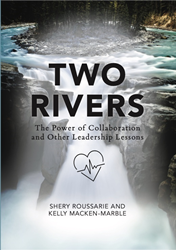
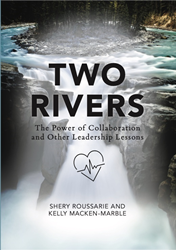
Two Rivers: The Power of Collaboration and Other Leadership Lessons

Two Rivers Book Cover

“I believe the only way healthcare can be transformed is through full collaboration between health systems, health insurance companies, and physicians,” states Macken-Marble. “Some [ideas] work gloriously. Some likewise fail gloriously. And along the road, a better path is forged,” says Roussarie.

Leadership experts and debut authors Shery Roussarie and Kelly Macken-Marble have teamed up to write how they were able to merge two medical groups, improve patient care, and disturb the stagnant medical industry. Published by Warren Publishing, Two Rivers: The Power of Collaboration and Other Leadership Lessons provides a true account of two CEOs who dared to join forces in an industry replete with competition, self-interest, and profiteering.

Drawing upon their experience in medical management, both Roussarie and Macken-Marble saw firsthand the problems that physicians and patients experienced within hospitals and within the fragmented US healthcare system, and realized collaboration was needed. Once they discovered how they could institute changes, they seized the opportunity. In 2018, Roussarie and Macken-Marble met for the first time and a vision was born. Regarding their inspiration, Macken-Marble states, “I believe the only way healthcare can be transformed is through full collaboration between health systems, health insurance companies, and physicians….Today there is not a lot of incentive to fix [healthcare] given the financial incentives to insurance companies, pharmaceuticals, and others.” Roussarie’s and Macken-Marble’s support for the well-being of their physicians and patients drove them to prove collaboration versus competition could be just as beneficial.

Thus, they purchased a hospital from which to implement their idea and merge their companies. Despite their success, they faced shocking opposition. “I was surprised by the level of aggressiveness and resistance we experienced,” says Macken-Marble. “In many ways, it felt more personal versus simple business competitive….Many of the initiatives we worked on were often discounted or minimized because we were women.” Yet still, they pushed forward, sure of the good they were doing and determined to see it through.

Now they have chosen to share their journey with others not only to inspire but also prove the effectiveness of their mission. “There was never a time of doubt that we were doing the right thing,” says Roussarie. Though the two still have a long road ahead of them, they have already made history in the medical community. “Some [ideas] work gloriously. Some [ideas] likewise fail gloriously. And along the road, a better path is forged,” says Roussarie. Like two rivers that merge to create a more powerful force, Roussarie and Macken-Marble combined their approach to business and leadership to ensure a collage of success and take a step in the right direction to improving the fragmented US healthcare system.

Two Rivers: The Power of Collaboration and Other Leadership Lessons can be ordered on Amazon.com, BarnesandNoble.com, warrenpublishing.net, and requested wherever books are sold. For media interviews and author appearances, contact Mindy Kuhn at (704) 900-0236, warrenpublish@gmail.com, or visit http://www.warrenpublishing.net/.

ABOUT SHERY ROUSSARIE

After a thirty-year career, Shery traded in her executive cape for board and committee service. She is one of four women who developed Powerhouse Leaders, a community of professionals and leaders designed to uplift and nurture personal and professional growth. Led by faith, her collaborative and tenacious spirit causes her to approach sticky situations and messy organizations with a contagious “can do” attitude. Her free time is spent with family and friends, outdoors, or traveling. She continuously strategizes on better ways to tackle the cost of healthcare, support the community, and develop stronger and more reliable leaders.

ABOUT KELLY MACKEN-MARBLE

Kelly’s thirty year career started in South West Michigan, leading in rural health communities. She currently serves as the CEO of a Critical Access Hospital in North West Wisconsin and previously held senior executive roles in the Twin Cities of Minnesota. Kelly brings a servant-leader approach to her work with a passion for creating healthy cultures in which care providers, team members, patients, and families feel valued and engaged. She also is greatly interested in leadership development and mentoring other leaders. Hobbies include kayaking, watching football, reading, and spending time with her puppies and family, including her husband, three children, and four grandchildren. To find out more information visit http://Lead-collaboratively.com, find them on Facebook @Lead Collaboratively or Instagram @lead_collaboratively or on LinkedIn: https://www.linkedin.com/company/90686329/admin/notifications/all/

Share article on social media or email:

Yeager and Carfagno to Elevated to Lead Compas Supplier Partner Team


Headshots of Lauren Yeager and Chris Carfagno at Compas

Lauren Yeager and Chris Carfagno have been promoted to lead the Compas Supplier Partner Team

“By building strong and meaningful relationships with key, innovative and diverse publishers, we have maintained industry leadership while creating important opportunities for our clients,” stated Chief Business Development Officer, John Donovan.

Compas, the leading media buyer in the healthcare industry, has elevated Lauren Yeager and Chris Carfagno to lead the company’s Supplier Partner Team. They will both be promoted to the titles of Vice President, Supplier Partner Team.

Compas’ Supplier Partner Team collaborates with the industry’s leading media providers to create high value, innovative and effective marketing and media solutions for its clients. Compas is the only healthcare agency with a dedicated Supplier Partner Team.

In this role, Yeager and Carfagno will oversee and manage key relationships with Compas’ suppliers. They will ensure Compas delivers on its core values of Accountability, Transparency and Performance while delivering incremental savings to its clients.

Since its founding in 1990, Compas has been building partner-of-choice relationships with leading media suppliers representing all channels in order to provide timely, relevant and strategic messaging to healthcare professionals, consumers, patients and caregivers. This is accomplished through a unique approach that is unmatched in the industry.

Yeager has extensive experience in relationship management, business development and media and sales strategy. With over 20 years of experience in the industry, including 12+ years with Compas, she has a proven track record of supporting and growing suppliers’ business as well as advising media planning teams to ensure best-in-class solutions for Compas’ clients.

Carfagno has deep background in marketing, sales planning, and business development. With over 20 years of industry experience, including 7+ years with Compas, he has built strong relationships with key suppliers, clients and their planning teams and has been instrumental in bringing these stakeholders together to create high-performing, successful solutions for Compas’ clients.

“The Supplier Partner Team is a visionary and unique offering that has been part of our unparalleled service to clients. By building strong and meaningful relationships with key, innovative and diverse publishers, we have maintained industry leadership while creating important opportunities for our clients,” stated Chief Business Development Officer, John Donovan. “Under Lauren and Chris’ leadership, the Supplier Partner Team will continue to lead our clients to important connections and ideas that drive their business.”

Compas is a National Minority Supplier Diversity Council (NMSDC) certified diverse supplier. Along with agency partner CMI Media Group, the company was named a 2023 Best Place to Work by Ad Age.

About Compas

For over 30 years Compas has been partnering with the industry’s leading media providers, as well as up-and-coming innovators – representing all channels and tactics – positioning them for success with healthcare clients and agencies. As stewards of its clients’ media investments, Compas is committed to enforcing the highest standards of buying execution, effectiveness, transparency and accountability while leveraging its clients’ collective buying power through a consortium that unlocks incremental savings. Compas is certified by the National Minority Supplier Diversity Council as a minority-owned-and-operated business and generates significant Tier 1 and Tier 2 Diverse Spend. Compas has been recognized as one of the industry’s best places to work, offering industry-leading development and retention. To apply for a position within our teams visit https://compas-inc.com/careers/

Share article on social media or email:
Zakay Law Group APLC and JCL Law Firm APC File A Class Action Lawsuit Against St. Anne’s Foundation and Family Services, Alleging Failure to Provide Meal and Rest Breaks


If you would like to know more about the St. Anne’s Foundation and Family Services lawsuit, please contact Attorney Jackland Hom today by calling (619) 255-9047.

The Los Angeles labor law attorneys, at Zakay Law Group, APLC and JCL Law Firm, APC, filed a class action complaint against St. Anne’s Maternity Home, St. Anne’s Foundation, and St. Anne’s Family Services (collectively, hereinafter, “St. Anne’s Foundation and Family Services”) for allegedly failing to provide employees with timely, off-duty meal and rest periods. The St. Anne’s Foundation and Family Services class action lawsuit, Case No. 22STCV14674, is currently pending in the Los Angeles County Superior Court of the State of California. A copy of the complaint can be read here.

According to the lawsuit, St. Anne’s Foundation and Family Services allegedly violated California Labor Code Sections §§ 201, 202, 203, 204, 226, 226.7, 246, 510, 512, 558,, 1174(d), 1194, 1197, 1197.1, 1198, 2800, 2802 and 2804 by failing to: (1) pay overtime wages; (2) provide meal and rest periods; (3) pay minimum wages; (4) timely pay wages during employment; (5) provide accurate itemized wage statements; (6) maintain requisite payroll records; and (7) reimburse for required business expenses.

As a result of their rigorous work schedules, St. Anne’s Foundation and Family Services’ employees were allegedly unable to take off duty rest breaks and were not fully relieved of duty for rest periods. Specifically, the lawsuit alleges employees were required from time-to-time to work in excess of four (4) hours without being provided ten (10) minute rest periods as a result of their overburdened work requirements and inadequate staffing. Further, the lawsuit alleges these employees were denied their first rest periods of at least ten (10) minutes for some shifts worked of at least two (2) to four (4) hours from time to time, a first and second rest period of at least ten (10) minutes for some shifts worked of between six (6) and eight (8) hours from time to time, and a first, second and third rest period of at least ten (10) minutes for some shifts worked of ten (10) hours or more from time to time. Additionally, St. Anne’s Foundation and Family Services’ employees were also allegedly not provided with one-hour wages in lieu thereof. As a result of their allegedly rigorous work schedules and inadequate staffing, St. Anne’s Foundation and Family Services’ employees were from time to time allegedly denied their proper rest periods by St. Anne’s Foundation and Family Services.

If you would like to know more about the St. Anne’s Foundation and Family Services lawsuit, please contact Attorney Jackland Hom today by calling (619) 255-9047.

Zakay Law Group, APLC and JCL Law Firm, APC are labor and employment law firms with offices located in California that dedicate their practices to fighting for employees who have been wronged by their employers due to unfair employment practices. Contact one of their attorneys today if you need help with workplace issues regarding wage and hour, wrongful termination, retaliation, discrimination, and harassment.

-THIS IS AN ATTORNEY ADVERTISEMENT-

Share article on social media or email: