All posts by imreal

A Modern-Day Approach to Surgical Lower Eyelid Rejuvenation


News Image

“With this training on the innovative ‘Trifecta Lift’, I aim to provide fellow medical professionals with the necessary tools and knowledge to elevate their skills and deliver superior results for their patients,” says Dr. Parsa.

Core Aesthetics is proud to announce the launch of an innovative training course led by renowned expert Dr. Kami Parsa, designed to revolutionize the field of lower eyelid surgical rejuvenation. The course features training on a modern surgical eyelid rejuvenation procedure called “Trifecta Lift” and will take place on Saturday, October 21, 2023, from 8:00 am to 11:00 am via Zoom. This comprehensive educational program offers medical professionals a unique opportunity to master advanced techniques and gain invaluable insights into achieving exceptional outcomes in lower eyelid procedures.

Lower eyelid surgical rejuvenation is a specialized area of cosmetic surgery that demands precision, expertise, and an in-depth understanding of the latest advancements in the field. Dr. Kami Parsa has been practicing Oculoplastic Surgery for the past 20 years and has performed over 10,000 eyelid procedures. One of his signature surgical techniques for lower eyelid rejuvenation is his “Trifecta Lift” procedure, which involves lower eyelid blepharoplasty, micro fat transfer, canthal suspension and skin tightening. This course covers everything from patient evaluation and selection and step-by-step surgical technique involved.

The training course, facilitated online by Dr. Parsa, promises an immersive learning experience that encompasses theoretical knowledge, practical demonstrations, and priority invitation to observe Dr. Parsa in surgery at his Beverly Hills clinic. Participants will have the opportunity to engage directly with Dr. Parsa, who will share his wealth of experience and expertise gained through years of successful procedures and research. Participants will also receive a downloadable course booklet, certificate of participation, treatment consent forms, and pre- and post-op care instructions.

Key features of the training course include:

Comprehensive Curriculum: The course curriculum covers a wide range of topics, including patient selection, preoperative assessment, surgical techniques, complication management, and postoperative care. Participants will gain a comprehensive understanding of lower eyelid surgical rejuvenation, ensuring they are equipped with the necessary skills to excel in this field.

Q&A Sessions: Throughout the training course, participants will engage in interactive question-and-answer sessions with Dr. Parsa, enabling them to seek clarification, delve deeper into specific topics, and benefit from his extensive knowledge and experience.

“Lower eyelid surgical rejuvenation is an intricate procedure that requires a delicate balance of artistry and technical expertise,” said Dr. Parsa. “With this training on the innovative ‘Trifecta Lift’, I aim to provide fellow medical professionals with the necessary tools and knowledge to elevate their skills and deliver superior results for their patients.”

The training course is open to ophthalmologists, plastic surgeons, dermatologists, and other medical professionals with a keen interest in lower eyelid surgical rejuvenation. Participants will receive a certificate of completion, validating their participation and highlighting their dedication to professional growth and excellence in patient care.

For more information about the training course and registration details, please visit https://www.coreaesthetics.com/modern-day-approach-to-lower-eyelid-surgical-rejuvenation/. Early Registration ends August 28th.

About Dr. Kami Parsa and Core Aesthetics:

Kami Parsa M.D. is a native of California. He attended UCLA and graduated with honors from the University of Southern California School of Medicine. Dr. Parsa completed a residency in ophthalmology at USC’s prestigious Doheny Eye Institute. He then completed a two-year sub-specialty fellowship in Oculoplastic & Reconstructive Surgery at the University of Miami’s Bascom Palmer Eye Institute, ranked by U.S. News and World Report as the number one program in the country. His current projects and research are focused on the use of minimally invasive modalities for periocular rejuvenation. To this end, Parsa is committed to advancing the field of oculoplastic surgery and regularly shares his knowledge through educational initiatives and training programs.

Core Aesthetics Academy was established to meet the demands of the rapid influx of diverse providers in the aesthetic market that need provider training and education to ensure quality and safety standards are maintained. The purpose of Core Aesthetic Academy is to provide the practitioner with a clear and systematic approach to the aesthetic patient at all levels of expertise – from novice to advanced practitioners. For additional information, please visit http://www.coreaesthetics.com.

Share article on social media or email:
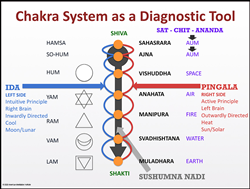
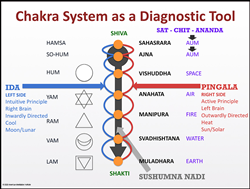
Physicians to Learn How to Use the Ancient Chakra System as a Modern Diagnostic Tool to Help Heal the Body and Relieve Pain and Burnout


Using the Chakra System as a Modern Diagnostic Tool

“The Chakra system as a diagnostic tool offers physicians increased clarity about their patients, and the benefit of personally experiencing less burnout, better health, and a kinder work/home balance.” –Leonard Perlmutter

Curriculum developer and faculty director Leonard Perlmutter (Ram Lev), and Jenness Cortez Perlmutter will present an important lecture on “The Ancient Chakra System as a Diagnostic Tool” at the American Meditation Institute’s 12th annual Heart and Science of Yoga CME Conference 17-21, 2023 at the Equinox Resort and Spa in Manchester, Vermont. The presentation is a component of AMI’s proprietary, comprehensive training in Yoga Science as Holistic Mind/Body Medicine, which was recently found in a peer-reviewed clinical study to reduce Burnout and Stress, is accredited by the American Medical Association for 34 CME credit hours, and will be offered simultaneously in-person and virtually on Zoom.

Since 1996, Leonard and Jenness Perlmutter have taught courses on the Chakra system as holistic mind/body medicine. Their mission for the past 27 years has been to unite Eastern philosophy with Western medical science. The Perlmutters are direct disciples of Swami Rama of the Himalayas––the medical pioneer who, in 1970, under laboratory conditions at the Menninger Institute in Topeka, Kansas, demonstrated that blood pressure, heart rate and the autonomic nervous system can be voluntarily controlled. These research demonstrations have been one of the major cornerstones of the modern mind/body medicine movement.

Commenting on the effectiveness of the Chakra system, Leonard Perlmutter states that, “by employing the ancient Chakra system as a diagnostic tool in their own lives, physicians and other medical providers can experience less burnout, better health, more creativity and kinder work/home balance. By learning to employ their knowledge of Chakra psychology (subtle emotional/mental causes of stress), physicians will be able to diagnose and treat dis-ease with greater clarity and intuitive understanding.”

This “Heart and Science of Yoga” CME conference is dedicated to providing quality, comprehensive and evidence-based education. By design, it offers a broad curriculum of Yoga Science as mind/body medicine to relieve and prevent physician burnout. In addition to the lecture on the “Chakra System as a Diagnostic Tool,” topics at this year’s conference will include instruction on AMI Meditation, Epigenetics, mantra science, yoga psychology, resiliency, mind function optimization, food as medicine, Ayurveda, easy-gentle yoga, lymph system detoxification, and a physician panel discussion which will share how other healthcare providers have successfully incorporated Yoga Science tools into their own medical practice and home life.

The dedication, enthusiasm, and teaching methodology of the entire AMI faculty create a dynamic and interactive course for their students. Each faculty member is committed to the advancement and training of Yoga Science as holistic mind/body medicine. In addition to Leonard Perlmutter and Jenness Cortez Perlmutter, other presenters include: Mark Pettus MD, board certified internist and nephrologist and Director of Medical Education and Population Health of Berkshire Health Systems; Kristin Kaelber MD, PhD, board certified in Internal Medicine and Pediatrics; Renee Rodriguez-Goodemote, MD, Medical Director of the Saratoga Hospital Community Health Center; Anthony Santilli MD, board certified in Pulmonary and Critical Care Medicine; Jesse Ritvo MD, Assistant Medical Director, Inpatient Psychiatry, University of Vermont Health Center; Joshua Zamer, MD, Medical Director for Addiction Medicine at Saratoga Hospital Community Health Center and Chairman of the Department of Family Practice; Jenness Cortez Perlmutter, co-founder and faculty member of The American Meditation Institute; Anita Burock-Stotts, MD, board certified in Internal Medicine; Janine Pardo MD, board certified in Internal Medicine, and Gustavo Grodnitzky PhD, Chair of the AMI Psychological Education Committee.

Since 2009, this conference core curriculum has been endorsed by medical pioneers Dean Ornish MD, Larry Dossey MD, and Bernie Siegel MD. According to previous attendee Kristin Kaelber, MD, a board certified internist in Cleveland, Ohio, “the material presented in AMI’s CME conference represents the future of medical education. It has provided me the practical tools to be a better physician, wife, mother and friend. Anyone burdened by the stress and burnout of practicing medicine today definitely needs this wisdom.”

-30-

About the American Meditation Institute

The American Meditation Institute is a 501(c)3 non-profit educational organization devoted to the teaching and practice of Yoga Science, AMI Meditation® and its allied disciplines as Mind/Body Medicine. In its holistic approach to wellness, AMI combines the healing arts, philosophy and spirituality of the East with the practicality of modern Western medical science. The American Meditation Institute offers a wide variety of courses, conferences and webinars. AMI also publishes “Transformation” a bi-monthly Journal of Yoga Science as Holistic Mind/Body Medicine.

Call 518.674.8714 for interviews and a snail mail or email subscription.

Media Contact:

Robert Washington

PO Box 430

Averill Park, NY 12018

Tel: 518-674-8714

Fax: 518-674-8714

Share article on social media or email:
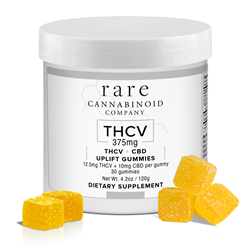
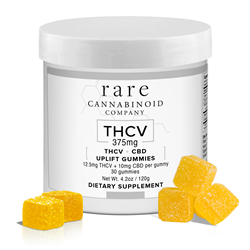
Rare Cannabinoid Company Launches New THCV + CBD Gummies


Rare Cannabinoid Company's Extra Strength THCV Gummies with CBD oil.

Rare Cannabinoid Company’s new, improved extra strength THCV Gummies bottles now contain 30 gummies instead of 15 and have added CBD, but cost less than before.

The addition of CBD to our high potency THCV gummies will enhance customers’ experience with this energizing, appetite suppressing cannabinoid.

Pioneering hemp brand, Rare Cannabinoid Company has launched new, improved extra strength THCV gummies. THCV is a rare cannabinoid found in hemp and cannabis that acts like a stimulant, increasing focus and energy, while decreasing appetite, which may aid concentration, exercise, and weight loss.

Rare Cannabinoid Company’s THCV gummies bottles now contain 30 gummies and are sold for $99. Each gummy contains 12.5mg THCV and 10mg CBD per gummy.

Bottles used to contain 15 THCV gummies and were sold for $109. Each gummy contained 25mg THCV per gummy and zero CBD.

The brand’s gummies with THCV still contain more THCV than any others on the market, but the new formula allows people to control their dosing more precisely.

“Our gummies were so strong that we advised people to take just half to one gummy at a time and some customers told us they were only taking a quarter or one-third of a gummy, which was messy and difficult for them. Our gummies’ new strength makes it much easier for people dose them easily and correctly,” said a company spokesperson.

The addition of CBD oil was also important to the Hawaiian brand as they believe that cannabinoids work best when taken together to enhance effects.

“We strongly believe in the entourage effect and advise people to use specific rare cannabinoids to enhance their full or broad spectrum CBD base oil. However, we realized that some people prefer to have one product that does it all. By adding CBD oil to our THCV gummies, our customers can really feel the heightened effects even if they don’t consume other hemp products,” the spokesperson said.

“The addition of CBD to our high potency THCV gummies will enhance customers’ experience with this energizing, appetite suppressing cannabinoid.”

Rare Cannabinoid Company’s THCV gummies are still vegan, low in sugar, and are naturally lemon flavored.

Rare Cannabinoid Company was also the first to create a pure THCV oil tincture and one-to-one blend of THCV CBD oil with full spectrum Hawaiian CBD.

The brand offers a wide selection of CBD, THC, rare cannabinoid, and terpene oils and gummies.

“Many customers like to combine our THCV gummies with our THC Mood Gummies,” said the spokesperson.

Mood Gummies contain hemp-derived Delta-9-THC as well as CBC (cannabichromene) for mood improvement and CBD oil.

“People like how the THCV curbs the THC munchies and by combining the two, they also enjoy an energetic sativa feel akin to strains like Durban Poison and Doug’s Varin,” they said.

Those interested in trying the THC Mood Gummies can receive a coupon code for a free packet of 10 gummies ($25 value) by signing up to receive the company’s newsletter.

Rare Cannabinoid Company prides itself on offering a full apothecary of cannabinoids, including CBN products for sleep, CBG gummies and oils for discomfort, and CBDV oil for sociability. They also have premium full and broad spectrum Hawaiian CBD base oils, gummies, Pet CBD, topicals and more.

Products can be found in more than 400 stores across the United States, Asia, and South America. They can also be purchased online and shipped worldwide (apart from locations where CBD is not allowed.)

Brick-and-mortar stores interested in stocking Rare Cannabinoid Company and Hawaiian Choice products can fill out a wholesale application or get in touch at wellnessorders.com.

Share article on social media or email:
Enhancing the US Drug Label Management Process, Upcoming Webinar Hosted by Xtalks


Saner and Nijveldt will explore processes to compose drug labels, including the utilization of the structured product labeling XML format, offering an alternative process that is more accurate and faster than traditional processing methods.

Gary Saner, Sr. Manager of Information Solutions Life Sciences at Reed Tech, and Gerrit-Jan Nijveldt, Global Labeling Consultant at Opus Regulatory, will be presenting a free webinar focused on enhancing the process of preparing patient and public-facing US drug product information, titled “Structured Product Labeling XML Composition: Enhancing the US Drug Label Management Process.” The webinar will take place on Thursday, July 13, 2023, at 10am EDT.

The webinar will address the multiple challenges faced in preparing accurate and regulated drug product information. Saner and Nijveldt will explore processes to compose drug labels, including the utilization of the structured product labeling XML format, offering an alternative process that is more accurate and faster than traditional processing methods.

“Effectively communicating drug-related information is crucial not only for the FDA but also for the drug product presence in the marketplace. This webinar aims to equip professionals with the knowledge to transform the process and ensure that the information delivered is both accurate and effective,” said Nijveldt.

The webinar is designed for a range of professionals, including drug information composition and publishing staff, drug labeling team members, regulatory affairs/operation leaders, product managers and marketing leaders, global strategy business managers, quality leaders and those involved with regulatory ad promotions.

Participants will learn about the US Food and Drug Administration (FDA) drug information regulations, an enhanced drug information processing method and time and cost savings in revamping the composition approach.

“With the fast-paced nature of the life sciences industry, it’s essential that professionals stay updated with the latest regulations and authoring and submission methods. This webinar is a step towards that goal, providing participants with the knowledge to make informed decisions and work more efficiently,” added Saner.

For more information, or to register for this event, visit Structured Product Labeling XML Composition: Enhancing the US Drug Label Management Process.

ABOUT XTALKS

Xtalks, powered by Honeycomb Worldwide Inc., is a leading provider of educational webinars to the global life science, food and medical device community. Every year, thousands of industry practitioners (from life science, food and medical device companies, private & academic research institutions, healthcare centers, etc.) turn to Xtalks for access to quality content. Xtalks helps Life Science professionals stay current with industry developments, trends and regulations. Xtalks webinars also provide perspectives on key issues from top industry thought leaders and service providers.

To learn more about Xtalks visit http://xtalks.com

For information about hosting a webinar visit http://xtalks.com/why-host-a-webinar/

Contact:

Vera Kovacevic

Tel: +1 (416) 977-6555 x371

Email: vkovacevic@xtalks.com

Share article on social media or email:
The Transformative Future of Dental Implants


News Image

As innovations in dental implant technology and equipment continue to advance and doctors refine their techniques, the future holds even more remarkable breakthroughs in this field of dentistry

Typically, tooth loss signifies the culmination of a lifetime of oral health issues, primarily advanced tooth decay, and severe gum disease, although it can also result from trauma or other factors. On a global scale, the average prevalence of complete tooth loss among individuals aged 20 or older is nearly 7%. However, for those aged 60 or older, the prevalence rises significantly to approximately 23%. The loss of teeth can have profound psychological, social, and functional consequences, causing emotional distress, social difficulties, and limitations in daily activities.(1) Adrian LaTrace, CEO of Boyd Industries, notes, “As innovations in dental implant technology and equipment continue to advance and doctors refine their techniques, the future holds even more remarkable breakthroughs in this field of dentistry.”

Dental implants have come a long way since their primitive predecessors, which included carved bamboo pegs, seashells, and animal teeth.(2) Modern-day dental implants replicate the look, feel, and function of natural teeth. They offer patients a permanent and durable solution, restoring oral health and enhancing overall well-being. The dental implant industry has experienced significant growth; the global dental implant market is projected to reach $13 billion in 2023.(3) Factors contributing to the industry’s progression in North America include a growing geriatric population with high incidences of dental problems, increased awareness of the importance of oral health, and a growing interest in achieving that perfect smile.(4)

Currently, 6% of the U.S. population have dental implants, which is predicted to increase to 23% by 2026.(5) Dental implants have gained immense popularity due to their numerous benefits over alternative treatments. Unlike removable dentures, dental implants provide a permanent solution by integrating with the jawbone through osseointegration, a direct, rigid connection between the implant and the bone. This integration offers stability, strength, and durability comparable to natural teeth.(6) This significantly impacts the quality of life, enabling individuals to enjoy a varied diet and engage socially without discomfort or embarrassment.

Looking toward the future, dental implant technology continues to advance at a rapid pace:

— 3D Printing: Precise customization and improved fit through 3D printing enhance patient comfort and reduce treatment time.

— Smart Biomaterial Innovations: Advanced biomaterials promote better integration of dental implants with surrounding tissues and faster healing.

— Nanotechnology: Utilizing nanotechnology enhances the surface properties of implant materials, promotes better osseointegration and more proficient bone growth, and reduces the risk of complications.(7)

— Digital Dentistry: Digital tools like intraoral scanners, CAD (computer-aided design), and CAM (computer-assisted manufacturing) enable precise planning and execution of implant procedures, leading to better aesthetic and functional outcomes.(8)

Dental implants offer an unrivaled level of functionality, allowing individuals to eat, speak, and engage in daily activities with confidence. Moreover, dental implants are a long-term solution, with an average lifespan of 10-30 years, with the potential to last a lifetime when properly cared for.(9)

While dental implants are generally safe and reliable, like any surgical procedure, they come with certain risks. It is essential to consult with a qualified dental professional before undergoing the procedure. Potential risks include infection at the implant site, damage to surrounding structures like nerves or blood vessels, tooth sensitivity, implant failure, and complications such as sinus problems or nerve damage. For people over 60, there are additional risks, such as slower healing time, compromised bone health, and the potential to affect other preexisting health conditions.(10) A proper medical assessment and plan by a skilled and experienced professional can help minimize these risks to ensure a safe and successful implantation process.

In addition to the advancements in dental implant technology, the evolution of dental equipment has also played a vital role in ensuring patient comfort during prolonged dental procedures. The duration of an implant operation differs on a case-by-case basis, depending on the type and number of implants involved. It takes about 1-2 hours to surgically insert one tooth implant. The entire process, from the initial consultation to recovery and healing time, can be 4-11 months, depending on the circumstances and the patient’s own natural healing process.(11)

Boyd is an industry leader in the design and manufacture of state-of-the-art, ergonomically-designed dental and medical operatory equipment. LaTrace observes, “Advancements in dental equipment and technology are encouraging patients to take a more proactive role in maintaining and improving their oral health and aesthetics. Dental professionals are now equipped with powerful tools that enable precise and efficient treatment and enhanced patient comfort, making lengthy dental procedures more tolerable for both doctors and patients.”

Built to last. Built for you. Built by Boyd.

About Boyd Industries

For 65 years, Boyd Industries has been the innovative market leader in the design and manufacture of dental and medical operatory equipment. Their high-quality and reliable equipment has been the choice of dental specialty practices and dental surgery offices. The rapidly expanding Ear, Nose, and Throat market now seeks its reputation for quality and innovation. Boyd equipment is specifically designed to provide maximum practice productivity while incorporating ergonomic characteristics for the doctor, staff, and patient. As an original equipment manufacturer, they use a vertically integrated approach to ensure their process meets high-quality standards. This approach allows Boyd to control each step of component fabrication and product assembly. Boyd’s products include a full line of dental exam, treatment, and surgical chairs, dental delivery systems, LED exam and surgical lighting, custom sterilization and storage cabinetry, and doctor or assistant seating. Boyd was named the Senate Small Business of the Week in November 2020 and is a ten-time winner of the Townie Choice Award for excellence in orthodontic operatory equipment. Boyd Industries is an FDA-registered manufacturer. Built to last. Built for you. Built by Boyd. http://www.boydindustries.com/.

References:

1. World Health Organization. (n.d.). Oral Health. World Health Organization. who.int/news-room/fact-sheets/detail/oral-health

2. PFDM, T. (2021, August 16). The history of Dental implants. Texas Implant & Dental Center of Amarillo. amarillodentureclinic.com/blog/2021/08/10/the-history-of-dental-implants/

3. JA;, A. H. (n.d.). The development and future of dental implants. Dental materials journal. pubmed.ncbi.nlm.nih.gov/31969548/

4. BlueWeave Consulting and Research Pvt Ltd. (2023, May 4). Dental implants market size set to touch USD 6.48 billion with the CAGR of 6.5% by 2029: BlueWeave consulting. GlobeNewswire News Room. globenewswire.com/en/news-release/2023/05/04/2661787/0/en/Dental-Implants-Market-Size-Set-to-Touch-USD-6-48-billion-With-the-CAGR-of-6-5-by-2029-BlueWeave-Consulting.html#:~:text=North%20America%20emerged%20as%20the,oral%20preventive%20and%20restorative%20treatments

5. Forbes Magazine. (2023, April 6). Dental implants: What you need to know. Forbes. forbes.com/health/body/dental-implants-guide/#:~:text=Pioneered%20about%2050%20years%20ago,set%20to%20grow%20to%2023%25

6. Parithimarkalaignan, S., & Padmanabhan, T. V. (2013, March). Osseointegration: An update. Journal of Indian Prosthodontic Society. ncbi.nlm.nih.gov/pmc/articles/PMC3602536/

7. Chen, M.-Q. (2022, April 25). Recent advances and perspective of nanotechnology-based implants for orthopedic applications. Frontiers in bioengineering and biotechnology. ncbi.nlm.nih.gov/pmc/articles/PMC9082310/

8. Alauddin, M. S., Baharuddin, A. S., & Mohd Ghazali, M. I. (2021, January 25). The modern and digital transformation of Oral Health Care: A mini review. Healthcare (Basel, Switzerland). ncbi.nlm.nih.gov/pmc/articles/PMC7912705/

9. Team. (2021, March 29). How long do dental implants last?: Periodontal Associates. Periodontal Associates Inc. periodontal.com/how-long-do-dental-implants-last/#:~:text=Dental%20Implants%20Can%20Last%20a,ability%20to%20last%20that%20long

10. Silver, N. (2022, November 21). Are dental implants safe? learn about potential risks. Healthline. healthline.com/health/dental-and-oral-health/are-dental-implants-safe#potential-risks

11. Dental, S. (2022, December 16). Just how long does dental implant treatment actually take?. Sheendental. sheendental.co.uk/post/just-how-long-does-dental-implant-treatment-actually-take

Does Congenital Heart Disease Cause Arrhythmias? Memorial Cardiac and Vascular Institute Has the 4-1-1


The Memorial Cardiac & Vascular Institute is a cardiovascular care leader, offering a wide array of services dedicated to the prevention, detection, and treatment of cardiovascular disease.

“Your risk of developing an arrhythmia is based largely on the type of heart defect you have and the surgery, which leaves a scar in a specific location in your heart. Based on that, we can often tell what type of arrhythmia is likely.” – Dr. Daniel Benhayon Lanes

Taking care of your health is always important, especially when you’re born with a heart defect (congenital heart disease). Having a heart defect makes other health problems more likely. Arrhythmia, an irregular heartbeat, is a serious concern for those with adult congenital heart disease (ACHD).

Most arrhythmias aren’t fatal, but they can cause symptoms like heart palpitations, a rapid heart rate and fatigue. The bigger problem? They double your risk of stroke and they’re the leading cause of hospitalizations for those with ACHD. Screening for and treating arrhythmias is essential for staying healthy.

CARDIAC ARRHYTHMIAS DUE TO CONGENITAL HEART DISEASE

Developing an arrhythmia when you have ACHD isn’t inevitable. But you’re much more susceptible to it than someone without a heart defect. One large study found that 15 percent of adult participants with ACHD also had atrial arrhythmias, the most common irregular heartbeat associated with the condition. More than half of those with severe ACHD developed an arrhythmia by the time they turned 65.

HOW DOES CONGENITAL HEART DISEASE CAUSE ARRHYTHMIA?

Both congenital heart disease and surgery to correct defects make you prone to arrhythmias. Here’s why: An electrical signal moves from the top to the bottom of the heart to make it contract (squeeze). That creates your heartbeat, which pushes blood out to the rest of the body.

In ACHD, arrhythmias usually occur because something interferes with the movement of the electrical impulse through the heart. The causes could include:

  • Abnormal structure of the heart or surrounding blood vessels
  • Prosthetic patches (synthetic material) from heart repair
  • Surgical scar tissue
  • Thickening of heart tissue


“Your risk of developing an arrhythmia is based largely on the type of heart defect you have and the surgery, which leaves a scar in a specific location in your heart. Based on that, we can often tell what type of arrhythmia is likely,” says Daniel Benhayon Lanes, MD, an electrophysiologist (EP) at Memorial Cardiac and Vascular Institute.

COMMON CONGENITAL ARRHYTHMIAS

ACHD is typically associated with certain types of arrhythmias, including:

  • Atrial flutter: This type of arrhythmia occurs when the upper chambers of the heart (atria) contract too fast and get out of sync with the lower chambers.
  • Atrial fibrillation (AFib): With AFib, the upper chambers quiver instead of contract, which causes an irregular rhythm. AFib is the most common arrhythmia in people over 65 with ACHD.
  • Intra-atrial reentry tachycardia (IART): IART triggers episodes of a rapid heartbeat that stem from an unusual place in the heart’s upper chambers. This type of arrhythmia is most common in people under 50 with ACHD. IART can gradually progress to AFib.


WHAT TRIGGERS ARRHYTHMIAS?

Arrhythmias can develop immediately following surgery or occur years or decades later. Besides surgery, multiple factors can trigger arrhythmias, including:

  • Excessive alcohol use
  • High blood pressure
  • Infections
  • Weight gain


ARRHYTHMIA MANAGEMENT

Having an arrhythmia when you have ACHD is concerning because it can lead to a stroke. An irregular heartbeat may allow blood to pool in the heart and clot. When a clot breaks free, it circulates through blood vessels and can lodge in one that leads to the brain.

A stroke occurs when a clot obstructs blood flow (and oxygen) to the brain. To reduce the risk of stroke from arrhythmia, it’s essential to screen for arrhythmias and treat them.

Cardiologists use several tests and procedures to diagnose arrhythmias. Your cardiologist may recommend testing for arrhythmia if you’re having symptoms such as:

  • Dizziness
  • Fatigue
  • Feeling like your heart is beating in your throat
  • Fluttering or pounding in your chest
  • Racing heart rate


Seek immediate medical attention if you experience emergency symptoms:

  • Chest pain or pressure
  • Fainting
  • Shortness of breath


TREATMENTS

Arrhythmia treatment minimizes stroke risk and regulates your heart’s rhythm. Common treatments include:

  • Blood thinners: These medications reduce your stroke risk by preventing your blood from clotting.
  • Medications: Drugs that control heart rate or change the rhythm help get your heartbeat back on track.
  • Electrical cardioversion: If your heart is in a constant arrhythmia, you may need this medical procedure. It delivers a small electrical shock to your heart to reset its rhythm.
  • Catheter ablation: During this minimally invasive procedure, the doctor weaves a thin, hollow tube (catheter) through a blood vessel to your heart. Then they deliver heat or cold energy through the catheter to destroy the heart tissue causing the arrhythmia.


SCHEDULE AN APPOINTMENT FOR HEART AND VASCULAR SERVICES

When you have ACHD, the program and team you choose to care for your heart can make a big difference. Learn more about ACHD treatments and services at Memorial Cardiac and Vascular Institute. To schedule an appointment with a cardiologist, electrophysiologist or vascular specialist at Memorial, call 855-400-6284.

Share article on social media or email:

Abilities Advocate Vanessa Harris Receives Leaders for a New Chicago Award


Vanessa Harris, PE, is a licensed civil engineer and documentary filmmaker with multiple disabilities.

“This award is a tremendous honor and it is a testament to the important work we are doing to engage the disability community,” said Harris.

Strategy for Access announced today that its founder and CEO, Vanessa A. Harris, PE, was named to the 2023 Leaders for a New Chicago cohort by the Field Foundation of Illinois and The John D. and Catherine T. MacArthur Foundation. The award recognizes Harris’s role as one of Chicago’s transformational leaders for her work developing films that empower and inform people with disabilities.

“This award is a tremendous honor and it is a testament to the important work we are doing to engage the disability community,” said Harris. “As someone who personally understands the problems people with disabilities face on a daily basis, I am on a mission to reach a wide and diverse audience with our stories.”

The Leaders for a New Chicago program recognizes past accomplishments and seeks to build a more inclusive city by promoting leaders who are designing new approaches to civic discourse and action. Each of the 2023 awardees will receive an award of $25,000, and their affiliated organizations will receive an additional $25,000 general operating grant. The leaders’ work aligns with the Field Foundation’s grantmaking areas of Art, Justice, and Media & Storytelling, with a focus on organizations addressing systemic issues in the city’s historically underserved communities.

“We will utilize this award to further our mission of providing educational and entertaining films for people with disabilities,” said Harris. “Our community is an integral part of society, and every individual has a significant contribution to share.”

About Strategy for Access

Strategy for Access is a for-purpose organization dedicated to producing media that benefits all people living with disabilities, primarily through its website, Fun4theDisabled. As the parent nonprofit for Fun4theDisabled’s creative work, Strategy for Access manages the legal and funding endeavors and Fun4theDisabled focuses on producing high-quality and engaging videos.

Share article on social media or email:

High Accuracy Artificial Intelligence Improves Lung Cancer Detection


Our study suggests that AI can help radiologists, but only when the AI’s diagnostic performance meets or exceeds that of the human reader.

Assistance from an artificial intelligence (AI) algorithm with high diagnostic accuracy improved radiologist performance in detecting lung cancers on chest X-rays and increased human acceptance of AI suggestions, according to a study published in Radiology, a journal of the Radiological Society of North America (RSNA).

While AI-based image diagnosis has advanced rapidly in the medical field, the factors affecting radiologists’ diagnostic determinations in AI-assisted image reading remain underexplored.

Researchers at Seoul National University looked at how these factors might influence the detection of malignant lung nodules during AI-assisted reading of chest X-rays.

In this retrospective study, 30 readers, including 20 thoracic radiologists with five to 18 years of experience and 10 radiology residents with only two to three years of experience, assessed 120 chest X-rays without AI. Of the 120 chest radiographs assessed, 60 were from lung cancer patients (32 males) and 60 were controls (36 males). Patients had a median age of 67 years. In a second session, each group reinterpreted the X-rays, assisted by either a high- or low-accuracy AI. The readers were blind to the fact that two different AIs were used.

Use of the high accuracy AI improved readers’ detection performance to a greater extent than low-accuracy AI. Use of high-accuracy AI also led to more frequent changes in reader determinations—a concept known as susceptibility.

“It is possible that the relatively large sample size in this study bolstered readers’ confidence in the AI’s suggestions,” said study lead author Chang Min Park, M.D., Ph.D., from the Department of Radiology and Institute of Radiation Medicine at Seoul National University College of Medicine in Seoul. “We think this issue of human trust in AI is what we observed in the susceptibility in this study: humans are more susceptible to AI when using high diagnostic performance AI.”

Compared to the first reading session, readers assisted by the high diagnostic accuracy AI at the second reading session showed higher per-lesion sensitivity (0.63 versus 0.53), and specificity (0.94 versus 0.88). Alternatively, readers assisted by the low diagnostic accuracy AI at the second reading session did not show improvement between the two reading sessions for any of these measurements.

“Our study suggests that AI can help radiologists, but only when the AI’s diagnostic performance meets or exceeds that of the human reader,” Dr. Park said.

The results underline the importance of using high diagnostic performance AI. However, Dr. Park noted that the definition of “high diagnostic performance AI” can vary depending on the task and the clinical context in which it will be used. For example, an AI model that can detect all abnormalities on chest X-rays may seem ideal. But in practice, such a model would have limited value in reducing the workload in a pulmonary tuberculosis mass screening setting.

“Therefore, our study suggests that clinically appropriate use of AI requires both the development of high-performance AI models for given tasks and considerations about the relevant clinical setting to which that AI will be applied,” Dr. Park said.

In the future, the researchers want to expand their work on human-AI collaboration to other abnormalities on chest X-rays and CT images.

“Effect of Human-AI Interaction on Detection of Malignant Lung Nodules on Chest Radiographs.” Collaborating with Dr. Park were Jong Hyuk Lee, M.D., Ph.D., Hyunsook Hong, Ph.D., Gunhee Nam, Ph.D., and Eui Jin Hwang, M.D., Ph.D.

In 2023, Radiology is celebrating its 100th anniversary with 12 centennial issues, highlighting Radiology’s legacy of publishing exceptional and practical science to improve patient care.

Radiology is edited by Linda Moy, M.D., New York University, New York, N.Y., and owned and published by the Radiological Society of North America, Inc. (https://pubs.rsna.org/journal/radiology)

RSNA is an association of radiologists, radiation oncologists, medical physicists and related scientists promoting excellence in patient care and health care delivery through education, research and technologic innovation. The Society is based in Oak Brook, Illinois. (RSNA.org)

For patient-friendly information on chest X-rays, visit RadiologyInfo.org.

Share article on social media or email:

Prevent Blindness Declares July as Dry Eye Awareness Month to Educate Public on Eye Disease that Affects more than 16 Million Americans


Prevent Blindness has declared July as Dry Eye Awareness Month to help educate the public on the eye disease, including risk factors, symptoms, and treatment options.

“Dry eye is a serious condition that may have long-term effects on eye health, if left untreated,” said Jeff Todd, president and CEO of Prevent Blindness.

Nearly 16 million Americans have dry eye, according to the National Eye Institute (NEI). Dry eye occurs when there is not enough tear film produced, the tear film is not draining properly from the eye, or the tear film is not the quality needed to maintain the health of the eye. If left untreated, dry eye can cause damage to the cornea.

In an effort to educate the public on dry eye, Prevent Blindness, the nation’s leading nonprofit eye health organization, has declared July as “Dry Eye Awareness Month.” Information is available on dry eye risk factors, symptoms, and treatment options through a variety of resources, including fact sheets and shareable social media graphics, available in English and Spanish, and a dedicated web page: https://preventblindness.org/understanding-dry-eye.

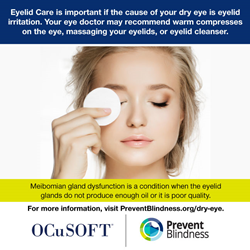
This year, Prevent Blindness is offering a new episode of the Focus on Eye Health Expert Series, “Dry Eye and Meibomian Gland Dysfunction (MGD),” featuring April Jasper, OD, FAAO, Advanced Eyecare Specialists. Dr. Jasper shares her unique experience as a dry eye patient as well as an eyecare provider. MGD is a condition when the eyelid glands do not produce enough oil, or it is of poor quality.

For the third consecutive year, OCuSOFT ® Inc., a privately-held eye and skin care company dedicated to innovation in eyelid hygiene and ocular health, is partnering with Prevent Blindness in support of Dry Eye Awareness Month.

Risk factors for dry eye include:

  • Being more than 50 years old
  • Hormonal changes
  • Refractive surgery (for example, Lasik)
  • Inflammation of the eyelids
  • Environmental conditions, such as allergies, exposure to smoke, or a dry climate
  • Prolonged use of digital screens, such as computers
  • Wearing contact lenses
  • Medical conditions such as diabetes, thyroid eye disease, rheumatoid arthritis, lupus, Sjogren’s syndrome, and certain other autoimmune diseases

Additionally, taking certain medicines increases the risk of dry eye. According to the American Academy of Ophthalmology, these include diuretics (water pills) for high blood pressure, beta-blockers, for heart problems or high blood pressure, allergy and cold medicines (antihistamines), sleeping pills, anxiety and antidepressant medicines, and heartburn medicines. Patients must inform their eyecare professional of all medications they are taking in order to treat dry eye and other eye conditions effectively.

“Dry eye is a serious condition that may have long-term effects on eye health, if left untreated,” said Jeff Todd, president and CEO of Prevent Blindness. “We encourage patients to talk with their eye doctors about their dry eye symptoms, and work together to form an effective treatment plan to keep eyes healthy for years to come.”

For more information on dry eye, please visit the Prevent Blindness resource page at PreventBlindness.org/understanding-dry-eye.

About Prevent Blindness

Founded in 1908, Prevent Blindness is the nation’s leading volunteer eye health and safety organization dedicated to fighting blindness and saving sight. Focused on promoting a continuum of vision care, Prevent Blindness touches the lives of millions of people each year through public and professional education, advocacy, certified vision screening and training, community and patient service programs and research. These services are made possible through the generous support of the American public. Together with a network of affiliates, Prevent Blindness is committed to eliminating preventable blindness in America. For more information, visit us at PreventBlindness.org, and follow us on Facebook, Twitter, Instagram, LinkedIn and YouTube.

###

Share article on social media or email:



The FDA Inspires Confidence in Decentralized Clinical Trials With New Guidance for Future Success


News Image

Collecting, tracking, and analyzing data in real-time generates immediately actionable insights and helps to identify opportunities, reduce risk, and make better decisions

As of June 2023, there are 455,756 active clinical trials in all 50 U.S. states and 221 countries worldwide.(1) Unfortunately, studies indicate that the overall success rate of clinical trials is only 7.9%, meaning that, statistically speaking, over 90% of those trials will be unsuccessful.(2) Dr. Harsha Rajasimha, Founder and CEO of Jeeva Informatics, explains, “The exceedingly high failure rate of clinical trials is not necessarily due to the lack of efficacy of the treatment being studied, but it’s often the lack of efficacy of the study itself.” It appears that the FDA is aligned with this view, given its recent guidance for the industry that encourages it to further modernize its approach to clinical trials to help boost outcomes and lower costs.

One trend in the clinical trial space that is helping to tackle the problem is the evolution of Hybrid and Decentralized Clinical Trials. The FDA has recognized the significant advantages of DCTs and is looking towards broader adoption after their successful implementation during the COVID-19 pandemic. The FDA cites the following benefits of DCTs:

  • Improving convenience for clinical trial participants.
  • Alleviating the burden on caregivers.
  • Expanding access to more diverse populations.
  • Improving trial efficiencies.
  • Facilitating research on rare diseases.
  • Enabling broader participation for populations with limited mobility.(3)


To these ends, the FDA has recently introduced new guidance to support DCTs in researching the efficacy of investigational drugs, biologics, and medical devices. The new guidance provides recommendations to address the unique challenges for DCTs. There needs to be coordination of all trial activities across multiple locations to address the prevalent issues of design, feasibility, implementation, and analytical considerations to facilitate the decentralization of the trial.

To make clinical trials more accessible, the FDA recommends convenience strategies for participants, such as telehealth visits when physical interaction is not necessary, employing local healthcare personnel (HCP) to perform in-person assessments, and providing HCPs with comprehensive training in following research protocols regarding the proper administration of investigational products (IPs).(4)

To manage DCT operations, the FDA suggests using software that is versatile and can be utilized on various platforms such as tablets, cell phones, and personal computers; it should also be able to handle multiple investigative functions, including:

  • Managing electronic informed consent.
  • Capturing and storing reports from remote trial personnel, local HCPs, and remote clinical laboratory facilities.
  • Managing electronic case report forms (eCRFs).
  • Scheduling trial visits and other DCT-related activities.
  • Tracking IPs that are shipped directly to trial participants.
  • Syncing information recorded by digital health technologies (DHTs).
  • Serving as communication tools between DCT personnel and trial participants.(4)


Rajasimha notes, “Collecting, tracking, and analyzing data in real-time generates immediately actionable insights and helps to identify opportunities, reduce risk, and make better decisions. With the FDA’s continued support and guidance, decentralized and hybrid clinical trials can continue to gain momentum and cement their role in the future of clinical research.”

Pharma companies typically spend over $60 million on a large clinical trial.(5) If regulatory bodies deem the gathered data invalid, the loss could devastate the clinical trial and possibly the company altogether. Because the FDA holds biopharmaceutical companies responsible for regulatory compliance via audits, these companies need to make sure they are in compliance at all times with a system that not only complies with regulatory and security requirements but also provides human-centric and flexible real-time monitoring of sites, patients, and their data.

By using platforms that check all regulatory, security, and patient care boxes, like Jeeva™ eClinical Cloud, biopharmaceutical companies can be fully compliant from the start, saving money, time, and effort.

A human-centric, secure, unified, and flexible platform that is designed specifically for decentralized and hybrid trials and adheres to FDA guidelines and recommendations can accelerate clinical research timelines over 3x faster. This is what Rajasimha and his team have worked tirelessly to deliver to their sponsors and CRO customers since the start of the COVID pandemic.

About Jeeva Informatics

The personal experience of losing a child born with a rare congenital disorder and a brother with a chronic disease became the springboard for Dr. Harsha Rajasimha to apply his years of postdoctoral training at the NIH and FDA to accelerate therapies for rare and common conditions. Patient travel requirements and the pandemic forced the demand for decentralizing clinical trials and embracing digital technologies needed to accelerate the process of bringing new medicines or vaccines to patients who need them over three times faster. Jeeva set out to focus on mitigating risks to emerging biopharma clinical trial sponsors as true technology partners, seeking time and cost-efficient ways to execute early-stage clinical trials with minimal risk without compromise. Their reduction of the logistical burdens on patients and study teams by over 70% has resulted in their eClinical platform being selected by a joint venture of Georgetown University Medical Center and Frantz Medical Group for a major cancer trial. The Virginia-based company’s modular software-as-a-service platform is fully scalable and facilitates patient enrollment, engagement, and evidence generation in clinical trials on any browser-enabled mobile device. Visit https://jeevatrials.com/.

References

1. Trends, charts, and maps. ClinicalTrials.gov. (n.d.). clinicaltrials.gov/ct2/resources/trends.

2. Kim, E., Yang, J., Park, S.; Shin, K. (2023, May 11). Factors affecting success of New Drug Clinical Trials. Therapeutic innovation; regulatory science. ncbi.nlm.nih.gov/pmc/articles/PMC10173933/.

3. Commissioner, O. of the. (n.d.). FDA takes additional steps to advance decentralized clinical trials. U.S. Food and Drug Administration. fda.gov/news-events/press-announcements/fda-takes-additional-steps-advance-decentralized-clinical-trials#:~:text=%E2%80%9CThe%20FDA%20has%20long%20considered,said%20FDA%20Commissioner%20Robert%20M.

4. Decentralized clinical trials for drugs, biological products, and … (n.d.-a). fda.gov/media/167696/download.

5. Clinicubes. (2022, September 12). Many stakeholders + different costs = complex clinical trial (part 1). Clinicubes. clinicubes.com/many-stakeholders-different-costs-complex-clinical-trial-part-1/

Share article on social media or email: