All posts by imreal

Costs of Care and The Leapfrog Group Now Accepting Nominations for the Annual Steven Schroeder Award for Outstanding Healthcare CEO


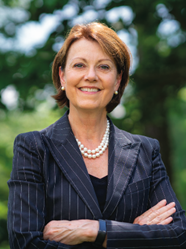
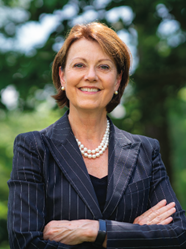
Joanne M. Conroy, MD, CEO and President of Dartmouth Health

No matter how tough the challenge is, we can do what needs to be done with humanity, integrity, and respect for everyone involved. – Dr. Conroy

Costs of Care, a leading nonprofit dedicated to cultivating change agents who will lead the creation of a more affordable and equitable health system, in partnership with The Leapfrog Group, an independent national watchdog organization of employers and other purchasers focused on health care safety and quality, is now accepting nominations for the fifth annual Steven Schroeder Award for Outstanding Healthcare CEO. This award was created to recognize a hospital and/or health system CEO who has demonstrated courageous and ethical leadership addressing the twin issues of affordability and quality of health care in their community. The recipient of this year’s award will be prominently recognized at The Leapfrog Group’s Annual Meeting and Awards Dinner, which will take place in-person on Tuesday, December 6th, 2022 in Washington, D.C. Past recipients of the Steven Schroeder Award for Outstanding Healthcare CEO include the most recent recipient Joanne M. Conroy, M.D., CEO and President of Dartmouth Health in New Hampshire; Mr. Carl S. Armato, President and CEO of Novant Health in North Carolina; Mr. John A. DiAngelo, former President and CEO of Inspira Health in New Jersey; and Gary S. Kaplan, M.D., former Chairman and CEO of Virginia Mason in Seattle, Washington.

The Outstanding Healthcare CEO award is named in honor of Steven Schroeder, MD, Distinguished Professor of Health and Health Care at the University of California San Francisco and former President and CEO of the Robert Wood Johnson Foundation. Dr. Schroeder has spent five decades inspiring and mentoring leaders to forcefully advocate for better quality and more affordable health care, and he has inspired leaders of both Costs of Care and The Leapfrog Group. Dr. Schroeder expresses, “As our nation continues to struggle with how to improve equity and use resources efficiently, health care institutions need to set an example. This award celebrates leaders who have shown that vision and courage can make a difference.”

Last year’s Steven Schroeder Award was presented to Joanne M. Conroy, M.D., CEO and President of Dartmouth Health in New Hampshire. “It was an incredible honor to receive the Steven Schroeder Award. Measurably reducing patient harm and simultaneously saving dollars that will ultimately improve patient experience, outcomes and efficiency is what Dartmouth Health is committed to. Running a health system is a marathon, not a sprint. Many innovations are heralded as imminent, but in healthcare, that means 5 to 10 years. We need to plan and prepare for change; that means rebuilding the plane while you are flying it. No matter how tough the challenge is, we can do what needs to be done with humanity, integrity, and respect for everyone involved. It’s not enough to have the correct strategy, it is how we execute on that strategy that matters,” believes Dr. Conroy.

“It is our patients and communities who pay so dearly for so much that is broken about our health care system,” said Chris Moriates, MD, Executive Director of Costs of Care. “We want to hold up examples of ethical leadership in striving for more equitable and affordable health care delivery, in hopes that it will show others what is possible.”

“We’ve seen great deterioration in patient safety during the pandemic causing needless deaths and wasteful dollars. We need strong and courageous hospital and health system CEOs to help reverse this troubling trend,” said Leah Binder, president & CEO of The Leapfrog Group. “We are honored to recognize another outstanding CEO this year leading the charge on safety, quality, and cost, and who truly puts patients first.”

Nominations for the Steven Schroeder Award will be accepted through October 7th, 2022 – nominees must be CEOs for hospital and/or health systems that reported to the 2022 Leapfrog Hospital Survey. For more information on how to nominate a CEO for the prestigious Steven Schroeder Award, please visit Costs of Care.

About Costs of Care

Costs of Care is a nonprofit organization dedicated to cultivating change agents who will lead the creation of a more affordable and equitable health system. Since 2009, Costs of Care has collected personal accounts from physicians, nurses, and patients all over the United States that illustrate routine and high-yield opportunities to improve the value of care delivery. Costs of Care directs the Choosing Wisely STARS program for medical students, catalyzing grassroots, student-led initiatives to advance health care value in medical education, as well as the STARS UNITE program for interprofessional teams to work together on value improvement initiatives in clinical learning environments. Costs of Care has also created widely adopted and enduring resources to educate medical trainees and clinicians about how to address health care costs and provide high-value care, including the textbook Understanding Value-Based Healthcare, the “COST” framework for designing value improvement projects, multiple workshops, and free, CME-approved video modules.

In December 2019, Costs of Care launched the Affordability Moonshot – envisioning a world in which “no one has to choose between their life and their life-savings” – informed by an Affordability Framework for Health Systems, and paired with an Affordability Accelerator in September 2021 with the subsequent publication “The Affordability Accelerator: A Road Map to Improve Patient Out-of-Pocket Costs and Trustworthiness in Health Care” in NEJM Catalyst.

Connect at http://costsofcare.org, be a part of the Moonshot at moonshot.costsofcare.org, and follow on Twitter/Instagram @CostsOfCare.

About The Leapfrog Group

Founded in 2000 by large employers and other purchasers, The Leapfrog Group is a national nonprofit organization driving a movement for giant leaps for patient safety. The flagship Leapfrog Hospital Survey and new Leapfrog Ambulatory Surgery Center (ASC) Survey collect and transparently report hospital and ASC performance, empowering purchasers to find the highest-value care and giving consumers the lifesaving information they need to make informed decisions. The Leapfrog Hospital Safety Grade, Leapfrog’s other main initiative, assigns letter grades to hospitals based on their record of patient safety, helping consumers protect themselves and their families from errors, injuries, accidents, and infections. For more, follow us on Twitter and Facebook, and sign up for our newsletter.

Share article on social media or email:



Stage Marketing Adds Free Childcare to Employee Benefits Package


News Image

One of our core values at Stage is flexibility, and that includes providing a flexible work-life balance.

Stage Marketing, a full-funnel digital and experiential marketing agency, announced today that it will be offering free childcare as a benefit to its employees.

Since its inception in 2009, Stage Marketing has recognized the importance of family, which is a main reason the company has always embraced a remote work environment and the increased flexibility it affords employees. Recognizing the stress of juggling career and family responsibilities, Stage Marketing decided to expand benefits to include free childcare. This benefit will allow employees to continue prioritizing professionalism and high-quality work while knowing their children are in good hands.

“One of our core values at Stage is flexibility, and that includes providing a flexible work-life balance,” said Emily Woll, chief operating officer. “At Stage Marketing, it is important to us that team members are able to focus on their loved ones. We are passionate about bringing employees valuable benefits and are excited to offer this to our talented team.”

Utah resident and Stage Marketing project manager Lindsey Certonio leads the program. She graduated from Utah Tech University with a bachelor’s in business administration in 2021 and has spent the last couple of years honing her skills as a project manager, event specialist, and public relationship representative.

“Lindsey embodies the company’s core values of kindness, flexibility, grit, and quality,” said Lathum Nelson, CEO of Stage. “She is an excellent leader and experienced project manager at Stage who is perfectly suited to running this company benefit program.”

“I am excited for this opportunity to provide our talented team with such a valuable benefit,” Certonio said. “I am lucky to work for a company that saw a need their employees had and quickly made a solution to help.”

Stage Marketing offers a competitive benefits program that includes medical insurance, 401(k), paid holidays, bereavement leave, parental leave, PTO, sick leave, and now childcare. Stage is dedicated to seeking new and innovative ways to benefit employees.

To learn more about Stage Marketing, visit stagemarketing.com.

About Stage Marketing

Stage Marketing is a full-funnel creative, digital, and experiential marketing agency that focuses on driving top-line revenue and bottom-line profitability for clients in the healthcare, high-tech, and real estate industries. Stage Marketing is aptly named for its expertise in live-event, “on-stage” marketing; its focus on marketing to the stage of the customer journey; and its strategic, digital transformation consulting based on the stage of the business. Stage Marketing’s unique value proposition for customers includes flexibility, affordability, and transparency in pricing — uncommon in agencies of its caliber. Stage Marketing is a HubSpot Platinum Partner and Google Partner. For more information, visit stagemarketing.com.

Share article on social media or email:

Prof. Zelig Tochner Tells How To Install Proton Therapy in Existing Radiation Linac Vaults


Prof. Zelig A. Tochner is Professor of Radiation Oncology at the National University of Singapore.

Recently, a breakthrough solution to enable the expansion of proton therapy without the need to build a separate proton center, a new and significantly less costly paradigm becomes available.

Despite the proven and potential clinical benefits of proton therapy, this treatment is currently available to very few patients. The reasons are primarily economic. Until now, the equipment size required its own dedicated building. Combining construction and heavy equipment cost severely limited the potential for cost-effective operation and ROI in a reasonable period. Previously, the dimension of proton therapy equipment – accelerator, beam delivery, treatment planning and delivery room — did not allow for integration of the equipment within existing radiotherapy practice facilities. Because of the constraints of legacy equipment and design, combined with the substantial cost to develop, build and operate a stand-alone proton center, the expansion of proton treatment to existing radiotherapy centers, and to physician-owned centers, has been extremely limited.

Despite all of the above, due to the clinical benefits demonstrated since 1954, proton therapy has become a significant tool to fight cancer with radiation. Today, there are over 130 proton centers worldwide. Recently, a breakthrough solution to enable the expansion of proton therapy without the need to build a separate proton center, a new and significantly less costly paradigm becomes available. Proton therapy can now be centered in an existing linac vault. To do so, there are five requirements to allow healthcare provider to integrate proton therapy into an operating radiotherapy department, while eliminating the barriers of installing and operating existing legacy proton therapy systems.

Requirement 1. Use of a synchrotron to produce the proton beam.

A synchrotron is a type of proton accelerator which does produces significantly less neutron radiation during operation when compared with industry standard cyclotrons. Due to this accelerator advantage, a synchrotron can be safely placed together with image guided patient positioning equipment within the treatment vault, exactly as it is being done today with conventional radiotherapy linacs. This differs from the current practice of installing a proton accelerator in a separately shielded bunker. The current practice stems from the use of legacy cyclotron accelerators which produce harmful neutrons during operation.

Additionally, the current generation of synchrotrons may be installed and operated within a very limited space (comparable to a modern photon linac treatment vault). Further, unlike the cyclotron design, synchrotrons are modular, permitting individual component parts to be delivered (via regular elevators) and installed within an existing linac room. Even modern compact cyclotron design still prevents installation without significant construction effort due to size and weight of the single component (in addition to construction of the required additional dedicated shielded vault exclusively for the accelerator).

Requirement 2. Gantry-less pencil beam scanning (PBS) delivery system. The PBS allows for delivering the treatment dose by an intensity modulated technique ensuring high treatment quality in accordance with the prescribed treatment plan objectives and constrains. Beam delivery without the use of a rotating gantry significantly reduces the equipment dimension, making installation of a proton machine in a linac vault feasible. The gantry-less solution allows for treatment delivery to all anatomical sites and offers the benefits of upright/seated position for both treatment planning and delivery. The seated position reduces body motion allowing for more precise beam delivery—less organ motion means more accurate treatment. A clinical study that is currently planned by the Hadassah Medical Center in Israel should provide comprehensive information about the protocols for delivering proton therapy to various anatomical sites of patients treated in a seated orientation.

Requirement 3. Image guided positioning for patients in a seated position. The seated position enables delivering the treatment beam from all directions to meet optimal treatment planning requirements. This paradigm shifting solution includes both the patient support and the imaging equipment. This solution allows for patient treatment in multiple seated positions, providing flexibility to enable access to all anatomical areas during imaging and treatment. The patient support should be mounted on a robotic arm. The arm provides 6 degrees of freedom permitting correction should changes to the tumor site are necessary. The proper patient positioning is ensured by imaging of internal organs. The 2D imaging is based on a specially oriented pair of x-ray systems that should be integrated into the walls or floor of the treatment room. The orientation of the x-ray system allows imaging of patients along the perpendicular or longitudinal axes of the patient’s body. In addition to the x-ray systems, 3D and 4D imaging can also be carried out using an in-room CT modality – a specially designed CT scanner that can image the patient in a seated position. During image acquisition the scanner moves while the patient stays fixed in the seated position. The 4D CT acquires patient images of a diagnostic quality for two reasons: (1) to define correctness of the patient position and (2) to monitor the treatment site during the course of treatment and (3) to enable adaptive therapy when needed.

Requirement 4. CT simulation of patients in a seated position. The radiation therapy golden rule is to plan the treatment and treat in the same patient position. This requires having a vertical 4D CT scanner for scanning seated patients. The CT simulator, preferably, should be the same scanner that is used for image guided positioning. However, a vertical CT simulator can also be installed outside the treatment vault. The latter point is an option in order not to always use the treatment room for simulation, enabling higher patient treatment throughput. Although, several academic clinical institutions have installed “home-made” vertical scanner, the only company that developed an FDA cleared and CE marked vertical CT scanner is P-Cure.

Requirement 5. Treatment planning software (TPS) that “understands” that the patient is treated in a seated orientation. Although there are some ways to avoid this requirement, to generate treatment plans with TPS that has not integrated a chair model is challenging. To streamline the treatment planning process, one must use TPS that has been integrated into the seated treatment concept. Raysearch, the leading provider of treatment planning solutions, has already implemented a software module for planning treatments in a seated orientation. More companies will follow the trend.

If proton therapy is meant to become part of the mainstream clinical practice, no doubt there will be more and more solutions that match the criteria I have described above.

About the Author:

Prof. Zelig A. Tochner is Professor of Radiation Oncology at the National University of Singapore. A Professor Emeritus and the former medical director of the Roberts Proton Therapy Center at the University of Pennsylvania Medical Center, one of the world’s largest proton therapy facilities. He was also the chief of the Pediatric Radiation Oncology service for the Children’s Hospital of Philadelphia.

Prof. Tochner received his MD from the Hebrew University-Hadassah Medical School and is board certified in Radiation and Medical Oncology. He was recognized by Best Doctors in America 2005-2006, 2009-2010, 2011-2012. Contact at zelig.touchner@gmail.com

Share article on social media or email:

BioCube Opens Cutting-Edge Life-Sciences Incubator in the Heart of Silicon Valley


The latest BioCube facility was designed in an industrial-chic style to appeal to next-generation research talent. (Photo Credit: Jane Lalonde)

BioCube North is a vibrant, people-first ecosystem designed for beauty, comfort, and convenience. It’s the result of careful planning and lessons learned from our decade-long legacy at BioCube South.

San Jose BioCube, a leading life-sciences incubator, announced the opening of BioCube North at 2680 Zanker Road in North San Jose, California. The 35,000-square-foot facility is designed to accommodate 20+ new life-sciences startups looking to catalyze growth, attract top talent, and optimize their R&D dollars in the region.

The new build-out includes expandable wet-lab suites with offices, industrial-inspired break rooms, flexible meeting spaces, modern outdoor spaces, and on-site facility management. It flows into BioSquare Silicon Valley, a 465,000-square-foot life sciences campus currently under development.

“BioCube North is a vibrant, people-first ecosystem designed for beauty, comfort, and convenience. It’s the result of careful planning and lessons learned from our decade-long legacy at BioCube South,” said BioCube CEO Tony Gonzalez. “So, in the end, it became the fusion of what is desirable, technologically achievable, and economically feasible.”

BioCube has already incubated more than one hundred companies and currently serves a diverse portfolio of companies advancing R&D in pharmaceuticals, biotechnology, medical devices, biomedical technologies, genomics, cleantech, and food tech.

“BioCube is that place where you will find a battery maker, a cheese maker, and a gene editor swapping stories under an umbrella,” said Jane Lalonde, CMO of BioCube. “We anticipate the same kind of vibrant and collaborative community at BioCube North, too.”

Designed to unify a geographically diverse talent set, BioCube North is close to highways 101 and 880, delivers easy access to Light Rail, Caltrain, and ACE Train Stations, and is near restaurants, retail, and hotels.

Transwestern SF is now conducting tours by request. Or visit sanjosebiocube.com.

ABOUT BIOCUBE SAN JOSE

BioCube is a life-sciences incubator dedicated to growing ideas into companies that change the world. Please visit us at: sanjosebiocube.com.

BioCube North: 2680 Zanker Road, San Jose, CA

BioCube South: Optical 941 Optical Court, San Jose, CA

For more information:

BioCube contact: Oscar Battaglia — oscar@sanjosebiocube.com

Agent: Transwestern SF, Andrew Wheeler — Andrew.Wheeler@Transwestern.com

Media: MatchCMO, Jane Lalonde — jane@matchcmo.com

Share article on social media or email:

Westat to Continue Support of NCI’s Cancer Trials Support Unit (CTSU)


The National Cancer Institute (NCI), part of the National Institutes of Health (NIH), has awarded the Cancer Trials Support Unit (CTSU) IDIQ contract 75N91022D00009 to Westat for a 10-year ordering period (if all options are exercised). This project has been funded in whole or in part with federal funds from the NCI, NIH, Department of Health and Human Services (HHS).

The mission of the CTSU is to provide administrative, regulatory, logistical, and information technology support with the objective of gaining operational efficiencies for implementing multicenter clinical trials across several NCI-supported research networks, including the National Clinical Trials Network (NCTN), the Experimental Therapeutics Clinical Trials Network (ETCTN), and the NCI Community Oncology Research Program (NCORP). This new award includes:


  • Task Order 75N91022F00001 – Core Support Services and the CTSU Enterprise of Systems: Provide support and improve quality and efficiency of operations for protocol implementation, regulatory tracking, Help Desk, and subject enrollments across the NCI-supported networks. In addition, develop new applications under the direction of NCI; maintain existing applications such as the Oncology Patient Enrollment Network, CTSU website, and Data Quality Portal; and support the integration of applications across the NCI Clinical Oncology Research Enterprise (CORE).
  • Task Order 75N91022F00002 – Study Site Set-up: Provide National Coverage Analysis and Electronic Medical Record templates to improve the timeliness of protocol activation at the clinical sites and implement improvements in the development of these documents.
  • Task Order 75N91022F00003 – electronic Patient Reported Outcomes: Conduct an assessment to select a product to capture patient reported outcomes, develop a plan to implement said product, and manage the deployment of the product.

The CTSU works to enhance the integration of information technology services supporting NCI’s clinical trials program; streamlines and standardizes clinical trials processes such as regulatory document collection and patient enrollment services; reduces administrative burden; and facilitates clinical site access to NCI-sponsored clinical trials.

“We are honored to provide high-quality support for NCI’s cancer research program; bringing long-standing relationships with a vast stakeholder community; and developing, maintaining, and refining numerous operational services and informatics applications. Our Westat team looks forward to working with the NCI cancer research program to carry out and grow its mission,” notes Nancy Dianis, R.N., M.S., Vice President and Practice Director for Clinical Trials.

About Westat (http://www.westat.com)

Westat provides innovative professional services support to clients in addressing challenges to improve outcomes in health, education, social policy, and transportation. We are dedicated to improving lives through research.

Share article on social media or email:

Rimidi and Boston Medical Center Release Metrics from Ongoing Remote Monitoring Program for Postpartum Hypertension


News Image

We’re proud of the results our RPM solution has had on reducing hospital readmission rates, and we look forward to continuing to work closely with the Boston Medical Center team to ensure the ongoing success of this project and all other programs long-term.

Rimidi, a leading clinical management platform designed to optimize clinical workflows, enhance patient experiences and achieve quality objectives, and Boston Medical Center, a private, not-for-profit academic medical center in New England, today released metrics from an ongoing remote patient monitoring program for new moms at high-risk of postpartum hypertension.

Postpartum hypertension is a leading cause of postpartum hospital readmissions and severe maternal morbidity, as it can lead to heart attacks and strokes. Monitoring blood pressure (BP) at the doctor’s office post-pregnancy can also be difficult, due to barriers in accessing care, something that is a greater challenge for BMC’s diverse, safety-net population. To address this challenge, Boston Medical Center leveraged the Rimidi platform to bring remotely-generated patient data from cellular-connected blood pressure cuffs into their clinical workflow. As part of Epic’s app orchard, Rimidi launches directly within the BMC team’s Epic experience.

“As a safety-net hospital, many of our patients are underinsured and have social determinants that impact their healthcare, and monitoring postpartum BP through in-person visits can be challenging due to barriers in care access,” said Christina Yarrington, M.D., director of labor and delivery and the division director for maternal fetal medicine at Boston Medical Center. “Leveraging Rimidi and the connected blood pressure cuffs, which run on local cellular networks, our program has been able to significantly increase the number of BP measurements taken in the six weeks following delivery, a crucial component to proactively preventing adverse outcomes like heart attack and stroke.”

The Rimidi platform enables configurable clinical decision support cards and alerts to flag when a patient is missing a reading or when readings are outside a certain threshold. For this program, Rimidi created several alerts in coordination with BMC to improve triage, patient/provider communication, and the clinical workflow: High BP, Low BP, Missed Reading, and New Message. Lastly, the BMC team receives a “Due for Discharge” alert when a patient has been monitored for six weeks to support workflow efficiencies. At that time, if the patient’s readings look good, the clinical team will collect their BP cuff to be sanitized and used for a new patient.

One way Rimidi and BMC have analyzed the program’s success is looking at how often the Clinical Decision Support cards are surfacing and how often clinicians are taking action on those cards. For example, over a six-month period, where a total of 505 unique patients were monitored for approximately six weeks each, there were:

  • 8,922 total blood pressure readings
  • 913 high blood pressure alerts
  • 174 low blood pressure alerts
  • 700 messages sent from the care team to patients, usually when there was a missing or concerning BP reading.
  • 93 messages sent by patients to the care team, showing an efficient means of engagement.

In addition, the BMC team recently published an abstract in the American Heart Association Journal, Circulation, in which they examined engagement and hypertension prevalence and severity in eligible patients who delivered between April 2020 and September 2021. Out of the 1,000 patients monitored during that time period, 98.7% submitted at least one blood pressure measurement, with an average of 17 unique measurements from enrolled patients during the six weeks after delivery — which has led to the early detection and management of stroke-risk blood pressure. With this, Boston Medical Center concluded that not only does remote monitoring improve ascertainment of their high-risk postpartum patient population, but they found similar patterns across different racial and ethnic groups, suggesting that RPM could improve disparities for this patient population.

Resulting from the initial success of Boston Medical Center’s postpartum hypertension program, the center is now expanding the program to include monitoring for gestational hypertension, using cellular blood pressure cuffs and gestational diabetes, using cellular glucometers and FreeStyle Libre Continuous Glucose Monitors. In addition, the hepatology department at BMC has adopted Rimidi’s Nonalcoholic Fatty Liver Disease view to support a grant-funded program focused on developing efficient and effective care pathways between multidisciplinary providers in the screening, identification, referral and treatment of high-risk Non-Alcoholic Steatohepatitis patients.

“Postpartum hypertension is a leading cause of hospital readmissions for postpartum patients, particularly for patients with social determinants that impact their healthcare. It’s our responsibility to ensure that we provide healthcare systems with the tools they need to improve care for all patients, regardless of socioeconomic status,” said Lucienne Ide, MD, PhD, Founder and CEO of Rimidi. “We’re proud of the results our RPM solution has had on reducing hospital readmission rates, and we look forward to continuing to work closely with the Boston Medical Center team to ensure the ongoing success of this project and all other programs long-term.”

To learn more about Rimidi’s partnership with Boston Medical Center, as well as Rimidi’s solutions and other offerings for postpartum hypertension patients, visit http://www.rimidi.com.

About Rimidi

Created by doctors, Rimidi’s leading clinical management platform empowers healthcare organizations to optimize clinical workflows, enhance patient experiences and achieve quality objectives. By bringing together clinical decision support, remote patient monitoring and patient reported outcomes in a unified, composable, FHIR-based platform, Rimidi supports a broad range of clinical use cases and institutional priorities across large and small healthcare organizations. For more information, visit rimidi.com and follow us on Facebook, Twitter and LinkedIn.

About Boston Medical Center

Boston Medical Center (BMC) is a private, not-for-profit, 514-bed, academic medical center that is the primary teaching affiliate of Boston University School of Medicine. It is the largest and busiest provider of trauma and emergency services in New England. BMC offers specialized care for complex health problems and is a leading research institution, receiving more than $110 million in sponsored research funding in fiscal year 2021. It is the 13th largest funding recipient in the U.S. from the National Institutes of Health among independent hospitals. WellSense Health Plan was founded in 1997 as Boston Medical Center HealthNet Plan, now one of the top ranked Medicaid MCOs in the country, as a non-profit managed care organization. Boston Medical Center and Boston University School of Medicine are partners in Boston HealthNet – 12 community health centers focused on providing exceptional health care to residents of Boston. For more information, please visit http://www.bmc.org.

Share article on social media or email:



Tom Coughlin Jay Fund Foundation Wants You to Show Your Heart of Gold During Childhood Cancer Awareness Month & Hunger Action Month


Gold Heart with logo

Show your heart of gold on Sept. 7 for Childhood Cancer Awareness Month

September is Childhood Cancer Awareness Month and Hunger Action Month. For families with a child diagnosed with childhood cancer, the two can be intertwined. According to the United States Department of Agriculture, 38.1 million people, including 6.1 million children, experience food insecurity in our nation. During the height of the pandemic, the Tom Coughlin Jay Fund Foundation saw a 52% increase in requests for emergency financial assistance, and as the cost of food and gas creeps to all-time highs, those requests continue.

Pediatric cancer remains the leading cause of death by disease for children under the age of 14. According to a recent NPR story, approximately “two-thirds of adults with health care debt who’ve had cancer themselves or in their family have cut spending on food, clothing, or other household basics.” To mark this awareness month and underscore the challenges families face when a child has a life-threatening disease, the Tom Coughlin Jay Fund Foundation is offering multiple ways for everyone to get involved and show their heart of gold. Some of the highlights include the following:


  • The Jay Fund has partnered with Tyler Robinson Foundation and former NFL player and chef, Derrell Smith, to create healthy and accessible recipes to meet the needs of what families might already have in their pantry. Additionally, we are encouraging those who want to help to start a grocery gift card drive, and collect gift cards to local grocery stores that can be distributed to families the Jay Fund and TRF support. To find out how, click here.
  • Sam’s Pizza by City Catering in Patterson, NJ graciously granted a missed moment during the pandemic to a terminally ill young man named Wesley. Wesley dreamed of working in a pizzeria, and thanks to the owner of Sam’s Pizza, that dream was fulfilled two weeks prior to his passing. In Wesley’s honor, Sam’s Pizza has named a pie after Wesley and beginning September 6 will be donating a dollar of every pizza made in his honor to help the foundation support families like Wesley’s.
  • Get involved with Coach’s Fitness Challenge. Anyone can join and complete daily activities to earn points in our event. Points are added to a live, interactive leaderboard as people compete as an individual or with a team of friends, family, or colleagues. Participants can engage their supporters to join the challenge, support their goals or donate to their campaign during the month of September. Click here to learn more.
  • Show your heart of gold on social media. Gold is associated with childhood cancer and on September 7, 2022, we are asking you light-up social media by showing your #heartofgold in support of families tackling childhood cancer by posting a gold heart across platforms in support of those who have a child tackling cancer.

To learn more and discover other ways you can BE THERE and show your support in September and all year long, visit the Tom Coughlin Jay Foundation website.

About The Tom Coughlin Jay Fund Foundation

The Tom Coughlin Jay Fund Foundation helps keep families in their homes, food on the table, the lights on, and so much more when a family is tackling childhood cancer by providing comprehensive financial, emotional, and practical support. The Jay Fund, the nonprofit organization of 2X Super Bowl winning head coach Tom Coughlin, was established in 1996 in the memory and spirit of the late Boston College football player, Jay McGillis, who lost his battle with leukemia. From diagnosis to recovery and beyond, the Jay Fund is part of the team, allowing parents to focus solely on their child’s well-being. The mission is to BE THERE for parents facing the unthinkable so they can BE THERE for their child. To date, the foundation has provided over $16 million in financial assistance and helped over 5,000 families.

Contact:

Karen Hart for

Tom Coughlin Jay Fund Foundation

karenjmhart@gmail.com

Share article on social media or email:
Memorial Healthcare System’s Transition to an Academic Medical Center Benefitting Physicians and Patients


Dr. Jonathan Roberts is medical director of Clinical Research and Education, Interventional Cardiology for Memorial Healthcare System and program director of its Cardiology Fellowship Program

(Memorial Cardiac and Vascular Institute) enrolled its first class of physicians in 2021 and is participating in Harmony, Freedom, and TAVR UNLOAD trials, enabling it to offer patients a level of care that has traditionally only been available at major university centers.

Longtime healthcare industry observers may remember Memorial Healthcare System (MHS) as a collection of community hospitals that provided quality care to regional audiences. Its cardiac program exemplified the patient and family-centered approach the system and its specialists took when offering clinical services.

And while that’s still true at the core, it’s now just the foundation upon which an academic medical center has been built.

When Memorial received initial institutional accreditation to start a Graduate Medical Education (GME) program in 2015, it took a quantum leap forward as a healthcare provider. Becoming a teaching hospital system enabled it to not only draw from a deeper pool of physicians pursuing residency or fellowship training in what is now 15 specialties, but also positioned MHS to participate in leading-edge research trials that would provide patients access to treatment and care protocols not yet available elsewhere.

That value proposition is what the Memorial Cardiac and Vascular Institute is known for today. With a cardiovascular disease fellowship that enrolled its first class of physicians in 2021 and ongoing research that includes participation in Harmony, Freedom, and TAVR UNLOAD trials, to name just a few, it is able to offer patients from anywhere a level of care that has traditionally only been available at major university centers.

‘TAVR’ (Transcatheter Aortic Valve Replacement) is the most recent example of how Memorial’s ascension as an academic and research leader benefits patients with congestive heart failure and aortic valve stenosis. Currently, only patients with severe aortic valve stenosis qualify for TAVR, while those with moderate aortic stenosis and congestive heart failure receive medical therapy and are observed on guideline directed medical treatment until their condition worsens and a valve replacement meets current guidelines (i.e. severe aortic stenosis). The “unloading” of the left ventricle (the heart’s pumping chamber) by putting in a new aortic valve is currently only indicated in those with severe aortic stenosis.

The current randomized trial Memorial is participating in, called TAVR UNLOAD, will randomize patients with moderate, not severe, aortic stenosis to continued medical therapy in 50% versus TAVR in the other 50%. “Randomized trials have clearly shown that patients with severe aortic stenosis benefit from aortic valve replacement, with the procedure significantly prolonging their lives,” said Dr. Jonathan Roberts, medical director of Clinical Research and Education, Interventional Cardiology for Memorial Healthcare System and program director of its Cardiology Fellowship Program. “Will patients with only moderate aortic stenosis receive a benefit with aortic valve replacement above medical therapy? We currently don’t know the answer, but trials such as TAVR UNLOAD will shed light on whether performing the procedure in patients with only moderate aortic stenosis and heart failure symptoms will enable individuals to feel better, stay out of the hospital, and live longer as a result of earlier TAVR.”

In nearly all cases, patients with moderate aortic stenosis are not eligible for TAVR, but with the Memorial Cardiac and Vascular Institute involved in this important clinical trial, it is able to offer patients with moderate aortic stenosis an option not previously available to them.

Following the TAVR procedure, most patients go home the day following aortic valve replacement. This in stark contrast to when replacing an aortic valve required open-heart surgery that involved a weeklong hospital stay and six-week recovery period.

This potential advancement is made possible by research and clinical trials being conducted at academic centers that have the infrastructure, patient volume, and experienced clinicians Memorial does. One of the largest public healthcare systems in the U.S., it has a combined inpatient bed census of more than 1,000 at Memorial Regional Hospital and Memorial Hospital West and more than 160,000 emergency department visits at those hospitals annually. Fellowship training in its GME program enables doctors to experience all aspects of primary, tertiary, and quaternary cardiovascular care, ensuring graduates will be able to expertly diagnose, treat, and properly refer out almost all problems seen in cardiovascular medicine today.

This is also a significant benefit to the Memorial Cardiac and Vascular Institute’s patient population, who not only have access to leading-edge research and trials, but also highly-trained physicians with expertise in subspecialties that are part of Memorial Healthcare System during fellowship training and may elect to stay after the program is completed.    

The Memorial Cardiac & Vascular Institute is a cardiovascular care leader, offering a wide array of services dedicated to the prevention, detection, and treatment of cardiovascular disease. Its multi-disciplinary specialists collaborate using sophisticated diagnostic equipment and facilities. Cardiovascular care outcomes are regularly reviewed by physician-review panels and nurses to ensure quality assurance that utilizes computerized data collection. For more information on total heart care, you can visit its website.

Share article on social media or email:
Single Cell Cloning — What Could Possibly go Wrong? AKA Latest Industry Thinking on Clonality, Upcoming Webinar Hosted by Xtalks


More recently, automated single cell seeding, and high-quality imaging technologies have come to the fore, both as alternatives and as complementary tools to LD.

For a monoclonal antibody-based therapeutic an important aspect of an investigational new drug (IND) application, is demonstrating that the production cell line is clonally derived. In this webinar, the featured speakers will explore single cell cloning and its associated techniques.

There are several technologies/techniques that can be used to demonstrate clonal derivation. One prominent technique that has been used for many years, is the limiting dilution (LD). This is a common method of achieving clonally derived cells within the cell line development (CLD) process. In some cases, two rounds of LD are performed without the support of whole well imaging, or a single round is performed coupled with whole well imaging. CLD labs may be using a combination of LD for some projects and an automated single cell printer for others.

Regardless of how LD is implemented, it’s important to understand the theory, science and statistics behind it. More recently, automated single cell seeding, and high-quality imaging technologies have come to the fore, both as alternatives and as complementary tools to LD.

In this webinar, industry experts give their perspective on the following: How to interpret the data — for example, seeding at 0.5 cells per well doesn’t mean that 50 percent of resulting wells will be clonally derived; How best to mitigate risks associated with LD — for example, the possibility of selecting a cell line that is not clonally derived; And questions on clonality from the medicines regulator in an IND review.

As the industry shifts away from LD, the speakers discuss the latest alternative technologies, namely automated single cell seeding and whole well imaging together with their practical, economic and commercial benefits.

Join this webinar to learn about single cell cloning, techniques to achieve clonal derivation and the industry thinking on clonality.

Join John Gill, Sr. Director of Cell Line Development, Gilead Sciences; Arna Andrews PhD, Principal Consultant, Arna Andrews Consulting; and Paul Butler, Senior Product Leader, Advanced Instruments, LLC., for the live webinar on Wednesday, September 21, 2022, at 9am EDT (2pm BST/UK).

For more information, or to register for this event, visit Single Cell Cloning — What Could Possibly go Wrong? AKA Latest Industry Thinking on Clonality.

ABOUT XTALKS

Xtalks, powered by Honeycomb Worldwide Inc., is a leading provider of educational webinars to the global life science, food and medical device community. Every year, thousands of industry practitioners (from life science, food and medical device companies, private & academic research institutions, healthcare centers, etc.) turn to Xtalks for access to quality content. Xtalks helps Life Science professionals stay current with industry developments, trends and regulations. Xtalks webinars also provide perspectives on key issues from top industry thought leaders and service providers.

To learn more about Xtalks visit http://xtalks.com

For information about hosting a webinar visit http://xtalks.com/why-host-a-webinar/

Share article on social media or email:

Disrupting the Fit Tech Industry With Walla’s Laura Munkholm


Laura Munkholm

Each personality type is motivated differently. Both teachers and the studio can access this personality data to help correctly motivate and communicate with individuals.

Around one in five Americans have a gym membership, and the Center for Disease Control’s (CDC) National Center for Health Statistics reports that only about 23% of the population between 18 and 65 achieve recommended fitness minimums every week.(1) Fitness is a growing industry, but as many as 81% of startups fail or close their doors within the first year.(2) Boutique fitness studio owners tend to be passionate about changing people’s lives but are challenged to attract and retain clients sustainably. Enter “curious” disruptor Laura Munkholm, President and Co-Founder of Walla, who explains to Karla Jo Helms, host of the Disruption Interruption podcast, that new behavioral psychology research combined with easy-to-use technology can transform boutique studios into accessible profit centers.

Laura was a yoga teacher, studio manager, and studio owner. One day, when her oldest daughter was two years old and she was seven months pregnant with her second child, she struggled for hours with her studio software to try and get the data she needed to make a few business decisions. She wanted to spend time with her daughter and could not believe any studio owner should have to toil for hours just to get basic data about their business. She said THAT’S IT — I’M DONE WITH THE STATUS QUO — and decided to create the software she needed. She partnered with an experienced tech expert who had built and scaled businesses before. They combined their expertise to create easy-to-use software that increases profitability and can help teachers and studios talk to individual students in a way that motivates them.

Laura explains:

The status quo in the fitness industry has been to lower prices to motivate people to join and retain their memberships. Many of these deals are not sustainable.

In existing software platforms, it’s very hard to tell how much money the studio is making from each class, teacher, and individual, especially with a variety of membership levels and offers.

Few people realize how complicated boutique fitness businesses are. Clients can purchase different packages, from individual classes to annual memberships, and each delivers a different per-class revenue. Sometimes people pause their membership, adding to the complexity of the calculations.

Post-COVID, 60% of consumers want a hybrid approach. They want to pick and choose when they can go to classes, with the option of on-demand video. The old studio software systems are not designed to facilitate this, so studios are piecing together the tools to make that happen. It can be incredibly stressful for somebody who, for example, started out as a Pilates teacher and now is trying to run a business.

There is also a need to effectively motivate clients to continue to participate. About 20% of the population has a consistent workout practice of some sort. Low-price gyms did not significantly alter this number, so cost is not the most significant barrier.

Skillpower is a company that worked with leading researchers from MIT, Stanford, and Penn State to identify what it takes to build nutrition, fitness, and wellness habits and get people consistent. Their biggest contract was with the military because about 20% of the military is considered overweight from a BMI perspective.

Walla applied Skillpower’s personality profile assessment to the studio software. Clients take a survey and are identified as one of four personality types.

Each personality type is motivated differently. Both teachers and the studio can access this personality data to help correctly motivate and communicate with individuals.

Disruption Interruption is the podcast where you’ll hear from today’s biggest Industry Disruptors. Learn what motivated them to bring about change and how they overcome opposition to adoption.

Disruption Interruption can be listened to via the Podbean app and is available on Apple’s App Store and Google Play.

About Disruption Interruption:

Disruption is happening on an unprecedented scale, impacting all manner of industries — MedTech, Finance, IT, eCommerce, shipping and logistics, and more — and COVID has moved their timelines up a full decade or more. But WHO are these disruptors, and when did they say, “THAT’S IT! I’VE HAD IT!”? Time to Disrupt and Interrupt with host Karla Jo “KJ” Helms, veteran communications disruptor. KJ interviews badasses who are disrupting their industries and altering economic networks that have become antiquated with an establishment resistant to progress. She delves into uncovering secrets from industry rebels and quiet revolutionaries that uncover common traits — and not-so-common — that are changing our economic markets… and lives. Visit the world’s key pioneers that persist to success, despite arrows in their backs at http://www.disruptioninterruption.com.

About Karla Jo Helms:

Karla Jo Helms is the Chief Evangelist and Anti-PR(TM) Strategist for JOTO PR Disruptors(TM).

Karla Jo learned firsthand how unforgiving business can be when millions of dollars are on the line — and how the control of public opinion often determines whether one company is happily chosen or another is brutally rejected. Being an alumni of crisis management, Karla Jo has worked with litigation attorneys, private investigators, and the media to help restore companies of goodwill back into the good graces of public opinion — Karla Jo operates on the ethic of getting it right the first time, not relying on second chances and doing what it takes to excel. Helms speaks globally on public relations, how the PR industry itself has lost its way and how, in the right hands, corporations can harness the power of Anti-PR to drive markets and impact market perception.

About Walla:

Walla delivers state-of-the-art software designed by a studio owner to help fitness business owners do what they love, sans tech headaches. They use data and behavioral science to allow gyms to track the profitability of classes and teachers easily and to create loyal enthusiasts as clients.

Walla allows studio owners to focus on what they love by reducing the time, expense, and energy spent on tech-related issues. Walla provides intuitive, easy-to-use features to enroll students, schedule and lead classes, manage operations, and use behavioral psychology to execute campaigns designed to motivate clients, increase revenue, and improve retention.

Sources:

1. Blackwell, Debra L. Ph.D.; Clarke, Tainya C. Ph.D., M.P.H.; “State Variation in Meeting the 2008 Federal Guidelines for Both Aerobic and Muscle-strengthening Activities Through Leisure-time Physical Activity Among Adults Aged 18–64: United States, 2010–2015”; June 28, 2018; National Health Statistics Reports; cdc.gov/nchs/data/nhsr/nhsr112.pdf.

2. Schmaltz, Jim; “Why Most Startup Fitness Studios Fail”; August 27, 2018; InTouch Technology; ihrsa.org/improve-your-club/why-most-startup-fitness-studios-fail.