All posts by imreal

Paul Harkness takes the helm as President for ESCO Agency


ESCO, the early pioneer and the longstanding leader of loss and damage coverage for hearing aids, announces a leadership change. With nearly three decades of hearing industry experience, Harkness steps in to lead ESCO as President. Known for his vast network of relationships within hearing healthcare, ENT, and medical practices across the US, Paul will leverage his experience to guide ESCO through the next phases of growth and development.

After leading teams for several top hearing aid manufacturers, Harkness moved to the business solutions arena, where he led Amplifon’s Elite Hearing Network’s strong membership and revenue growth over 8+ years. He later joined the specialized leadership team at AuDConnex, with its unique recipe of best practice sharing. Most recently, Harkness was the CEO of Lantos Technologies, a 3D ear scanner manufacturer, based in Derry, NH, which focused on modernizing and elevating the patient experience. With a reputation as a team, culture, and business builder at heart, Harkness comments,” I am honored to work with ESCO’s experienced management team and dedicated staff. Together, we are poised to take ESCO to the next level of growth, innovation, and success.” Paul studied business at Metropolitan State University in St. Paul, Minnesota, where he grew up. Currently, he resides in Minneapolis with his family.

About ESCO

Since 1989, ESCO has provided comprehensive loss, damage, and repair protection for hearing aids. As an advocate, ESCO partners with hearing care professionals to protect and make the best use of a hearing aid wearer’s investment in better hearing.

ESCO provides protection against the unexpected financial burden of a sudden loss and options to help hearing aid wearer maximize their investment after the original manufacturer warranty has ended.

As the largest independent provider of hearing aid insurance; ESCO’s place in the industry is to offer more than just financial security, ESCO works to inform, educate, and help provide lasting peace of mind for their policyholders.

Share article on social media or email:

Allotrope Foundation Further Expands Access to Interoperable Laboratory Data Standards with Public JSON-based Analytical Data Models


Allotrope Foundation Logo

By making Allotrope Simple Model (ASM) available to the public, Allotrope Foundation seeks to enable wide-spread data standardization throughout the scientific community through adoption of this technology.

Allotrope Foundation, an international consortium of chemical & life sciences organizations, is excited to announce the public release of its extensive set of standardized data models that cover over forty different techniques and domains essential to research and development in the analytical laboratory. The data models leverage the modern JavaScript object notation (JSON) format, which is widely used as the backbone of communications for today’s internet and immediately familiar to any software engineer or data scientist. The Allotrope Simple Models (ASMs) are designed by thought leaders in Allotrope’s diverse community of industry, governmental, and academic institutions to represent a true pan-industry data standard to streamline analytical data processing and accelerate digital transformation in the lab. Designed to be implemented quickly and easily, ASM models capture critical results and parameters essential to accurately capture, preserve, and transfer laboratory data. These models are specifically tailored to meet the exponential growth in the use of bedrock analytical data to fuel artificial intelligence and machine learning techniques and cover diverse techniques such as NMR spectroscopy, chromatography, and mass spectrometry.

The models leverage Allotrope’s standardized, open formal vocabulary of terms and definitions commonly used in scientific data and experiments, the Allotrope Foundation Ontologies (AFO). By employing these standardized terms and the widely adopted text-based JSON format, the ASM family of models represents an easy entry point in the journey towards digital laboratory and data standardization, serving as a steppingstone towards a future implementation which fully leverages Allotrope Foundation’s more information-rich semantic-based standardization technology. Through the application of reusable modeling patterns, the Allotrope data models make laboratory data interoperable and reusable anywhere ASM is used.

As with the Allotrope Foundation Ontologies, the Allotrope Simple Models will be available for immediate usage by any for- or non-profit institution under a variety of Creative Commons licenses. The licensing is designed to provide flexibility for use tailored to specific needs while maintaining a singular, common standard developed by the Allotrope community.

“We’re incredibly excited to make the work of our community broadly available to all. A standard needs to both represent diverse viewpoints and be widely adopted to see long-lasting value” said Corey Bakalarski, Chairman of Allotrope Foundation. “Through Allotrope’s wide community of data producers and consumers, we’ve been able to create standards that will work for all, and we hope that today’s announcement that Allotrope Simple Models are free to use will make it easy for everyone to adopt ready-made data standards into their work – and free up their time to focus on more complex and critical tasks.”

Allotrope Foundation’s suite of standardization tools for the digital laboratory reduces instrument integration costs, eliminates manual data transcription, and drives democratization of data for AI/ML modeling of product & process development, which revolutionizes the way that laboratory professionals and scientists work. By building upon a semantically-enabled framework, Allotrope’s systems work together to allow easy adoption of standards using common file formats that are quick to integrate but provide a powerful way to consistently represent data in a diverse array of domains. To keep pace with the rapidly changing world of research and development, Allotrope data models are readily extensible to additional content via the Allotrope community in the future.

“ASM allows IFPEN to retrieve and centralize its lab data across a wide range of analytical techniques, allowing our public institution to comply with its open-data requirements, and researchers both internally and externally to advance scientific progress, leveraging the power of big data” said Maxime Visconte, Industrial and lab IT manager at IFP Energies Nouvelles, the French public research and innovation organization in the field of energy.

By making ASM available to the public, Allotrope Foundation seeks to enable wide-spread data standardization throughout the scientific community through adoption of this technology. For more information on how to access the ASM and licensing terms, please visit the Allotrope Foundation website at https://www.allotrope.org/asm.

About Allotrope Foundation:

Allotrope Foundation is a consortium of chemical & life sciences companies formed in 2013 to revolutionize the way we acquire, share and gain insights from scientific data through the application of community-derived data standards consistently delivered via an extensible technology framework. For more information, please visit http://www.allotrope.org.

Share article on social media or email:

NGD CEO Paul Rhodes Announces Publication in the Journal of Clinical Microbiology Validating Machine Learning-Based Resistance Prediction


NGD CEO Paul Rhodes Announces Publication in the Journal of Clinical Microbiology Reporting Validation of a Machine Learning-based Model of Cefepime Resistance in E. coli

Next Gen Diagnostics, which is bringing whole genome sequencing to clinical microbiology, and Vanderbilt University Medical Center announce publication in the Journal of Clinical Microbiology of a study indicating that accuracy of a machine learning model of resistance to cefepime in E. coli is greater than that of the in vitro standard of care. These results, for a clinically significant drug-species combination, add to the evidence suggesting consideration of sequence, versus in vitro tests, as the basis for selection of infection therapy.

“We have had reason to suspect that sequence will be a more information-rich and predictive basis for guidance of therapy than available in vitro testing,” said Vanderbilt Professor Romney M. Humphries, who led the validation study. “In this study we had the opportunity to confirm this proposition for a clinically critical antimicrobial agent versus the most common pathogenic Gram-negative species. In fact, the accuracy of the sequence-based prediction was greater than test-to-test repeatability of the gold standard broth microdilution method itself.”

NGD has assembled one of the world’s largest databases of bacterial sequence coupled with antibiotic susceptibility profile, and has innovated machine learning methods to build validated models predicting antibiotic resistance from sequence. In the published study 100 E. coli sequence files were furnished to NGD blind (i.e. without any other information) and the NGD ML model was applied to determine susceptibility or non-susceptibility to cefepime, a fourth generation cephalosporin. Cefepime is widely used clinically to treat highly drug resistant Gram-negative infections, yet available in vitro methods have been shown to be inaccurate for these strains

“NGD’s aim is to bring sequence-based diagnostics to clinical microbiology, and this study is a key step towards that goal,” noted NGD CEO Dr. Paul A. Rhodes. “We have many more drug-species combinations where the machine-learning model is more accurate than that reported for in vitro tests, and are developing a sequence-based testing system under the quality management framework required for clinical validation and regulatory clearance for use in patient care. From what we have seen in this and other studies, it appears that sequence will ultimately be a more accurate predictor of resistance than in vitro tests; if so, then sequence not only can but should be used to select medication to treat infection.”

The study, titled “Machine-Learning Model for Prediction of Cefepime Susceptibility in Escherichia coli from Whole Genome Sequencing Data”, was accepted on January 19 for publication in the Journal of Clinical Microbiology.

About Next Gen Diagnostics

NGD, founded by Dr. Paul A. Rhodes along with Sanger Institute group leaders, has built and validated world-leading automation of pathogen bioinformatics enabling high throughput low-cost clinical use of WGS. In addition, NGD holds the exclusive rights to a unique microfluidic sample preparation system for clinical and commercial applications of pathogen WGS. NGD offers a high volume turn-key sequencing service to enable detection of transmission in hospitals, and is working with leading collaborators in the US, Europe and Israel to be among the first to bring WGS-based regulated diagnostics to patient care. NGD is based in the US, with subsidiaries based in Cambridge, UK and in Israel.

For press inquiries, please contact: press@nextgen-dx.com

Share article on social media or email:

Episcopal Relief & Development and Trinity Church Wall Street Announce Five-Year Partnership to Build Resilience for One Million People Worldwide


News Image

“Episcopal Relief & Development and Trinity Church Wall Street share a common understanding of the value of long-term disaster response and resilience work,” said Rob Radtke, President & CEO, Episcopal Relief & Development.

Episcopal Relief & Development has received a 5-year, $5 million grant from Trinity Church Wall Street to respond to disasters and strengthen the resilience of marginalized communities around the world. With the support of this grant, Episcopal Relief & Development will work with community-based Anglican partners to meet the immediate needs of one million people impacted by disaster and bolster the economic stability of an additional 125,000.

“The recent layering of devastating events, including the COVID-19 pandemic, climate-influenced disasters and human conflict, has created increased economic instability for families worldwide,” said Rob Radtke, President & CEO, Episcopal Relief & Development. “This flexible funding will allow us to respond to a broad range of emergencies as they arise. We are grateful for the vision and confidence placed in us by Trinity Church Wall Street’s Rector and Vestry, along with Trinity Church Wall Street Philanthropies’ Executive Director Neill Coleman’s partnership and guidance over the past five years. We share a common understanding of the value of long-term disaster response and resilience work as we serve the most vulnerable among us.”

Episcopal Relief & Development, with the support of Trinity Church Wall Street, will work with partners around the globe to deliver robust and rapid responses in the face of major disasters by providing cash, food and other supplies to the people most affected. This grant will also support responses to crises that may not gain as much international attention, including climate-related emergencies and conflicts that create an increased number of refugees, migrants and internally displaced people.

Additionally, partners will work with families in their communities to strengthen economic resilience by promoting Savings with Education groups. These member-led groups equip people with financial literacy, small business skills and disaster risk reduction strategies to enable them to prepare for and recover from future emergencies without the need for outside assistance.

“Trinity supports and appreciates Episcopal Relief & Development’s commitment to providing disaster relief to those around the world who suffer the short- and long-term effects of crises,” said The Rev. Phillip A. Jackson, Rector of Trinity Church Wall Street. “We are proud to extend and deepen our partnership with Episcopal Relief & Development as we learn together how best to serve those who are often forgotten or marginalized. “

Over the past three years, Episcopal Relief & Development and Trinity Church Wall Street have partnered to respond to the COVID-19 pandemic and the 2021 Haiti earthquake. These response and resilience projects are on track to reach over three million people in 40 countries.

Learn more about Episcopal Relief & Development’s Climate Resilience work.

ABOUT EPISCOPAL RELIEF & DEVELOPMENT:

For over 75 years, Episcopal Relief & Development has been working together with supporters and partners for lasting change around the world. Each year the organization facilitates healthier, more fulfilling lives for more than 3 million people struggling with hunger, poverty, disaster and disease. Inspired by Jesus’ words in Matthew 25, Episcopal Relief & Development leverages the expertise and resources of Anglican and other partners to deliver measurable and sustainable change in three signature program areas: Women, Children and Climate.

ABOUT TRINITY CHURCH WALL STREET:

Now in its fourth century, Trinity Church Wall Street is a growing and inclusive Episcopal parish of more than 1,200 members that seeks to serve and heal the world by building neighborhoods that live Gospel truths, generations of faithful leaders, and sustainable communities. The parish is guided by its core values: faith, integrity, inclusiveness, compassion, social justice, and stewardship. Members come from the five boroughs of New York City and surrounding areas to form a racially, ethnically, and economically diverse congregation. More than 20 worship services are offered every week at its historic sanctuaries, Trinity Church and St. Paul’s Chapel, the cornerstones of the parish’s community life, worship, and mission, and online at trinitywallstreet.org. The parish welcomes approximately 2 million visitors per year.

Share article on social media or email:

Latest Information about Medication Safety in Breastmilk Now Easily Accessible via New LactRx App


LactRx Logo

The LactRx app expands ease of access to this critical information for providers and the public worldwide.

The non-profit Organization of Teratology Information Specialists (OTIS), through its public-facing service known as MotherToBaby, launches LactRx, a free app providing current information on the use of medications, vaccines, diagnostic agents & drugs of misuse during breastfeeding. The LactRx app provides easy access to the LactMed database, a resource from the National Library of Medicine (NLM).

In 2019 the NLM announced that the LactMed app was being discontinued. The announcement prompted a discussion between Phil Anderson, PharmD, FASHP, UC San Diego clinical professor and author of LactMed and Christina Chambers, PhD, MPH, MotherToBaby Past President and Mommy’s Milk: Human Milk Biorepository Program Director, about MotherToBaby sponsoring a new app for LactMed. “This was a hugely popular resource with millions of hits,” said Chambers. Because of this, she saw it as an opportunity for MotherToBaby to help build and host a new app with all of the LactMed information.

In October of 2021, the idea was brought to the leadership of the Organization of Teratology Information Specialists (OTIS), the professional non-profit that provides the MotherToBaby no-cost service. Development commenced and LactRx was born.

“The NLM made the decision to continue supporting web access to LactMed, and to discontinue support for its app. However, in Dr. Anderson’s experience, the app was a very popular and a user-friendly mode of access to the data,” explained Chambers. “In collaboration with NLM, MotherToBaby was given permission to create the LactRx app and, thus, to expand ease of access to this critical information for providers and the public worldwide.”

To download LactRx, please click:

iPhone

Android

Information presented in the LactRx app is not intended to be a substitute for professional judgment. Users should consult personal healthcare providers for breastfeeding advice related to their particular situation.

MotherToBaby also works closely with the NLM to contribute bilingual (English/Spanish) evidence-based fact sheets regarding medications, vaccines, diseases, herbal supplements, occupational exposures and more during pregnancy and breastfeeding.

MotherToBaby traditionally provides information on exposures before and during a pregnancy as well as breastfeeding through its no-cost helpline 866-626-6847, texting service 855-999-3525 and website http://www.MotherToBaby.org, where the public can live chat or e-mail an expert.

More about OTIS and MotherToBaby

The Organization of Teratology Information Specialists (OTIS) is a professional scientific society made up of individuals engaged in assessing and evaluating risks to pregnancy and breastfeeding from environmental exposures. Members include, but are not limited to, specialists in the fields of obstetrics and gynecology, pediatrics, genetics, dysmorphology, perinatal epidemiology, teratology, behavioral teratology, pharmacy, genetic counseling, nursing, midwifery, maternal and child health, public health, and includes experts that provide MotherToBaby services and researchers that conduct MotherToBaby Pregnancy Studies. MotherToBaby is a suggested resource by many federal agencies including the Centers for Disease Control and Prevention (CDC). MotherToBaby is supported by the Health Resources and Services Administration (HRSA) of the U.S. Department of Health and Human Services (HHS) as part of an award totaling $6,000,000 with zero percentage financed with non-governmental sources. The contents of this release are those of the author(s) and do not necessarily represent the official views of, nor an endorsement, by HRSA, HHS or the U.S. Government. To learn more about MotherToBaby and OTIS, please visit http://www.MotherToBaby.org.

Share article on social media or email:

Celebrating Rare Disease Day and 40 Years of the Orphan Drug Act Advocating for Rare Disease Patients and Their Families


Figure: A collage of selected art4rare submissions from 2021 and 2022

Our vision is to accelerate research and development of diagnostics and therapeutics through education, advocacy, training, research, digital patient engagement, new technology platforms for registries, clinical trials, and investments

Global life expectancy has more than doubled over the last two centuries, from less than 30 years to more than 72 years.(1) Despite the advances during the ‘golden age of medicine’ throughout the first half of the 20th century, for persons living with rare diseases, 26% still die before the age of five, and depending on the severity of the disease, 37% have a reduced life expectancy.(2) Pharmaceutical companies were historically loathe to research and develop life-saving drugs and treatments for rare diseases because it wasn’t profitable marketing drugs to such a small segment of the population. Rare disease patients became known as ‘orphans,’ having been abandoned by prescription drug manufacturers.(3) In 1983, the U.S. Congress passed the Orphan Drug Act to incentivize drug manufacturers to pursue the development of drug treatments for rare diseases. Dr. Harsha Rajasimha is the Founder and Executive Chairman of the Indo-US Organization for Rare Diseases (IndoUSrare), a not-for-profit organization that seeks to bridge the gap between the western and eastern hemispheres when it comes to orphan diseases. He notes, “It has been 40 years since this watershed moment in the research and development of treatments for rare diseases. While we celebrate our significant progress, we must continue to look toward the still foggy road ahead.”

The FDA’s Orphan Drug Act describes a rare disease as a medical condition that affects less than 200,000 people in the United States. There are currently over 10,000 rare diseases that impact more than 30 million people nationwide. For 40 years, the FDA has worked with patients, patient advocates, and researchers, encouraging the development of safe and effective drugs, biologics, and treatment products for orphan diseases.(4) When the FDA grants an orphan drug designation, sponsors and developers can receive research grants, tax credits for clinical trials, and a potential seven years of market exclusivity. To the latter, Congress determined the benefits of increased access to new treatments for rare disease patients, countervail granting drug sponsors a monopoly of an approved orphan drug.(5)

The U.S. Department of Health and Human Services (DHHS) reports that the passage of the Orphan Drug Act has ‘unquestionably stimulated’ the development of orphan drugs.(5) From 1983 to 2019, the FDA conferred 5,099 drugs and biologics orphan drug designation. The top three orphan drug designations include oncology (1,910 | 37%), neurology (674 | 13%), and infectious diseases (436 | 9%). The proportion of designations for pediatric-onset diseases has increased to 27% from 2010 to 2020.(6) Clinical trials have become more patient-centric by incorporating electronic patient-reported outcomes, patient advocacy groups, and nonprofit organizations dedicated to driving policy and advancements in the treatment of rare disease patients.

Frank Sasinowski, MS, MPH, JD, Director at Hyman Phelps McNamara P.C., and Founding board member of IndoUSrare says, “One in 10 persons in every community around the globe are afflicted by 1 of the 10,000 rare diseases that exist. Forty years ago, almost no one was trying to develop treatments for any rare disease. Now there are over 1,080 orphan therapies for over 500 rare diseases. Progress is being made all over the world as people with rare diseases come together to share their medical stories in registries that accelerate the development of new therapies.”

“For all of this progress,” Dr. Rajasimha observes, “approximately 93% of orphan diseases remain without any FDA-approved drugs. In countries such as India, the Drug Controller General of India (DCGI) may waive the need for additional clinical trials for already FDA-approved orphan drugs. At present, there are more than 1,200 active clinical trials recruiting patients for gene therapies; five cell/gene therapies have been approved by the FDA so far, and this number is expected to grow tenfold over the next decade, which means we could see hundreds and even thousands of genetic diseases having new treatments in our lifetime.”

IndoUSrare focuses on accelerating therapies for rare diseases by building collaborative bridges between the U.S. and the Indian subcontinent for education, advocacy, and research. Dr. Rajasimha adds, “Our vision is to accelerate research and development of diagnostics and therapeutics through education, advocacy, training, research, digital patient engagement, new technology platforms for registries, clinical trials, and investments.”

February is Rare Disease Month, and February 28, 2023, is International Rare Disease Day. Its mission is to raise awareness and bring about change for over 300 million people living with rare diseases across the globe, as well as their families and caregivers. Rare Disease Day features special talks by key opinion leaders, panel discussions, and lived experience accounts from patients living with rare diseases worldwide. Started in 2008, Rare Disease Day is patient-led and includes contributions from individuals, families, caregivers, healthcare professionals, researchers, clinicians, policymakers, and industry representatives.

Dr. Rajasimha explains, “Rare Disease Month gives patients and their families a voice. Too many may never see or benefit from future breakthroughs in treatment for their own condition in their lifetime. Their advocacy is pure and full of compassion for the millions who are suffering worldwide. The orphan disease R&D community also has an ideal opportunity during Rare Disease Month to share their progress, amplify their message, and urge continued progress globally. We need rare disease advocacy and registries to become global villages with a reach beyond the United States and Europe to Asia, Africa, and Latin America. South Asia, including the Indian subcontinent, is densely populated, with a quarter of the world’s population living there. It’s critical for those in the rare disease community dedicated to advancing education, research, encouraging policy enhancements, and improving treatments and quality of life for those living with a rare disease to come together and make themselves heard.”

IndoUSrare will be hosting a fireside chat with a legend this Rare Disease Day and distributing awards for the ongoing Art4Rare and Science4Rare contests that will conclude on Feb 21, 2023.

About IndoUSrare

IndoUSrare is a humanitarian nonprofit 501(c)(3) tax-exempt public charity organization based in the United States. Founder and Chairman Dr. Harsha Rajasimha, who lost a child to a rare disease in 2012, has been a rare disease advocate for more than 10 years. To address the unmet needs of diverse patients with rare diseases globally, the leadership team comprised of experienced professionals from research, advocacy, regulatory, and drug development seeks to build cross-border collaborations connecting stakeholders of rare diseases in low- and middle-income regions such as India, with their counterparts and clinical researchers in the United States to improve the diversity of clinical trial participants, accelerate research and development, and improve equitable access to life-saving therapies to diverse populations of rare disease patients. Visit https://indousrare.org.

References: 

1. Roser, M., Ortiz-Ospina, E., & Ritchie, H. (2013). Life Expectancy. Our World in Data. ourworldindata.org/life-expectancy#:~:text=Globally%20the%20life%20expectancy%20increased

2. Rare Diseases & Critical Care. (n.d.). Home. aop-health.com/global_en/rare-diseases#:~:text=Many%20rare%20diseases%20are%20life%2Dthreatening%20or%20very%20burdensome&text=About%2026%25%20of%20the%20patients

3. Research, C. for D. E. and. (2019). Orphan Products: Hope for People With Rare Diseases. FDA. fda.gov/drugs/information-consumers-and-patients-drugs/orphan-products-hope-people-rare-diseases

4. Commissioner, O. of the. (2020, February 20). Rare Diseases at FDA. FDA. fda.gov/patients/rare-diseases-fda

5. OFFICE OF INSPECTOR GENERAL THE ORPHAN DRUG ACT IMPLEMENTATION AND IMPACT. (2001). oig.hhs.gov/oei/reports/oei-09-00-00380.pdf

6. Miller, K. L., Fermaglich, L. J., & Maynard, J. (2021). Using four decades of FDA orphan drug designations to describe trends in rare disease drug development: substantial growth seen in development of drugs for rare oncologic, neurologic, and pediatric-onset diseases. Orphanet Journal of Rare Diseases, 16. doi.org/10.1186/s13023-021-01901-6


Local readers vote two Sagora communities best in Carrollton


“We’re so thankful to have two of our communities recognized by members of their local community,” Sagora Senior Living President Bryan McCaleb said. “It shows how committed these communities are, not just to their residents, but to residents’ loved ones and the community around them.”

Two Sagora Senior Living communities were voted “Best of Carrollton” by readers of the Carrollton Leader.

Briarview Senior Living finished tied for first place in the “Best Assisted Living Facility” category, while Lakeview at Josey Ranch Senior Living won “Best Active 55+ Living Community.” It was part of Star Local Media’s 2023 Readers’ Choice Awards, the winners of which were announced Sunday, January 29.

“We’re so thankful to have two of our communities recognized by members of their local community,” Sagora Senior Living President Bryan McCaleb said. “It shows how committed these communities are, not just to their residents, but to residents’ loved ones and the community around them.”

Lakeview at Josey Ranch Senior Living, located on Josey Lane, offers active Independent Living with apartment-style living options. Briarview Senior Living, located on East Trinity Mills Road, offers Independent Living, Assisted Living and Memory Care programs.

###

ABOUT SAGORA SENIOR LIVING

Sagora Senior Living is among the nation’s top 50 senior housing providers and is guided by a Resident First philosophy. The company operates more than 60 communities in 12 states, with Cottages, Independent Living, Assisted Living and Memory Care living options. For additional information, please visit Sagora.com.

Share article on social media or email:

BlueDot becomes Microsoft Partner to provide Enterprise organizations with actionable infectious disease intelligence, powered by AI


BlueDot becomes Microsoft Partner

This will empower enterprises with the foresight to anticipate what’s coming next and make critical decisions that not only protect their business and people, but in turn contribute to a healthier, safer, and more prosperous world.

BlueDot Inc., a leading artificial and human intelligence organization for detecting, assessing, and responding to global infectious disease threats, announced today that it is now a global Microsoft partner with its Data-as-a-Service (DaaS) intelligence offering.

This enables its ecosystem partners to harness the power of data and human expertise, in strengthening organizational readiness and resilience in the face of a growing number of disruptive infectious disease threats.  

The COVID-19 pandemic exposed how operations and employees are left vulnerable if effective disease surveillance is not available and acted upon.  Microsoft Azure users will now have the ability to seamlessly process and consume BlueDot’s disease intelligence data directly via Azure. This includes alerts and risk assessments, in addition to a wide variety of disease and environmental datasets, analysis, and modelling which support employee health and safety, emergency response planning, supply chain risk management, and demand forecasting for essential medical products.   

“We’re excited to collaborate with Microsoft and bring our global infectious disease intelligence and forecasts to its ecosystem partners” stated Dr. Kamran Khan, CEO and founder of BlueDot. “This will empower them with the foresight to anticipate what’s coming next and make critical decisions that not only protect their business and people, but in turn contribute to a healthier, safer, and more prosperous world.” 

Known for alerting organizations of COVID-19 five days before the World Health Organization, and correctly predicting an outbreak of Zika virus in Florida, U.S. six months before it occurred. BlueDot has since expanded datasets and modelling to address shifting global trends in infectious disease. BlueDot’s intelligence is available via dashboards, emailed alerts and analyses, and APIs to integrate directly and smoothly into an organization’s business intelligence systems and decision-making processes. 

About BlueDot 

BlueDot’s intelligence platform empowers public and private sector organizations to rapidly identify, understand, and effectively respond to global biothreats. Combining human and artificial intelligence to track hundreds of infectious diseases and syndromes worldwide, it applies academic data science expertise to anticipate global spread and impact. BlueDot ensures clients know first when disease events emerge, are prepared to respond, can focus on what matters, and can act swiftly and confidently when needed. Founded in 2013 and used by the City of Chicago, Taiwan CDC, Air Canada and more, BlueDot helps clients make critical decisions with clarity and confidence. Learn more at http://www.bluedot.global.

Share article on social media or email:

Goliath Technologies Launches Intelligent Cloud Monitoring Solution


News Image

“We’re excited to bring our innovative solution to market and help organizations better manage their cloud environment with confidence and ease.”

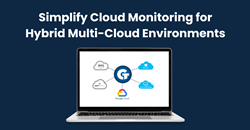
Goliath Technologies, a leader in end-user experience monitoring and troubleshooting software, has today announced the launch of Goliath Cloud Monitor – a new cloud monitoring platform that provides centralized monitoring of AWS and Azure cloud environments from a single location. With 75% of organizations worldwide implementing a multi-cloud strategy, the market demand for effective cloud monitoring solutions has never been greater.

Managing multiple cloud environments has become increasingly complex, so Goliath designed and launched a platform with ease-of-use in mind, that comes pre-built with embedded intelligence and smart policies. It automatically informs you as to what elements you should be monitoring and alerts you when performance thresholds are exceeded based on industry best practices, allowing you and your team to be operational in minutes.

“The market opportunity for cloud monitoring solutions is enormous, as more and more organizations adopt multi-cloud strategies and seek ways to manage their complex cloud environments,” said Thomas Charlton, CEO of Goliath Technologies. “Recent investments in tools like Nerdio, who received a $107 million investment from Updata Partners, are a clear indication of the market’s growing interest in this space, and we’re excited to bring our innovative solution to market and help organizations better manage their cloud environment with confidence and ease.”

Edgar Zacharjev, VP of Marketing at Goliath Technologies, added, “We believe that the future of cloud computing is multi-cloud, and our platform is designed to help organizations navigate this complex landscape with ease. With real-time insights and expert guidance built-in, our platform makes it easy for organizations to monitor their cloud environment and ensure optimal performance.”

Goliath Technologies’ cloud monitoring platform is available immediately, and the company is offering a 14-day free trial to help customers get started. For more information about the platform, please visit their website or contact their sales team.

About Goliath Technologies

Goliath Technologies offers end-user experience monitoring and troubleshooting software, with embedded intelligence and automation, that enables IT pros to anticipate, troubleshoot, and document performance issues regardless of where workloads, applications, or users are located. By doing so, Goliath helps IT break out of reactive mode, and into proactive mode. Customers include Universal Health Services, NorthBay Healthcare, Enterprise Rent-A-Car, Penn National Insurance, American Airlines, Office Depot, Tech Mahindra, Pacific Life, Xerox, HCL, and others. Learn more about how we empower proactive IT at goliathtechnologies.com.

Share article on social media or email:

Following Patient Penicillin Allergy De-labeling, Pharmacy Records Aren’t Always Updated to Reflect Changes


AAAAI Logo

We need to continue to examine what barriers are preventing us from completely de-labeling patients who can safely take penicillin and develop strategies to address those barriers.

Findings being presented at the 2023 Annual Meeting of the American Academy of Allergy, Asthma & Immunology (AAAAI) are highlighting the need to identify and address barriers to successfully de-labeling penicillin allergy for patients – even after testing has been completed.

“Penicillin allergy labels are associated with increased healthcare cost burdens as well as adverse events for patients,” said Althea Marie Diaz, MD, primary author of the study. “Many patients carrying a penicillin allergy label can safely take penicillin, but even after allergy testing we’re finding those allergy labels aren’t always being removed.”

Researchers identified 78 charts of patients who were de-labeled of their penicillin allergies from May 2019 to May 2022. Any patient who had their penicillin allergy removed from their electronic medical record (EMR) were also provided with a wallet card. Letters were sent to patients’ primary care physicians and their pharmacy of choice. Follow-up was conducted via phone interviews with patients and pharmacies to determine if penicillin had been successfully de-labeled.

They found that while 99% of the charts were de-labeled in the system’s EMR, 31% of charts still had an active penicillin allergy listed with the pharmacy. During follow-up interviews with 68 patients, 97% of patients recalled they had received a negative penicillin allergy result. Since de-labeling, 44% of patients had taken penicillin, while 52% had not. Some patients – 4% – were still avoiding penicillin despite their negative allergy result.

“We’ve come a long way when it comes to de-labeling penicillin allergies, but we have a long way to go,” said Dr. Diaz. “We need to continue to examine what barriers are preventing us from completely de-labeling patients who can safely take penicillin and develop strategies to address those barriers.”

Visit aaaai.org to learn more about penicillin allergy. Research presented at the AAAAI Annual Meeting, February 24-27 in San Antonio, Texas, is published in an online supplement to The Journal of Allergy and Clinical Immunology.

The American Academy of Allergy, Asthma & Immunology (AAAAI) is the leading membership organization of more than 7,100 allergists, asthma specialists, clinical immunologists, allied health professionals and others with a special interest in the research and treatment of allergic and immunologic diseases. The AAAAI is the go-to resource for patients living with allergies, asthma and immune deficiency disorders. Established in 1943, the AAAAI has more than 7,100 members in the United States, Canada and 72 other countries. The AAAAI’s Find an Allergist/Immunologist service is a trusted resource to help you find a specialist close to home.

Share article on social media or email: